



Next-day appointments
Call or book today and we'll do our best to get a pro to you tomorrow.
Chimney service
The short answer
There are three levels, and the one you need is decided by your situation, not by your budget.
NFPA 211 defines three. Level 1 is the annual check when nothing has changed — a visual look at readily accessible parts, inside and out. Level 2 adds a video scan of the full flue and covers the attic, crawl space and roof, and it is required when a property changes hands, when the appliance changes, or after an event like a chimney fire or an earthquake. Level 3 involves opening up structure to reach something the first two could not, and nobody books it directly; it is what a Level 2 recommends when the findings demand it.
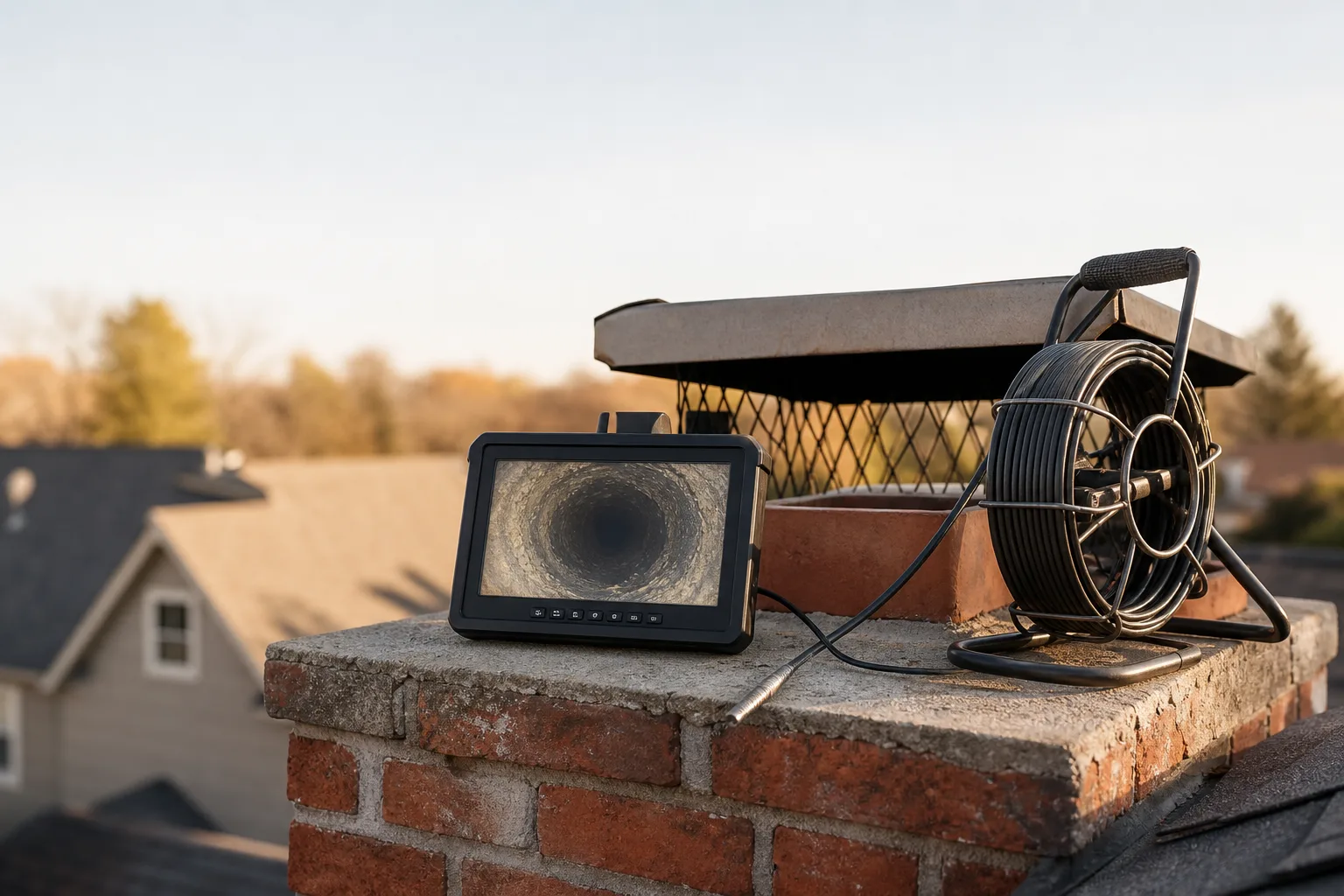
A camera, not a torch
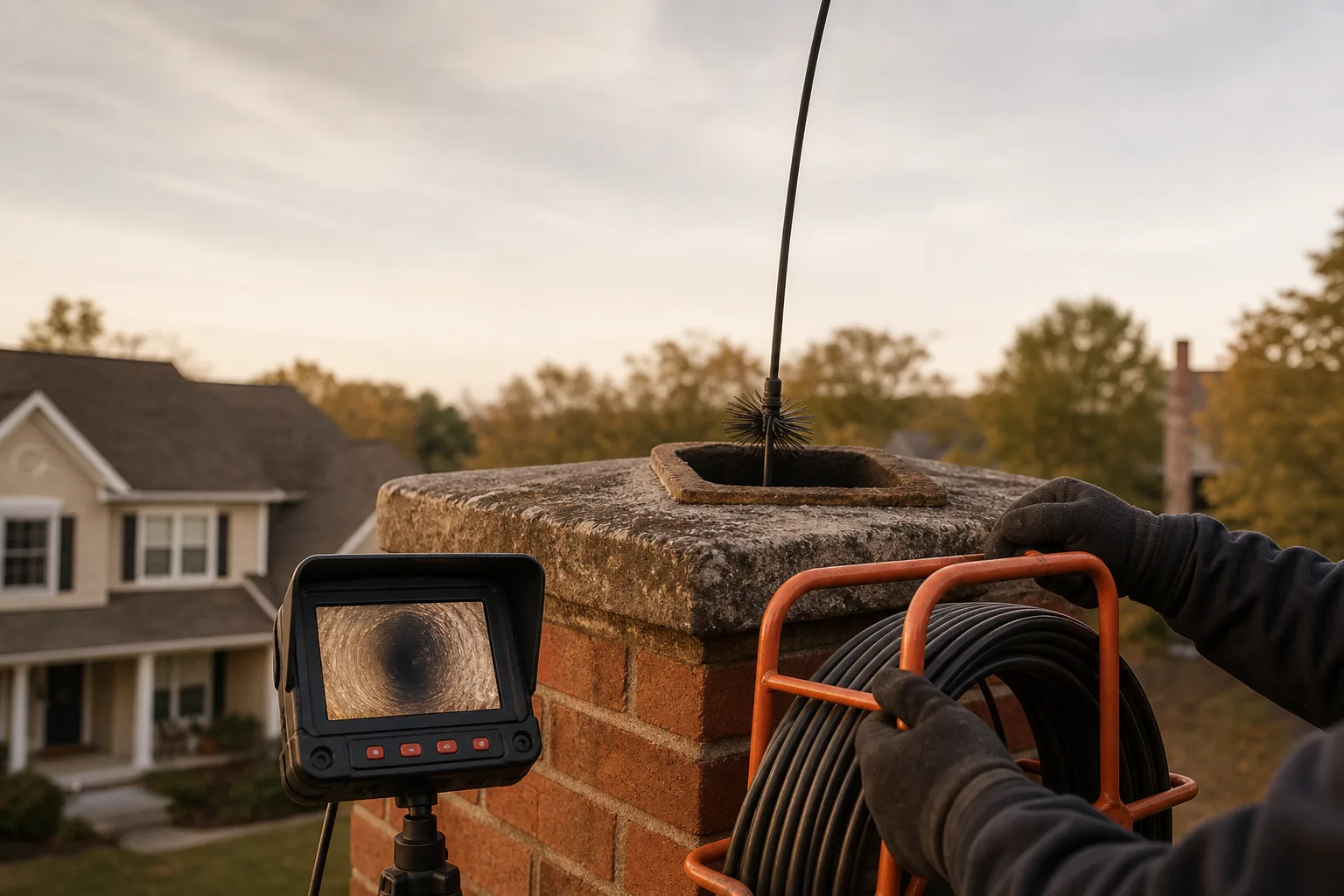
The camera is what separates a Level 2 from a Level 1. Everything expensive is inside the flue, where a visual check cannot reach.
Fall Special
Call or book today and we'll do our best to get a pro to you tomorrow.
Anything that needs attention is shown to you and explained in plain words.
If something needs fixing, you get the price in writing first. Saying no costs nothing.
Do you have this problem?
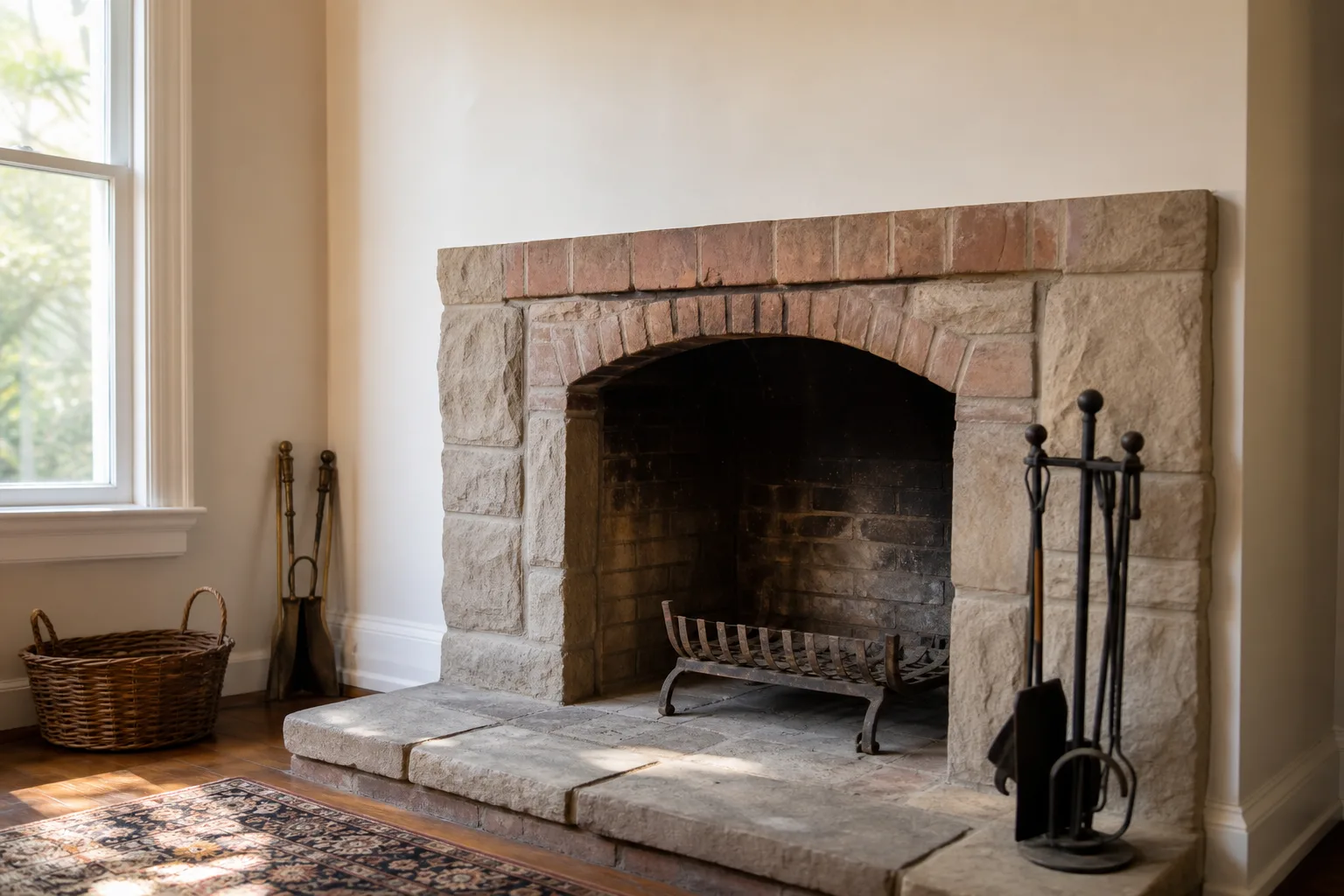
This is the clearest case in the whole standard. A property transfer calls for a Level 2, and a general home inspector's glance up the flue is not one.
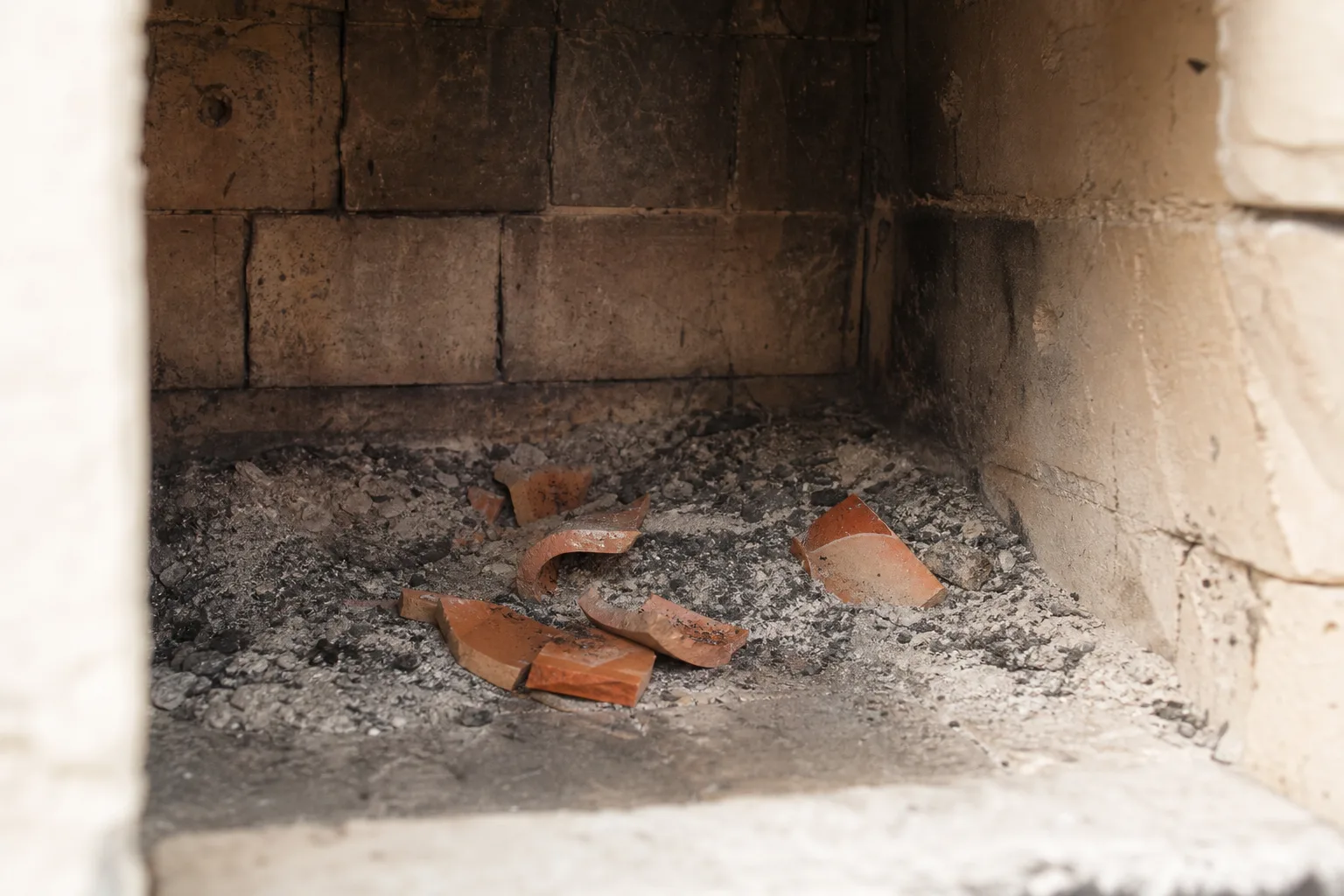
The liner is breaking up. A level 2 camera scan is the only way to see how far it has gone, and until it has been seen the fireplace should not be used.
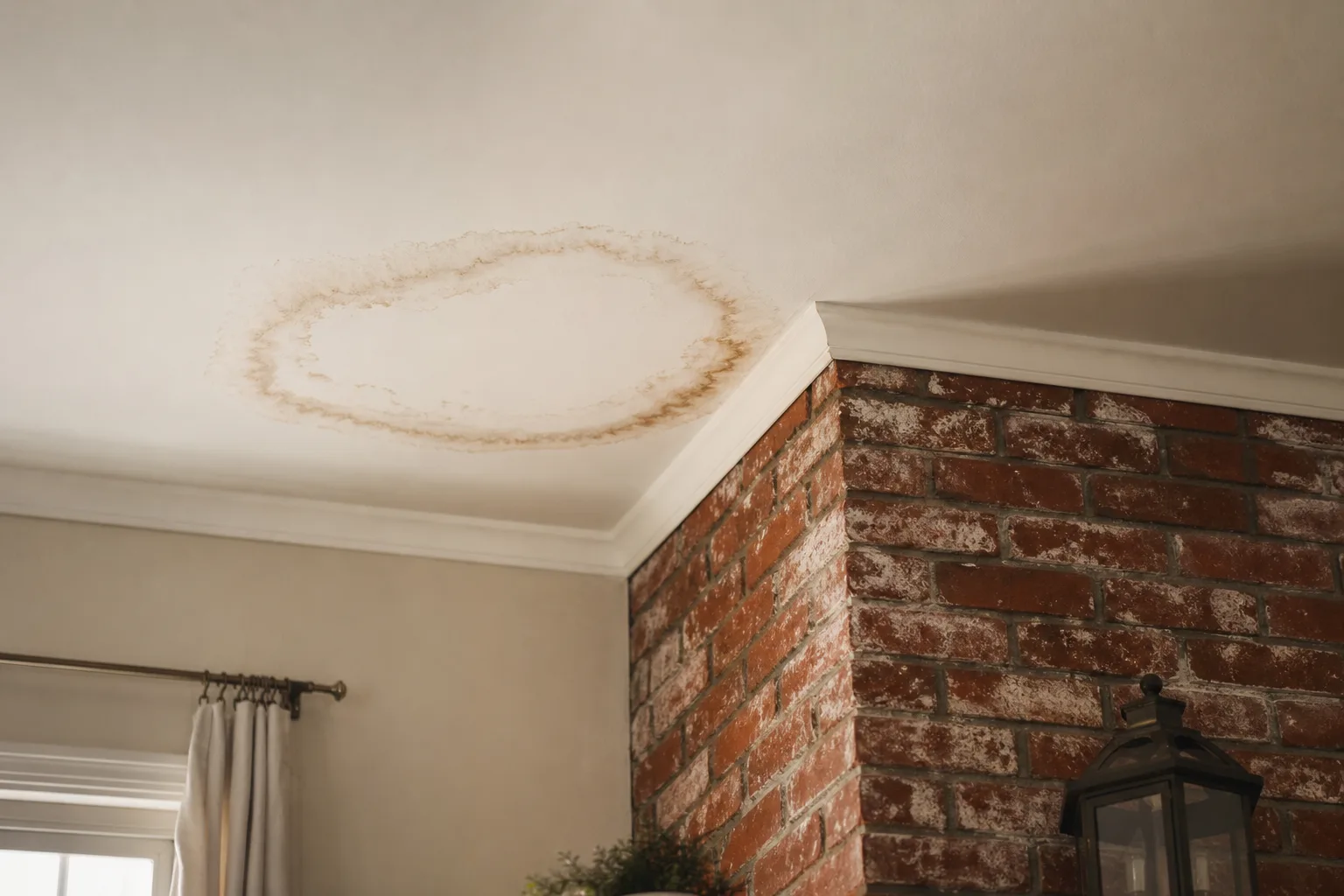
Water is getting in above and travelling down. The stain is almost never under the actual leak, which is why an inspection saves money over guessing at a repair.
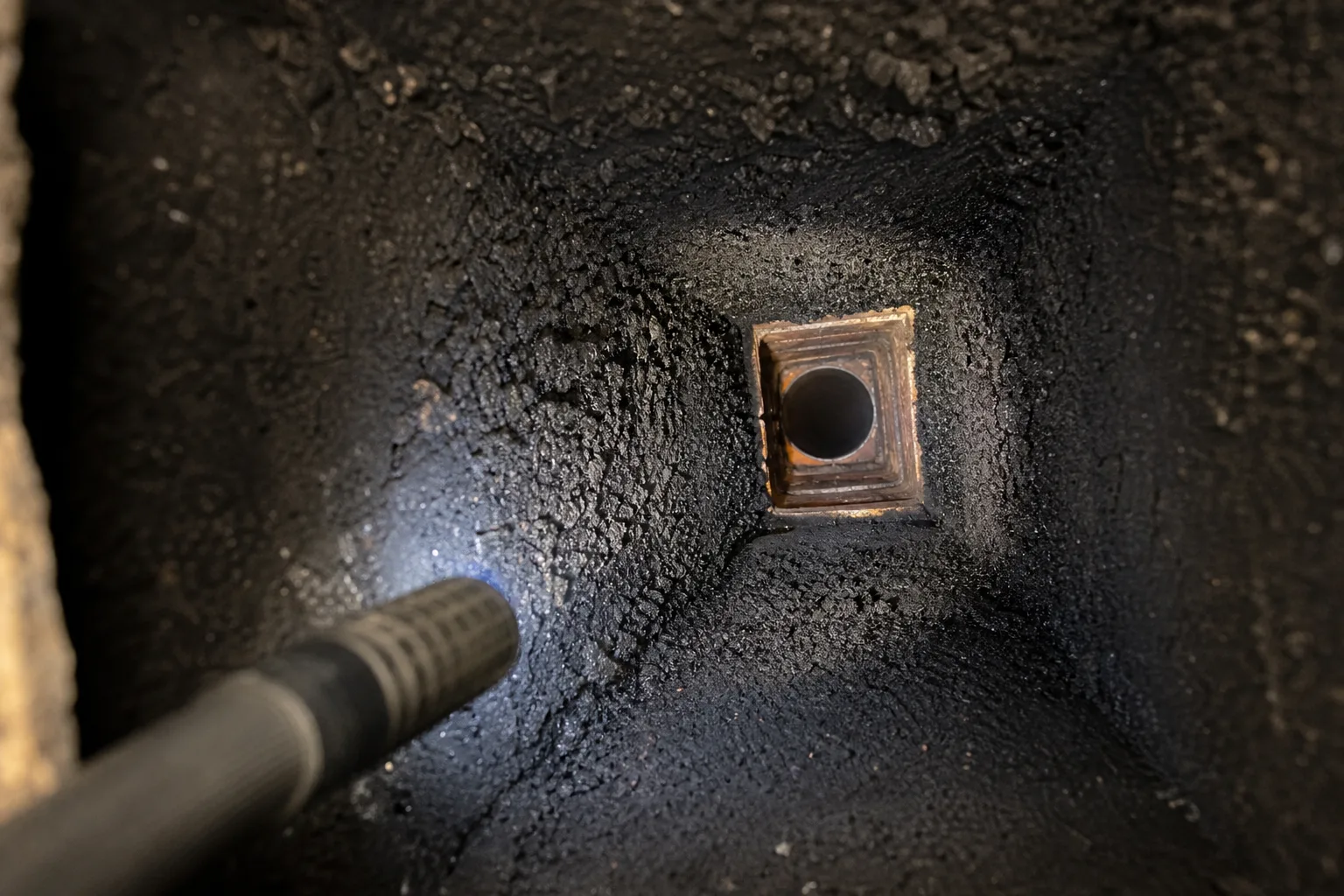
A loud roar, a smell of burning, flakes on the roof. Even a small flue fire cracks tiles, and the standard calls for a Level 2 afterwards without exception.
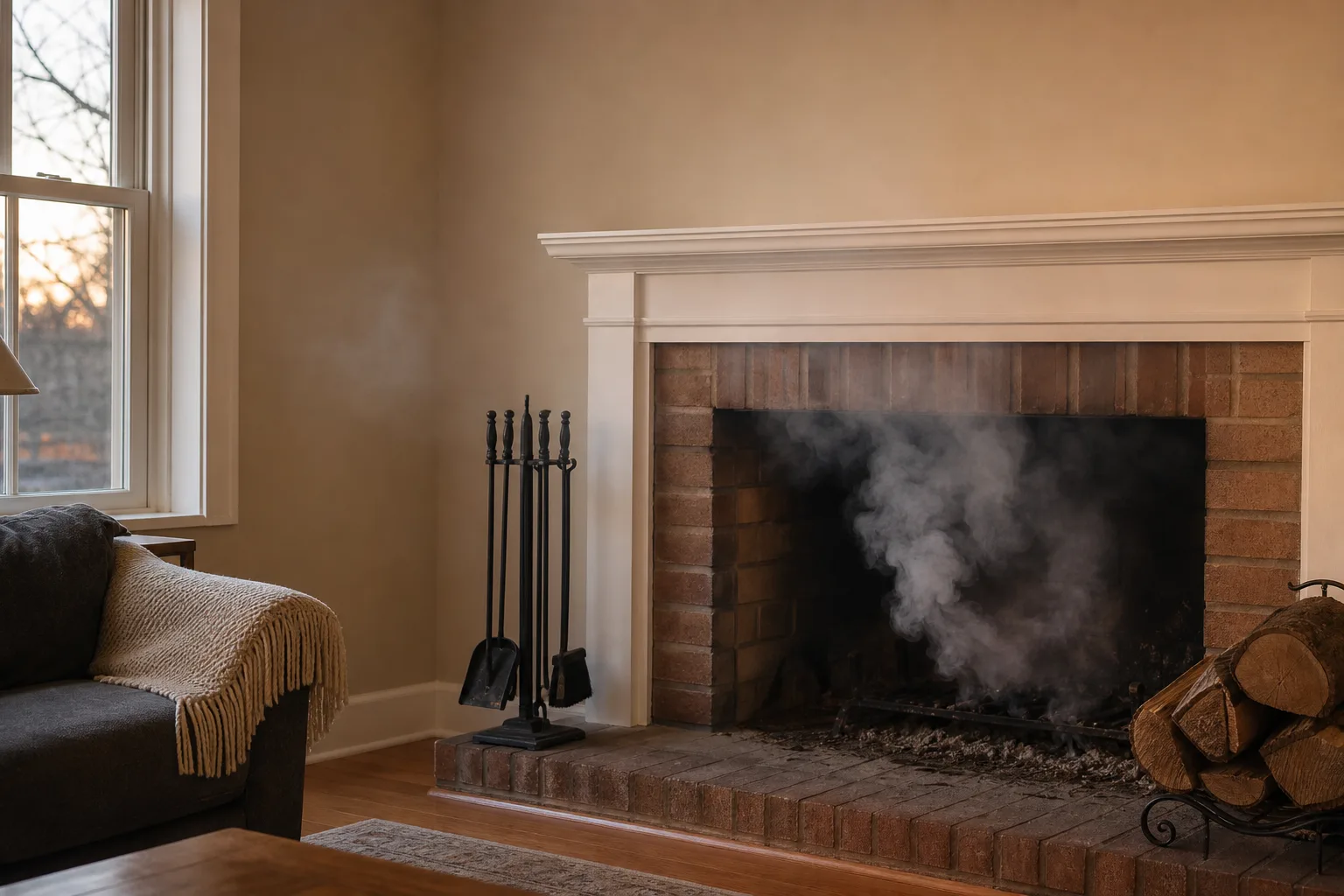
Changing the appliance changes what the flue has to handle. A new appliance on an old flue is a Level 2 situation, not a Level 1.
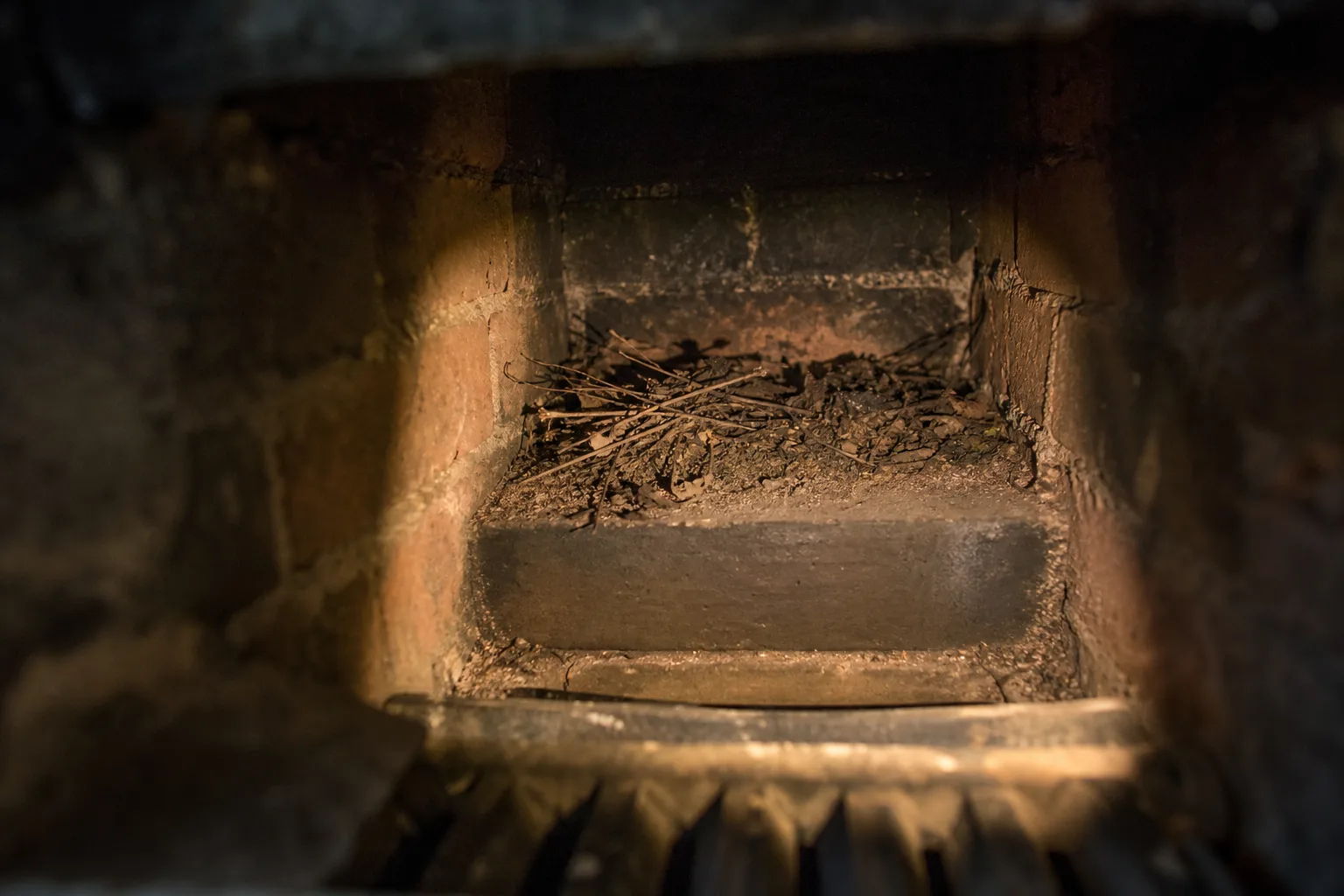
NFPA 211 asks for an annual inspection whether or not the fireplace has been used, because nests, water and masonry damage do not wait for you to light a fire.
How we work
The same four steps every time, whatever the repair turns out to be.
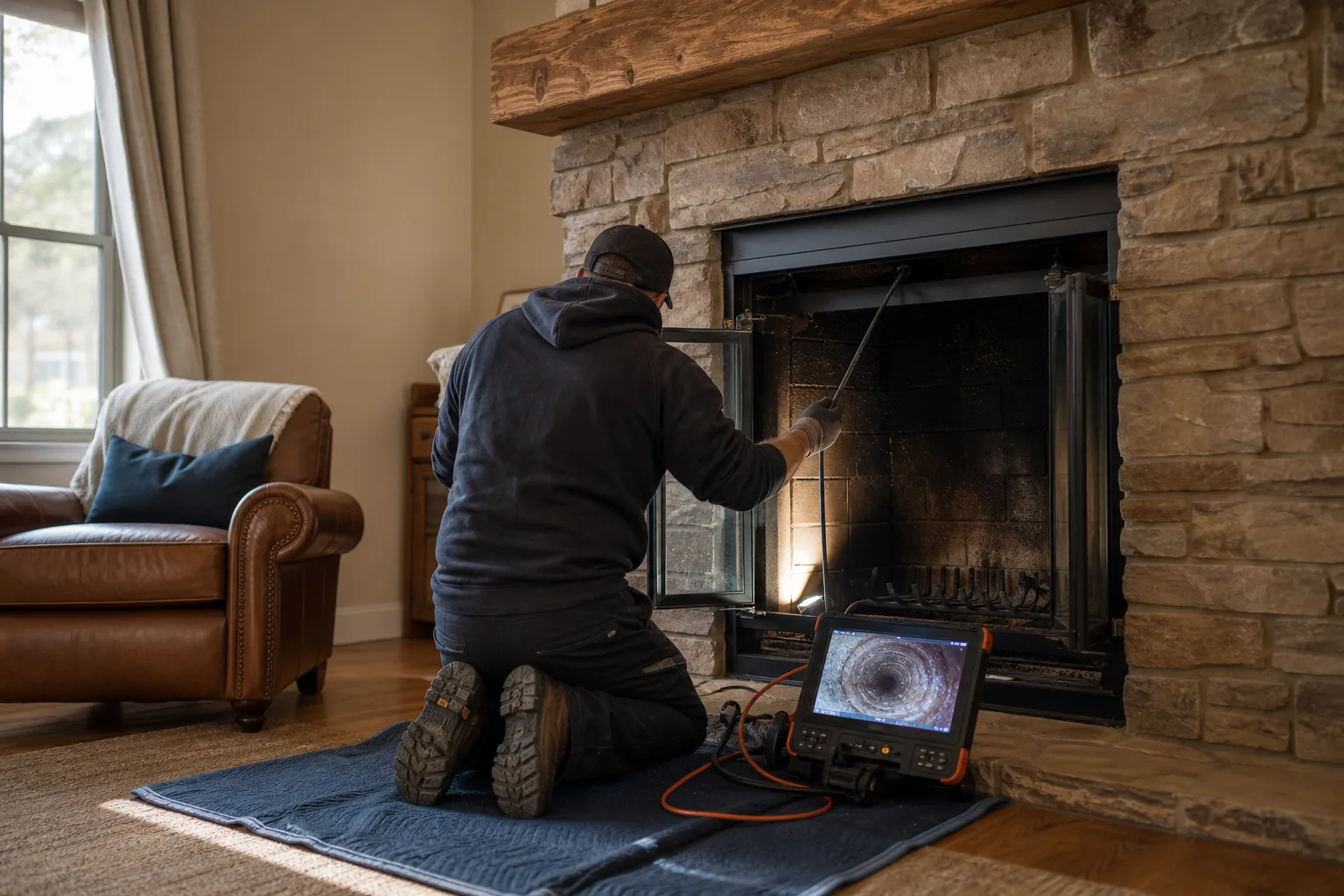
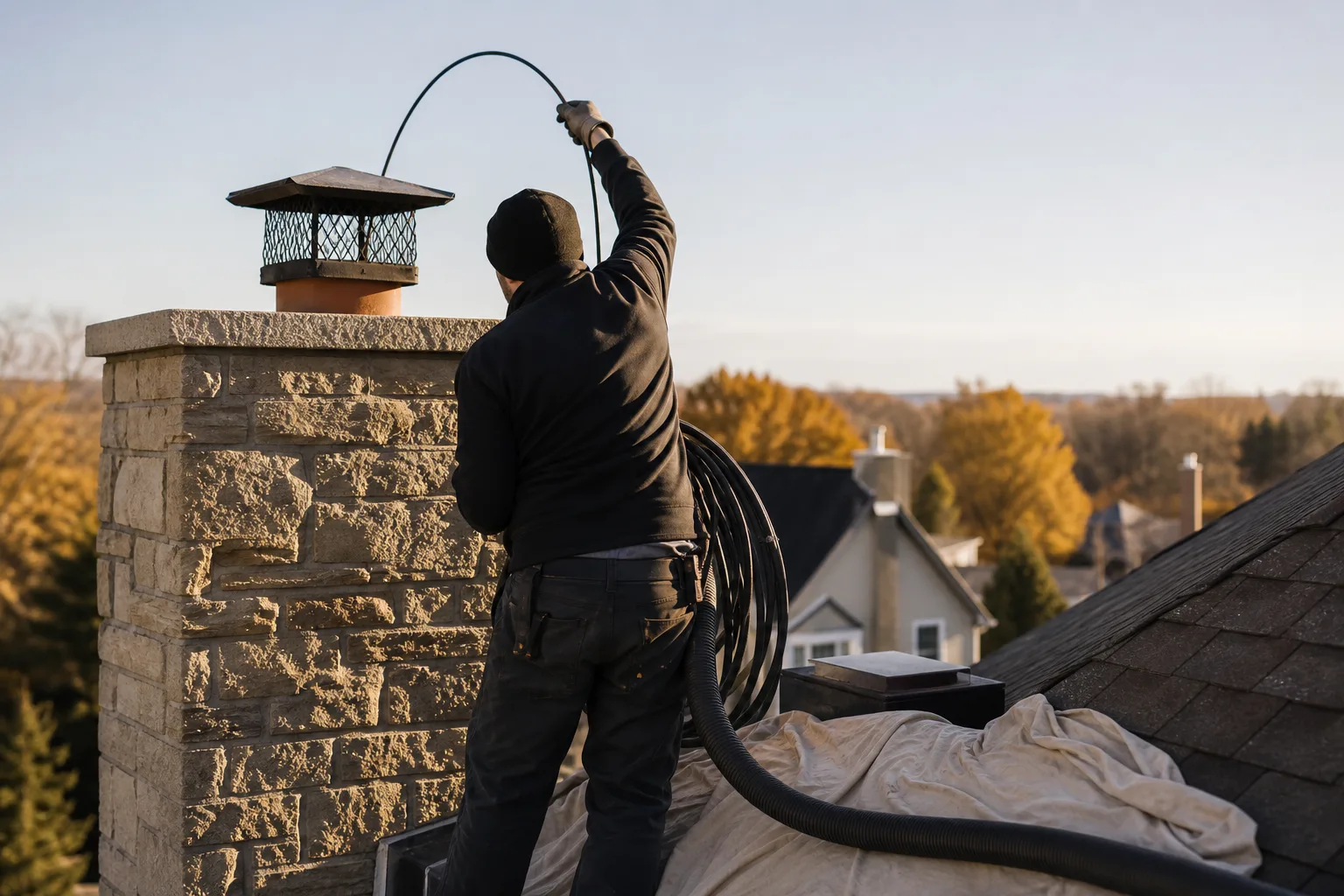
A look at the crown, cap, flashing and exterior masonry, then the flue, damper and firebox — with a camera where the job calls for a level 2 scan. Whatever needs work gets shown to you, not just described.
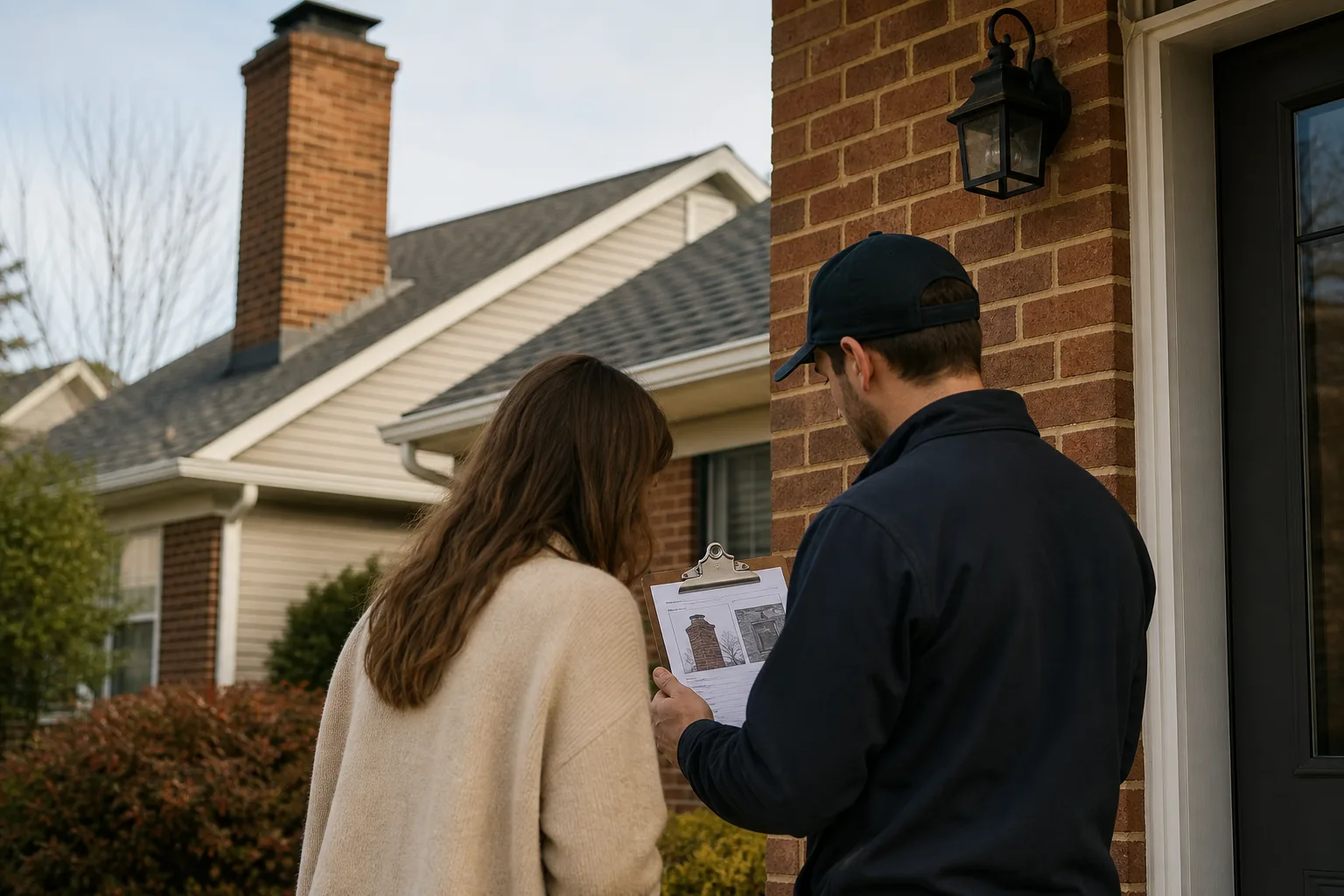
Scope, price and what is not included, in writing. Nothing starts until you approve it, and an emergency is not a reason to skip this step.
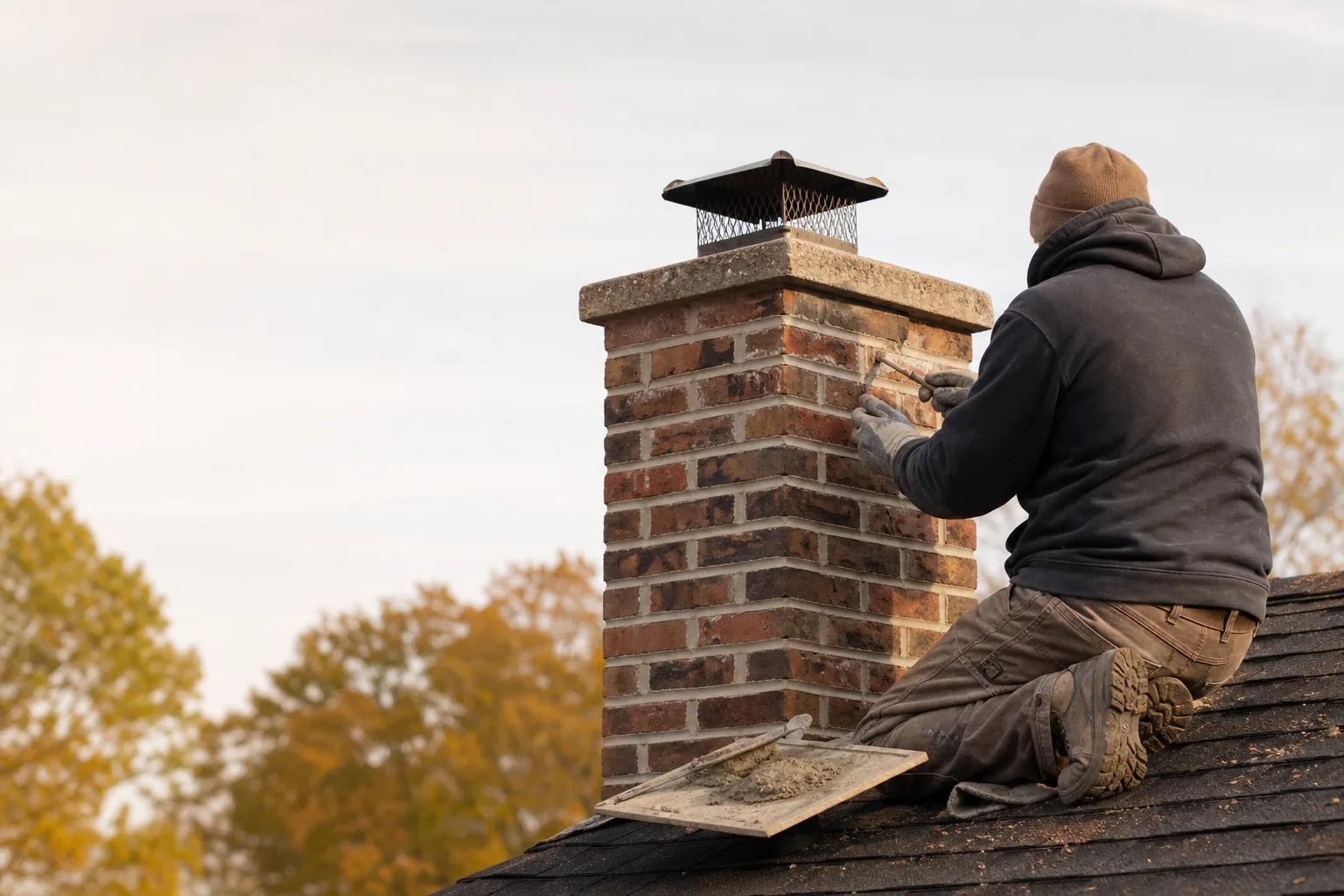
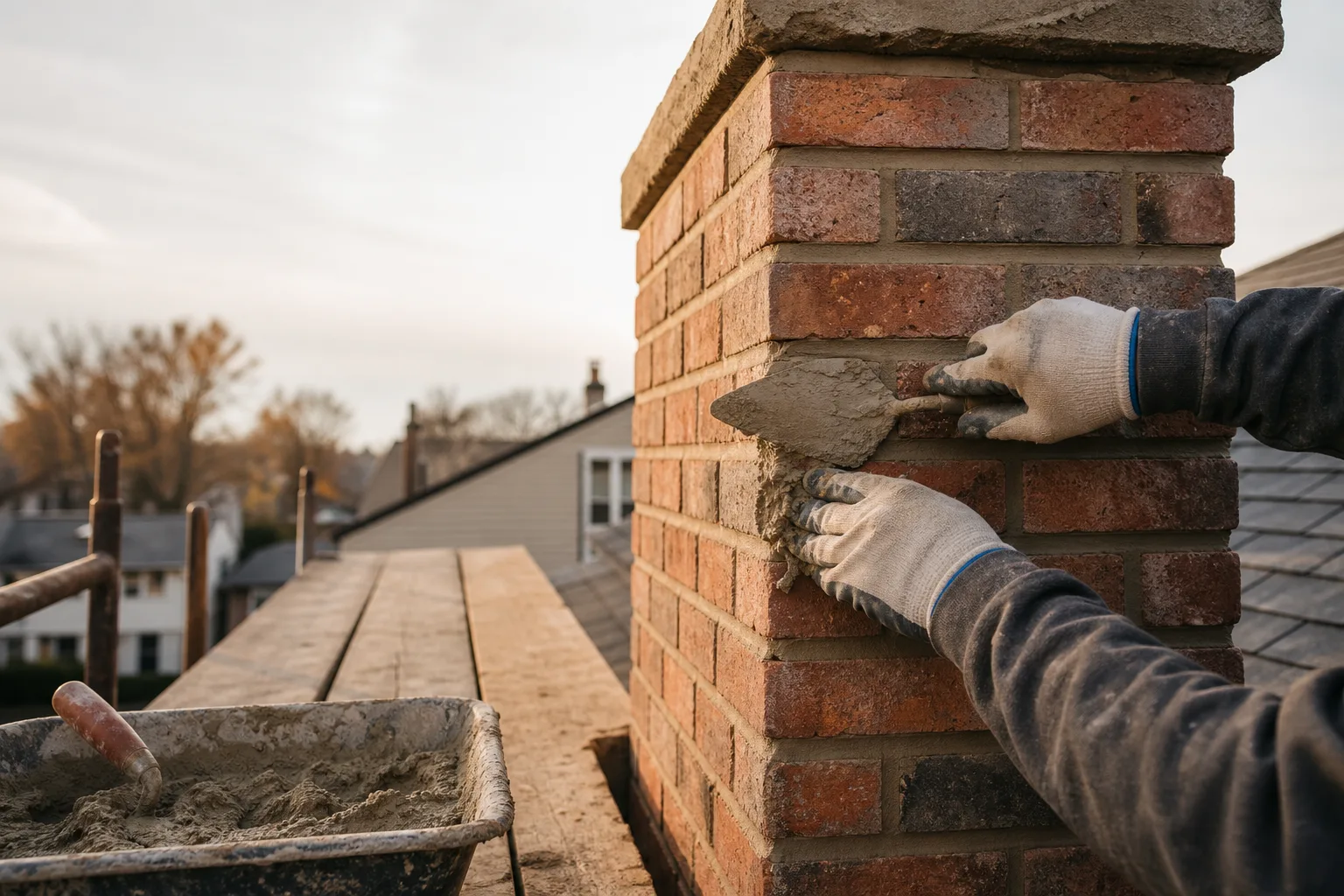
Matched materials and the manufacturer's spec, not whatever is on the van. Drop cloths down, and the room left as it was found.
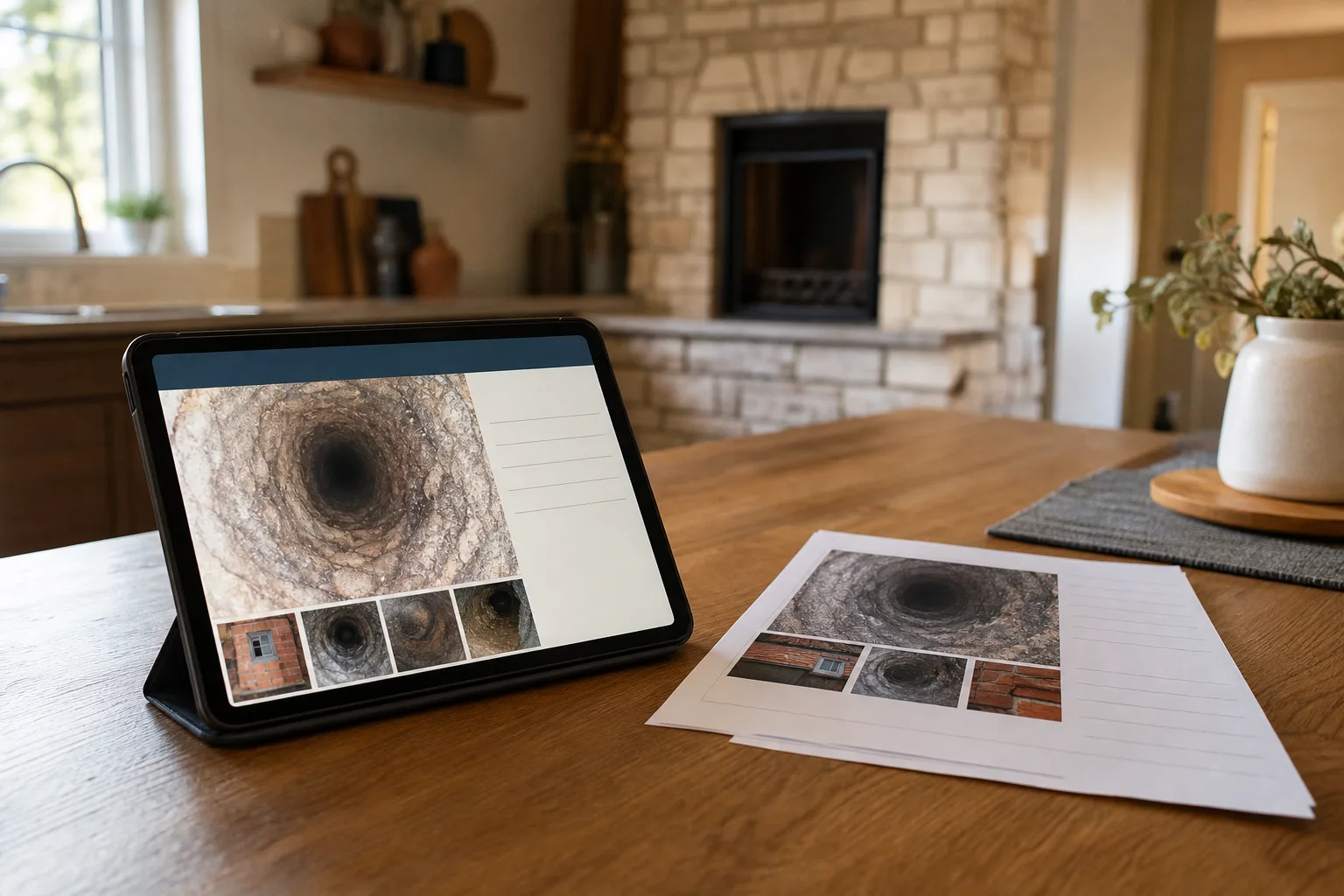
A second scan after the work, and written findings you can keep, hand to an inspector, or send to an insurer.
What it covers
Not every job on this list is equally urgent, so they are ordered that way. A cracked liner stops you using the fireplace tonight; waterproofing can wait for a dry week.
The job — most urgent first
What it involves
On site
Everything in a Level 1 plus a video scan of the full flue interior, and access to the attic, crawl space and roof. Required at property transfer and after a chimney fire. This is the report a buyer's inspector or an insurer will ask for.
On site: 1–2 hours
Removing masonry or part of the structure to reach a hazard the camera could see but not assess. Nobody books this directly. It is what a Level 2 recommends when the findings leave no other way to check.
On site: Varies
Readily accessible portions of the chimney, structure and appliance, inside and out. The right choice when nothing has changed and you are using the fireplace the way you always have.
On site: About an hour
Camera documentation of the full flue without the rest of a Level 2. Useful when you already know the outside is sound and want to see the liner, or want footage for an insurance claim.
On site: About an hour
A Level 2 written for a transaction: findings, footage, and what it would cost to put right, in a form you can hand to an agent or use in a negotiation.
On site: 1–2 hours
Times are for the work itself, not for scheduling. Masonry needs roughly 40°F to cure properly, which is what limits this work in a northern winter rather than whether a crew is free.
What drives the price
A Level 1 is often included free with an annual cleaning, and any company charging separately for both should say why. A Level 2 costs meaningfully more because it takes longer, needs a camera and produces a documented report. Level 3 is quoted per job because it means opening up structure.
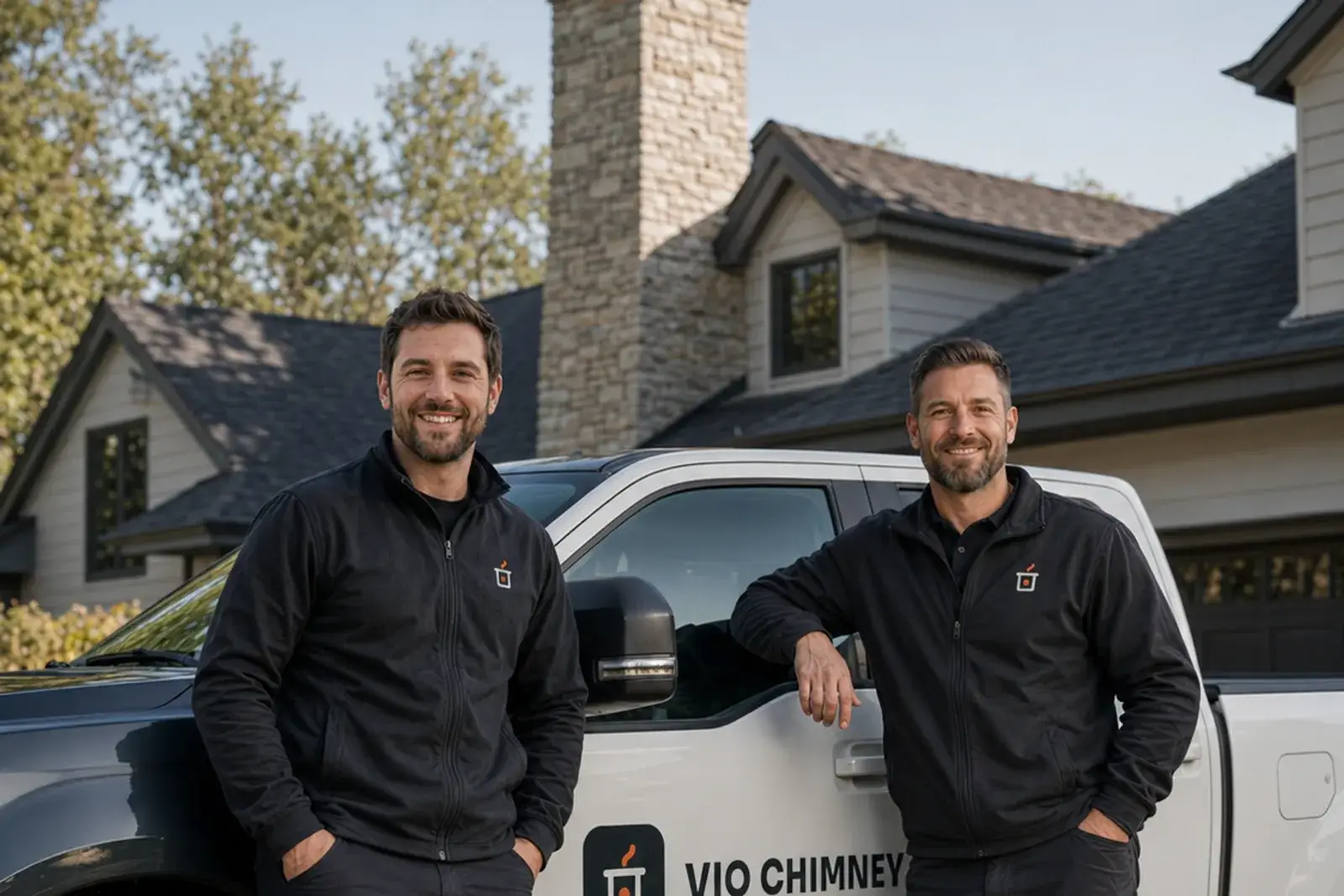
Founded by Ryan Carter in 2019. Every page you read here is reviewed by Ethan Miller, our chimney specialist. A written estimate before any work, and the findings in writing whether or not anything needs doing.
More about who we are →
The VIO Standard
Good to know