Safety hub · Conservative by design · Sources on file
Fireplace & chimney safety, without the scare tactics.
Most chimney risk is preventable with an annual look and a few habits. Here's what actually matters — and the short list of situations where you should stop using the fireplace until it's checked.
Real homeowner reviews



If it is happening right now
Smell smoke with no fire burning, or a CO alarm sounding? Get everyone out of the building first, then call emergency services from outside.
Do not look for the source, and do not use the appliance again until the flue has been inspected.
Stop using the fireplace if…
- Smoke enters the room when the damper is open
- You've had a chimney fire — even a small, self-extinguished one
- Water is dripping into the firebox
- Chunks of tile or mortar are falling into the fireplace
- There's an animal or nest in the flue
- A CO alarm has sounded near the fireplace
Any of these warrants an inspection before the next fire.
Call (513) 655-6702Prevention
The habits that prevent almost everything.
- 1
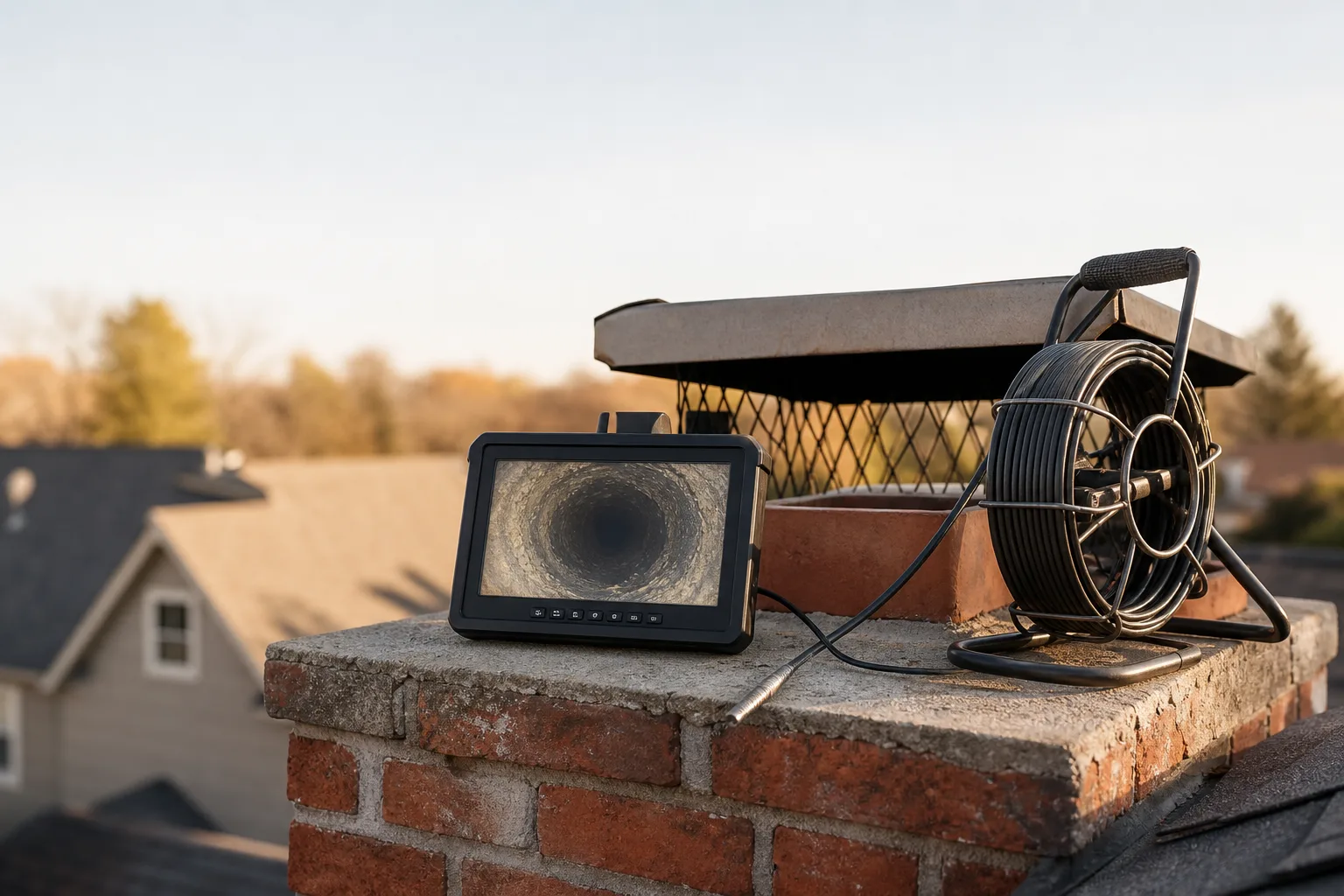
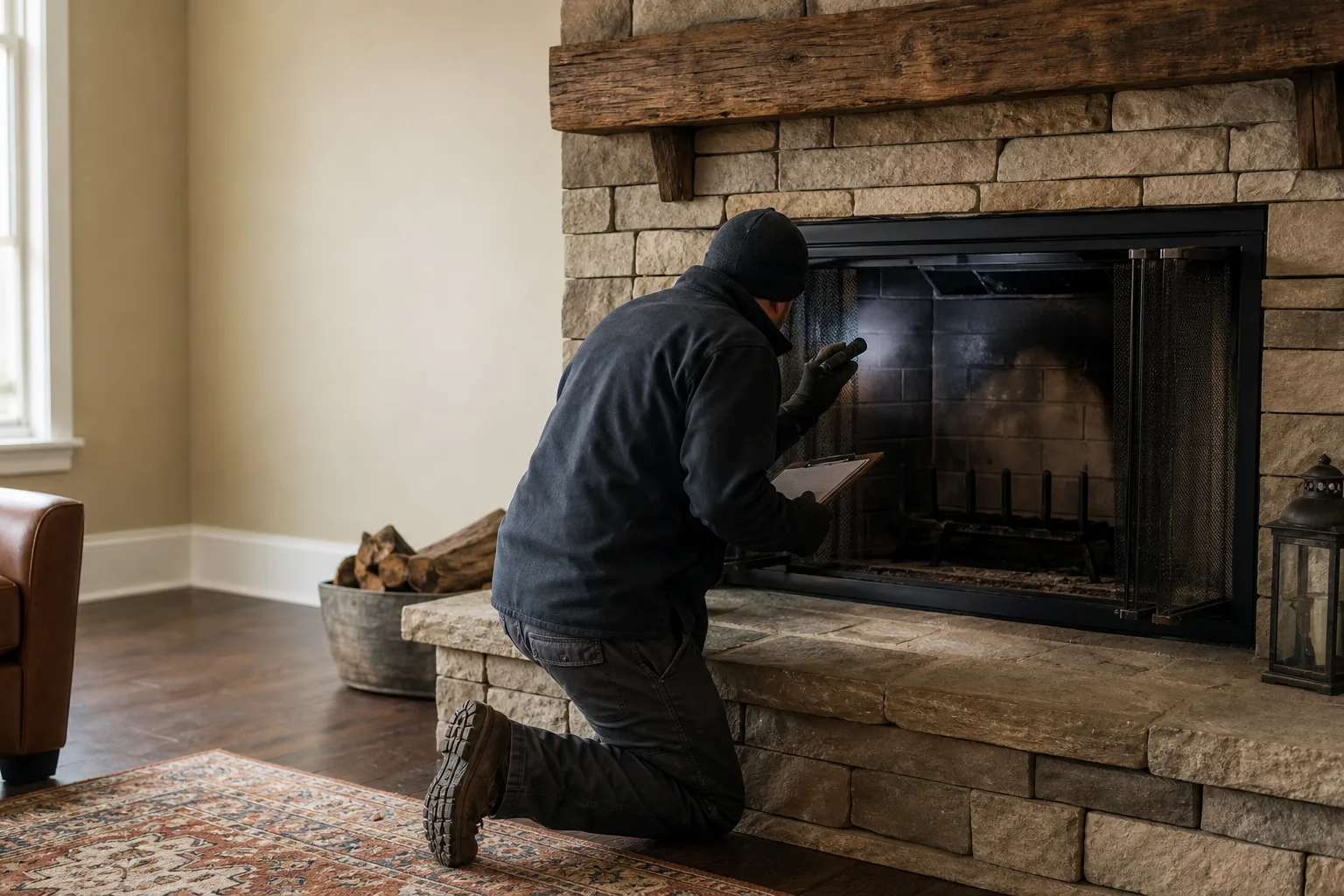
Annual inspection, every year
NFPA 211 calls for one every year regardless of how much you burn. Late summer is the quietest time to arrange it. - 2
Burn seasoned hardwood only
Properly dried wood burns hotter and leaves far less creosote behind than green wood does. - 3
No smoldering overnight burns
Hot, active fires keep the flue warm and clean; choked fires coat it. - 4
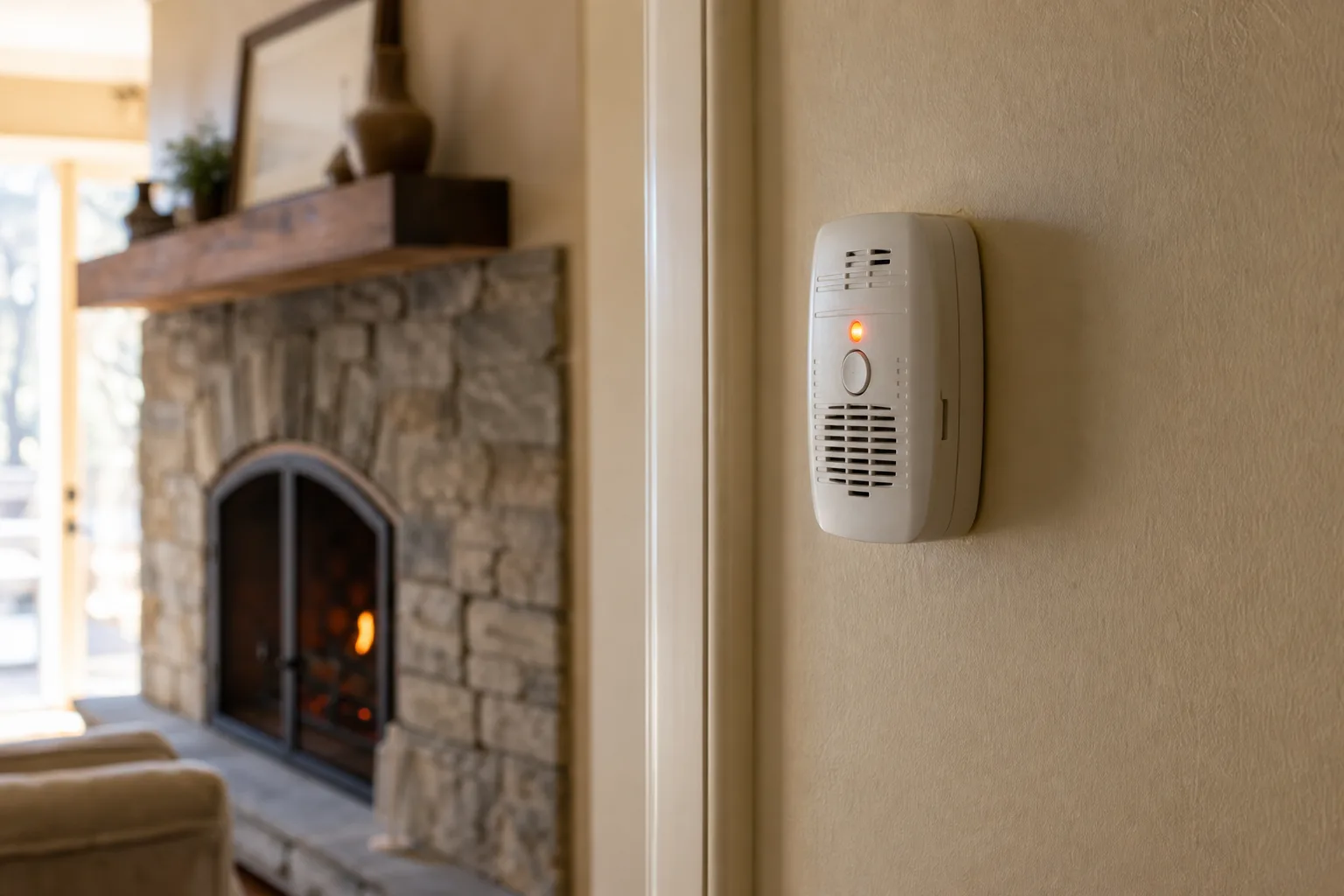
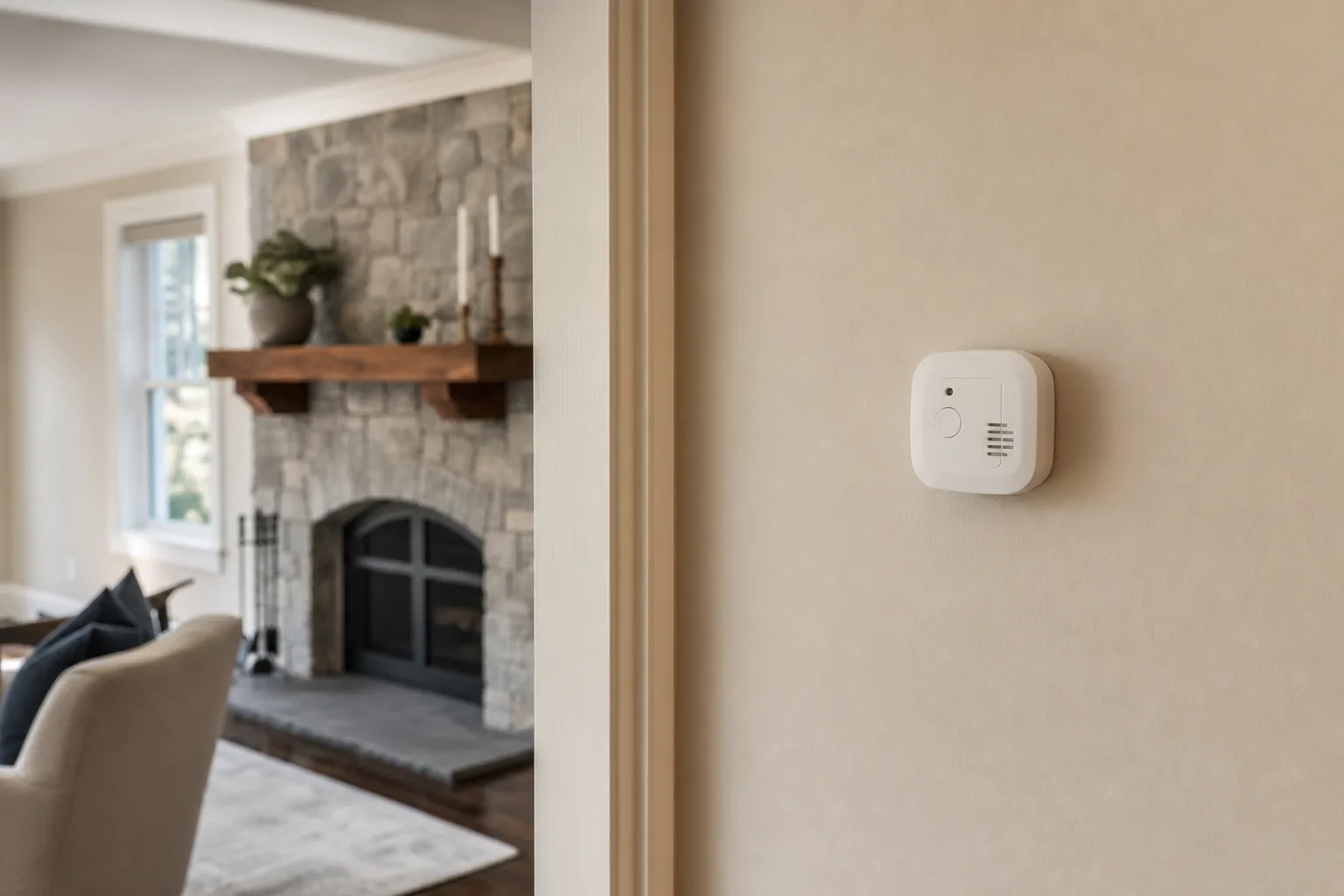
Working CO + smoke alarms
One on every level of the house, tested regularly. Non-negotiable with any fuel-burning appliance. - 5
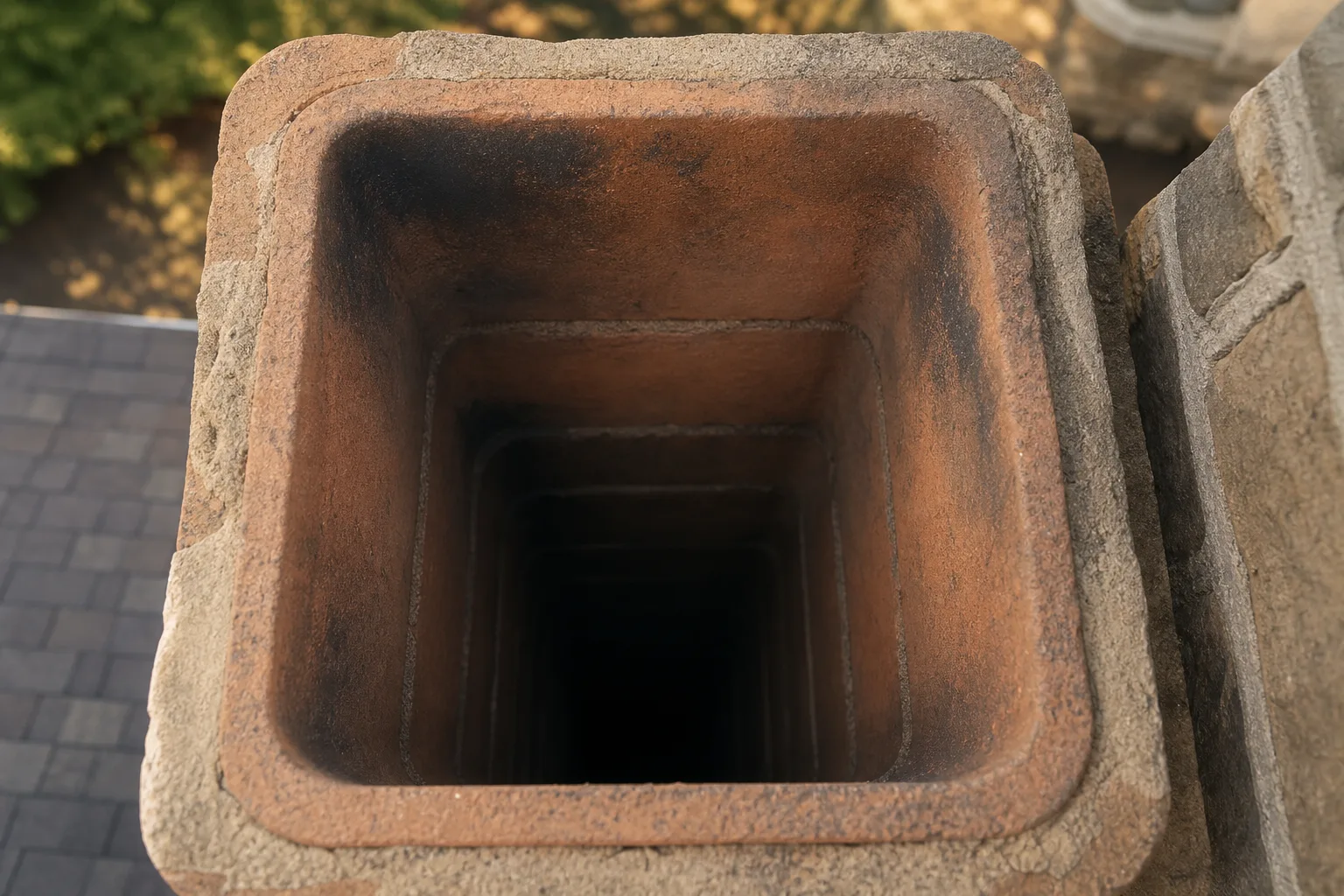
Keep a cap on the flue
A fitted cap keeps out rain, animals, and debris — the cheapest prevention there is. - 6
Treat ashes as live for days
Embers stay hot far longer than they look. A metal container with a lid, outside and away from the house, until you are certain they are cold.
Safety guides