Home / Problems
Symptom directory
What's your chimney doing?
Start from the symptom, not the service. Each guide covers likely causes, urgency, what not to do, and which service usually fixes it — the exact cause always needs a professional look.
Find the one closest to what you are seeing.
None of these needs you to know the right word for it. Pick the closest match and the page behind it says what usually causes it, whether it can wait, and what fixing it involves.
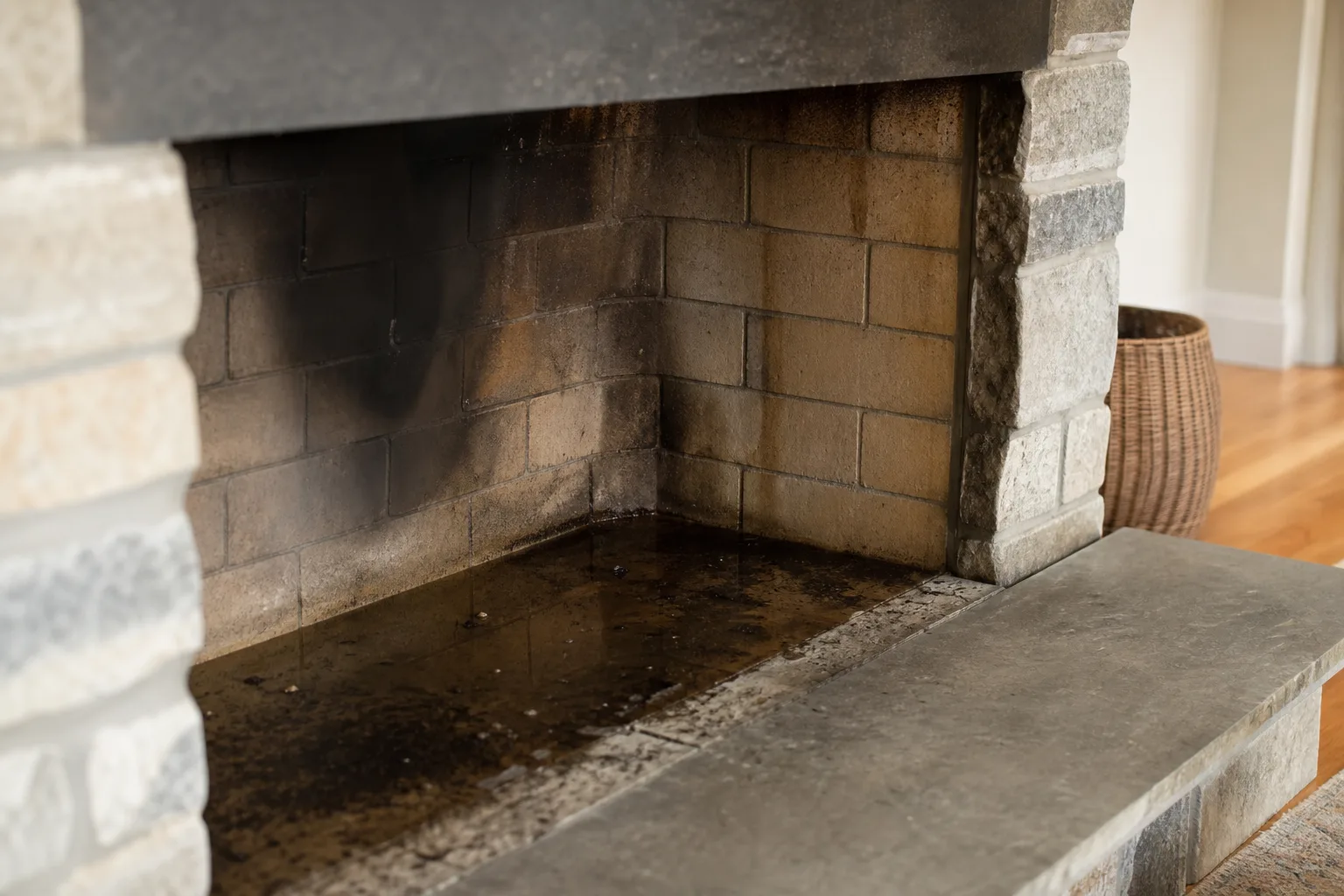
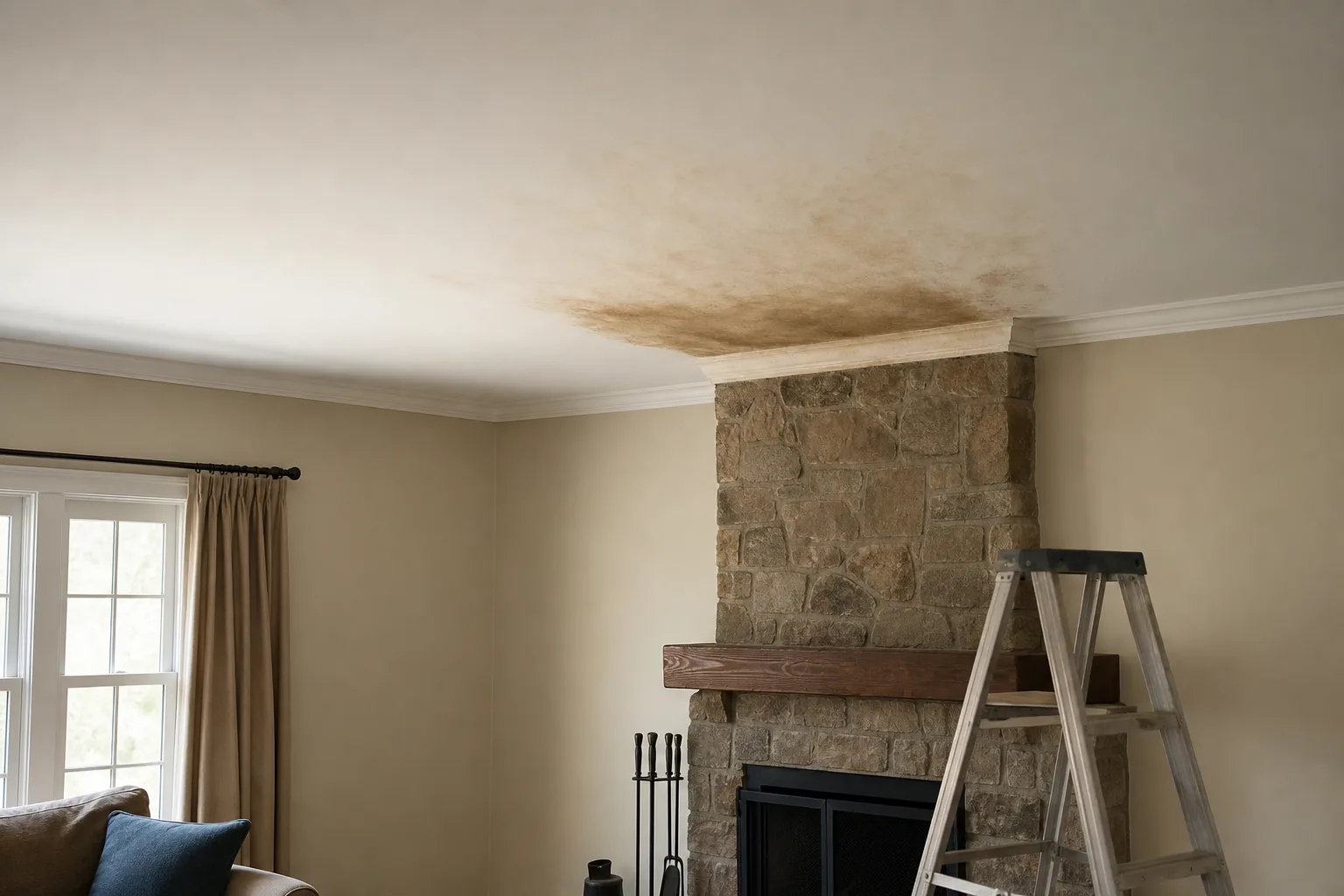
Brown stains on the ceiling or a wall
Water is getting in above and running down inside the structure. The stain usually appears feet away from where it actually enters.
What causes chimney leaks →
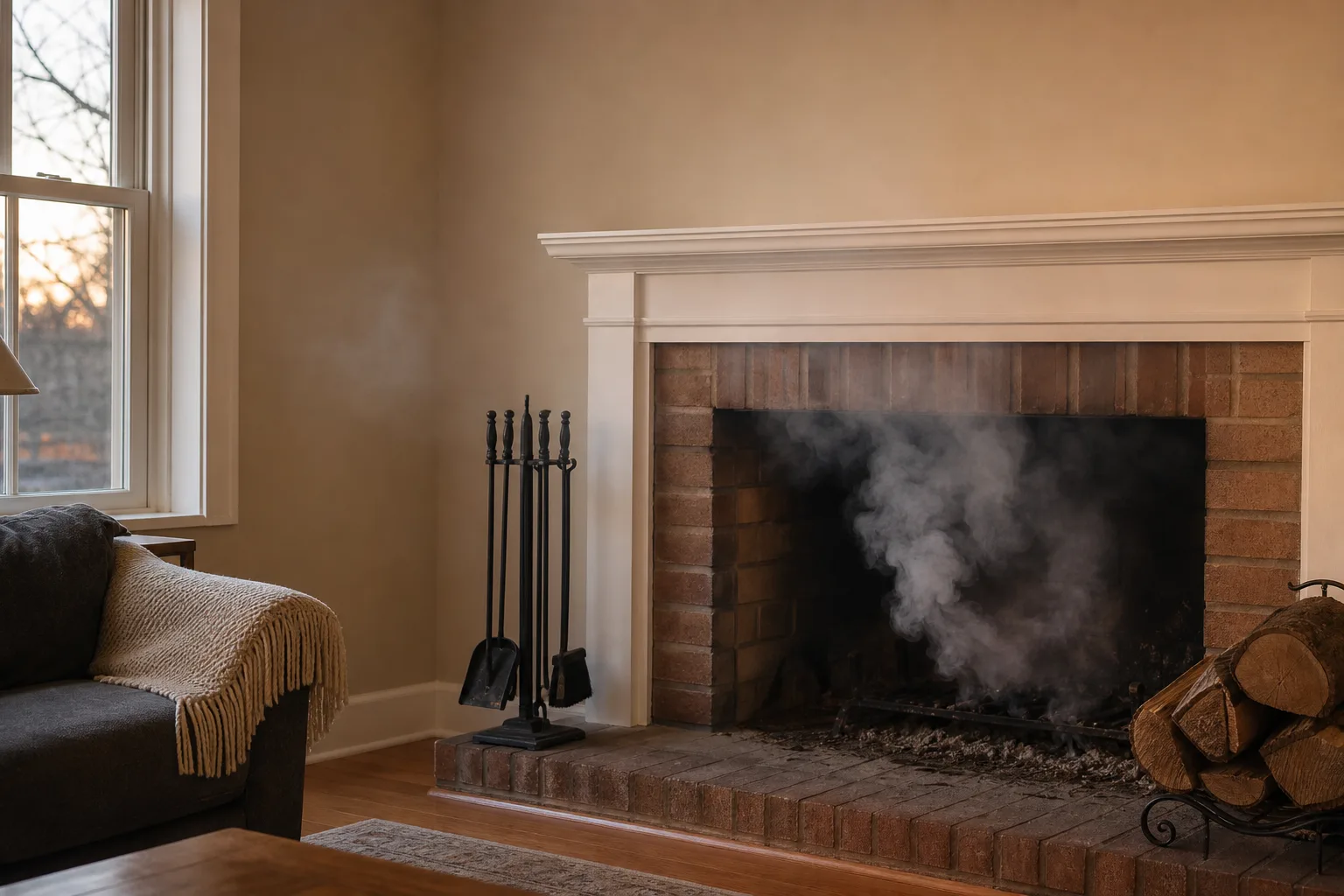
Smoke blowing back into the room
The chimney is not drawing. A blockage in the flue, or the house pulling air the wrong way. Do not light another fire until someone has looked.
What causes a smoking fireplace →
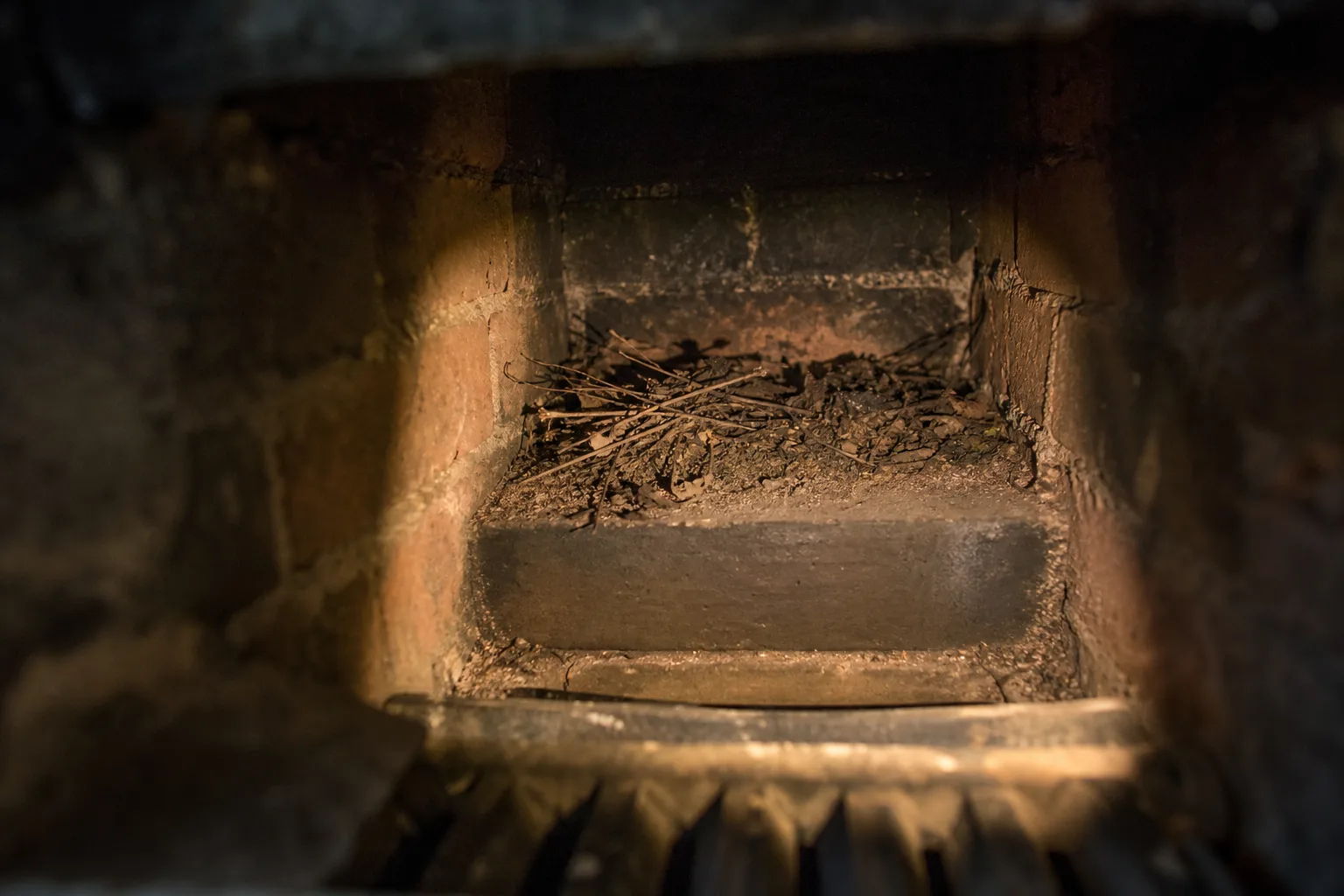
A smell like an old barbecue in summer
Creosote and humid air. The smell is telling you how much is up there, and every warm wet week makes it worse.
What causes fireplace smells →
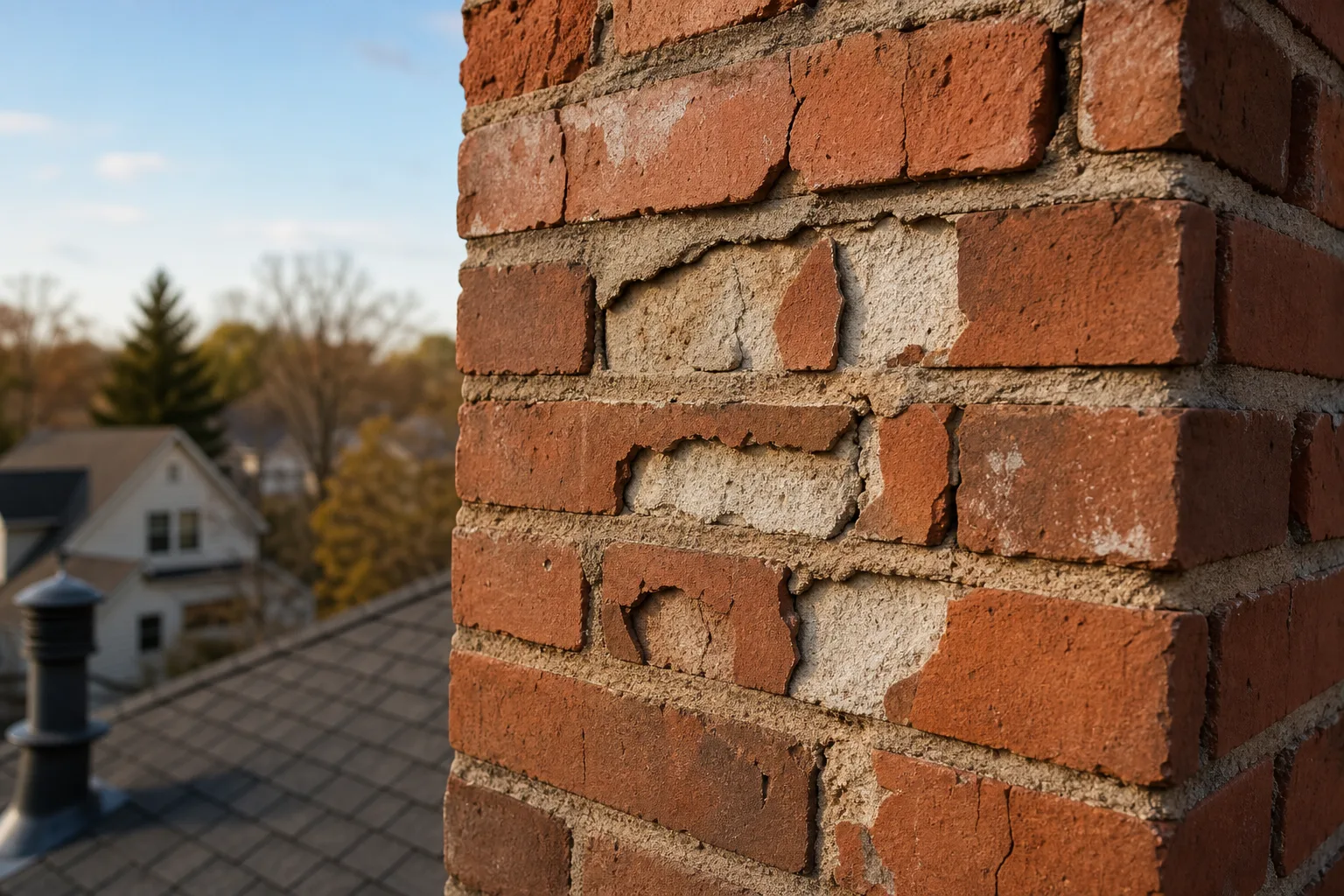
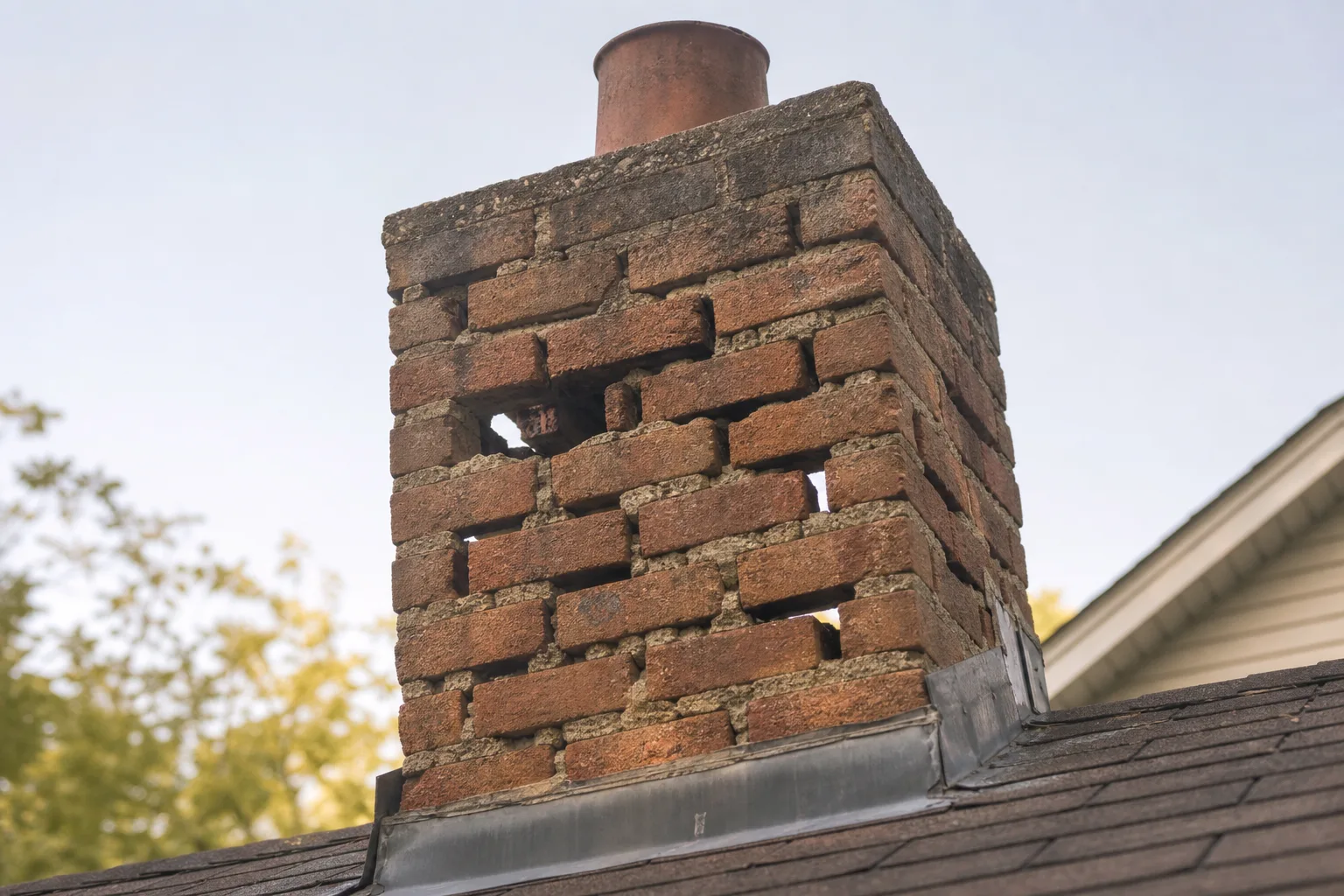
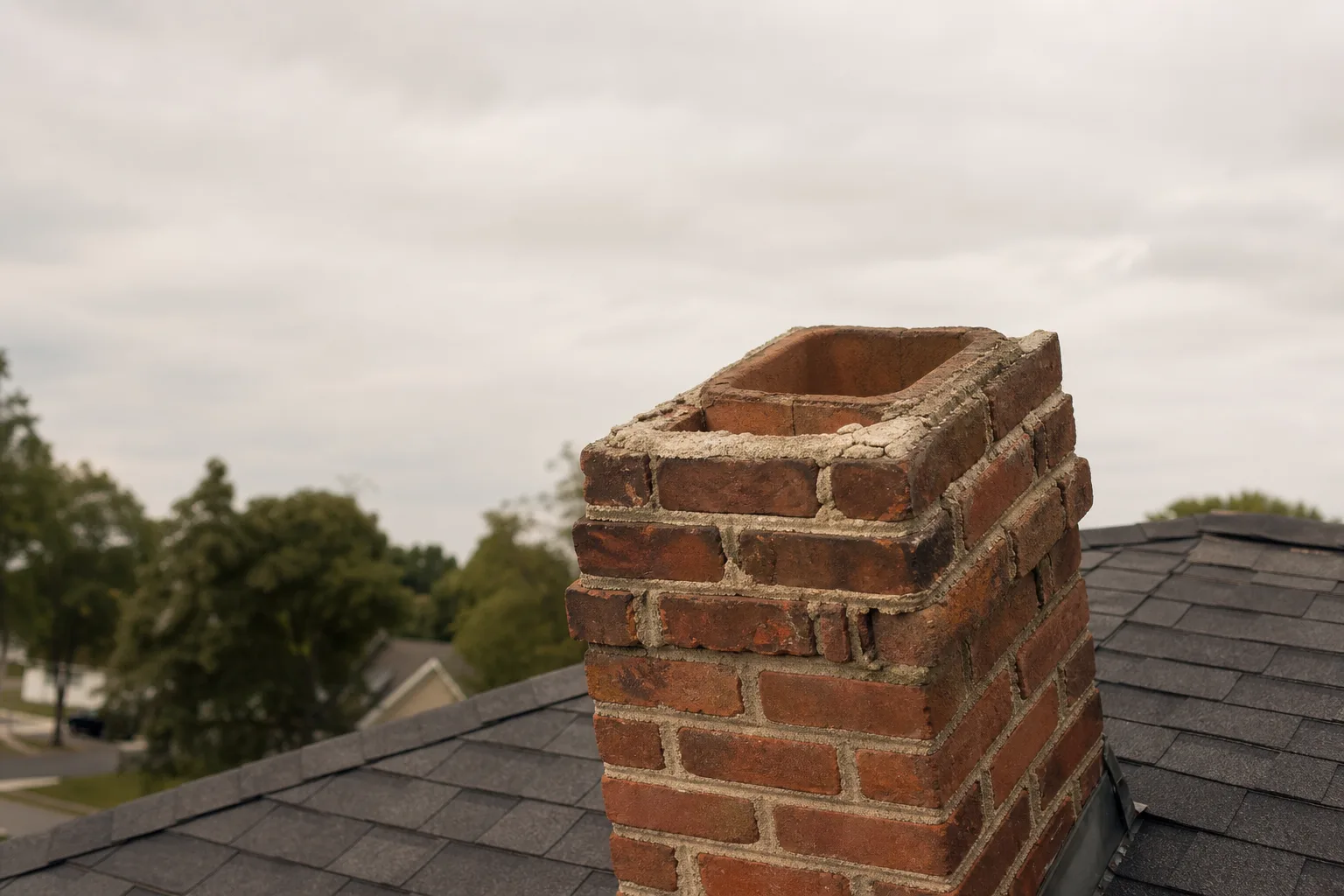
Brick faces flaking off the chimney
Water soaked into the brick, froze, and pushed the face off. Every winter takes another layer.
What causes spalling brick →
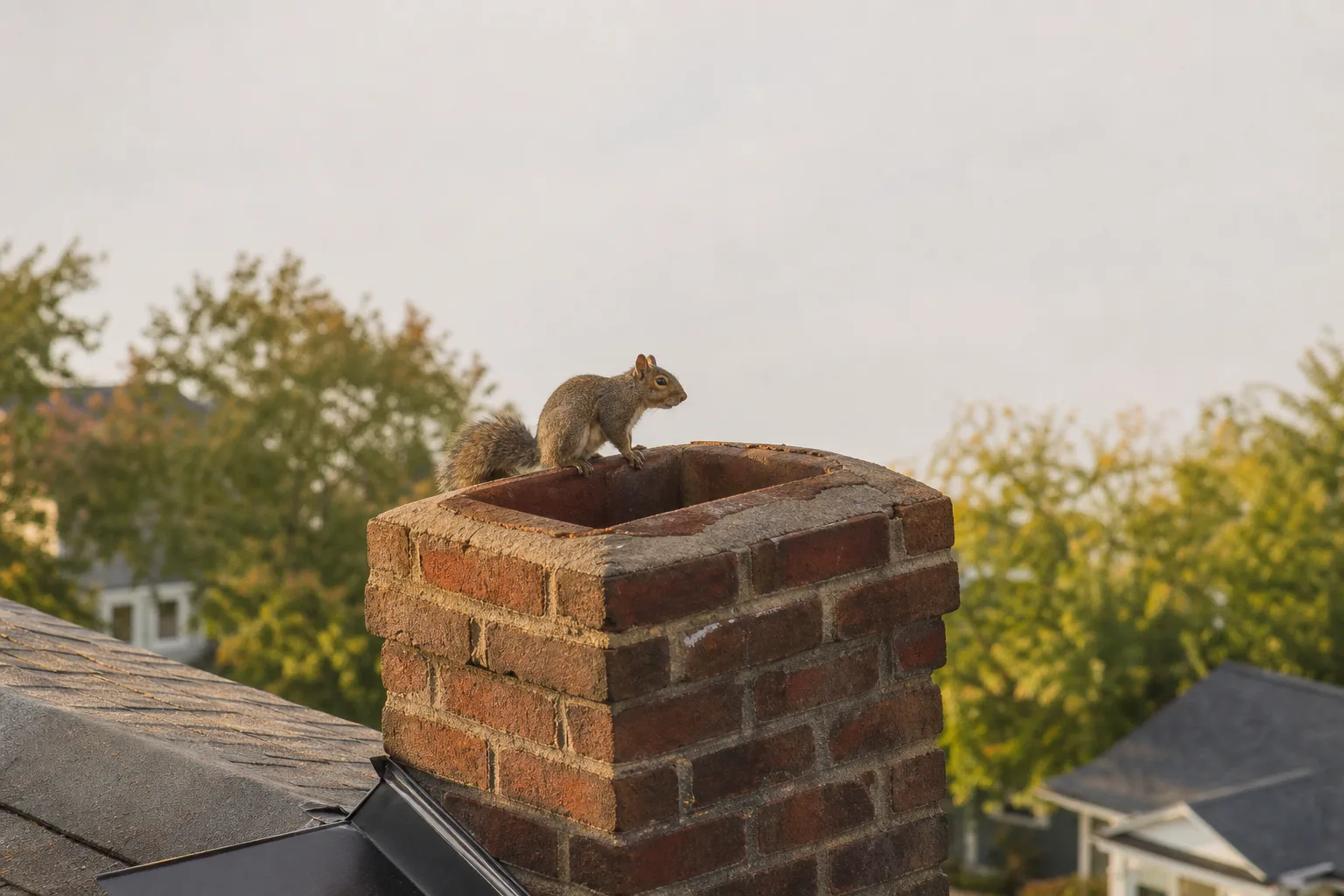
Scratching or chirping above the damper
Raccoons and squirrels can be removed today. When the noise happens is usually enough to tell you which you have.
What causes animals in the chimney →
Fluttering and chittering, loudest at dawn
Chimney swifts are protected by federal law and cannot legally be moved until the young have fledged. Which bird you have decides whether this is a call today or a wait of weeks.
What causes birds in the chimney →
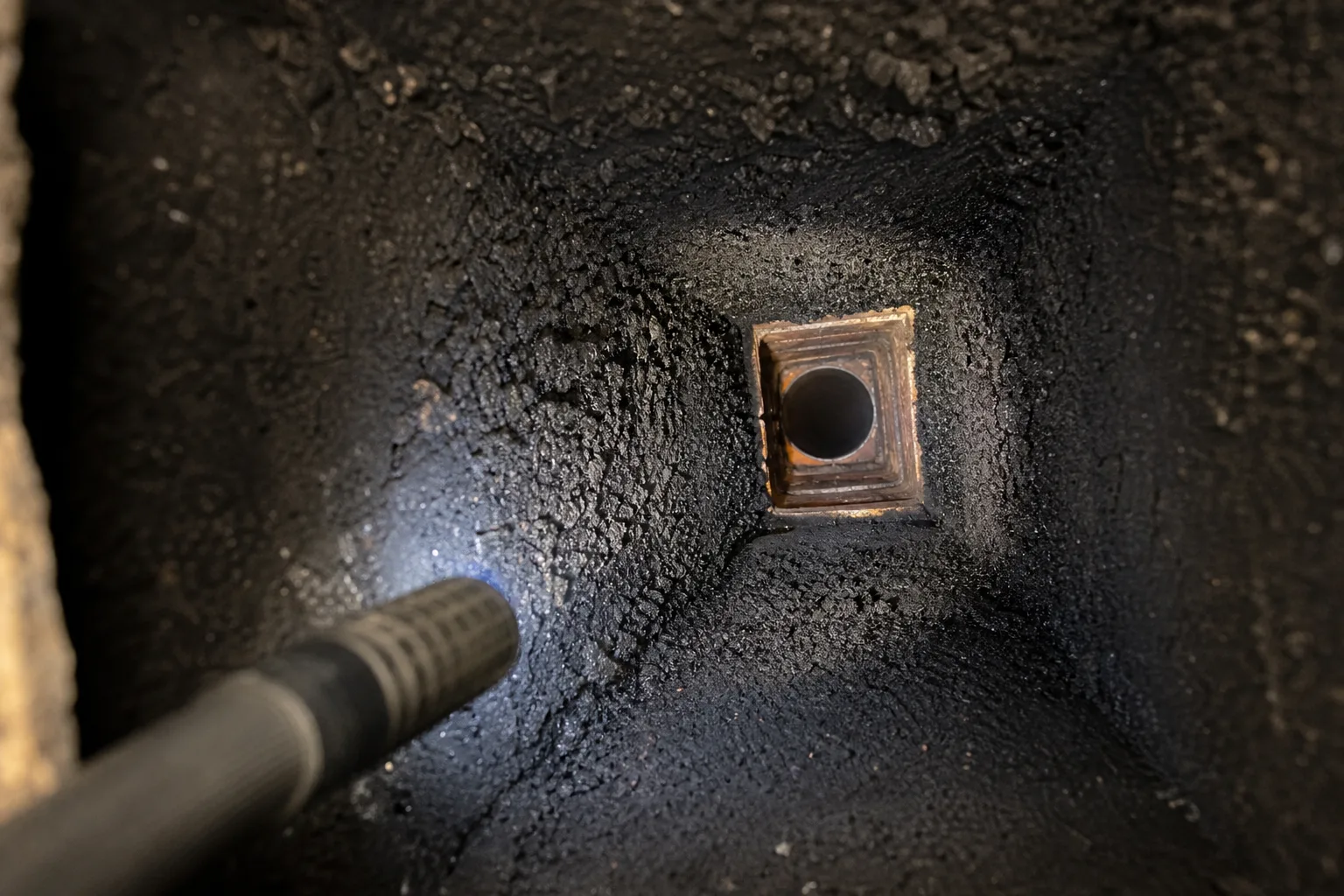
A hard shiny black coating inside the flue
Stage three creosote. It is fuel, it sits in the path of every fire you light, and no brush will shift it.
What causes creosote buildup →
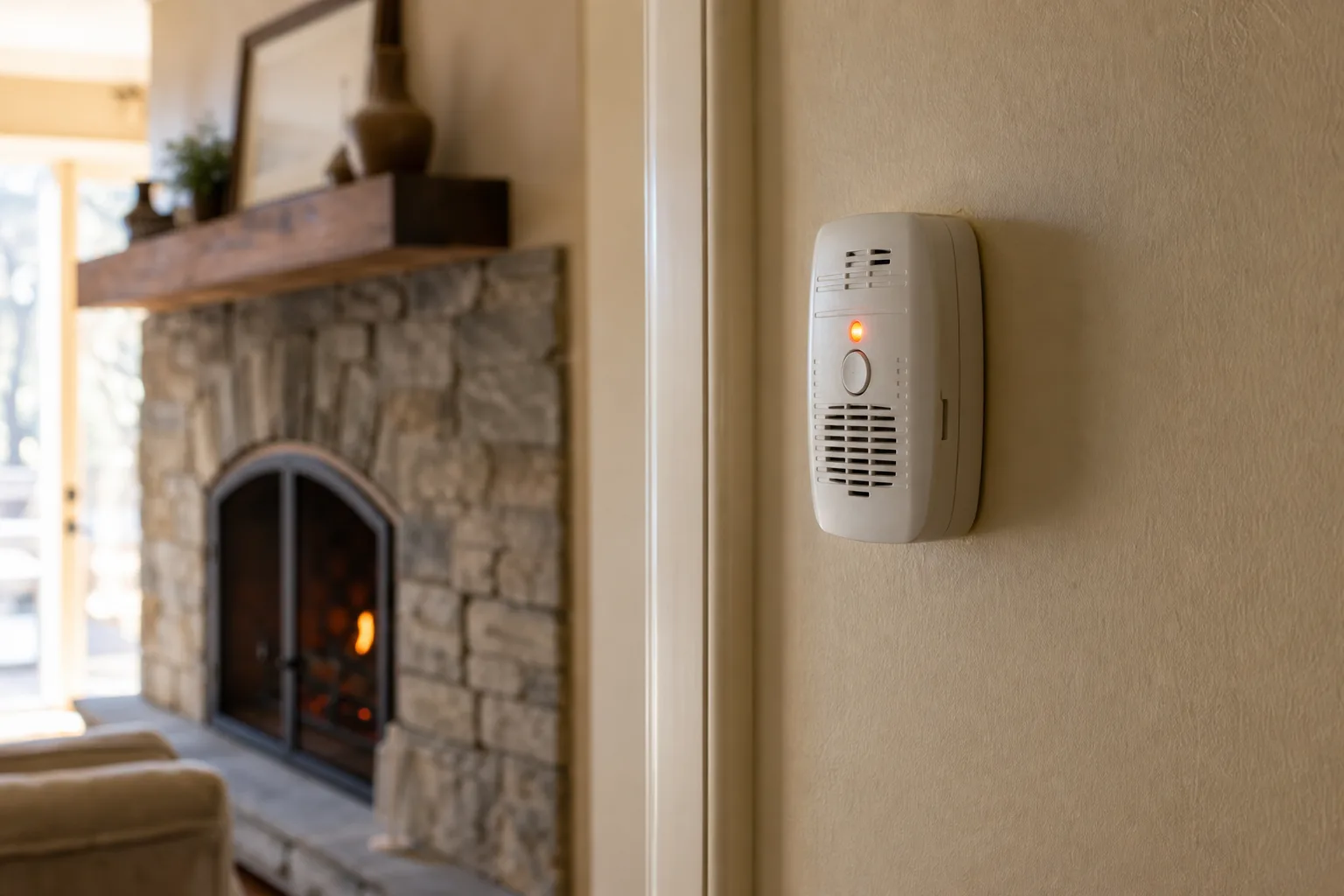
Headaches or a detector going off near the fire
Leave the building first and call from outside. Combustion gases are coming back into the room instead of going up.
What causes carbon monoxide from a fireplace →
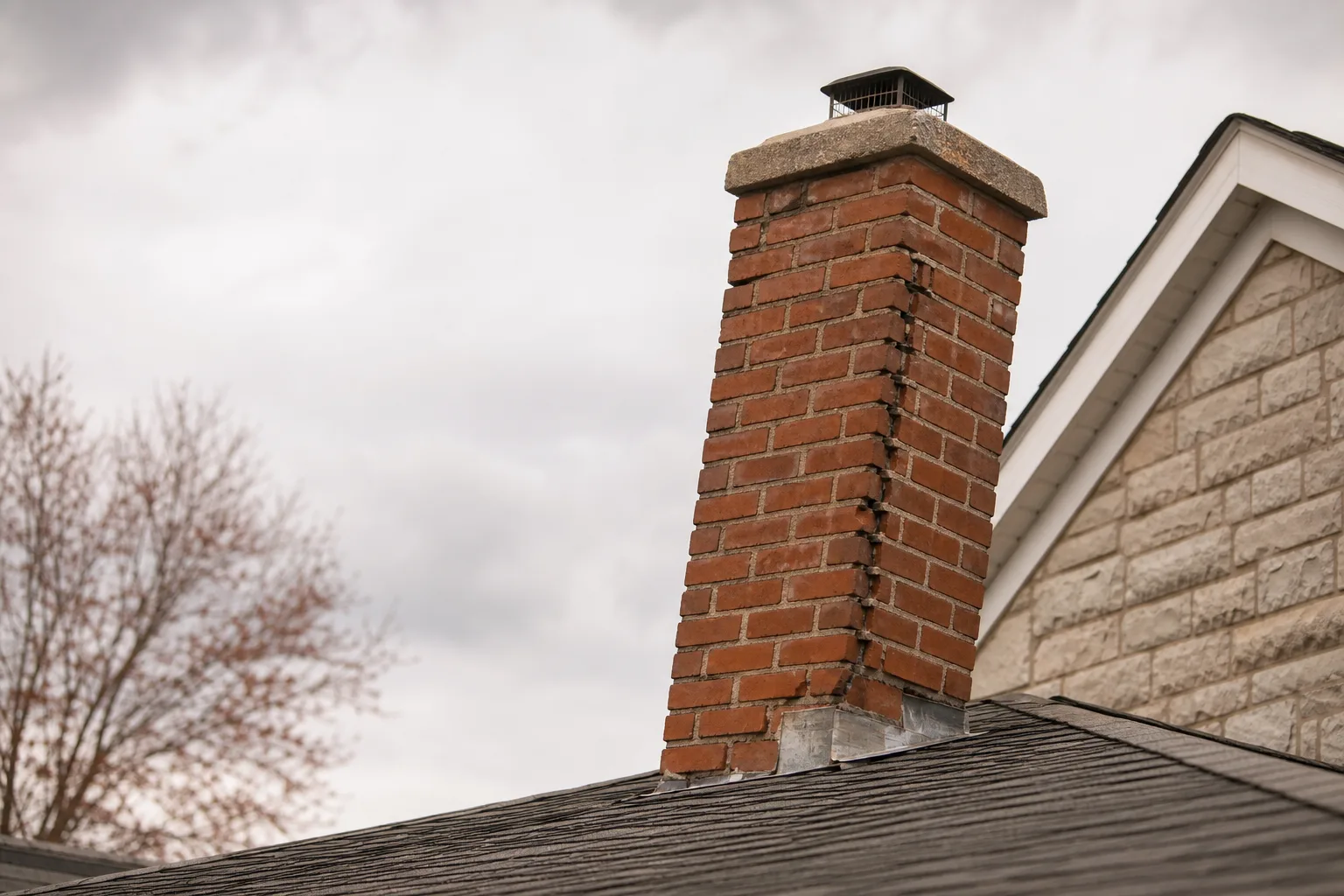
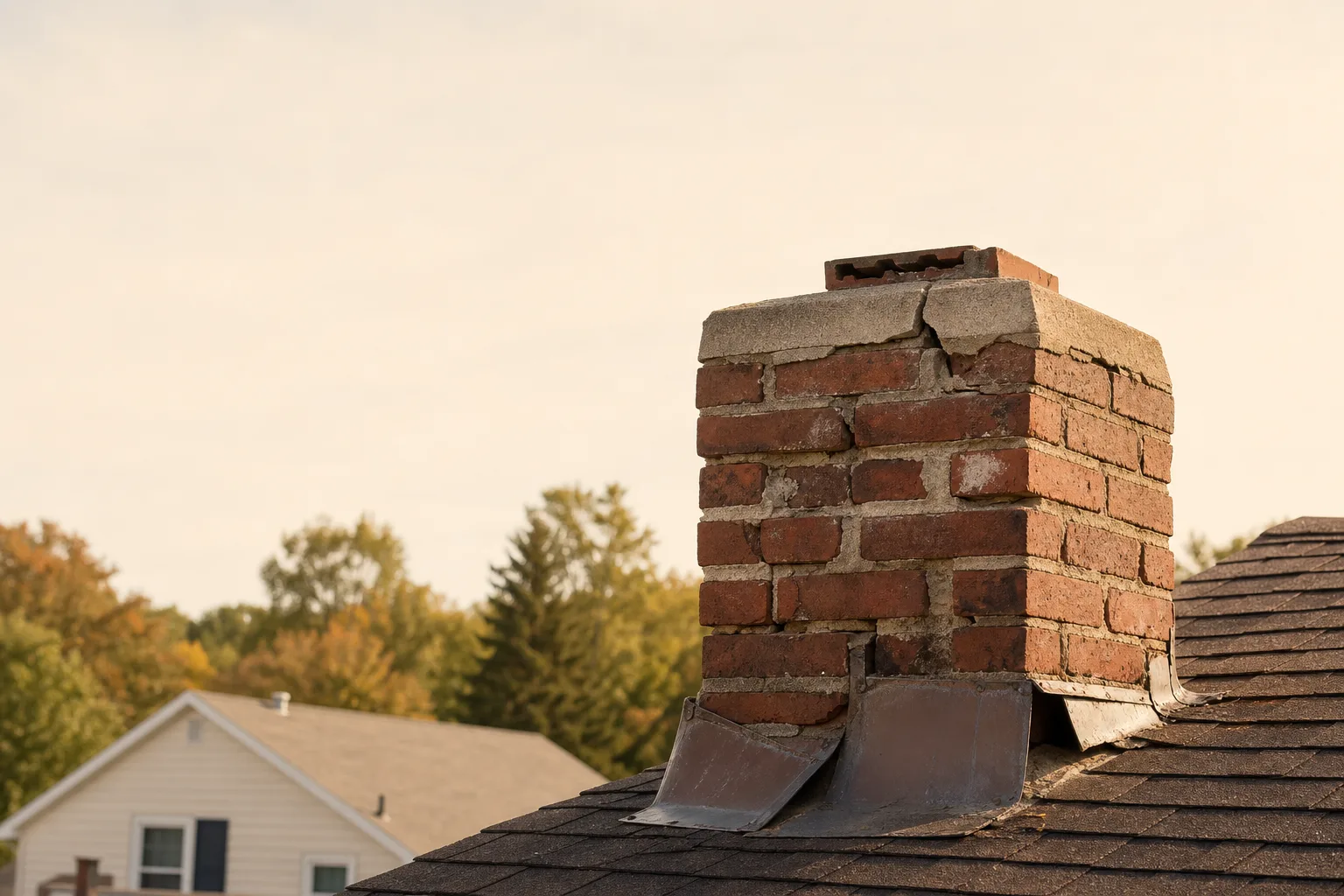
Visible cracks running through the brickwork
Where the crack runs and how wide it is decides whether this is repointing or something structural.
What causes a cracked chimney →
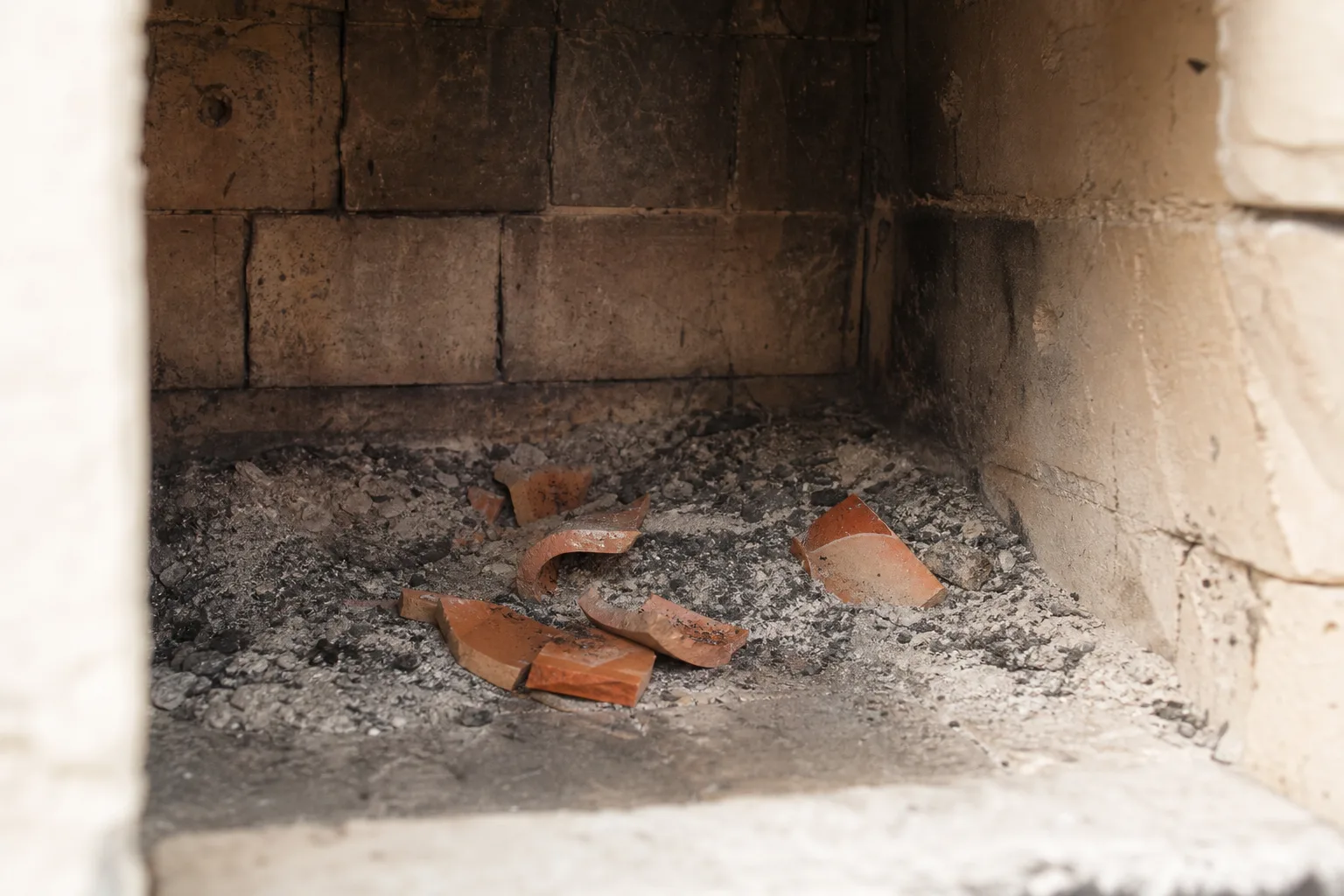
Chunks of tile in the firebox
Pieces of flue liner in the grate mean something hot enough to break them happened up there. Often nobody noticed it at the time.
What causes signs of a chimney fire →
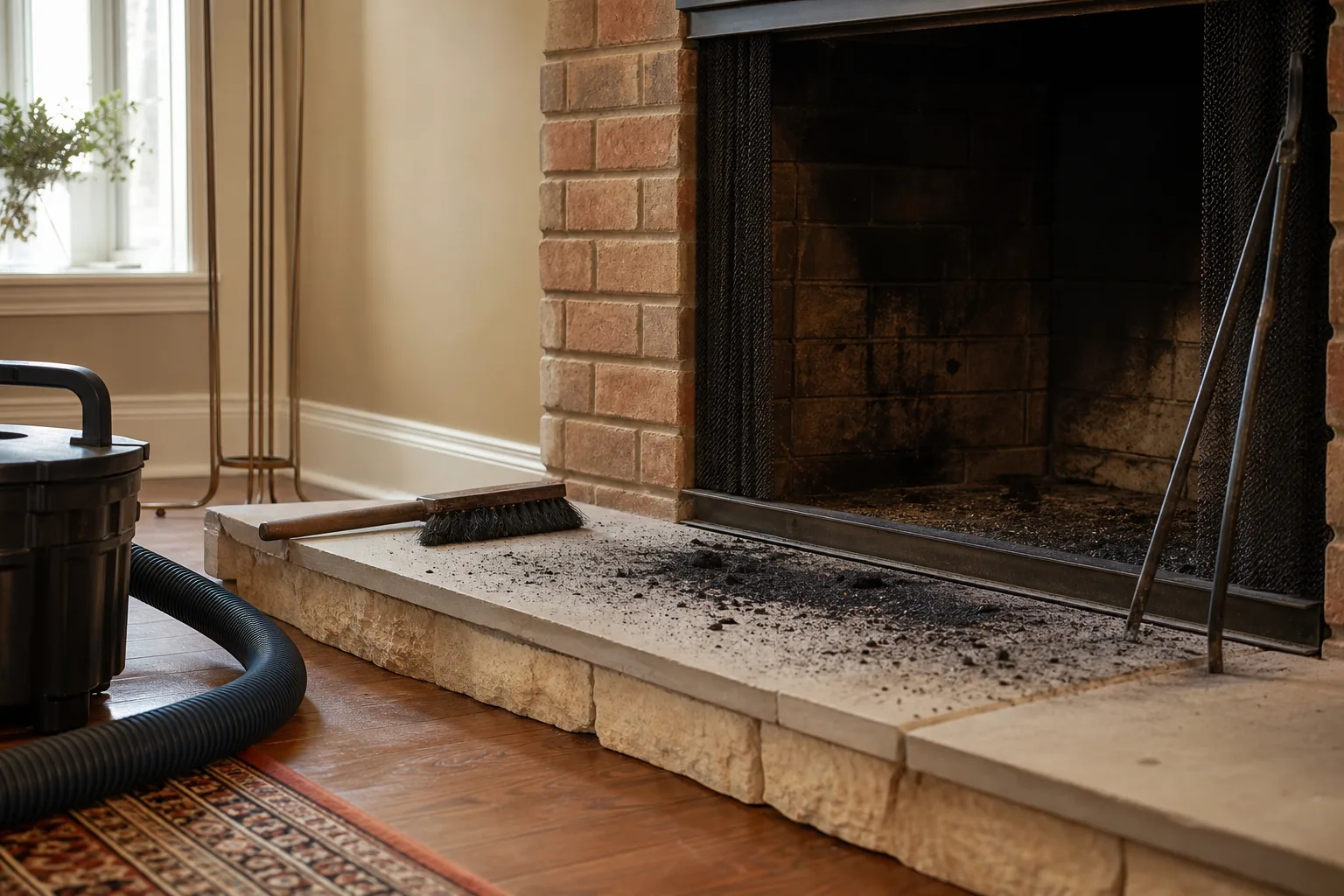
Black dust settling on furniture
Soot escaping into the room rather than going up. It marks fabric fast, and it is telling you the draft is wrong.
What causes black soot in the house →
The stack is visibly out of plumb
A chimney leaning away from the house is a structural problem before it is a chimney problem. Keep people out from under it.
What causes a leaning chimney →
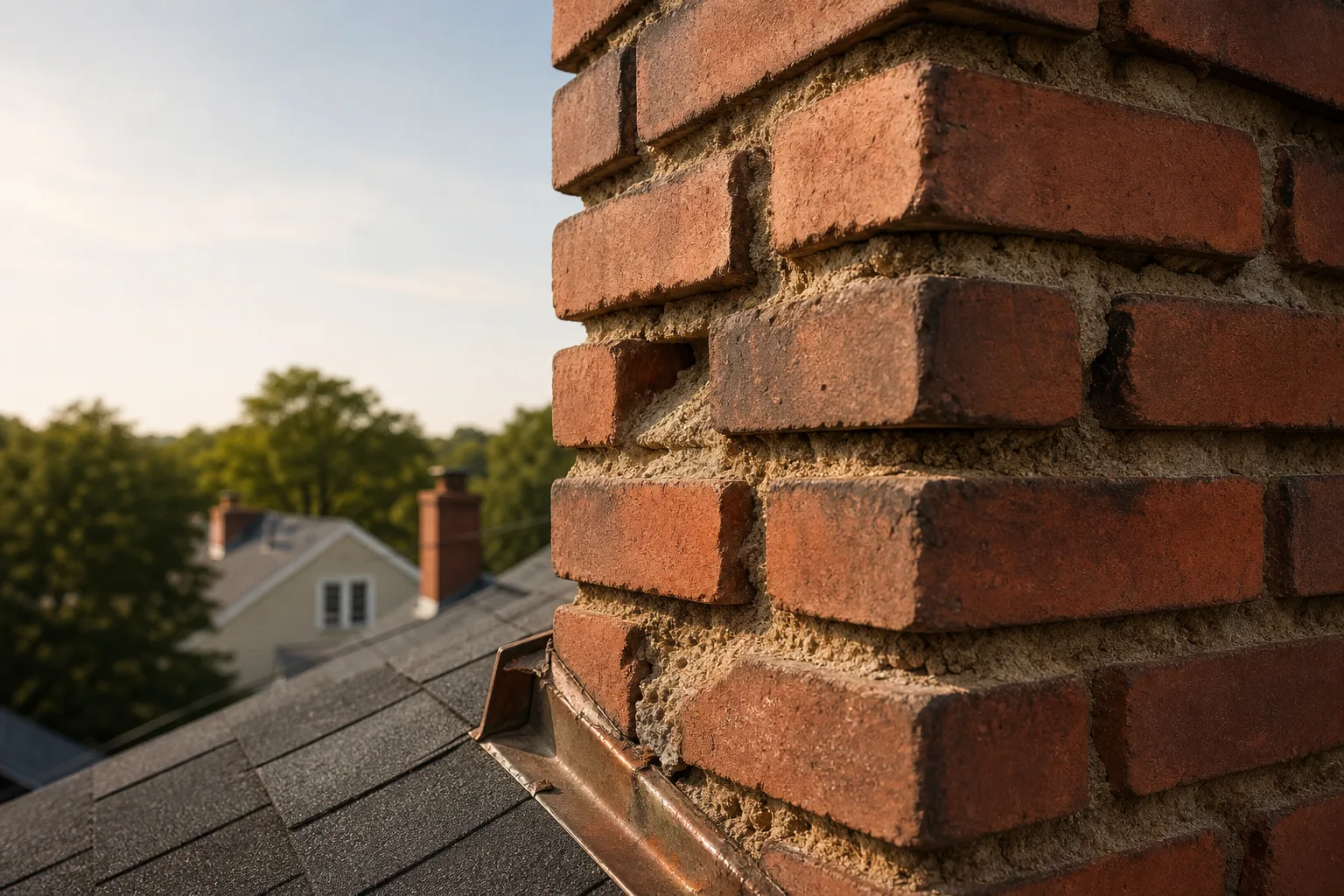
Mortar you can rake out with a key
Once the joints go soft the brick is holding itself up. Raking out and repointing is the whole job.
What causes tuckpointing →
No cap on top, or cold air pouring in
An open flue is a hole in the roof. A cap is the cheapest part on the chimney and the one that prevents the most: rain, animals, downdraft and sparks.
What causes chimney cap installation →
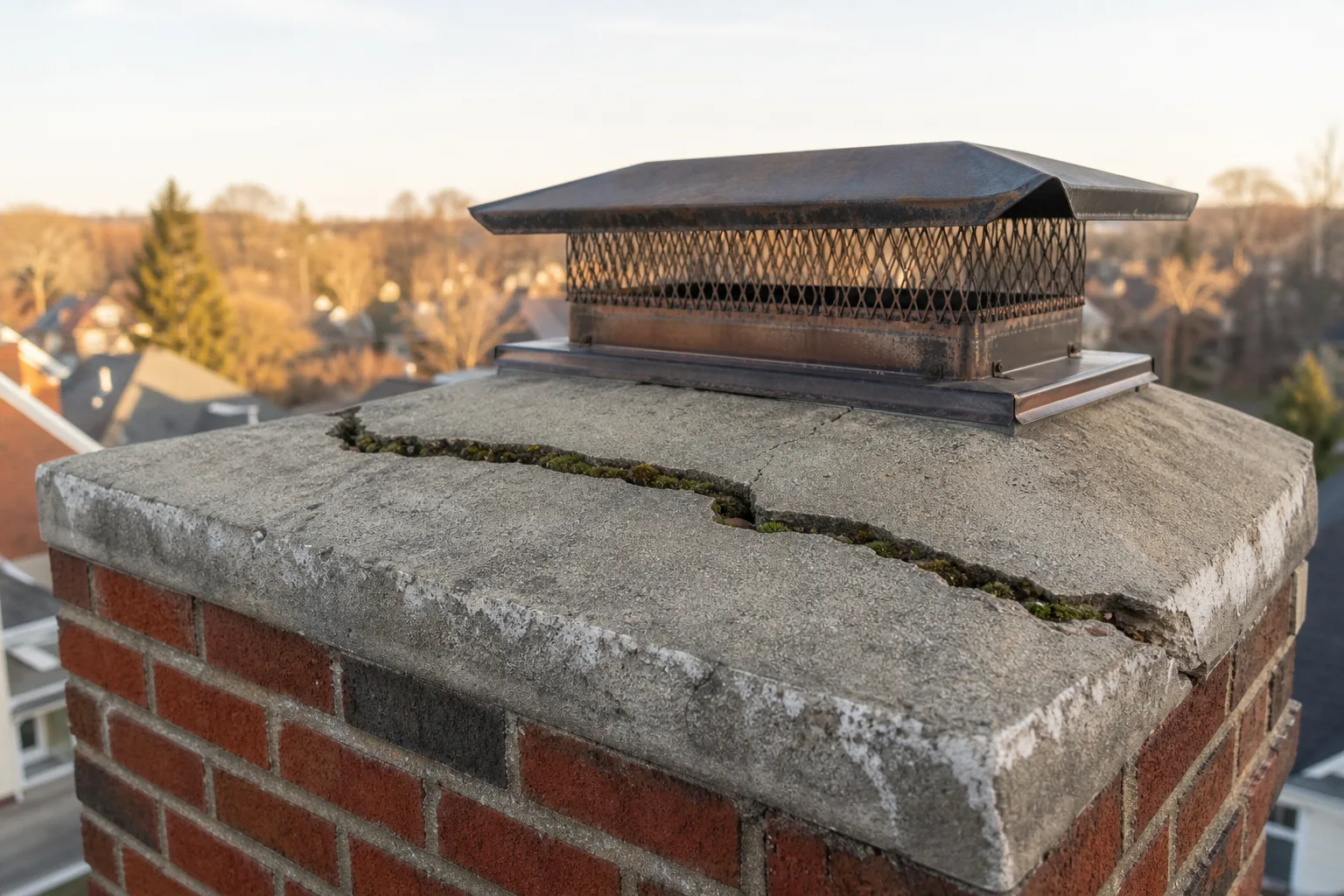
A cracked slab on top of the chimney
The crown sheds water off the stack. Split, it does the opposite and feeds every rainfall into the brickwork.
What causes chimney crown repair →
A fire that will not stay lit
A fire that sulks and dies is a draft problem: blockage, flue size, or a house sealed tight enough that the chimney has nothing to pull.
What causes a weak chimney draft →Before you know which symptom it is
My chimney is doing something odd. How urgent is it?
Three tiers, and the cards above are colour-coded to them. Anything that puts smoke or fumes into the room means stop using the fireplace tonight — that is a draft or blockage fault and it can carry carbon monoxide. Water damage, cracked masonry and failing mortar are address-soon: safe to keep using, and more expensive every month you leave them, because every freeze drives the damage deeper. Smells, cold drafts and minor soot are routine — worth fixing, not worth worrying about tonight.
Can I work out the cause myself before calling?
Often enough to know which service to book, which saves a wasted visit. The useful observations are all things you can make from the ground: whether it only happens in certain weather, whether water appears in the firebox or on a ceiling, whether the smell is worse on warm damp days, and whether anything has changed since last winter. Each symptom page walks through the checks and says what each answer points at. What you cannot do from a chair is see inside the flue, and that is where the expensive faults live.
The same symptom has more than one cause. How do you narrow it?
By elimination, in a fixed order, cheapest and most likely first. A leak gets a hose test one section at a time from the bottom up, so the first appearance of water identifies the entry point. A draft fault gets the flue scanned before anyone touches the fireplace. The alternative — fixing everything that looks suspect — costs more and frequently misses, because the obvious defect is often not the one causing the symptom.
Is it worth calling for something that only happens sometimes?
Yes, and intermittent is a clue rather than a reason to wait. A leak that only shows in driving rain, a smell that only appears in July, a fireplace that only smokes when the extractor is running — each of those patterns rules out several causes immediately. Tell whoever you call what the pattern is; it is more useful than a description of the symptom on its own.
What does it cost to find out what is wrong?
A Level 1 inspection is usually included with an annual sweep at no extra charge, and it answers most routine questions. A Level 2 with a camera scan costs more because it takes longer and produces a written report with footage — that is the one for anything involving smoke in the room, a suspected chimney fire, or a property sale. Either way you should get the findings in writing whether or not anything needs doing.
you don't have to know what's wrong.
Describe what you are seeing and a local pro works out the rest. You get the price in writing before anyone starts, and you can say no.