



Next-day appointments
Call or book today and we'll do our best to get a pro to you tomorrow.
Chimney service
The short answer
If nothing has changed since last year, this is the one you need — and it should not cost extra.
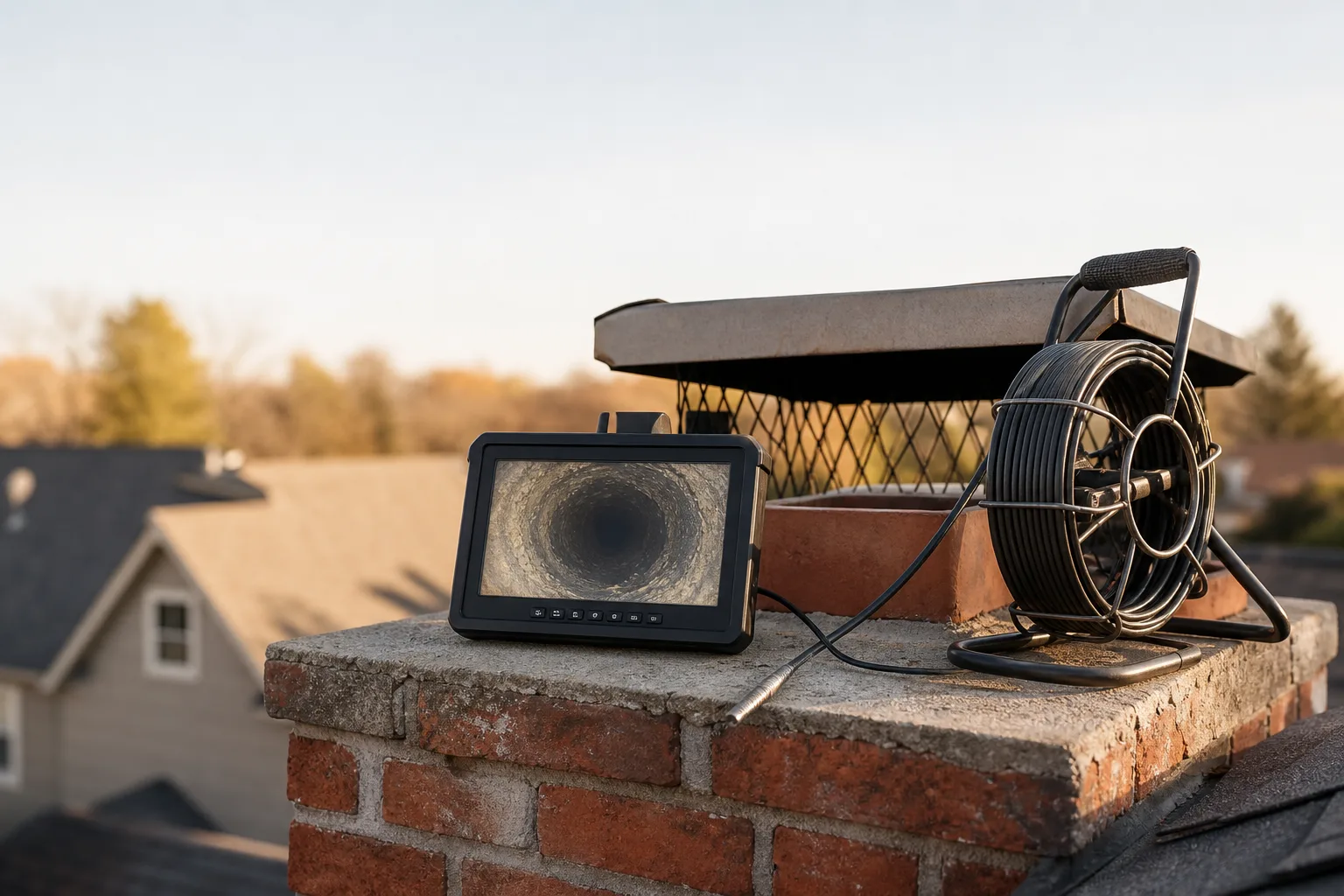
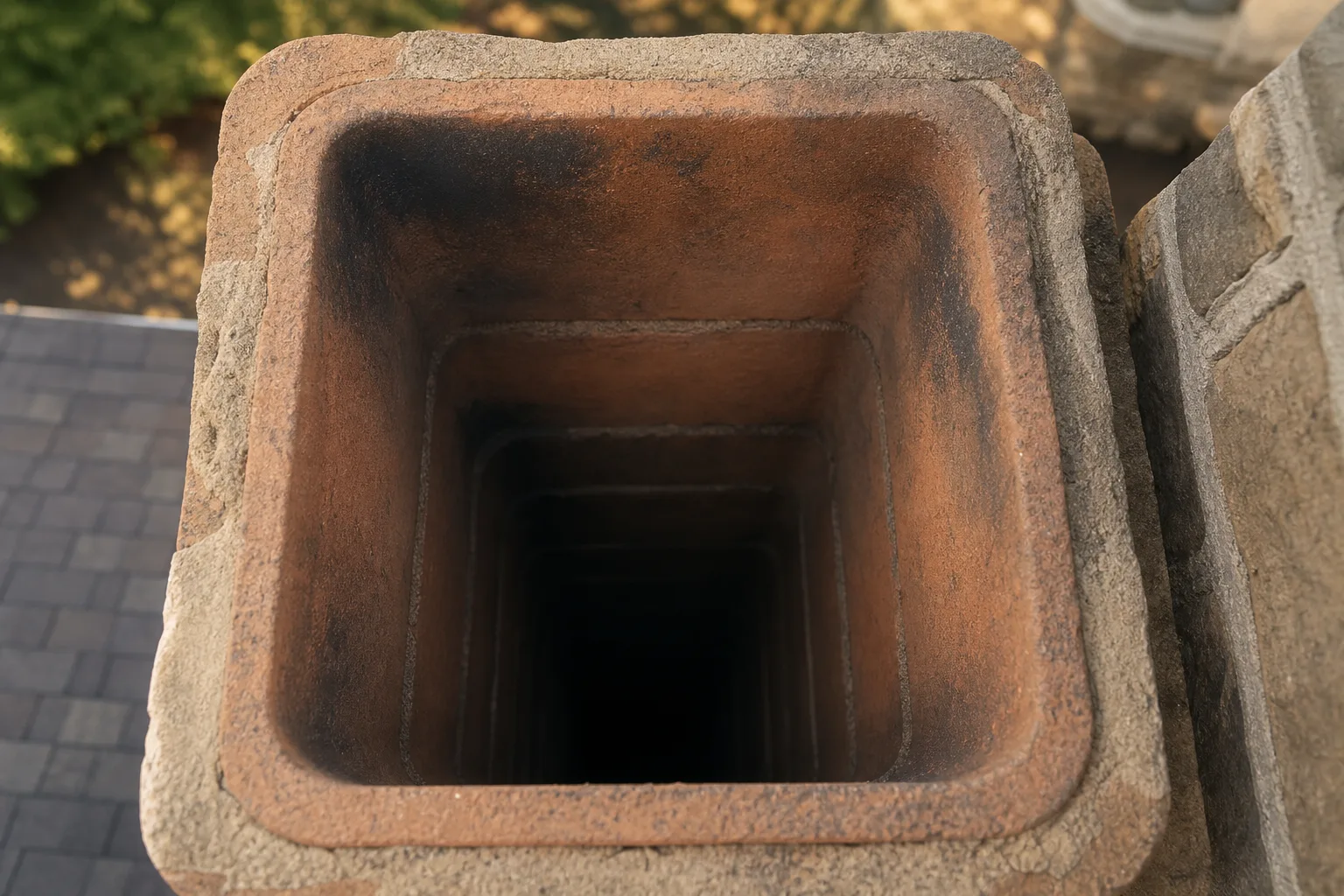
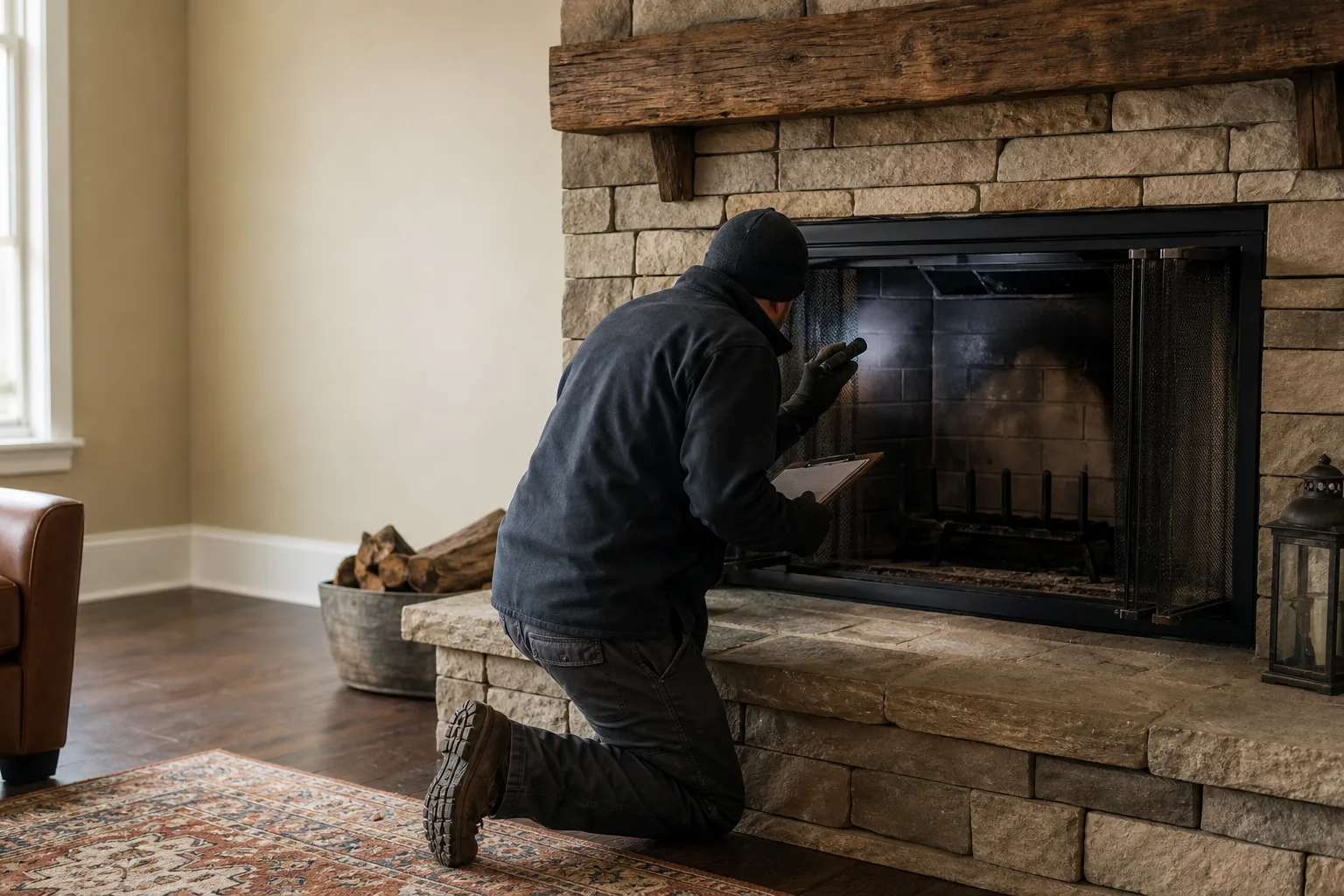
A Level 1 chimney inspection covers the readily accessible parts of the chimney, the structure and the appliance: the firebox, the damper, the visible flue from top and bottom, the exterior masonry, the crown and the cap. It confirms the system is sound and clear of obstruction. What it deliberately does not do is put a camera down the flue or open access to the attic and roof — that is a Level 2. NFPA 211 makes this the annual minimum whether or not you have lit a fire, and most reputable companies include it with a sweep rather than billing separately.
That nothing has changed
A thorough visual assessment of everything readily accessible. It does not include a camera scan, and that is the line worth knowing.
Fall Special
Call or book today and we'll do our best to get a pro to you tomorrow.
Anything that needs attention is shown to you and explained in plain words.
If something needs fixing, you get the price in writing first. Saying no costs nothing.
Do you have this problem?
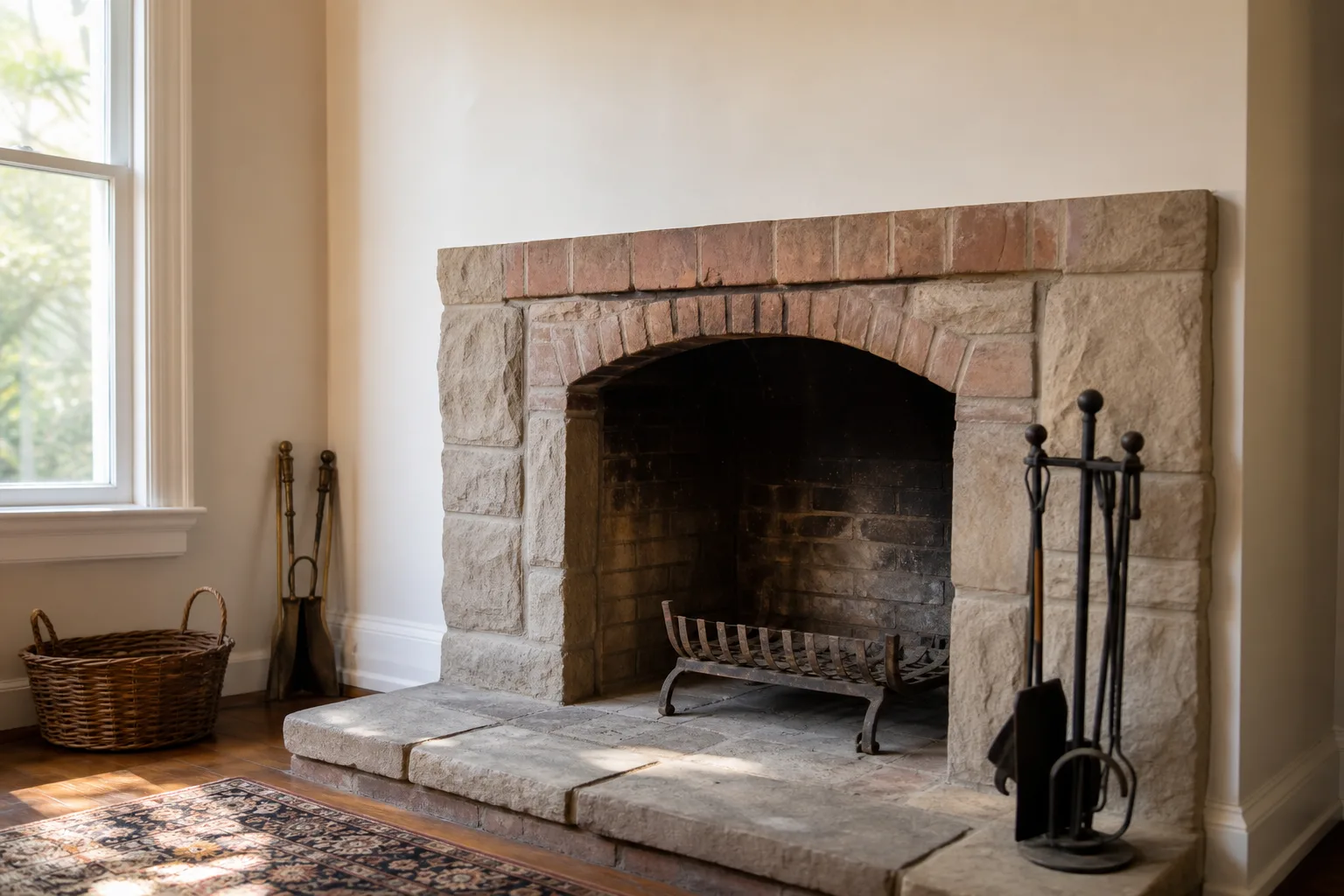
The whole basis of this level. NFPA 211 asks for an annual inspection regardless of use, because nests, water and masonry damage do not depend on whether you light a fire.
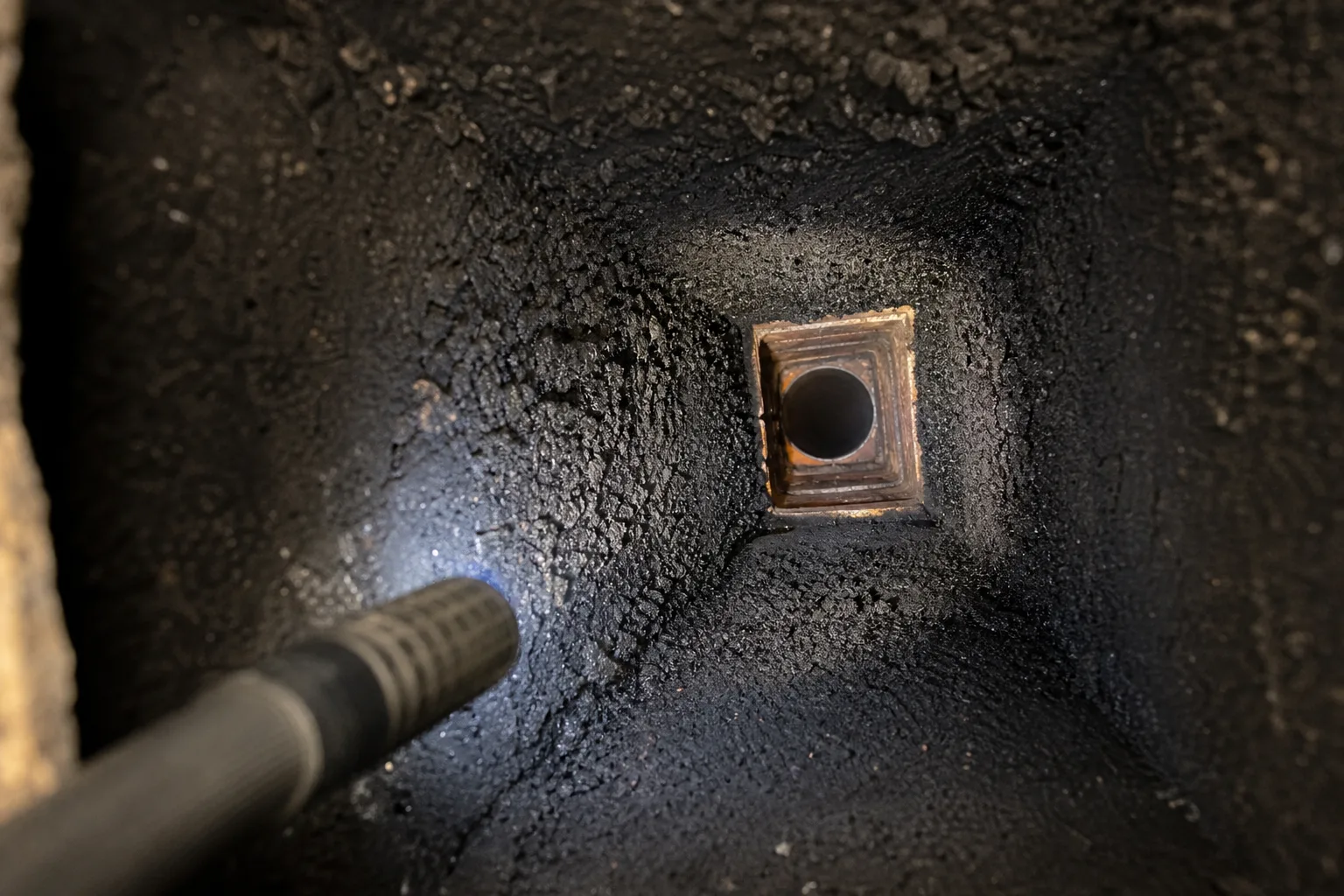
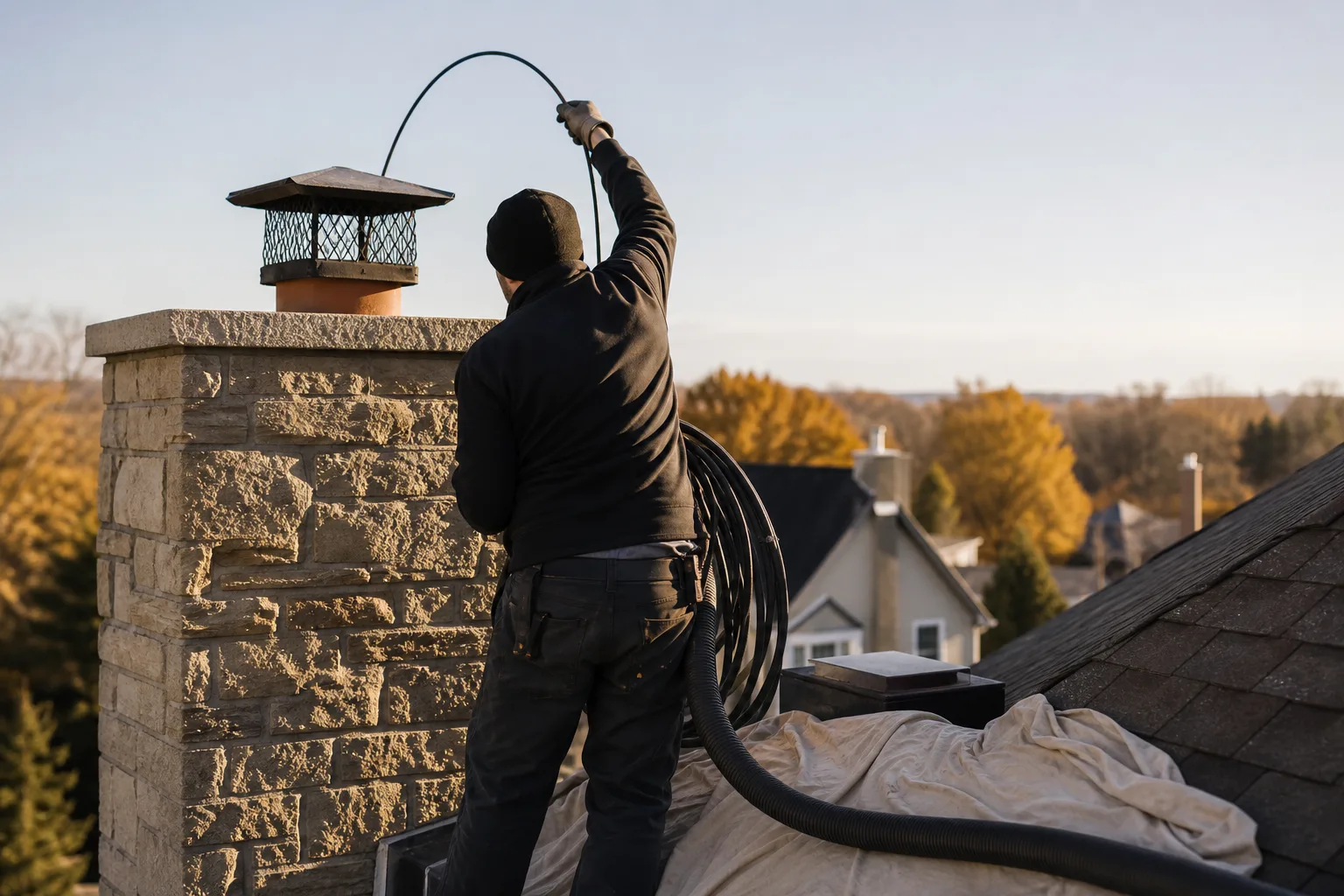
The two belong together. Brushing without looking tells you nothing about the flue's condition, and a company that charges separately for both should be able to say what the inspection adds.
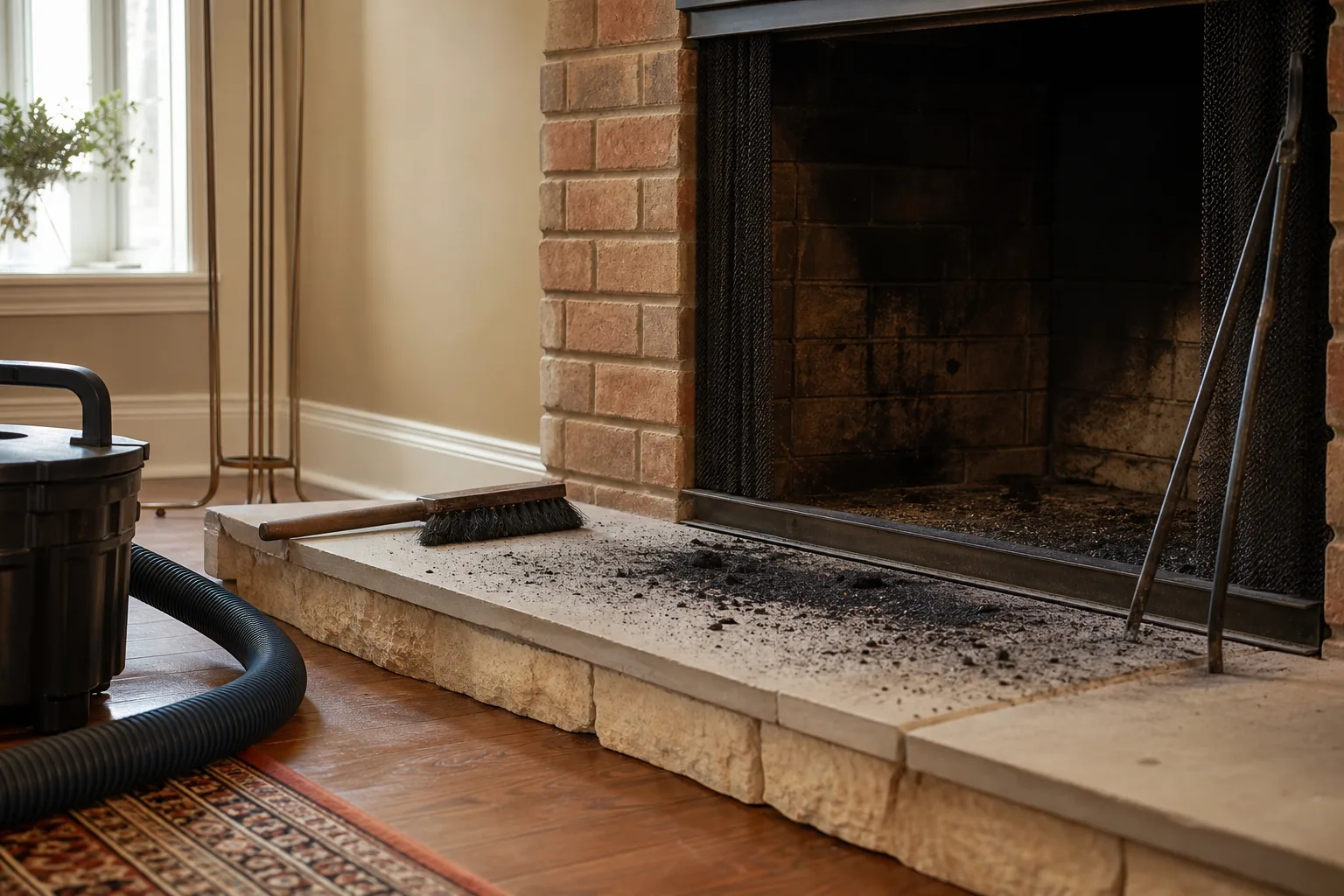
Nothing new, no symptoms, same appliance as last year. This is exactly the situation Level 1 exists for, and paying for more than it is not a better outcome.
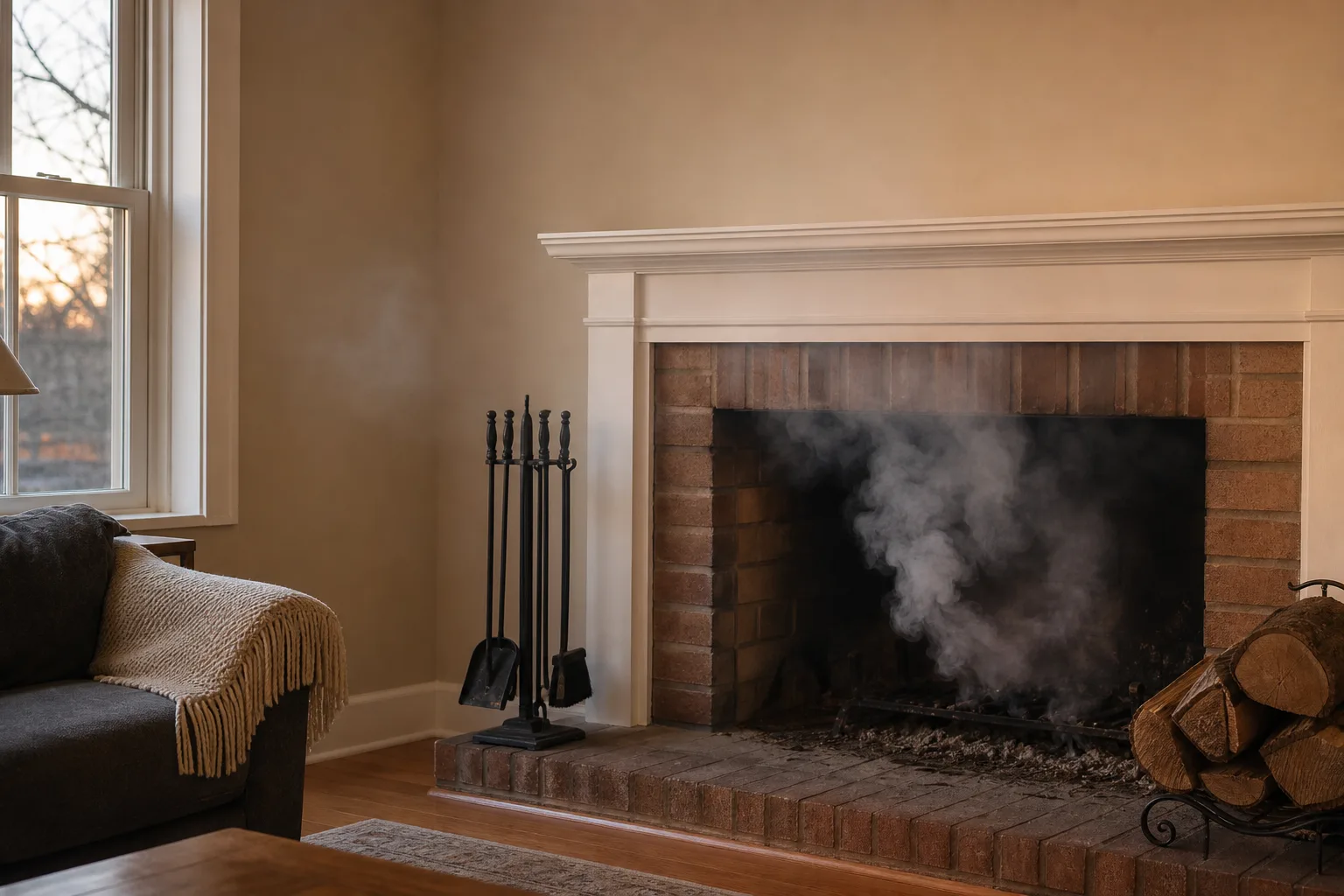
A record of condition before the first fire, so anything that changes over the winter can be compared against something.
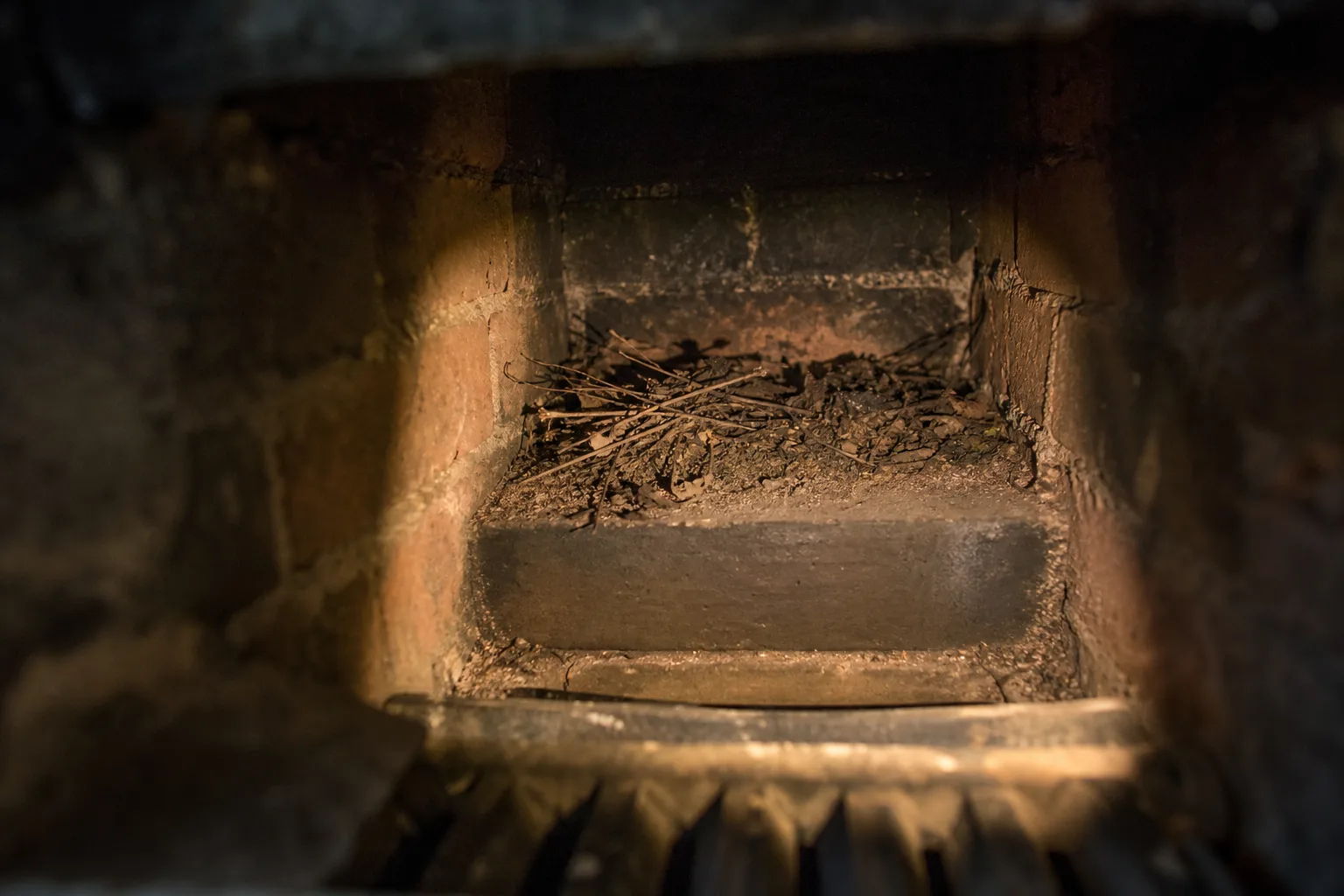
An occasional fireplace still collects nests and still weathers. Once a year is proportionate for a fireplace lit three times a winter.
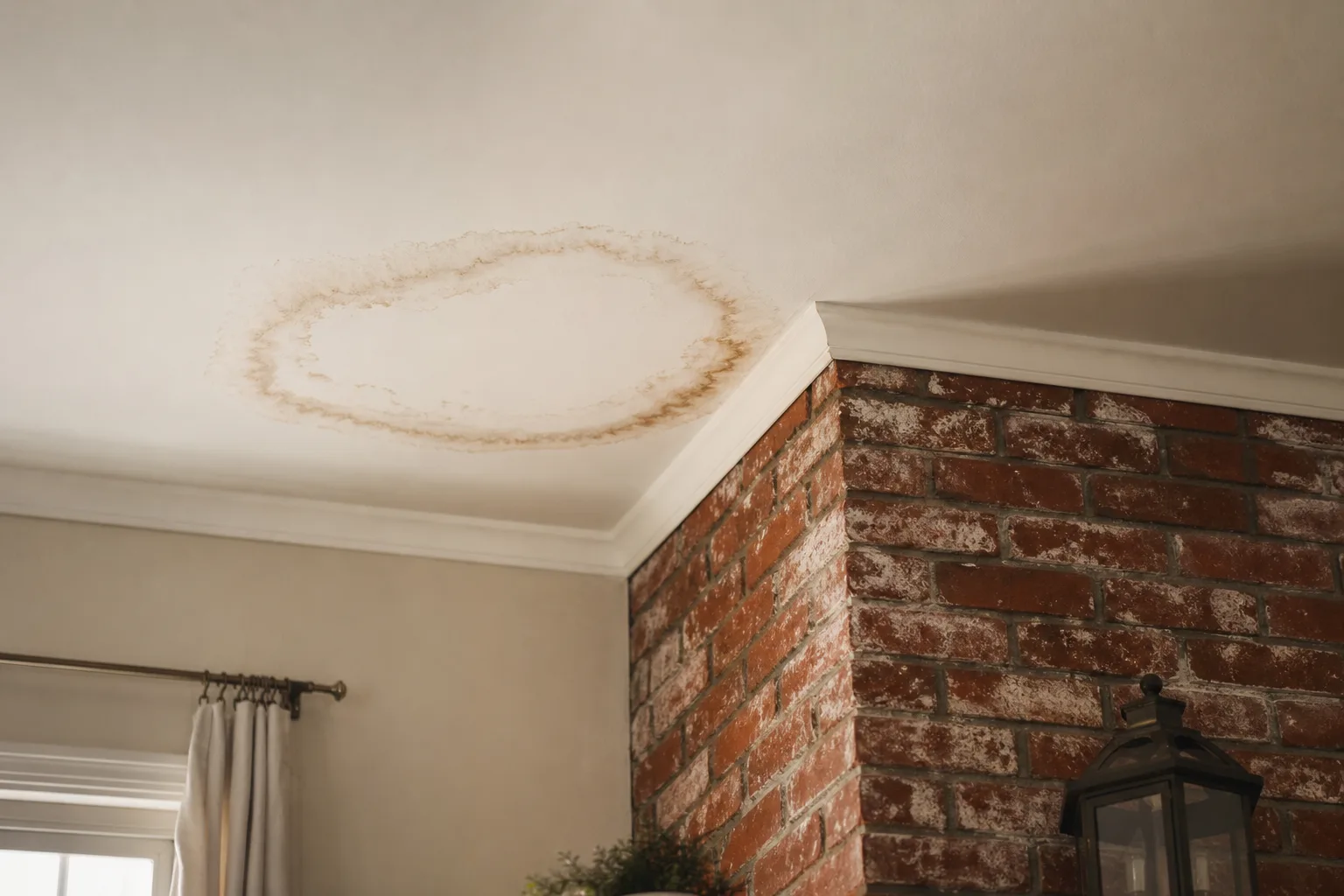
A Level 1 with written findings satisfies most annual maintenance requirements. If a policy or a lease specifies a camera scan, that is a Level 2 and worth checking before you book.
How we work
The same four steps every time, whatever the repair turns out to be.
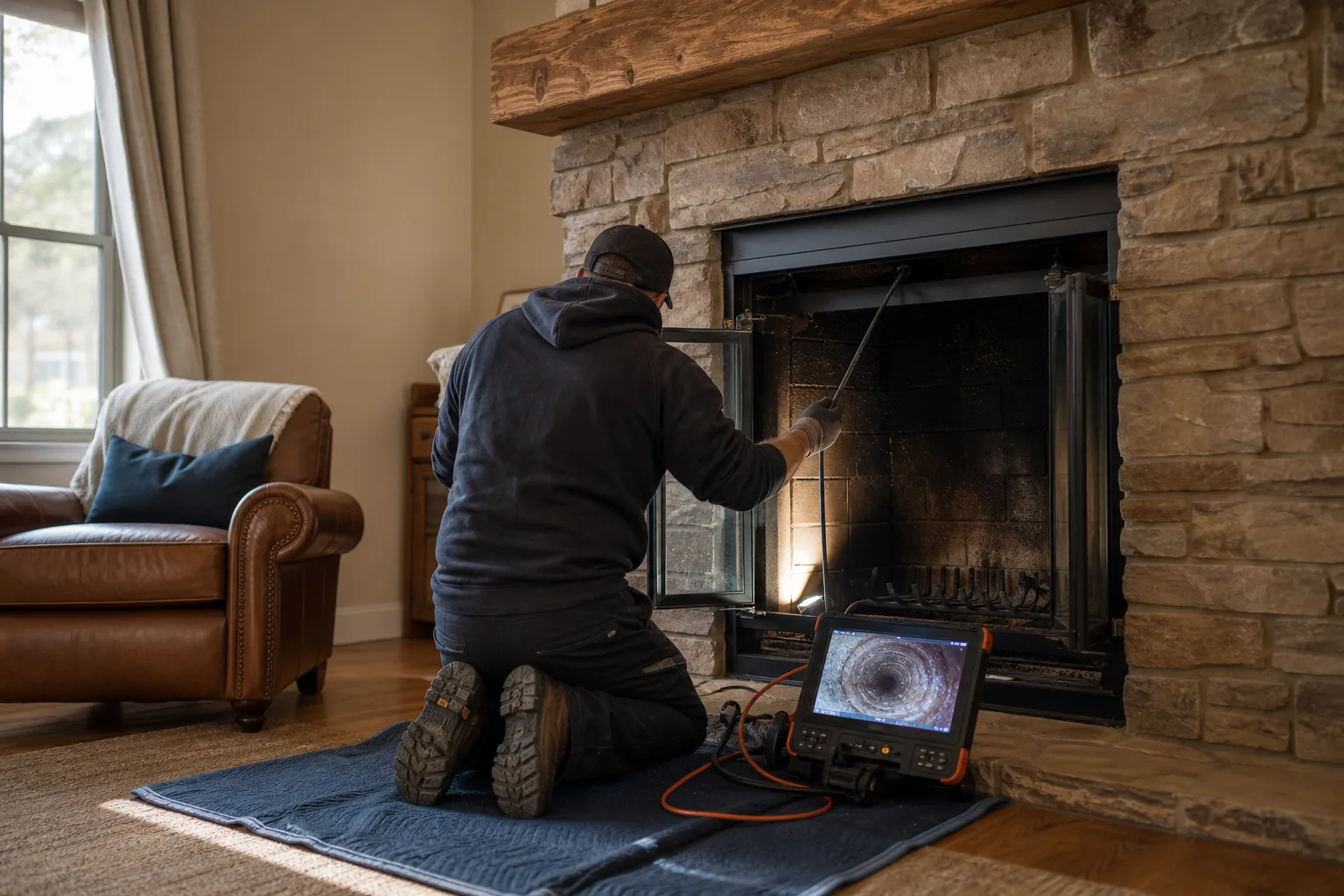
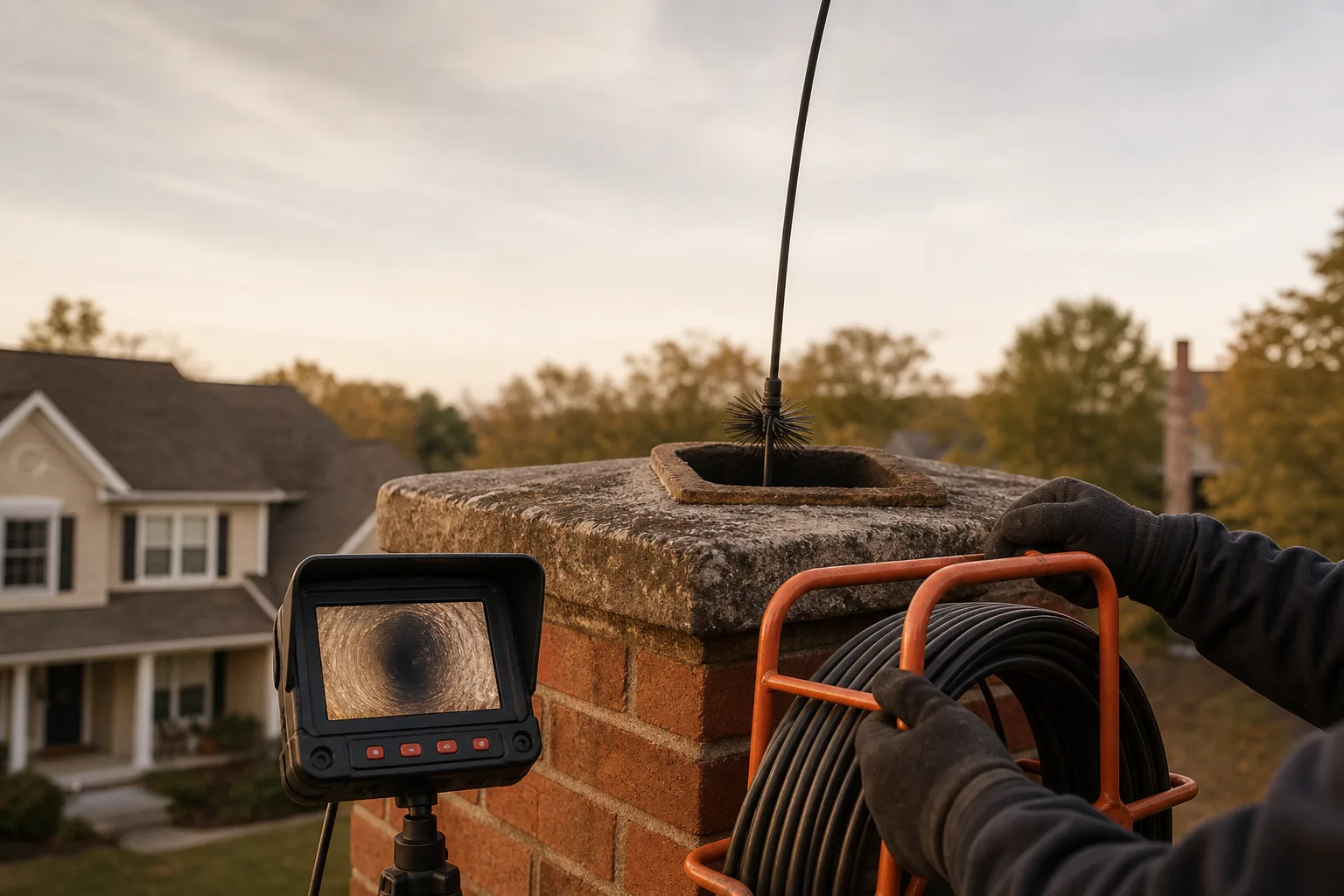
A look at the crown, cap, flashing and exterior masonry, then the flue, damper and firebox — with a camera where the job calls for a level 2 scan. Whatever needs work gets shown to you, not just described.
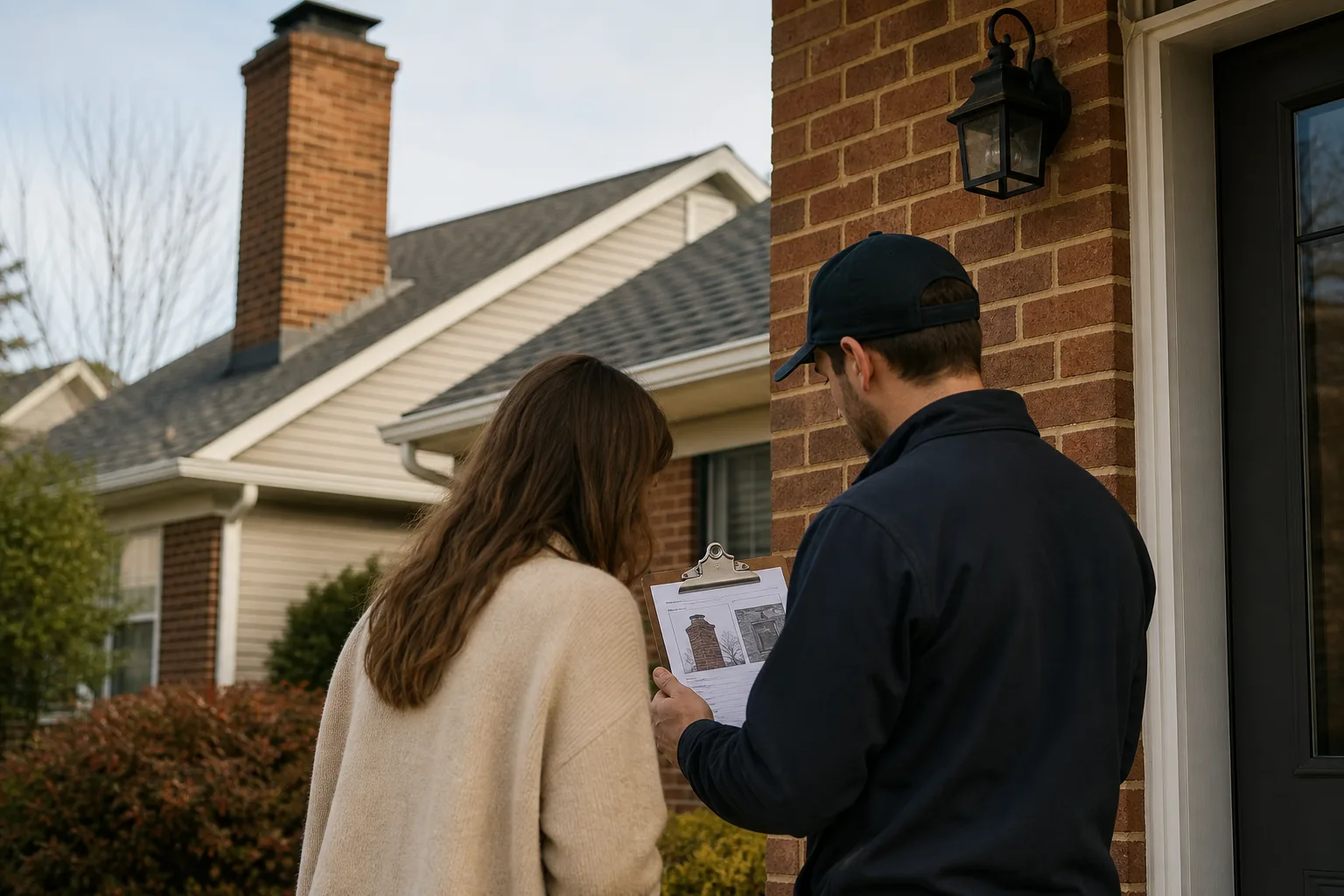
Scope, price and what is not included, in writing. Nothing starts until you approve it, and an emergency is not a reason to skip this step.
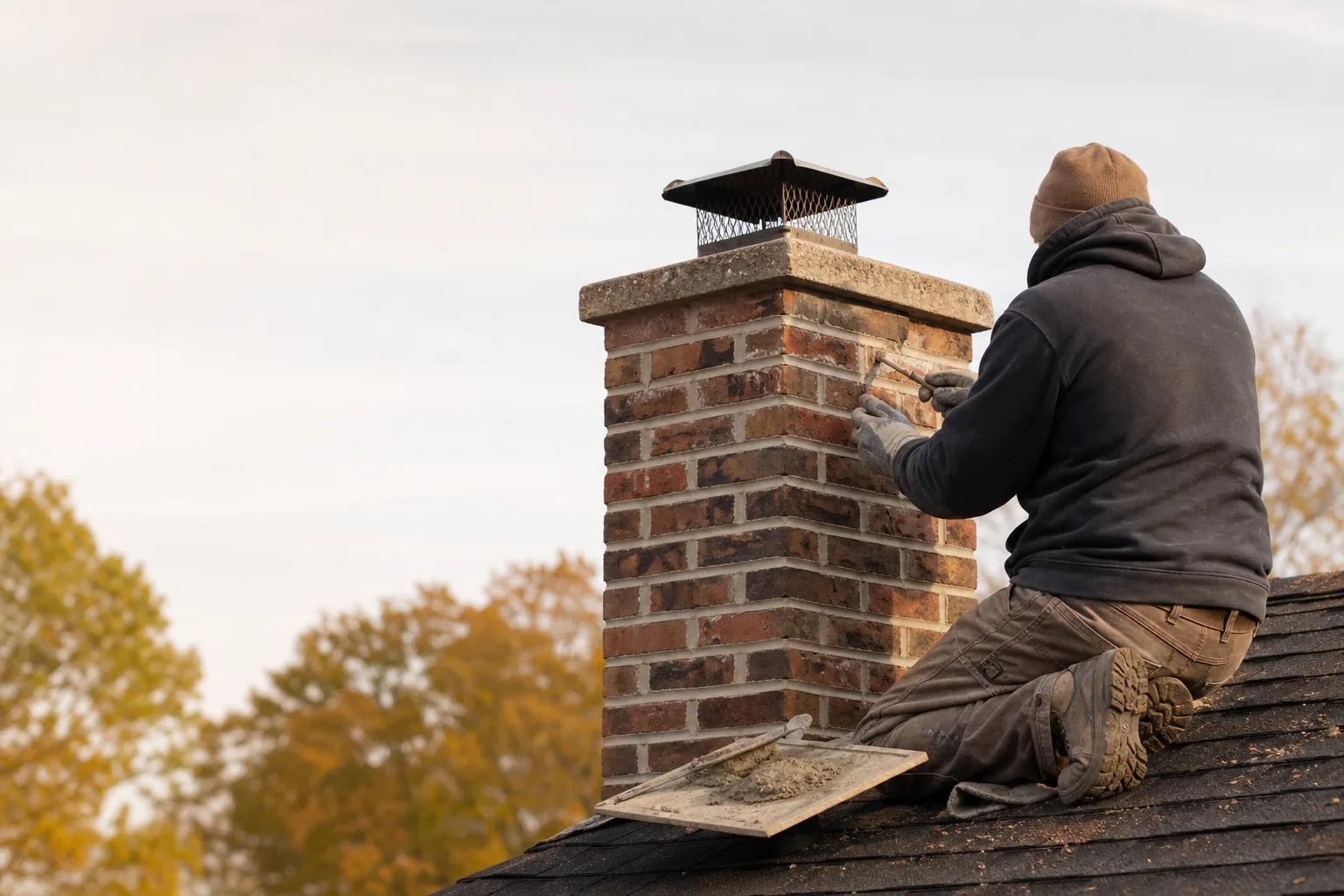
Matched materials and the manufacturer's spec, not whatever is on the van. Drop cloths down, and the room left as it was found.
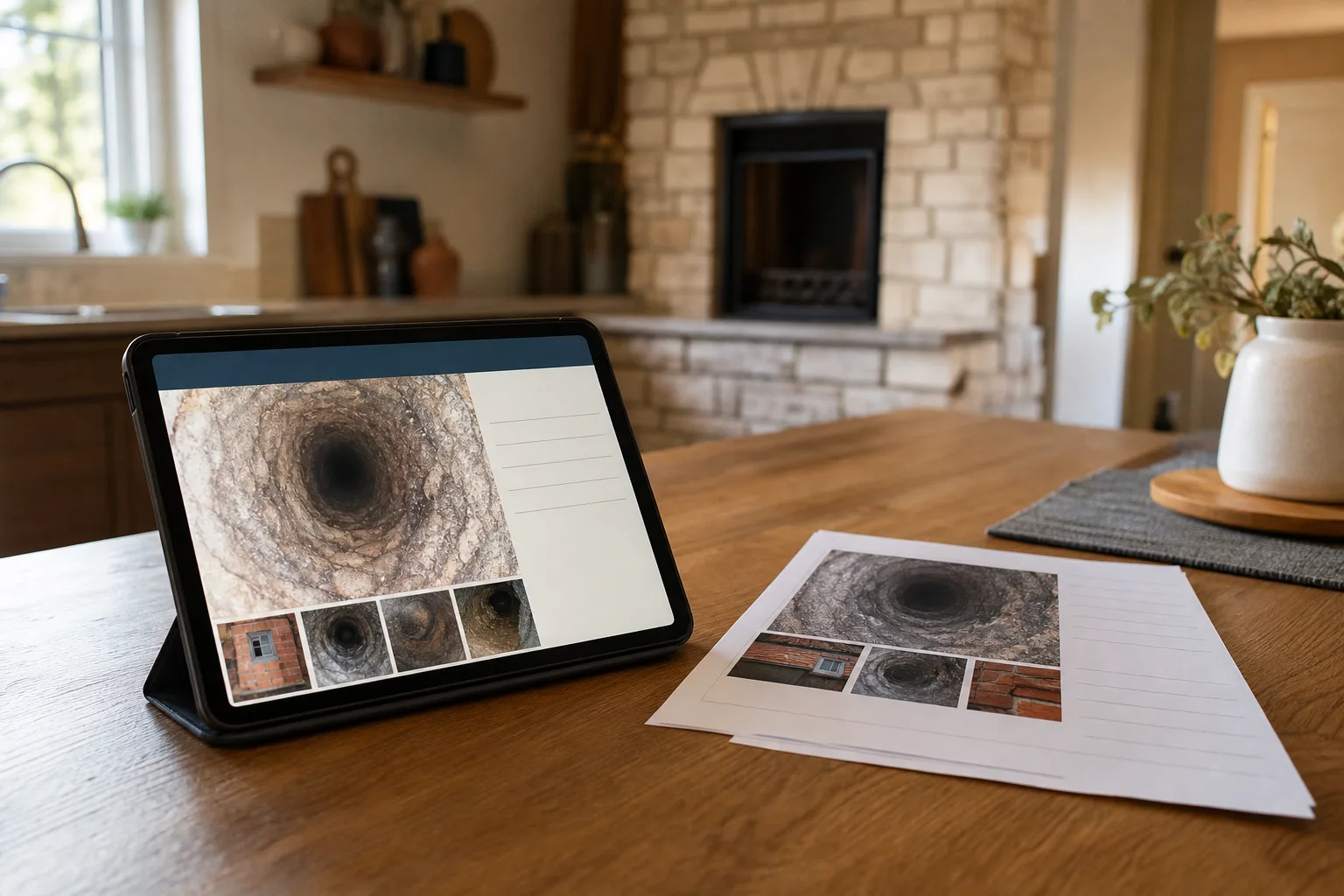
A second scan after the work, and written findings you can keep, hand to an inspector, or send to an insurer.
What it covers
Not every job on this list is equally urgent, so they are ordered that way. A cracked liner stops you using the fireplace tonight; waterproofing can wait for a dry week.
The job — most urgent first
What it involves
On site
The standard combination and the way most people should buy it. Swept first, then inspected, because soot hides exactly what an inspection is looking for.
On site: About an hour
No creosote, but the venting, the seals and the carbon monoxide risk still need annual eyes. Gas appliances fail quietly, which makes this the level people skip and should not.
On site: About an hour
When the flue was swept recently and you want the condition confirmed. Worth saying which, so nobody arrives expecting to brush a clean flue.
On site: About an hour
The same inspection, documented in a form somebody else will accept. Ask up front — a verbal all-clear is not evidence and cannot be produced later.
On site: About an hour
If a Level 1 finds something it cannot assess from the outside, the honest next step is a camera. That should be offered as a finding, not sold as a package before anyone has looked.
On site: Add an hour
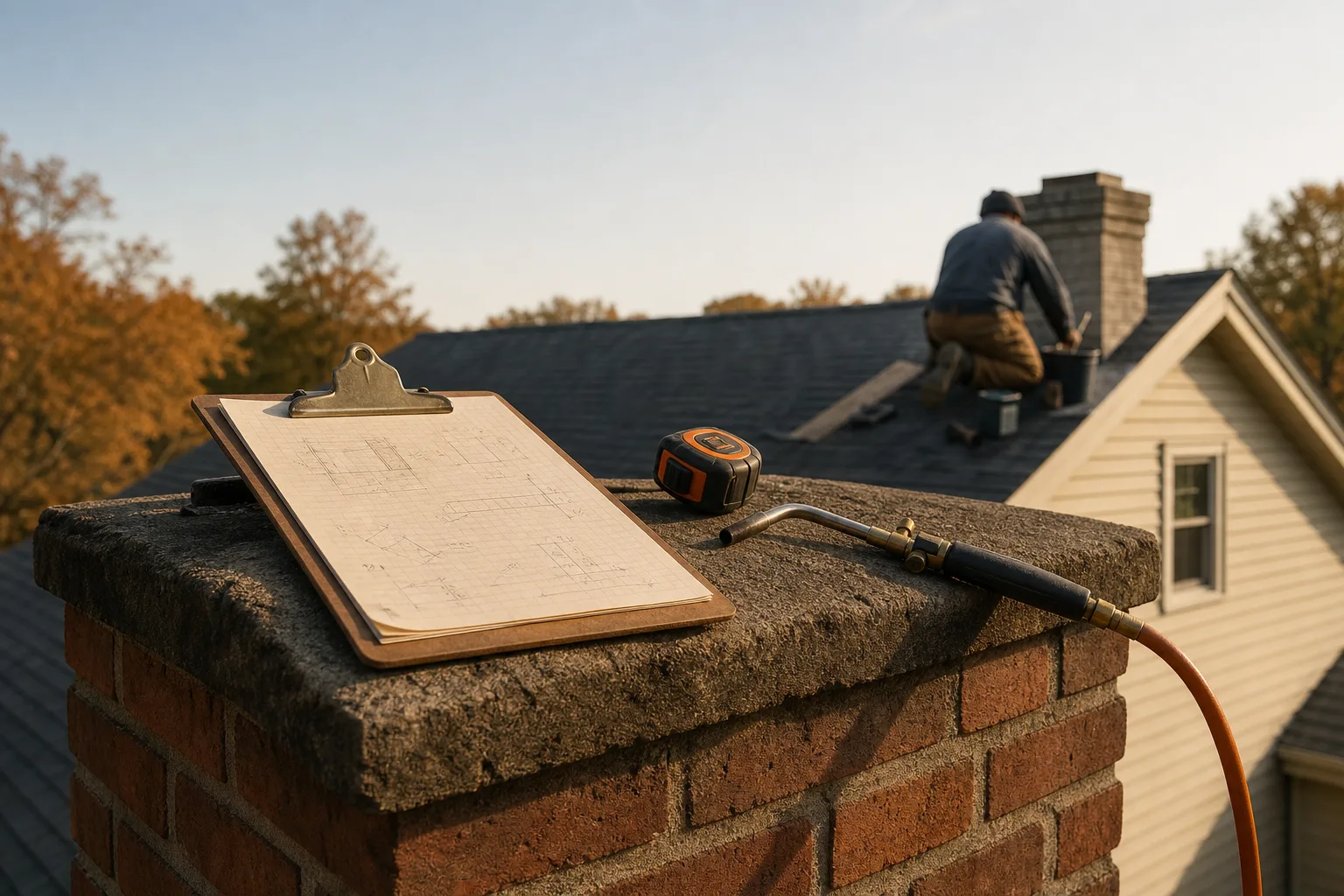
Times are for the work itself, not for scheduling. Masonry needs roughly 40°F to cure properly, which is what limits this work in a northern winter rather than whether a crew is free.
What drives the price
This should be the cheapest thing you buy from a chimney company, and in most cases it is included with an annual sweep at no extra charge. If it is billed separately, it is fair to ask what it adds. What it should never cost is Level 2 money, because it does not include the camera work that makes a Level 2 expensive.
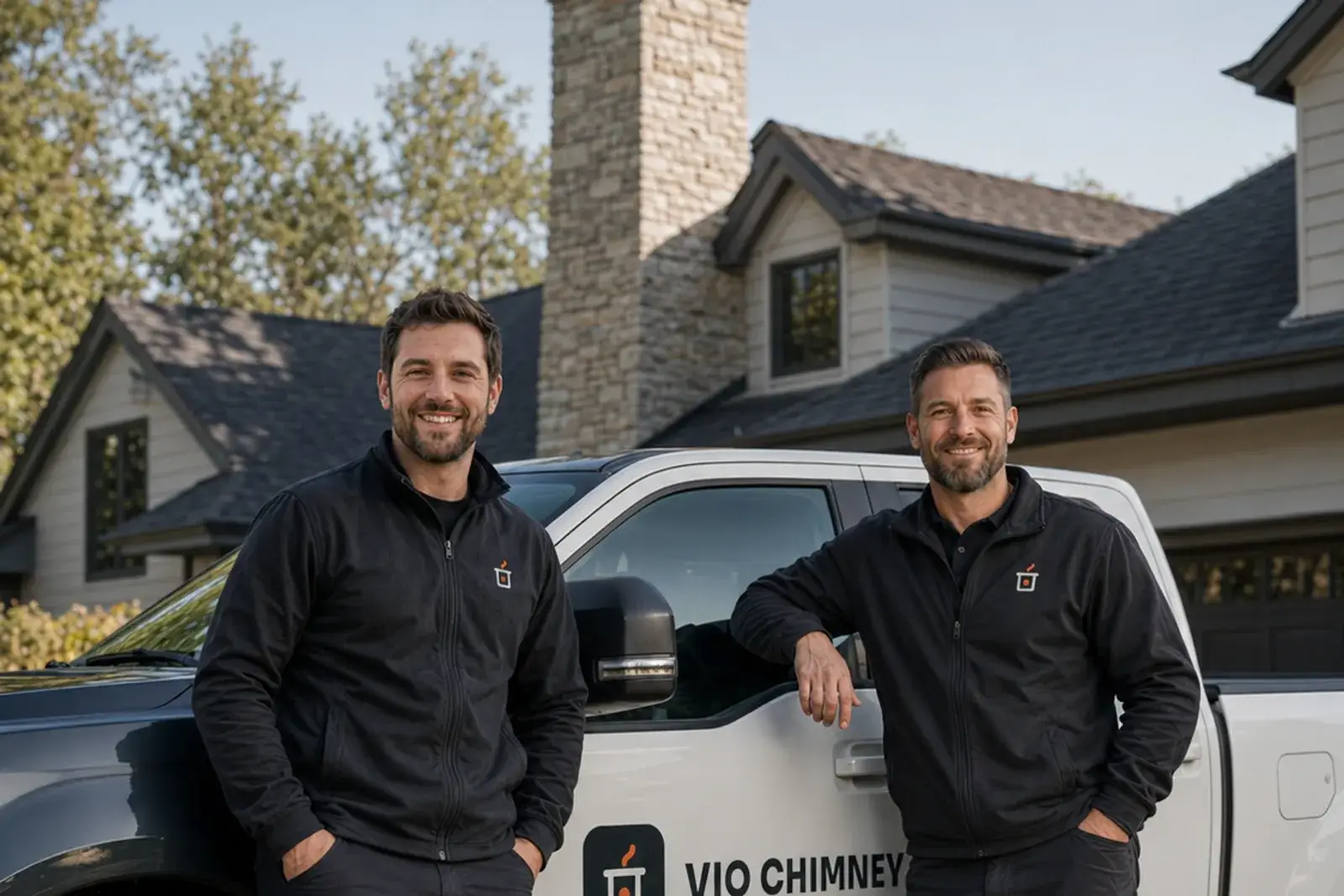
Founded by Ryan Carter in 2019. Every page you read here is reviewed by Ethan Miller, our chimney specialist. A written estimate before any work, and the findings in writing whether or not anything needs doing.
More about who we are →
The VIO Standard
Good to know