



Next-day appointments
Call or book today and we'll do our best to get a pro to you tomorrow.
Chimney service
The short answer
An uncapped flue is a drainpipe pointed at the inside of your chimney.
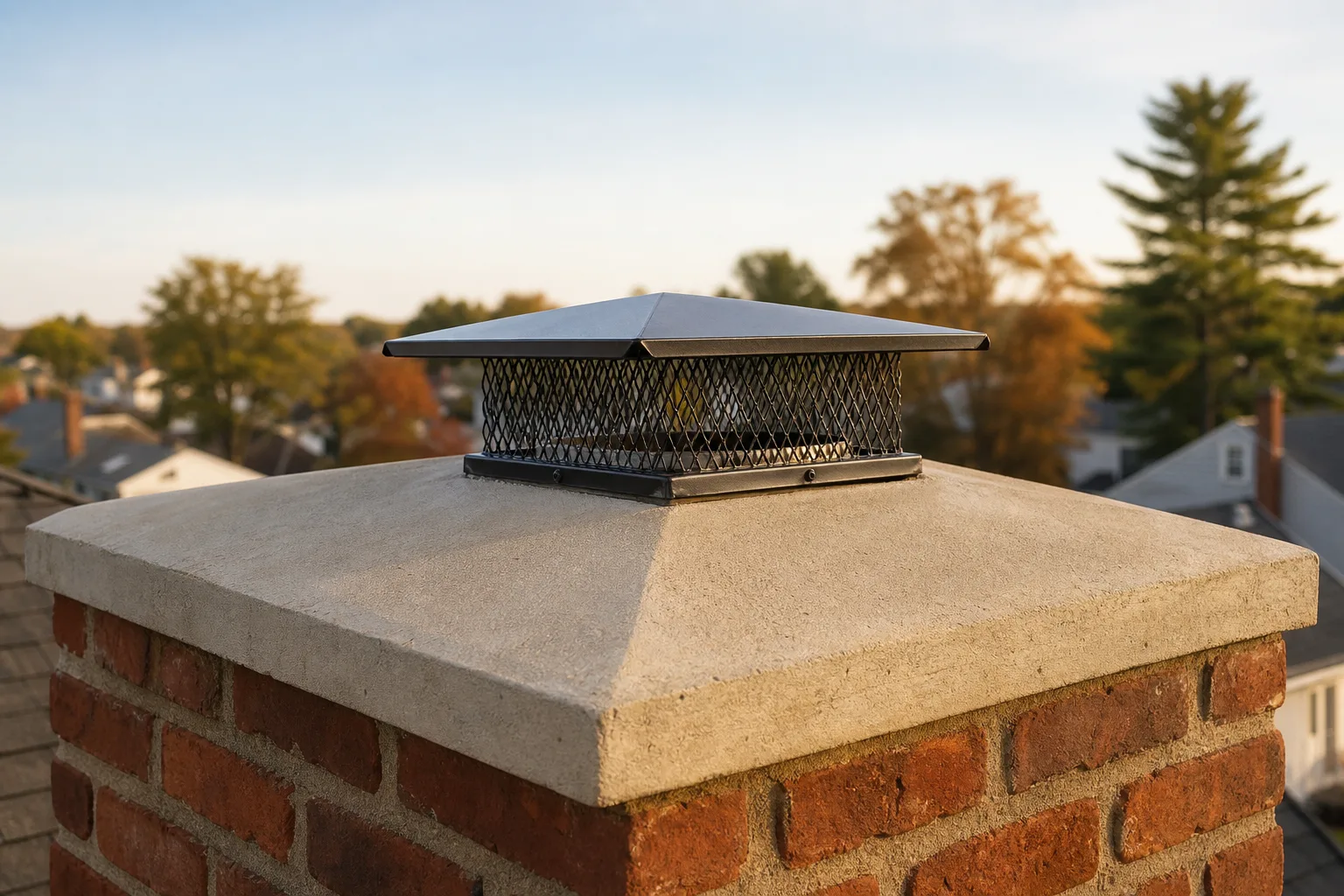
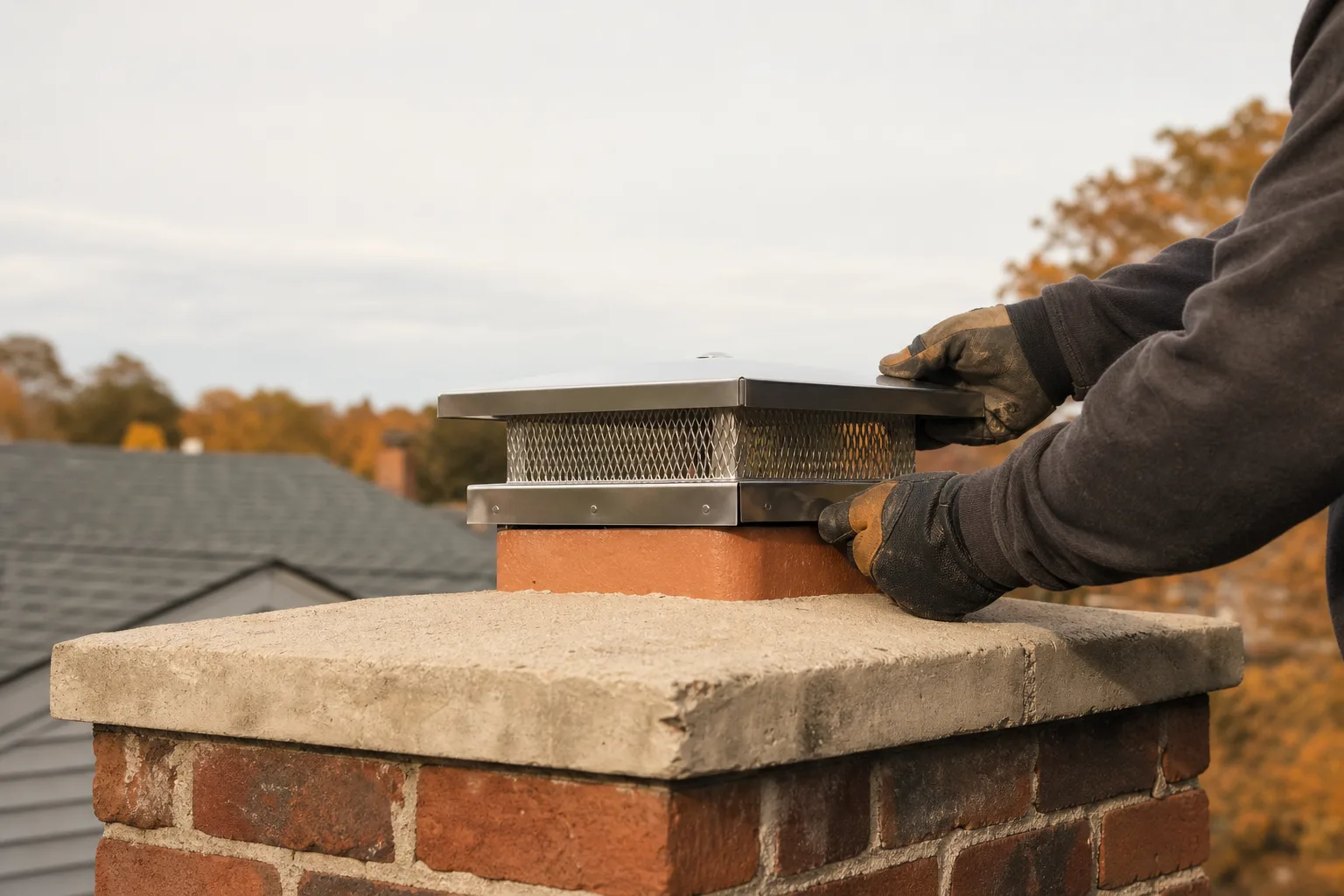
A chimney cap is a stainless steel lid with mesh sides, fixed over the flue opening. It does four things: keeps rain out of the flue, keeps birds and squirrels out, stops downdrafts pushing smoke and ash back into the room, and catches sparks before they land on the roof. Fitting one takes about an hour. The damage it prevents — a rusted damper, cracked tiles, a water-logged stack — costs thousands. It is the clearest cost-benefit case in this trade, which is why it is worth checking whether yours is there before anything else.
Three parts people mix up
The cap covers the flue opening. The crown is the slab under it. Contractors confuse the two constantly, so check which one a quote is for.
Fall Special
Call or book today and we'll do our best to get a pro to you tomorrow.
Anything that needs attention is shown to you and explained in plain words.
If something needs fixing, you get the price in writing first. Saying no costs nothing.
Do you have this problem?
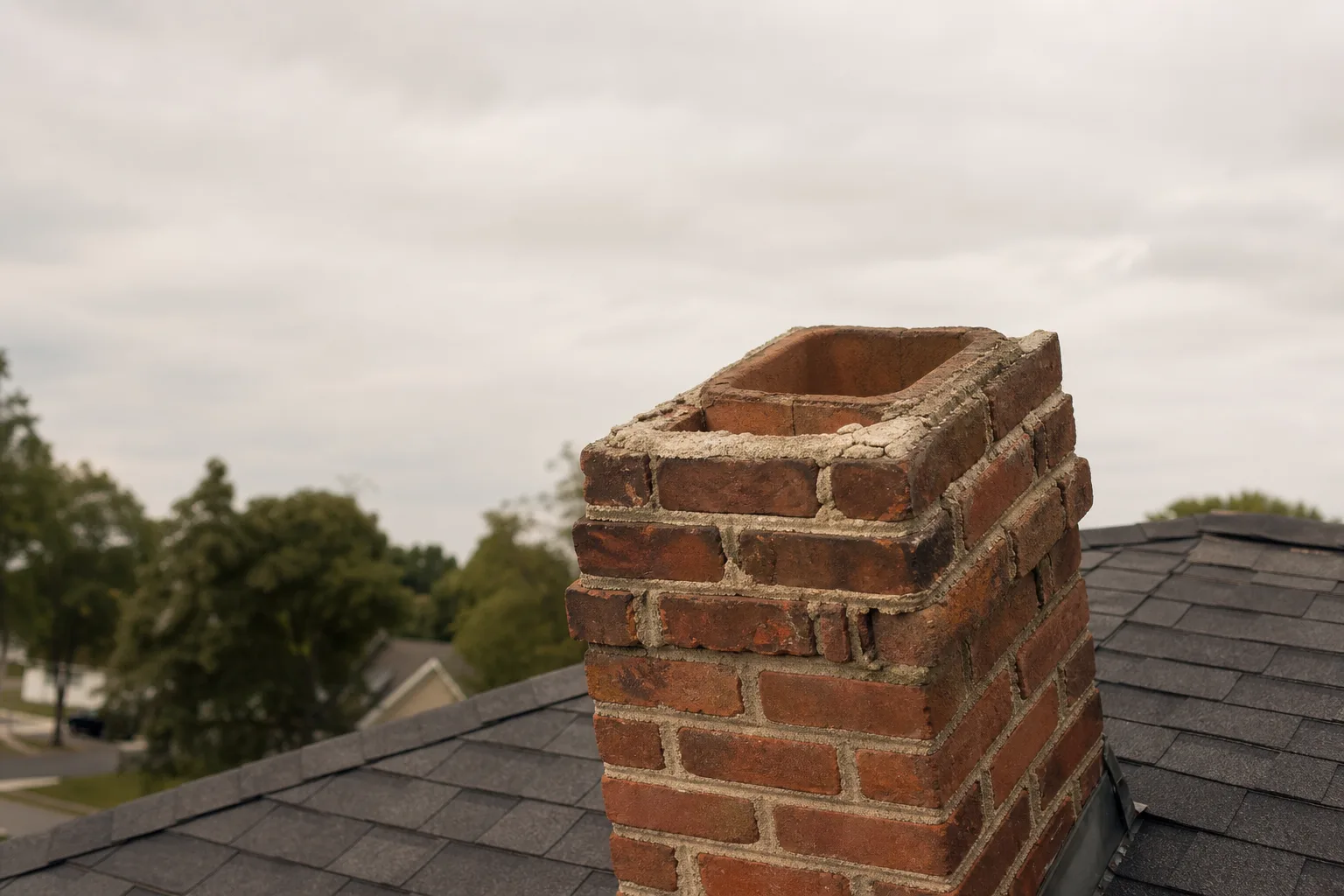
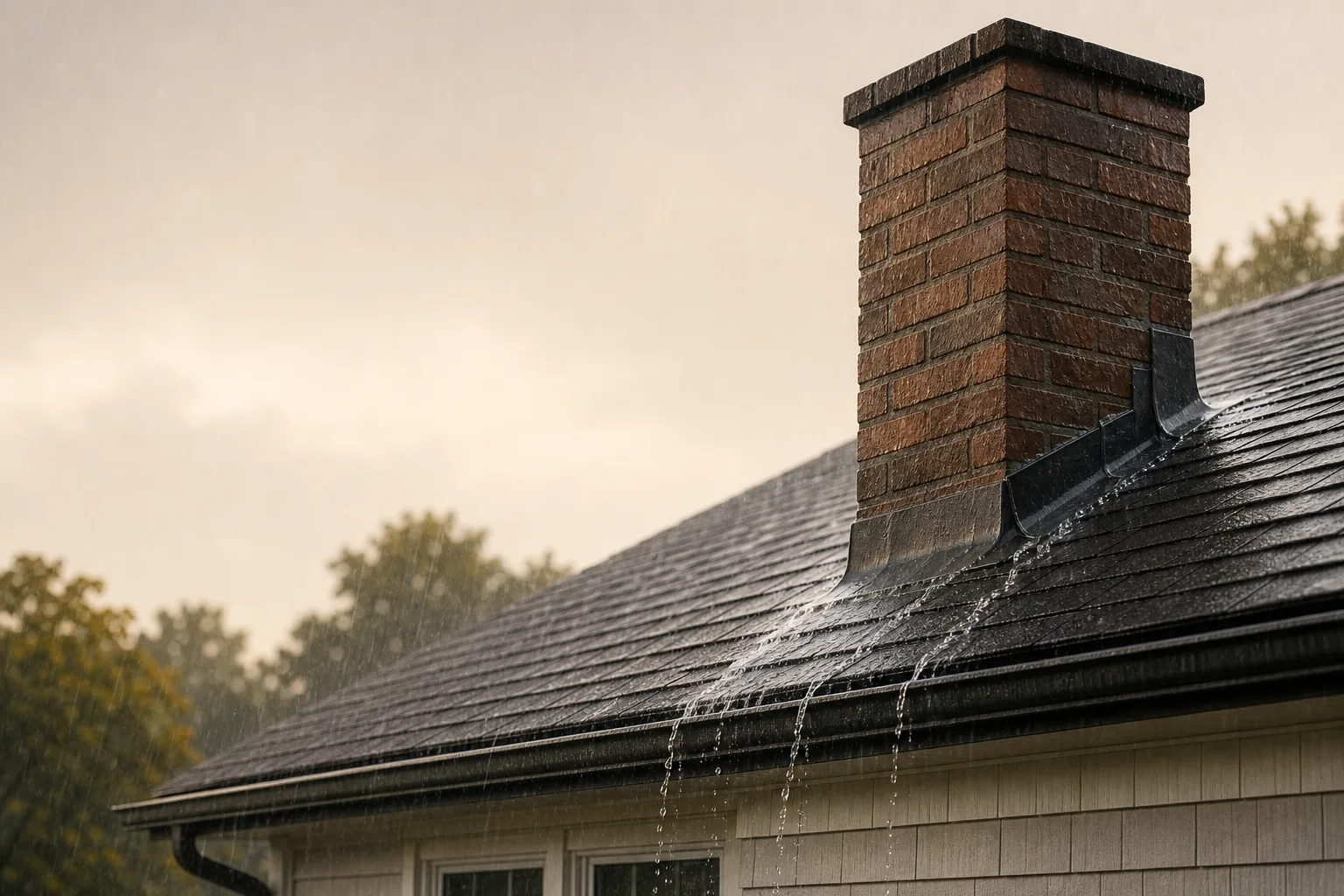
Look up from the ground or check the last roof photograph you have. An open flue takes every inch of rain that falls on its opening straight down the middle.
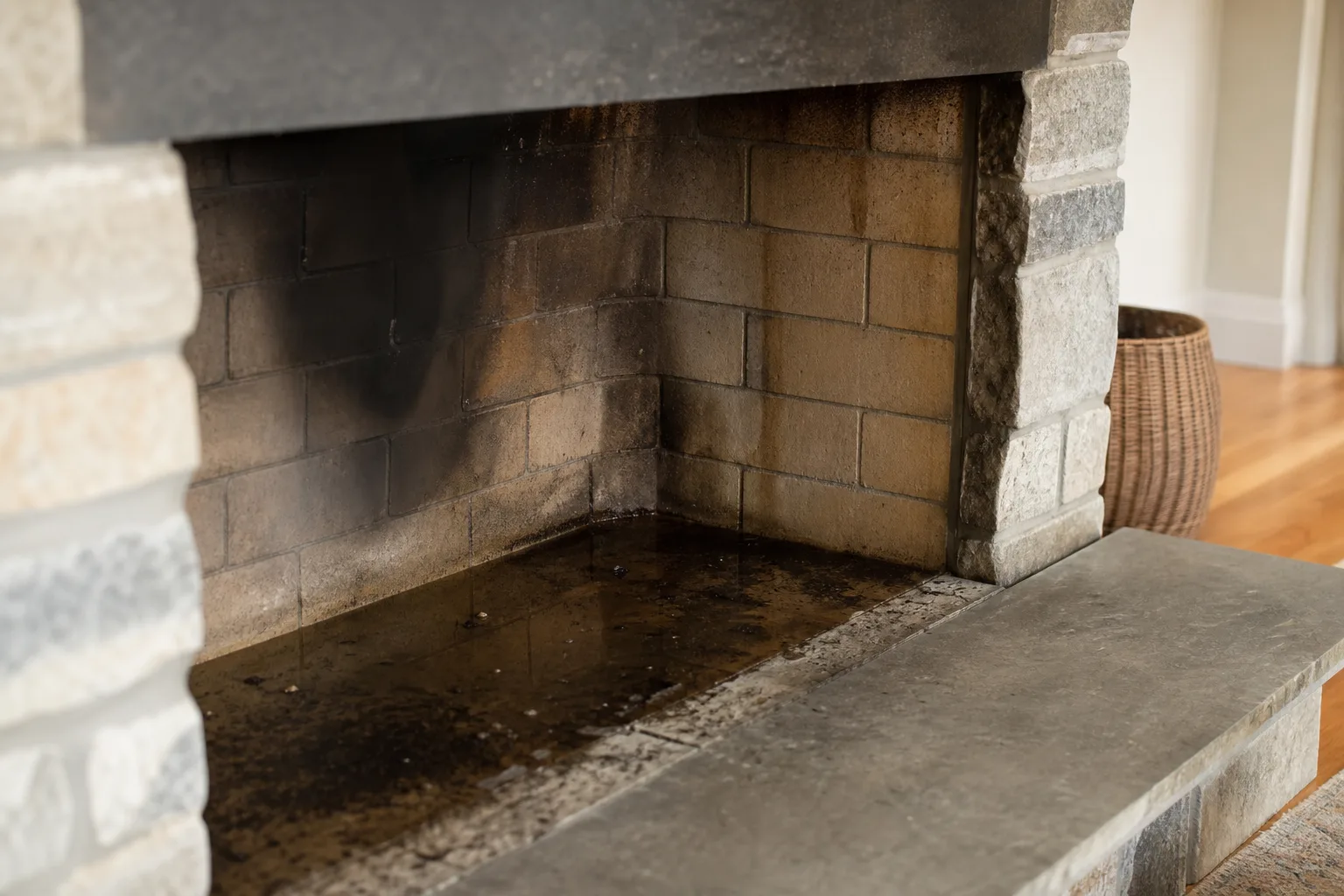
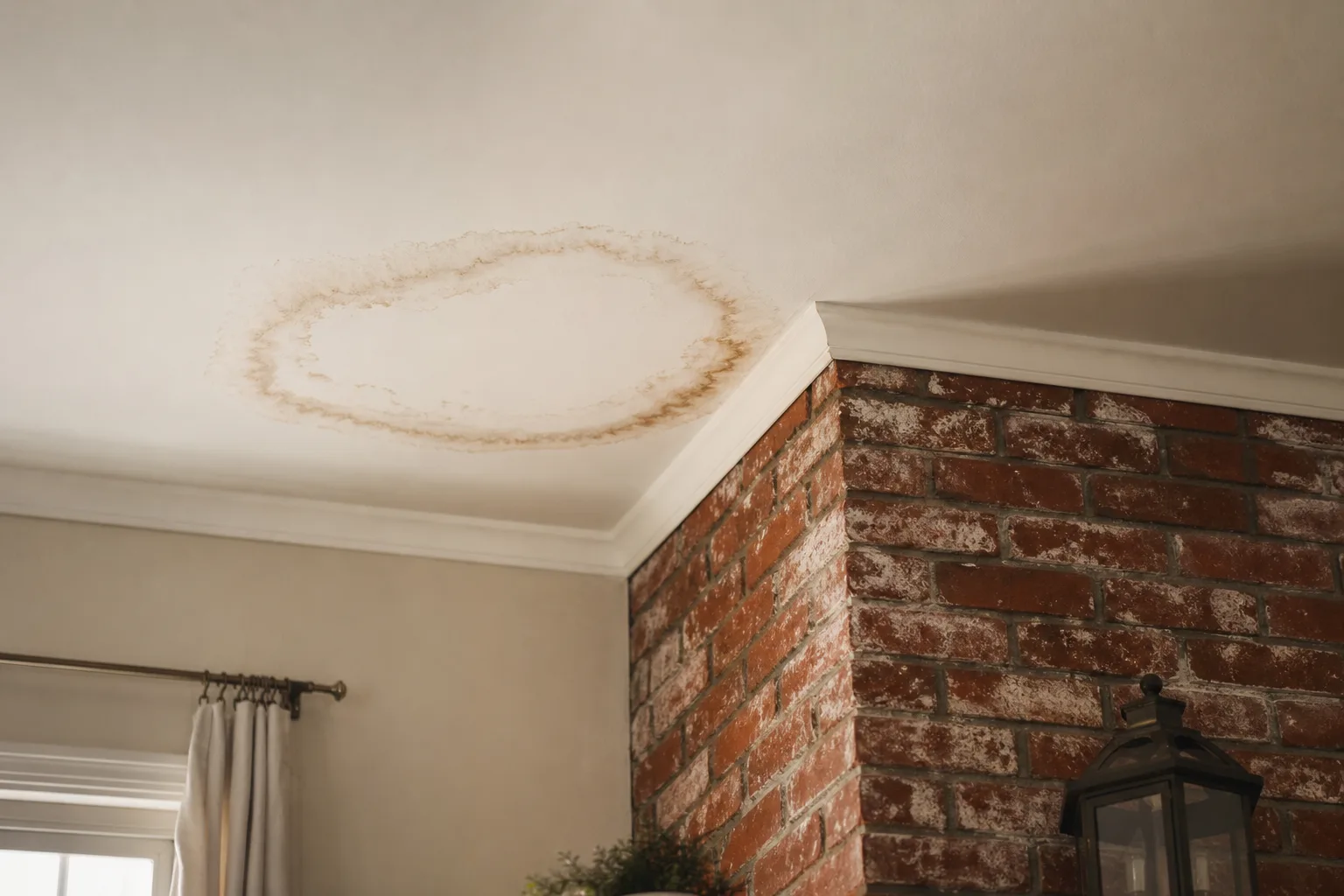
The most direct evidence there is. Water coming down the flue itself, rather than in through the flashing, points at the cap or the crown.
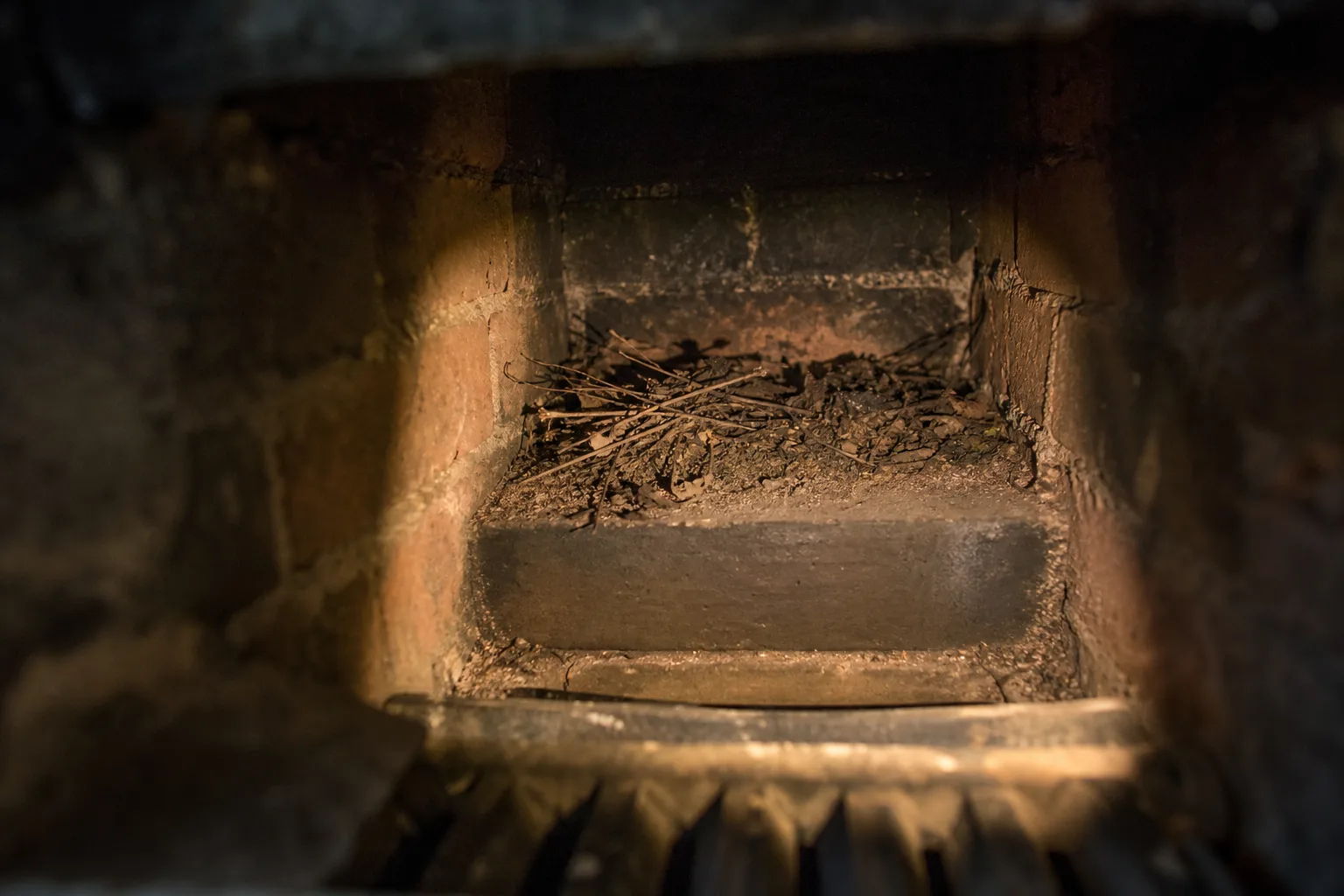
Birds and squirrels find open flues in spring. Removing a nest without fitting a cap is a job you will pay for again next year.
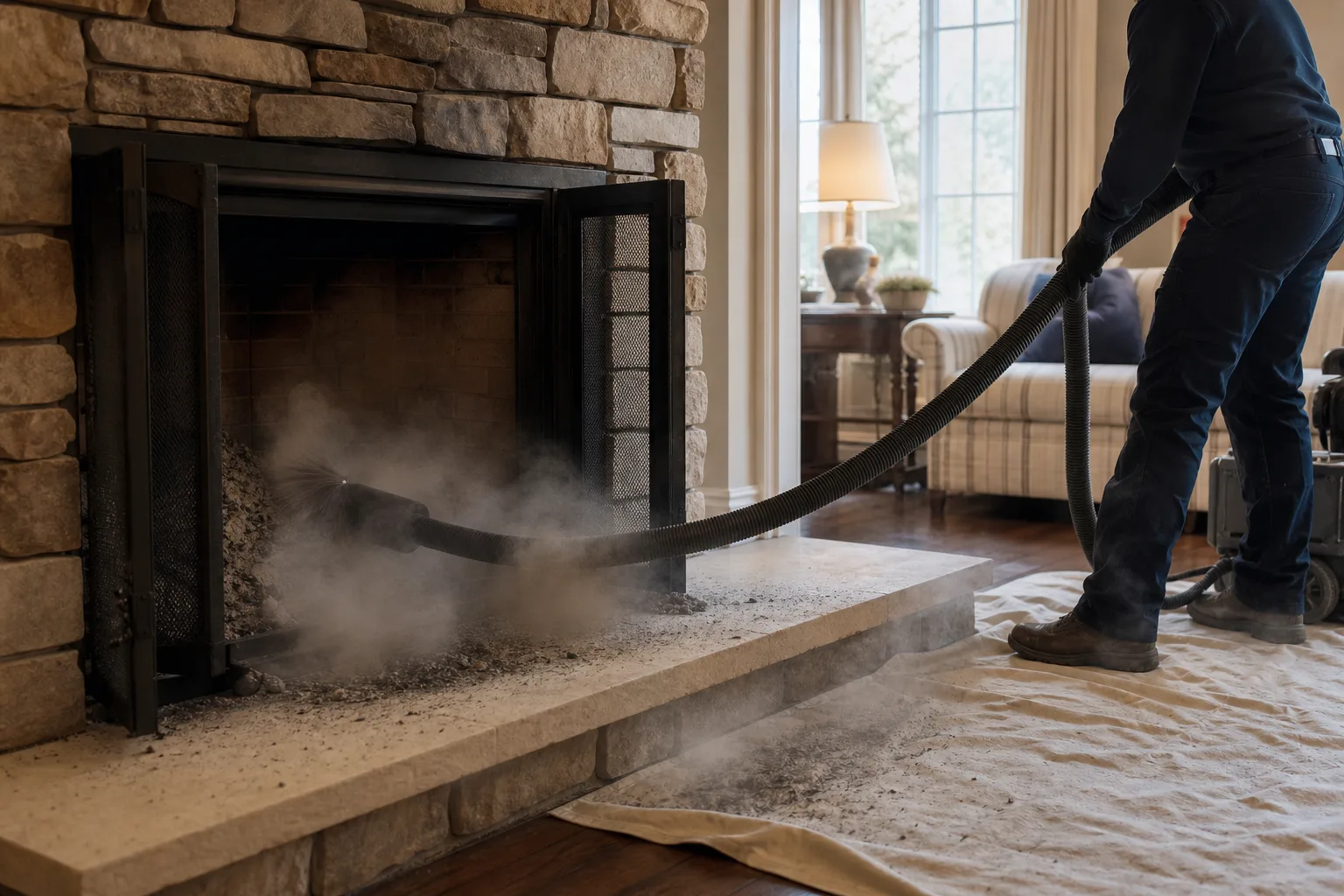
Downdraft. A capped flue is far less prone to it, and where the wind is the problem a specific downdraft cap is the fix.
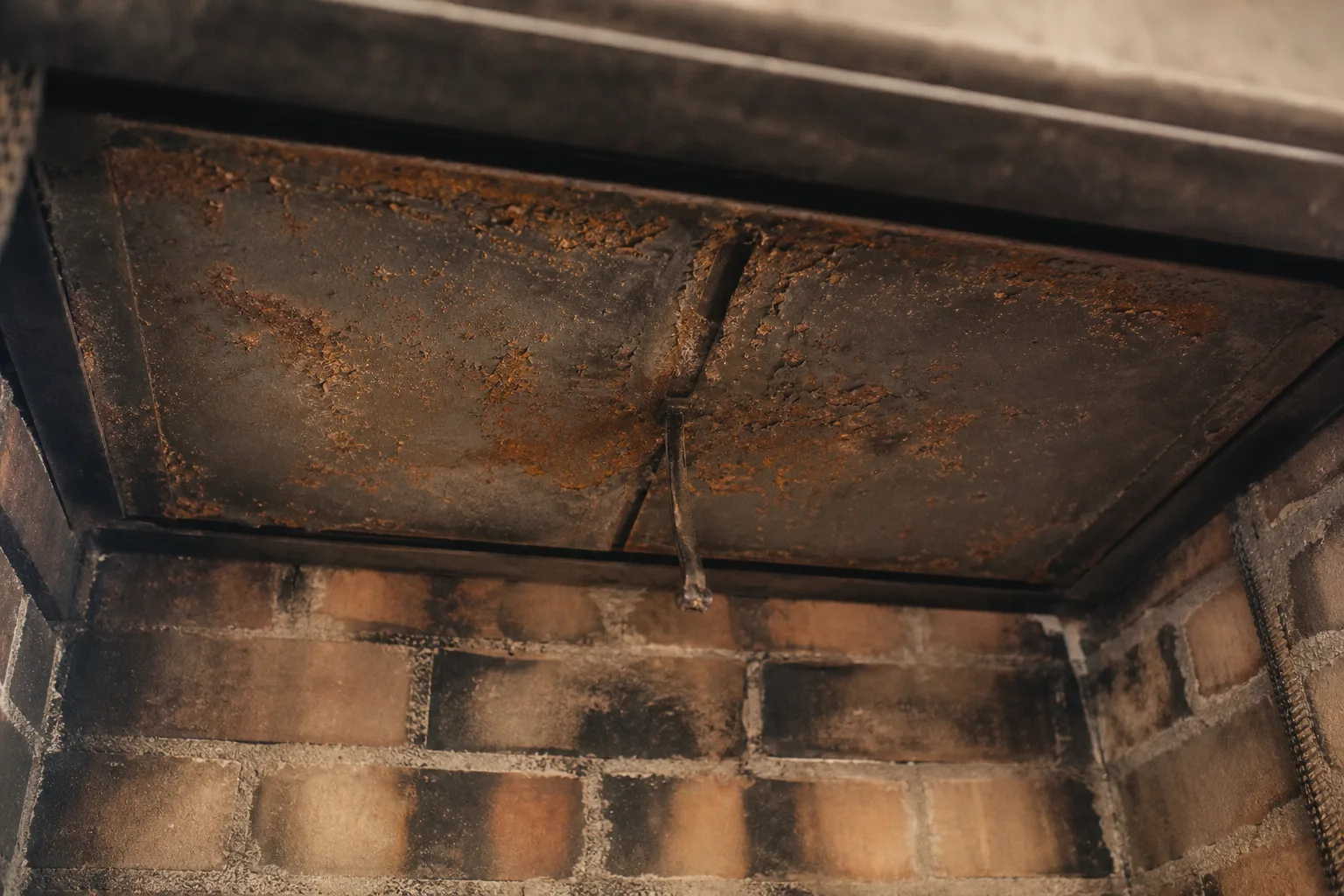
Steel does not rust in a dry flue. Rust means water has been arriving from above, and an open flue is the usual reason.
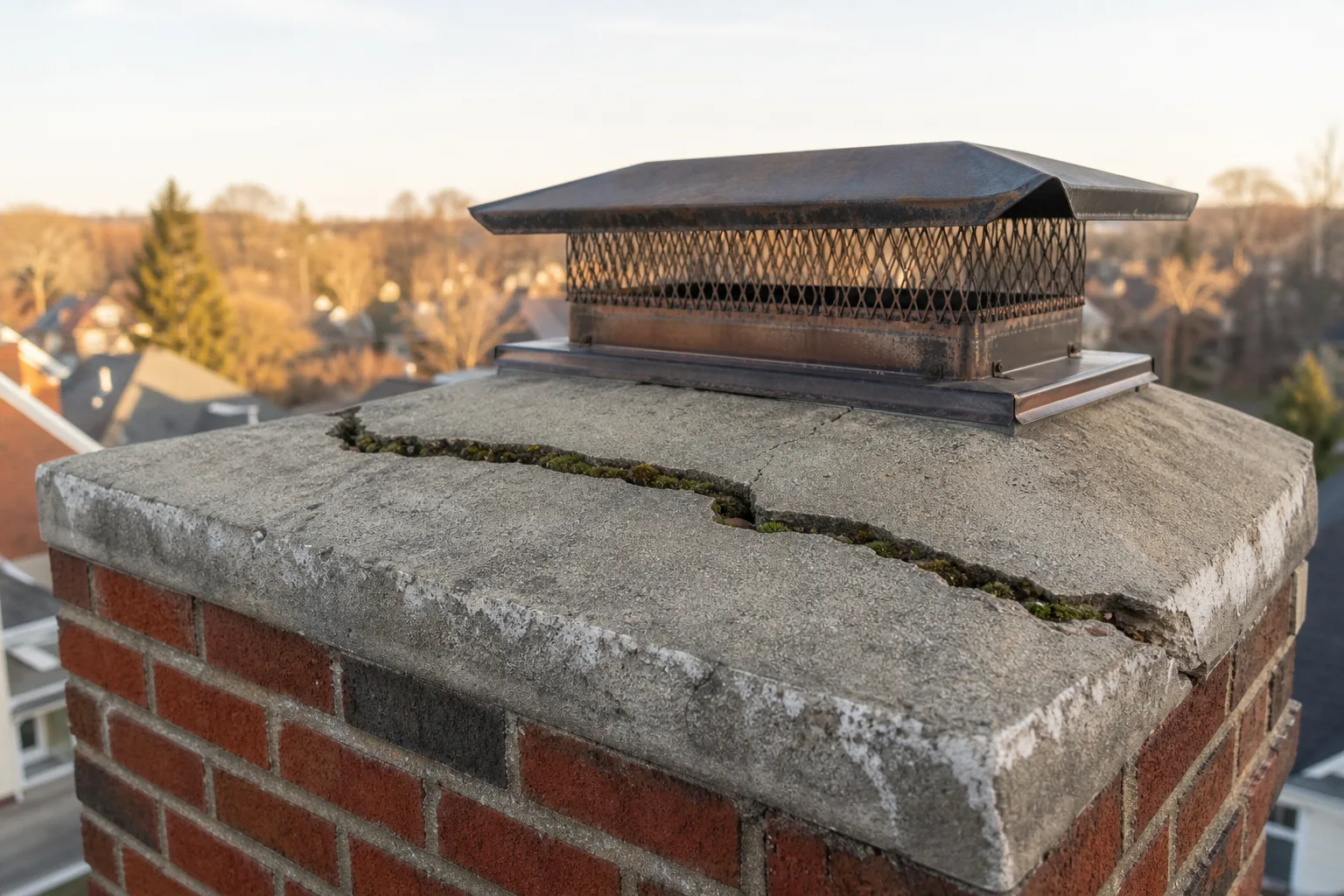
Galvanised caps last a handful of seasons before they rust through, and a loose one blows off in the first real storm. A cap you cannot see may simply be lying in the garden.
How we work
The same four steps every time, whatever the repair turns out to be.
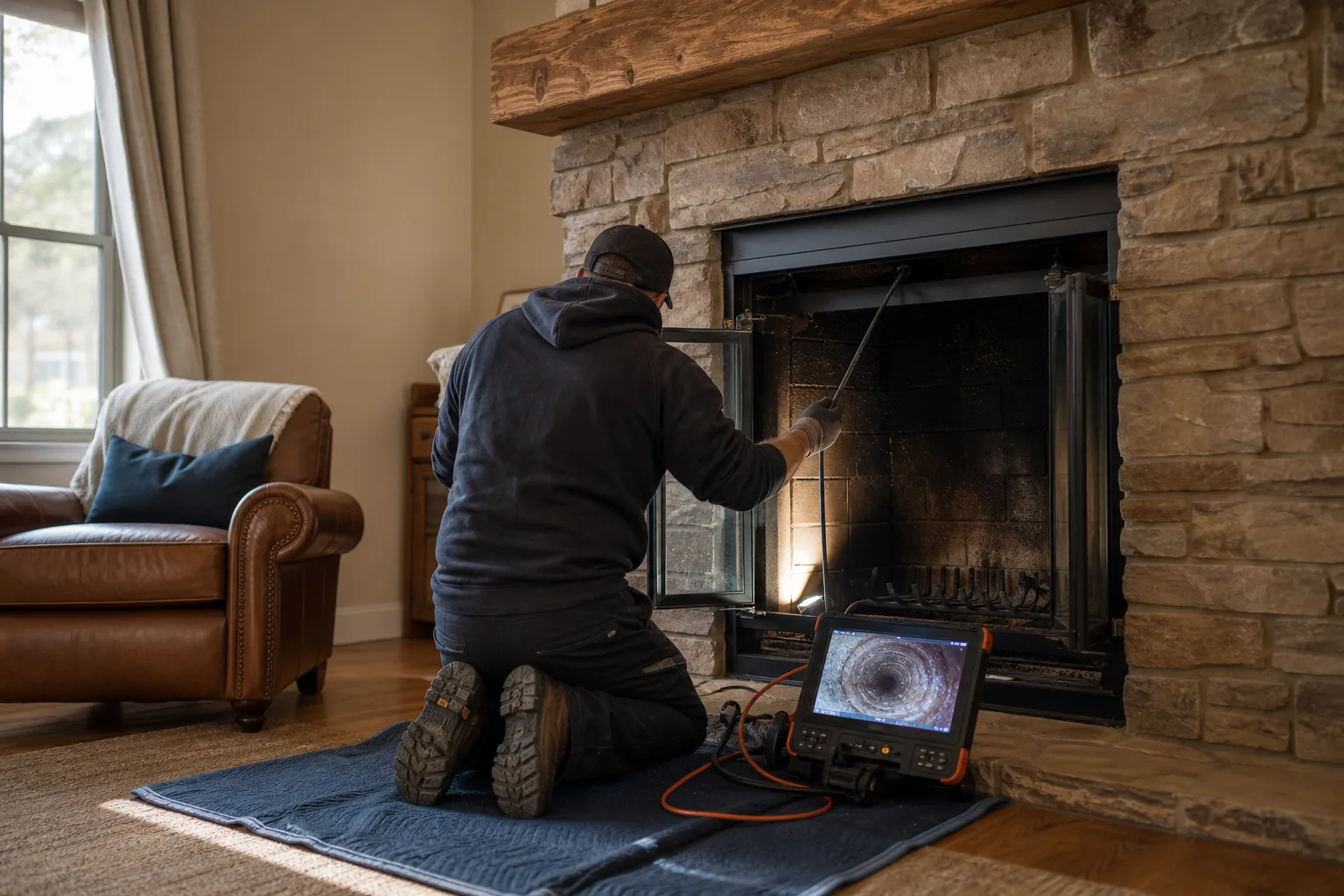
A look at the crown, cap, flashing and exterior masonry, then the flue, damper and firebox — with a camera where the job calls for a level 2 scan. Whatever needs work gets shown to you, not just described.
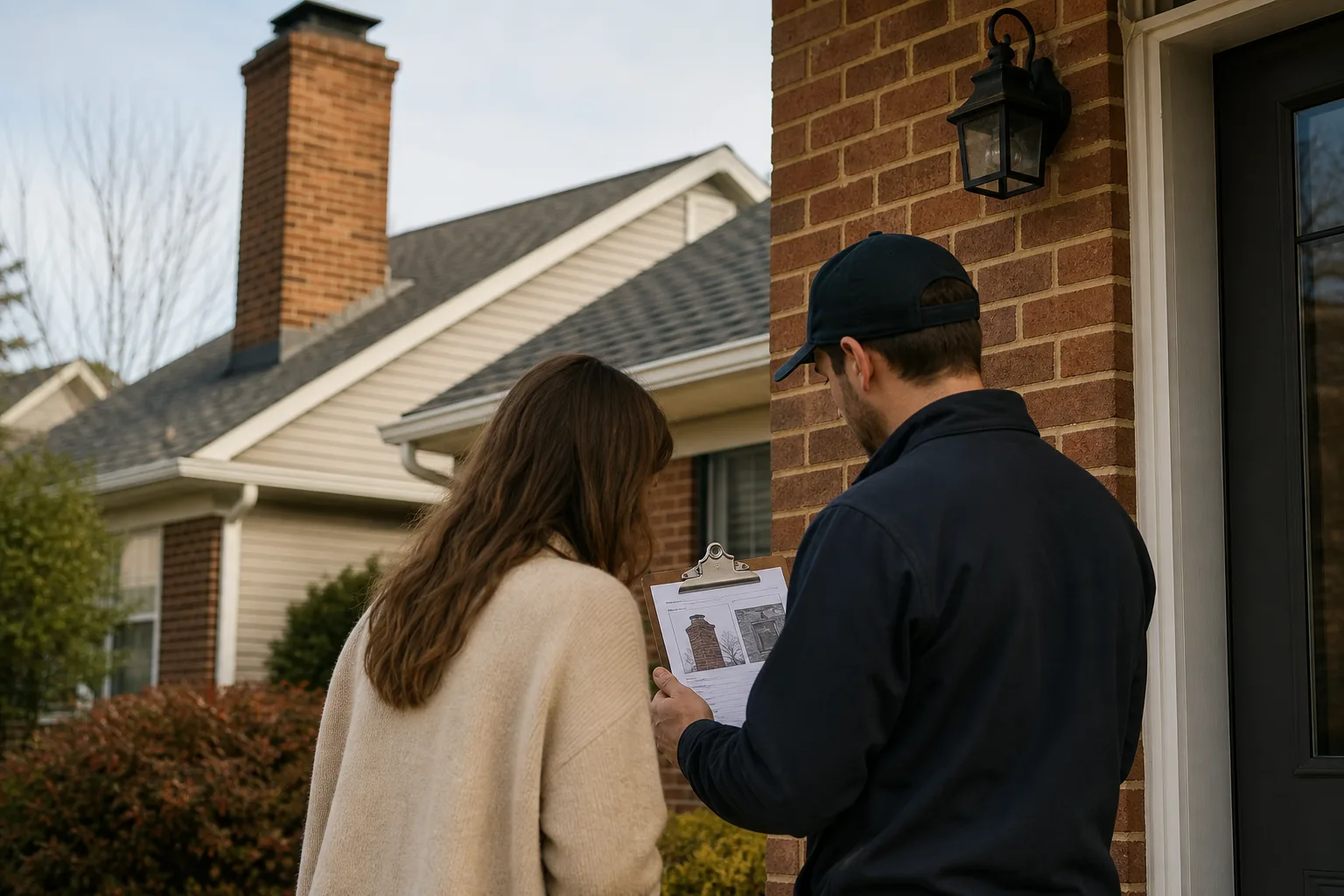
Scope, price and what is not included, in writing. Nothing starts until you approve it, and an emergency is not a reason to skip this step.
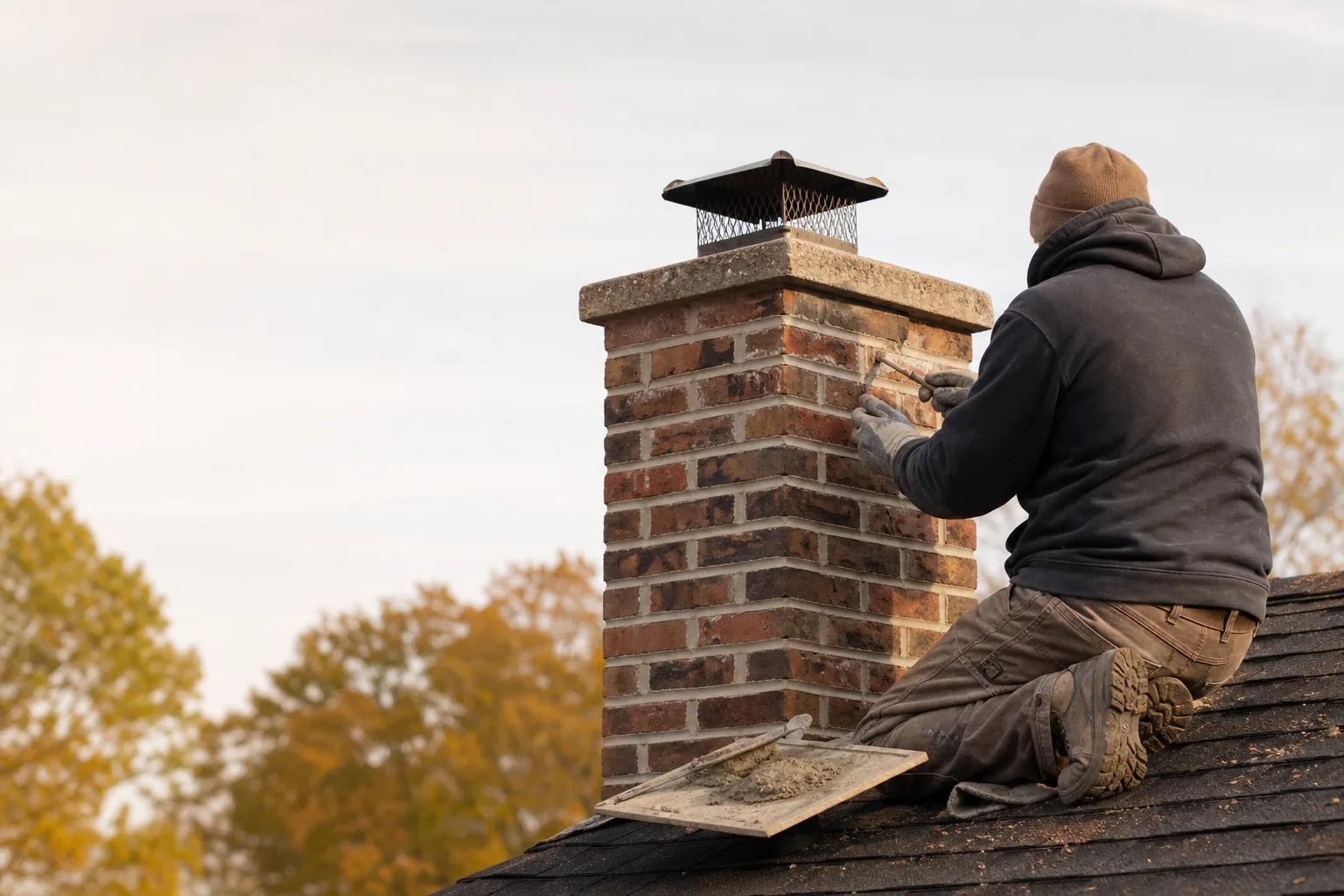
Matched materials and the manufacturer's spec, not whatever is on the van. Drop cloths down, and the room left as it was found.
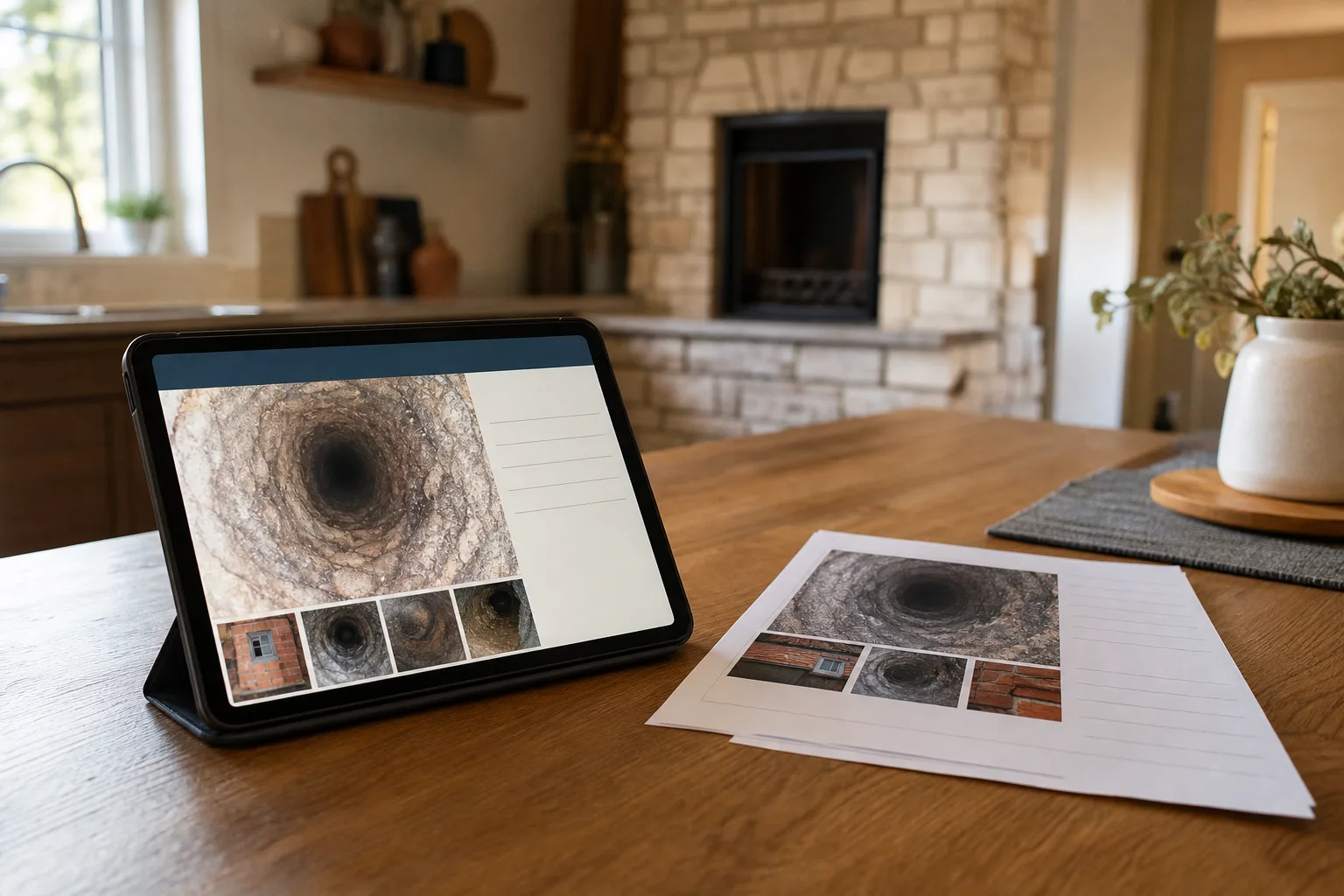
A second scan after the work, and written findings you can keep, hand to an inspector, or send to an insurer.
What it covers
Not every job on this list is equally urgent, so they are ordered that way. A cracked liner stops you using the fireplace tonight; waterproofing can wait for a dry week.
The job — most urgent first
What it involves
On site
What is already up there comes out before anything goes on. Capping over a nest turns a blockage into a sealed one, which is worse than leaving it.
On site: About 2 hours
One stainless lid covering the whole crown, for stacks with two or three flues. It also shelters the crown itself, which is the part that cracks and lets water into the masonry.
On site: Half a day
The standard fit: 304 or 316 stainless with mesh sides and a lifetime of thirty years or more. Galvanised costs a little less and rusts through in a handful of seasons, which makes it the more expensive option.
On site: About an hour
A cap that also closes against a gasket, operated by a chain in the firebox. It caps the flue and replaces a throat damper that no longer seals, which is worth doing when both are due.
On site: About 2 hours
For chimneys shorter than nearby roof lines or trees, where wind pushes down the flue. Shaped to use the wind rather than fight it. Worth diagnosing before buying, because the usual cause of downdraft is stack height.
On site: About an hour
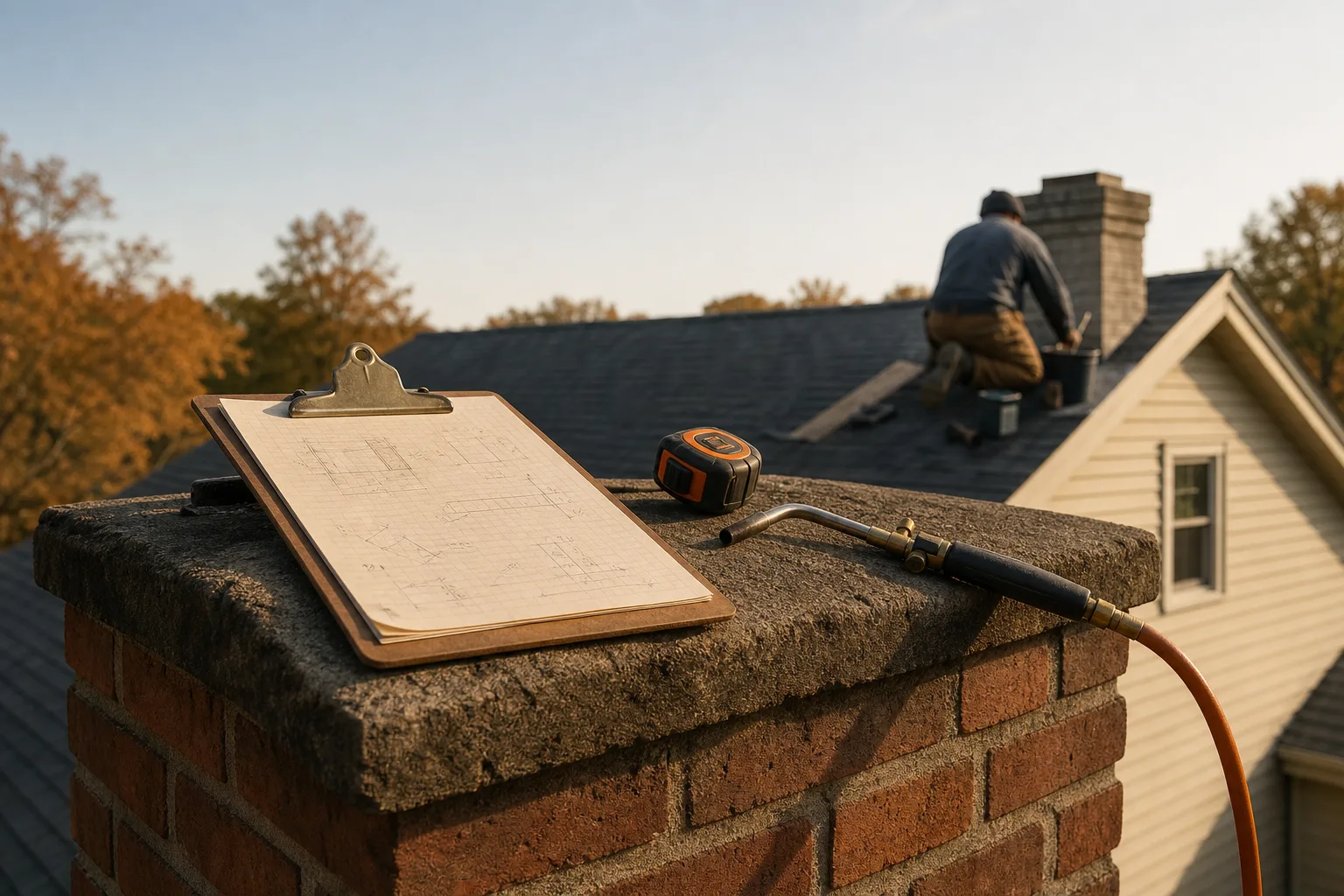
Times are for the work itself, not for scheduling. Masonry needs roughly 40°F to cure properly, which is what limits this work in a northern winter rather than whether a crew is free.
What drives the price
A single stainless cap fitted is one of the cheapest jobs we do, materials included. Full-coverage multi-flue caps cost more because they are made to the crown's dimensions. Top-sealing damper caps are the most expensive of the three and are usually chosen when the existing damper has failed anyway. In every case the part outlasts the price difference several times over.
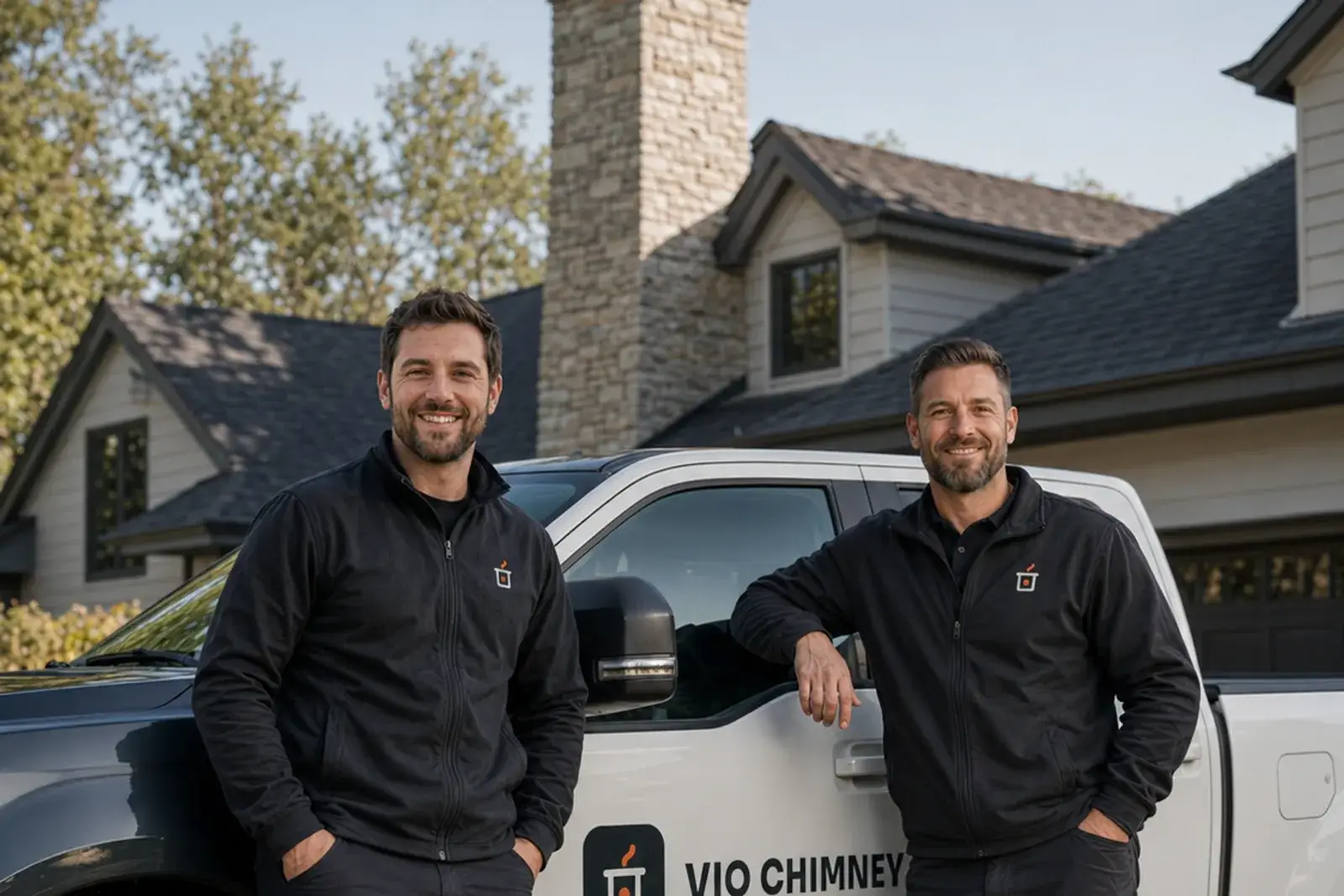
Founded by Ryan Carter in 2019. Every page you read here is reviewed by Ethan Miller, our chimney specialist. A written estimate before any work, and the findings in writing whether or not anything needs doing.
More about who we are →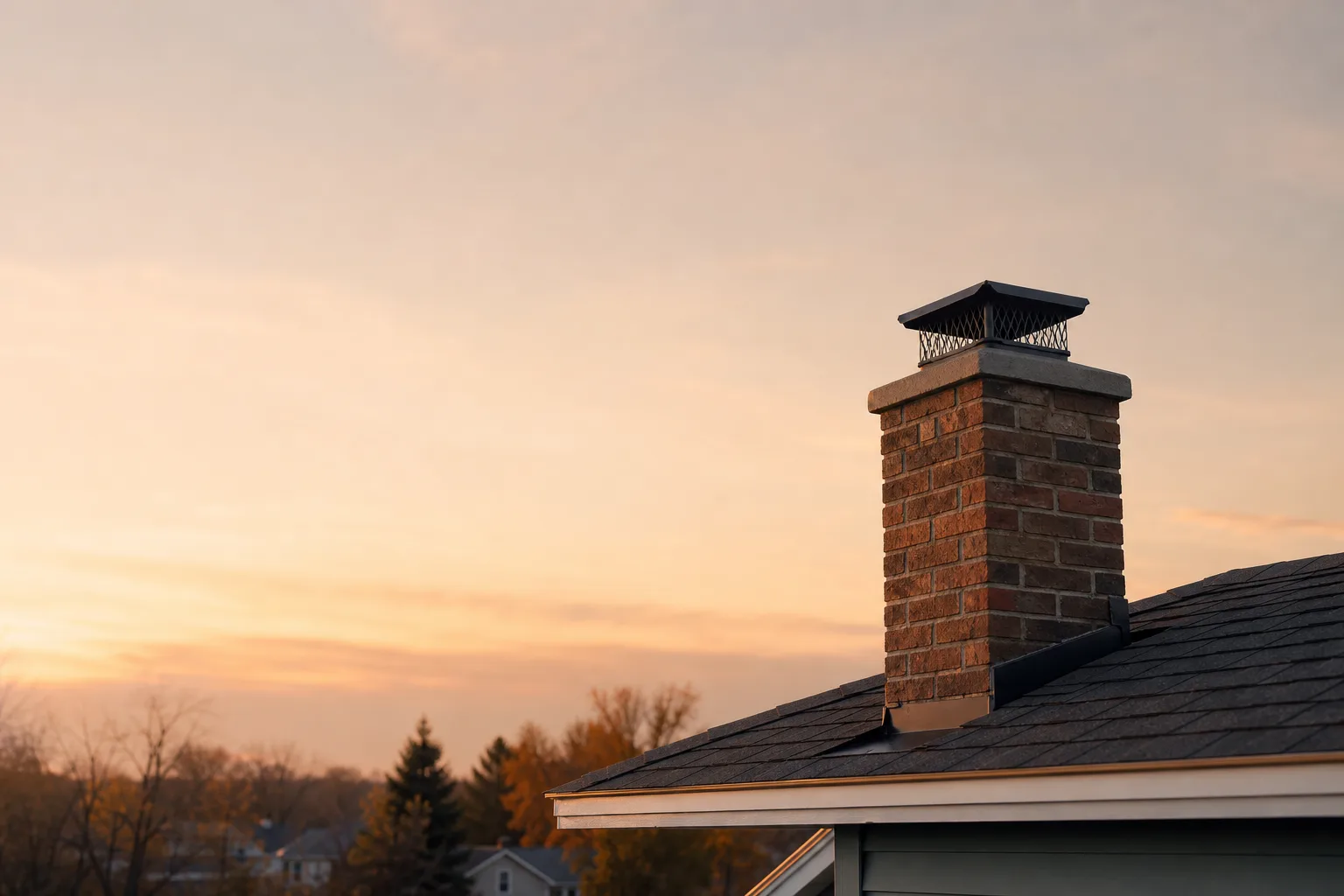
The VIO Standard
Good to know