



Next-day appointments
Call or book today and we'll do our best to get a pro to you tomorrow.
Chimney service
The short answer
A cracked liner is the one fault on this site where the right answer is to stop using the fireplace today.
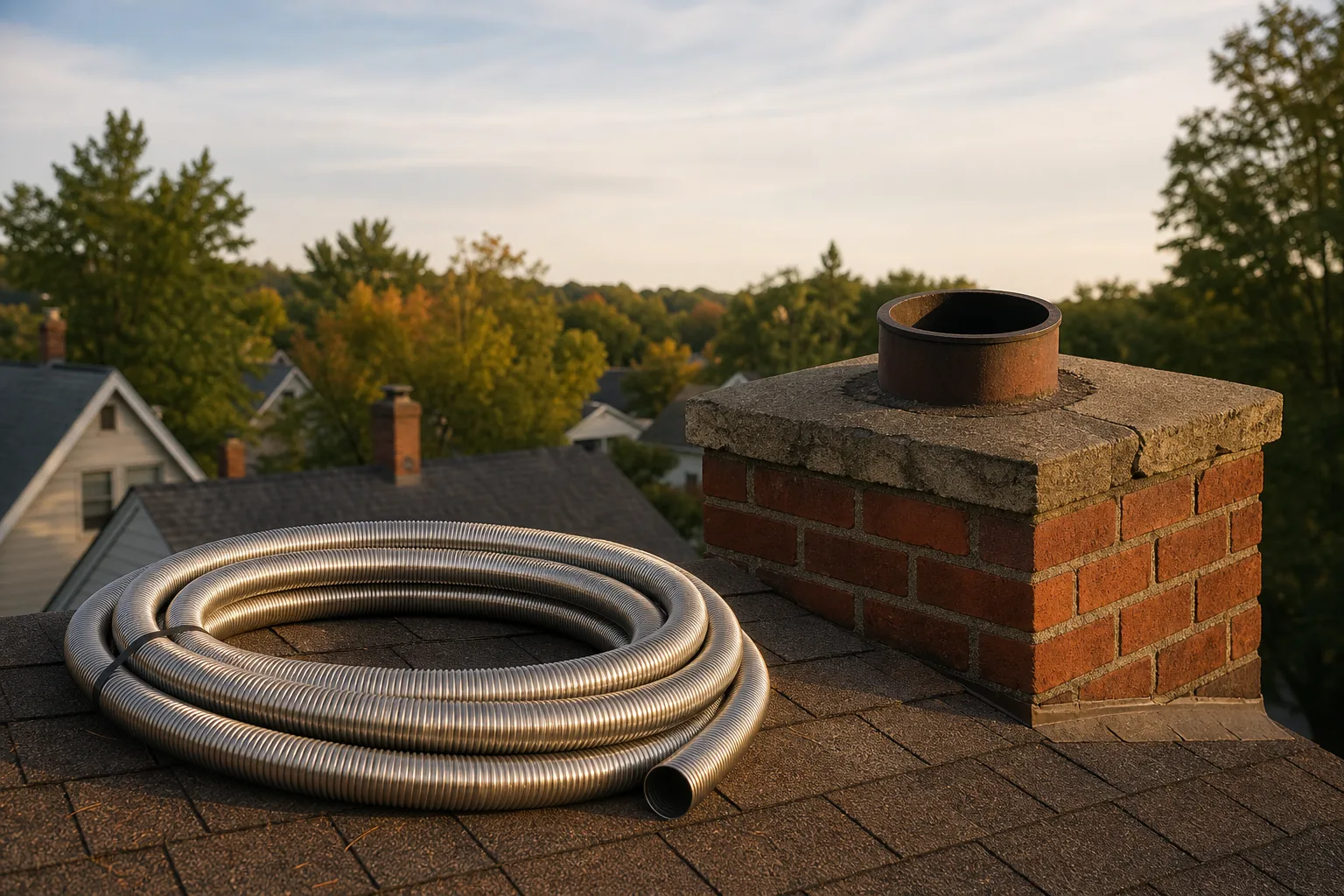
The liner is what keeps heat and combustion gases inside the flue and away from the timber framing packed around the chimney. Clay tile is what most older houses have, and it cracks — from a flue fire, from freeze-thaw where water has got in, or simply from decades of heat cycling. Once a tile has cracked there is a path for gases and heat to reach the structure. Chimney liner replacement is normally a stainless steel liner run down the full flue, or a cast-in-place mix poured around a form, and it is the most expensive routine job in this trade for a reason.
The part this job replaces
The liner runs the full height inside the masonry. That is why relining is priced by the foot and why nobody can see its condition from the ground.
Fall Special
Call or book today and we'll do our best to get a pro to you tomorrow.
Anything that needs attention is shown to you and explained in plain words.
If something needs fixing, you get the price in writing first. Saying no costs nothing.
Do you have this problem?
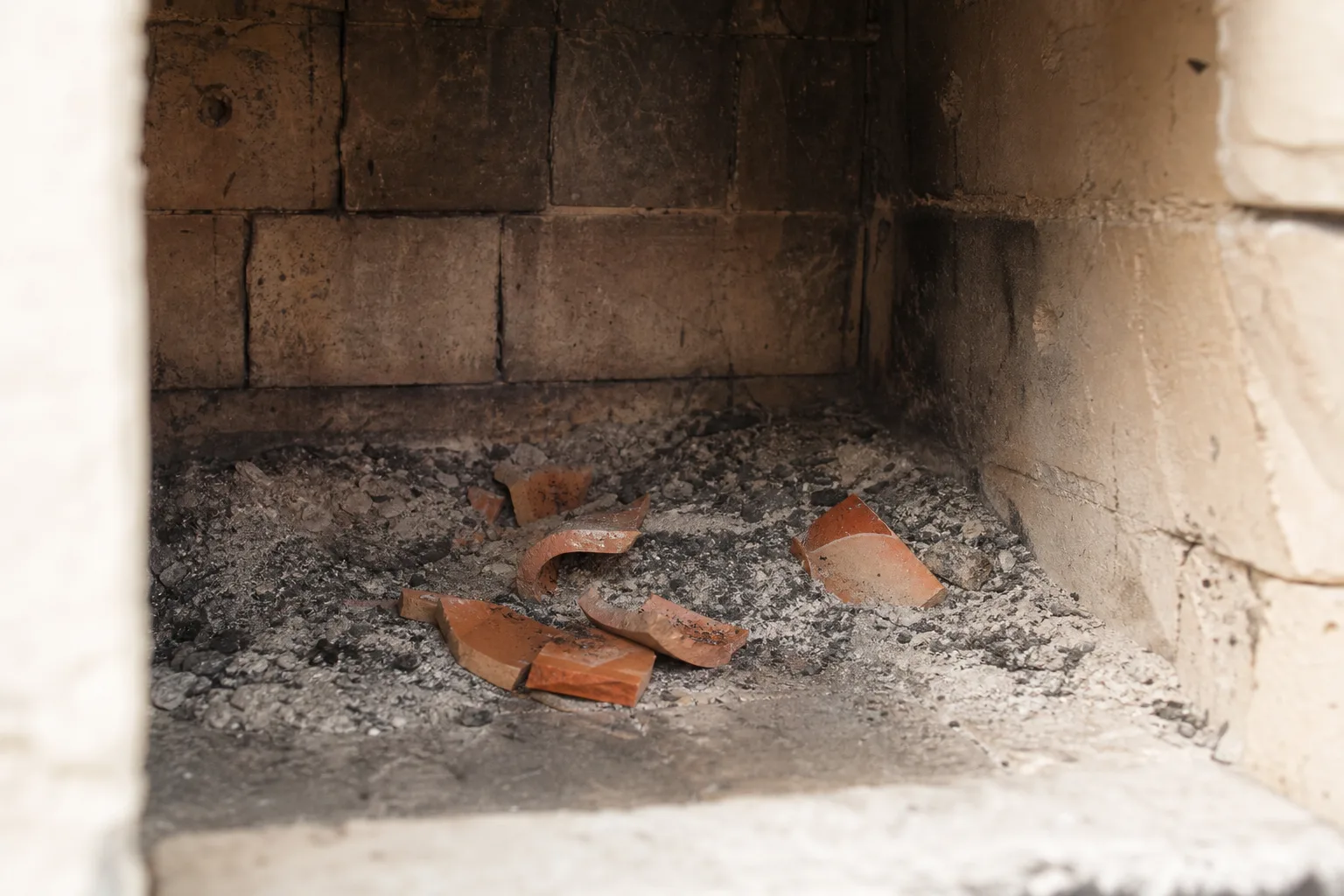
Pieces of terracotta in the hearth are liner falling apart above. This is the single most reliable sign, and the point at which the fireplace should go out of use.
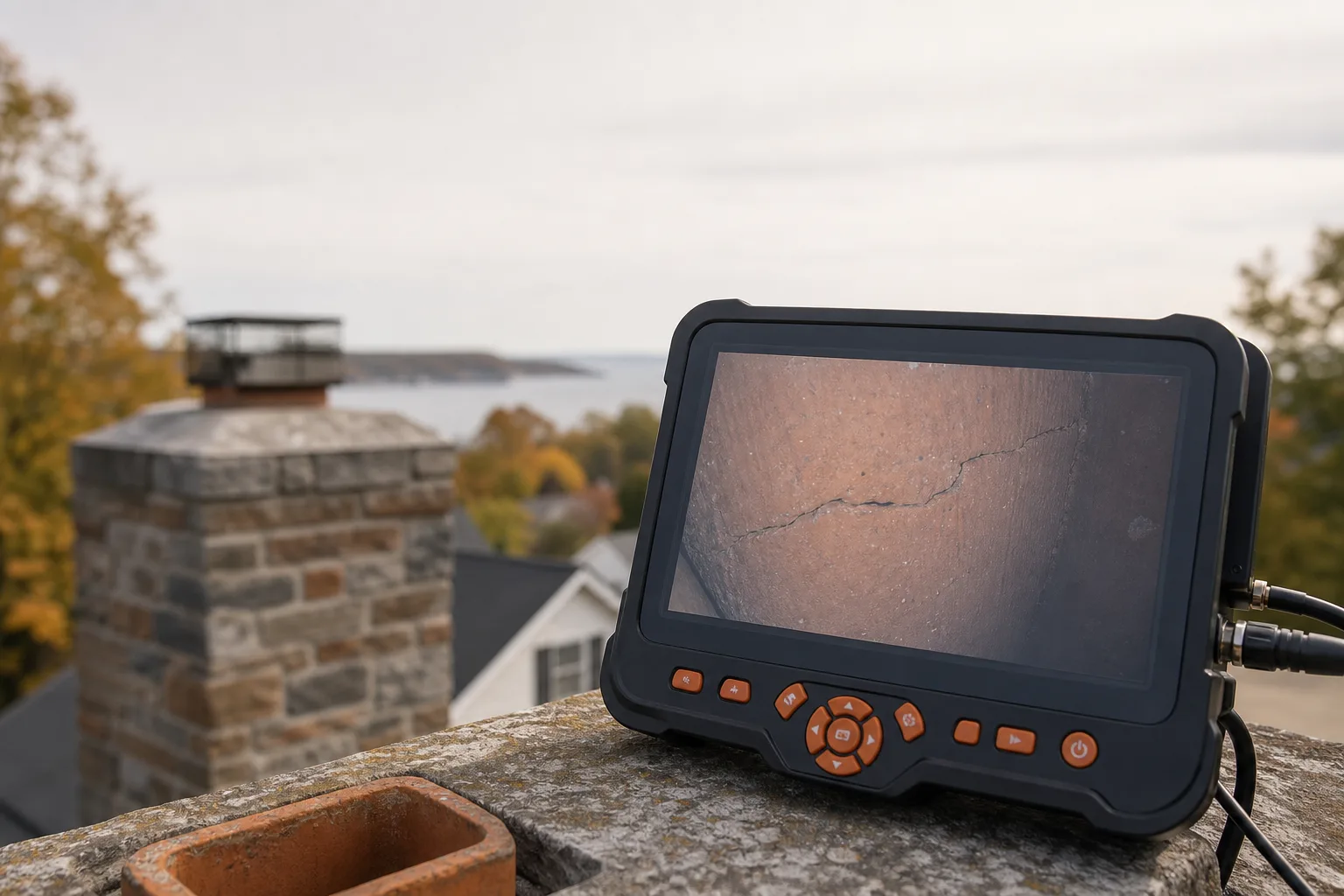
The definitive answer, and the reason a scan comes before any quote. A crack the width of a hair still breaks the seal that the liner exists to provide.
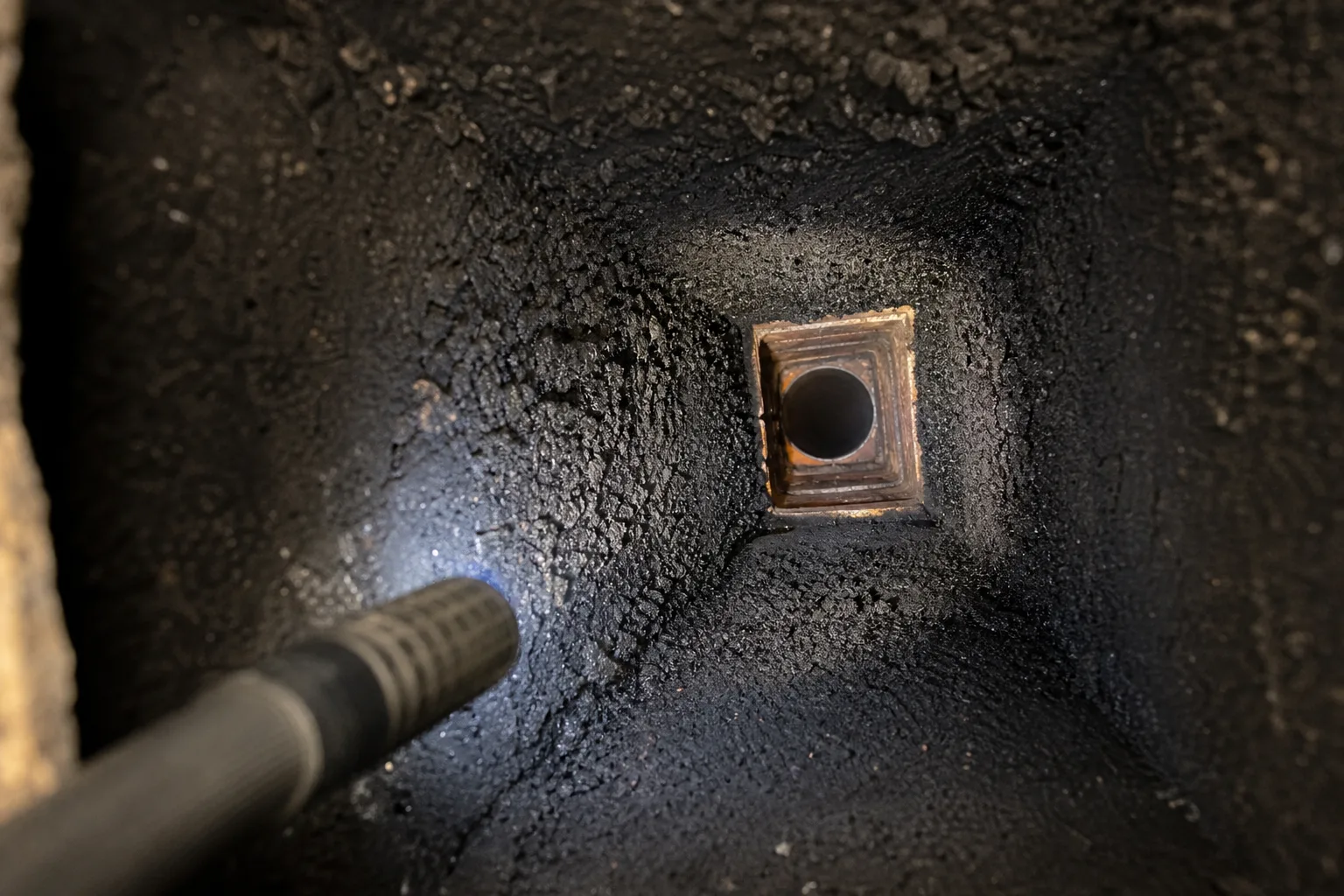
Flue fires reach temperatures clay was never built for and crack tiles almost every time, whether or not the fire seemed serious. NFPA 211 requires a Level 2 inspection afterwards, and this is what it is looking for.
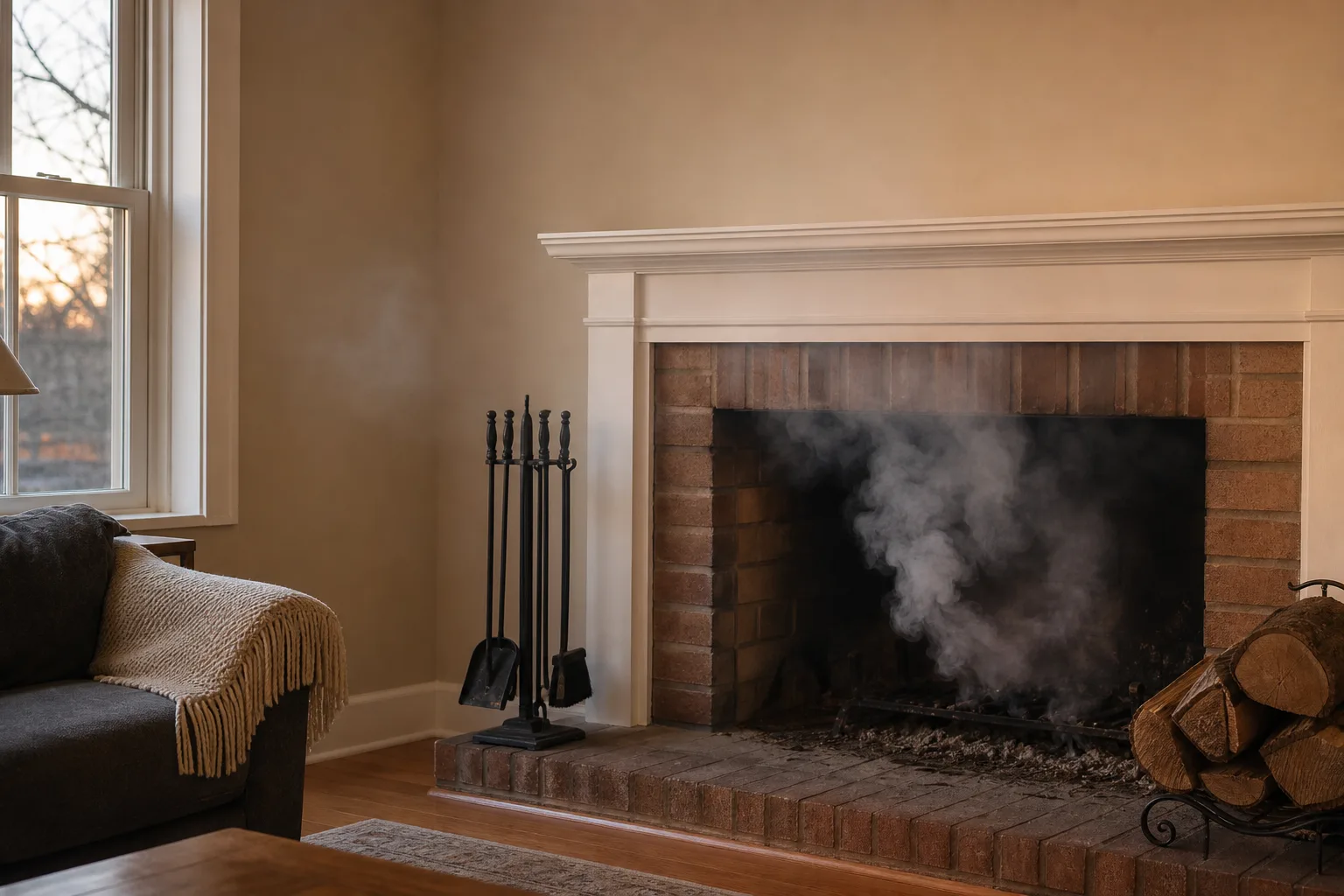
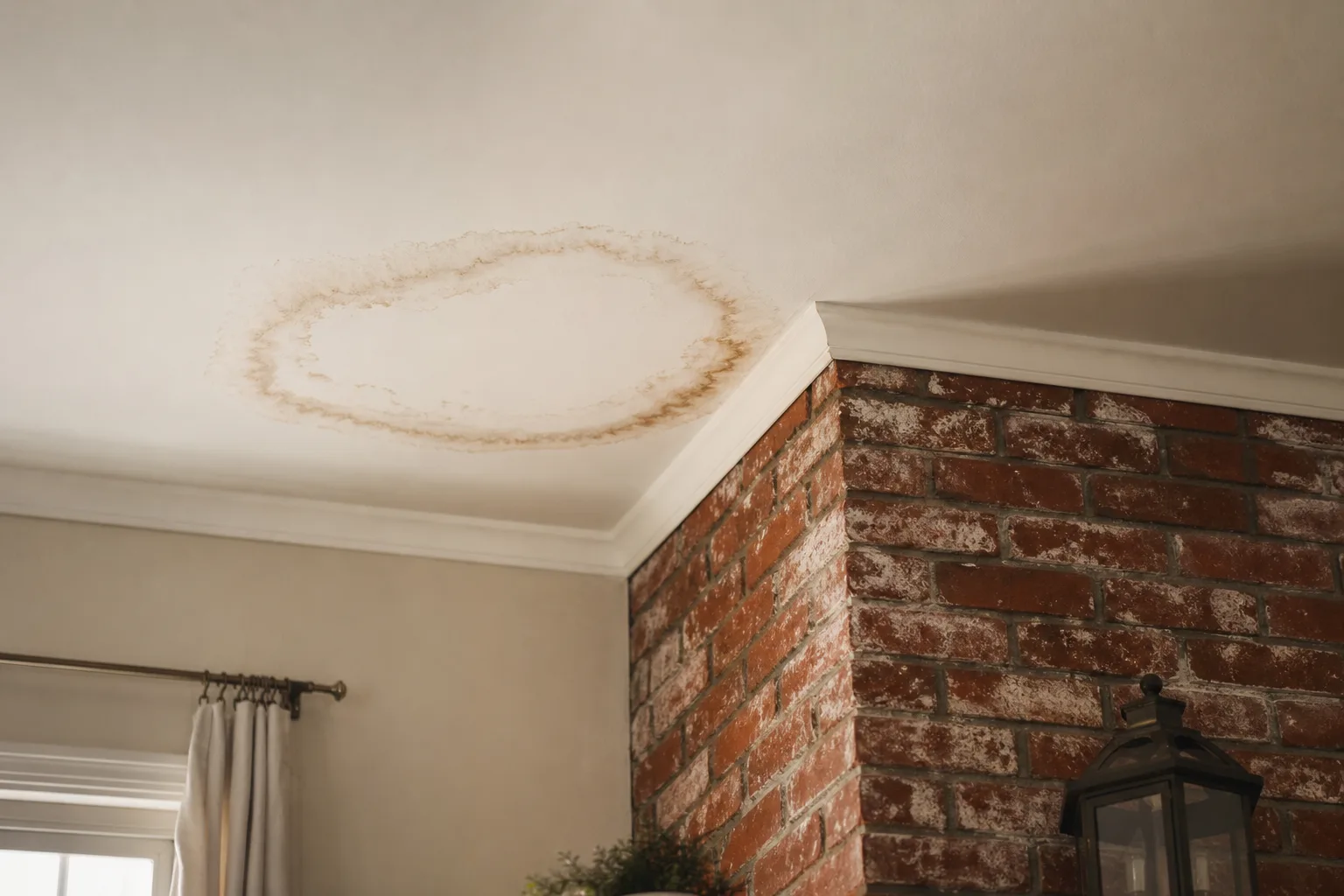
Smoke appearing upstairs or in a neighbouring room means gases are leaving the flue somewhere they should not. That is a breach, not a draft problem.
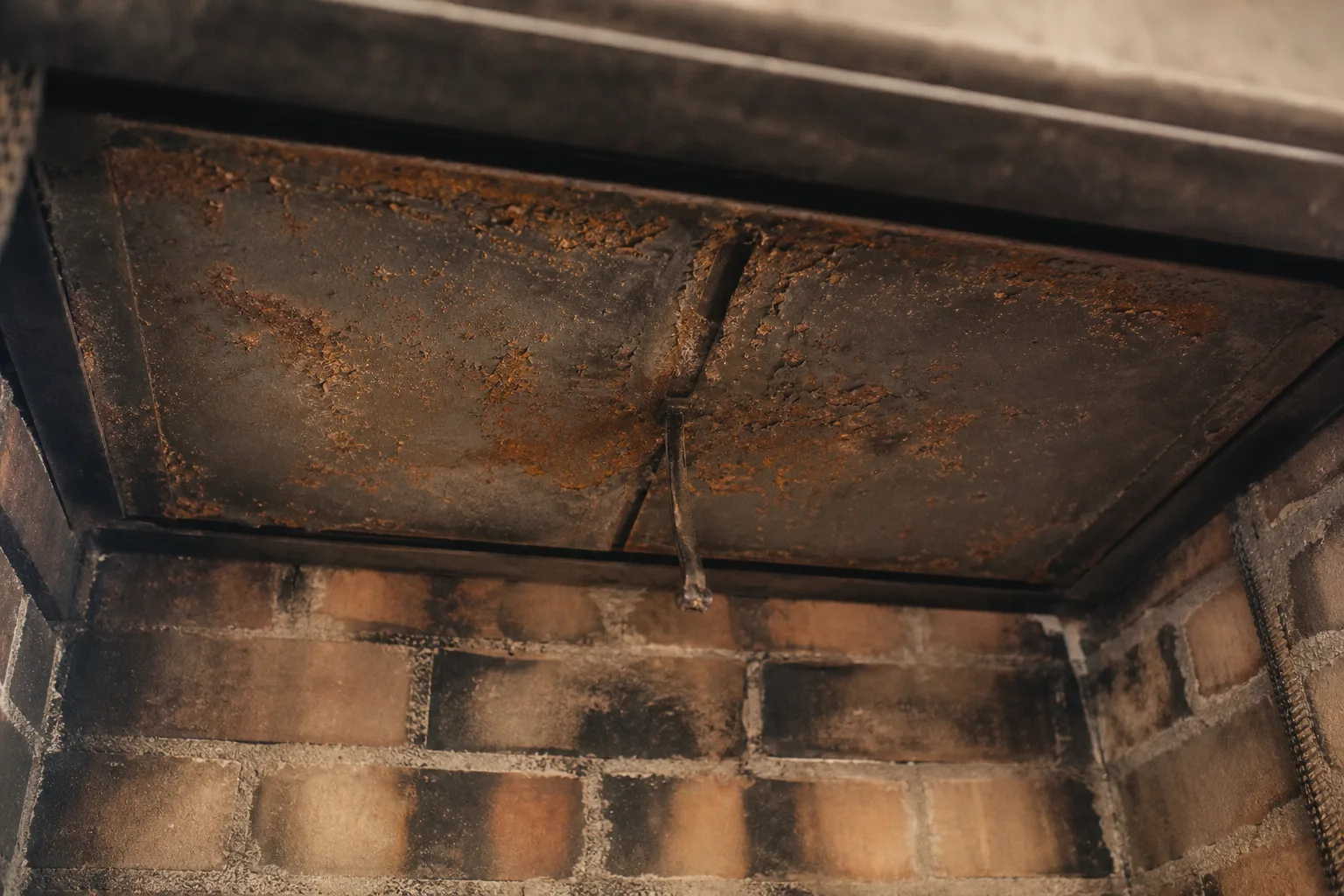
Water in the flue cracks tiles through freeze-thaw from the inside. If the chimney has been taking water, the liner is usually part of the damage rather than a bystander.
A modern appliance vents at a different temperature and volume than the open fire the flue was built for. Most inserts need a correctly sized stainless liner regardless of the old flue's condition.
How we work
The same four steps every time, whatever the repair turns out to be.
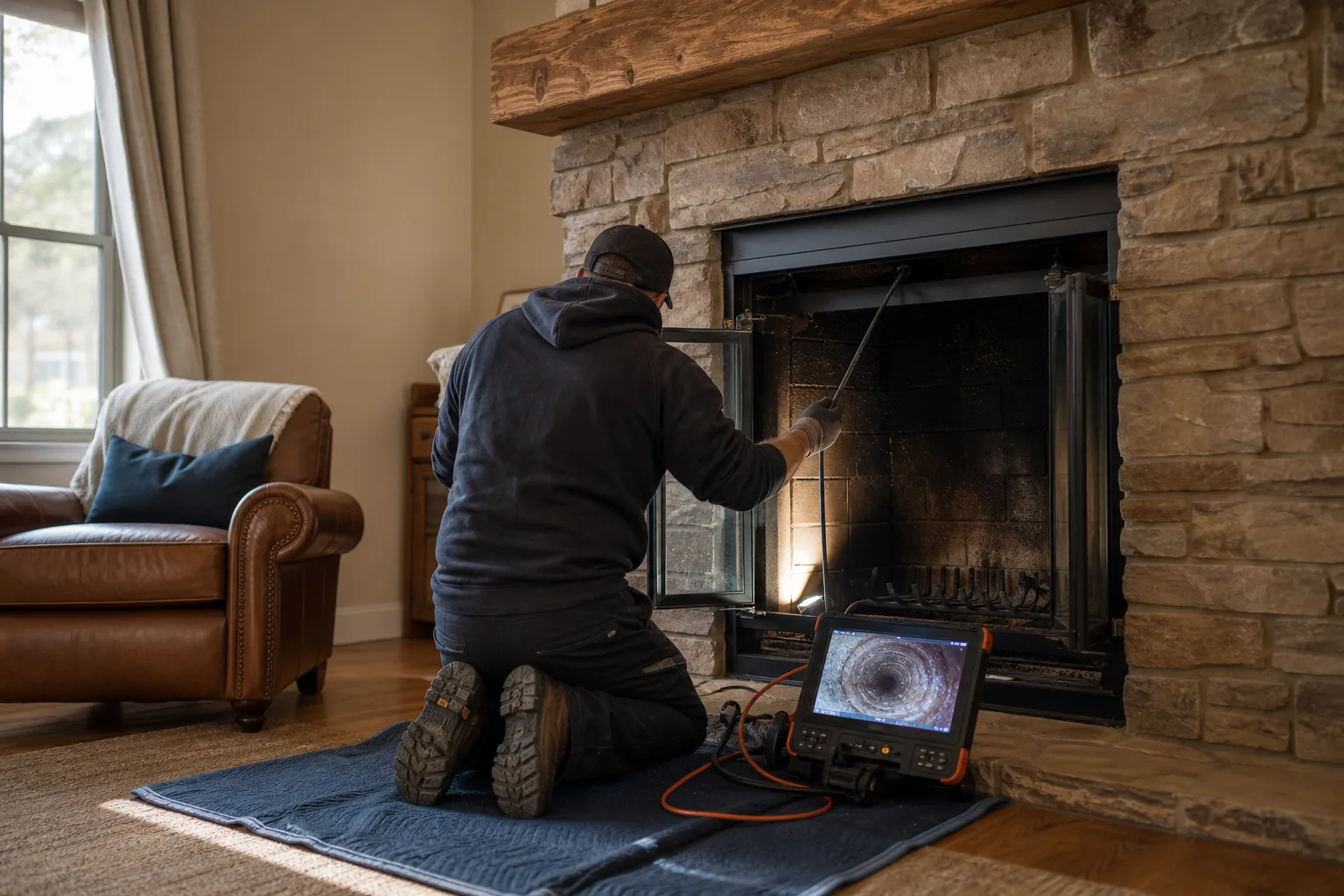
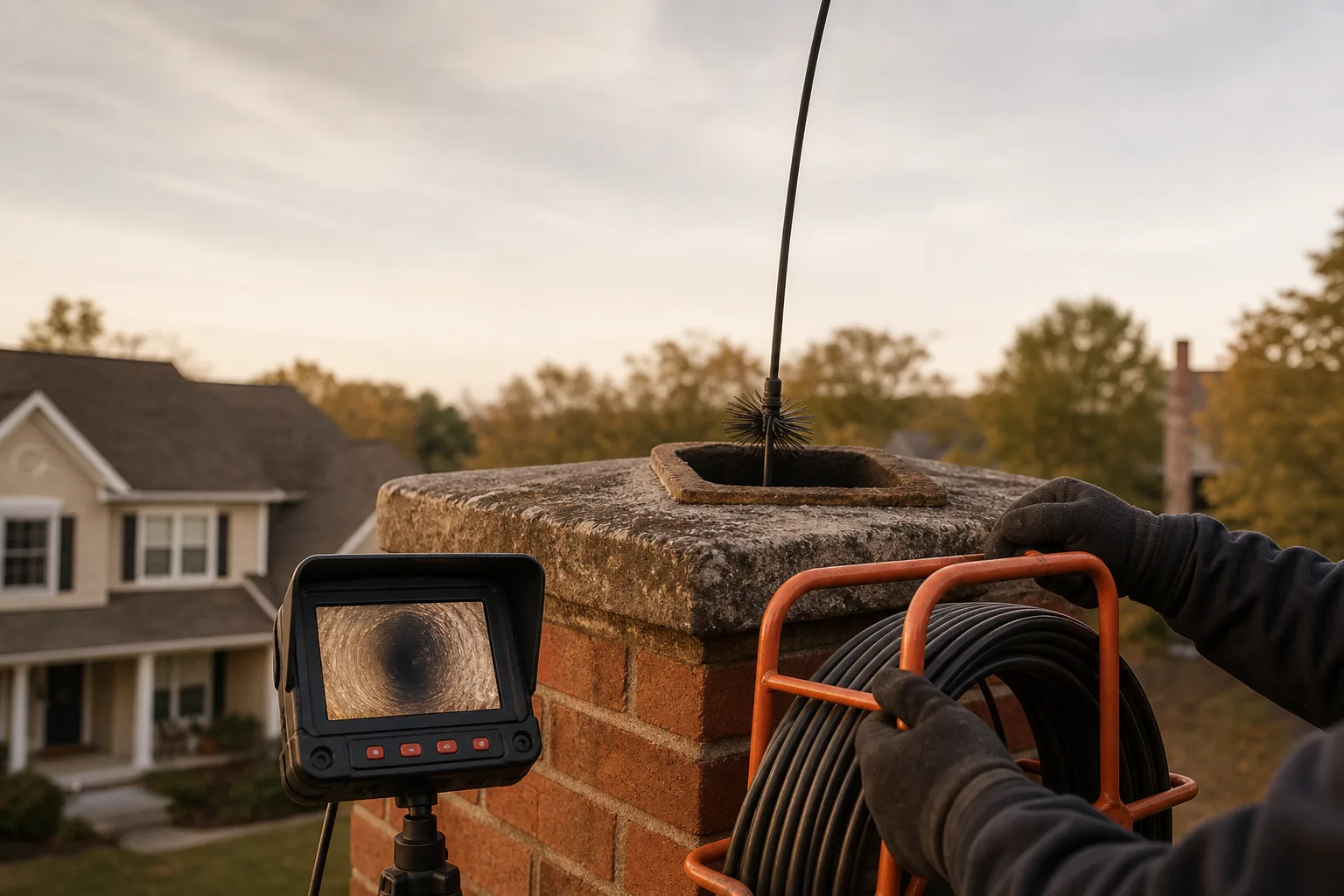
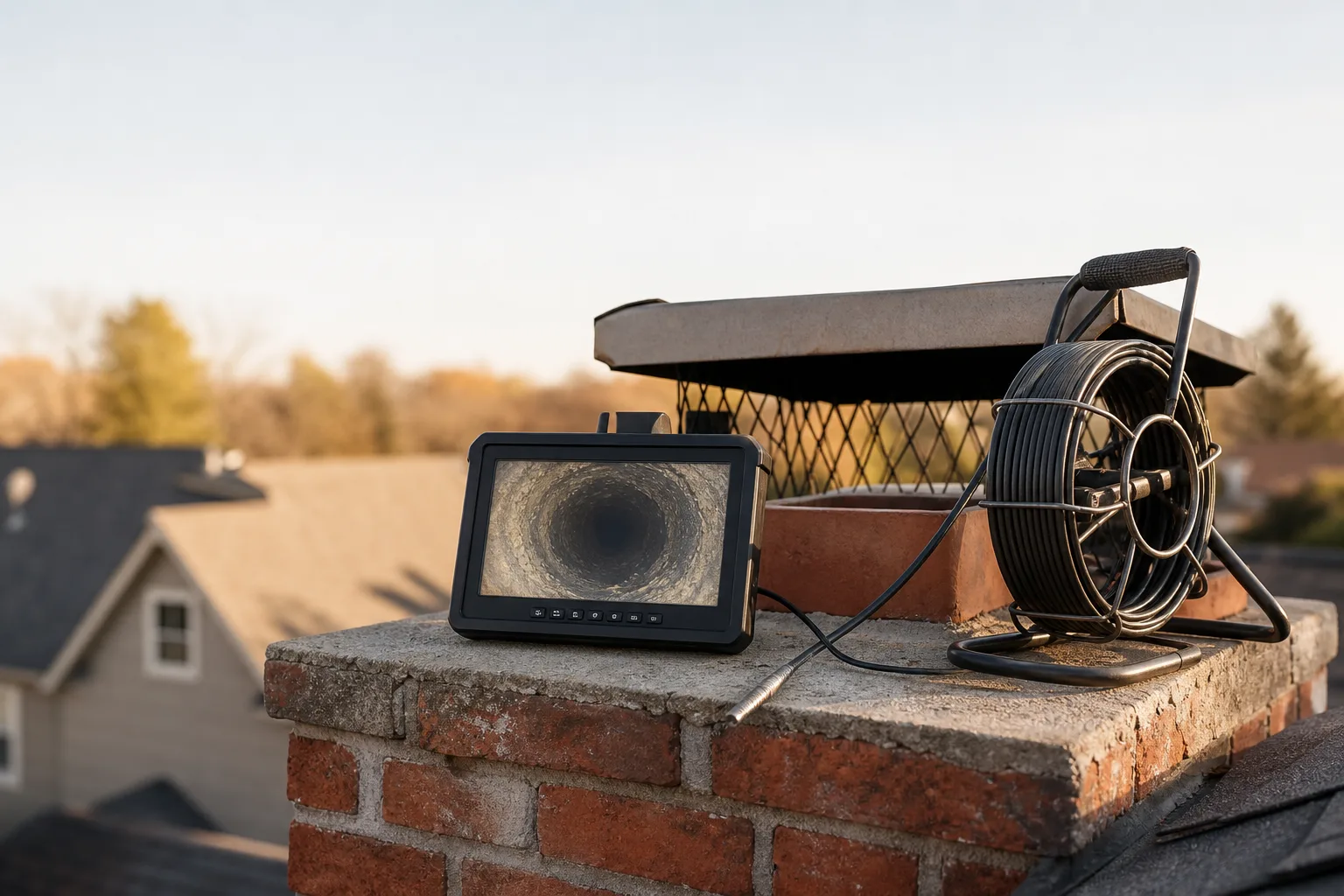
A look at the crown, cap, flashing and exterior masonry, then the flue, damper and firebox — with a camera where the job calls for a level 2 scan. Whatever needs work gets shown to you, not just described.
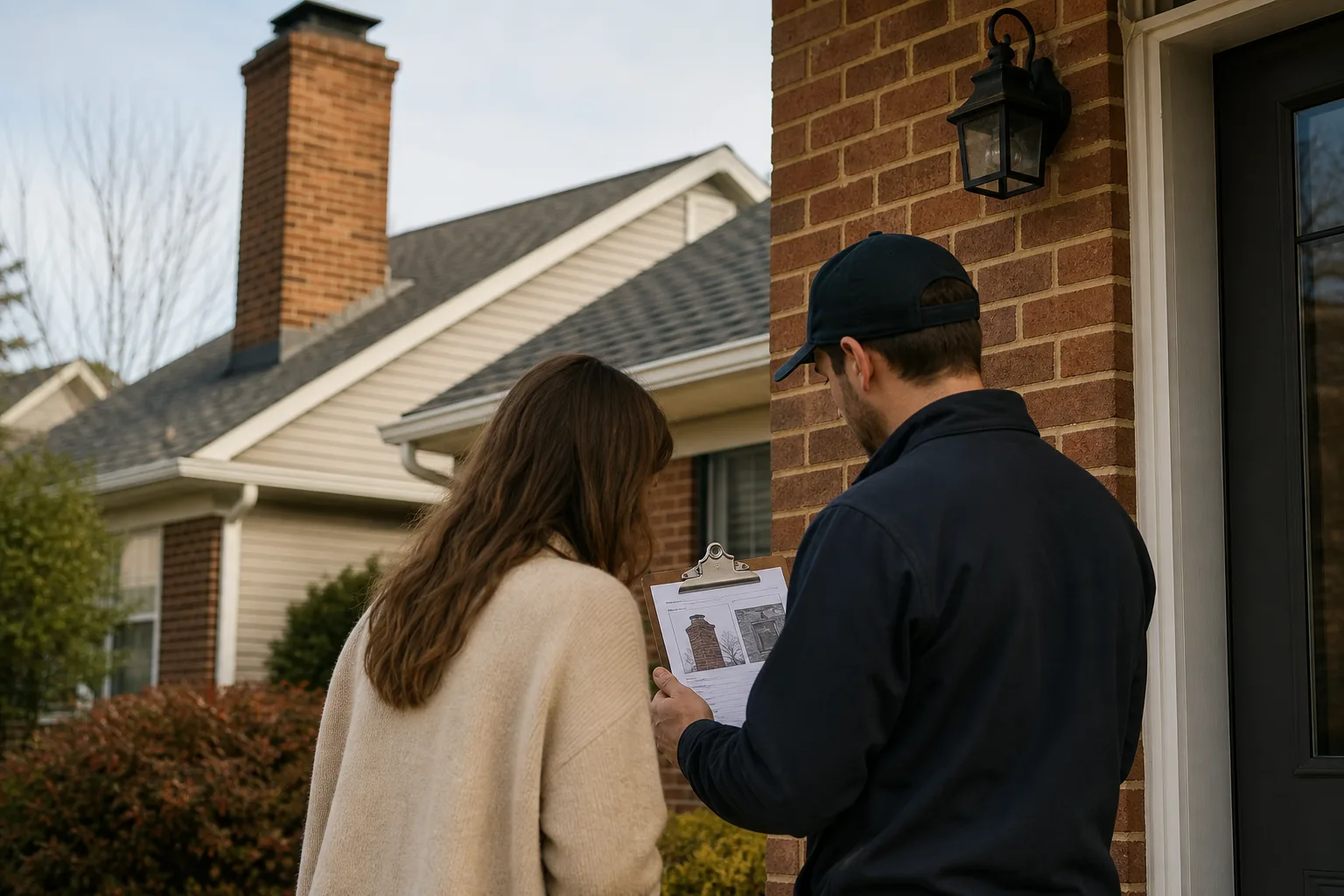
Scope, price and what is not included, in writing. Nothing starts until you approve it, and an emergency is not a reason to skip this step.
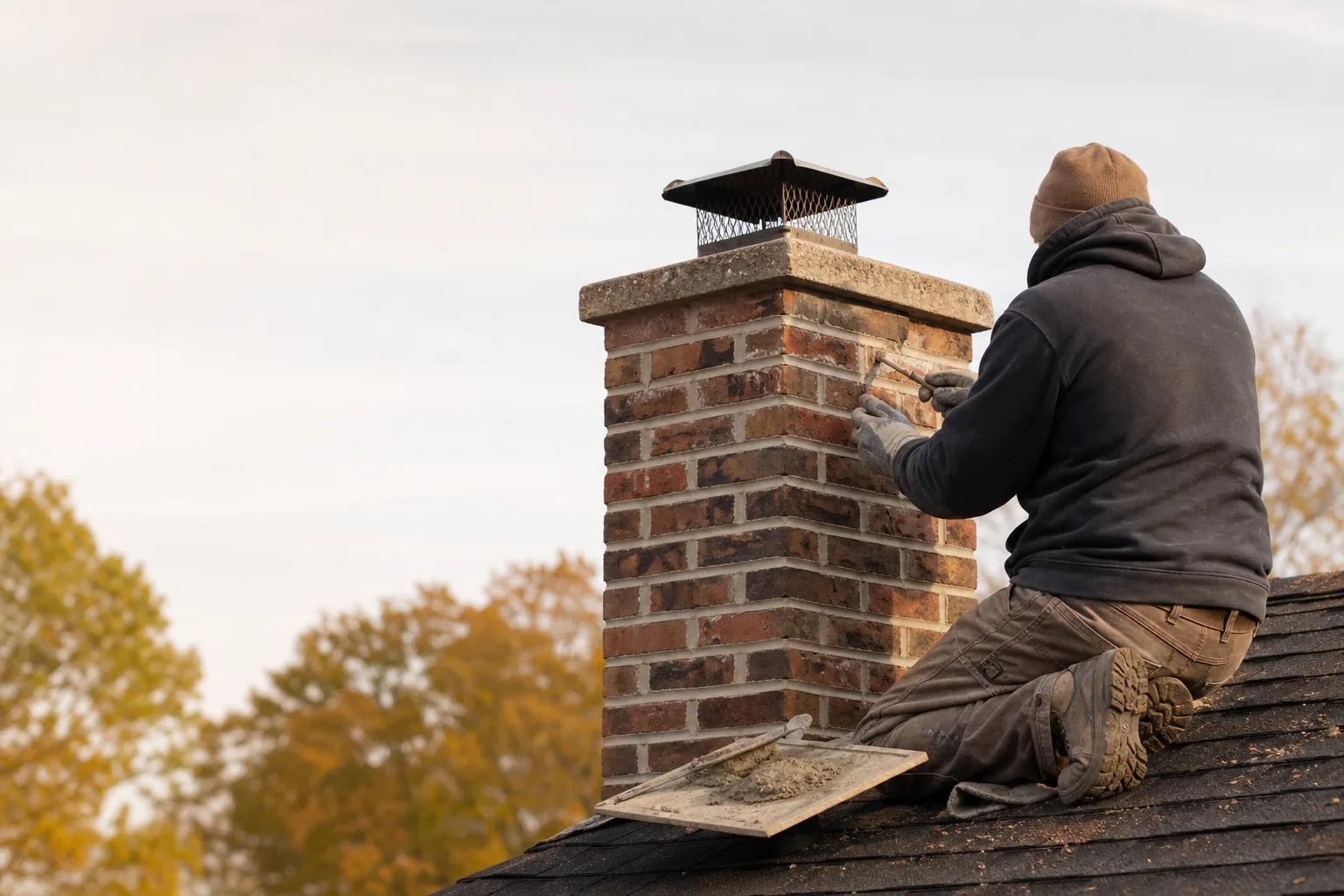
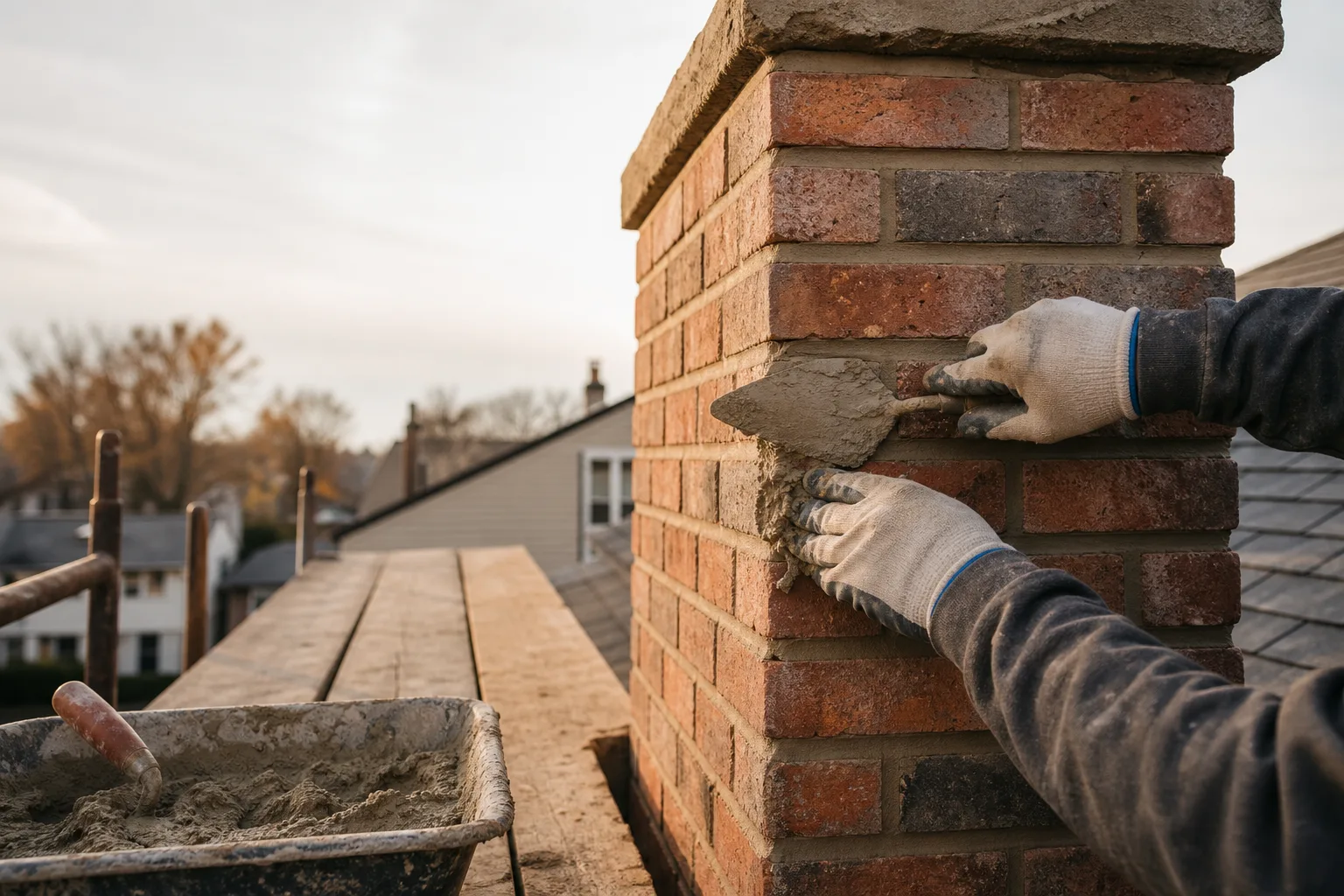
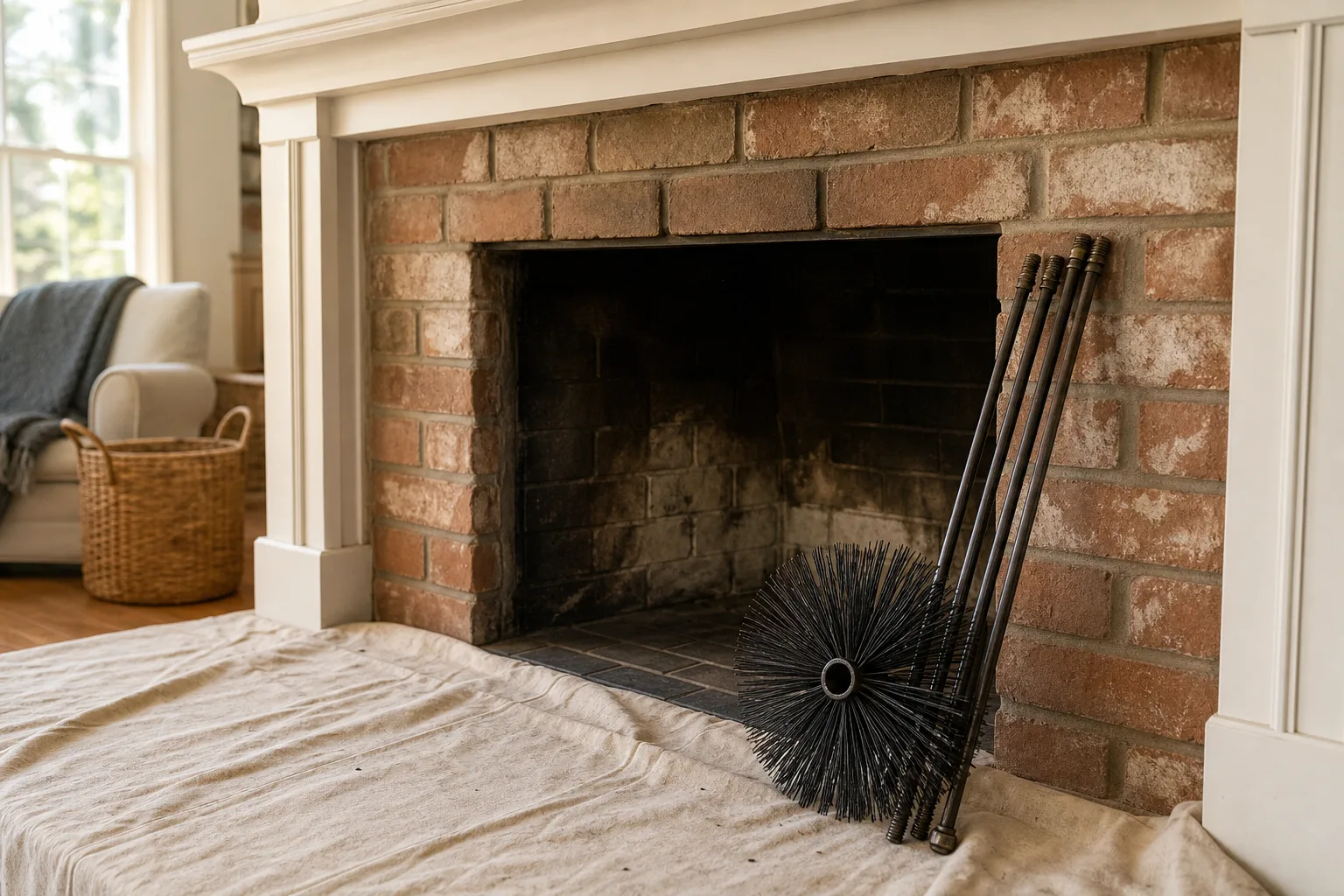
Matched materials and the manufacturer's spec, not whatever is on the van. Drop cloths down, and the room left as it was found.
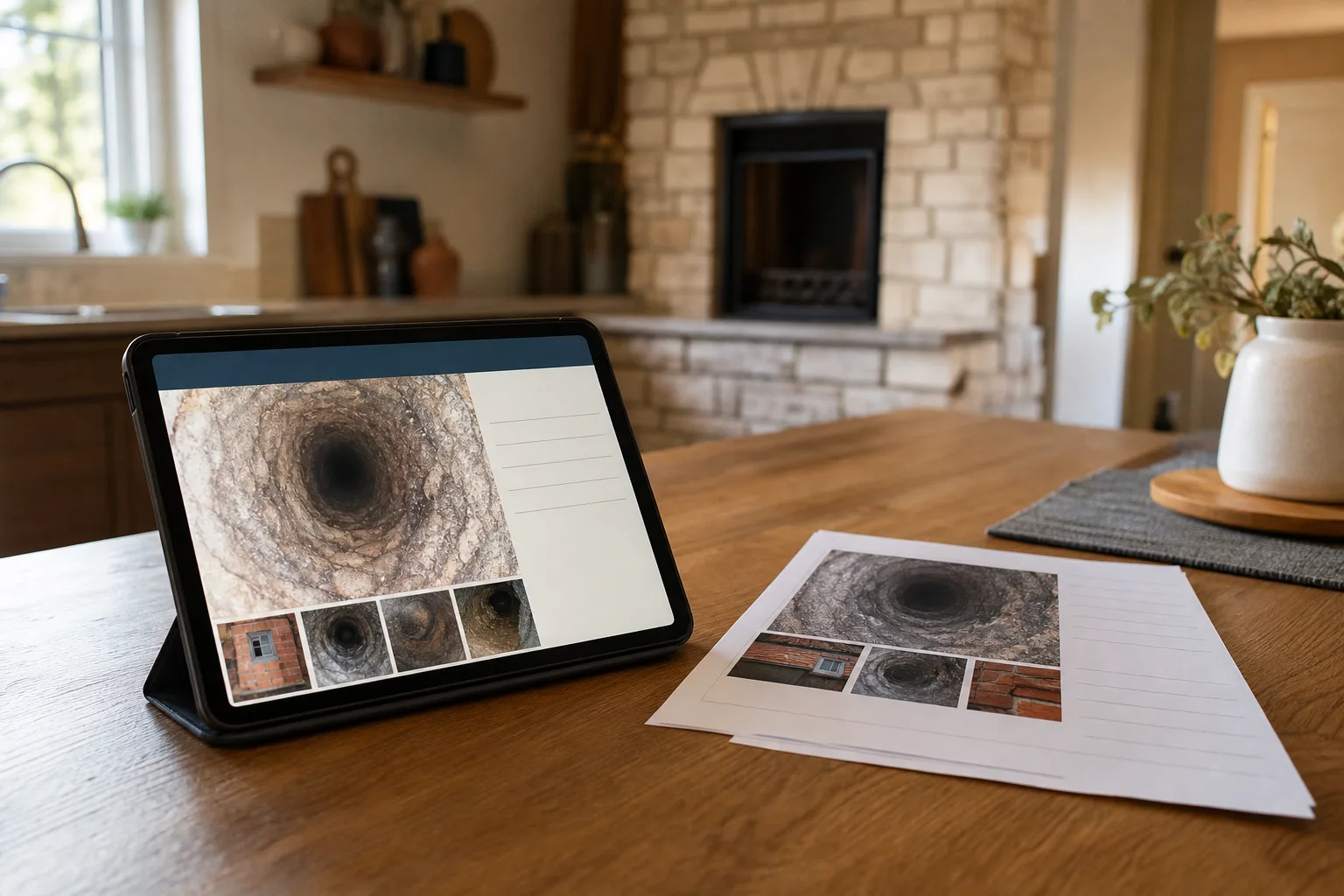
A second scan after the work, and written findings you can keep, hand to an inspector, or send to an insurer.
What it covers
Not every job on this list is equally urgent, so they are ordered that way. A cracked liner stops you using the fireplace tonight; waterproofing can wait for a dry week.
The job — most urgent first
What it involves
On site
A flexible or rigid stainless liner run the full height and insulated, sized to the appliance rather than to the old flue. The standard answer for most failures, and the one that comes with a warranty.
On site: 1–2 days
A cement-based mix poured around an inflated form, curing to a seamless liner that also adds structural strength to a deteriorating stack. Used where the flue is irregular or the masonry needs the help.
On site: 2–3 days
Sealing or replacing individual tiles where the damage is limited and reachable. Genuinely available less often than people hope — one cracked tile is usually a sign of the condition of the rest.
On site: 1–2 days
An oversized flue on a modern efficient stove runs cool, condenses, and builds creosote fast. Lining down to the correct diameter is what makes the appliance work as designed.
On site: 1–2 days
Wrap or pour insulation around a liner on an exterior wall chimney. Keeps flue gases warm enough to draw properly and cuts the condensation that causes most creosote problems.
On site: About a day
Times are for the work itself, not for scheduling. Masonry needs roughly 40°F to cure properly, which is what limits this work in a northern winter rather than whether a crew is free.
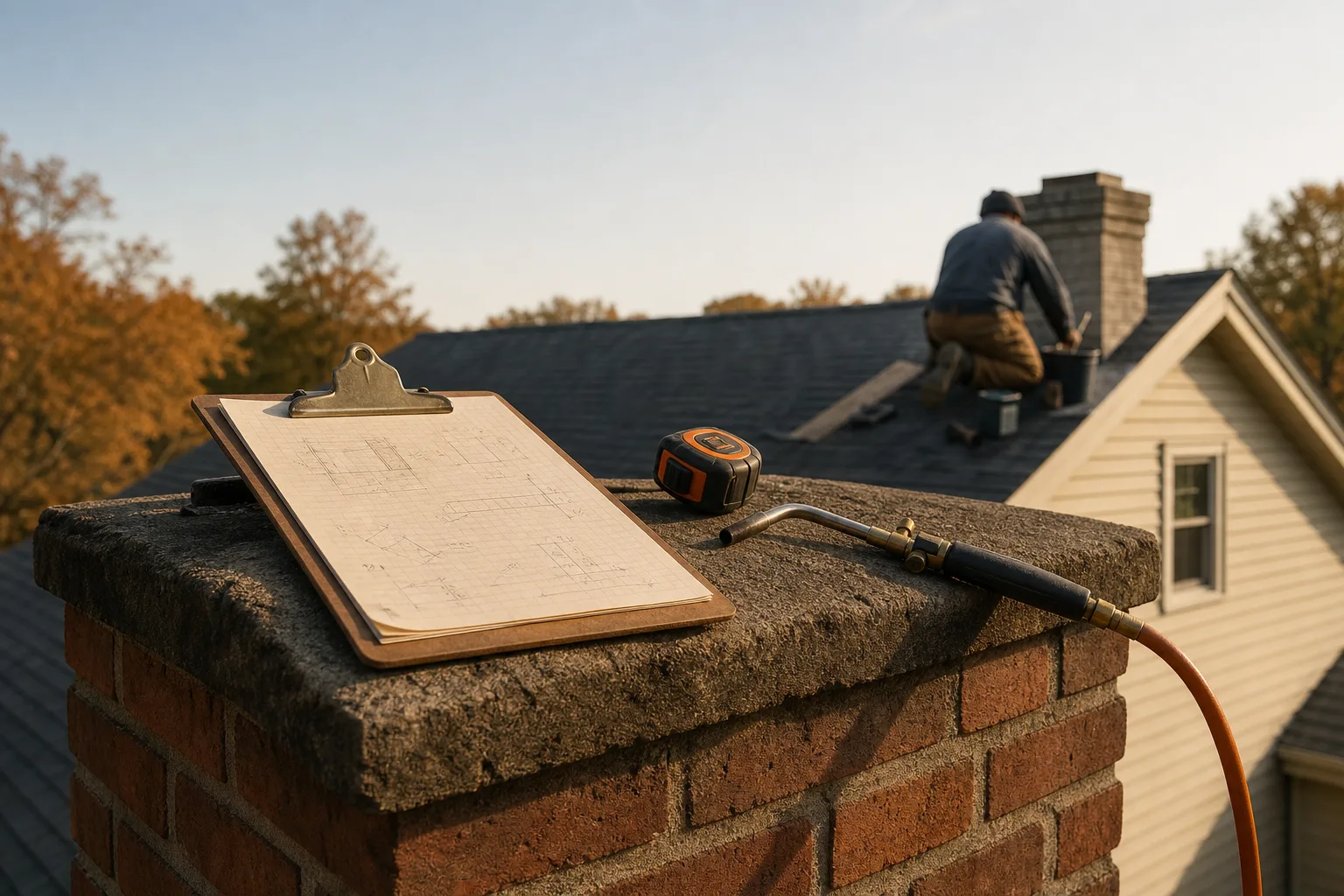
What drives the price
This is the most expensive routine job in the trade, running well into the thousands for a full stainless liner and higher again for cast-in-place. That is not markup, it is a full-height component plus a day or two of skilled work. Anyone quoting a reline without having put a camera down the flue is quoting a length they have not measured.
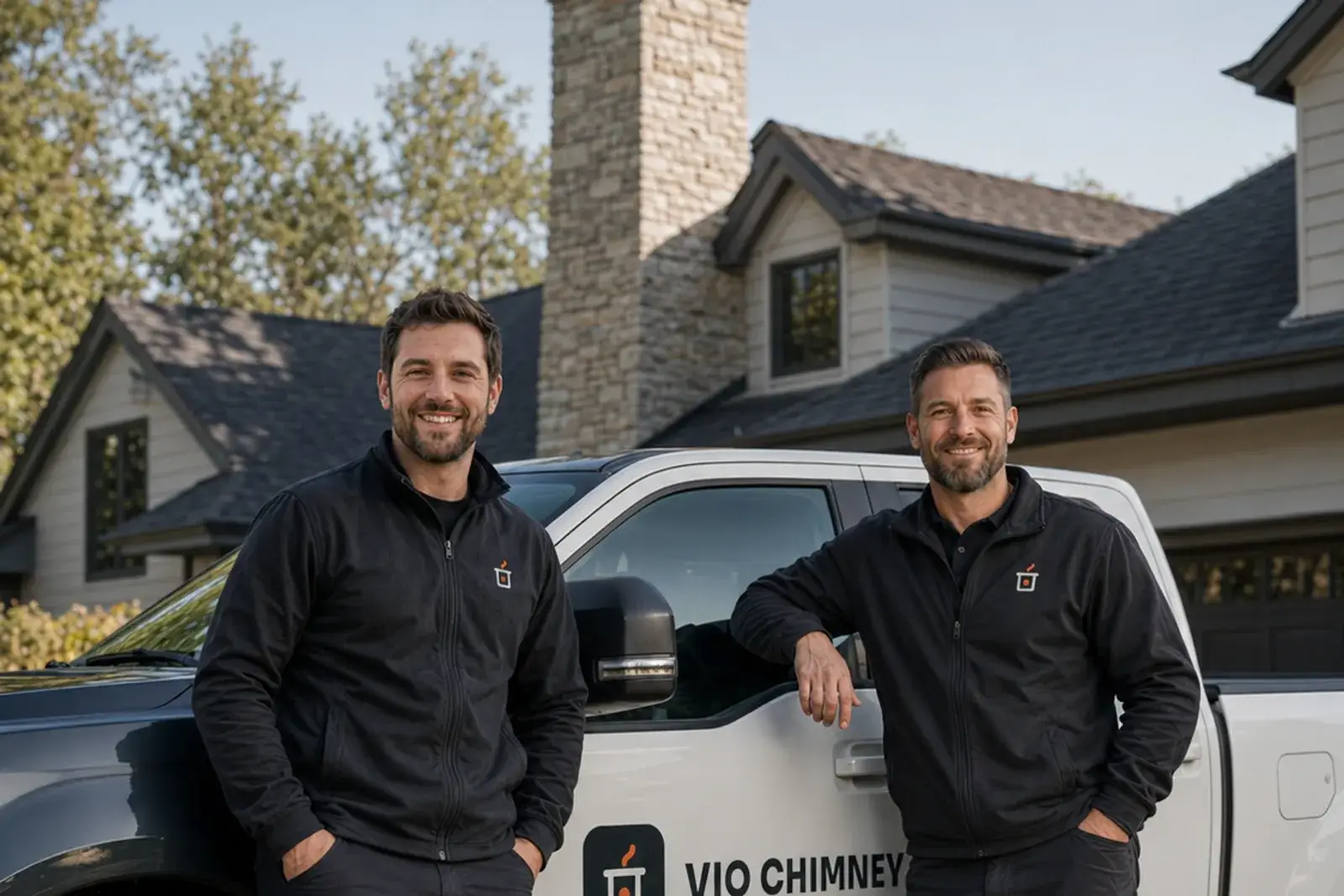
Founded by Ryan Carter in 2019. Every page you read here is reviewed by Ethan Miller, our chimney specialist. A written estimate before any work, and the findings in writing whether or not anything needs doing.
More about who we are →
The VIO Standard
Good to know