



Next-day appointments
Call or book today and we'll do our best to get a pro to you tomorrow.
Chimney service
The short answer
Gas does not warn you. A wood fire smokes when it is unhappy; a gas fire just makes carbon monoxide.
Most gas fireplace repair comes down to four parts. The pilot assembly and thermocouple, which is why it will not stay lit and is the most common call by a distance. The gas valve, which is the expensive one. The burner and its ports, which is why flames go yellow and lazy instead of blue. And the glass and gasket, which is a sealed-combustion safety component rather than a window. What makes gas different from wood is that a fault does not announce itself, so the annual service is not maintenance theatre — it is the combustion test that finds what nothing else will.
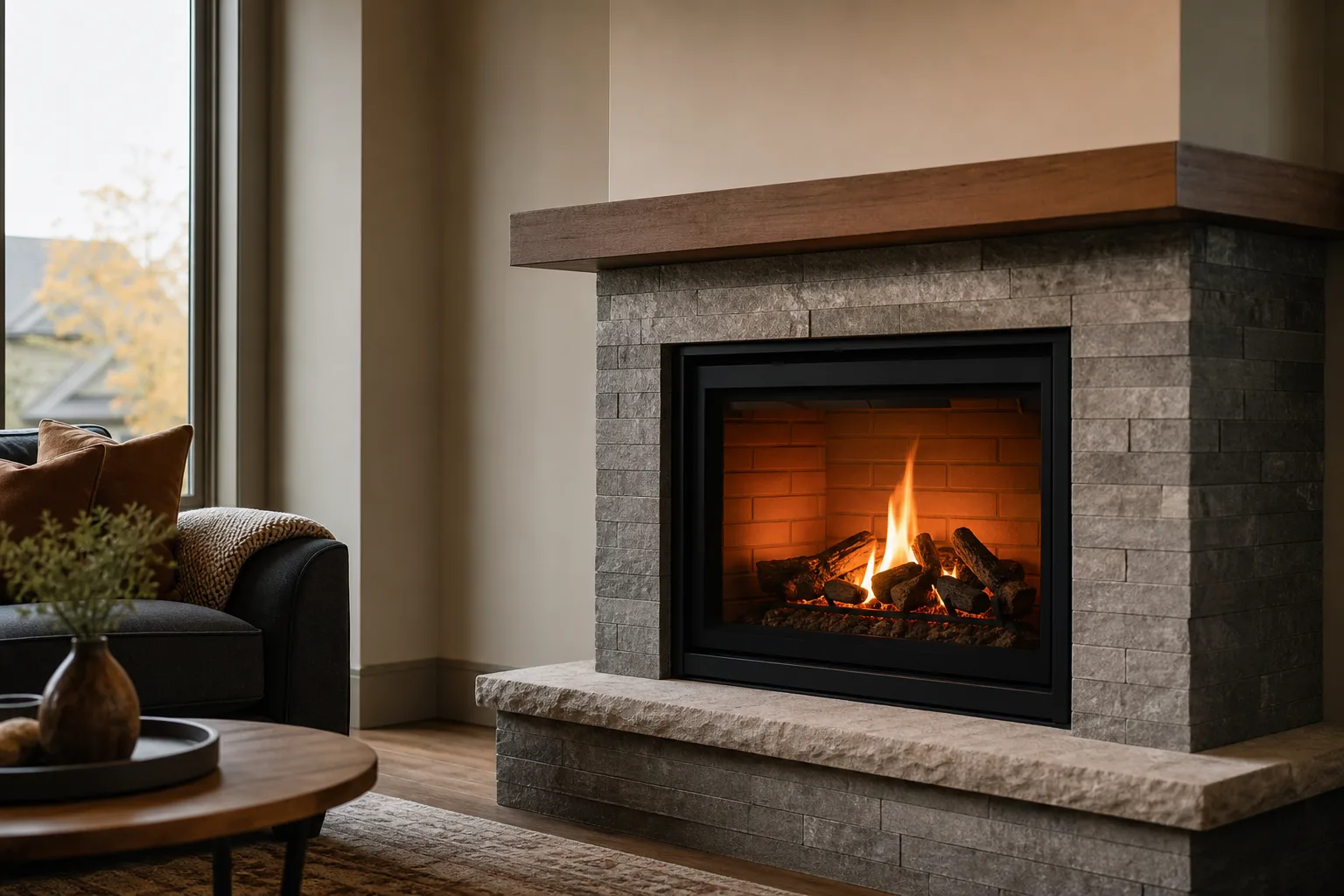
Blue means burning right
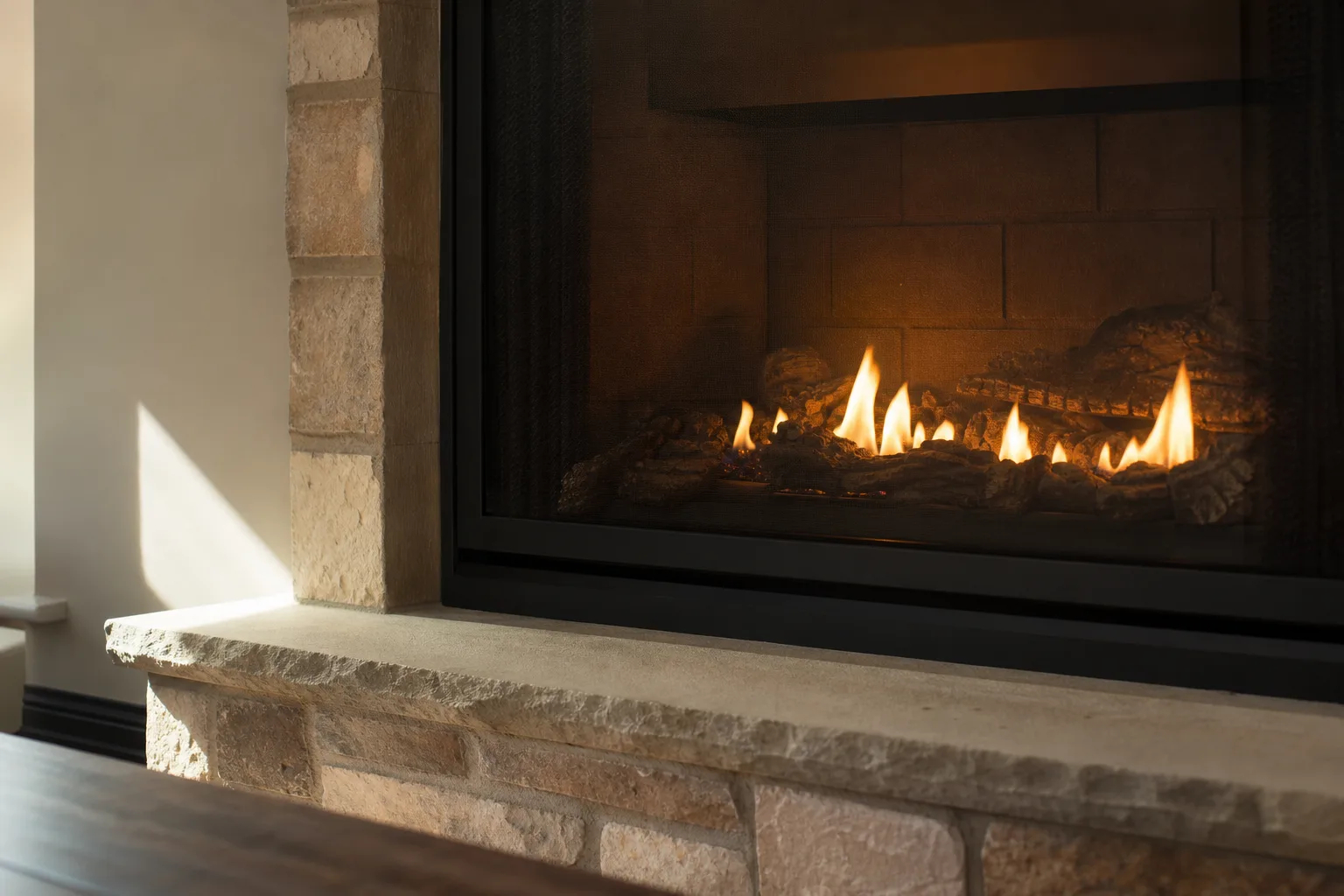
Lazy yellow flames and soot on the glass mean incomplete combustion. That is the same reaction that produces carbon monoxide.
Fall Special
Call or book today and we'll do our best to get a pro to you tomorrow.
Anything that needs attention is shown to you and explained in plain words.
If something needs fixing, you get the price in writing first. Saying no costs nothing.
Do you have this problem?
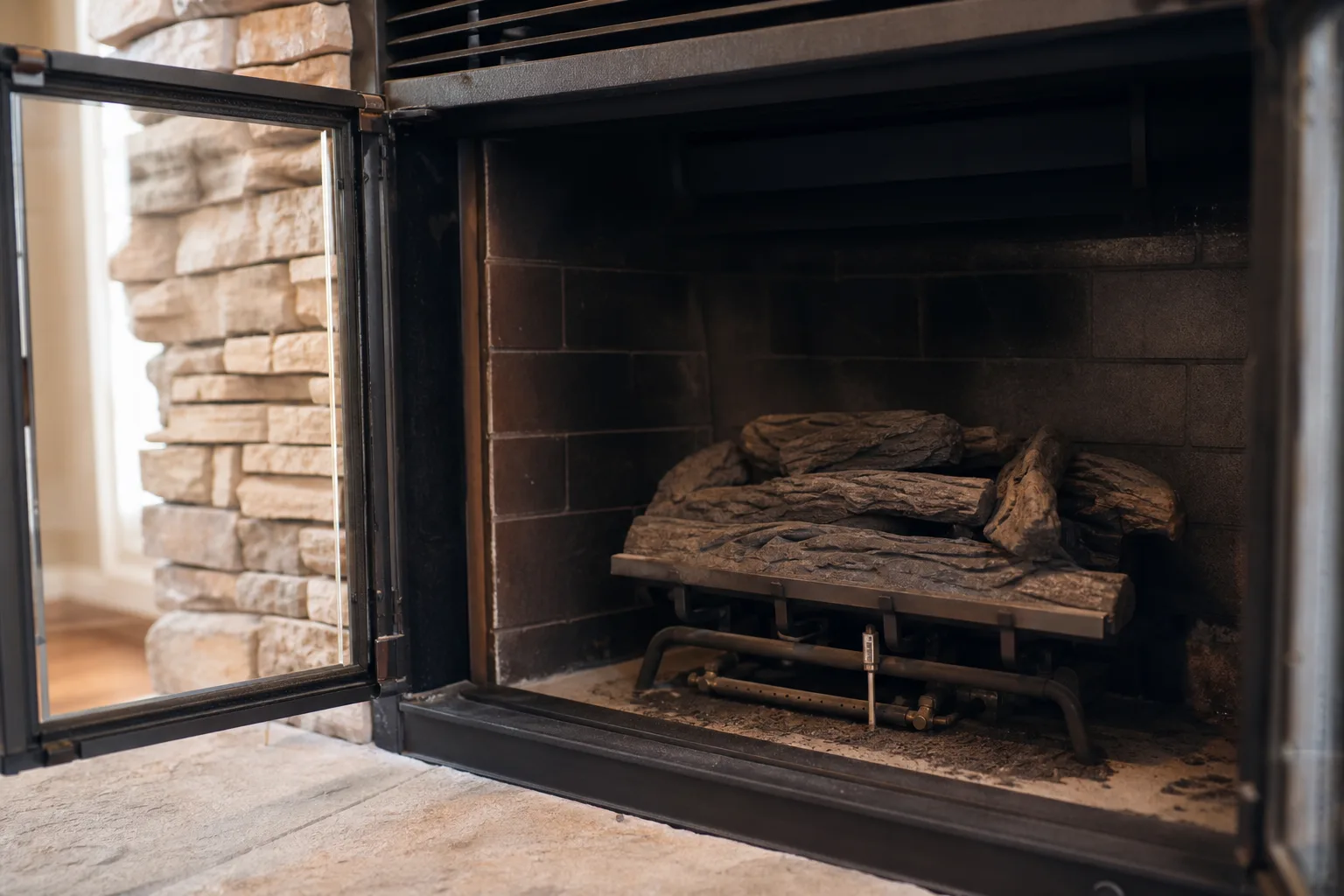
The most common gas fireplace fault there is. Usually a dirty or failing thermocouple, sometimes a draft at the pilot. Cheap to fix and it will not fix itself.
Incomplete combustion — blocked burner ports, the wrong gas pressure, or a venting problem. It is also the reaction that produces carbon monoxide, so it is not cosmetic.
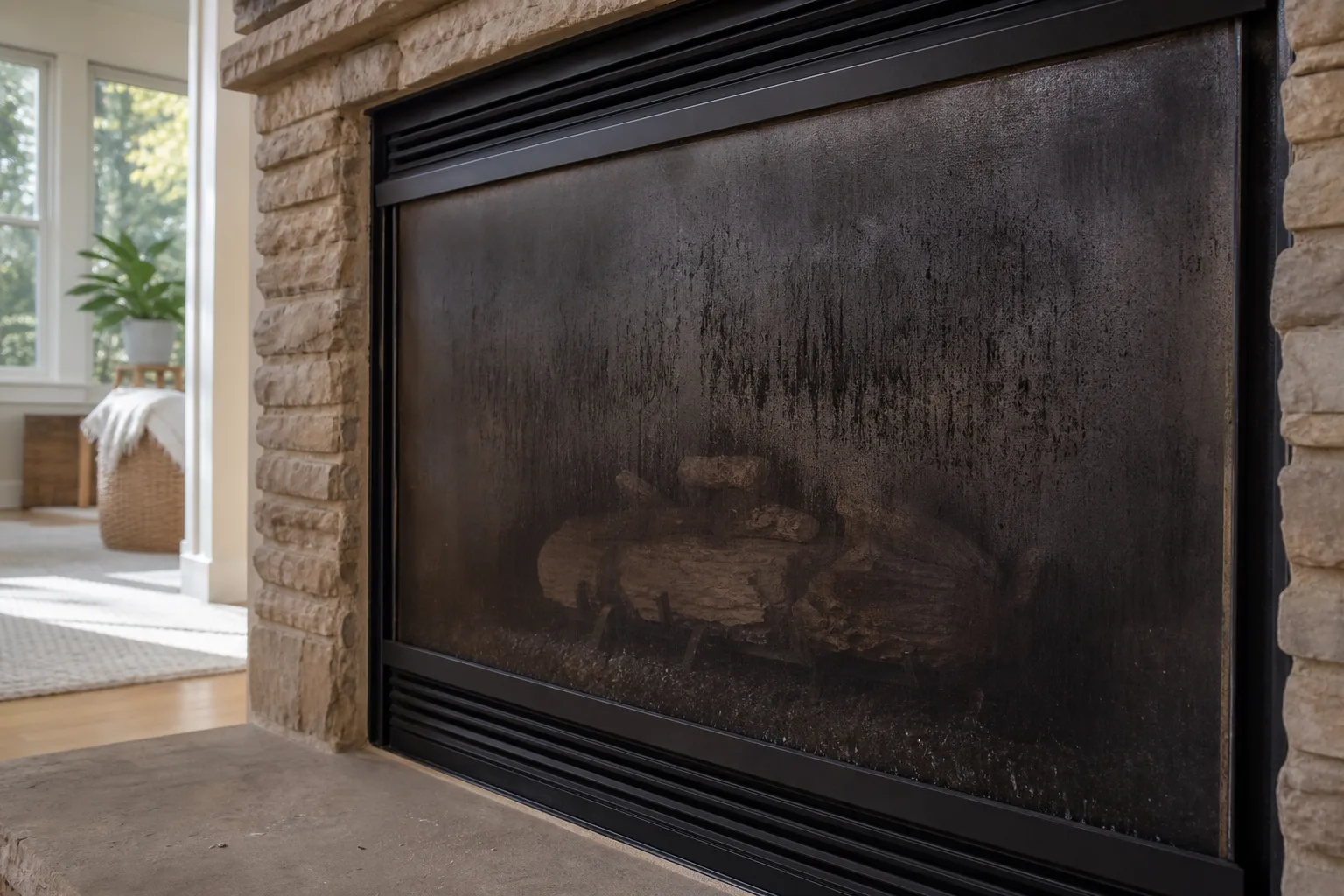
Gas burns clean when it burns right. Soot means it is not. Cleaning the glass treats the symptom and leaves the cause running.
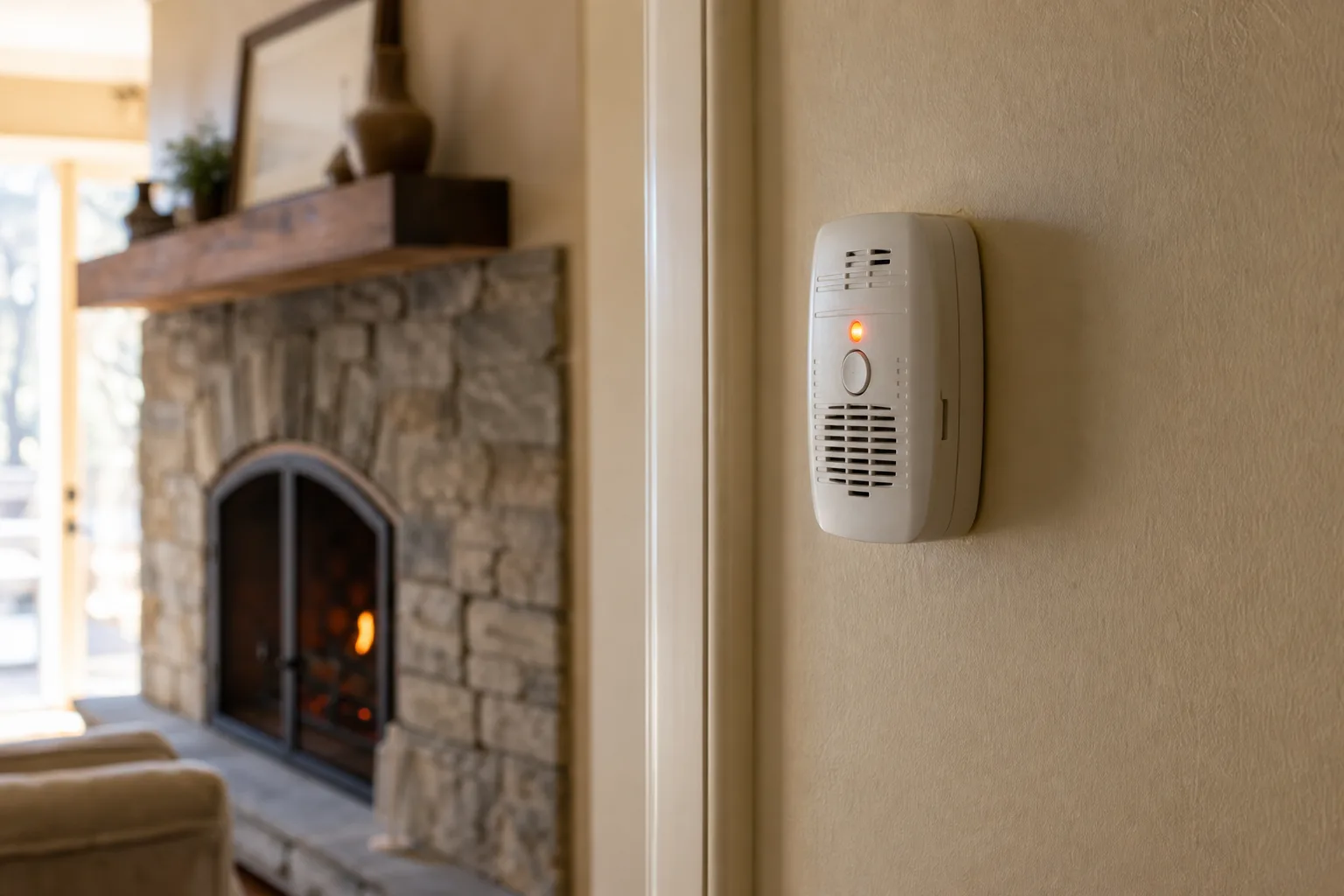
Turn the appliance off at the valve, open a window, and leave. This is the one item on the page where the next step is not booking a visit, it is not being in the room.
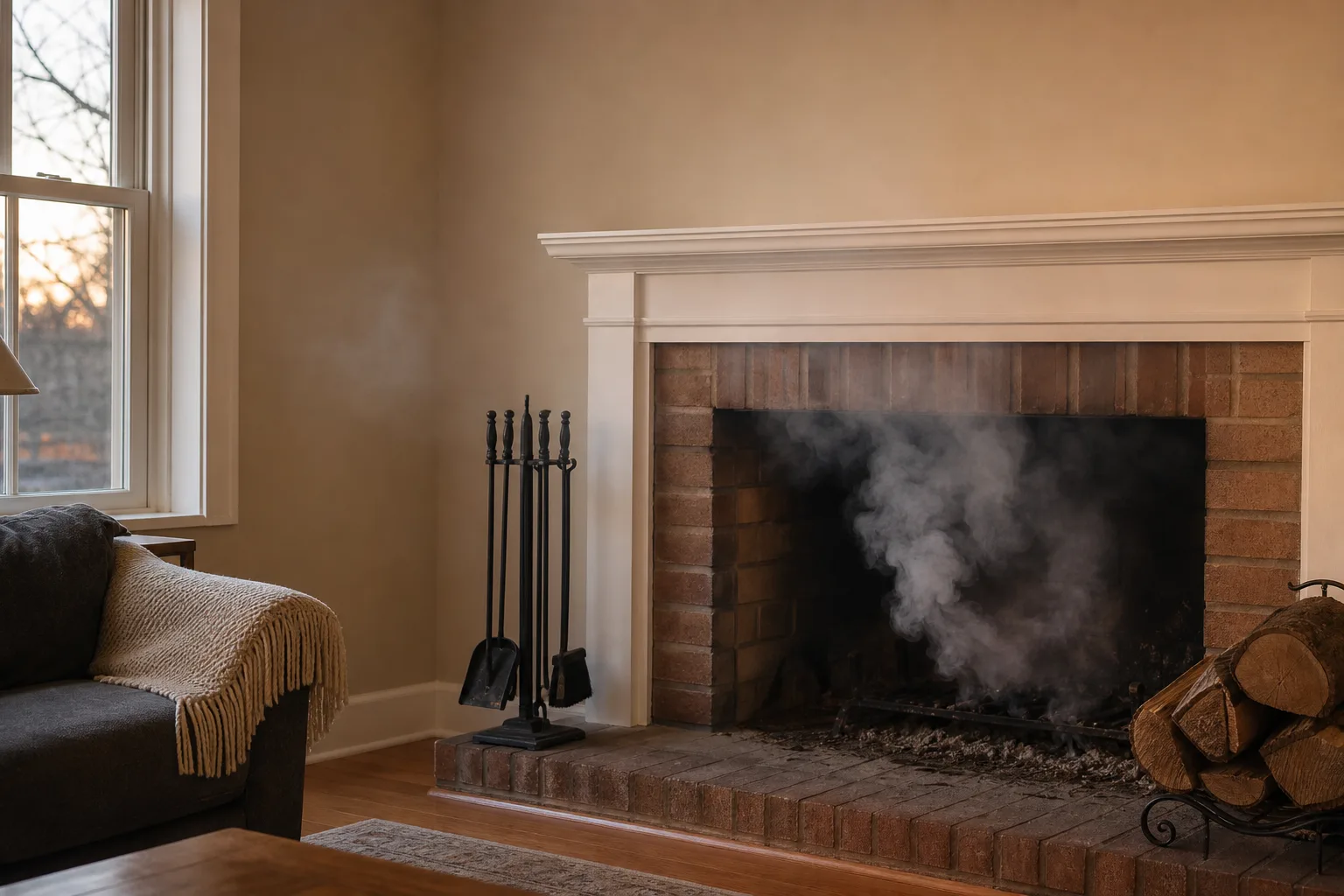
A sealed gas appliance should vent everything outside. Anything entering the room means the venting or the glass seal has failed.
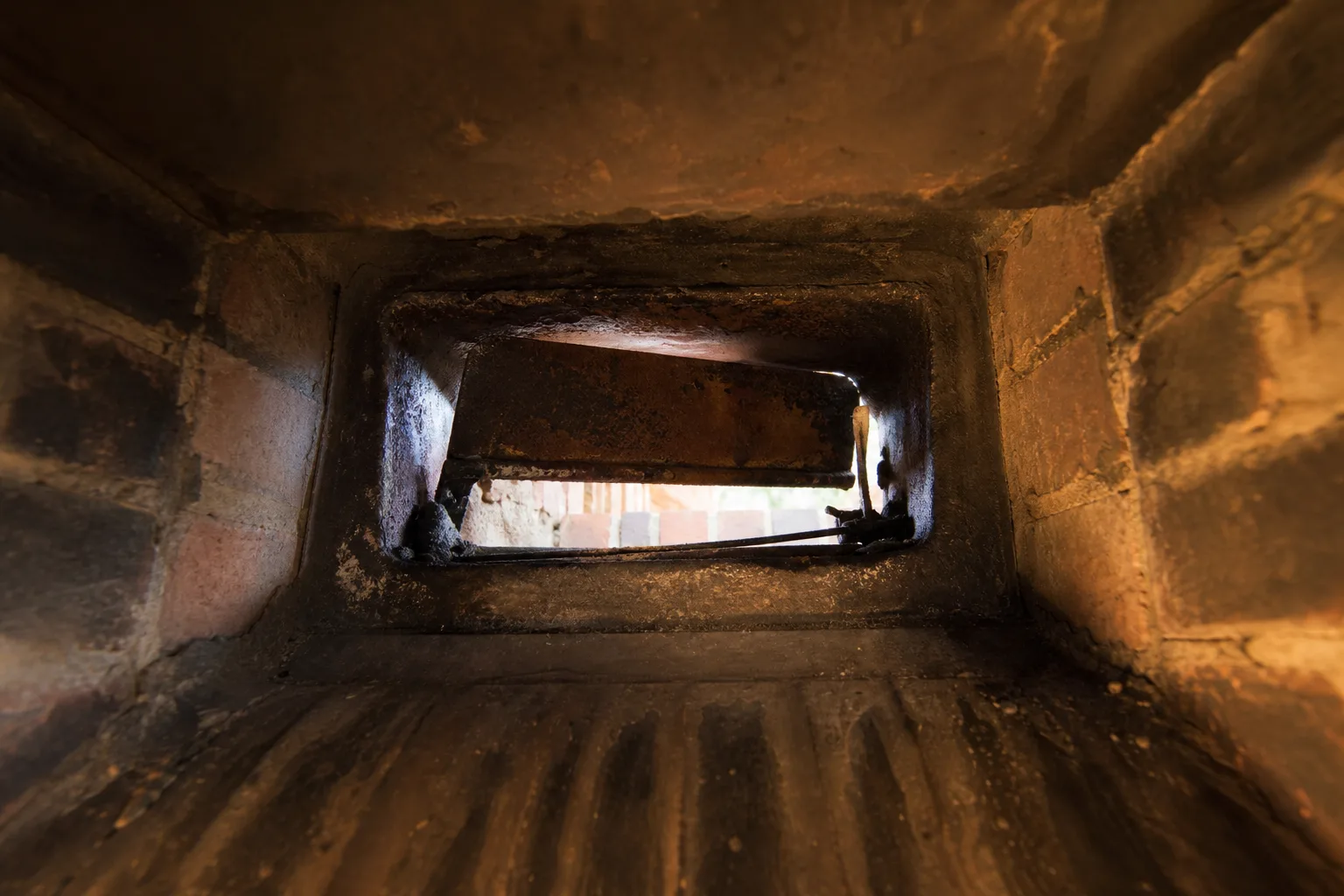
Millivolt systems, receivers and wall switches all fail, and so do the batteries nobody remembers are in there. Frequently the cheapest call on this list.
How we work
The same four steps every time, whatever the repair turns out to be.
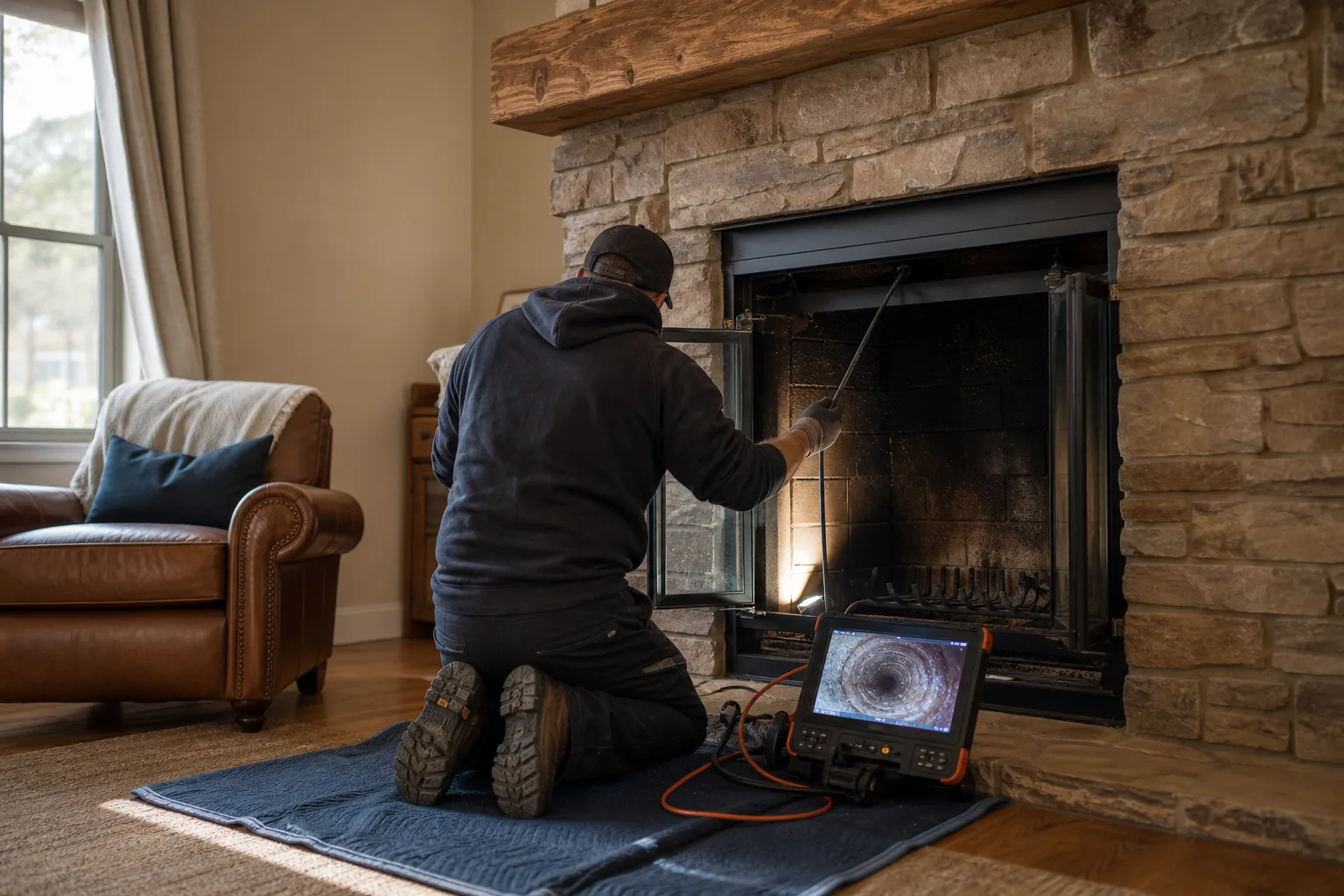
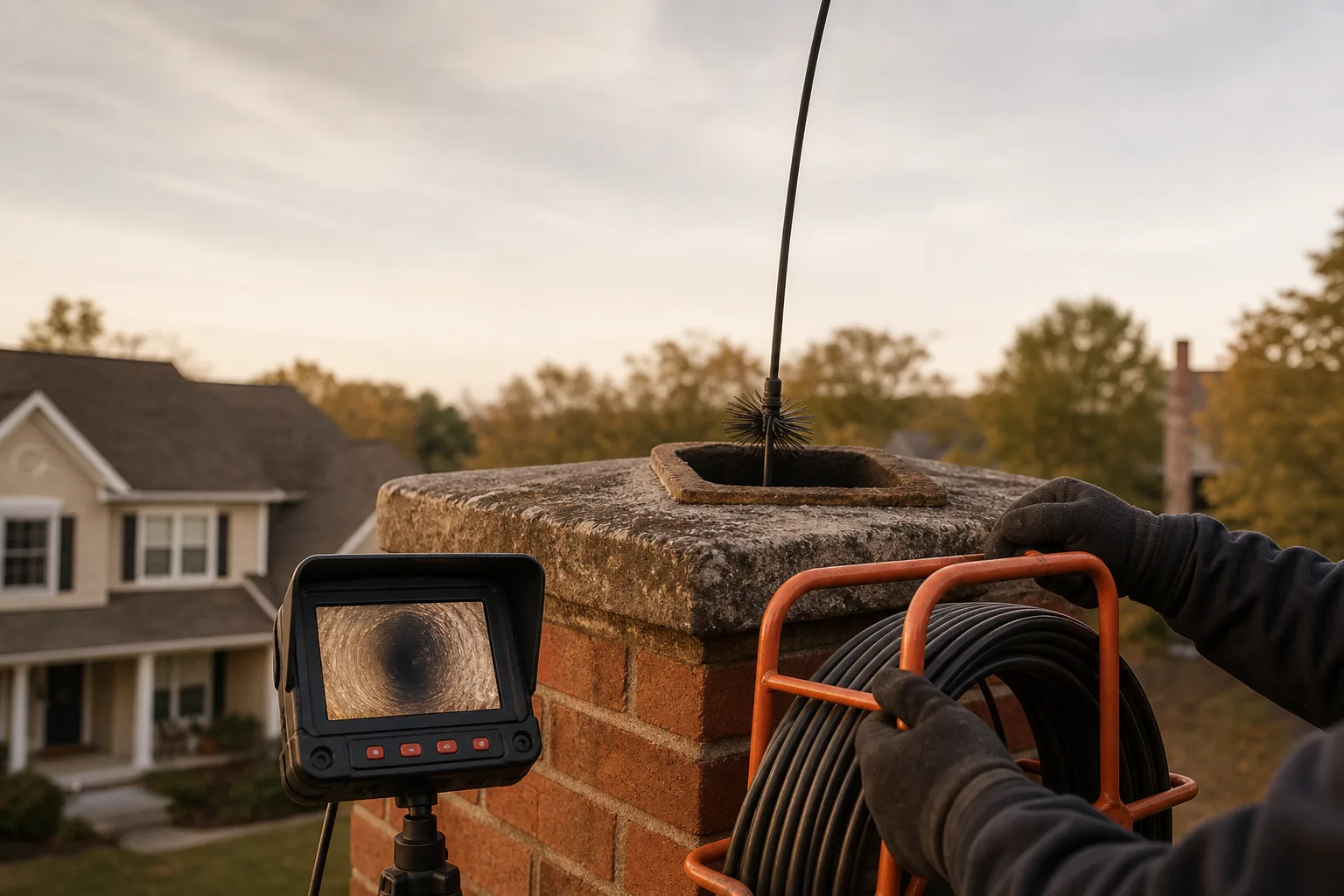
A look at the crown, cap, flashing and exterior masonry, then the flue, damper and firebox — with a camera where the job calls for a level 2 scan. Whatever needs work gets shown to you, not just described.
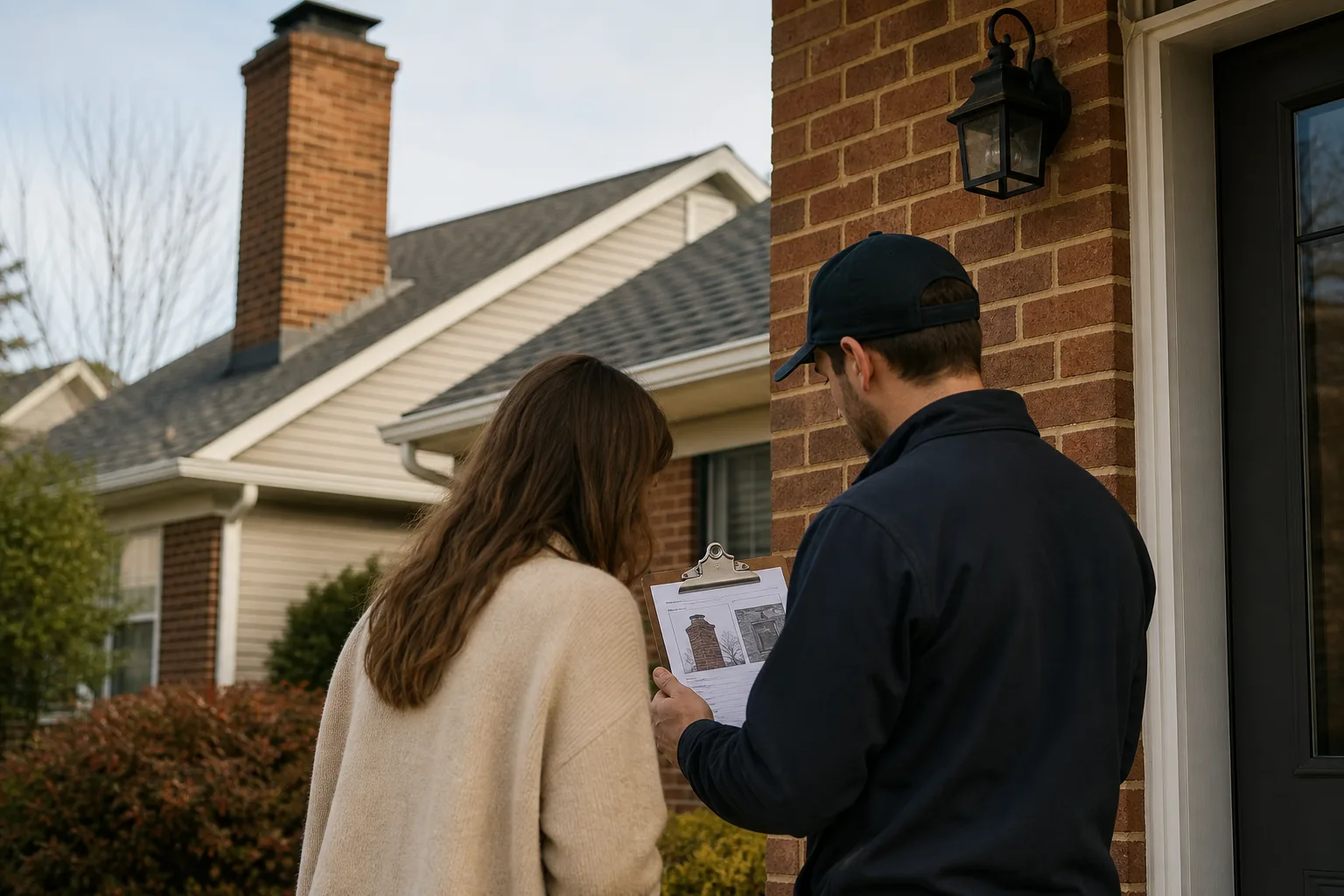
Scope, price and what is not included, in writing. Nothing starts until you approve it, and an emergency is not a reason to skip this step.
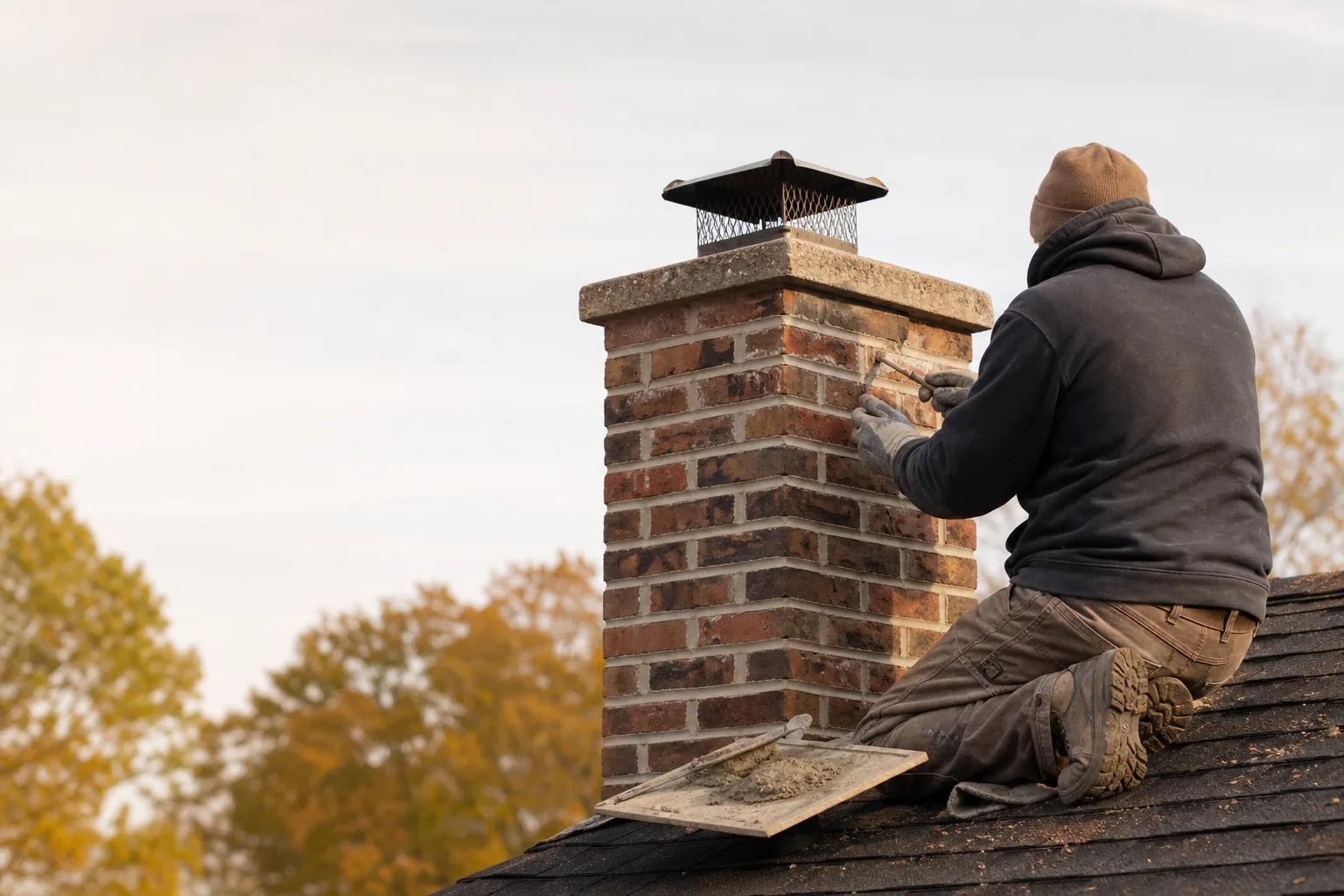
Matched materials and the manufacturer's spec, not whatever is on the van. Drop cloths down, and the room left as it was found.
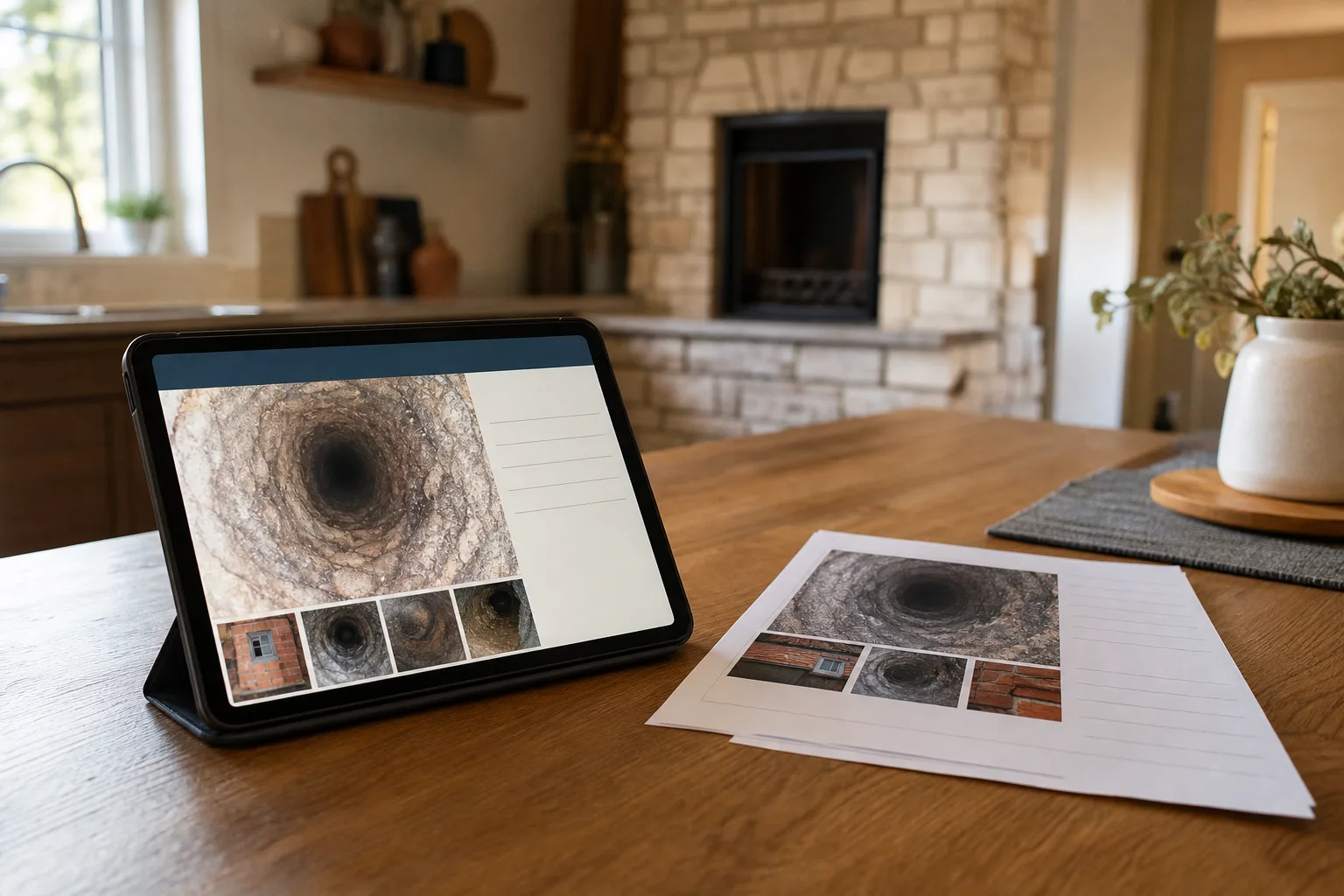
A second scan after the work, and written findings you can keep, hand to an inspector, or send to an insurer.
What it covers
Not every job on this list is equally urgent, so they are ordered that way. A cracked liner stops you using the fireplace tonight; waterproofing can wait for a dry week.
The job — most urgent first
What it involves
On site
Leak test on the supply and connections, and a combustion analysis at the appliance. If your CO alarm has sounded, this is not a booking, it is a call — and turn the fireplace off first.
On site: Same day
Blocked or corroded direct-vent pipe, or a perished gasket around the glass. On a sealed appliance the glass is part of the combustion chamber, so a failed seal is a venting fault rather than a draft.
On site: About a day
The expensive one, and often the point where an old appliance stops being worth repairing. Worth pricing against a new insert before agreeing to it.
On site: About a day
The usual answer to a pilot that will not hold. Cleaning or replacing the sensor that tells the valve there is a flame. Inexpensive parts and quick work.
On site: 1–2 hours
Blocked ports and ceramic logs sitting in the flame path are the usual cause of yellow flames and sooting. Logs have set positions; moved to look better, they wreck the burn.
On site: 1–2 hours
Combustion analysis, venting check, glass seal, pilot and safety cutout, plus a clean. This is the visit that finds the fault nobody can see, and it is the one people skip.
On site: 1–2 hours
Times are for the work itself, not for scheduling. Masonry needs roughly 40°F to cure properly, which is what limits this work in a northern winter rather than whether a crew is free.
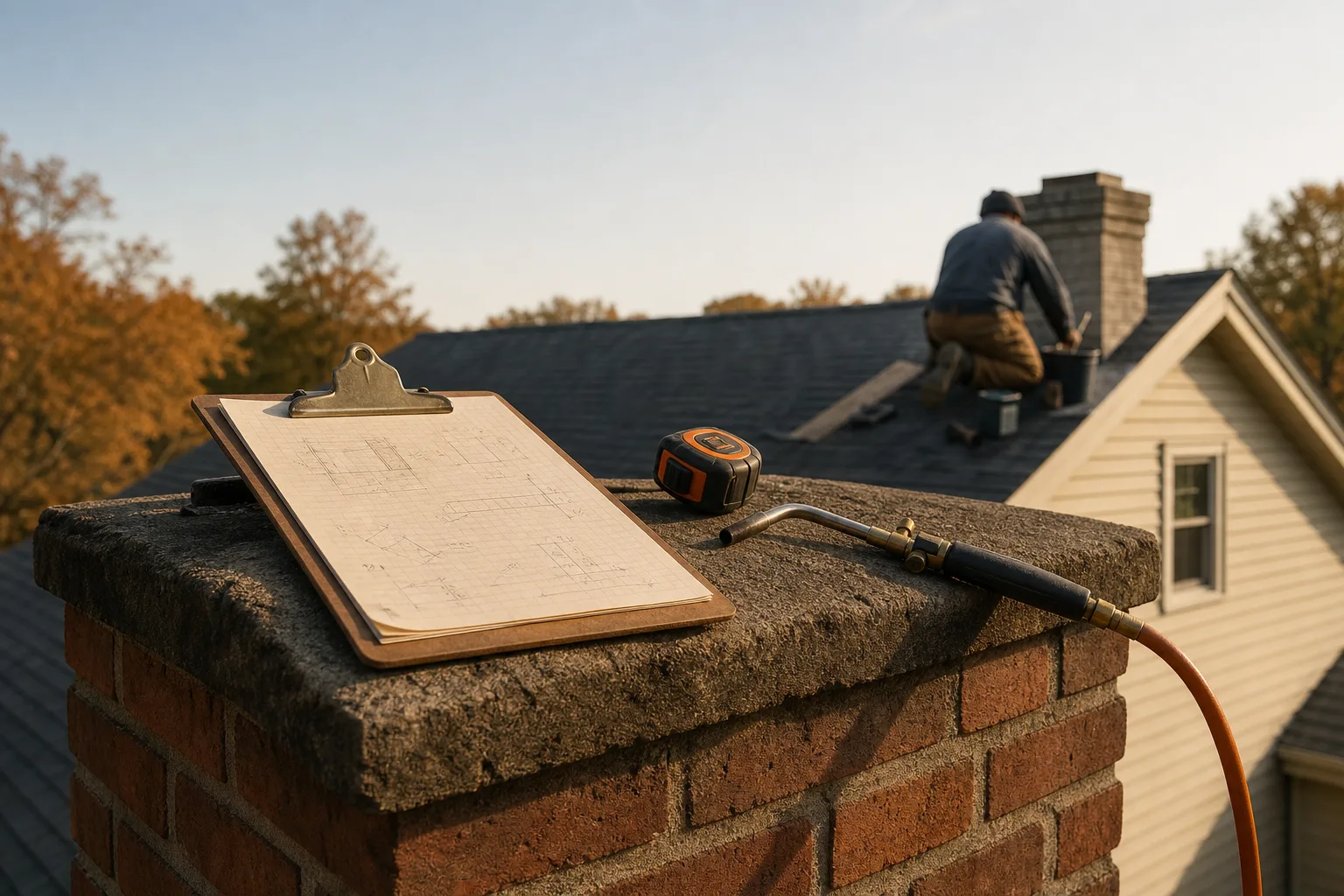
What drives the price
A pilot or thermocouple repair is at the low end and often the whole visit. A gas valve is into the high hundreds because of the part, and on an older appliance that is the moment to price a replacement instead. An annual service costs less than either and is the reason most people never meet the other two.
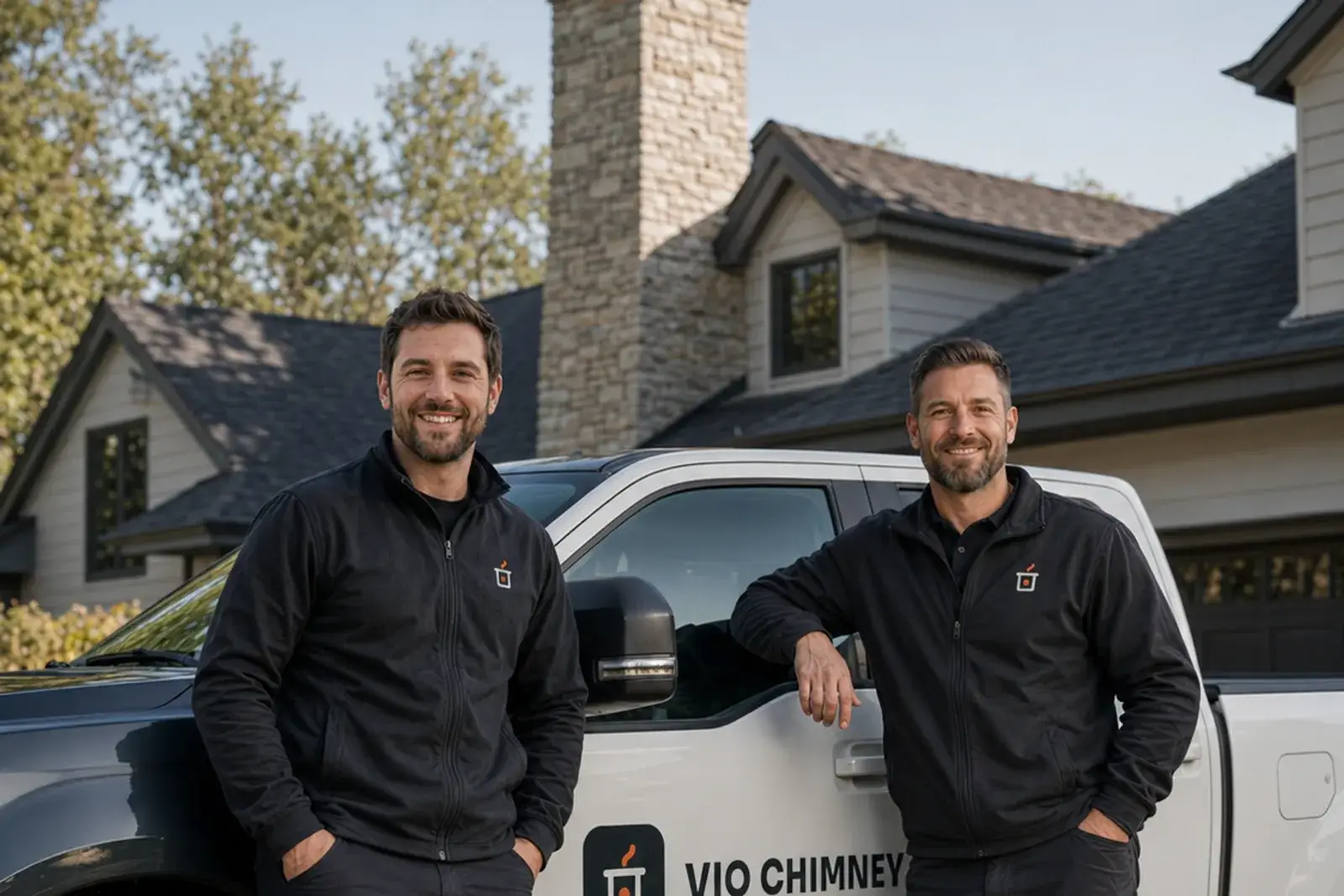
Founded by Ryan Carter in 2019. Every page you read here is reviewed by Ethan Miller, our chimney specialist. A written estimate before any work, and the findings in writing whether or not anything needs doing.
More about who we are →
The VIO Standard
Good to know