Nashville, Tennessee · 71 ZIP codes
Chimney Repair in Nashville, TN




- License & insurance checkedBefore a pro joins the network
- Upfront estimatesIn writing, before any work
- Complaints go to a personAnd can remove a pro from the network
- NFPA 211 standardsThe inspection benchmark we point to
The short answer
Nashville chimneys rarely fail from cold. They fail from water that was never given anywhere to go.
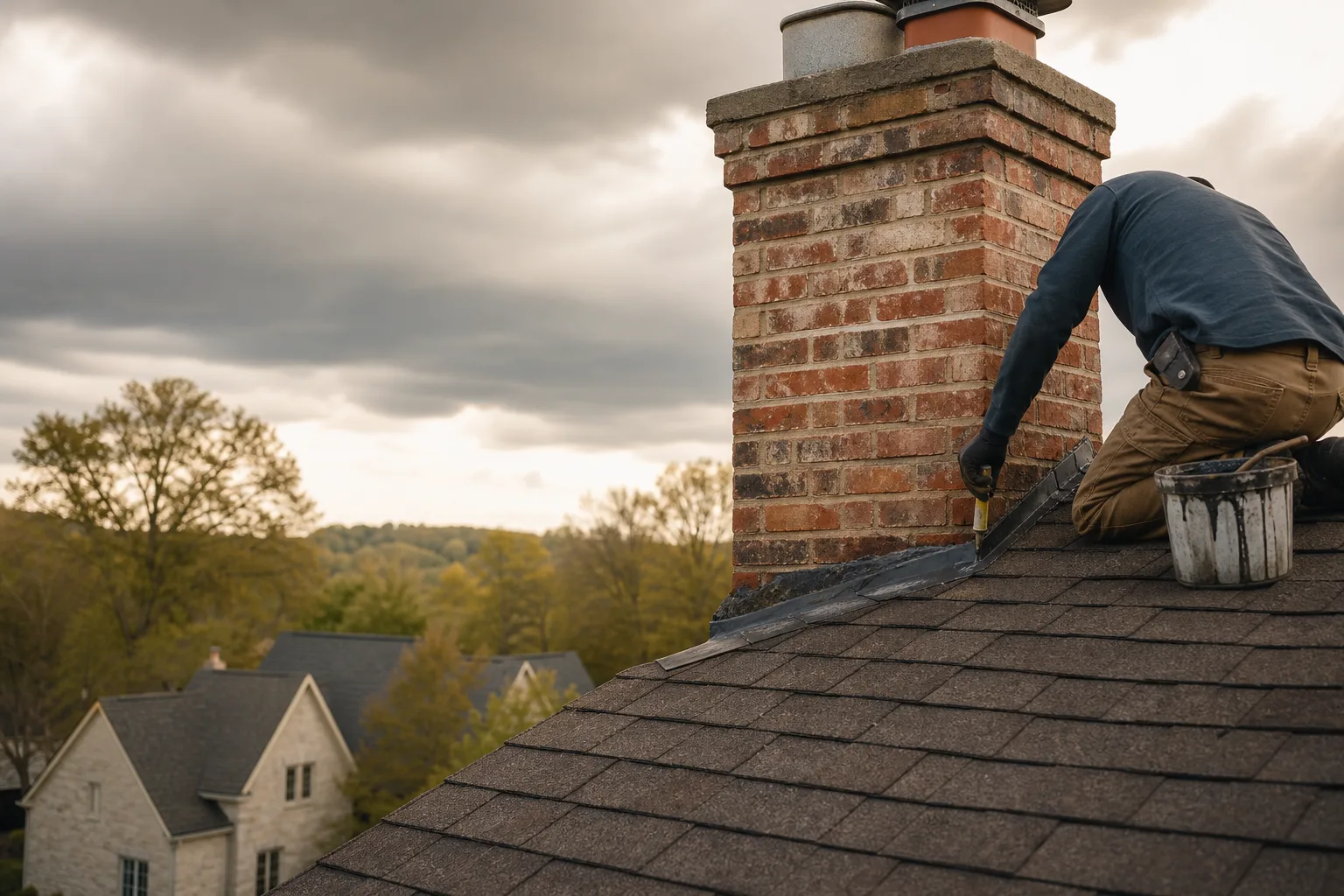
Chimney repair in Nashville looks different from chimney repair in a northern city, and treating it the same way is how homeowners end up paying for the wrong work. Middle Tennessee gets relatively few freeze-thaw cycles, so the spalled brick and washed-out mortar that dominate northern masonry are far less common here. What we get instead is water under pressure: March-to-May severe storms driving rain sideways into flashing joints, crowns poured flush with no overhang shedding straight down the brick face, and, on the enormous stock of newer housing, flat sheet-metal chase covers that pond rainwater until they rust through and drain into the wood framing below. Almost every Nashville repair we write traces back to one of those three.
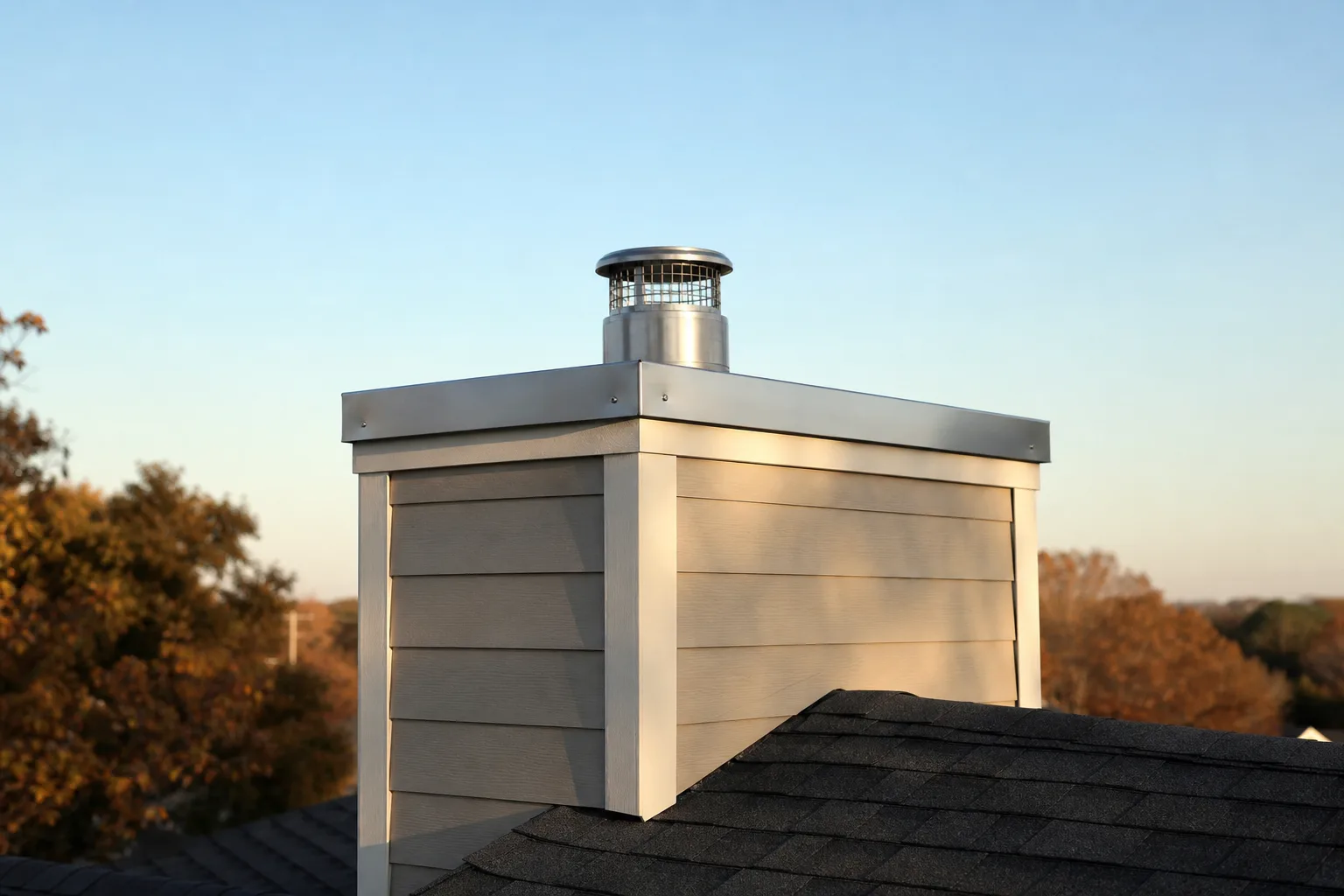
A cover holding water instead of shedding it
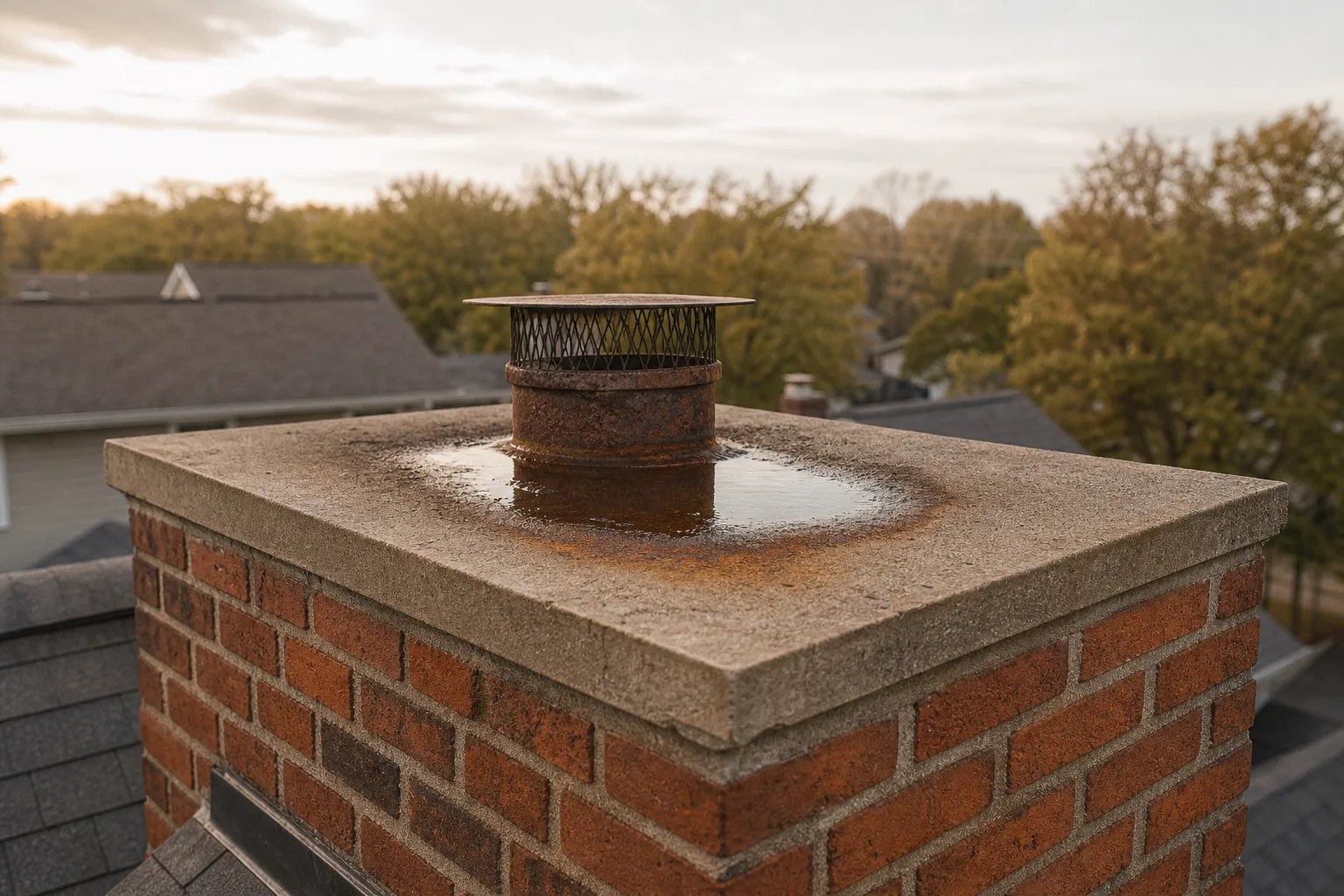
Flat sheet metal with no slope. It rusts through from the top and drains into the framing, where it does years of damage out of sight.
Local conditions
What actually breaks a Nashville chimney
March to May does most of the damage
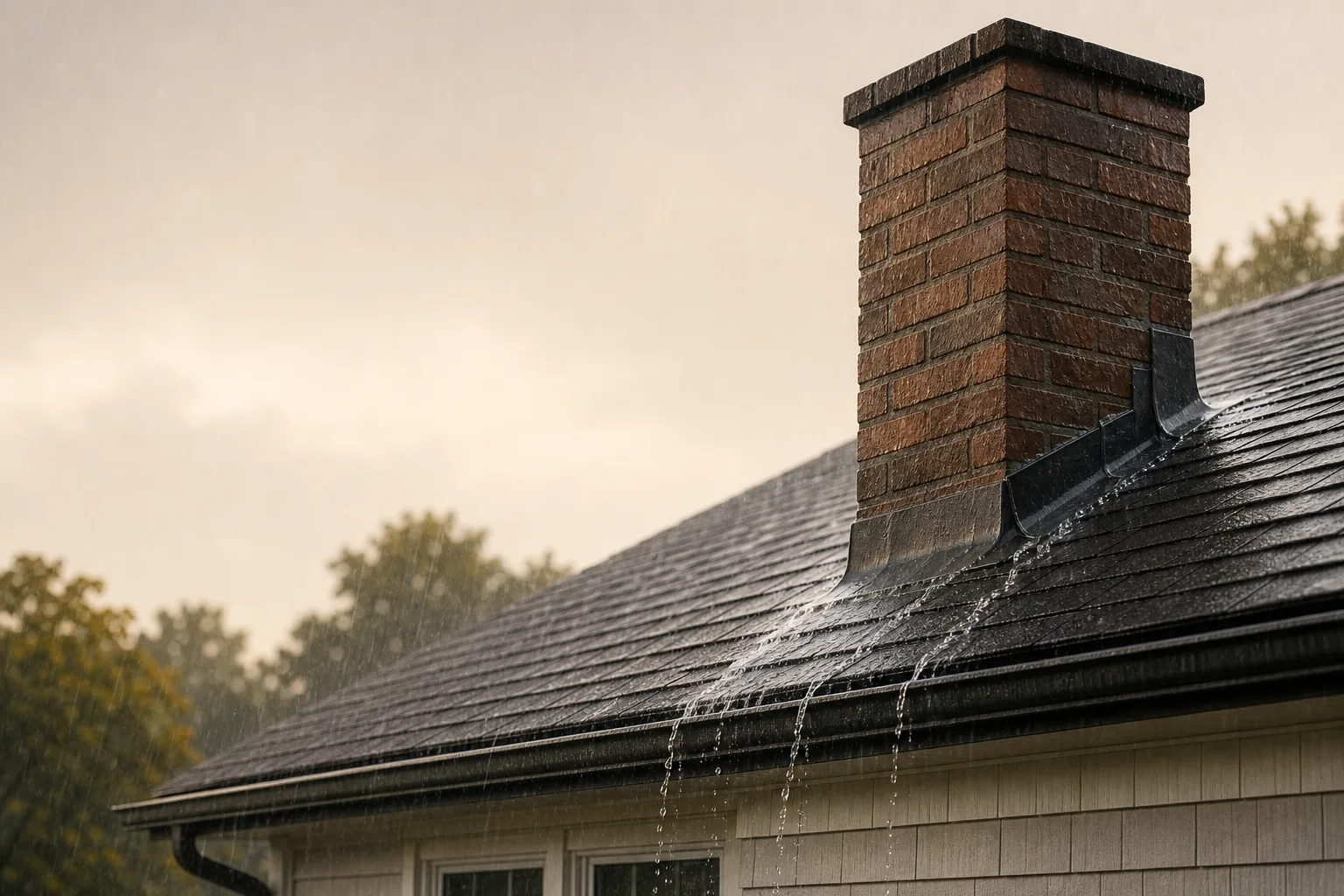
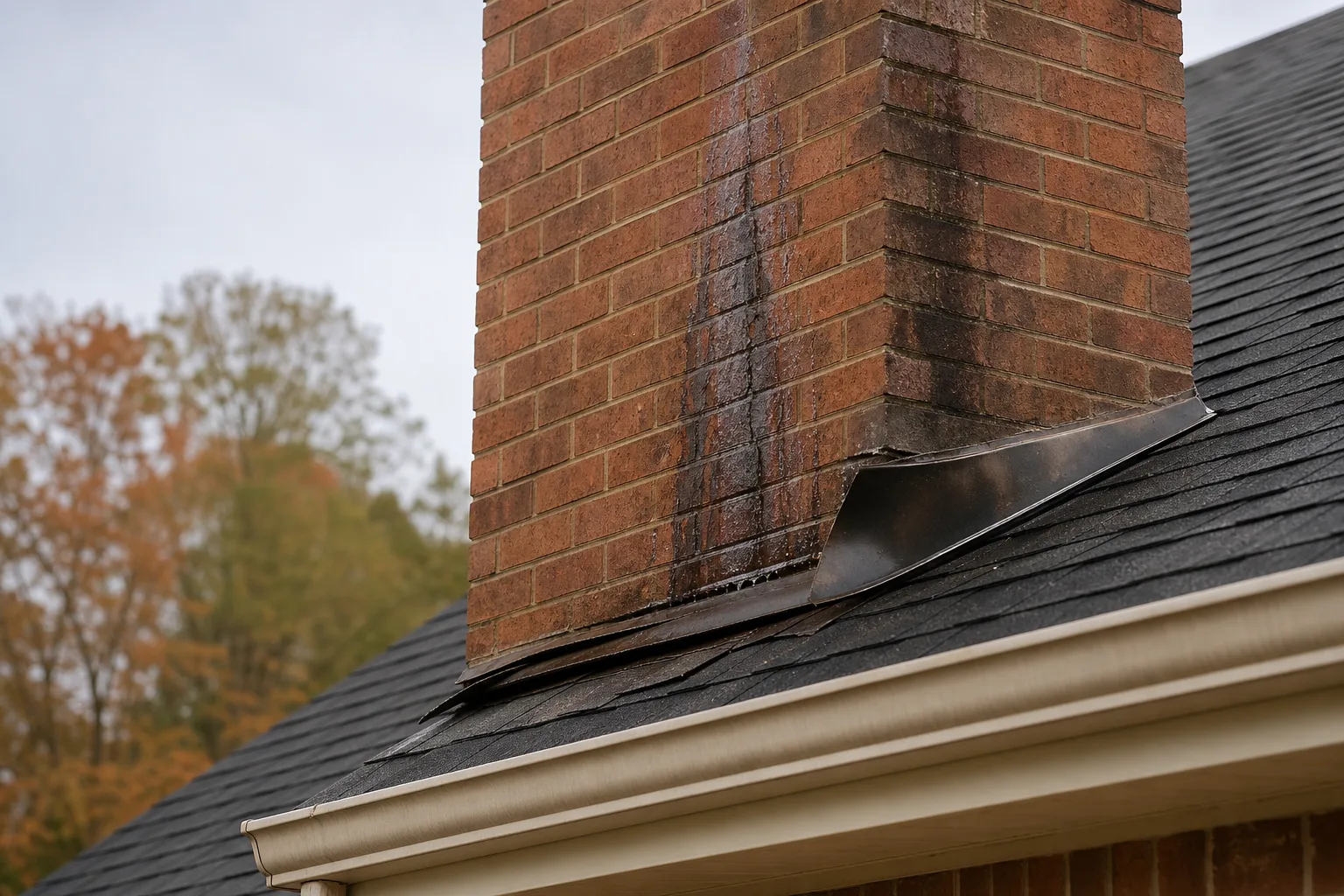
Middle Tennessee's heaviest storms drive rain horizontally, which is the condition that gets past flashing that sheds ordinary rainfall without trouble. Most of our repair calls follow a specific storm rather than a gradual decline.
Nothing dries out between events
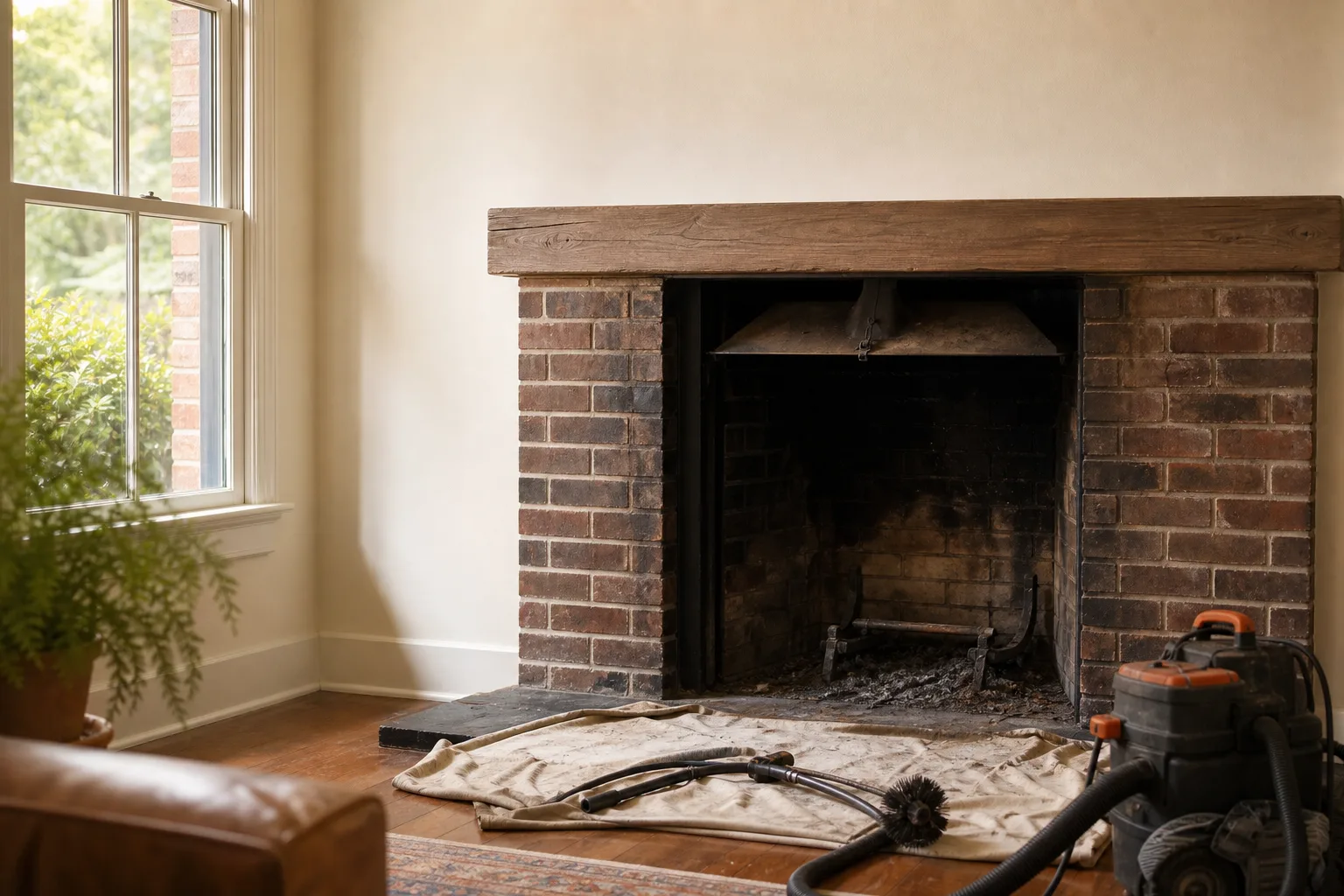
High sustained humidity means masonry that took on water in April is still holding it in July. Sealing a stack that has not dried is worse than not sealing it, which is why timing matters more here than most contractors admit.

Freeze-thaw is a minor factor, not the main one
Nashville crosses freezing far less often than the Midwest, so if a contractor is explaining your damage as freeze-thaw, ask what they actually saw. Here the mechanism is usually water sitting somewhere it should have drained from.
The housing stock
Why chimney repair in Nashville depends on what was built
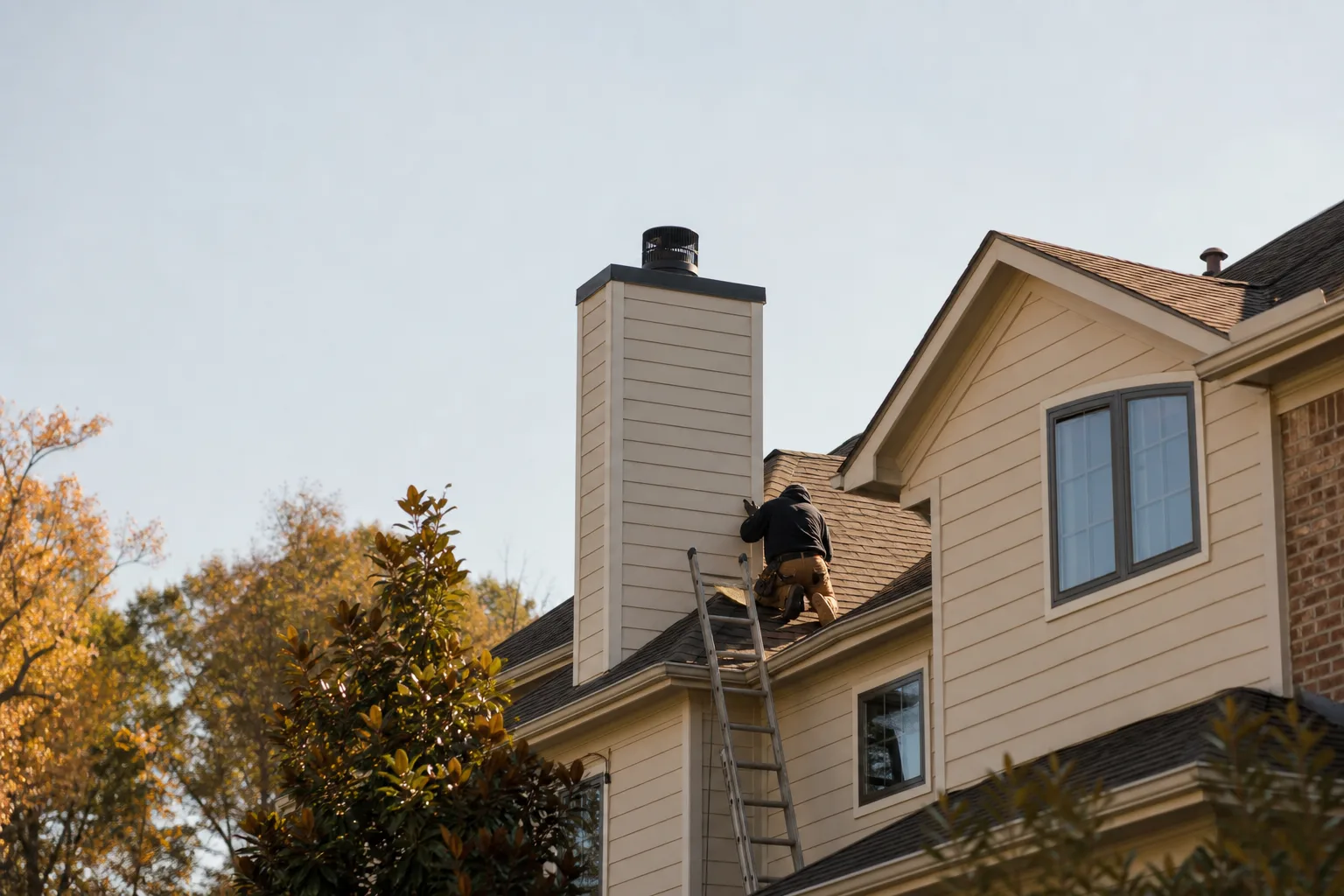
Framed chases with sheet-metal covers
Nashville's growth years filled the metro with factory-built fireplaces inside wood-framed chases. There is no masonry to repair on these: the failure points are the chase cover, the flashing where the chase meets the roof, and the siding. Almost all of them were fitted with a flat galvanised cover that holds water. It rusts through in ten to fifteen years, and because the water then drains inside the framing, the first symptom is usually a stain on a ceiling one floor down rather than anything visible up top. A sloped stainless replacement is inexpensive and it prevents the expensive version of this problem.
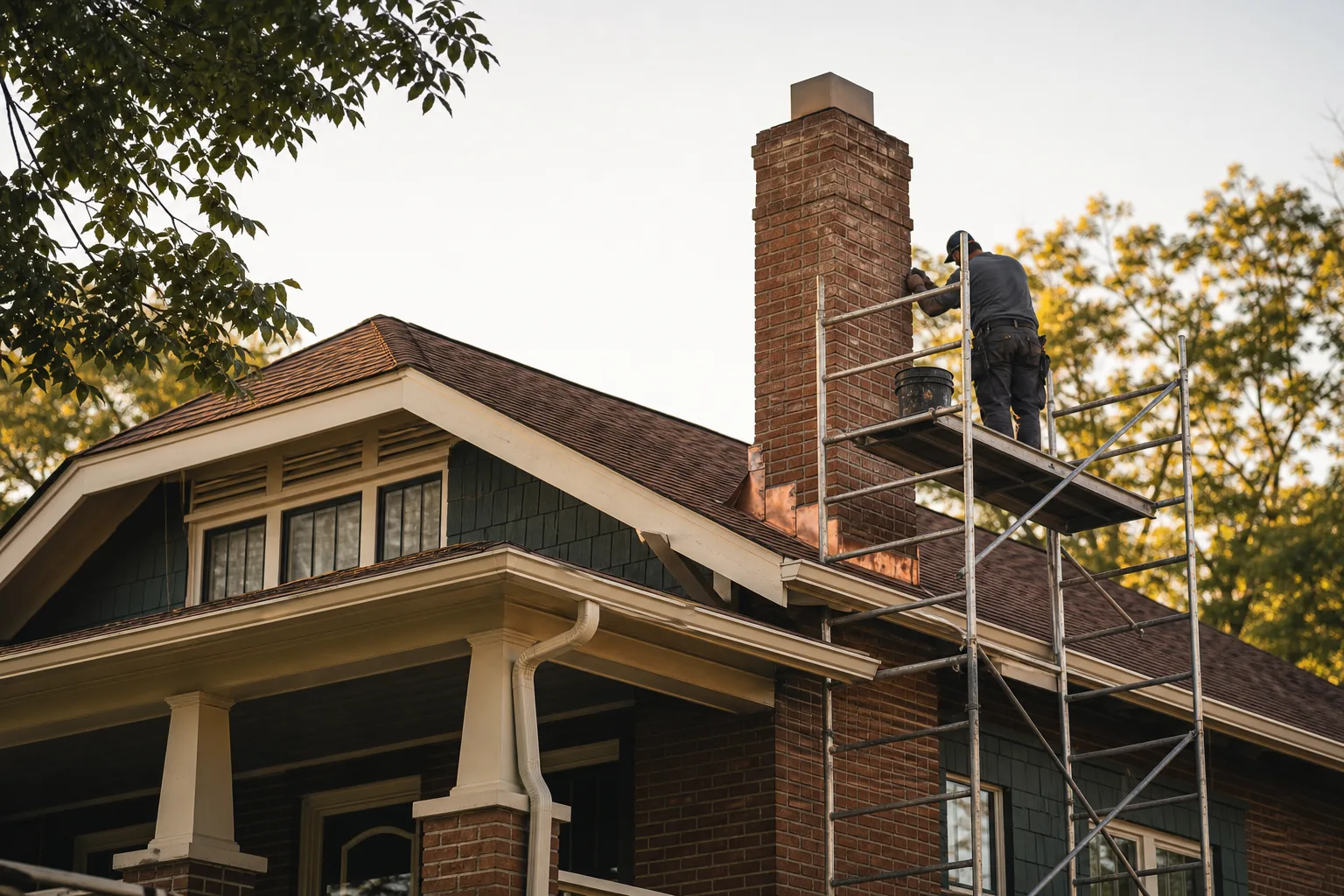
Crowns cast flush with the brick
On Nashville's genuine masonry (the 1900s to 1930s stock in East Nashville, Germantown and Belmont-Hillsboro), the most common structural fault is a crown with no overhang. The crown is supposed to project past the brick and carry a drip edge so water is thrown clear. A great many were finished flat and flush, so every storm runs down the face they were meant to protect. Recasting with a real overhang and a bond break at the flue is the repair that stops the most future work on this city's older housing.
Flashing that meets horizontal rain
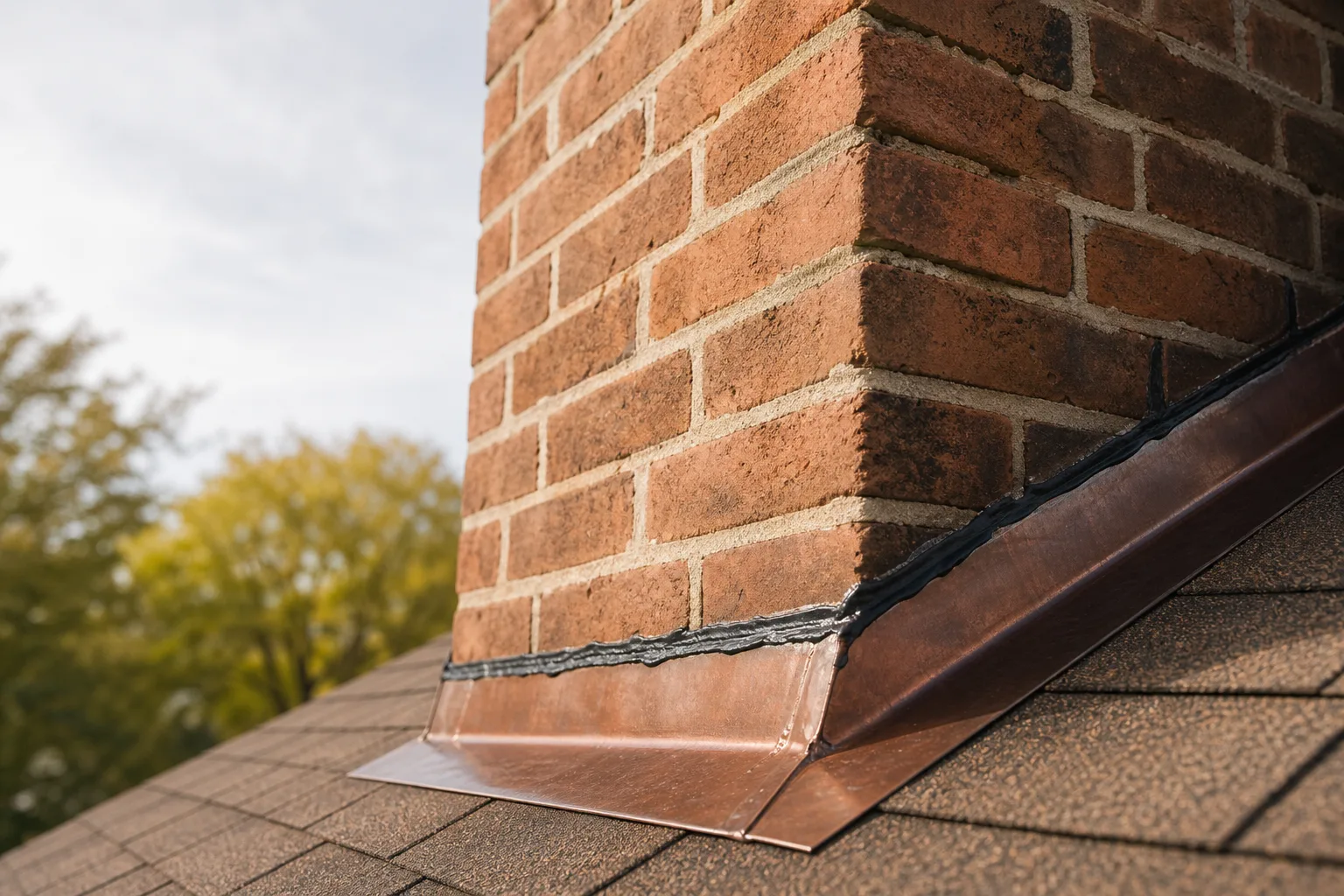
The roofline joint is the most common leak point anywhere, and Middle Tennessee's severe season tests it in a way ordinary rainfall does not. Wind-driven water gets under flashing that sheds vertical rain perfectly well. What we find over and over is a previous repair made with roofing cement: it shrinks, cracks, traps water against the masonry, and has to be cut off before proper two-part step and counter flashing can go in, so the tar patch makes the real repair dearer rather than cheaper.
Do you have this problem?
Signs you need a chimney repair in Nashville
Water pooling on the chase cover
A flat cover holding rain. It rusts from the top down and drains into the framing, where the damage stays hidden until it reaches a ceiling.
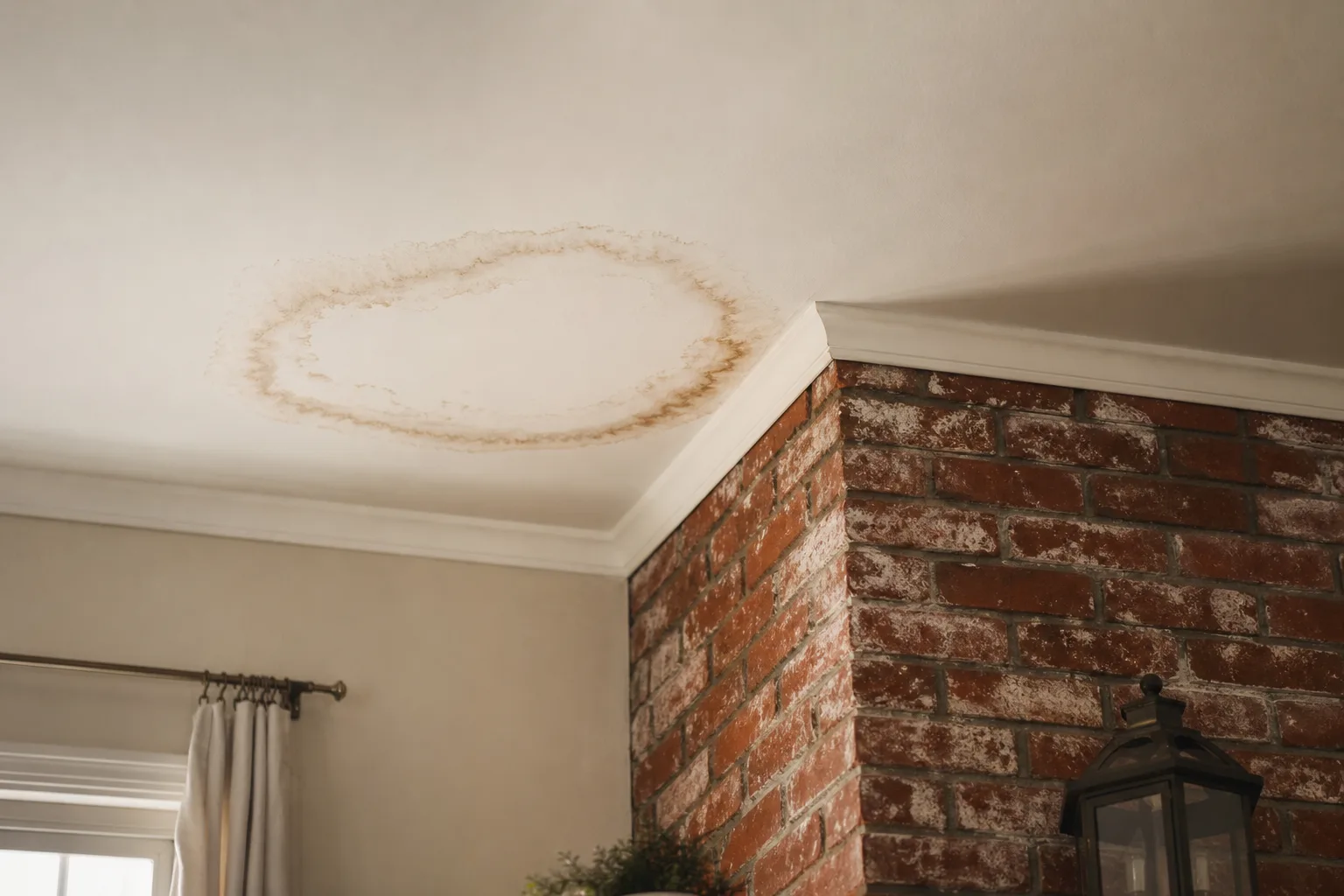
A stain on the ceiling near the chimney
Water has been getting in somewhere above and travelling. The stain marks where it gave up, not where it entered. That is why sealing above it is the classic wasted repair.
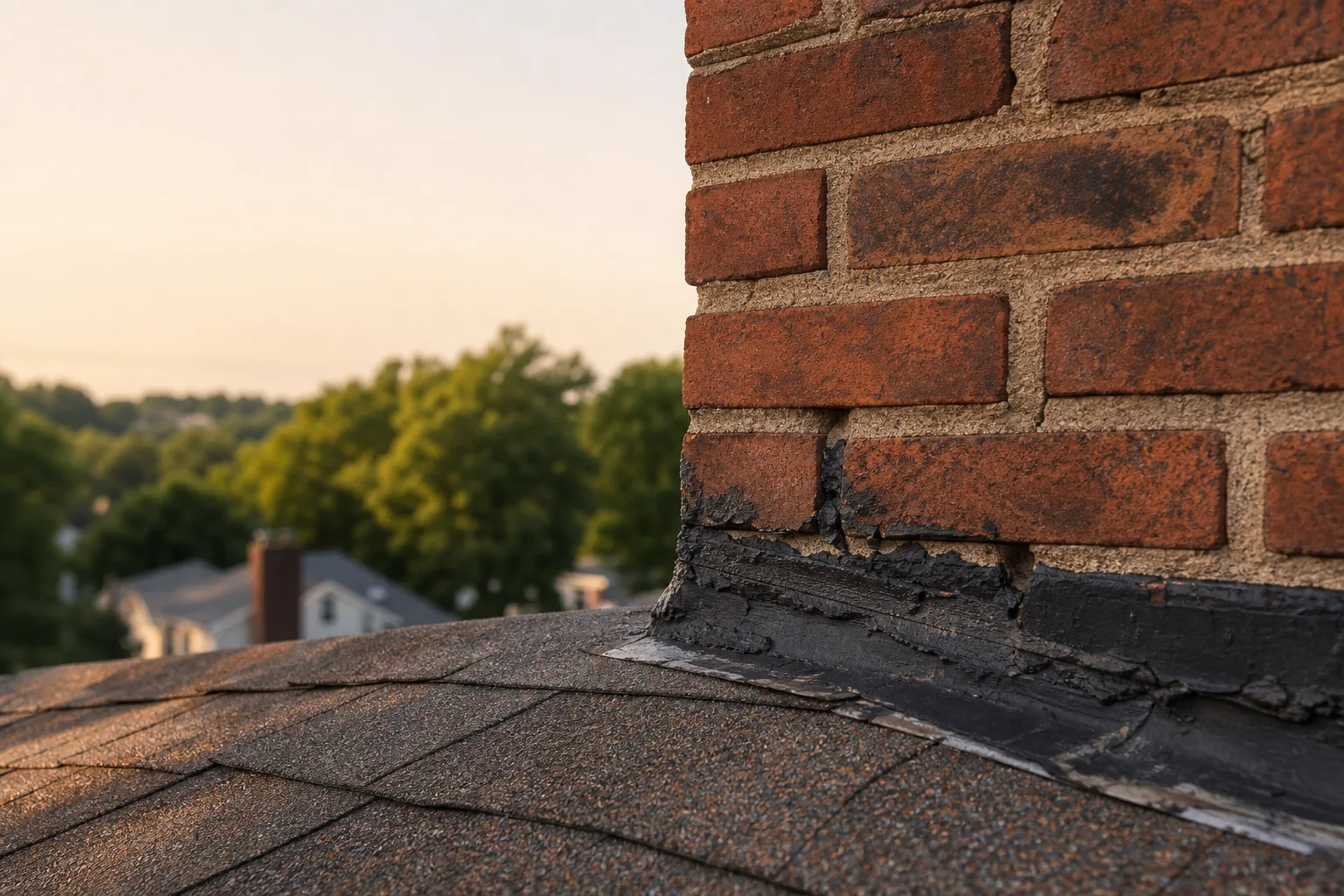
Tar smeared at the roofline
Somebody already tried to stop a leak here. Roofing cement cracks and traps water, and it has to come off before proper flashing goes on.
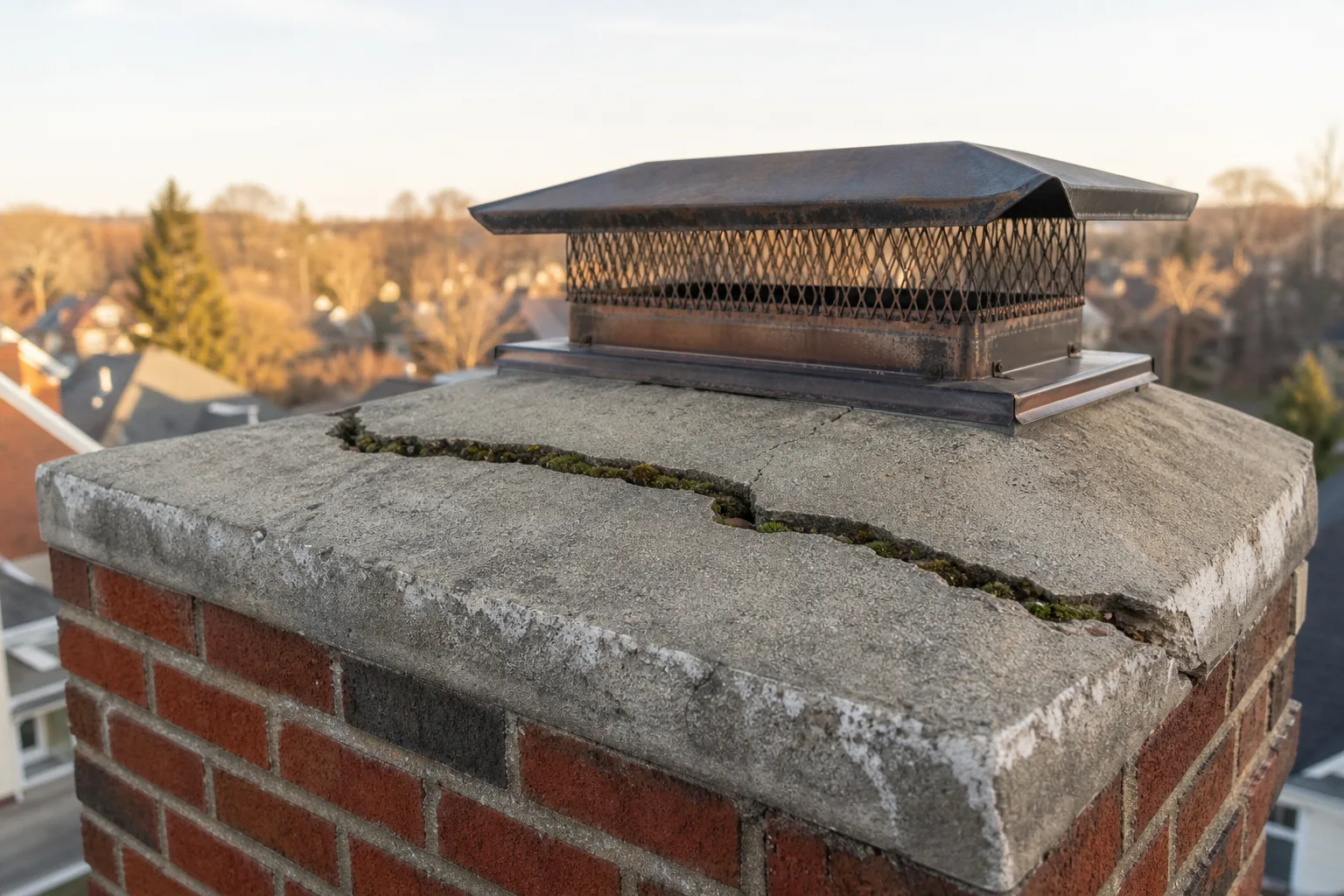
A crown cracked across its span
The concrete cap has opened up. On a Nashville stack this is usually a crown that was cast flush with no overhang, so patching it does not address the cause.
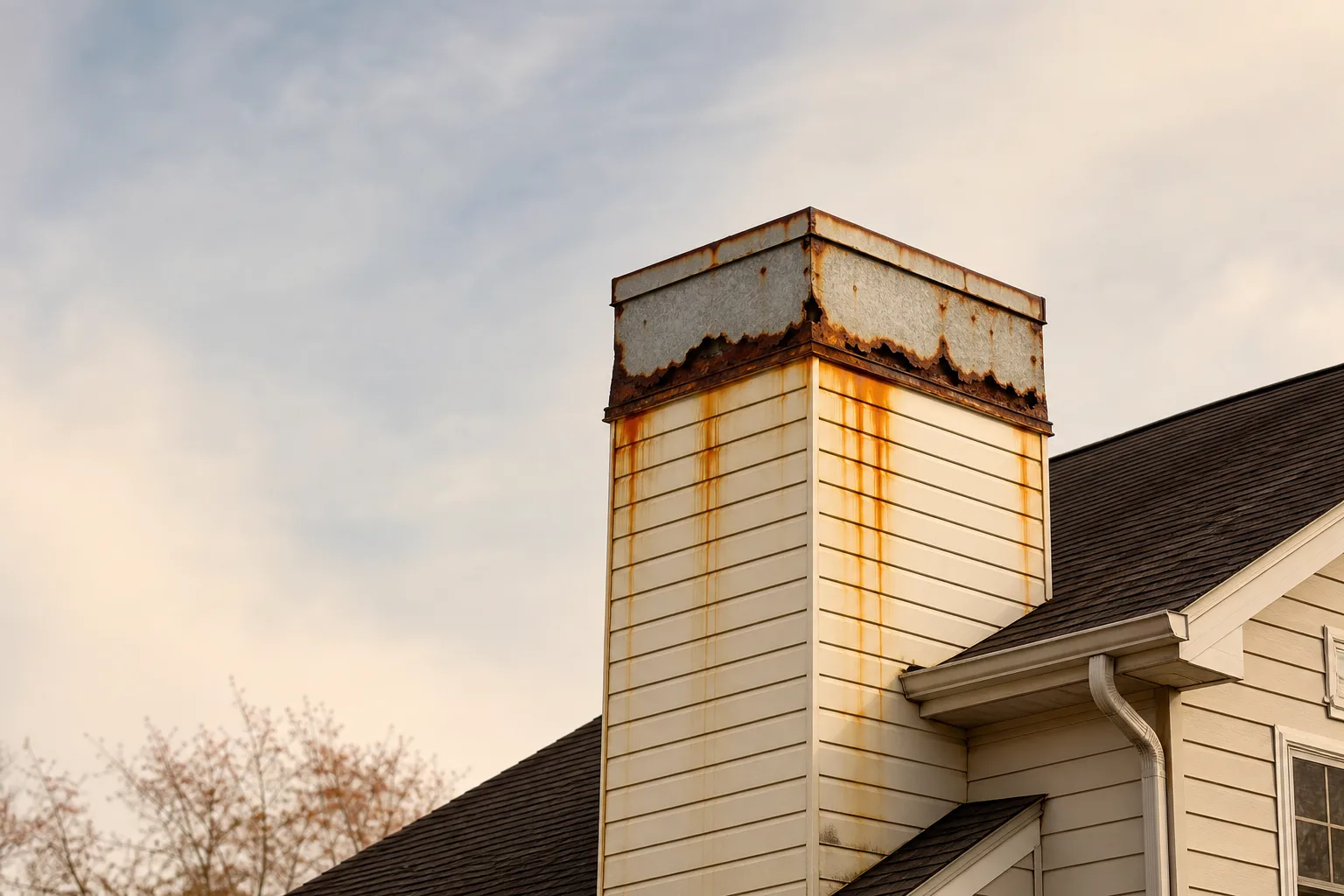
Rust streaks running down the chase
Water has been getting in for a while. On a factory-built unit, rust reaching the firebox is a condition question rather than a cosmetic one.
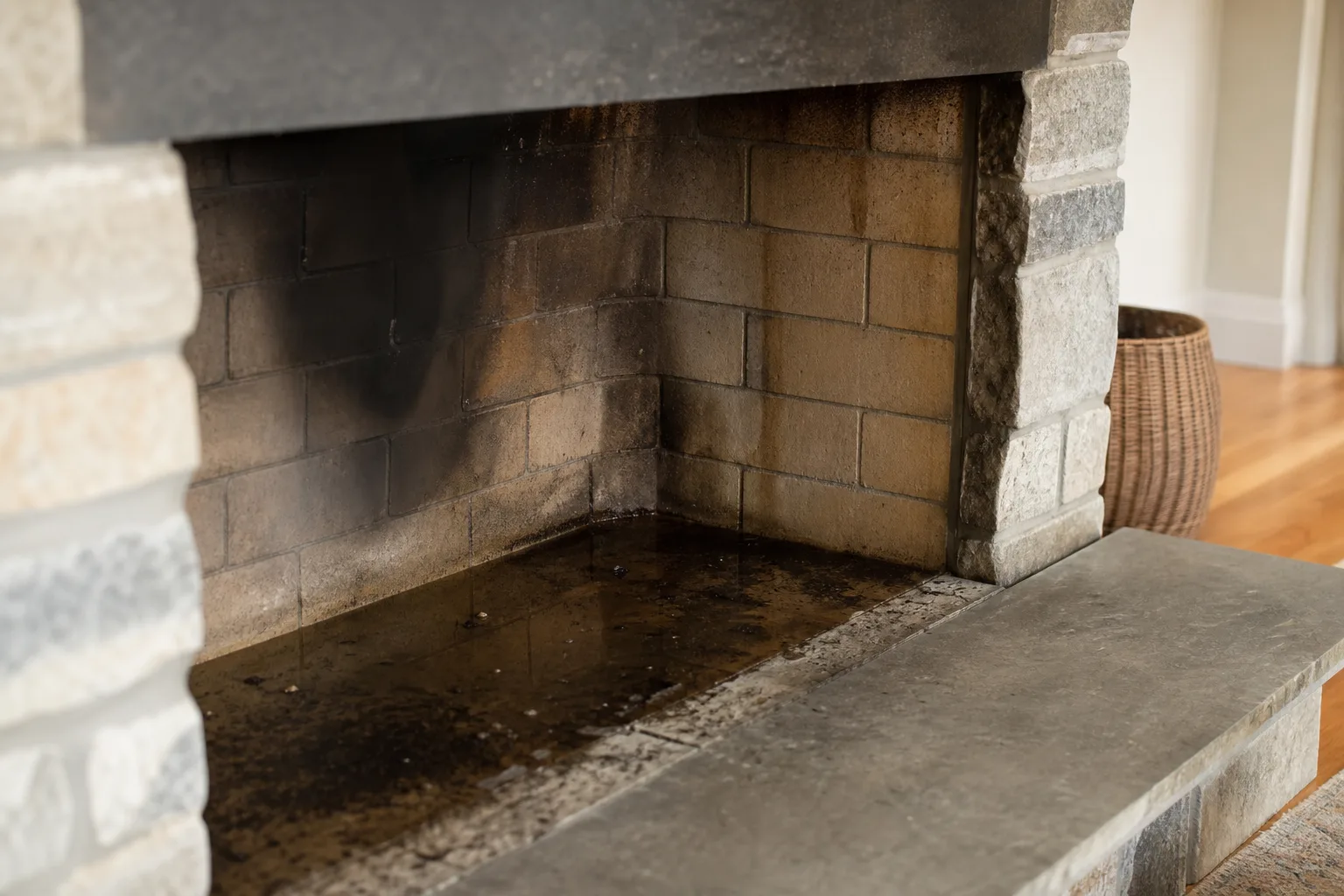
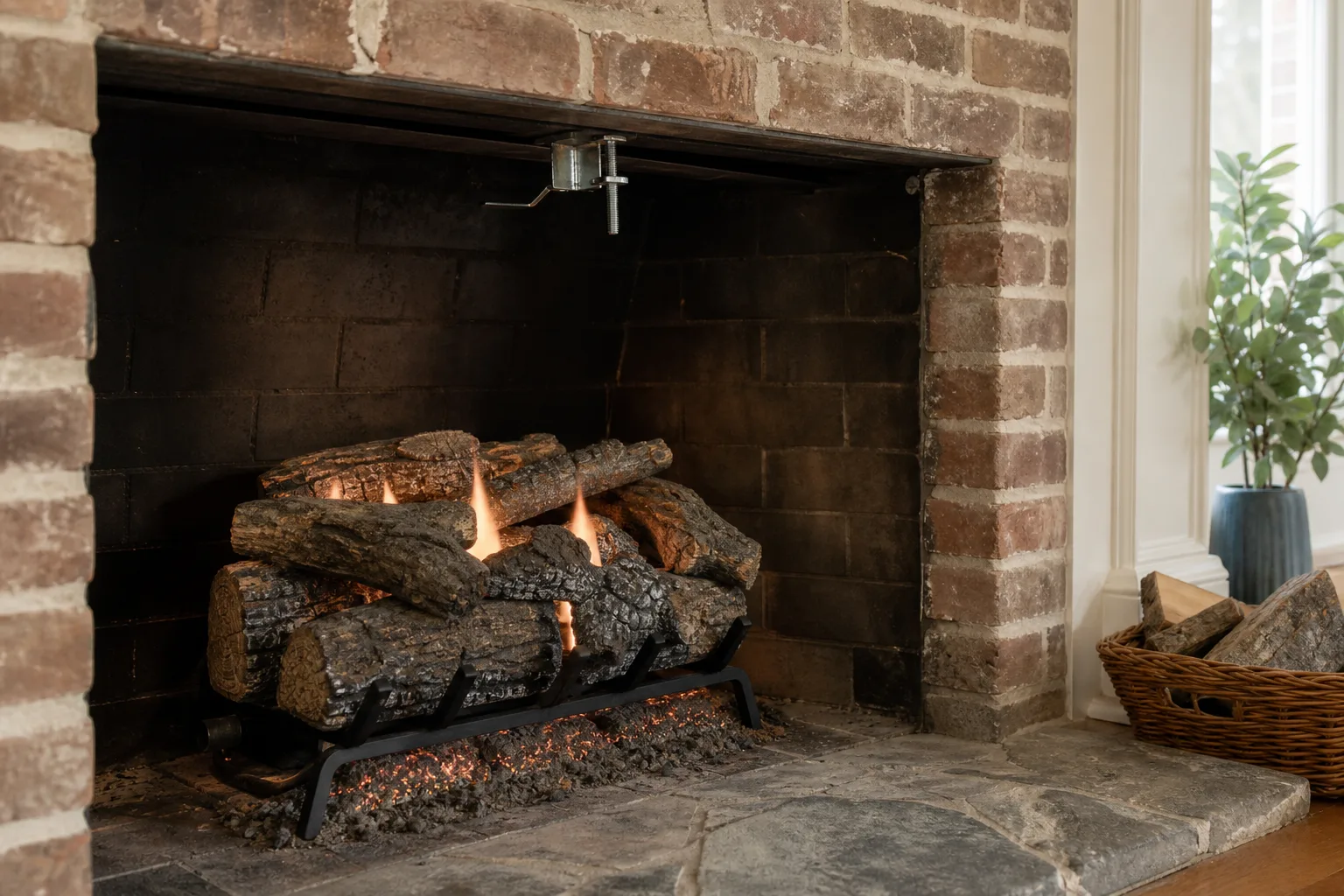
Water in the firebox after a storm
It is coming down the flue itself rather than through the wall. Look at the cap, the cover and the crown before anyone touches the flashing.
How we work
How the visit works
The same four steps every time, whatever the scan turns out to find.
- 1
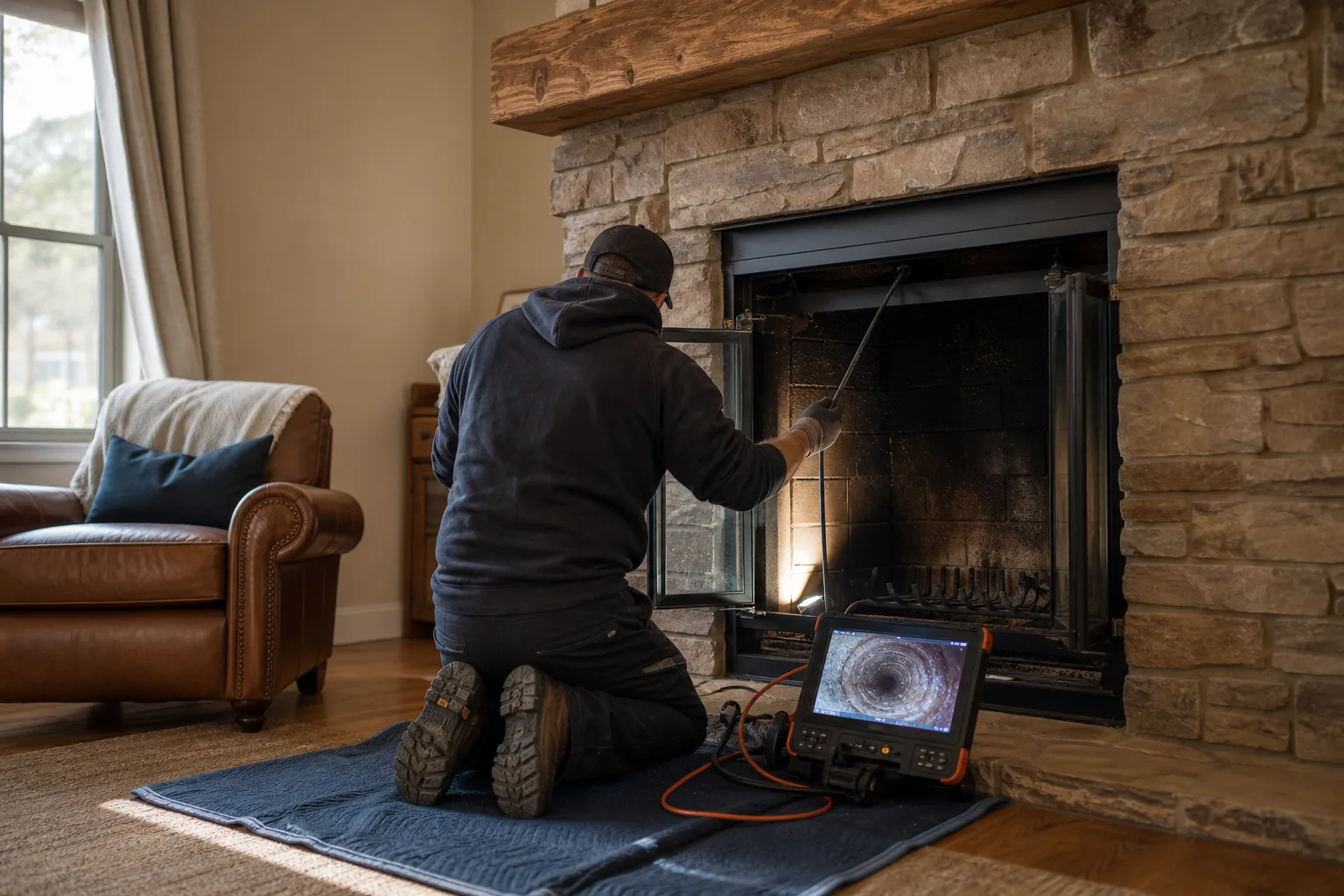
Inspection first, always
A look at the crown, cap, flashing and exterior masonry, then the flue, damper and firebox — with a camera where the job calls for a level 2 scan. Whatever needs work gets shown to you, not just described.
- 2
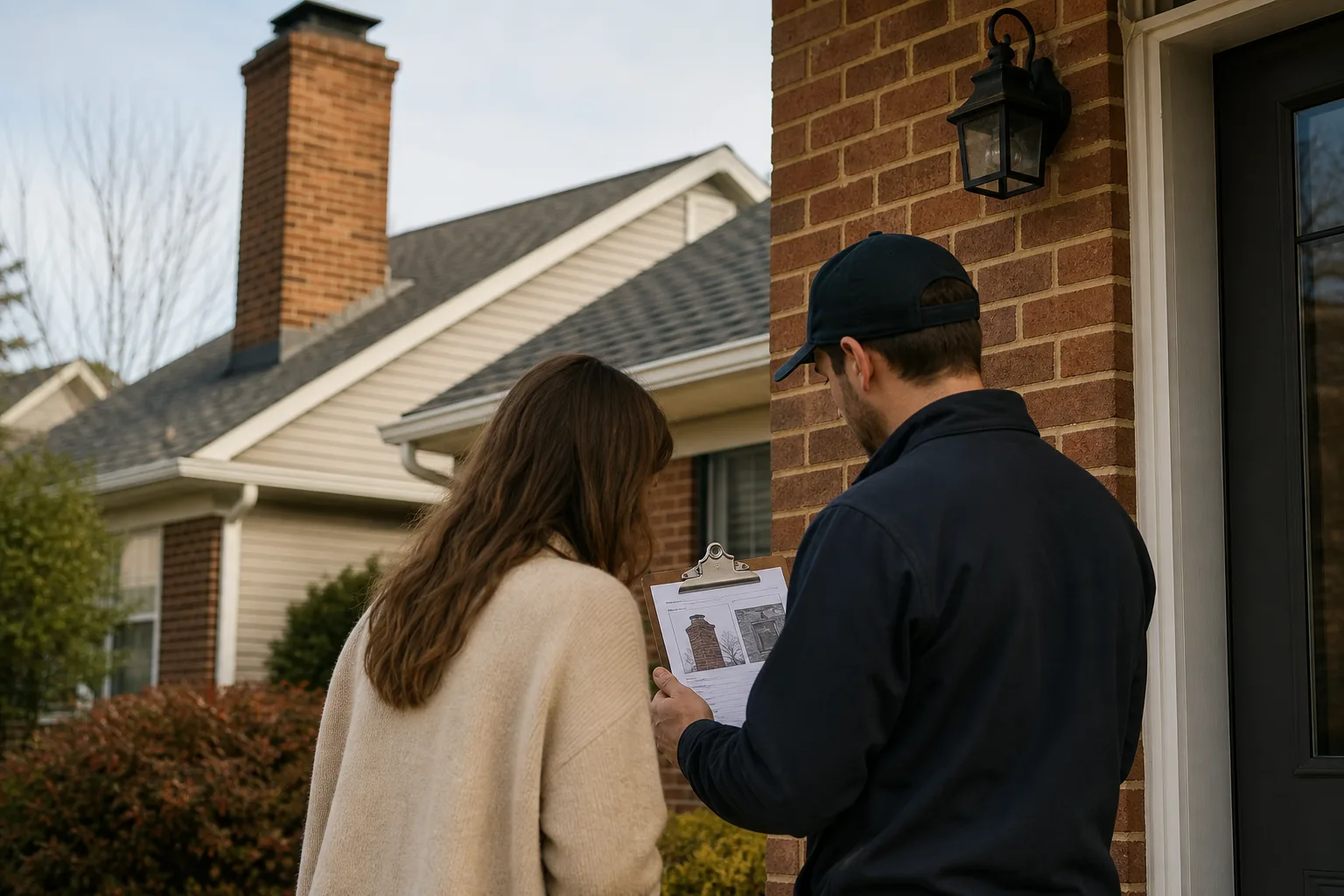
A written estimate before anything
Scope, price and what is not included, in writing. Nothing starts until you approve it, and an emergency is not a reason to skip this step.
- 3
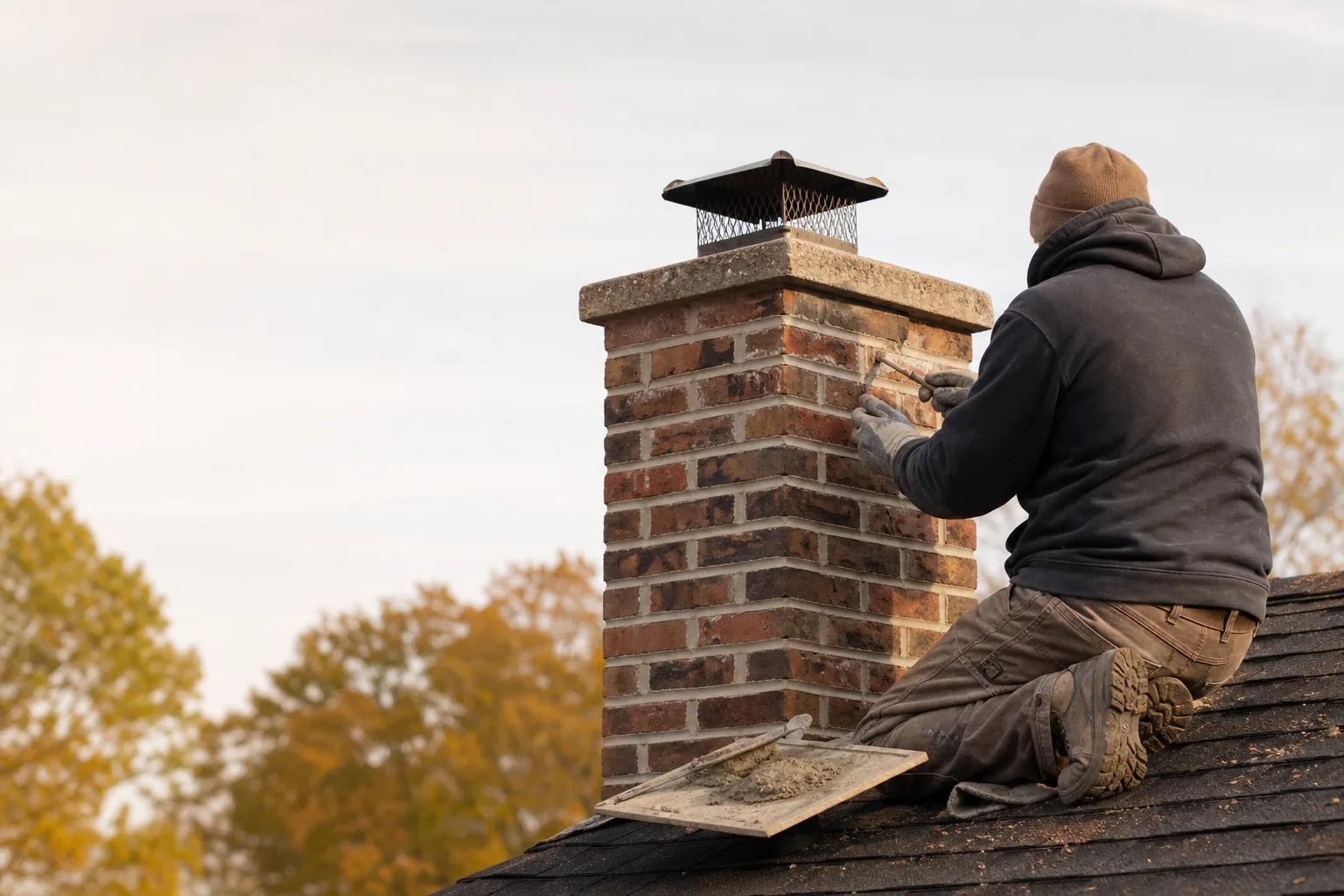
The work itself
Matched materials and the manufacturer's spec, not whatever is on the van. Drop cloths down, and the room left as it was found.
- 4
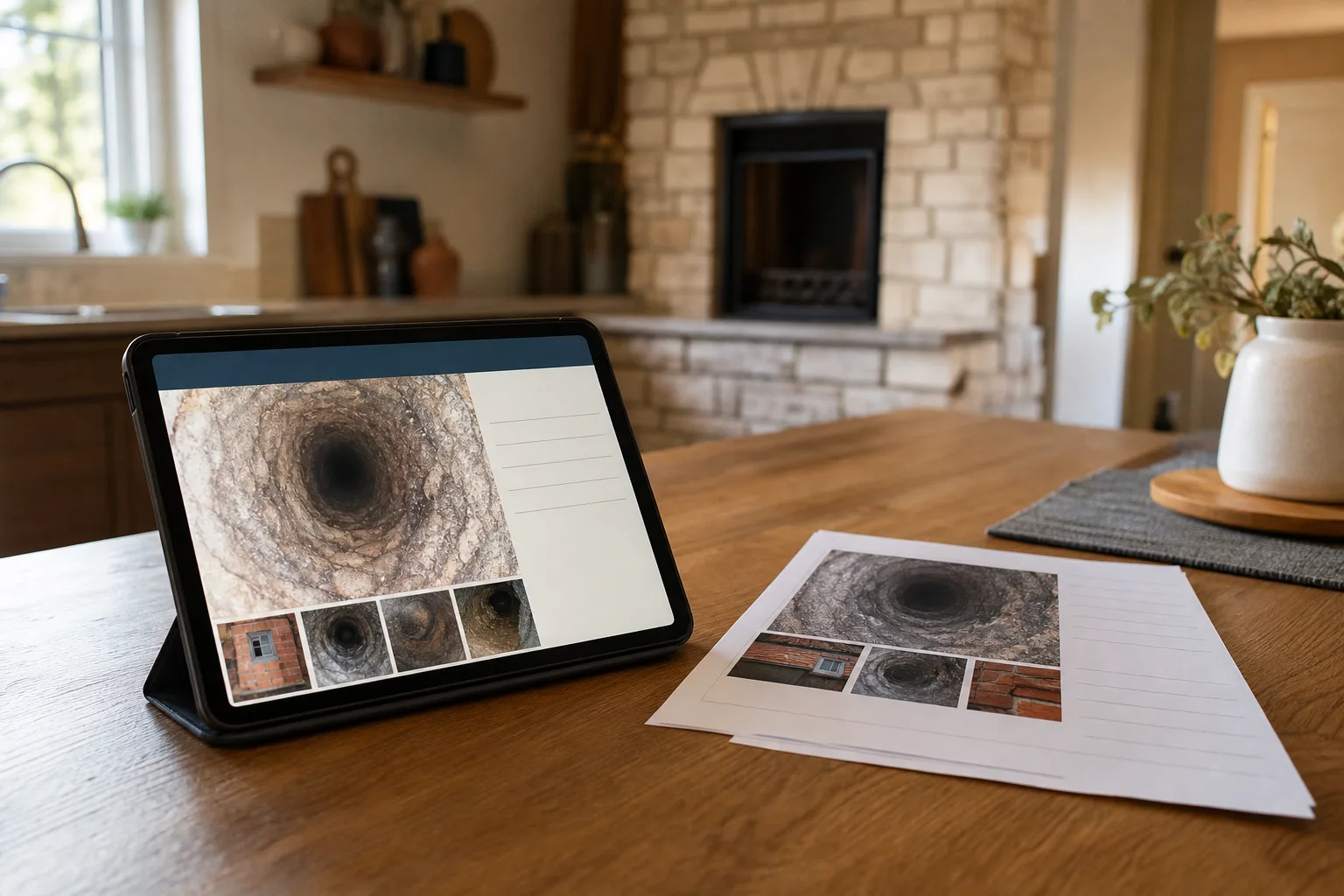
Verification and a report
A second scan after the work, and written findings you can keep, hand to an inspector, or send to an insurer.
What it covers
The jobs this actually includes
Not every job on this list is equally urgent, so they are ordered that way — safety first, then structure, then water, then prevention.
The job — most urgent first
What it involves
On site
Leak diagnosis by staged hose test
Safety repairWater applied one section at a time from the bottom up until it appears inside, so the entry point is identified rather than guessed. Comes before any leak quote we write.
On site: 2 hours
Crown recast with an overhang
StructuralCast rather than patched, projecting past the brick with a drip edge and a bond break at the flue so it can move without cracking again.
On site: 1 day plus cure
Repointing where joints have opened
StructuralLess common here than in a freeze-thaw market, but real on the older stock. Matched mortar, raked to depth, and only after whatever was putting water into the joints has been fixed.
On site: 1–2 days
Chase cover replacement in stainless
Stops waterSloped, with a drip edge and a correctly sized collar. The single highest-value repair on Nashville's newer housing, and the one most often done like-for-like in galvanised so it fails again.
On site: Half a day
Flashing rebuilt, not tarred
Stops waterTwo-part step and counter flashing cut into the mortar joint. Existing roofing cement comes off first, which is why a tar patch makes the eventual job dearer.
On site: About a day
Waterproofing once everything is sound and dry
PreventiveA vapor-permeable sealer, applied only after the repairs are done and the masonry has actually dried. In this humidity that means later in the summer, not straight after the storms.
On site: Half a day
Times are for the work itself, not for scheduling. Masonry needs roughly 40°F to cure properly, which is what limits this work in a northern winter rather than whether a crew is free.
Timing
When to book chimney repair in Nashville
Straight after the severe season
The best window. Storm damage from March to May is fresh and visible, the masonry has had a chance to dry, and there is a long warm run ahead for anything that needs to cure. If a spring storm came through and you saw a stain, this is when to deal with it rather than waiting to see whether it comes back.
Full working season
Dry spells and warm nights suit masonry curing and sealing. This is the right time for waterproofing, because a stack only takes sealer properly once it has actually dried out, and in this humidity that takes longer than people expect.
Workable, but the queue starts
The first cool evening puts the metro on the phone about the fireplace, and repair work competes with sweep bookings. Chase covers and flashing are fine to do now; neither depends on temperature. Larger masonry is better scheduled than rushed.
Assess, protect, and plan
Mild winters mean we can do more here in January than in a northern market, and cold snaps rather than a whole season are what limit mortar work. But this is also when the next severe season is coming, so the priority is making sure water has somewhere to go before March rather than starting a rebuild in February.
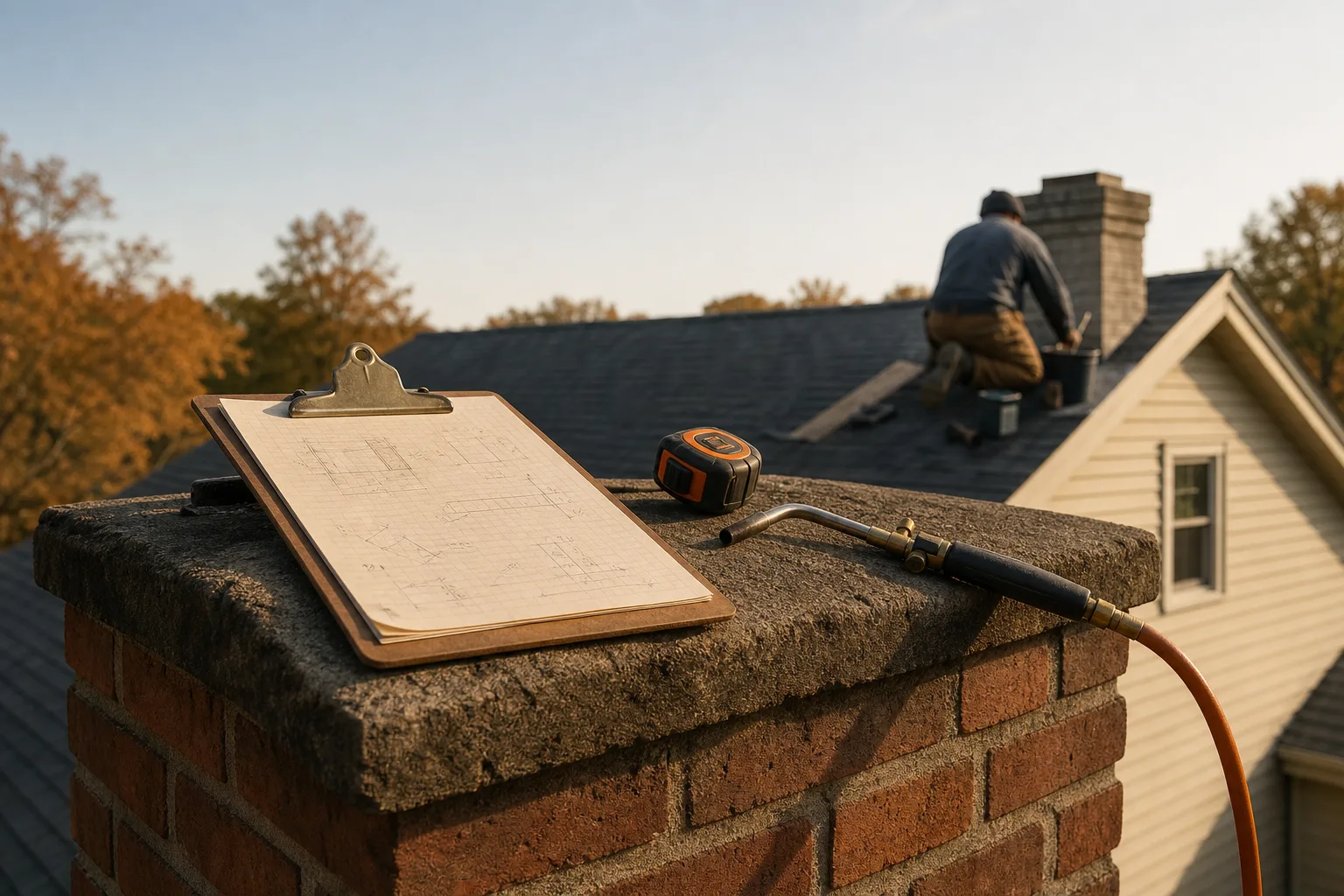
What shapes the job
What decides the work on a chimney repair in Nashville
- Whether the structure is masonry or a factory-built unit inside a framed chase
- Whether the fault is the cover, the flashing, the crown, or the masonry itself
- How much water damage has already reached the framing behind the chase
- Roof pitch and height: Nashville's newer two-storey builds add real access time
- Whether a previous tar patch has to be removed before the proper repair can start
Chimney repair in Nashville spans a wide range because "repair" covers a chase cover swap and it covers rebuilding a crown. Replacing a ponding cover with a sloped stainless one is among the cheapest genuinely preventive things we do, and it is the item we most often wish someone had called about a year earlier. Flashing is about a day. A crown recast is a day plus cure. Where the number climbs is when water has been getting into framing behind a chase for years, because at that point the carpentry is part of the job. Every quote is written after a hose test or a scan, never from a photograph.
From our own jobs
What we keep finding in Nashville
Masonry repairs quoted on structures with no masonry
The costliest error in this market. A homeowner with a framed chase is quoted for repointing, crown repair, or a masonry liner, none of which their structure contains. If your chimney is clad in siding and topped with a metal cover, any quote mentioning mortar should stop the conversation. We have been called in behind enough of these to say it plainly: check what you own before you accept a number.
Ceiling stains blamed on the roof
Water entering at a chase cover or a flashing joint travels along framing and rafters before it drips, sometimes several feet. A roofer looks at the shingles, finds nothing wrong, and the homeowner is told it is the chimney's problem — or the reverse. The way to settle it is a hose test one section at a time from the bottom up, which identifies the entry point rather than guessing at it, and it is the first thing we do on any leak call here.
Sealer applied to a stack that had not dried
A mistake specific to a humid climate. A masonry sealer is vapor-permeable for a reason, but applying it to brick that is still holding water from the spring traps moisture in the wall, and in a bad case that is worse than leaving it alone. We turn down waterproofing jobs in May for this reason and book them for later in the summer instead, which costs us a booking and saves the customer a wall.
Chase covers replaced like for like
When a rusted galvanised cover fails, the cheap fix is another flat galvanised cover, and it fails the same way on the same schedule. A stainless cover with a real slope, a drip edge, and a properly sized collar costs more once and then stops being a line item. This is the clearest example in Nashville of the repair that is only expensive if you count the first invoice rather than the twenty years.
Where we cover in Nashville
All Nashville services →71 ZIP codes covered. If your address falls outside the area we say so on the call rather than booking a visit we cannot honour.
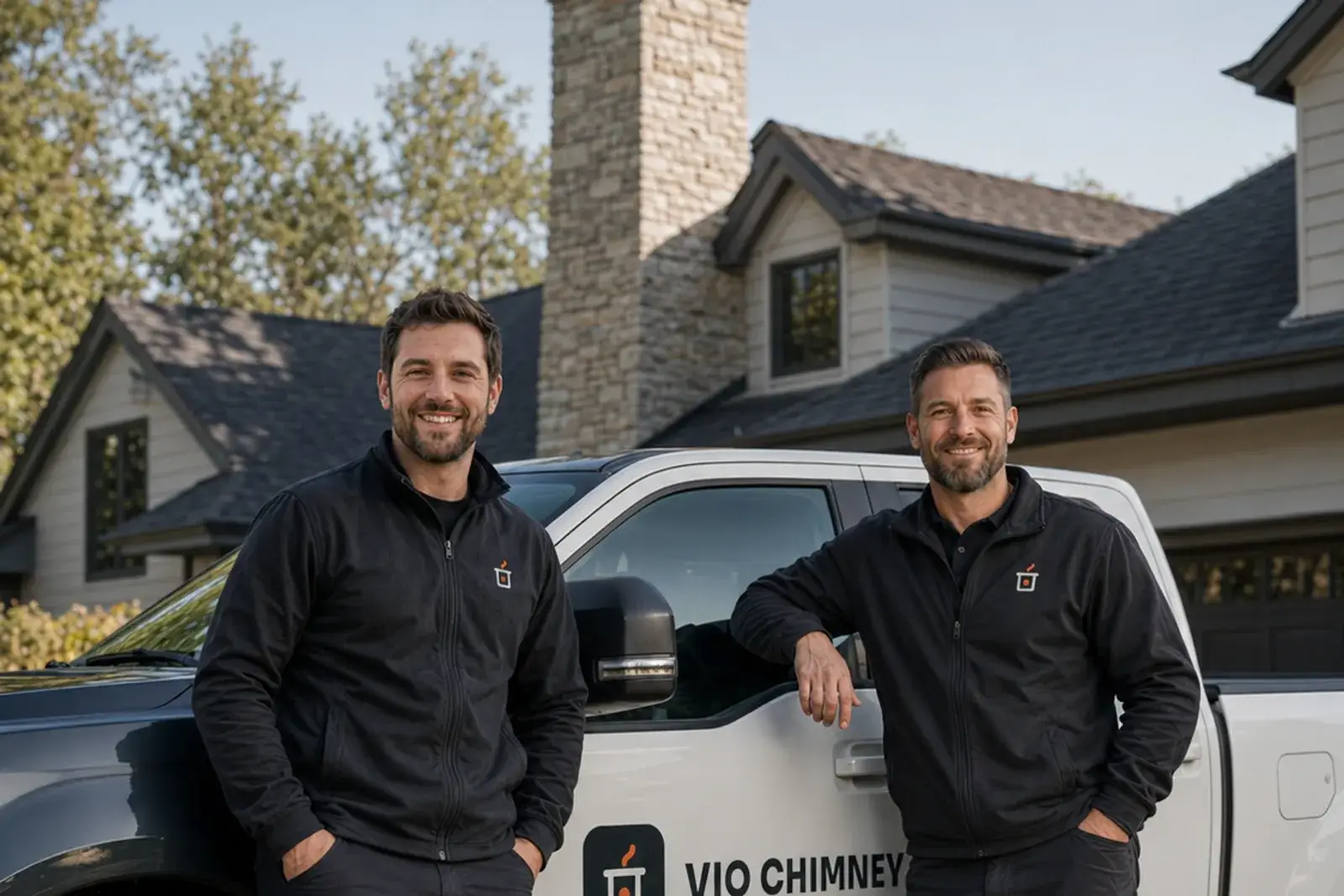
The people behind every visit
Founded by Ryan Carter in 2019. Every page you read here is reviewed by Ethan Miller, our chimney specialist. A written estimate before any work, and the findings in writing whether or not anything needs doing.
More about who we are →
The VIO Standard
- A written estimate first
- License and insurance checked
- Nothing starts without your OK
Nashville questions