


Chimney problem
Animal in chimney? How to get it out safely
Raccoons and squirrels are not protected and can be removed today. What you have is usually clear from when the noise happens.
Safe to use for now, and it gets more expensive every month you leave it.
Do not smoke it out. It is cruel, it rarely works, and it leaves you with a blocked flue.
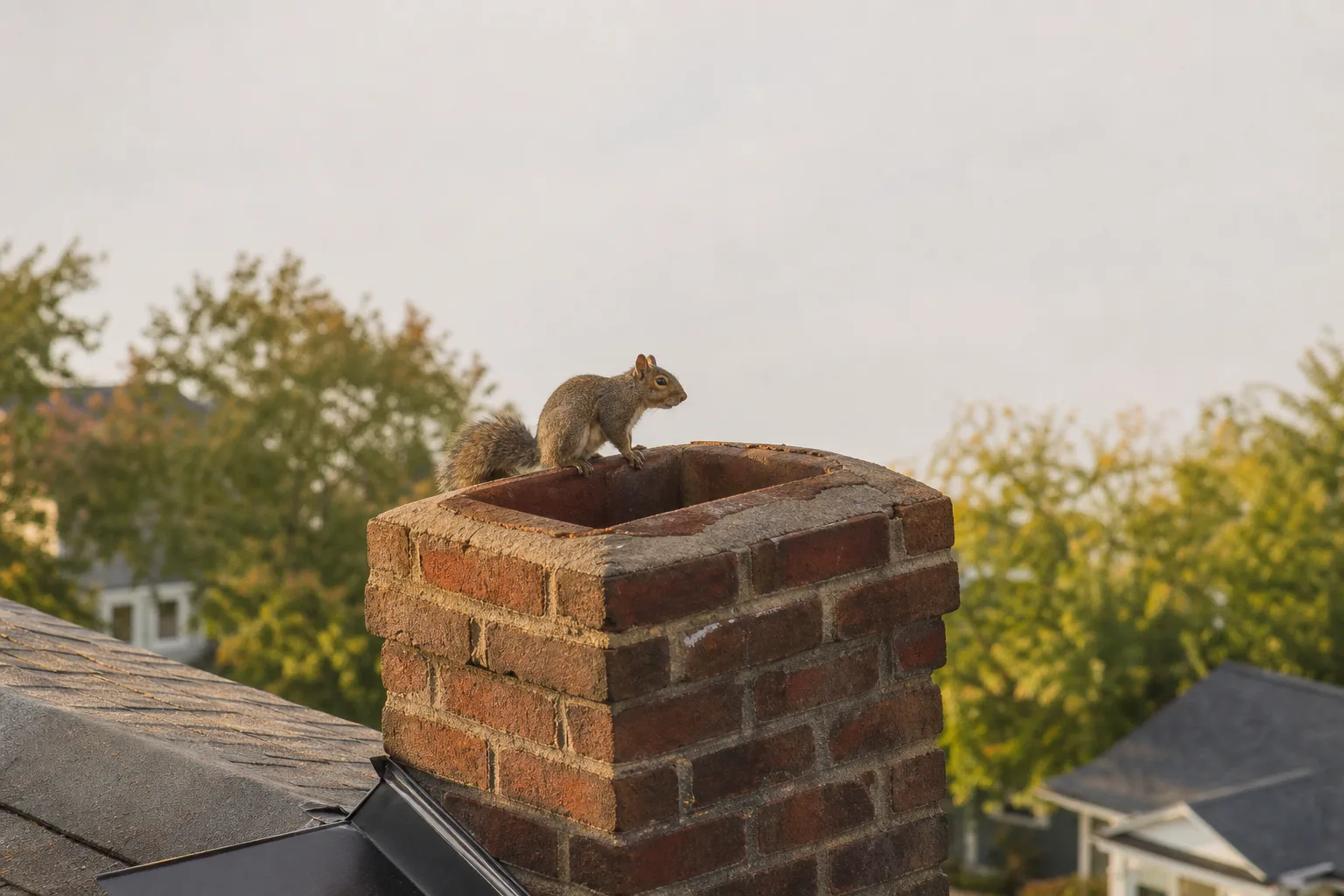
An animal in chimney flues is nearly always a raccoon, a squirrel or a bird, and the time of day tells you which. Raccoons are active at dusk and through the night, and a mother denning on the smoke shelf will defend it — that is a job for someone equipped rather than a torch and optimism. Squirrels scrabble during the day and often cannot climb back out of a smooth flue. Birds chatter and are frequently protected. All three end the same way: whatever is in there comes out, and a cap goes on so it does not happen again next spring.
What you have
The time of day tells you

Night scrabbling is a raccoon. Daytime scratching is usually a squirrel. Rhythmic chattering is birds, and those may be protected.
What to do right now
None of this fixes it. All of it stops the problem getting more expensive between now and the visit.
Do not light a fire. Nesting material above the firebox is dry tinder and there may be something alive in it.
Keep the damper closed so nothing gets into the room, and keep pets out of that room.
Listen at dusk and again at midday. When it is active is the most reliable identification you can make without a torch.
Do not try to smoke or flush it out. Illegal for protected species, cruel for any, and it leaves a carcass and a blockage.
If something has got into the room, open an exterior door, close the interior ones, and leave it a clear route out.
How an animal in chimney flues gets there
Ordered by how often it turns out to be the answer, so you can stop reading once you recognise yours.
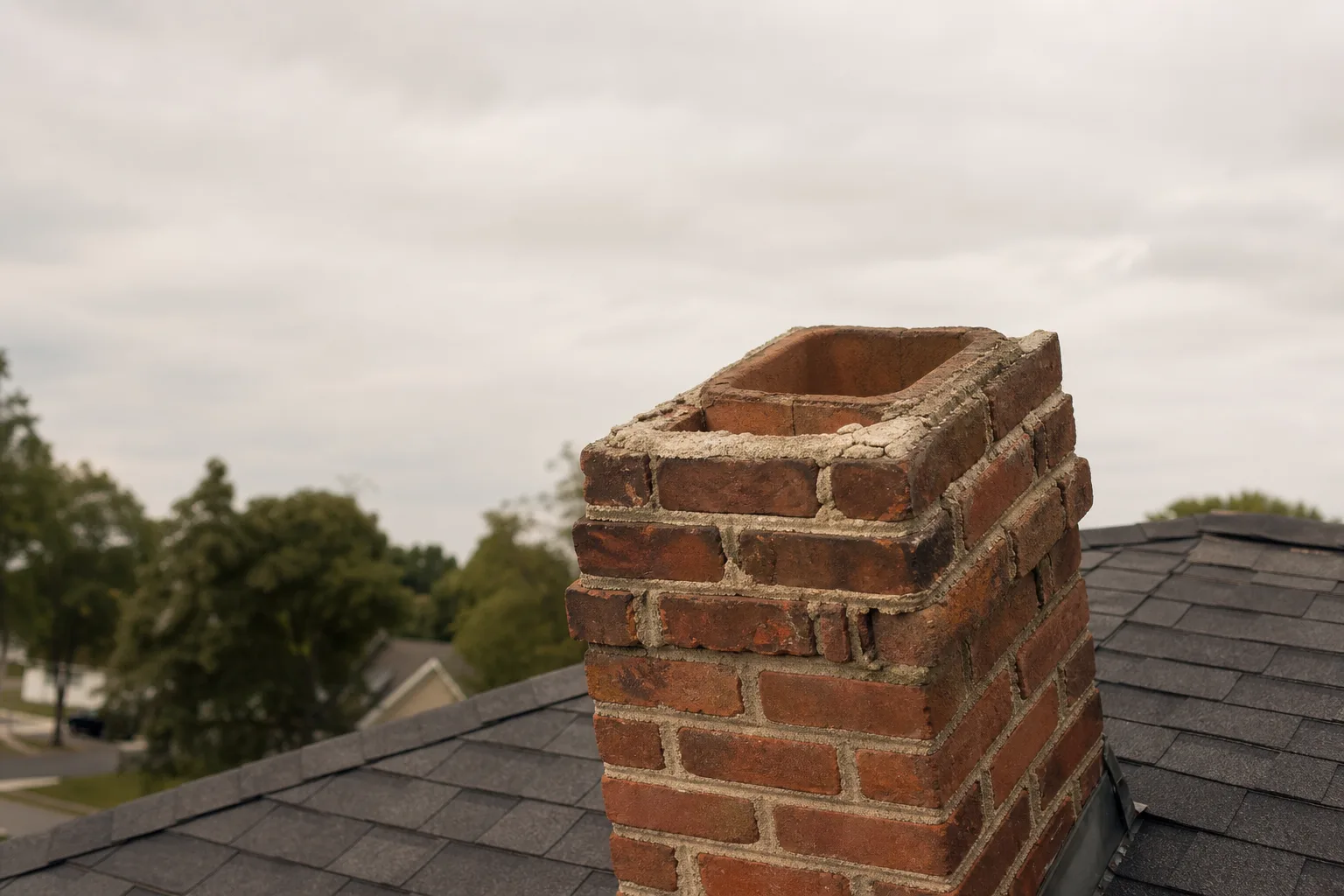
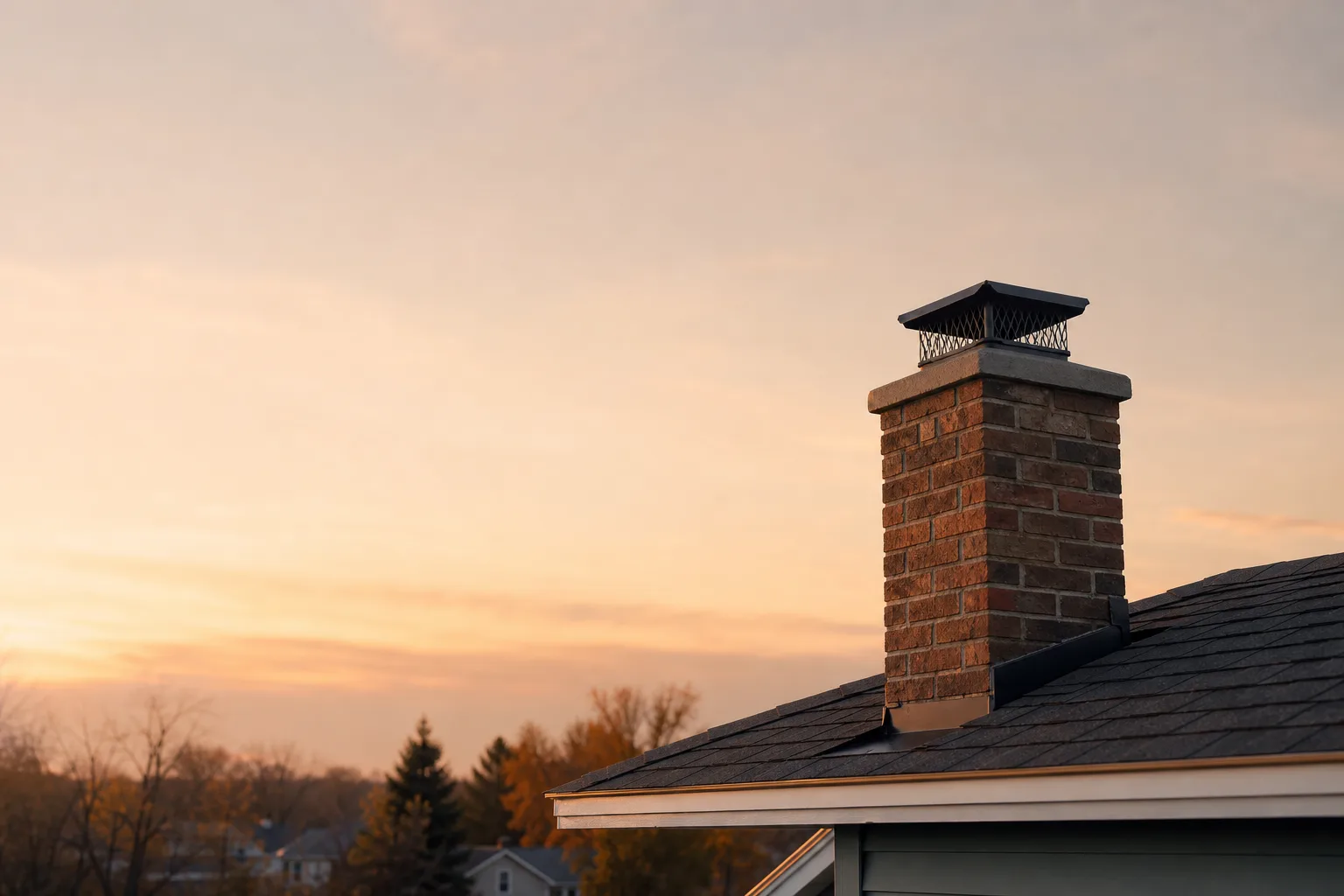
The flue has no cap
This is the cause rather than a contributing factor. An open flue is a sheltered vertical shaft that nothing else on a roof offers, and until it is capped this repeats.

A raccoon denning on the smoke shelf
The flat ledge behind the damper is a near-perfect den site — dry, dark and defensible. Usually a mother with young in spring, which is why removal takes care rather than force.
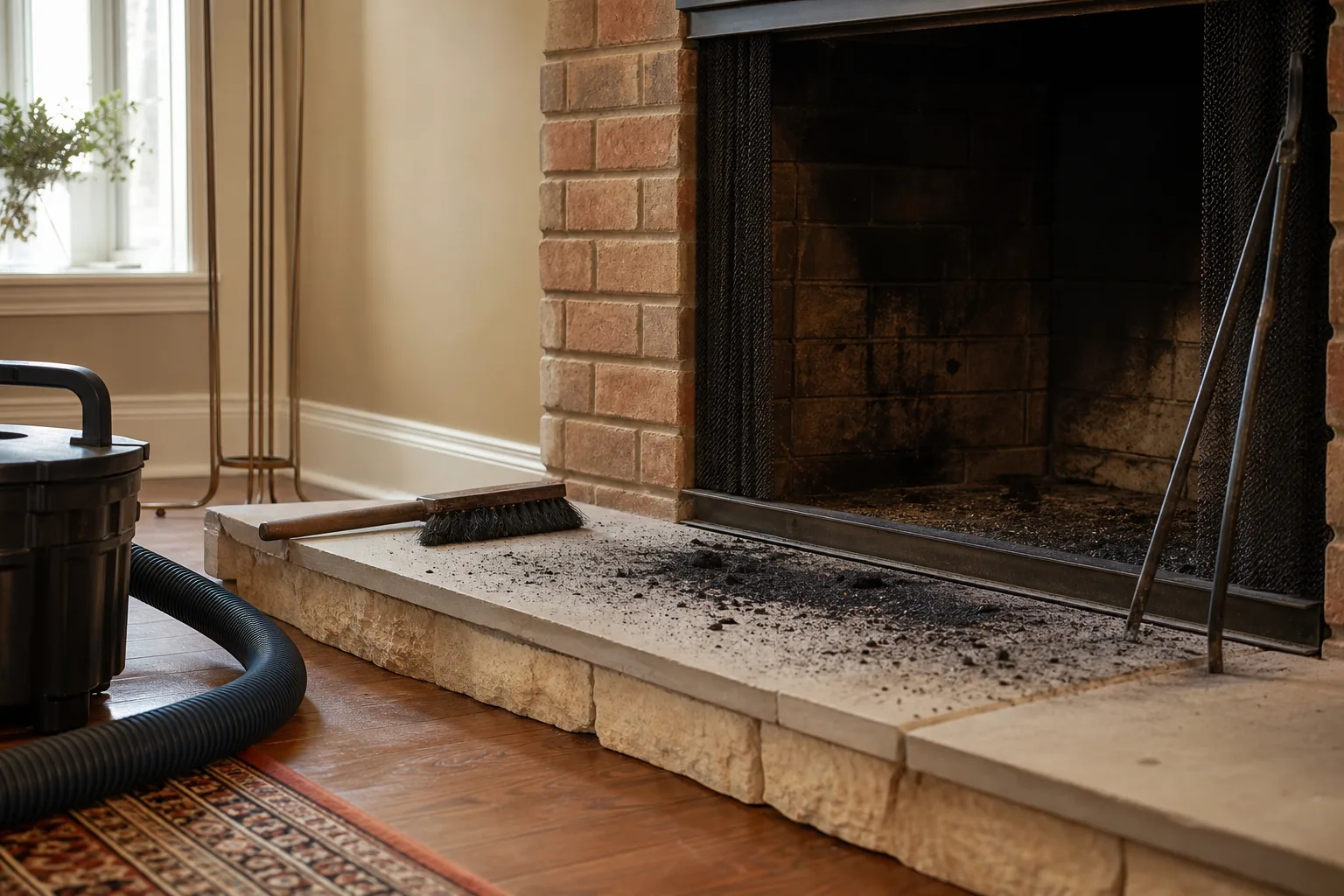
A squirrel that fell in and cannot climb out
Squirrels get in easily and cannot grip a smooth clay liner going back up. The scrabbling is an animal trying to escape rather than one settling in, and it does not resolve itself.
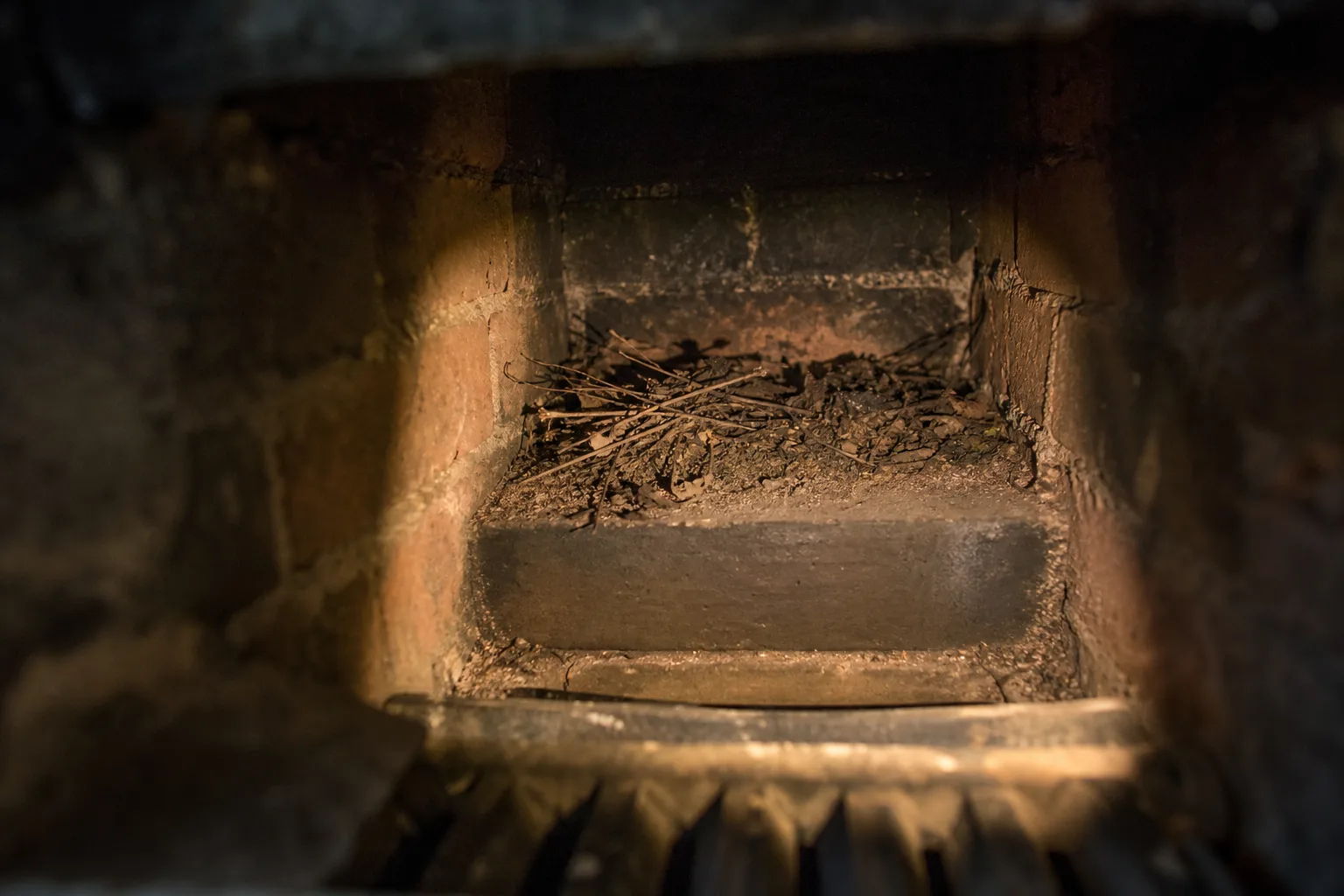
A cap with broken or missing mesh
From the ground a rusted cap looks like protection. From the air it is an open door. Worth checking before concluding there is no cap.
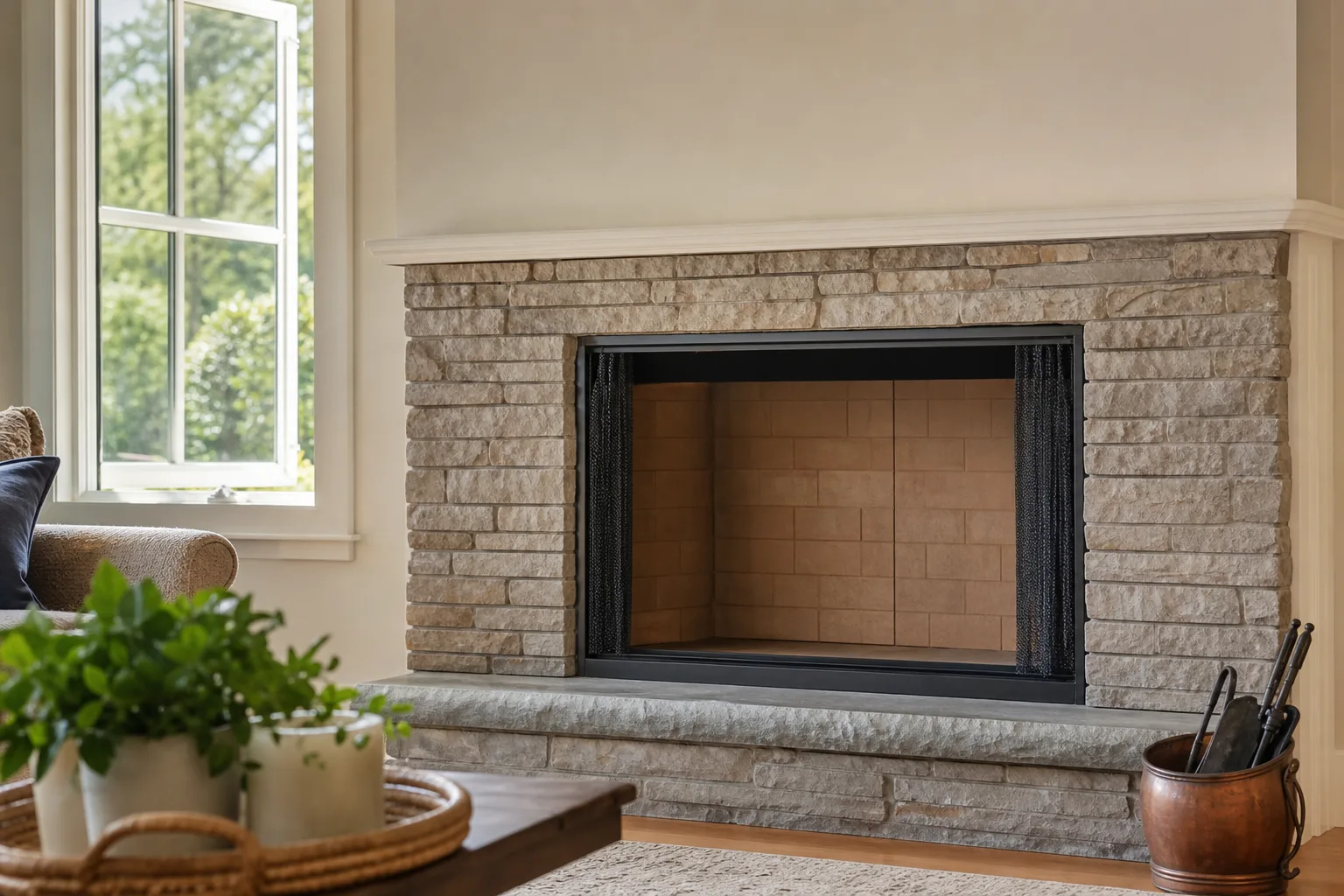
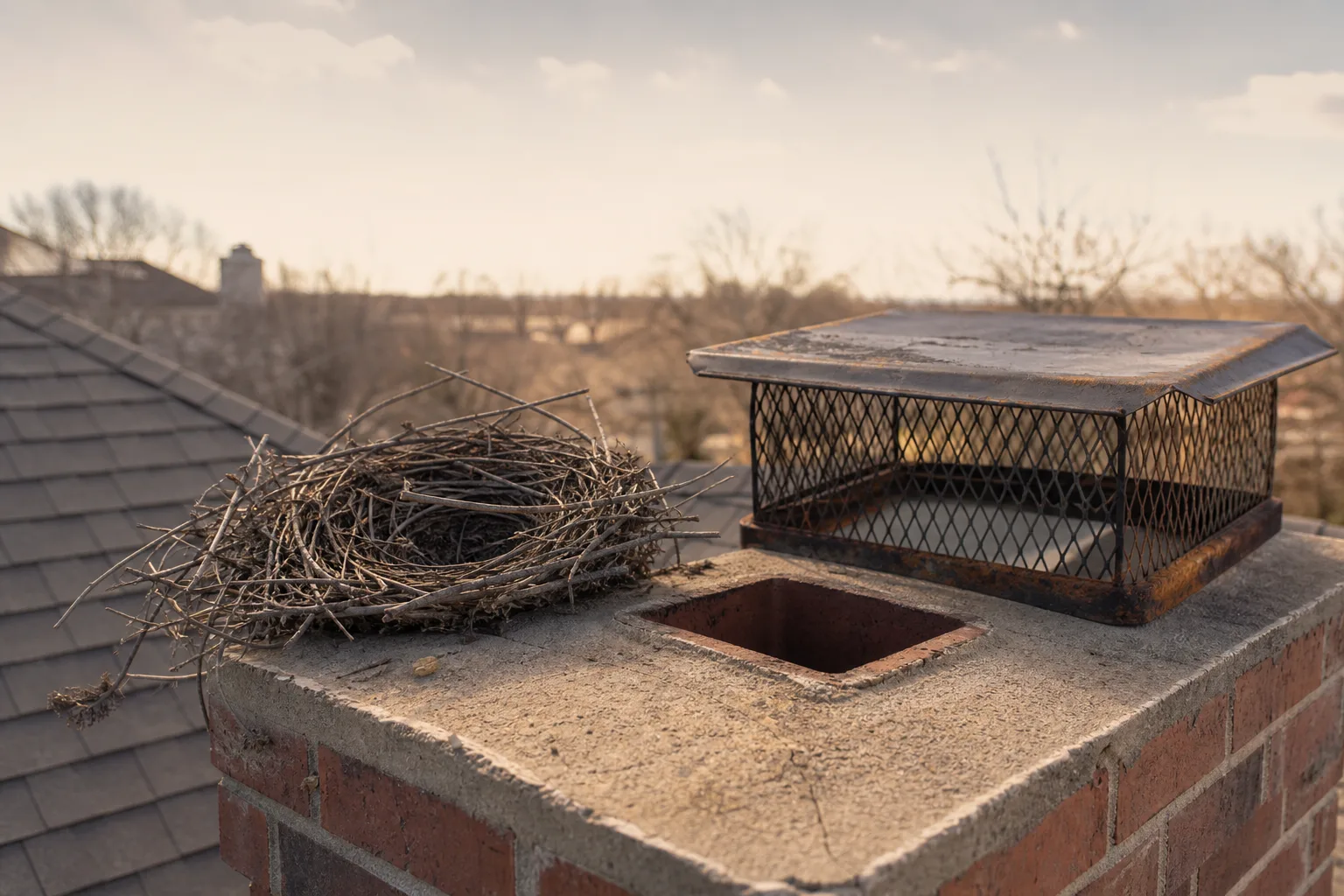
Last year's nest was cleared without capping
Removal without a cap is a visit you repeat every spring. The clearing is the easy half; the cap is the half that lasts.
Checks you can make yourself
When is the noise loudest — night or midday?
Night and dusk is a raccoon. Daytime is usually a squirrel or birds.
Is it scrabbling and frantic, or settled and rhythmic?
Frantic means trapped and needs help today. Rhythmic usually means a nest.
Is there a strong sharp smell rather than a smoky one?
Droppings, or something that did not get out. Different job, and worth saying when you call.
Is there debris dropping into the firebox?
There is nesting material above. That is a blockage and a fire risk whether or not anything is living in it.
Can you see a cap on the flue from the ground?
If not, that is why, and capping is the part that stops it recurring.
The repair each cause needs

Chimney Animal Removal
Live removal, nest clearance, and the legal position if it turns out to be birds.

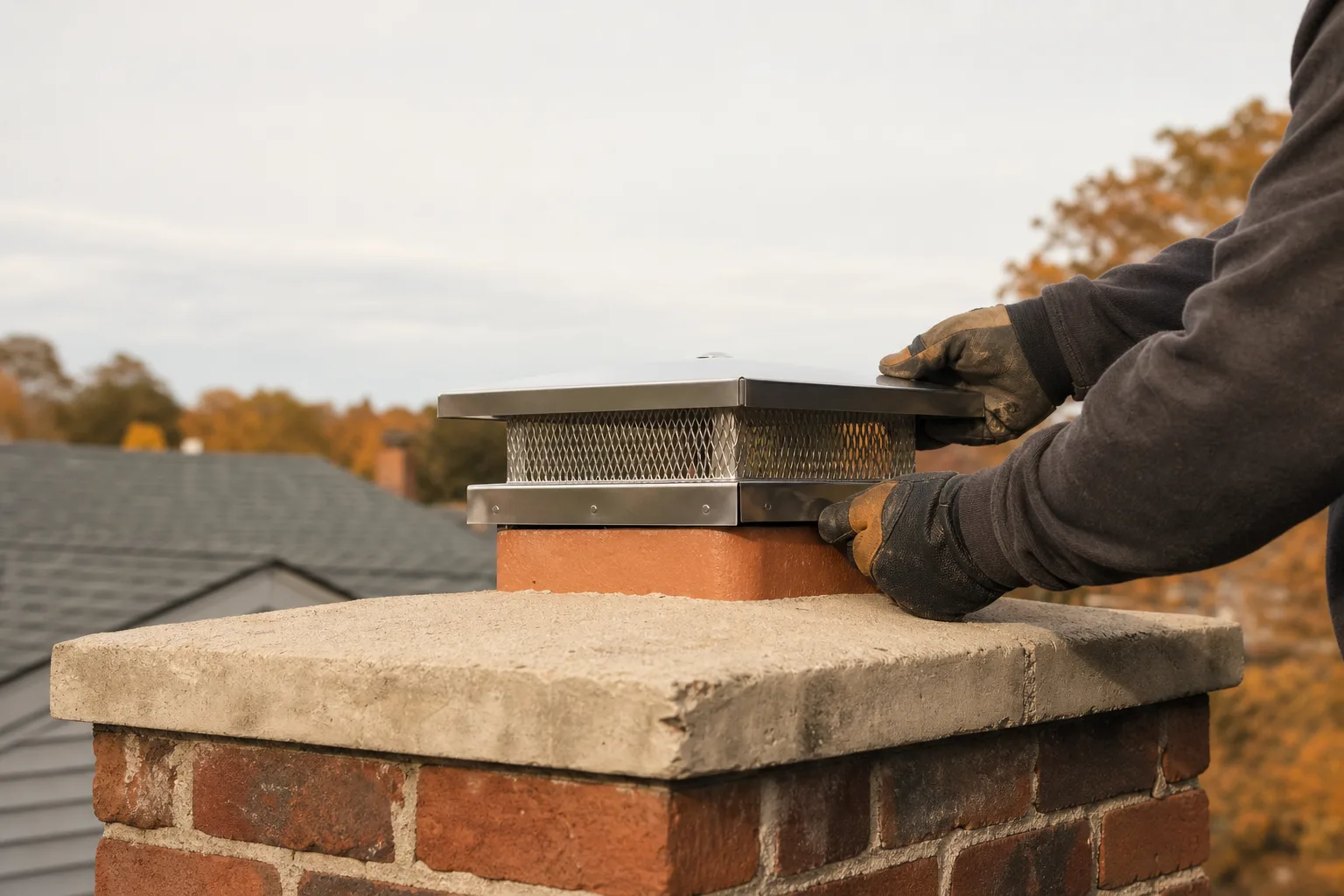
Chimney Cap Installation
The part that makes it permanent. Fitted the same visit wherever possible.

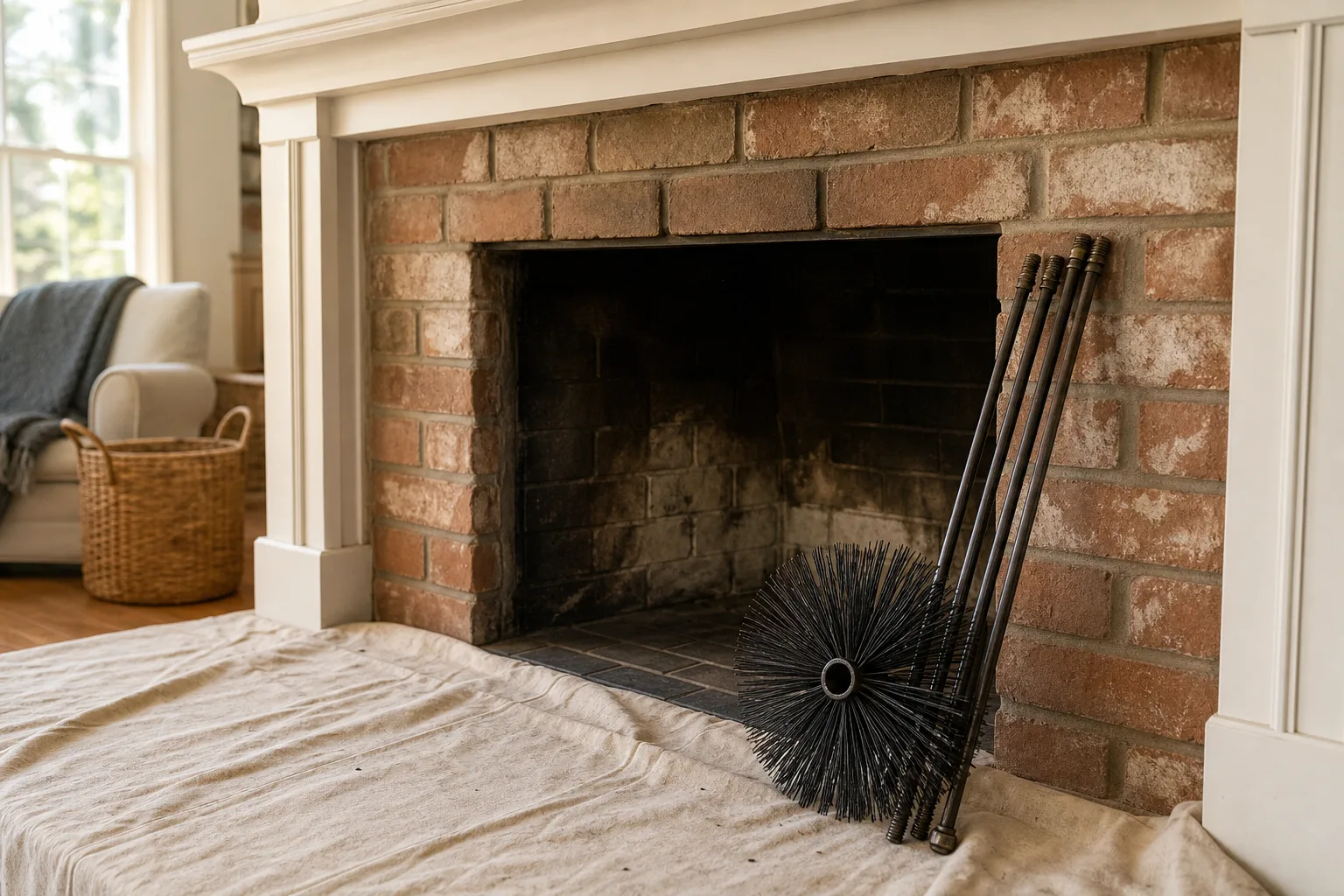
Chimney Sweep
After removal, to clear the smoke shelf and scan the flue.

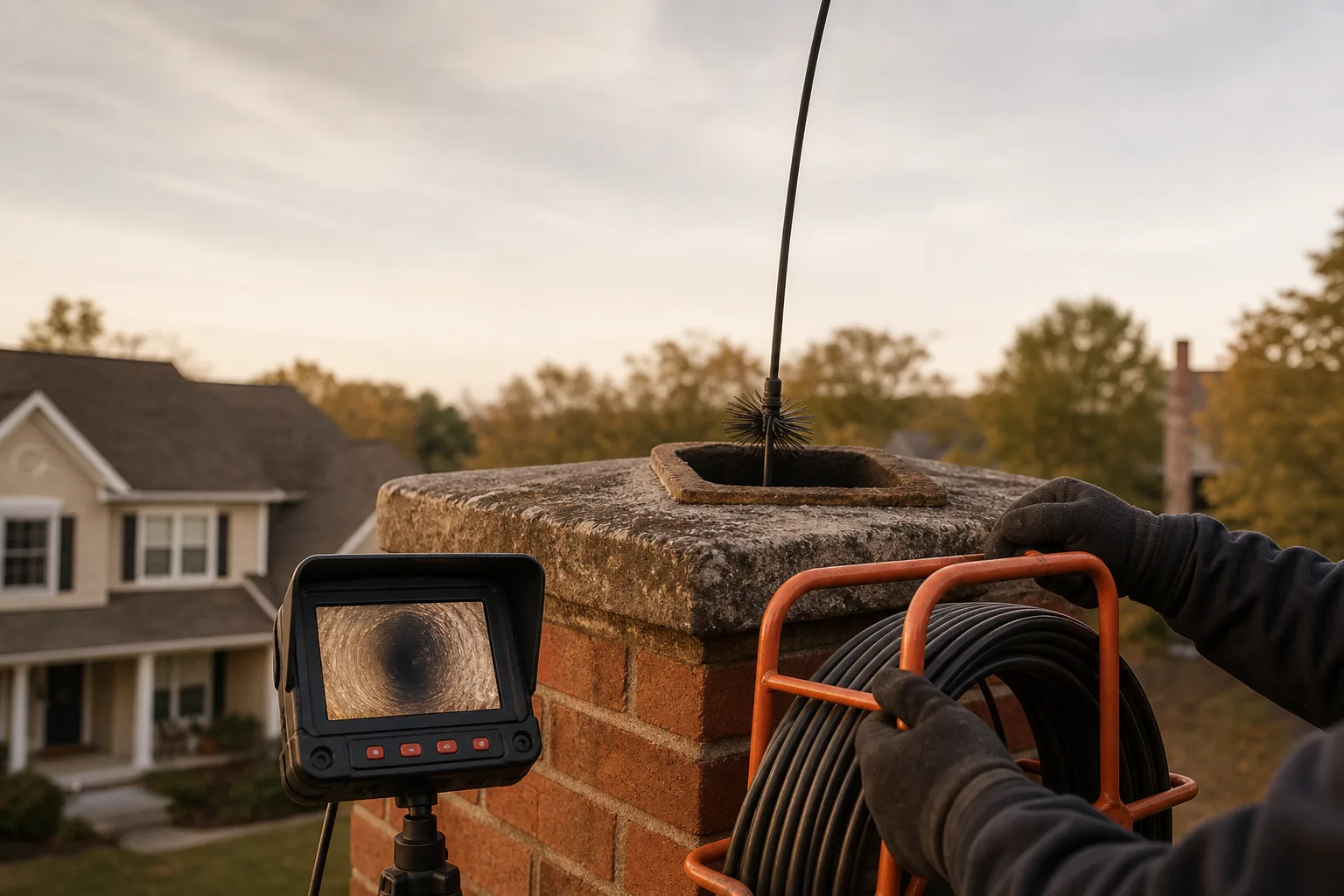
Chimney Inspection
To confirm the flue is clear before the first fire of the season.

The VIO Standard
- A written estimate first
- License and insurance checked
- Nothing starts without your OK
Common questions
How do I know what animal is in my chimney?
Timing does most of the work. Raccoons are active at dusk and through the night and make a heavy, deliberate scrabbling. Squirrels are daytime, lighter and faster, and often frantic because they cannot climb back out. Birds chatter, and a rhythmic mechanical rattle that rises when you open the damper is chimney swifts. A torch up past the damper settles it most of the time, and knowing before you call means the right person turns up.
Can I get an animal out of my chimney myself?
Sometimes, and one case is worth knowing: a squirrel above the damper will often climb a heavy rope lowered down the flue and left overnight, which gives it the grip a smooth liner does not. What you should not do is open the damper and hope, or attempt anything with a raccoon — a cornered one in a confined space is a genuine hazard, and a mother with young will not leave. Birds may be protected, which makes it a legal question as well as a practical one.
Why can't I just smoke it out?
Because it does not work and it makes things worse. Animals in a flue usually cannot get down past the damper or climb up a smooth liner, so a fire underneath kills them where they are — leaving a carcass, a smell that lasts months, and a blocked flue. With a protected species it is also illegal. And nesting material above a lit firebox is exactly how chimney fires start.
How much does animal removal from a chimney cost?
Clearing an abandoned nest and fitting a cap is a modest half-day visit. Live removal of a raccoon or squirrel costs more because it takes longer, needs the right equipment and sometimes a licensed wildlife operator. What you should not accept is a quote for removal with no cap — the flue that attracted them has not changed, and you will be booking this again.
How do I stop animals getting into the chimney again?
A stainless cap with mesh sides, fitted properly. That is the entire answer. The mesh keeps birds and squirrels out while letting the flue draw normally, and a good stainless cap outlasts several generations of whatever would otherwise move in. If you take one thing from this page: the removal is temporary and the cap is the fix.
you don't have to know what's wrong.
Safe to use for now, and it gets more expensive every month you leave it. Describe what you are seeing and a local pro works out the rest. You get the price in writing before anyone starts, and you can say no.

The people behind every visit
Founded by Ryan Carter in 2019. Every page you read here is reviewed by Ethan Miller, our chimney specialist. A written estimate before any work, and the findings in writing whether or not anything needs doing.
More about who we are →