Chimney safety

What is the best wood to burn in a fireplace?

Dry matters more than species. A seasoned softwood beats a green oak, and four things should never go in at all.

5.0/5
8 verified reviews
Ethan MillerEthan Miller · Chimney specialist, VIO CHIMNEYLast reviewed July 20264 min read
Routine

Annoying rather than dangerous. Worth fixing, not worth worrying about tonight.

The short answer

Dry beats species every time. Green oak is worse than seasoned pine, whatever you have been told.

The best wood to burn in a fireplace is dense hardwood - oak, ash, maple, beech, hickory - split and seasoned to under 20 percent moisture. But the ranking people argue about matters far less than the dryness, because water in the log takes energy to boil off, which cools the burn, which condenses the smoke into creosote on your flue wall. A seasoned softwood burns cleaner than a green hardwood. And four things should never go in at all, for reasons that have nothing to do with heat output.

The one rule

Dry, then dense

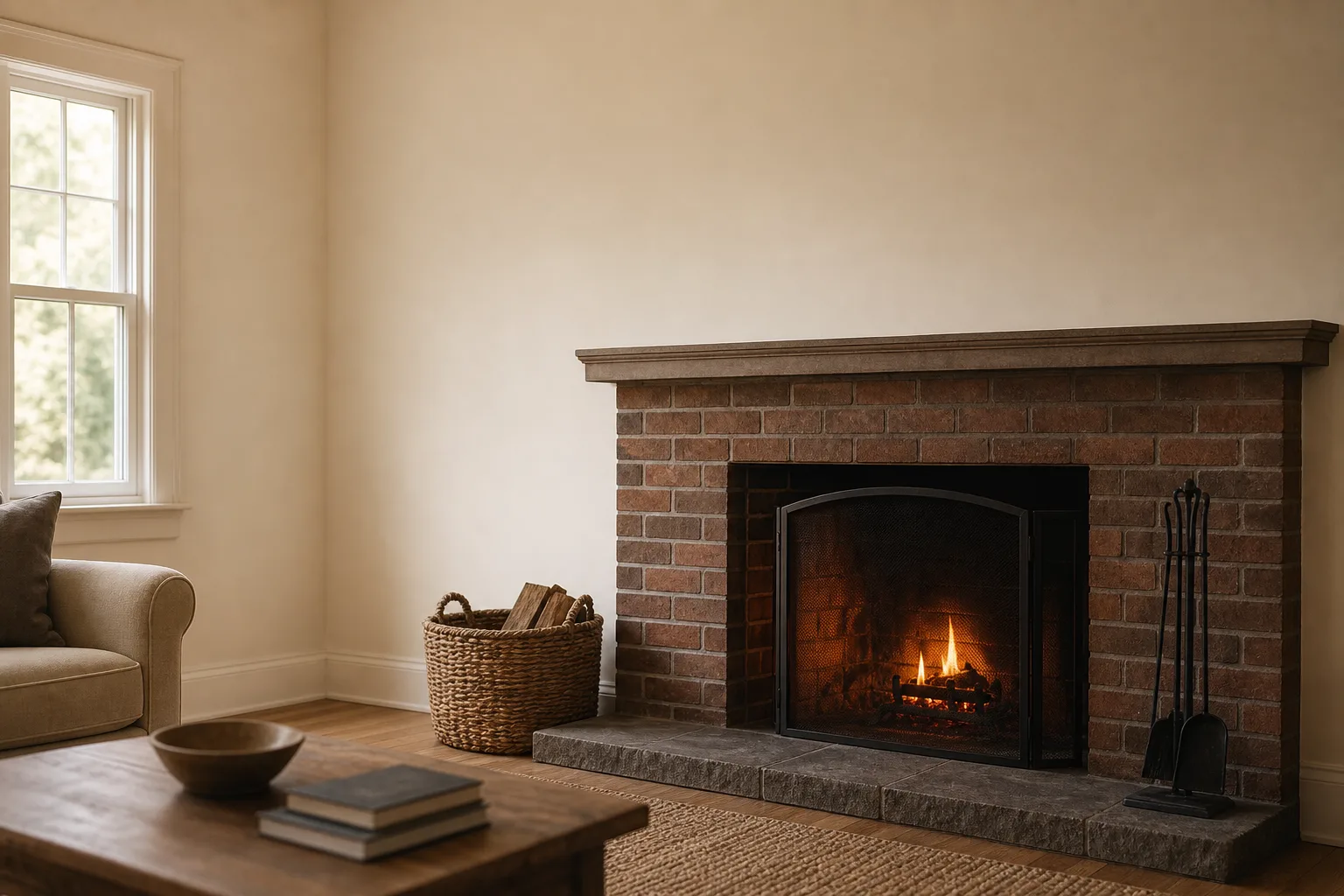
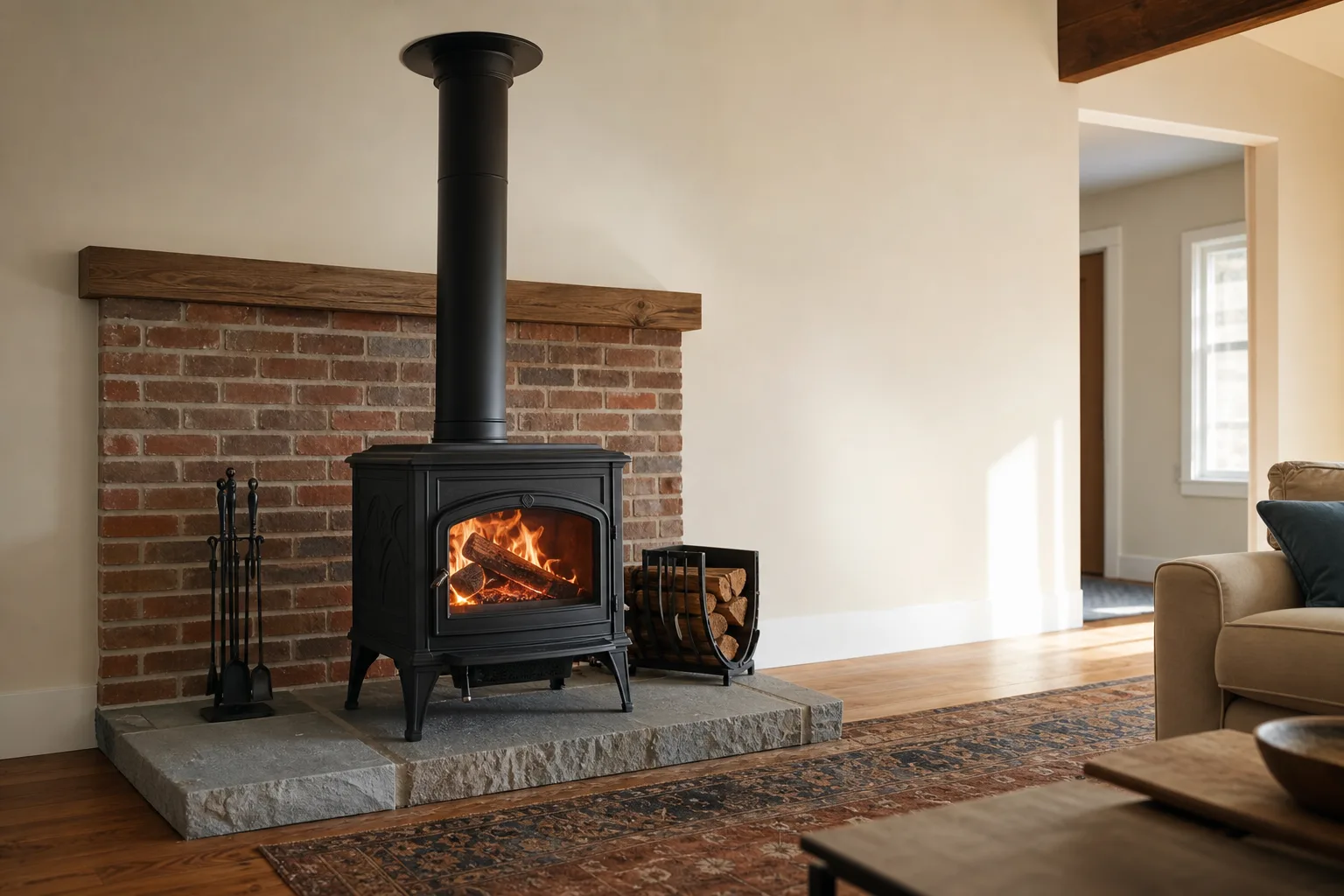
Small evening fire burning low behind a screen in a brick hearth

Six to twelve months split and covered. Species is the argument people have; moisture is the thing that decides.

Before we get there

What to do right now

None of this fixes it. All of it stops the problem getting more expensive between now and the visit.

  1. Knock two split logs together. Seasoned wood gives a sharp crack; green wood gives a dull thud.

  2. Look at the ends. Seasoned wood has checking - radial cracks from the centre out. Green wood is smooth.

  3. Buy a moisture meter if you burn regularly. Under 20 percent on a freshly split face is the target.

  4. Stack it split, off the ground, covered on top and open at the sides. Wood dries from the ends and the split face.

  5. Never burn painted, treated or manufactured board. That is a health question, not a heat one.

What actually matters

Choosing the best wood to burn in a fireplace

What to do, why it matters, and the part people most often get wrong.

Small evening fire burning low behind a screen in a brick hearth

Dryness first, species second

Under 20 percent moisture. Above that, energy goes into boiling water instead of heating the room, the flue runs cool, and the smoke condenses as creosote. This one factor outweighs every species argument.

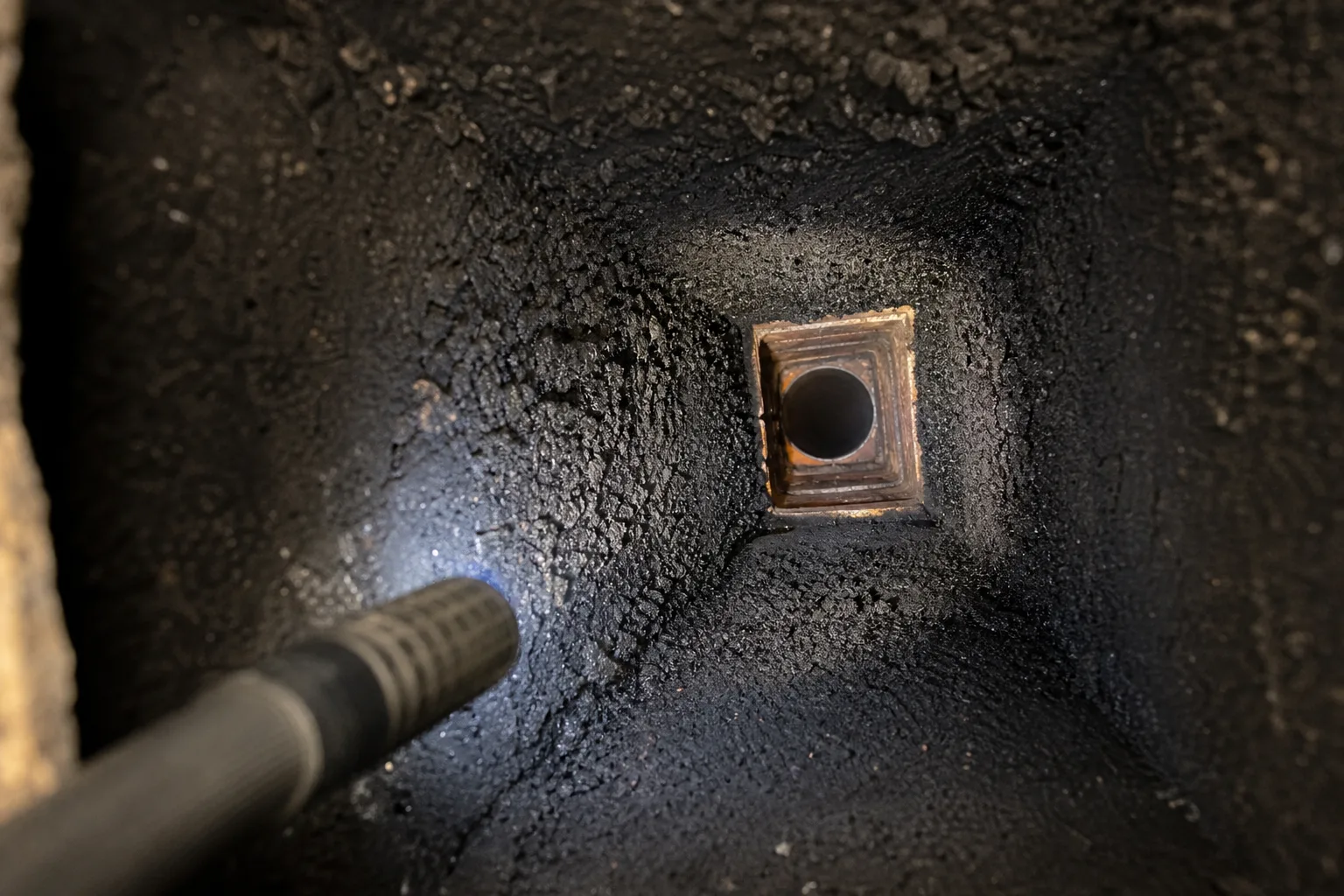
Torchlit view up a chimney flue coated in black flaky creosote

Dense hardwoods burn longest

Oak, ash, beech, hickory, maple. More energy per log and a longer burn, which is why they are worth the extra cost if you burn often. Oak needs the longest seasoning - up to two years.

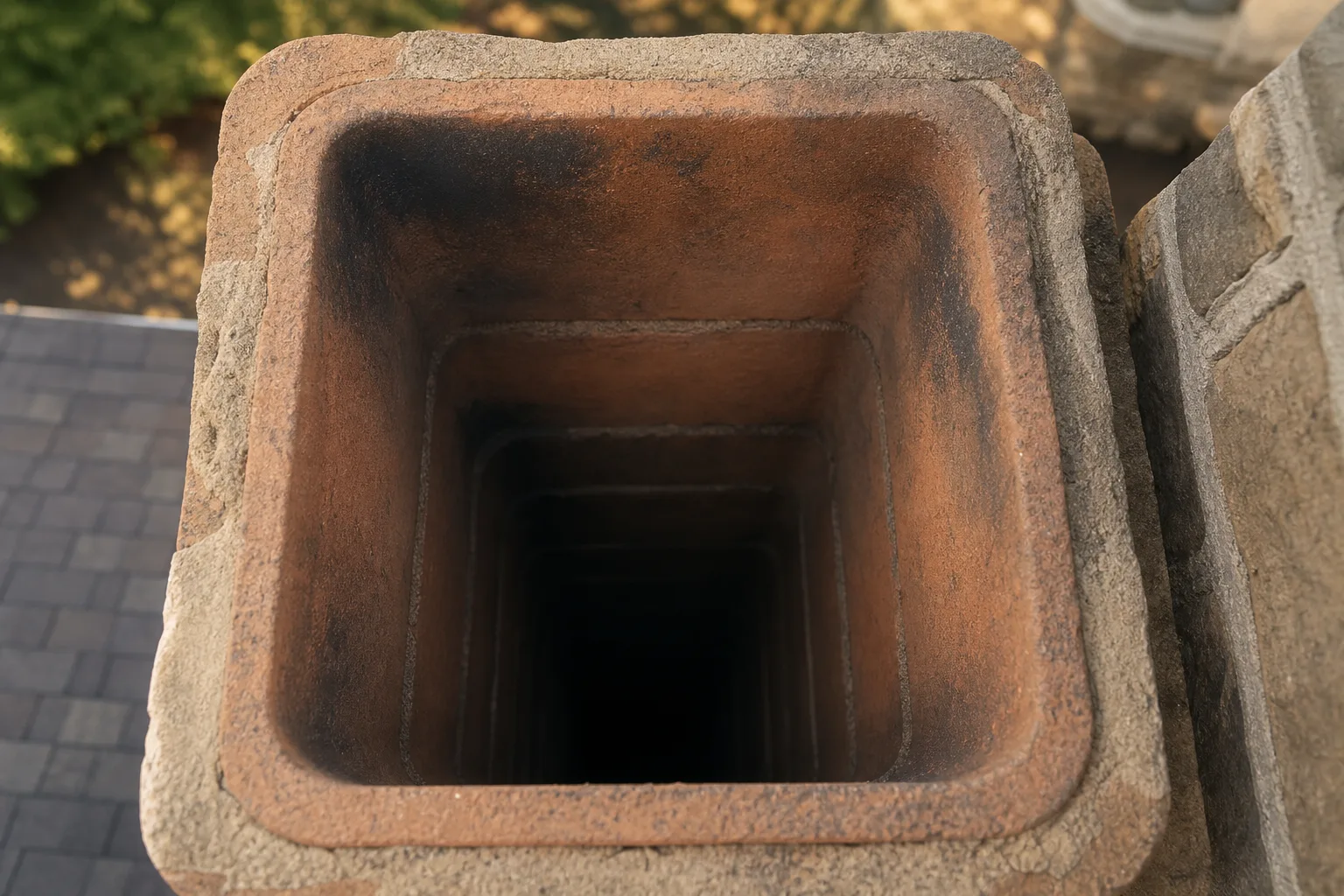
Looking straight down a clay-tile chimney flue at sooty liner joints

Softwood is fine if it is dry

Pine and fir light easily and burn hot and fast, which makes them good kindling and fine for a short evening fire. The objection to them is resin and speed, not danger - a dry softwood fire beats a wet hardwood one on every measure.

Unused fireplace in a sunlit summer living room with the window open

Never burn treated or painted wood

Pressure-treated timber, painted board, plywood, MDF and pallets. They release compounds you do not want in the room and deposits you do not want in the flue. This is the one rule with no exceptions.

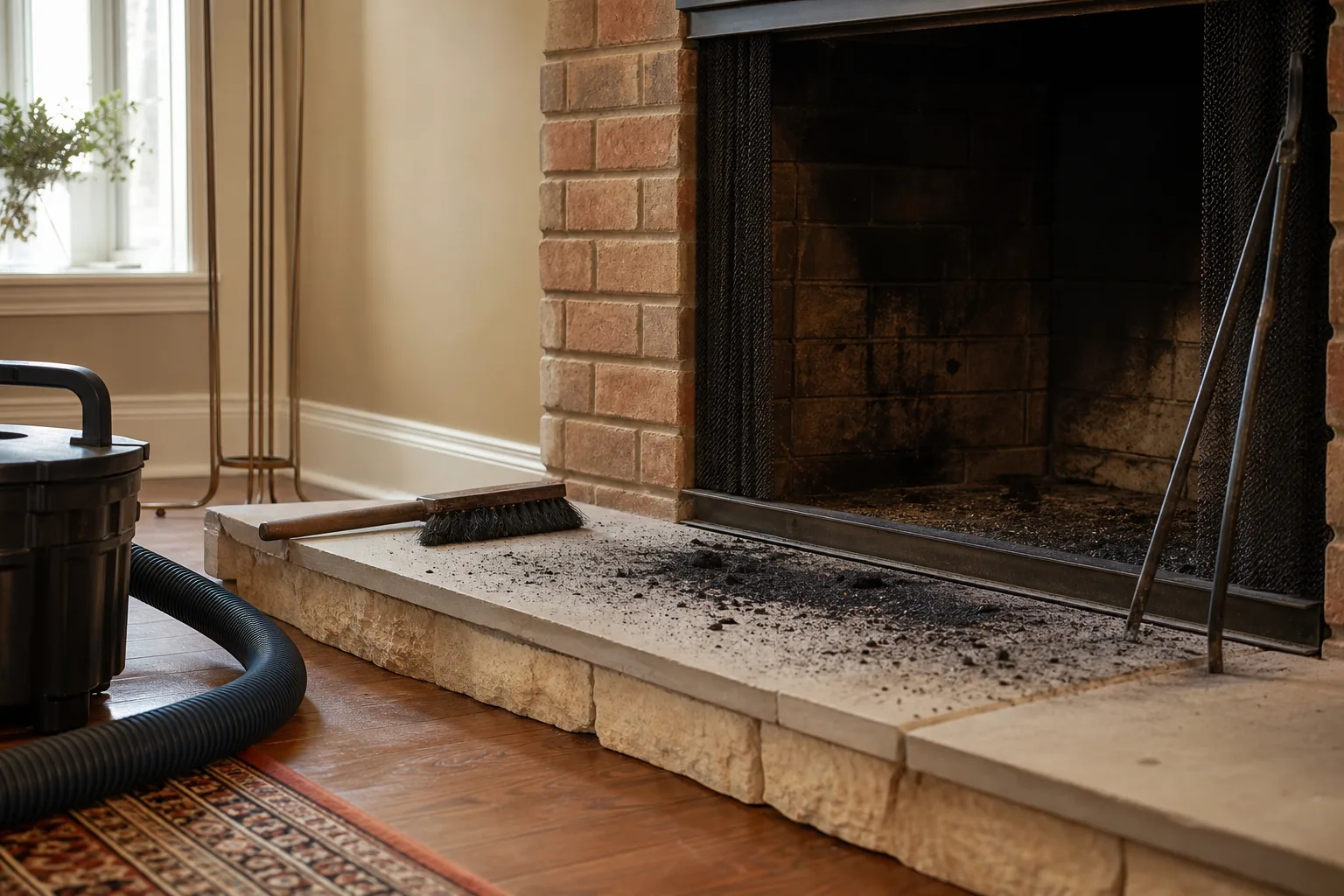
Loose black soot fallen onto the hearth in front of a fireplace opening

Never burn driftwood

Salt in the wood releases chlorine compounds when burned, which corrode a metal liner and a stove quickly. It smells appealing and it is expensive.

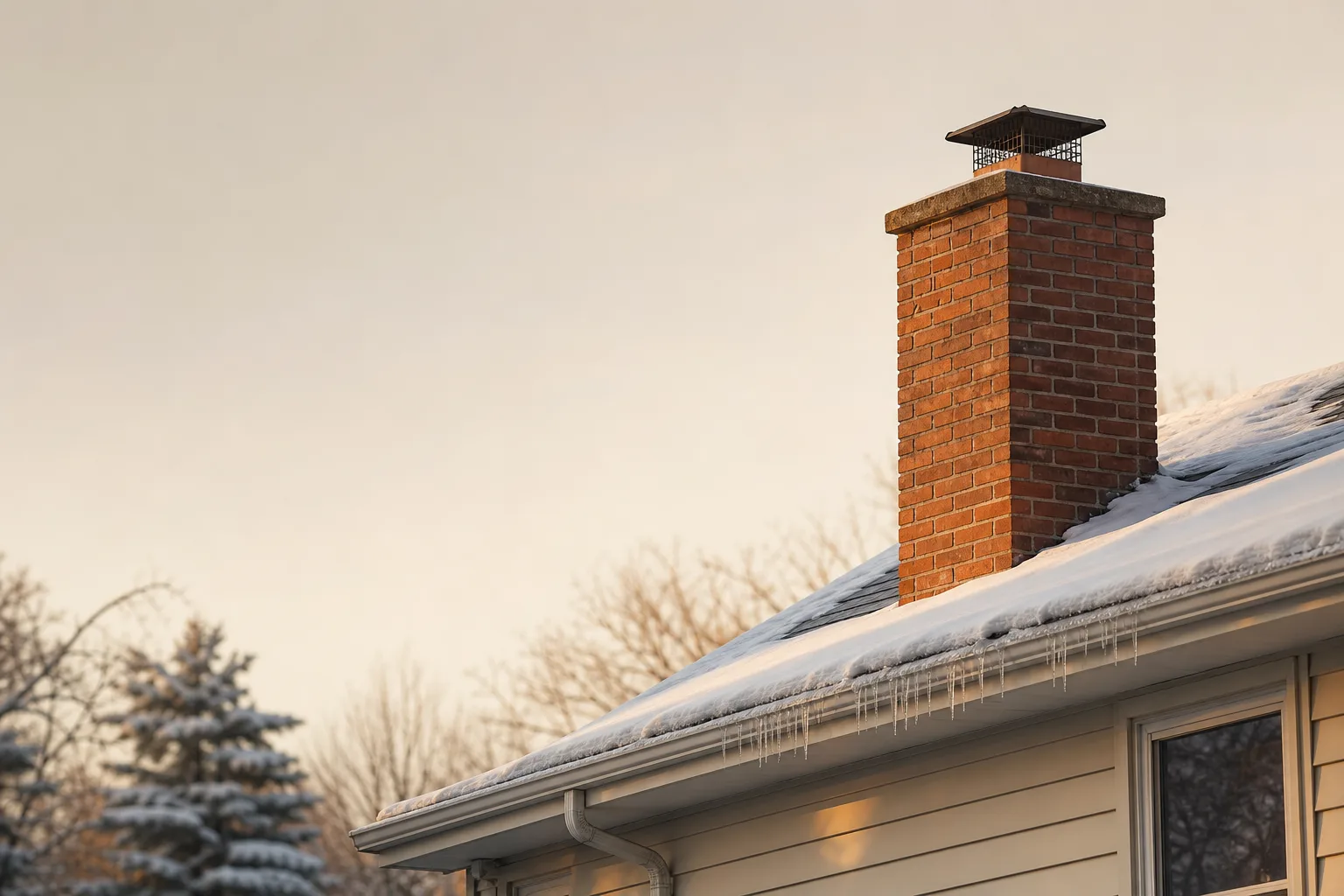
Brick chimney rising from a snow-covered rooftop with icicles along the gutter

Season it properly and it pays for itself

Split, off the ground, covered on top, open at the sides, six to twelve months for most species. Wet wood costs you in heat, in creosote, and in the sweep it brings forward.

Check it yourself

Checks you can make right now

  • Do two logs crack sharply or thud when knocked together?

    A sharp crack means seasoned. A dull thud means there is still water in it.

  • Are there radial cracks in the cut ends?

    Checking is a reliable sign of seasoning. Smooth ends usually mean green.

  • Is the bark loose or tight?

    Loose, easily peeled bark is a seasoning sign. Tight bark suggests it is still wet.

  • Does it hiss or bubble at the ends when burning?

    That is water boiling out. The fire is drying the log instead of heating the room.

  • Does the glass or firebox blacken quickly?

    Fast sooting points at wet wood or a starved burn, and both build creosote.

Capped brick chimney silhouetted against a soft dusk sky above a tidy residential rooftop

The VIO Standard

  • A written estimate first
  • License and insurance checked
  • Nothing starts without your OK

Common questions

Is oak the best wood to burn in a fireplace?

It is among the best once it is dry, and it is also the slowest to get there - oak often needs eighteen months to two years split and covered, against six to nine for ash or maple. Green oak is genuinely worse than seasoned softwood. So oak is the best answer for somebody planning a year ahead and the wrong answer for somebody buying wood in November.

How can you tell if firewood is seasoned?

Four checks, none of which need equipment. Knock two splits together - seasoned gives a sharp crack, green gives a thud. Look at the cut ends for radial checking. Try the bark, which loosens as wood dries. And listen when it burns: hissing and bubbling at the ends is water boiling out. A moisture meter on a freshly split face settles it properly, and under 20 percent is the target.

Can you burn pine in a fireplace?

Yes, if it is dry. The folklore that pine causes chimney fires confuses two things: pine is resinous and it is usually burned green because it seasons fast enough to tempt people. Dry pine burns hot and clean and makes excellent kindling. What builds creosote is wet wood and starved fires, and a seasoned softwood beats a wet hardwood on that measure comfortably.

What wood should never be burned in a fireplace?

Pressure-treated or painted timber, plywood, MDF and pallets, all of which release compounds you should not breathe. Driftwood, because the salt produces chlorine compounds that corrode liners and stoves. Anything with mould or rot, which is unpleasant and low-energy. And in a fireplace rather than a stove, avoid heavy resinous softwood as a main fuel - not for safety, just because it burns through faster than it is worth.

Does burning wet wood really cause chimney fires?

Not directly - it causes the deposits that cause them. Water in the log absorbs energy that would otherwise heat the flue, so gases leave cooler, condense on the walls and build creosote much faster. The fire risk arrives later, when there is enough of that creosote to catch. So wet wood does not start a chimney fire this evening; it is how the fuel for one gets there over a season.

Stop using it and get it checked.

Annoying rather than dangerous. Worth fixing, not worth worrying about tonight. Describe what happened and a local pro will tell you whether it can wait. Nothing gets done to the chimney until you have the price in writing.

Ethan Miller and Ryan Carter of VIO CHIMNEY beside a branded service truck
Who we are

The people behind every visit

Founded by Ryan Carter in 2019. Every page you read here is reviewed by Ethan Miller, our chimney specialist. A written estimate before any work, and the findings in writing whether or not anything needs doing.

More about who we are →
(513) 655-6702Get my estimate