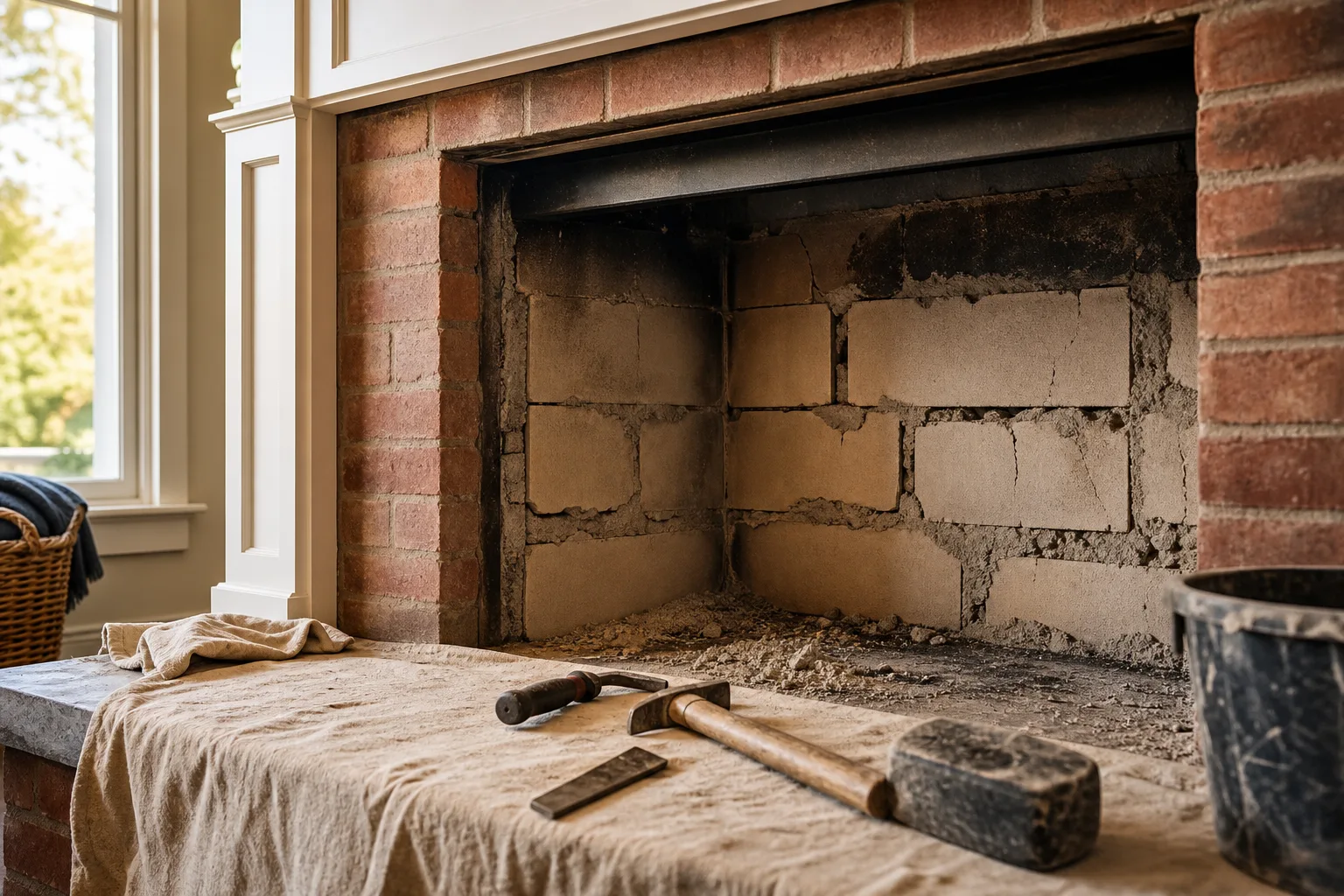




Chimney service

Wood Stove Installation

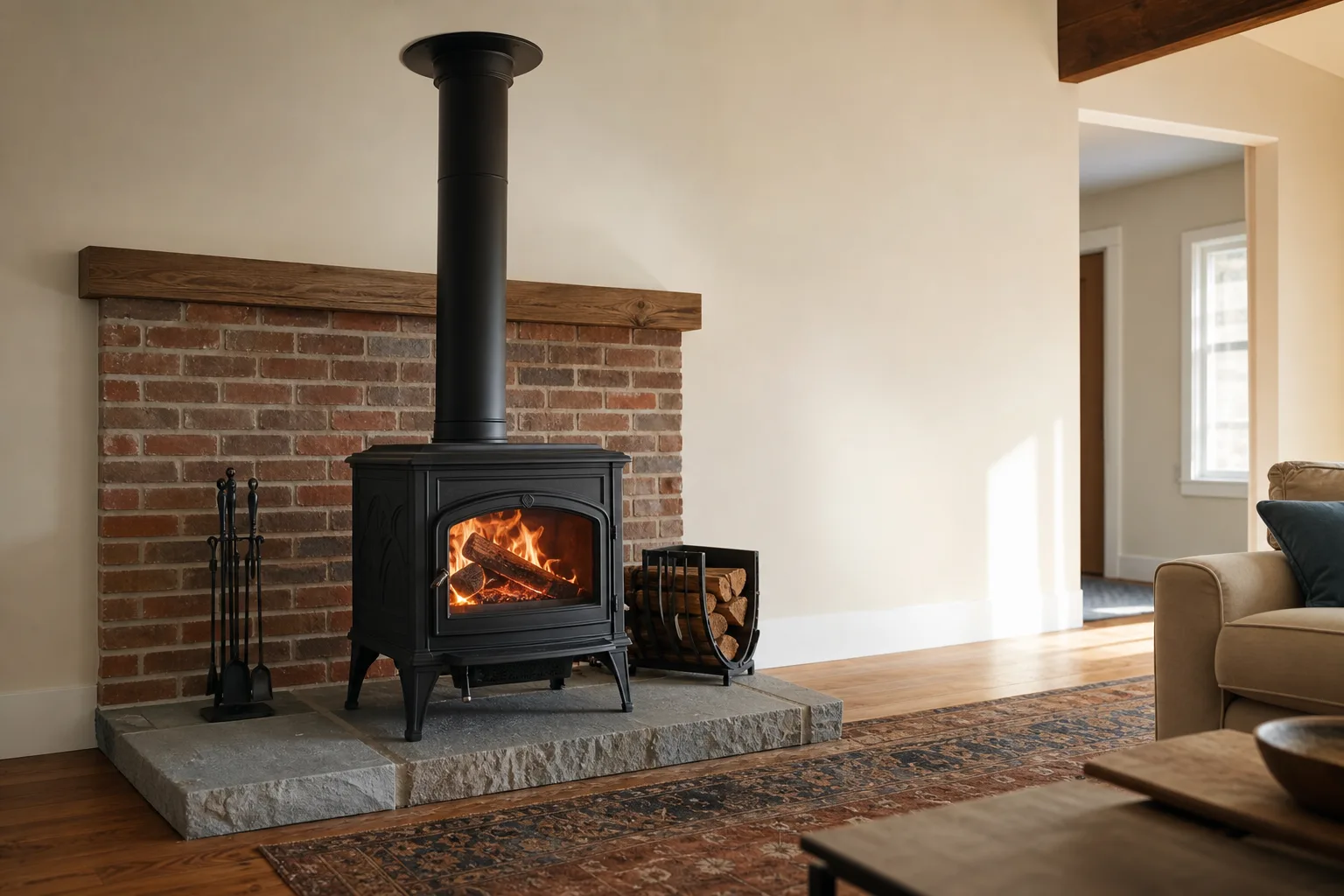
Stove, hearth pad, liner and clearances, installed to the listing. The two things that decide whether it is safe and whether it draws.

5.0/5
8 verified reviews
Ethan MillerEthan Miller · Chimney specialist, VIO CHIMNEYLast reviewed July 20265 min read
The short answer

The stove is the cheap part. The liner and the clearances are the install.

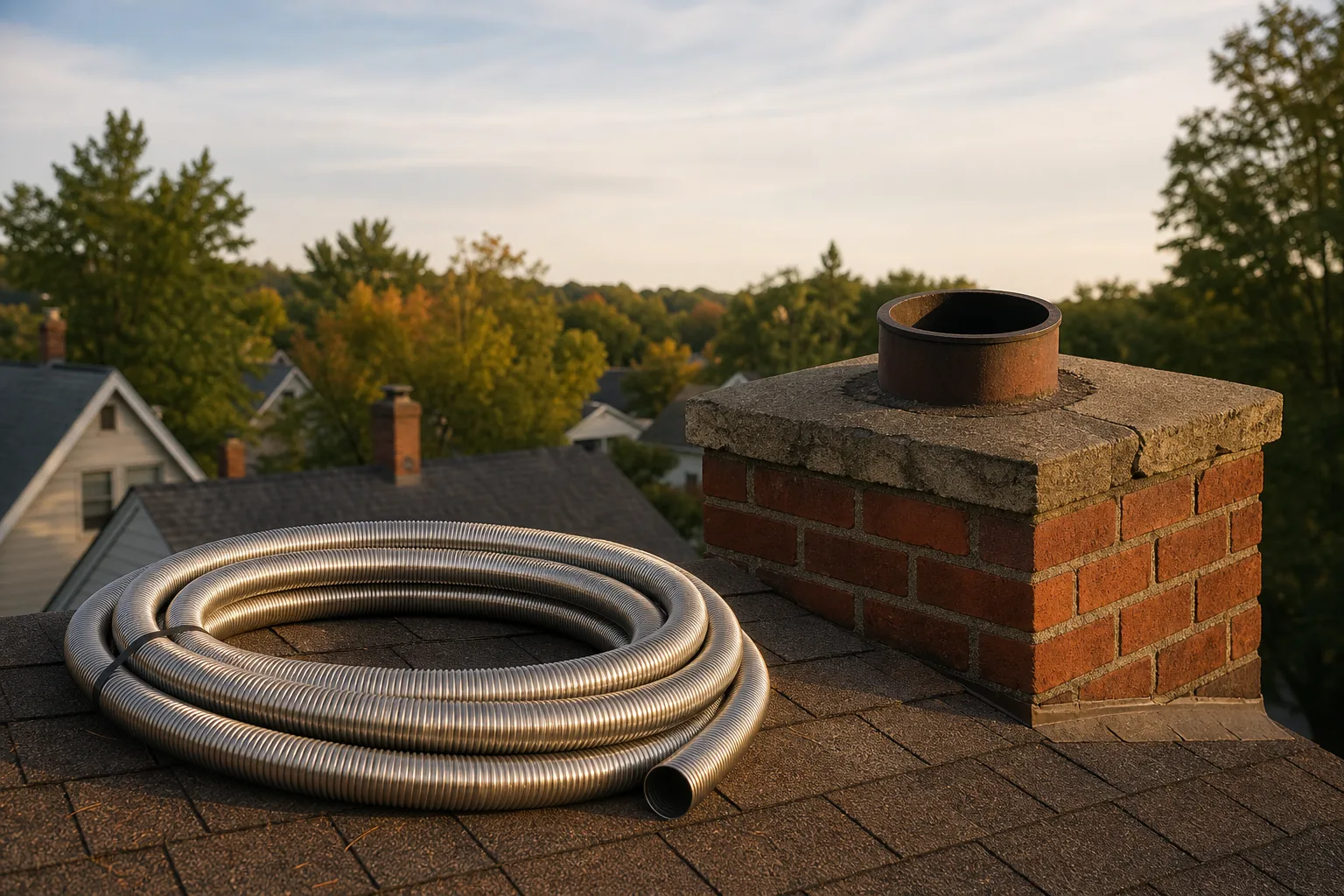
Two things decide whether a wood stove installation is any good, and neither is the stove. Clearances: every appliance is listed with minimum distances to combustible walls and floors, and going inside them is what scorches plaster, voids the listing and gives an insurer a reason to decline. And the liner: a modern stove vents at a lower temperature into a flue built for an open fire, so an oversized old flue runs cool, condenses and packs creosote fast. A correctly sized stainless liner is not an upsell on this job, it is most of it.

The mistake that shows

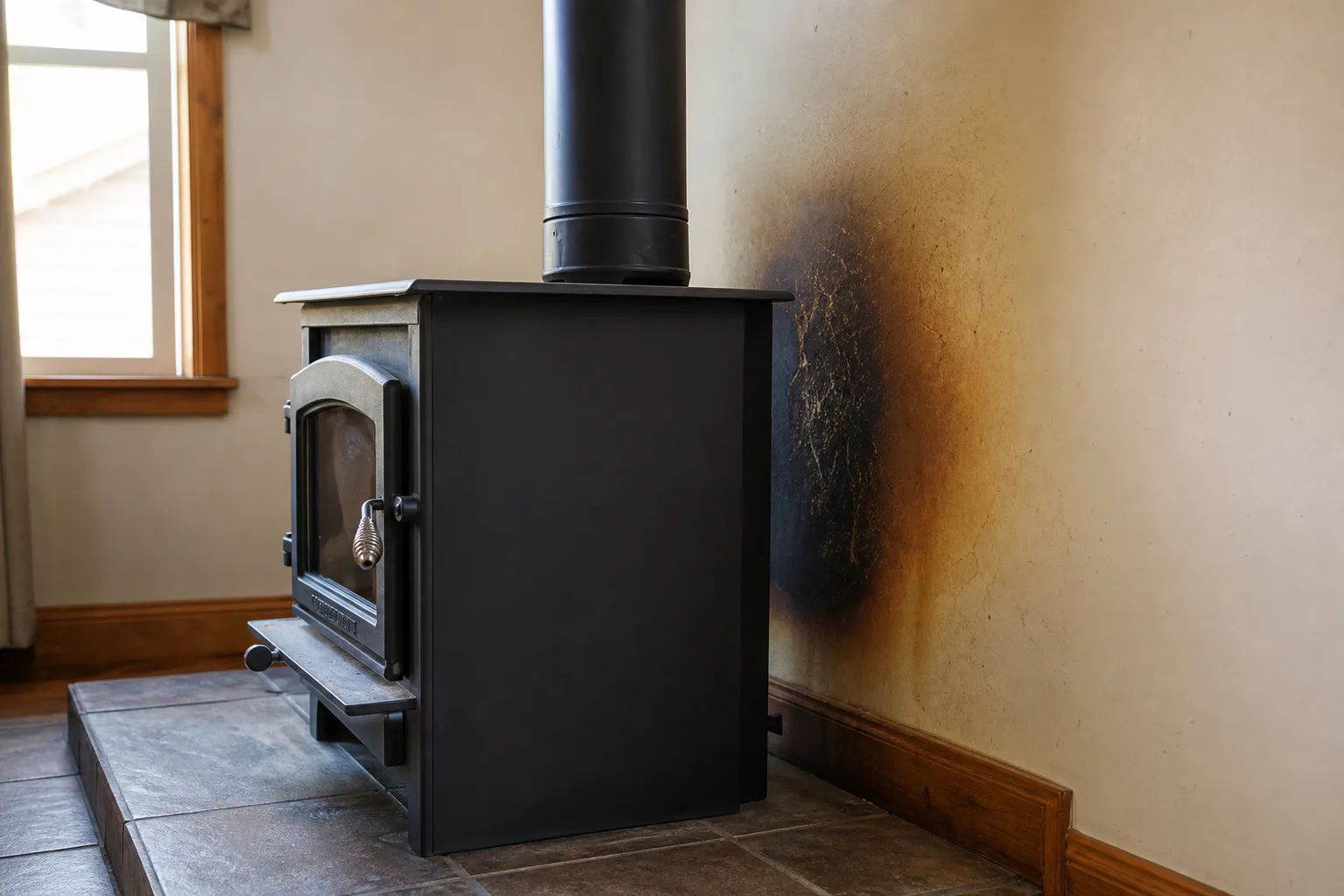
Too close to the wall

Wood stove installed too close to a wall with scorched, discolored paint behind

Scorched plaster behind a stove means the clearance was wrong from day one. It is also the first thing an insurer looks at after a fire.

On this pageSigns you need this3 sections+2
  1. Signs you need this
  2. The jobs this includes
  3. Common questions
Do you have this problem?

Signs you need wood stove installation

Wood stove installed too close to a wall with scorched, discolored paint behind

Scorched or discoloured wall behind a stove

The clearance was wrong from the start. Heat is reaching combustible material, and the fix is either moving the stove or fitting a listed shield, not paint.
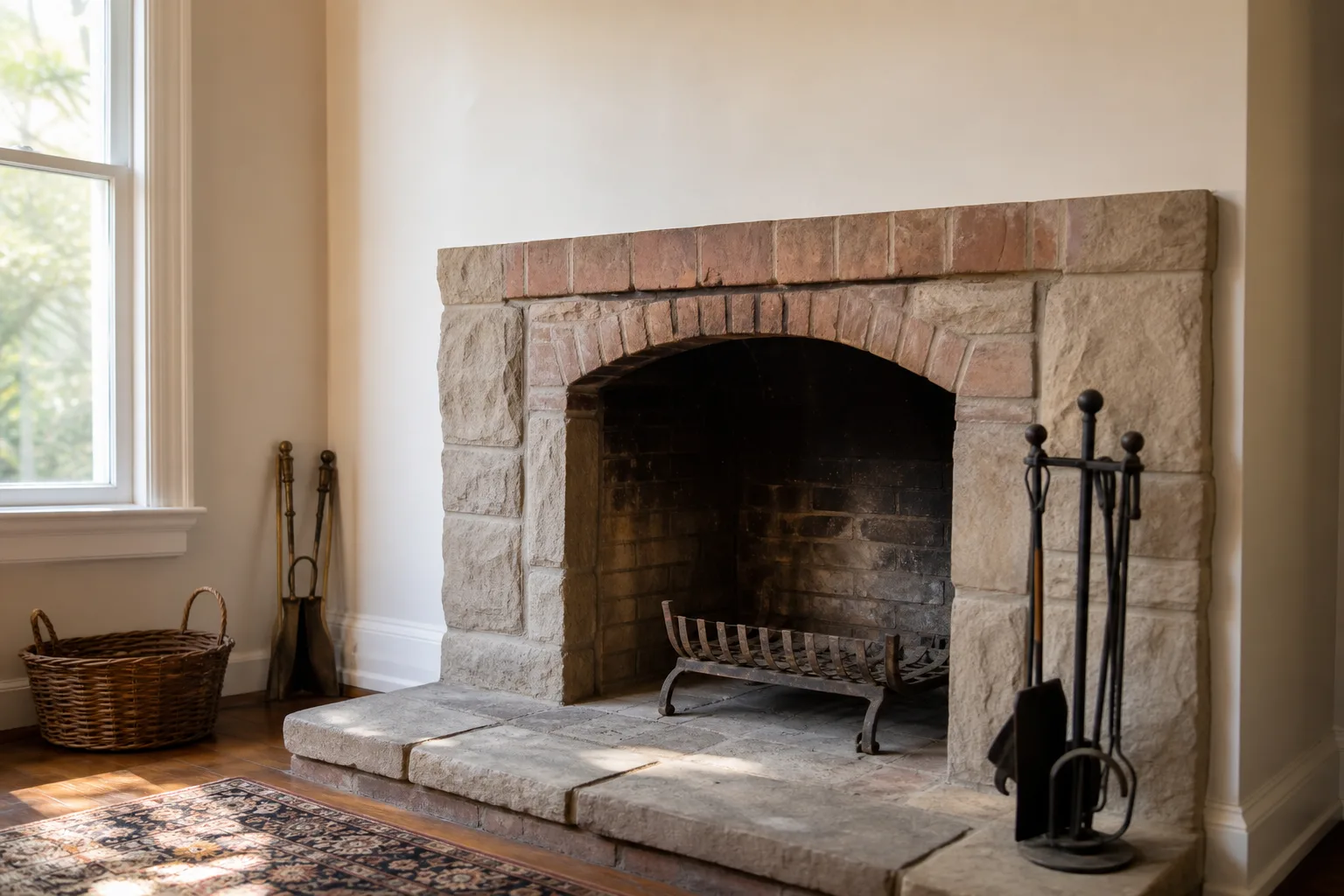
Cold unused fireplace with a dusty grate in an older living room

You are fitting a stove to an old fireplace

The most common version of this job. The masonry flue was sized for an open fire and is far too big for a stove, so it needs lining down to the appliance's diameter.
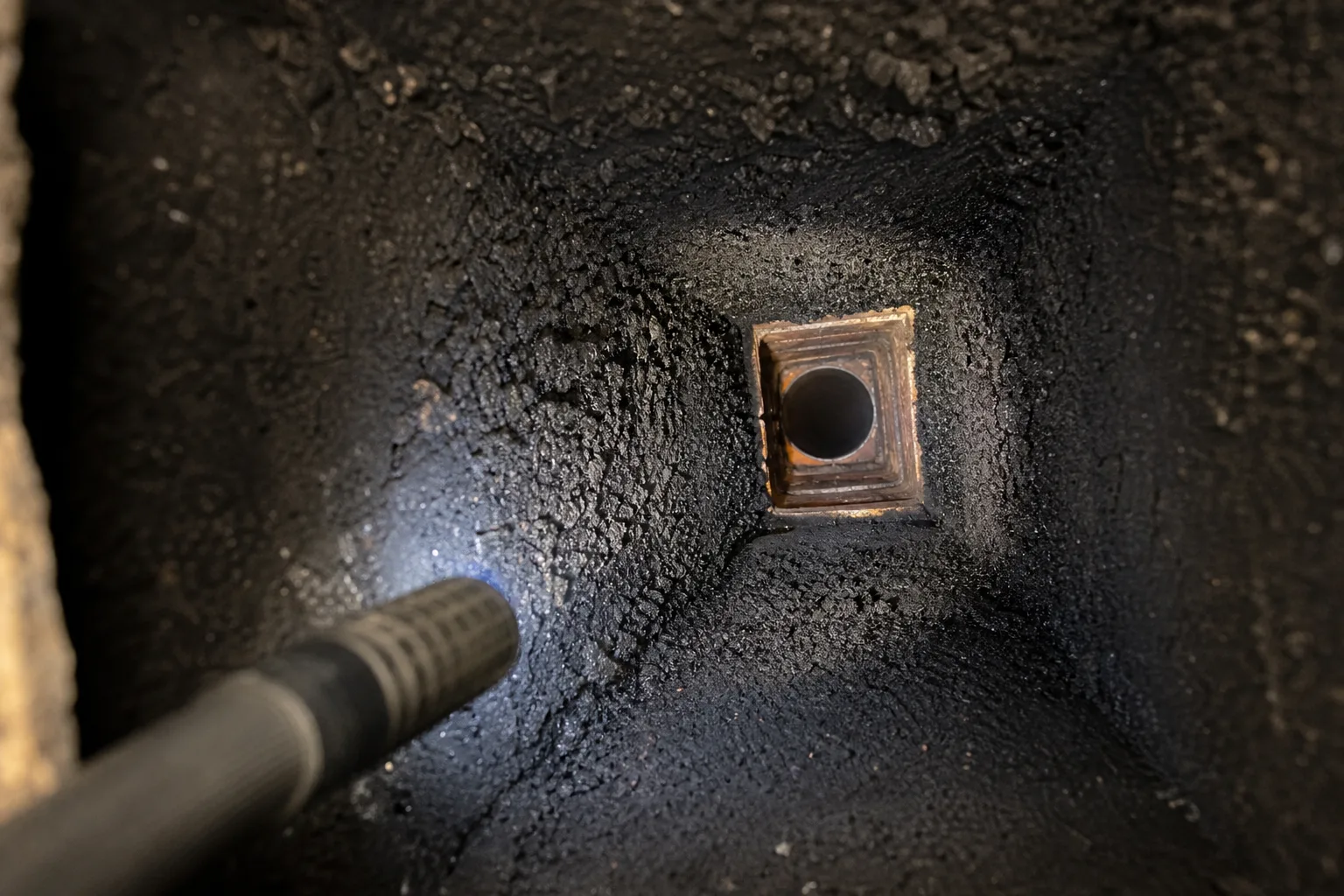
Torchlit view up a chimney flue coated in black flaky creosote

Creosote building fast on a newish stove

Almost always an oversized or uninsulated flue. Gases cool, condense, and coat the liner. It is an installation fault presenting as a maintenance problem.
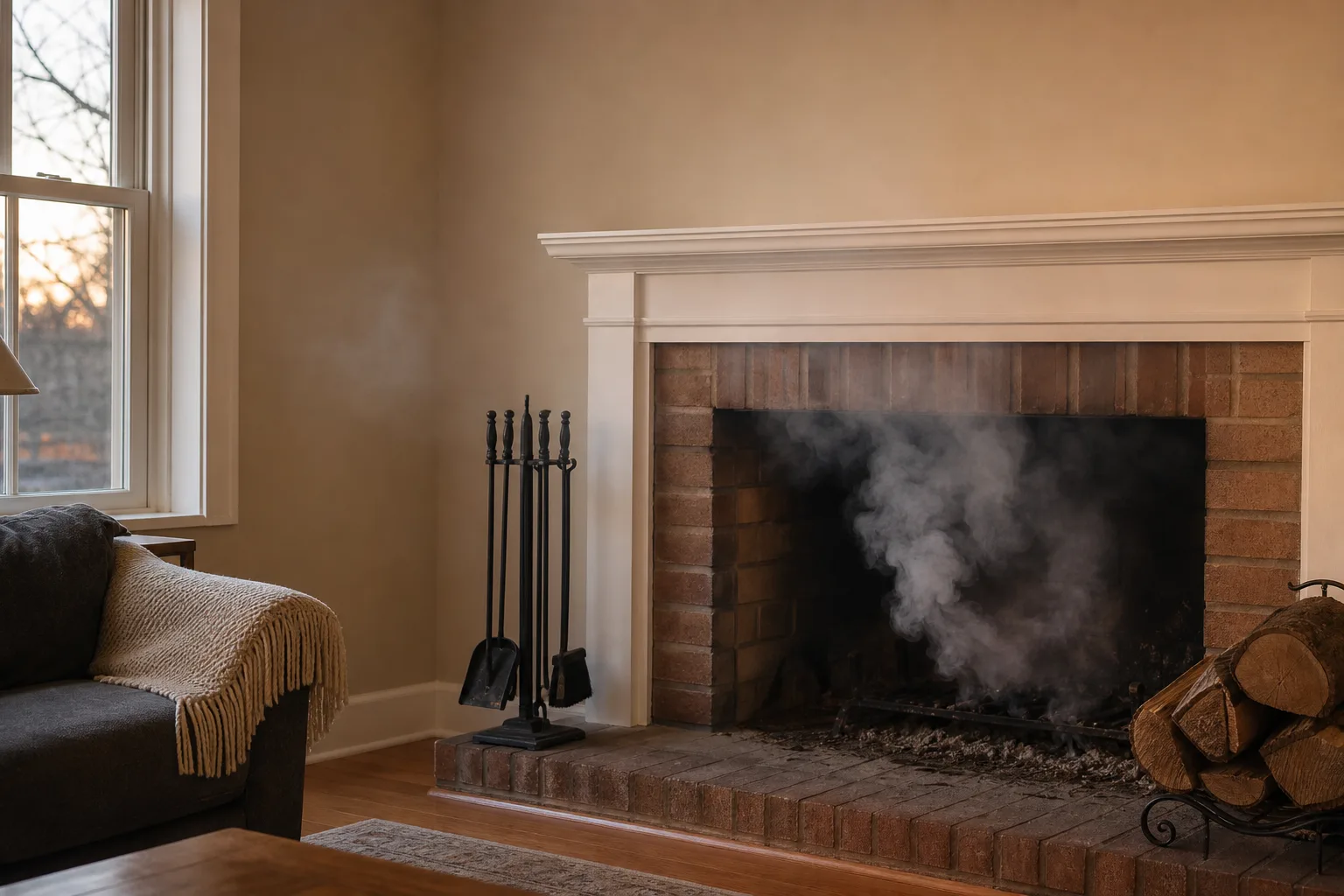
Smoke rolling out of a fireplace opening into a living room at dusk

The stove will not draw or puffs smoke

Flue too large, too short, or too cold. All three are decided at install, which is why the survey matters more than the appliance choice.
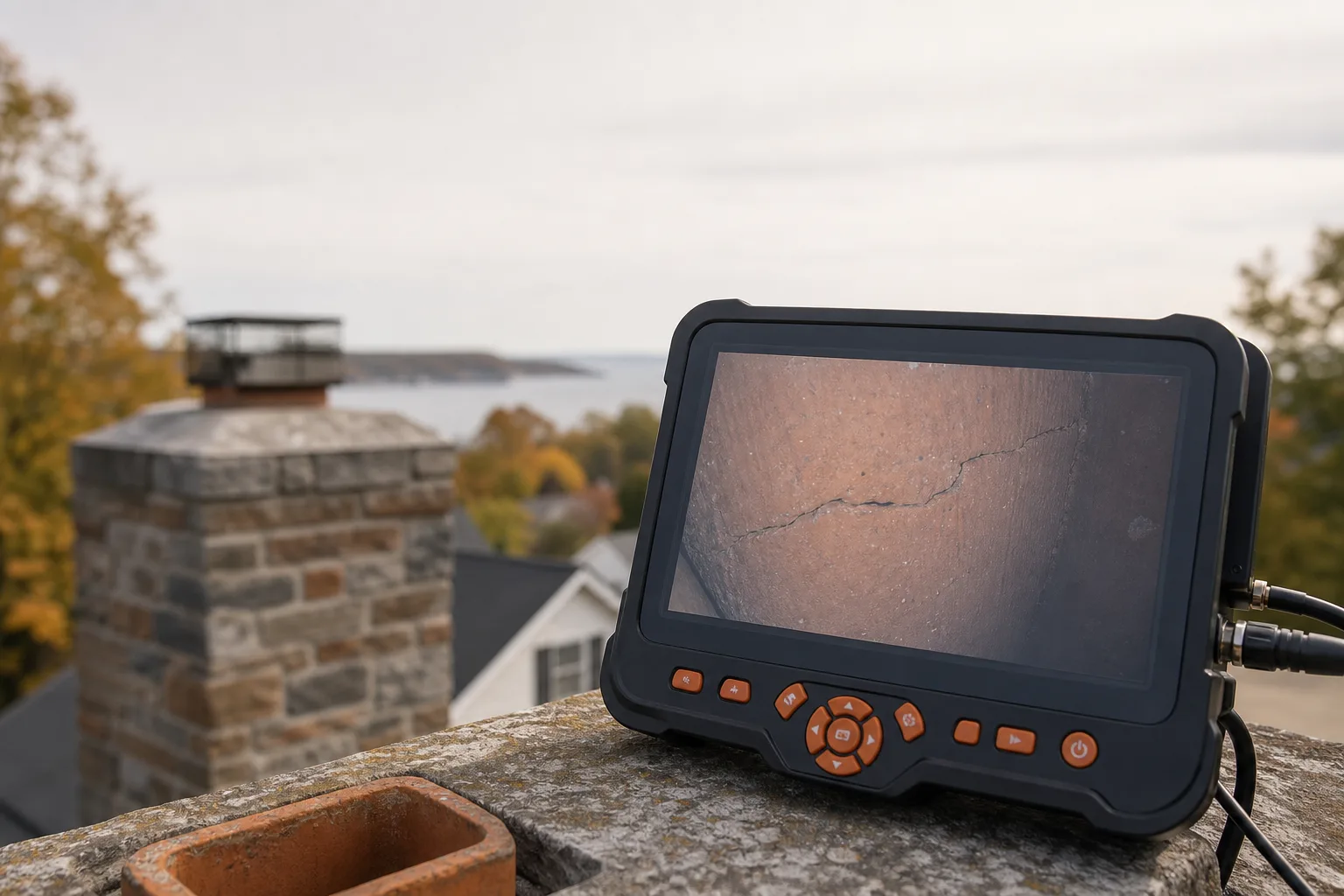
Inspection camera monitor showing a crack running across a clay flue tile inside a chimney

Cracked tiles in the flue you want to use

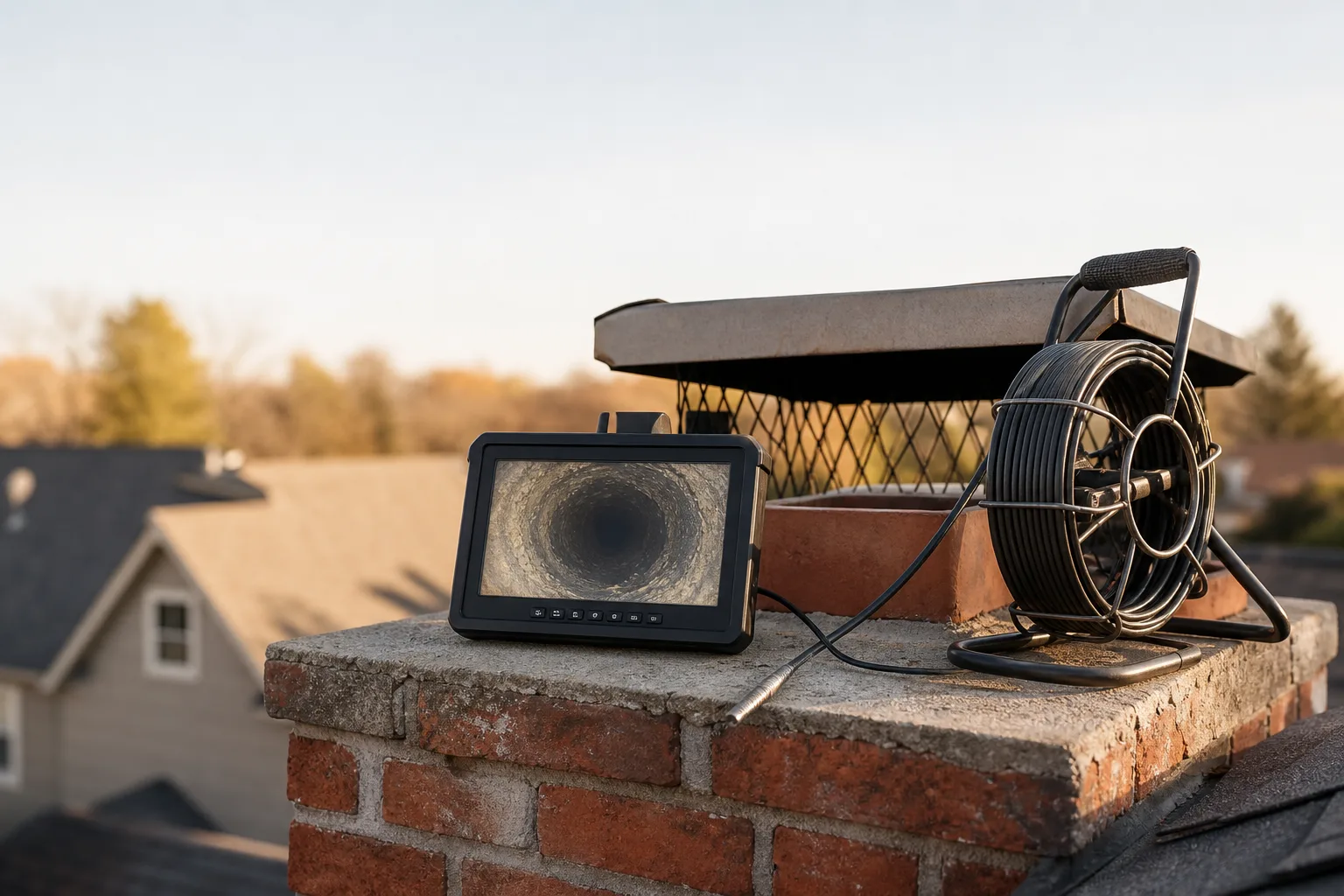
A stove cannot be fitted to a breached flue. The level 2 camera scan comes before the quote, because what it finds can double the job.
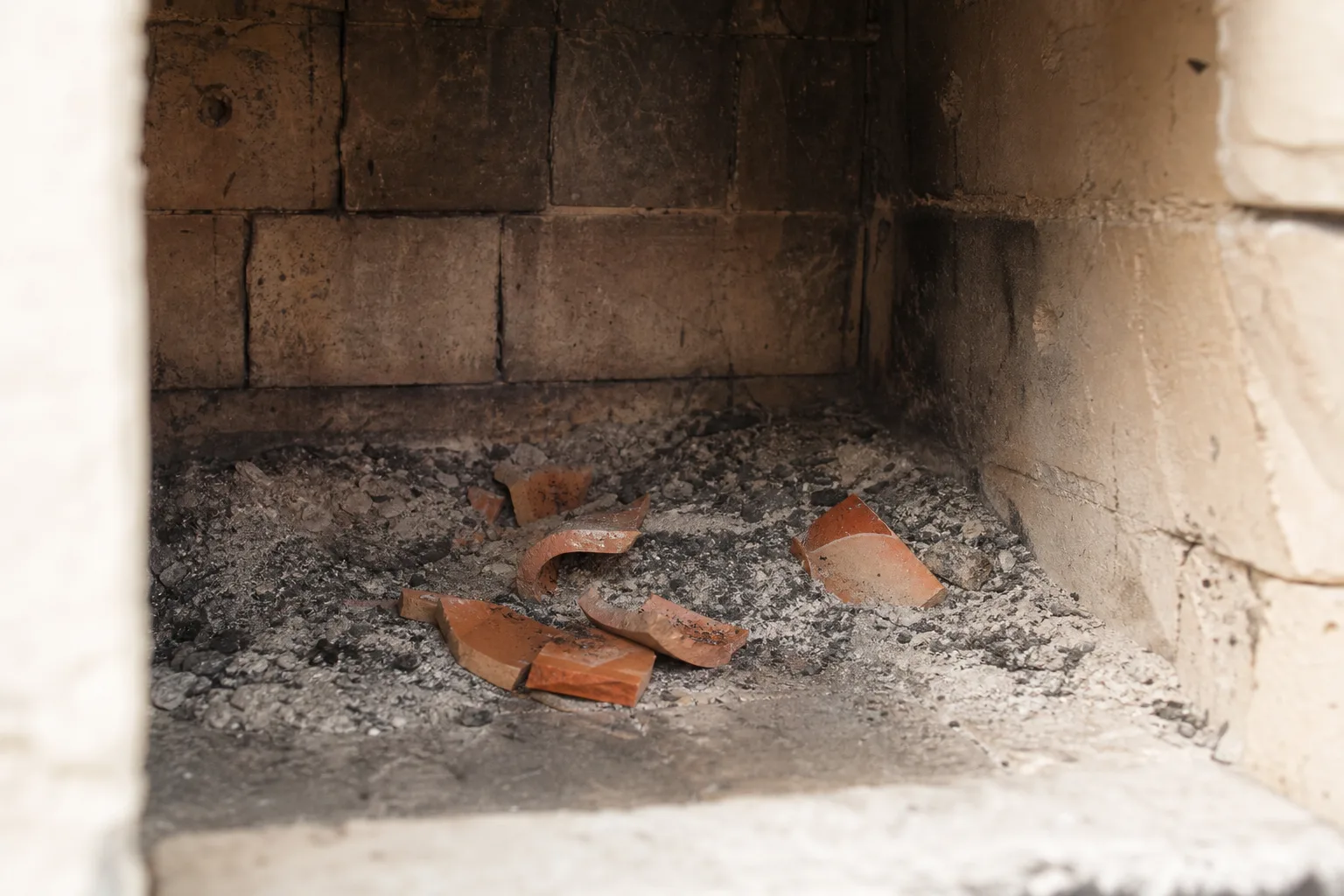
Broken orange clay flue tile fragments scattered in a fireplace firebox among ash

Chunks of clay tile in the hearth

The existing liner is coming apart. It will be relined as part of the install, and it is better to know that before the stove is ordered.

How we work

How the visit works

The same four steps every time, whatever the repair turns out to be.
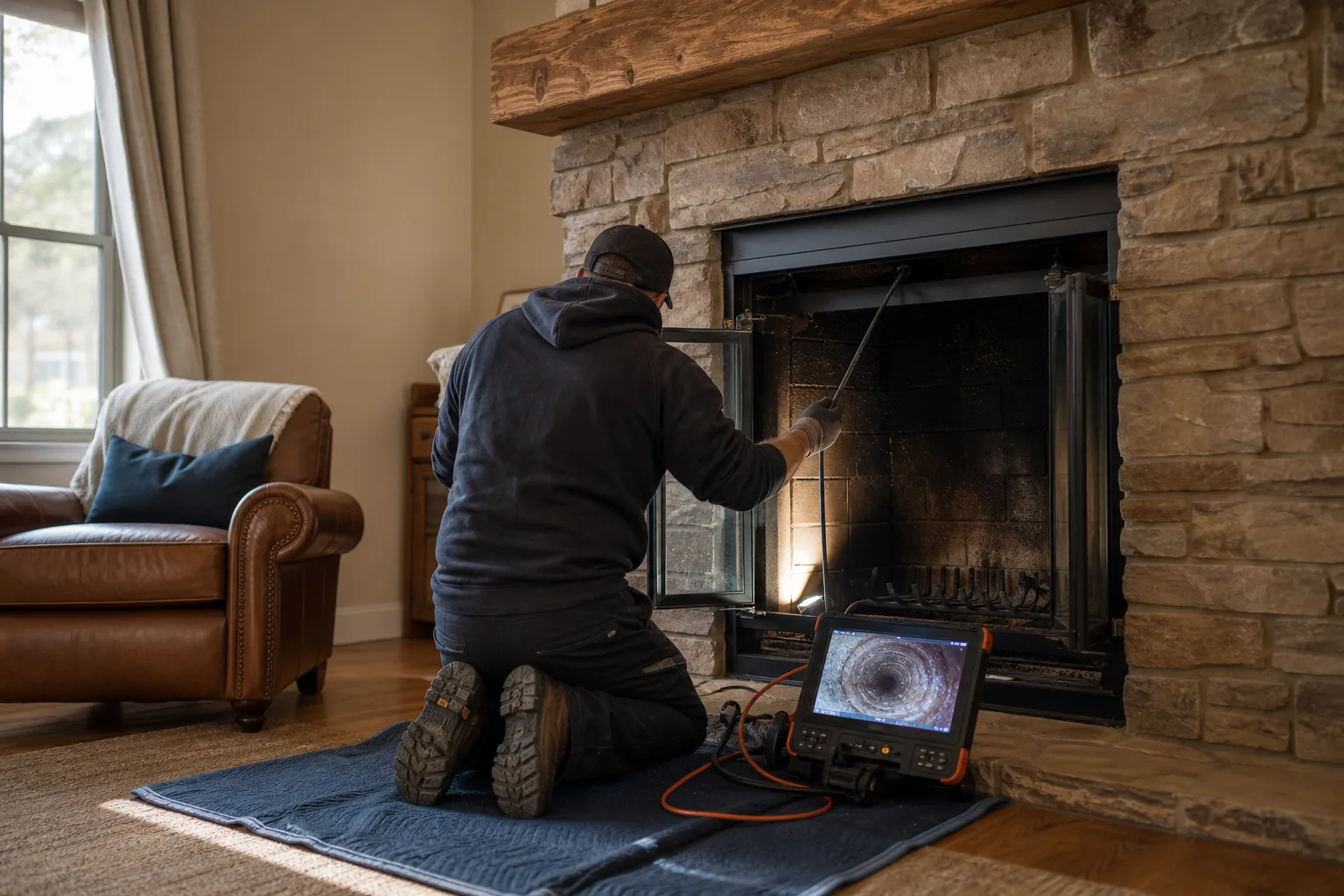
  1. Technician kneeling at an open fireplace feeding an inspection camera up the flue beside a monitor
    01

    Inspection first, always

    A look at the crown, cap, flashing and exterior masonry, then the flue, damper and firebox — with a camera where the job calls for a level 2 scan. Whatever needs work gets shown to you, not just described.
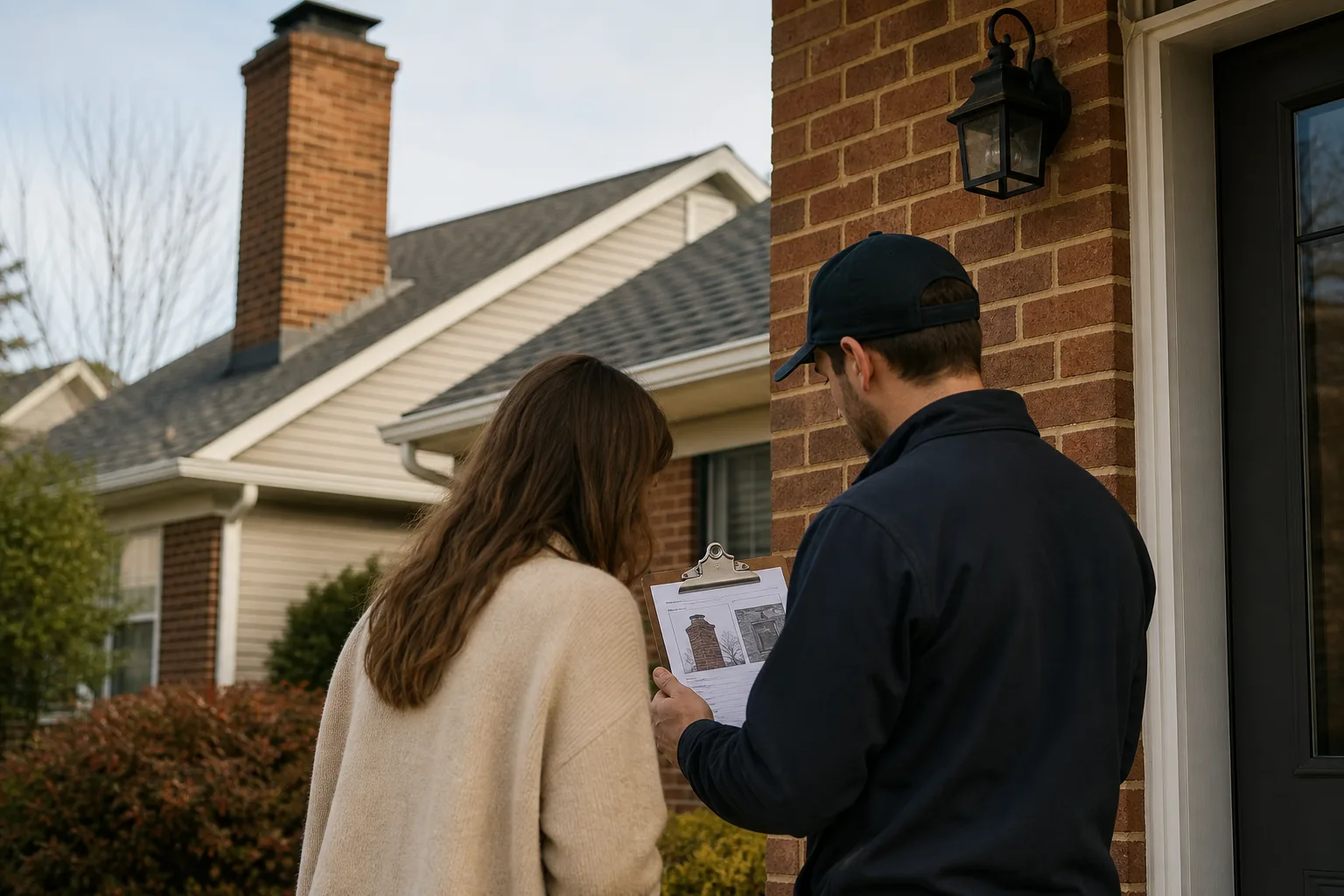
  2. Chimney technician reviewing a printed estimate on a clipboard with a homeowner at the front door
    02

    A written estimate before anything

    Scope, price and what is not included, in writing. Nothing starts until you approve it, and an emergency is not a reason to skip this step.
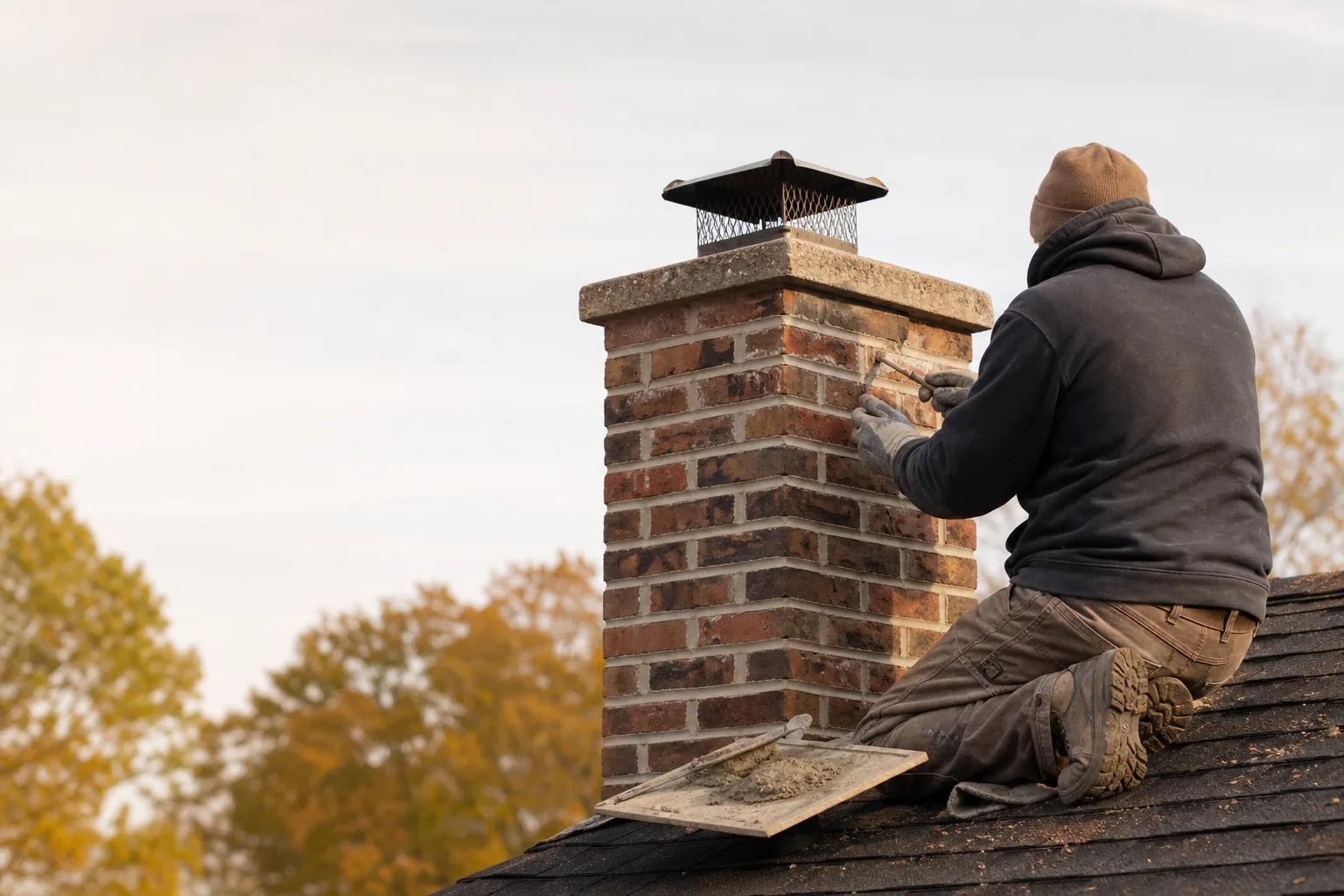
  3. Mason on a rooftop repointing mortar joints on a brick chimney with a trowel
    03

    The work itself

    Matched materials and the manufacturer's spec, not whatever is on the van. Drop cloths down, and the room left as it was found.
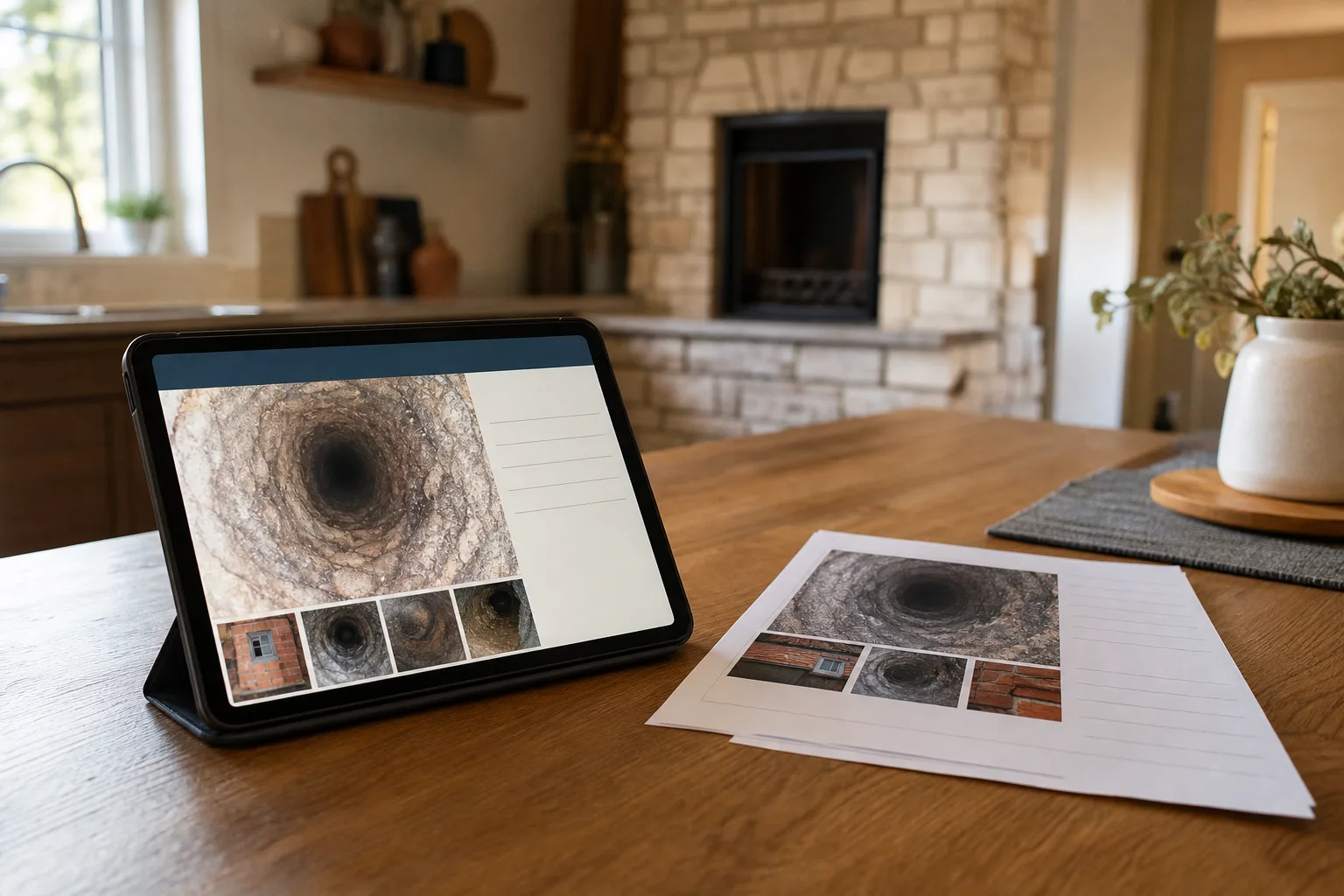
  4. Tablet on a kitchen table showing a chimney inspection report with flue camera still
    04

    Verification and a report

    A second scan after the work, and written findings you can keep, hand to an inspector, or send to an insurer.

What it covers

The jobs this actually includes

Not every job on this list is equally urgent, so they are ordered that way. A cracked liner stops you using the fireplace tonight; waterproofing can wait for a dry week.

  • Stainless liner sized to the appliance

    Safety repair

    Insulated stainless run the full height at the diameter the stove's manual specifies. On an old masonry flue this is the majority of the work and the majority of the cost.

    On site: 1–2 days

  • Clearances and heat shielding

    Safety repair

    Measured to the appliance listing, with listed shields where the room will not give the distance. Reduced clearances only count when the shield is a listed assembly, not sheet metal on spacers.

    On site: About a day

  • Hearth pad and floor protection

    Structural

    Built to the R-value and the footprint the manual requires, including the projection in front of the door. Tiles laid straight on floorboards are not a hearth pad.

    On site: About a day

  • Freestanding stove with a new flue system

    Structural

    Where there is no chimney at all: twin-wall insulated flue out through wall or roof, with the height and termination that makes it draw. More work than a fireplace conversion and often a better result.

    On site: 2–3 days

  • Fireplace insert into an existing opening

    Stops water

    A sealed insert with a full liner. Turns an open fire that sends most of its heat up the flue into something that actually heats the room.

    On site: 1–2 days

  • Commissioning and handover

    Preventive

    First burn, draft check, and the paperwork — appliance listing, liner warranty, and the install certificate an insurer will ask for. Get it on the day, not a year later.

    On site: Add an hour

Times are for the work itself, not for scheduling. Masonry needs roughly 40°F to cure properly, which is what limits this work in a northern winter rather than whether a crew is free.
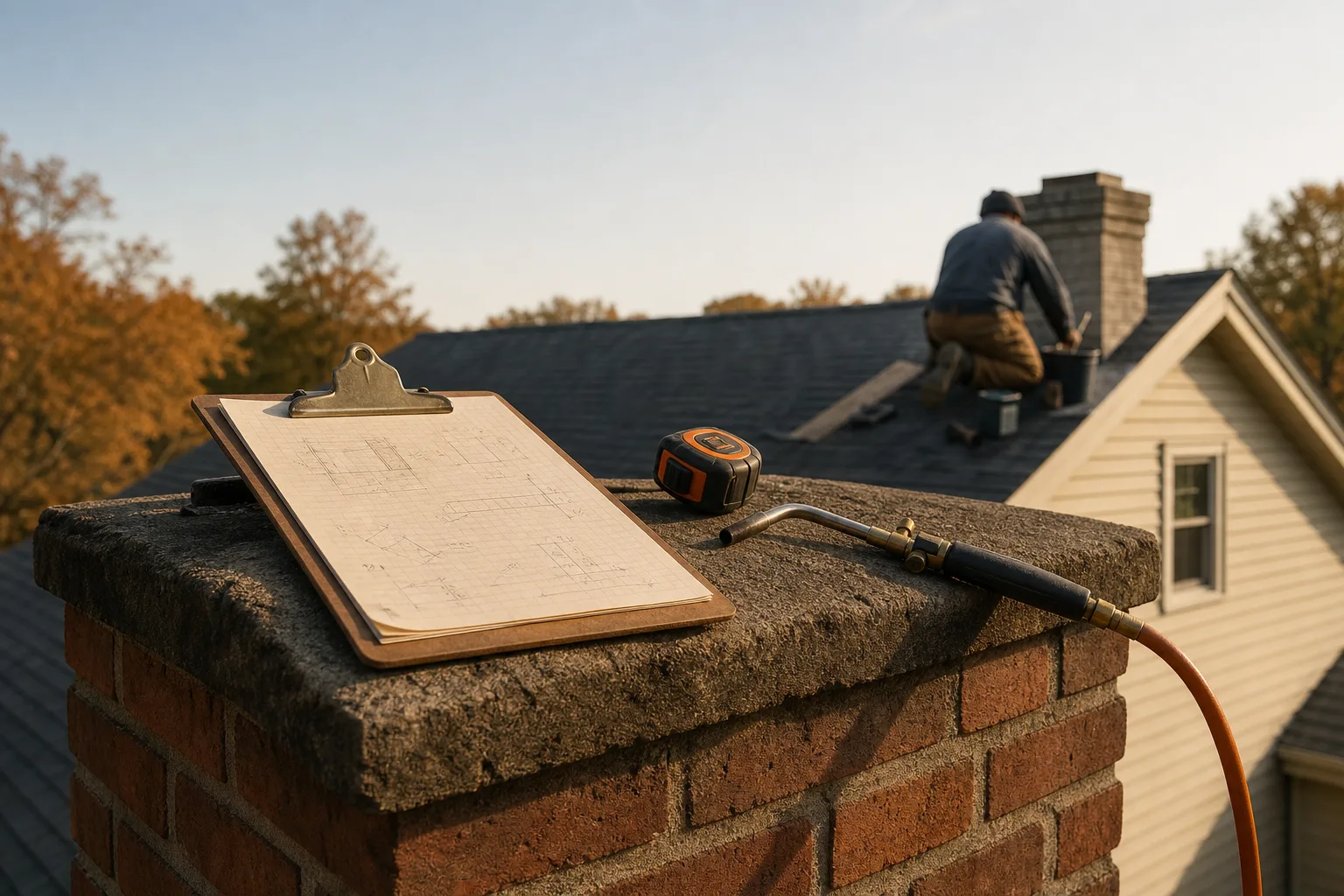
Handwritten estimate on a clipboard resting on a brick hearth beside a tape measure and torch
What drives the price

Why wood stove installation quotes vary so much

  • Whether an existing flue can be lined, or a whole new system is needed
  • Flue height, and whether the chimney offsets around a floor
  • The clearances the room can give, and whether shielding is required
  • Hearth construction — an existing hearth rarely meets a modern stove's spec
  • The appliance itself, which is often the smallest line on the quote

The stove is usually the part people budget for and the smallest part of the number. A full-height insulated liner runs into the thousands on its own, and hearth work and shielding sit on top. A freestanding install with a new twin-wall system costs more again. Get the survey before ordering the appliance, not after.
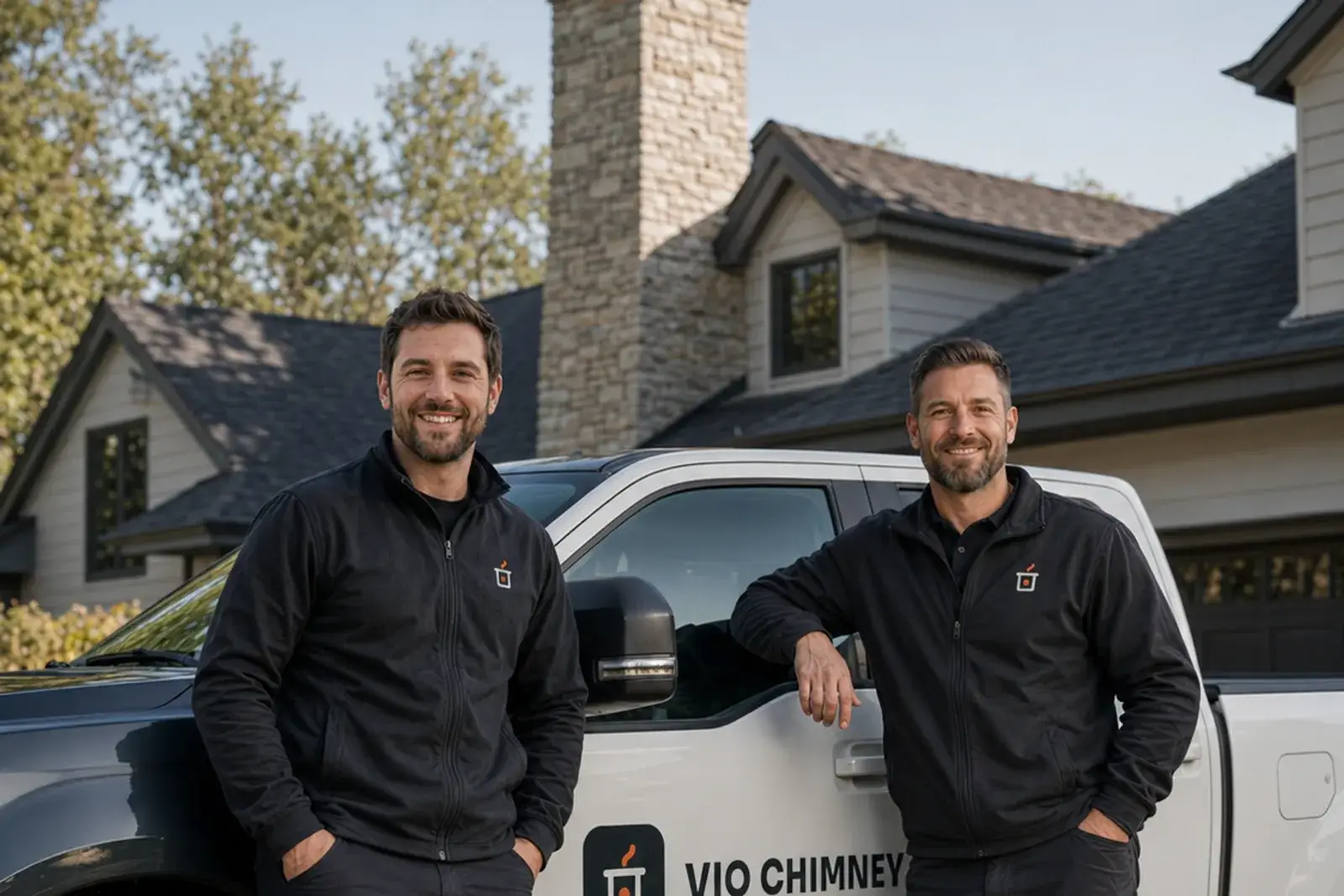
Ethan Miller and Ryan Carter of VIO CHIMNEY beside a branded service truck
Who we are

The people behind every visit

Founded by Ryan Carter in 2019. Every page you read here is reviewed by Ethan Miller, our chimney specialist. A written estimate before any work, and the findings in writing whether or not anything needs doing.

More about who we are →
Capped brick chimney silhouetted against a soft dusk sky above a tidy residential rooftop

The VIO Standard

  • A written estimate first
  • License and insurance checked
  • Nothing starts without your OK

Common questions

Does a wood stove need a chimney liner?

Fitted into an existing masonry fireplace, almost always yes. The flue was built for an open fire, which means it is far wider than a stove needs. Gases from a modern efficient appliance move slowly through that volume, cool on the way up, condense on the walls and build creosote quickly. Lining down to the diameter in the stove's manual fixes the draft and the creosote in one move. It is also what most manufacturers require for the warranty to hold.

What clearances does a wood stove need?

Whatever its listing says, and that varies by appliance rather than by rule of thumb. Every stove ships with tested minimum distances to combustible walls, floors and ceilings, and those numbers are the ones that apply — not a number from another stove or from the internet. Listed heat shields can reduce them, but only listed assemblies with the specified air gap; sheet metal screwed to the wall is not a reduction, it is a hotter wall.

How much does wood stove installation cost?

More than most people expect, and rarely because of the stove. A full-height insulated stainless liner is into the thousands on its own. Hearth pad construction and any heat shielding sit on top of that. A freestanding install needing a complete twin-wall flue system costs more again. The appliance is often the smallest line on the quote, which is the argument for getting the survey before ordering it.

Can I put a wood stove in an existing fireplace?

Usually, and it is the most common version of this job. Three things get checked first: whether the opening physically takes the appliance with its clearances, whether the flue can be lined at the required diameter, and whether the existing hearth meets the stove's floor protection spec — it usually does not, because open fireplaces and stoves have different rules. A camera scan before quoting is what stops any of those turning up halfway through.

Do I need paperwork after a wood stove installation?

Yes, and ask for it on the day. You want the appliance listing and manual, the liner manufacturer's warranty and its conditions, and an installation certificate showing the work met the appliance's requirements. Insurers ask for this after a claim, and buyers' surveyors ask for it at a sale. Reconstructing it a year later from an installer who has moved on is a great deal harder than filing it now.

let's get it on the calendar.

Tell us your ZIP code and what you need. The pro who covers it quotes the job in writing, and nothing starts until you approve the number.

(513) 655-6702Get my estimate