Chimney safety
What is NFPA 211 and what does it require?




Annoying rather than dangerous. Worth fixing, not worth worrying about tonight.
The short answer
Annual inspection, whether or not you have used the fireplace. That is the sentence people quote.
NFPA 211 is the National Fire Protection Association standard for chimneys, fireplaces, vents and solid fuel-burning appliances. It is not law by itself - it becomes enforceable when a state or municipality adopts it, which most have in some form - and it is the document behind nearly every rule a chimney company will quote you. The two parts that touch a homeowner directly are the annual inspection requirement and the three inspection levels, which decide what a given situation actually calls for.
The whole system, not the fireplace
Chimneys, fireplaces, vents and solid fuel appliances - which is why a gas appliance is in scope too.
Before we get there
What to do right now
None of this fixes it. All of it stops the problem getting more expensive between now and the visit.
Find out when your chimney was last inspected. If nobody knows, that is your answer.
If anything has changed - new stove, new fuel, a chimney fire, a storm - you are due a Level 2 rather than a Level 1.
Ask any company you call which level they are quoting. The word level should be in their answer.
Keep the written report. Insurers and buyers ask for it, and a verbal all-clear is not a record.
If you have never used the fireplace, you are still in scope. The standard does not condition the annual rule on use.
What actually matters
What NFPA 211 requires of a homeowner
What to do, why it matters, and the part people most often get wrong.
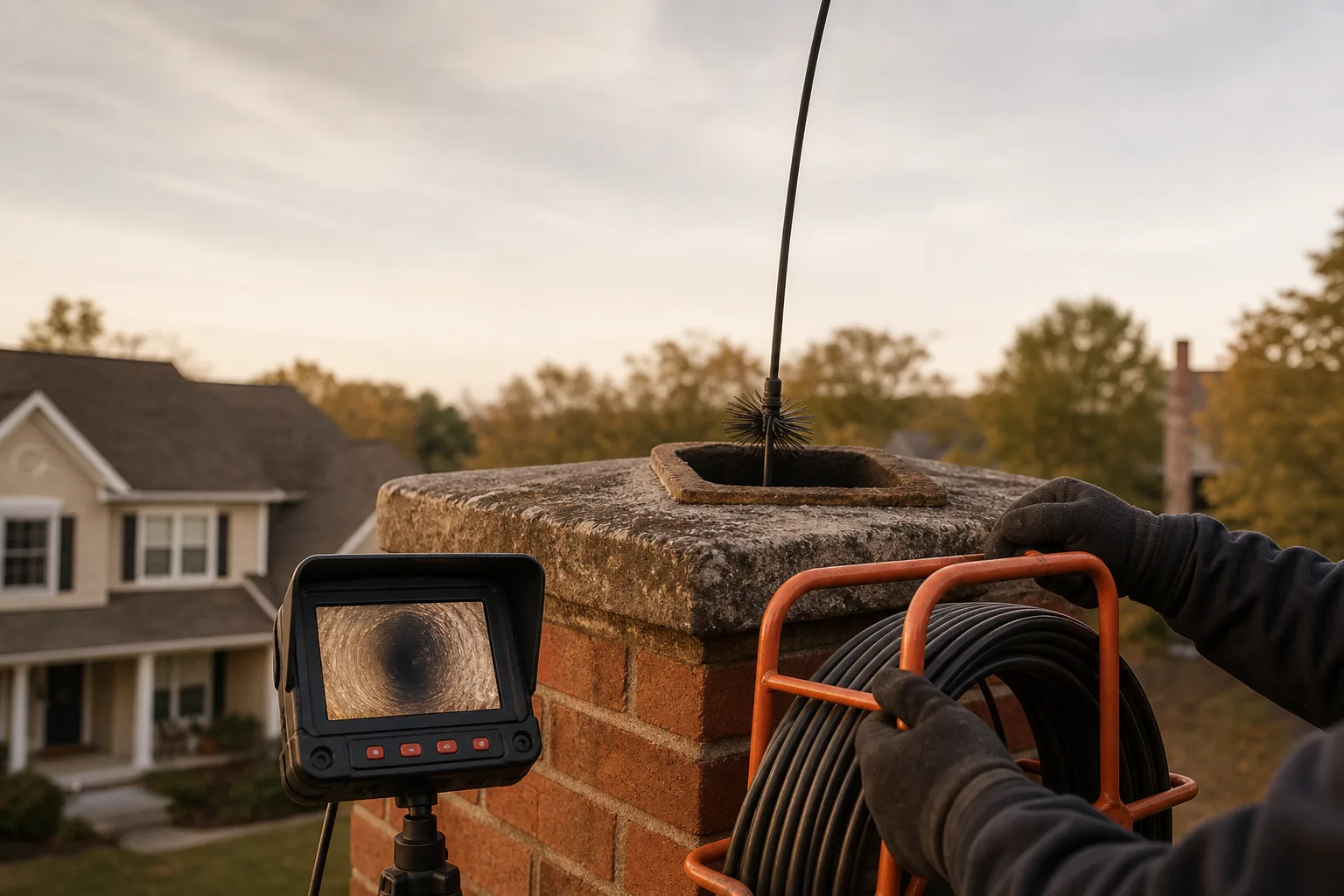
An inspection every year, used or not
The single most quoted line in the standard, and the part people are most surprised by. Nests, water damage and deteriorating masonry do not depend on whether you light a fire.
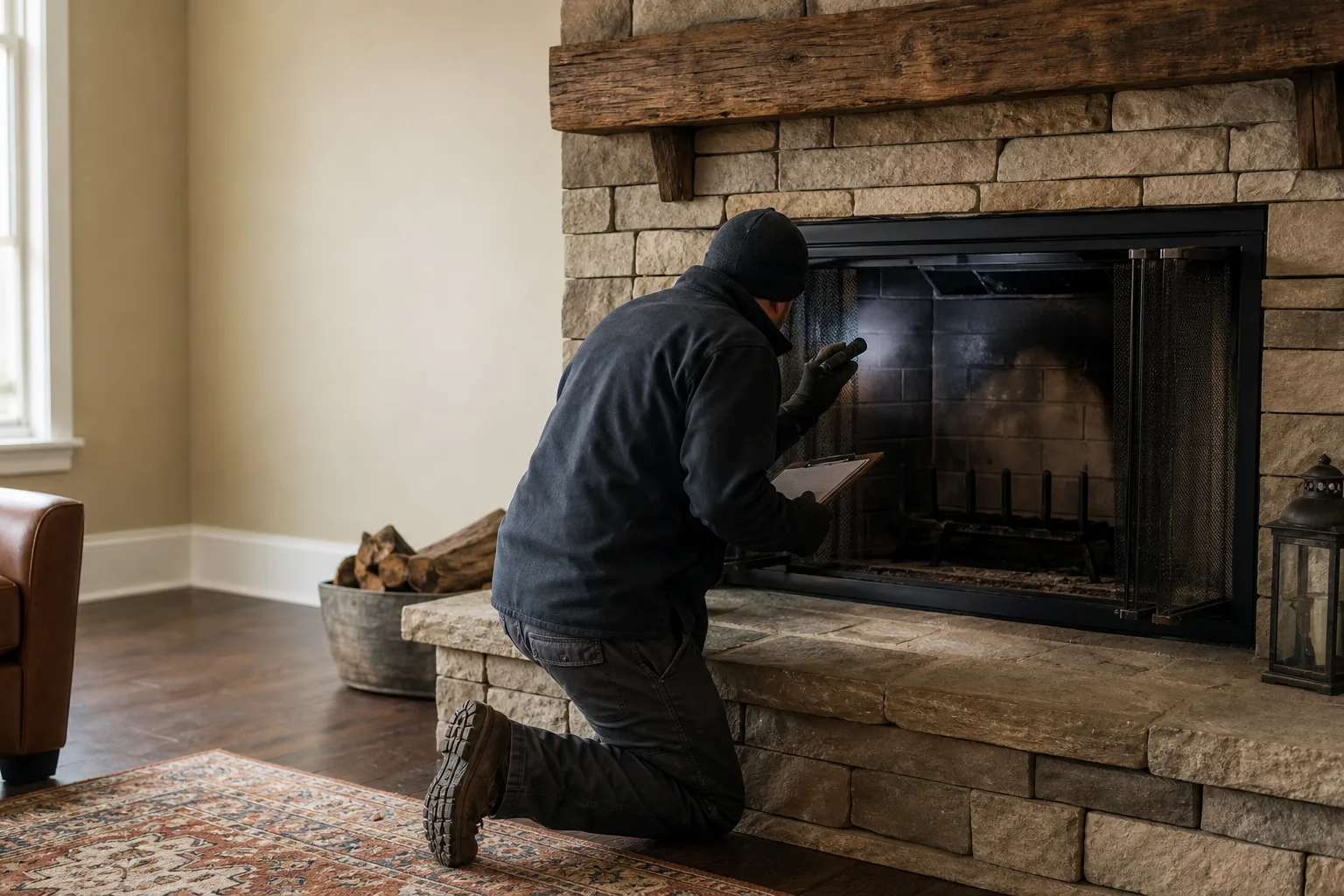
Level 1 when nothing has changed
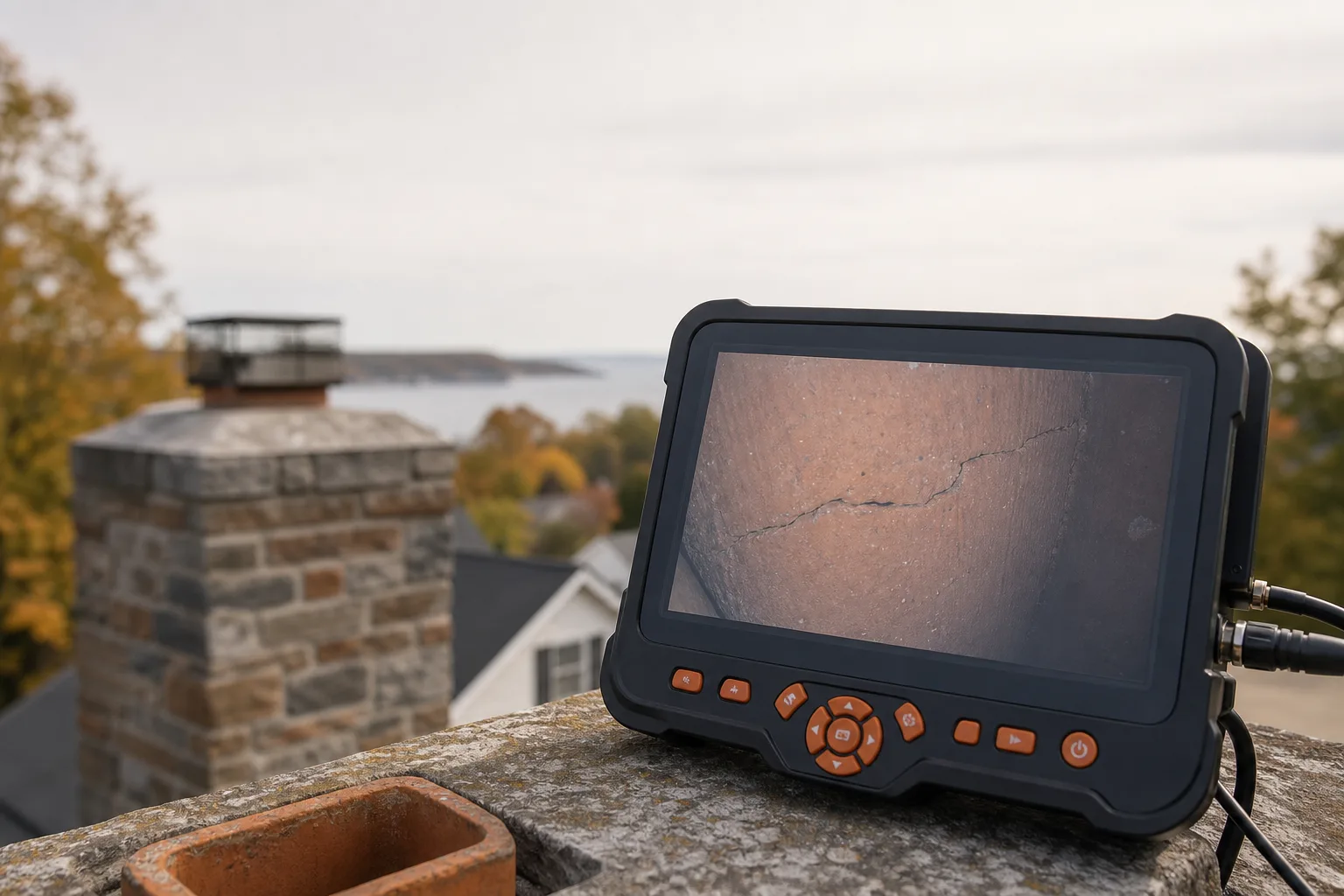
A visual check of readily accessible parts of the chimney, structure and appliance. The right level for a system you are using the same way as last year.
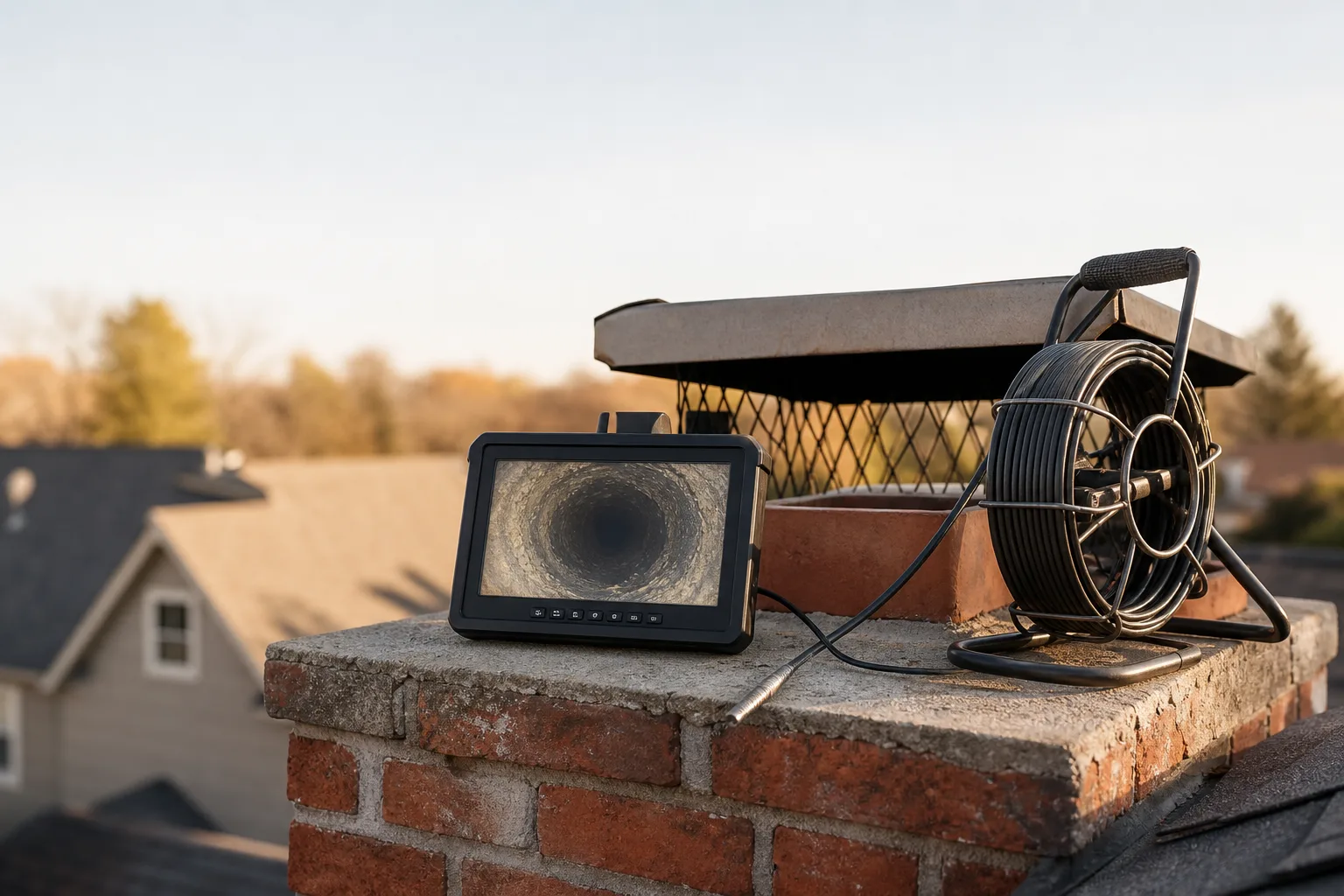
Level 2 when something has
Named triggers: a property changing hands, a change of appliance or fuel, and any event that could have caused damage - a chimney fire, a lightning strike, an earthquake, a serious storm. Adds a video scan and access to the attic and roof.
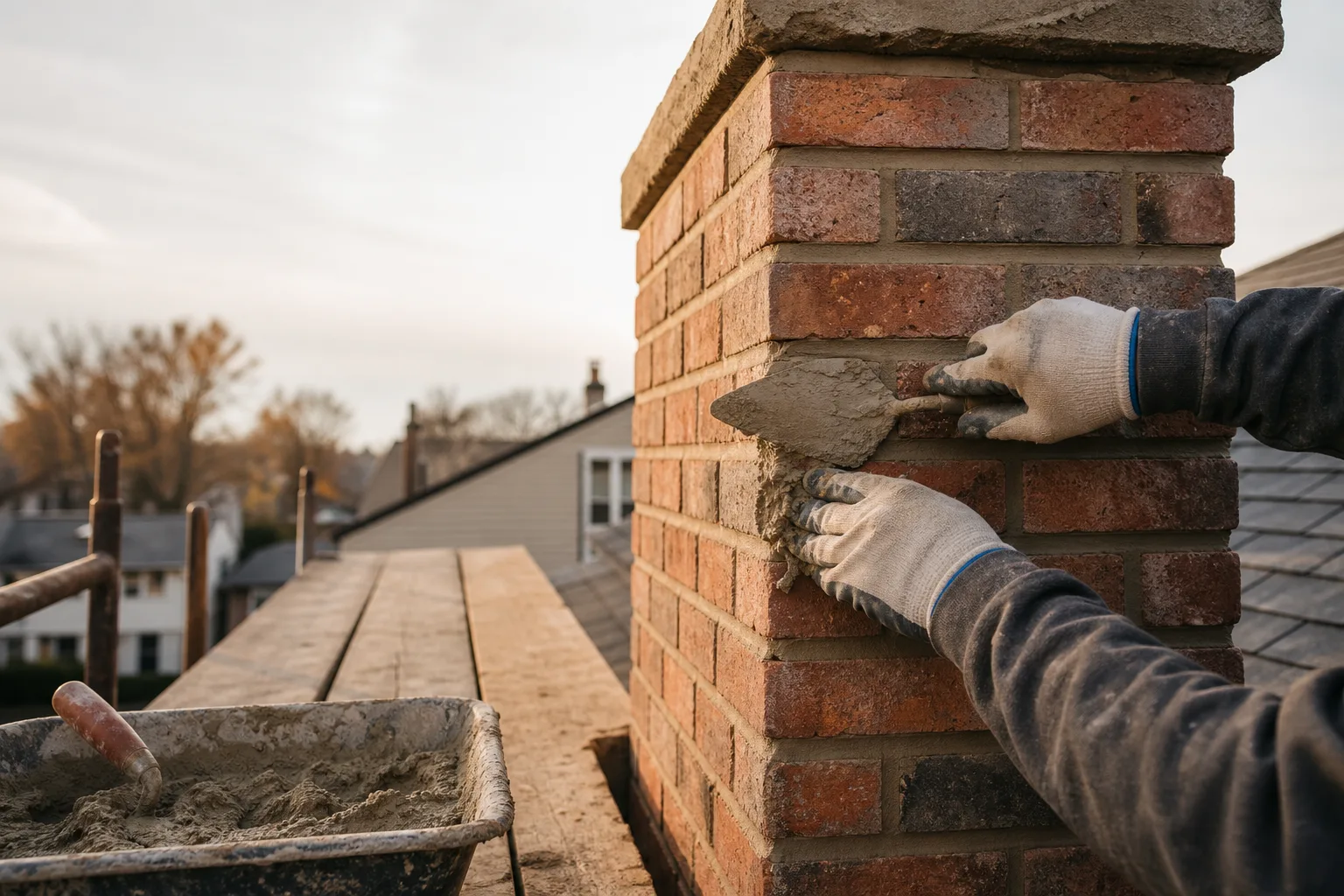
Level 3 when something has to be opened
Removing part of the structure to reach a hazard the first two could not assess. Nobody books it directly; it is what a Level 2 recommends when the findings leave no other route.
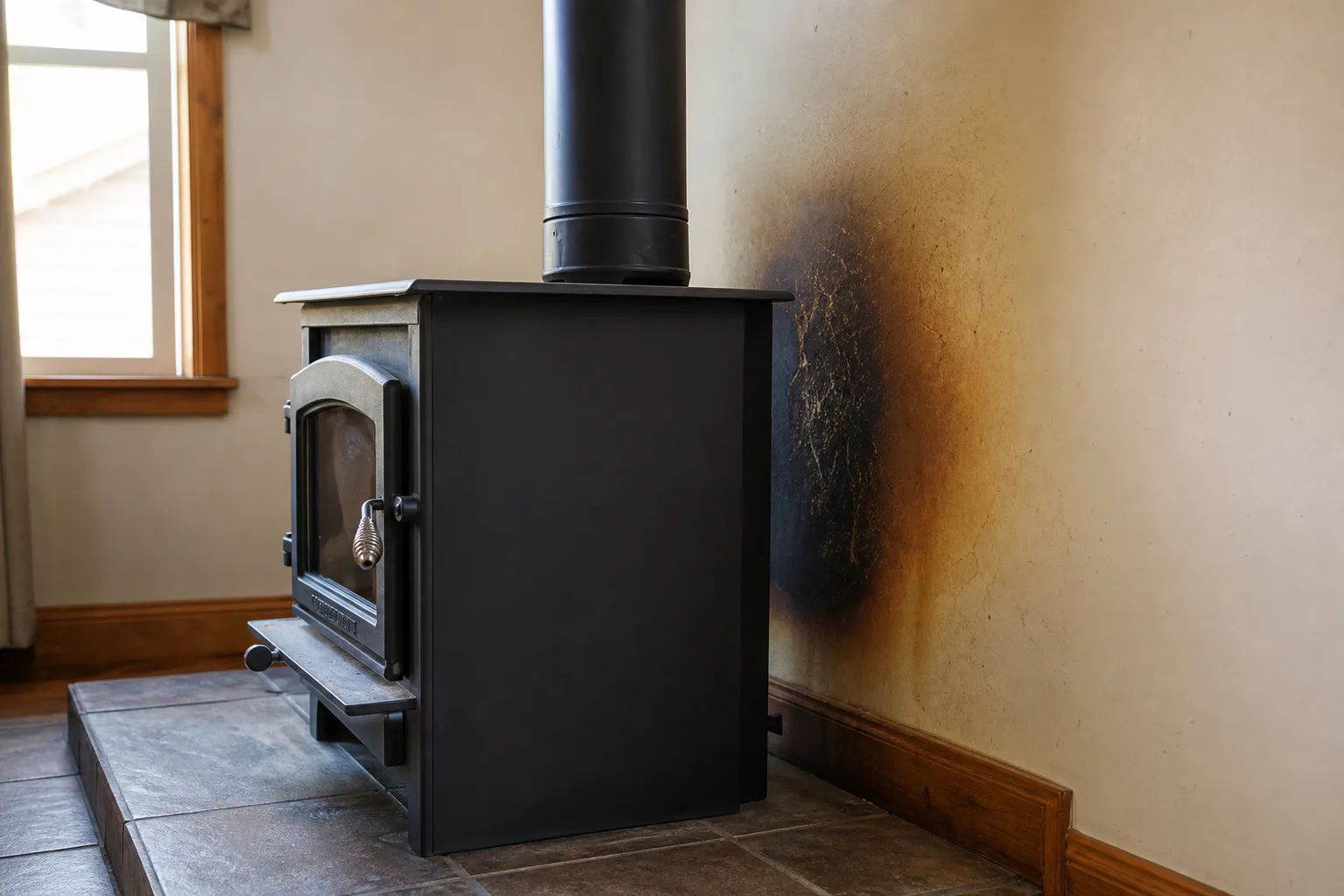
Clearances to combustibles
The distances an appliance and its venting must keep from anything that can burn. This is where most wood stove installation failures show up, and it is what an insurer looks at after a fire.
Repair to the standard, not to what fits
A relined flue has to be sized to the appliance and installed to its listing. A liner that fits the old flue rather than the new stove satisfies nobody, including the manufacturer's warranty.
Where to go next
Who handles this
The VIO Standard
- A written estimate first
- License and insurance checked
- Nothing starts without your OK
Good to know
Common questions
Is NFPA 211 a law?
Does NFPA 211 really require an annual inspection?
What is the difference between the three NFPA 211 inspection levels?
Who enforces NFPA 211?
Where can I read NFPA 211 myself?
The people behind every visit
Founded by Ryan Carter in 2019. Every page you read here is reviewed by Ethan Miller, our chimney specialist. A written estimate before any work, and the findings in writing whether or not anything needs doing.
More about who we are →