



On this pageWhy Middle Tennessee storms are hard on chimneys6 sections+5
Quick answer
Middle Tennessee's spring storms attack chimneys at three points: flashing, cap, and crown. Check all three before severe season peaks — and do a five-minute walkaround after every big storm — and you'll avoid most of the water damage the pros in our Nashville network repair each year.
Why Middle Tennessee storms are hard on chimneys
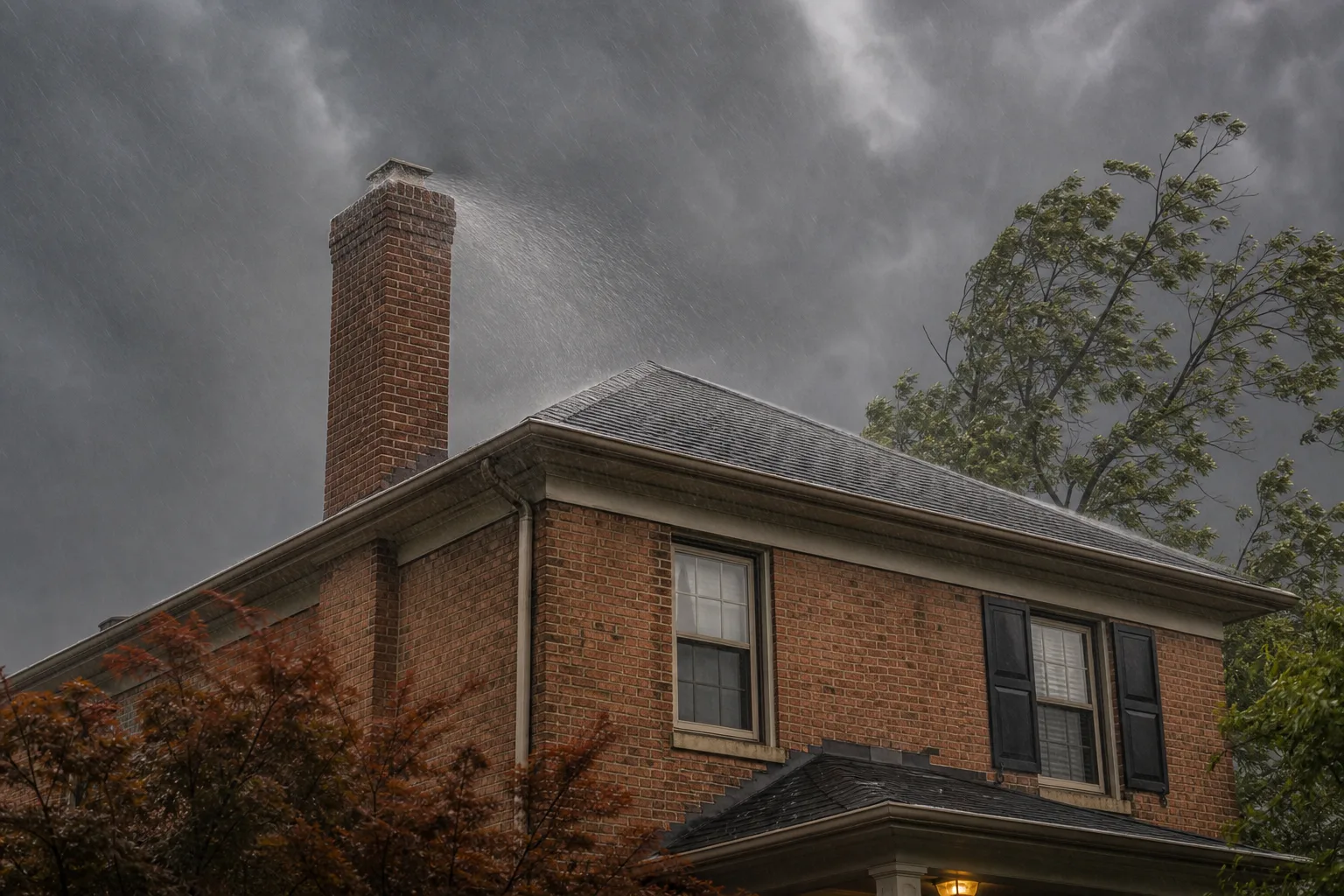
Nashville's weather problem isn't winter. It's the collision season. Spring in Middle Tennessee reliably delivers severe thunderstorms, and they stress chimneys in ways ordinary rain never does:
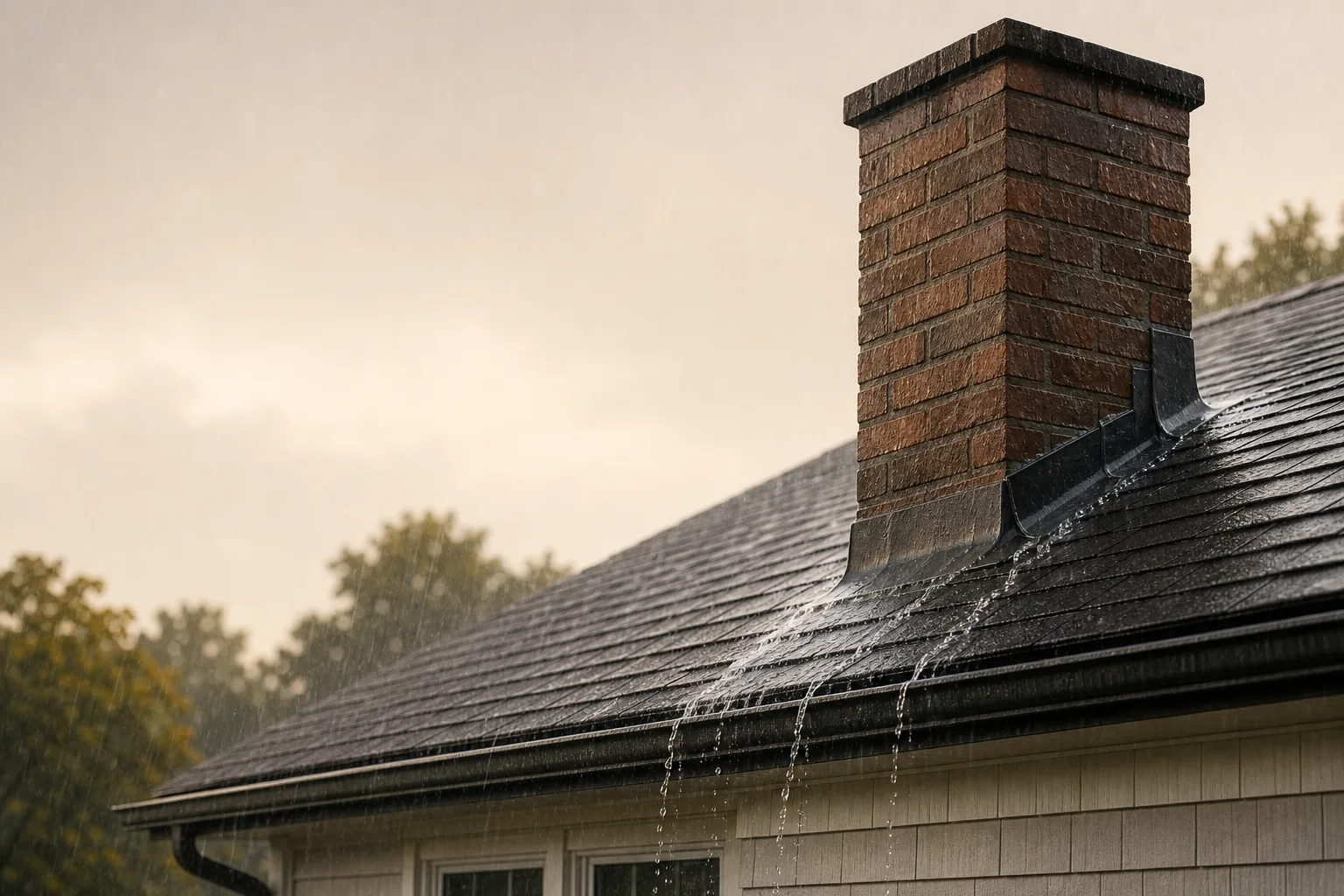
- Wind-driven rain arrives horizontally. Flashing and masonry that shed vertical rain fine get pressure-washed sideways, and wind pressure pushes water into joints gravity alone would never reach.
- Straight-line winds work on the cap. The chimney cap is a metal sail on the highest point of the house; strong gusts bend, loosen, or remove caps outright, often without anyone noticing from the ground.
- Hail bruises the top end. Crowns and chase covers take hail directly, and impact cracks in a crown become water channels with the very next rain.
- Storm debris is a wildcard. Limbs that hit the roof near the chimney can crack the crown or knock the flashing line loose, damage that hides under the eaveline until it leaks.
Add the region's freeze-thaw flirtations in late winter (enough to open hairline cracks, not enough to keep anyone vigilant about them), and spring storms inherit a chimney full of small openings to exploit. Most of the Nashville chimney repair work we schedule in April and May traces back to an opening that was already there in February, when nobody was looking. That's the case for checking before the season instead of repairing after it.
The pre-season checklist
Run this before storm season peaks. Late winter into early spring is the sweet spot on the calendar:
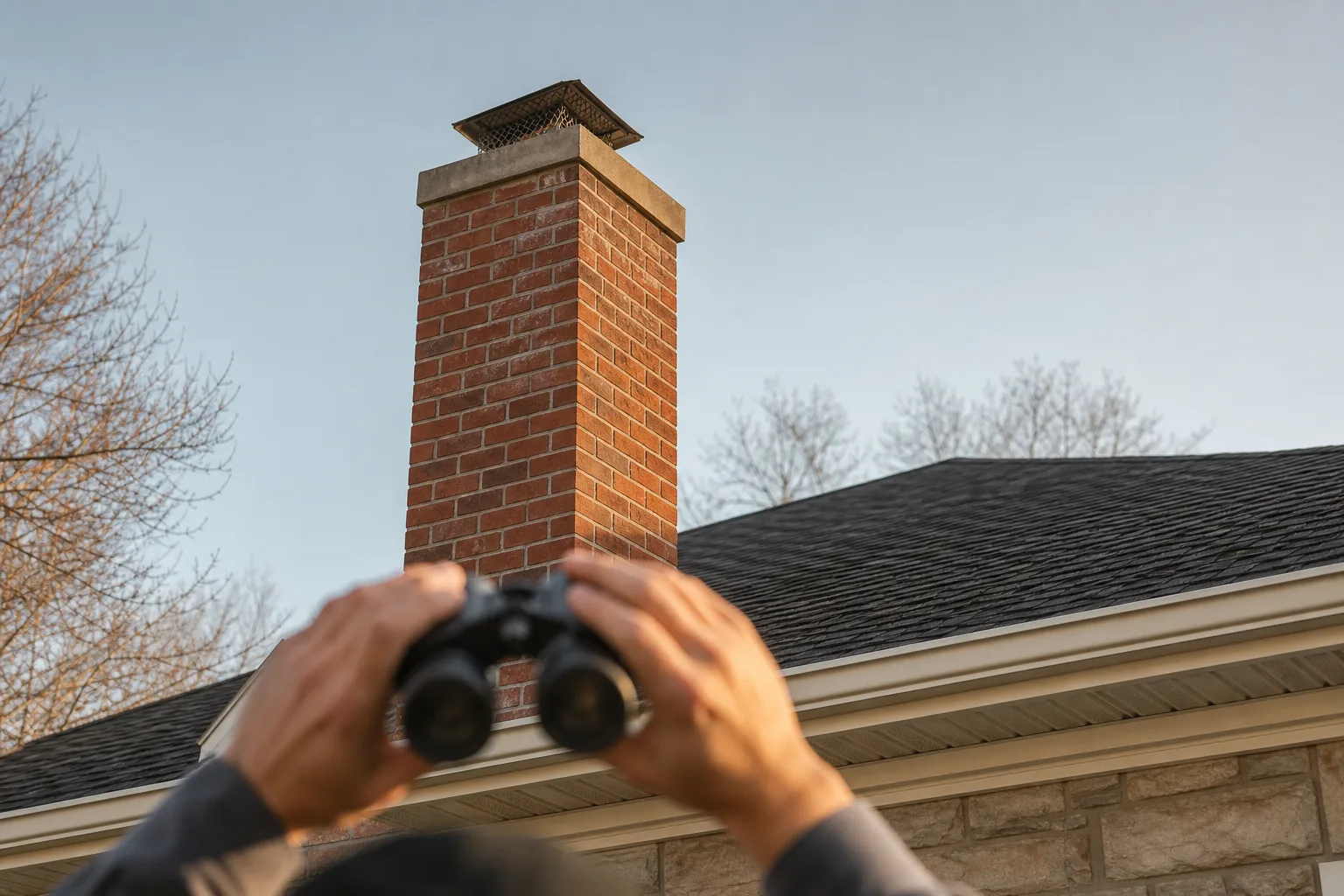
- Eyes on the flashing line. From the ground with binoculars, look for lifted or wavy metal where the chimney meets the roof, and any dark staining on the roof deck below it.
- Confirm the cap. It should sit level and tight. A tilted, rattling, or absent cap is the most common find after winter, and the cheapest thing on this list to fix.
- Scan the crown and top courses. Cracks, missing chunks, or white staining on the upper brick all mean water is already finding a way in.
- Check the interior evidence. Ceiling and wall surfaces near the chimney, the attic side if accessible, and the firebox after a hard rain: stains and dampness here are the system telling on itself.
- Book the professional look. An annual inspection catches what binoculars can't, and doing it in spring means storm-season repairs happen on your schedule, not the storm's. Our Nashville team's calendar is a lot friendlier in March than in the week after a named storm system.
Rather have us do the looking? Request a Nashville visit. Free to book, no obligation, and a pre-season check is a quick appointment.
Flashing: the most common Nashville chimney repair after a storm
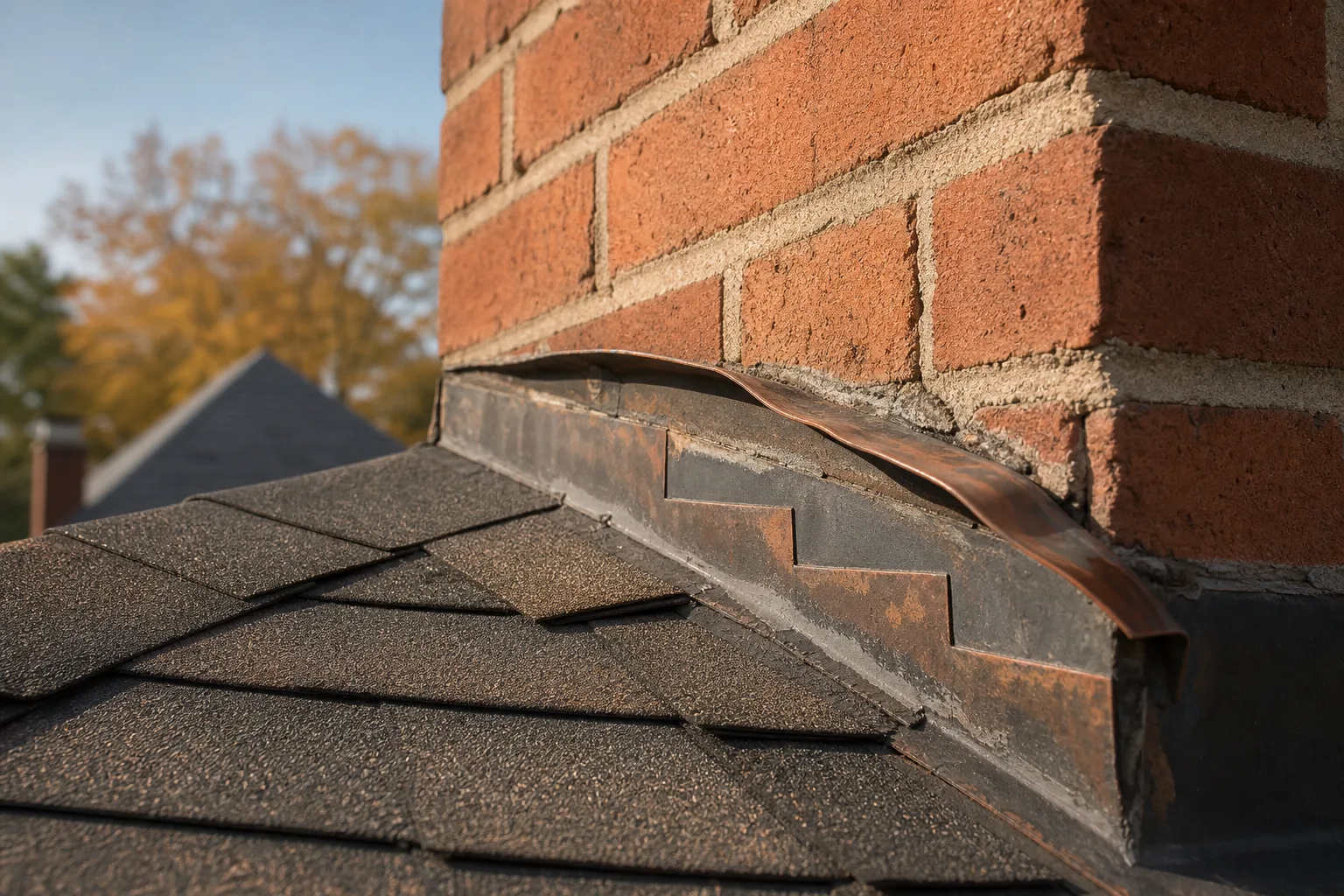
If we could pick one thing every Nashville homeowner checked, it would be flashing: the layered metal weave sealing the joint where chimney exits roof. It's the most common source of the chimney leaks we repair here, and spring storms are usually the trigger.
Why it fails here:
- Wind pries at edges. Gusts that lift shingles lift flashing edges too, and each storm bends the metal a little further from the masonry.
- Sealant ages fast in Tennessee sun. The counterflashing's sealant bakes all summer, stiffens, and loses its grip, then wind-driven rain tests exactly that seam.
- It fails invisibly. Lifted flashing doesn't look dramatic from the yard. The first symptom most homeowners get is a ceiling stain, by which point water has been in the roof deck a while.
The good news is proportion: caught early, flashing work is modest: resealing or re-bedding the existing metal. Caught late, it's carpentry plus masonry plus paint. When a stain shows up on the ceiling around the chimney after a storm, the flashing line is the first suspect the pros in our network rule in or out.
Caps and crowns in wind country
The chimney's top end takes Middle Tennessee's weather personally, and the two components up there fail in different directions:
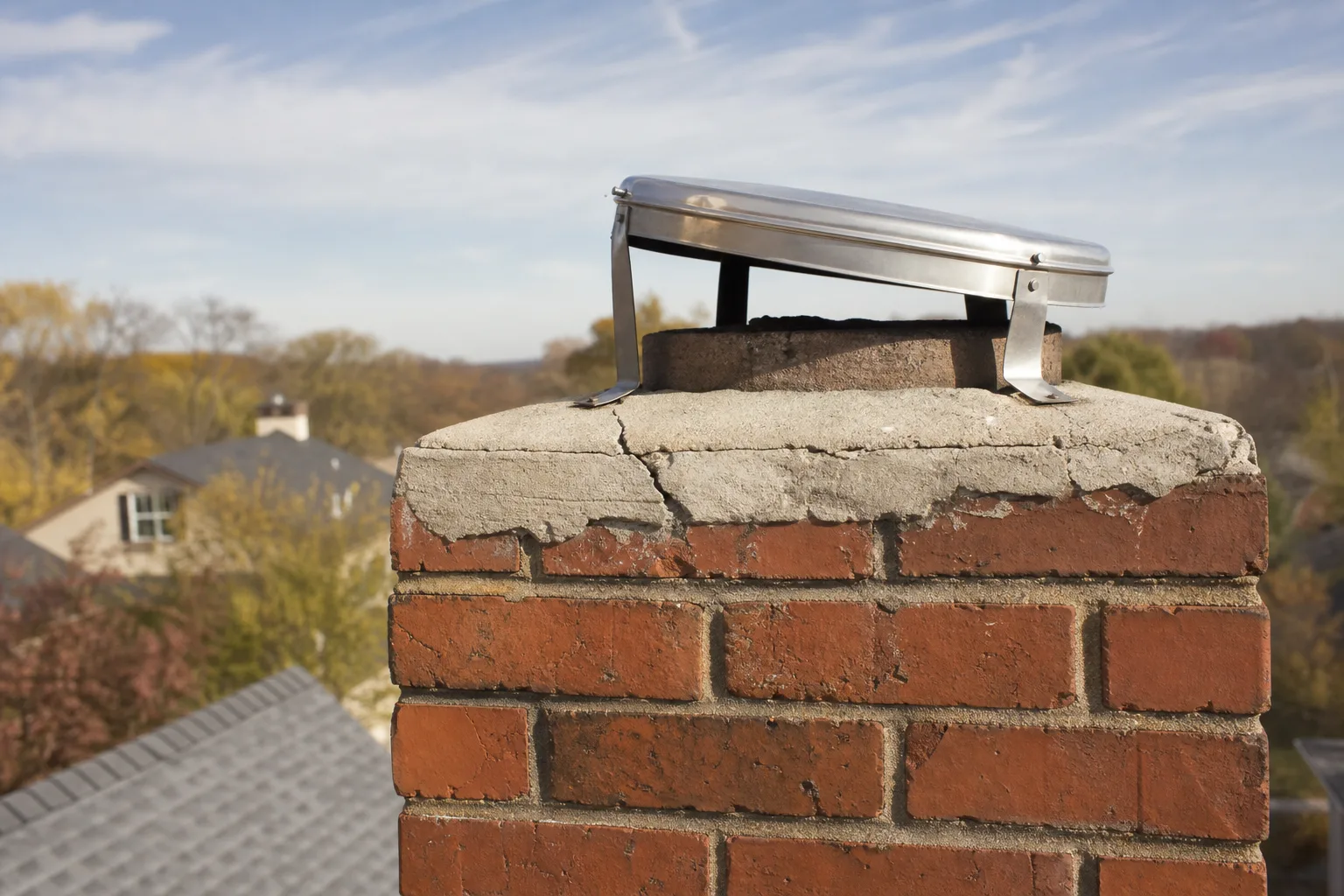
- The cap takes the wind. Nashville's storm gusts are a recurring extraction event for caps, and a missing cap turns every following rain into water straight down the flue, onto the smoke shelf, into the damper. If you've heard metallic rattling up top on gusty nights, that's a cap asking for attention before the storm that finishes the job. A properly sized, securely fastened stainless cap is cheap insurance in this wind climate.
- The crown takes the hail and the rain. The concrete slab sealing the chimney's top sheds thousands of gallons over its life, and hail impacts plus temperature swings crack it faster here than gentler climates. Small cracks seal affordably; neglected ones widen each season until the fix becomes a rebuild.
A detail worth knowing for newer construction around the metro: framed chimney chases with metal chase covers dent and rust after hail seasons, and a rusted chase cover leaks just like a cracked crown. Whichever style tops your house, the rule is the same: the top of the chimney is where Nashville storms cash in, and it's the part you can't see from the yard.
Between storms: the maintenance that compounds
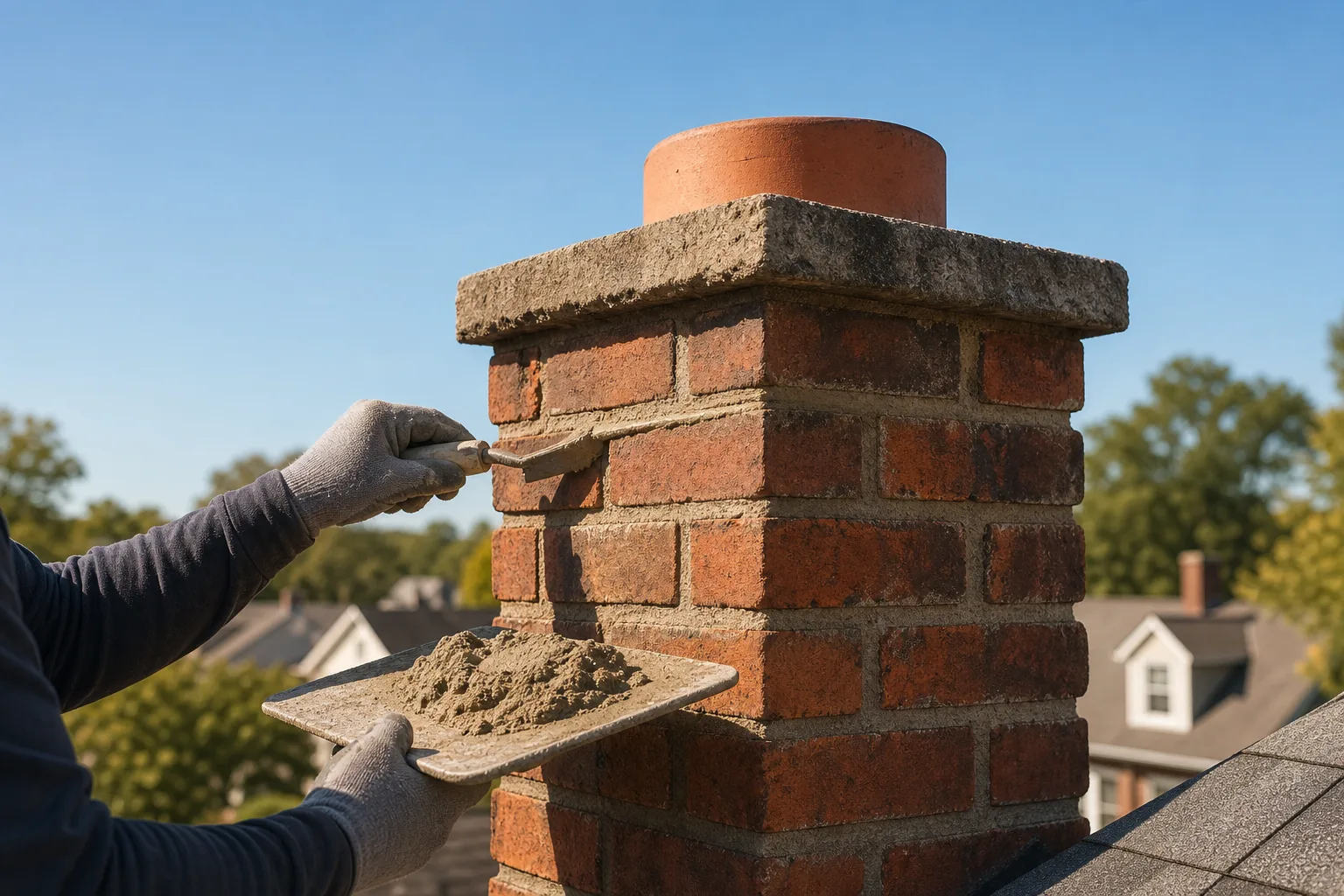
Storm-proofing isn't a product you install once. It's ordinary maintenance aimed at the parts Middle Tennessee weather targets:
| Component | What storms do to it | What protects it |
|---|---|---|
| Flashing | Wind pries edges; driven rain tests every seam | Annual check; reseal at first lift, not first leak |
| Cap | Gusts loosen, bend, or remove it | Secure fastening; a post-storm glance from the yard |
| Crown | Hail cracks it; the next rain exploits the cracks | Yearly look; seal hairlines while they're hairlines |
| Masonry joints | Wind-driven rain soaks soft mortar | Repoint aging joints; breathable water repellent |
| Flue | Debris and nesting follow any cap damage | Sweep and inspection on the annual visit |
Two habits make the table work. First, anchor everything to one annual visit: sweep, inspection, and top-end check in a single appointment, ideally in the quiet months, so storm season opens on a verified chimney. Second, treat every serious storm as a trigger for the walkaround below: the annual visit catches the slow failures, and the walkaround catches the sudden ones.
Homeowners sometimes ask whether this is overkill for a fireplace they light a dozen times a year. Honestly: storm damage doesn't care how often you burn. Water through a storm-opened chimney stains ceilings and rots framing whether the fireplace is beloved or purely decorative. The usage-based cleaning schedule flexes with your burning; the weather-based checks don't.
After the storm: the five-minute walkaround
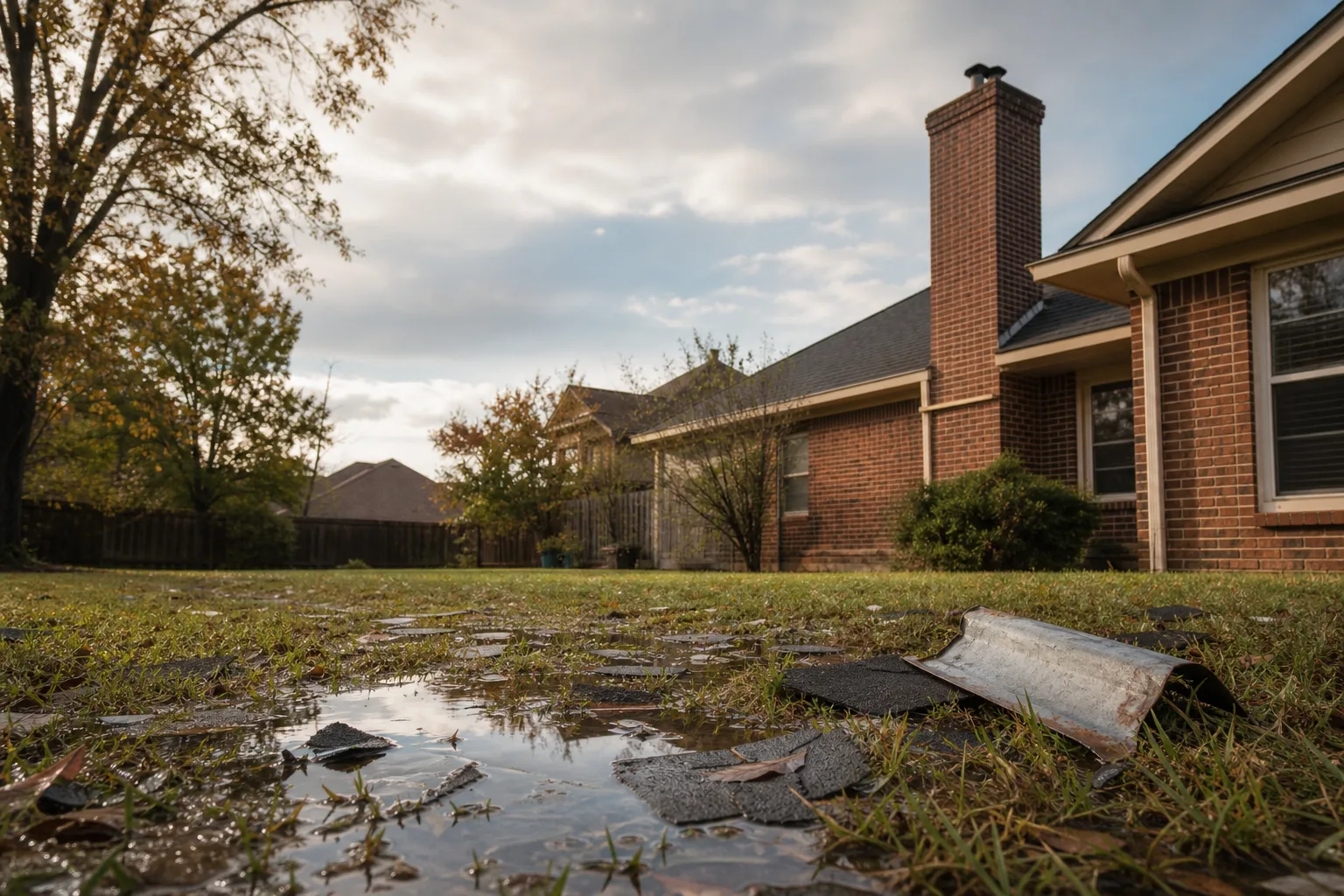
When a serious storm has passed through, take five minutes (ground level only, no ladders required):
- Circle the house and look up. Is the cap present, level, and intact? Any visible new damage to the chimney's silhouette?
- Scan the yard and roofline. Metal on the lawn, displaced shingle debris near the chimney, limbs on the roof. Each is a reason for a professional look.
- Check ceilings on the chimney wall. New stains, bubbling paint, or damp odor near the fireplace within a day or two of the storm mean water found a way in.
- Listen on the next windy night. New rattles or whistling from the flue usually mean something up top is loose.
- If anything's off, document and call. Photos from the ground are genuinely useful: for the repair scope, and for any insurance conversation about storm damage, where a professional written assessment does the heavy lifting.
Most walkarounds find nothing, which is the point. Thirty seconds of relief instead of a January surprise. And when something is wrong, storm damage caught inside a week is a repair; storm damage discovered at Thanksgiving is a project. Nashville chimney repair is almost always cheapest in the week after the storm that caused it, while the damage is still one component instead of three. Our Tennessee technicians handle both, but we'll always root for catching it early. That's exactly what a quick service request is for.
Symptom checker
What is your chimney doing?
Tap the closest match for an honest first answer.