Chimney costs
How much does chimney removal cost?
$1,500–$4,000 to below the roofline. Frequently cheaper than rebuilding, and rarely offered.




$1,500 to $4,000 to take it below the roofline. Often the cheaper answer, and almost never suggested.
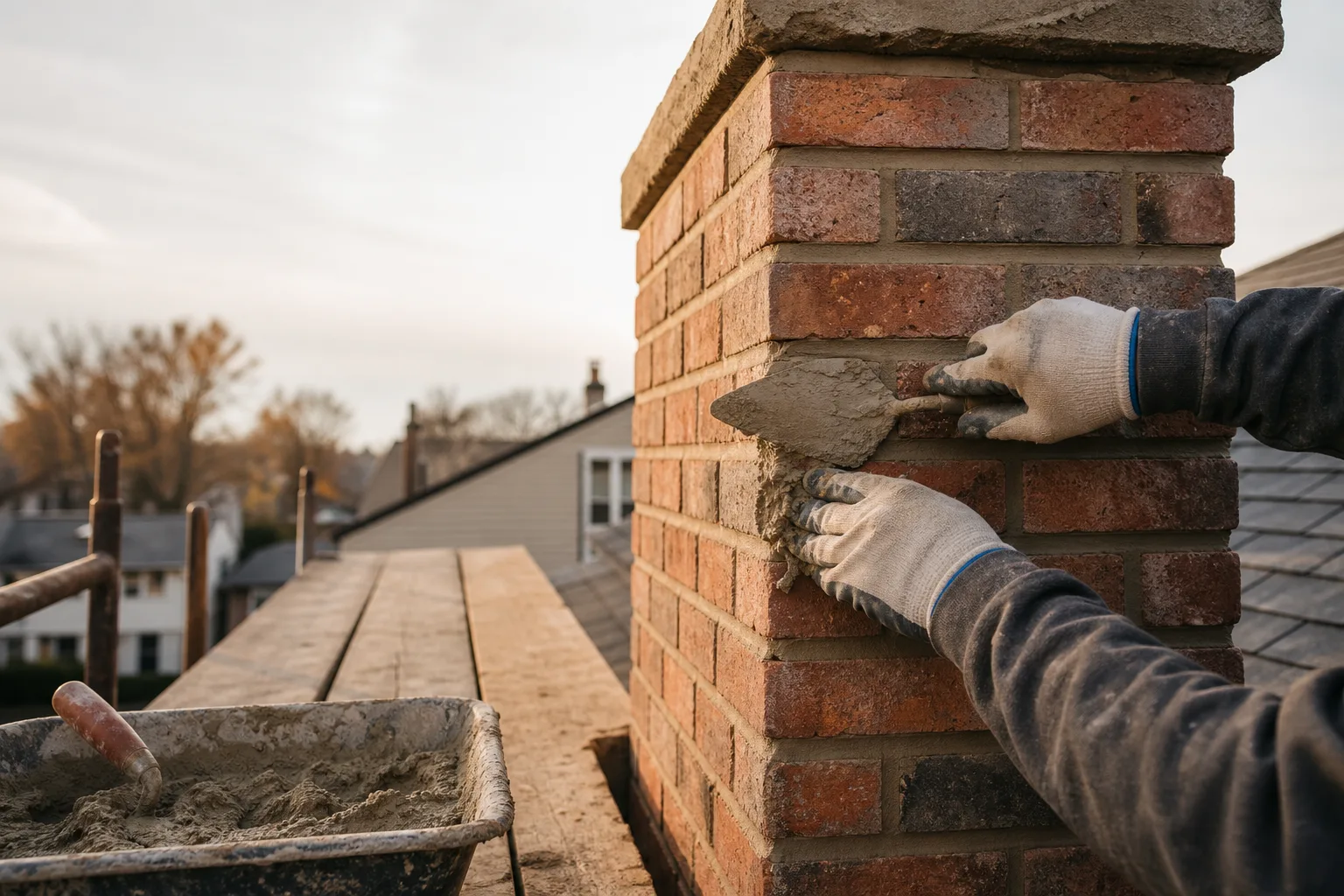
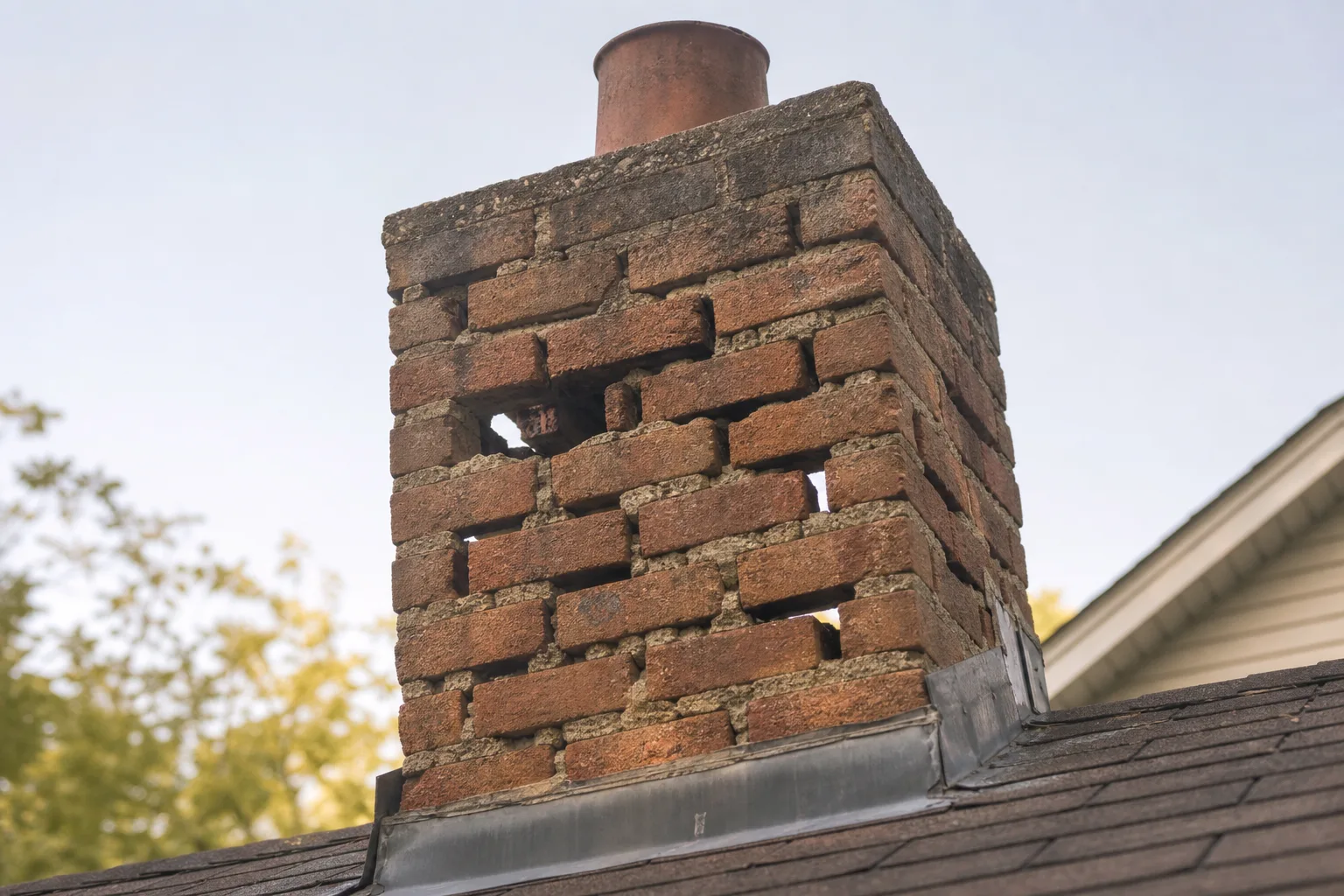
Chimney removal cost runs $1,500 to $4,000 to take an unused stack down to below the roofline and close the roof over it, and $4,000 to $10,000 to remove the whole thing including the portion inside the house. It matters because the alternative quote in front of you is usually a rebuild at $3,000 to $12,000, and almost nobody puts removal on the table. If the chimney is unused, is not part of a period elevation, and serves no appliance, it is a legitimate option that ends the maintenance permanently.
When it makes sense
Unused, and not coming back
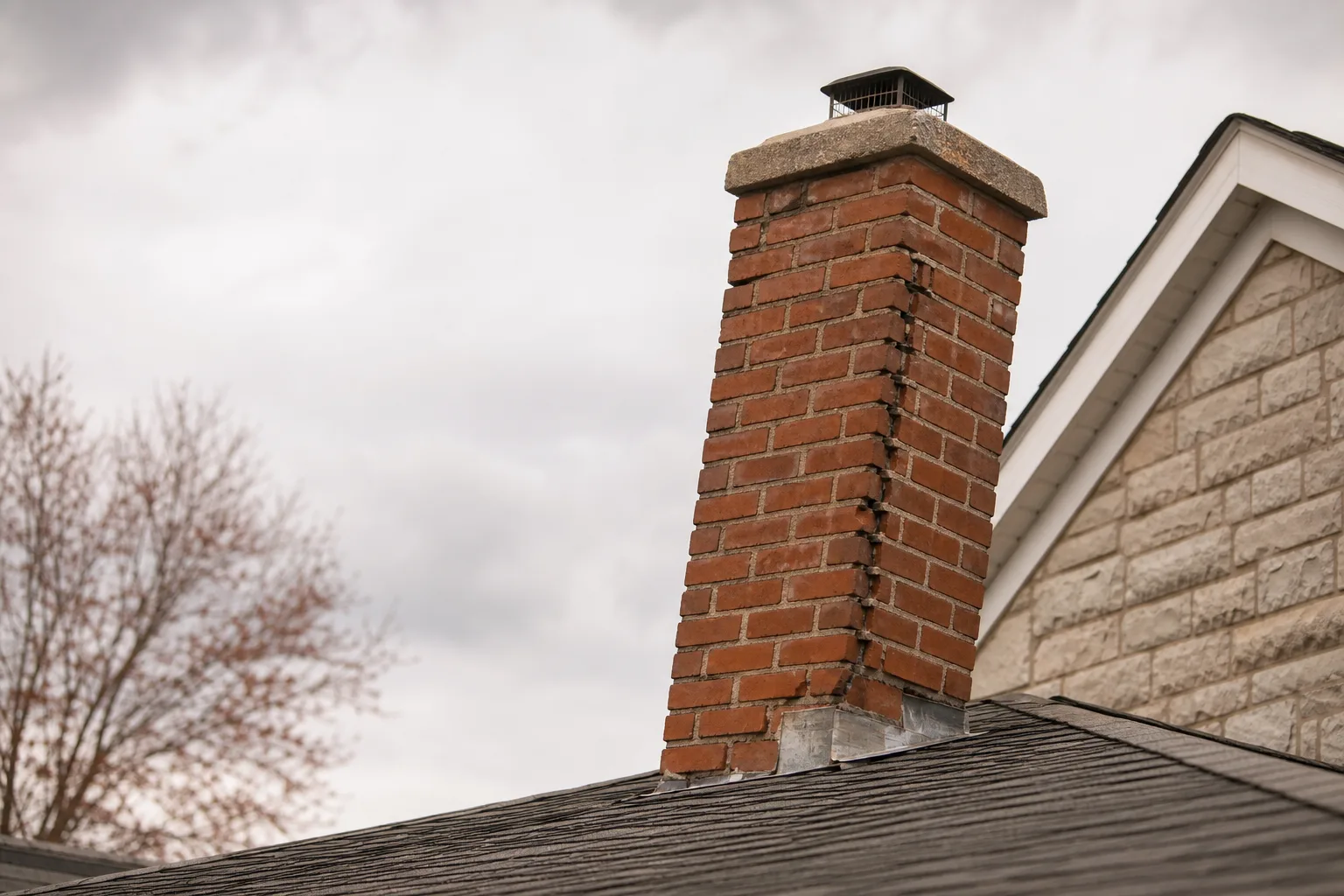
No appliance, no plans for the fireplace, not a feature of the elevation. Then removal ends the spend rather than deferring it.
On this pagePrice table3 sections+2
Chimney removal cost by scope
Every figure here is a band, because a single number for work nobody has looked at yet would be a guess dressed up as a quote.
| The job | Typical range | What moves it |
|---|---|---|
| Down to below the roofline | $1,500–$4,000 | Height and access |
| Roof made good over the opening | Included above | Matching the existing covering |
| Full removal including interior | $4,000–$10,000 | Floors and finishes have to be made good |
| Structural support where it was load-bearing | +$1,000–$4,000 | Whether the stack carried anything |
| Asbestos survey and removal | +$500–$3,000 | Older flue linings and surrounds |
| Skip hire and disposal | $400–$900 | Masonry is heavy and disposal is by weight |
US-wide bands for planning, not a quote. Regional labour rates move all of these, and the only number that means anything is a written estimate for your chimney.
What actually decides the number
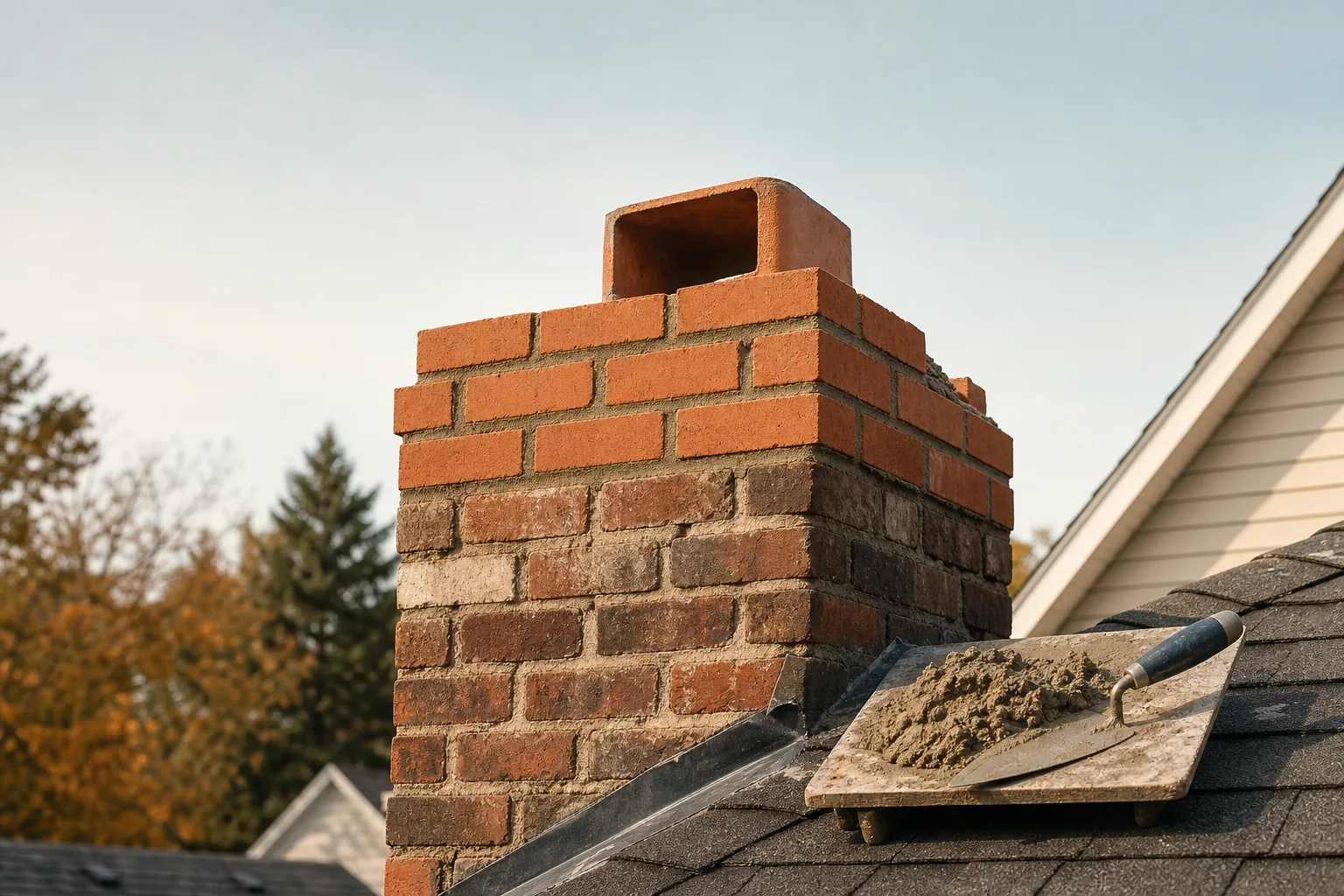
How much comes down
Below the roofline is a contained job. Taking the interior stack out means opening floors, ceilings and finishes, and most of that cost is the making good rather than the demolition.
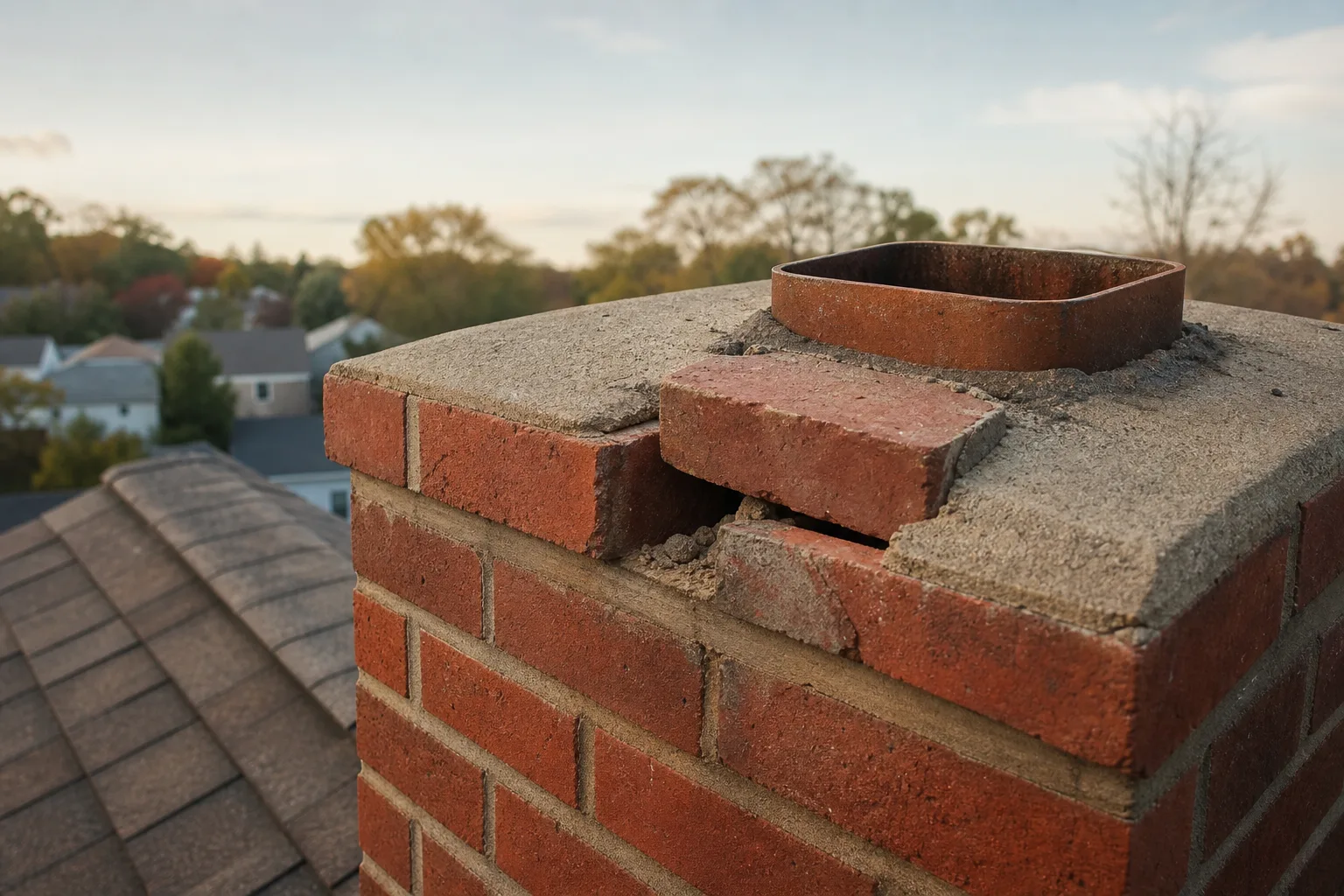
Whether the stack was load-bearing
Some chimneys carry floor joists. If yours does, removal becomes structural work with an engineer involved, and the number changes character.
Access and disposal
Masonry is heavy, disposal is charged by weight, and getting it off a roof safely is most of what you are paying for on a partial removal.
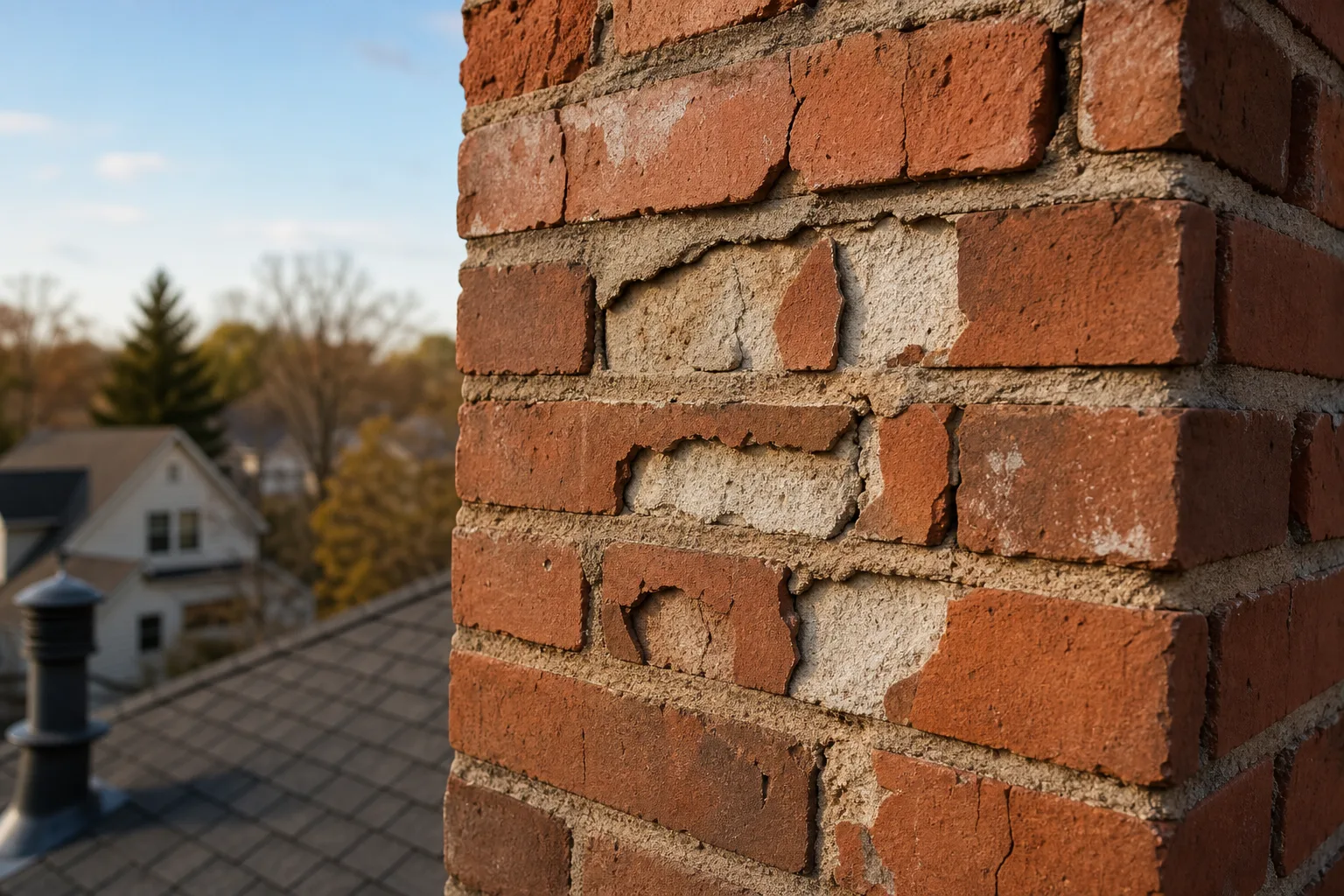
Age of the house
Pre-1980 properties may have asbestos in flue linings or hearth surrounds. That needs surveying before anyone starts and it is not a corner to cut.
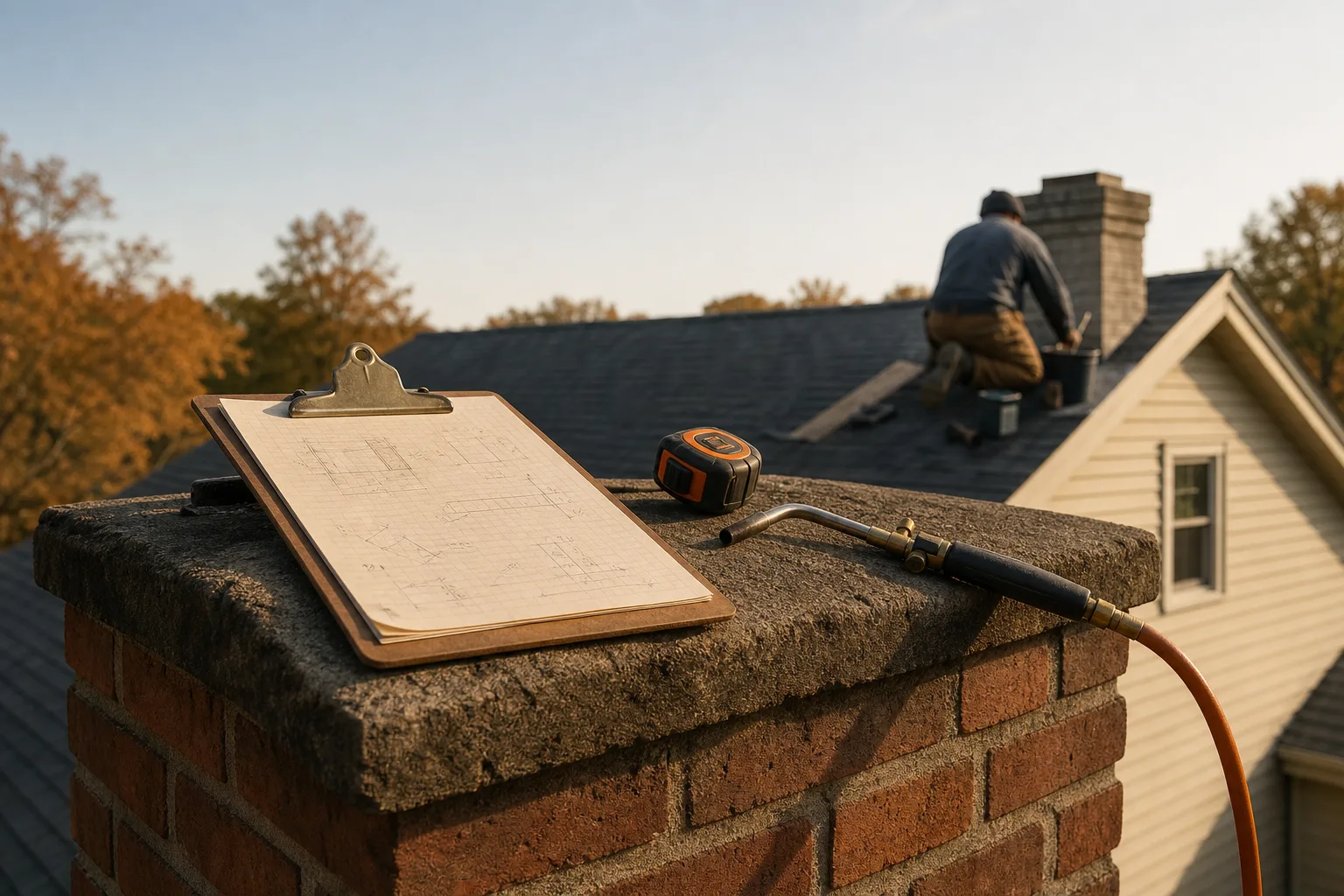
Whether the roof needs matching
Closing the opening in a way that matches an aged roof covering is harder than it sounds, and on slate or tile it is a specialist job.
Should be included
- The stack taken down to the agreed level
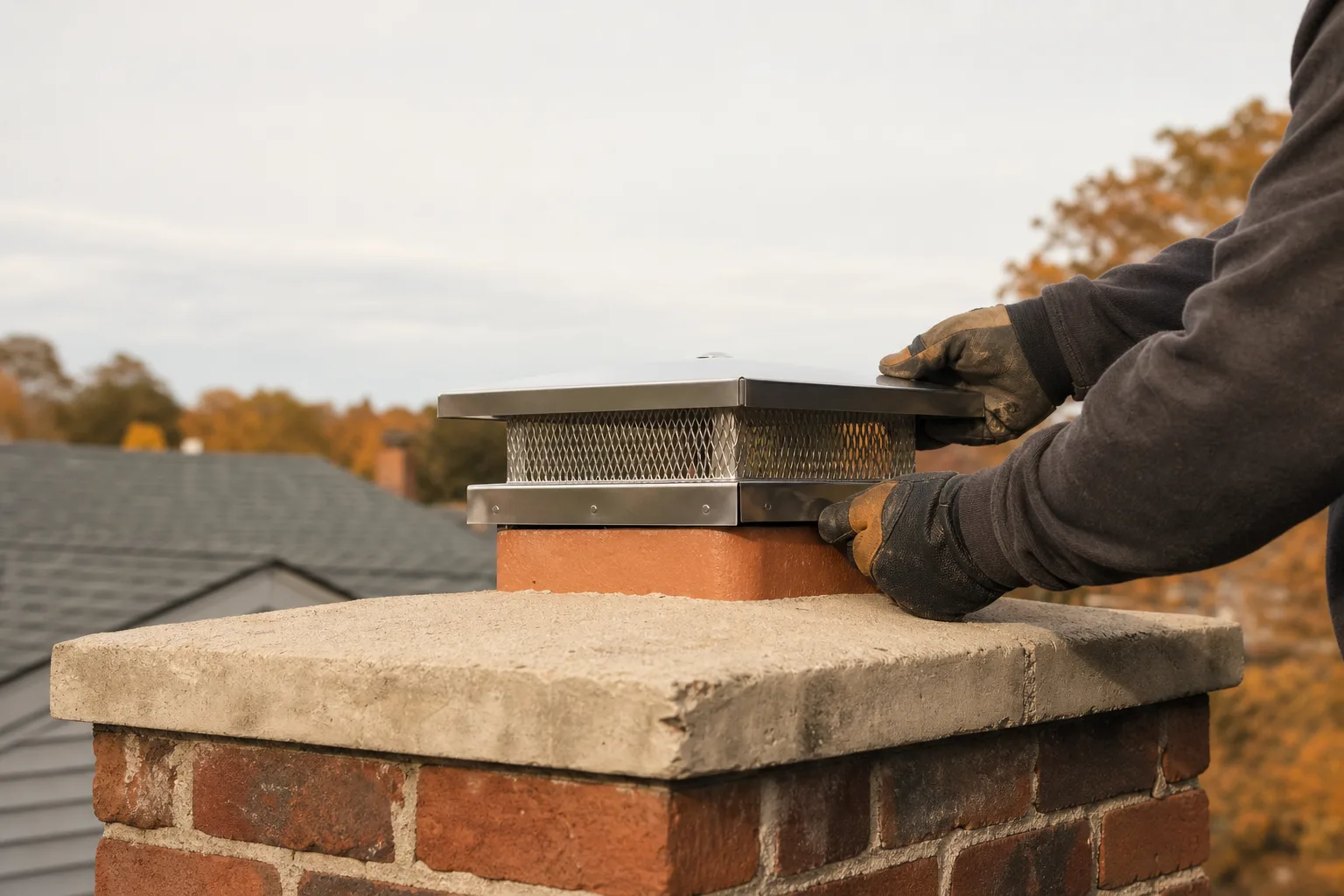
- The flue capped and sealed where it stops
- Roof structure closed and made weathertight
- Covering matched as closely as the existing allows
- All debris removed and disposed of
Priced separately
- Structural support, where the stack was carrying load
- Asbestos survey or removal on older properties
- Interior making good on a partial removal
- Any planning consent, on a listed or conservation property
- Reinstating a fireplace later, which is a rebuild
Quotes to walk away from
- A removal quoted without anyone checking whether the stack is load-bearing.
- No asbestos survey mentioned on a pre-1980 house.
- No detail on how the roof will be closed and matched. That is the part that leaks later.
- A rebuild quoted with no removal option offered, on a chimney the household never uses.
- Removal recommended on a period elevation without mentioning what it does to the look and the resale.
The VIO Standard
- A written estimate first
- License and insurance checked
- Nothing starts without your OK
Common questions
Is chimney removal cheaper than rebuilding?
Usually, and by a meaningful margin. Taking a stack down to below the roofline runs $1,500 to $4,000 against $3,000 to $12,000 to rebuild it. The gap is why it is worth asking for both numbers rather than only the one you were offered. What makes rebuilding the better answer is wanting the fireplace at some point, a period elevation where the stack is part of the look, or a shared flue still serving an appliance.
Will removing a chimney reduce my house value?
It can, and it depends entirely on the property. On a period house where the stack is part of the elevation, removing it is usually a negative and sometimes a planning matter. On a post-war house with an unused chimney that leaks, buyers rarely notice its absence and frequently notice a stained ceiling. The honest answer is that it depends on your street and your buyer, which is worth a conversation with a local agent before deciding.
Can I remove just the part above the roof?
Yes, and it is the common version of this job. The stack comes down to a course or two below the roofline, the flue is capped and sealed, and the roof is closed over and made weathertight. The masonry inside the house stays, so nothing internal is disturbed. It ends the exterior maintenance permanently, which is the whole point.
Do I need permission to remove a chimney?
On most houses, no. On a listed building or in a conservation area, almost certainly yes, and doing it without is a serious problem rather than a paperwork one. If the chimney is shared with an attached neighbour, that is a party wall matter and needs agreement. Worth checking before booking rather than after.
What happens to the fireplace if the chimney is removed above the roof?
It stops being usable, because the flue no longer vents anywhere. That is the trade being made, and it is why this only makes sense on a chimney nobody intends to use. If there is any chance of wanting a fire later, the reinstatement cost is a full rebuild rather than a reversal, and that changes the arithmetic completely.
These are national ranges, not quotes — how we publish cost ranges.
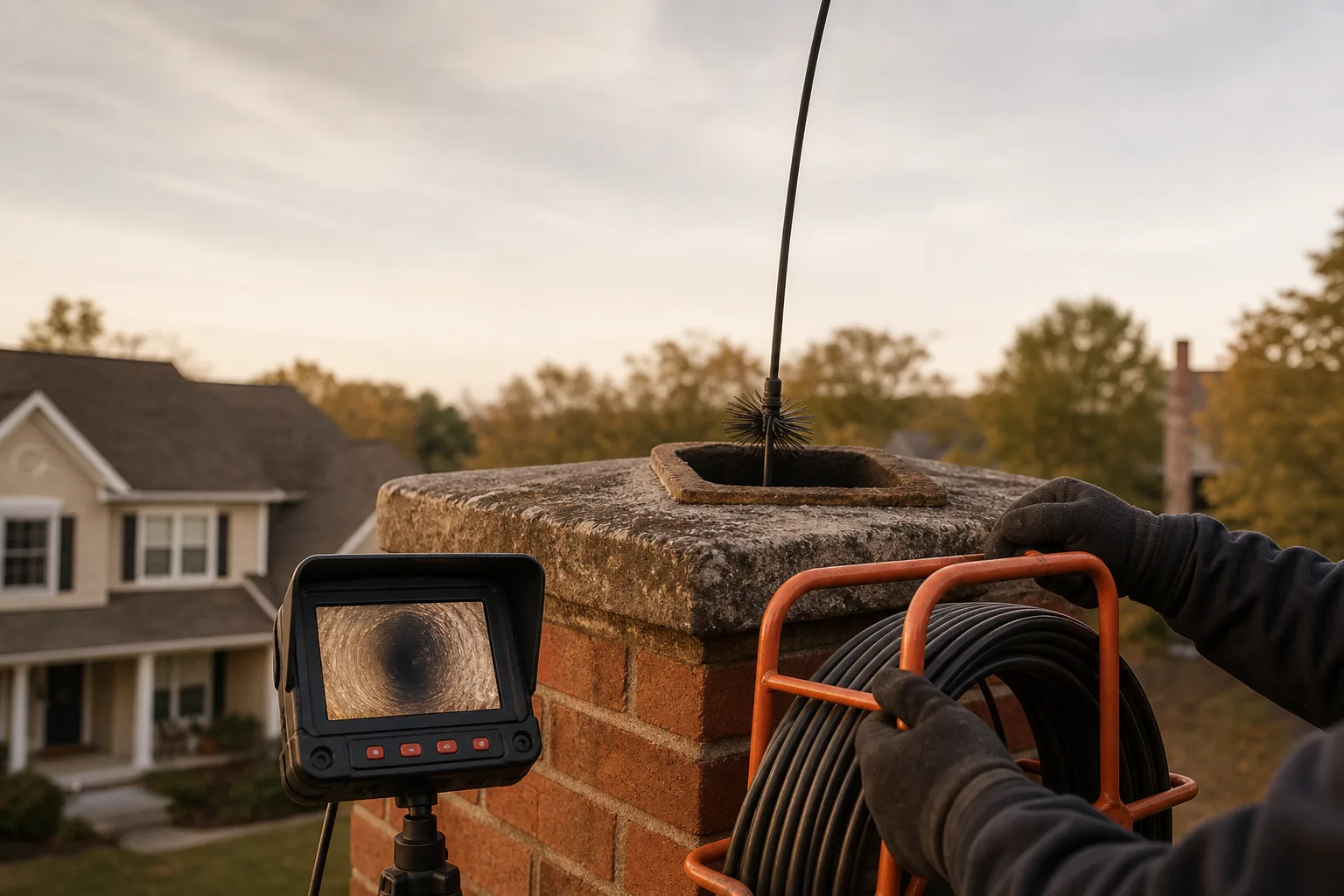
The only number that counts is the one for your chimney.
Ranges are a starting point. A written estimate after someone has looked at it is the real answer, it costs nothing to ask for, and you are not committed to accepting it.
The people behind every visit
Founded by Ryan Carter in 2019. Every page you read here is reviewed by Ethan Miller, our chimney specialist. A written estimate before any work, and the findings in writing whether or not anything needs doing.
More about who we are →