Chimney costs
How much does chimney crown repair cost?
$200–$500 to seal, $800–$2,500 to recast. How the crown was built decides which, not its age.



$200 to seal, up to $2,500 to recast. How it was built decides which you need.
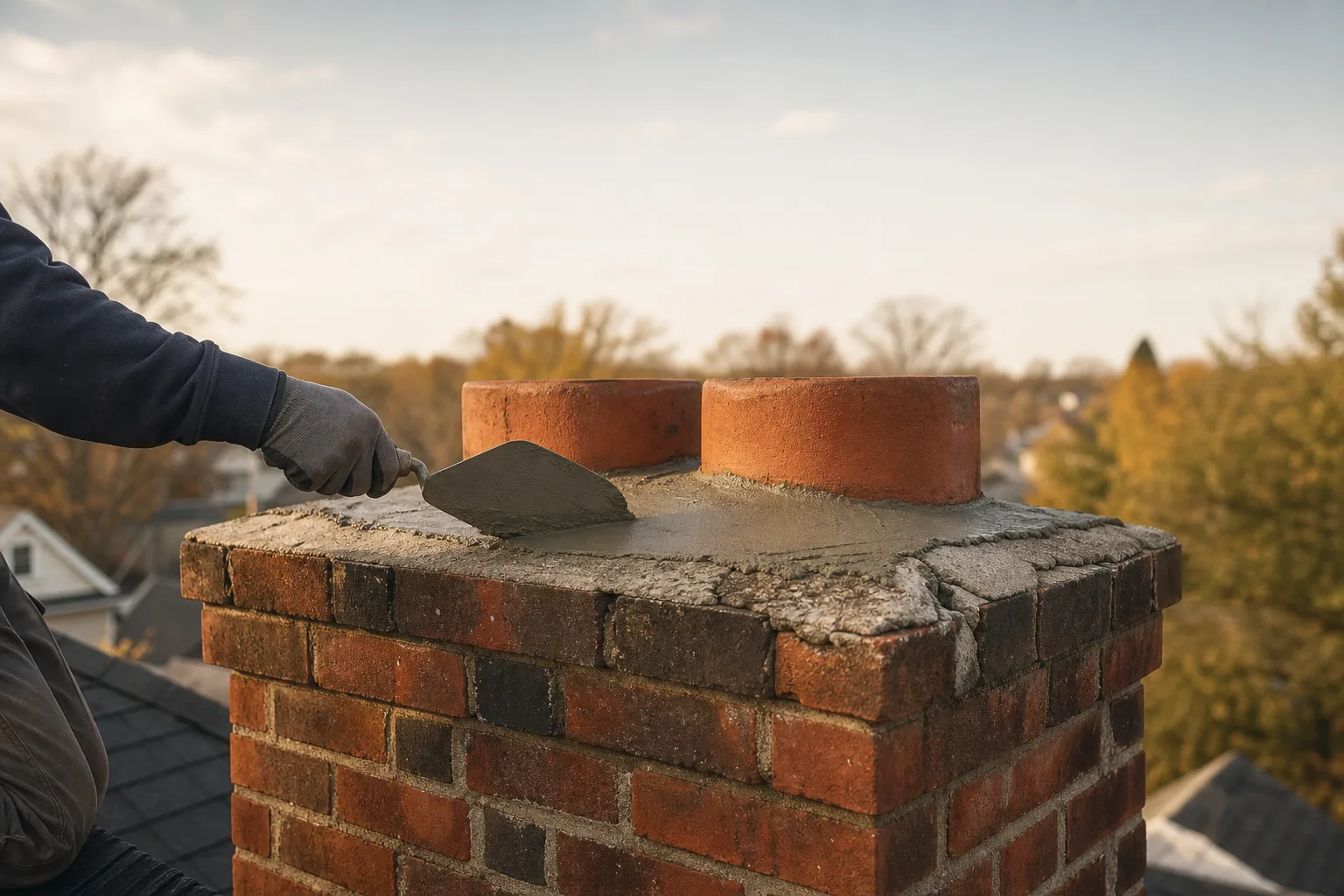
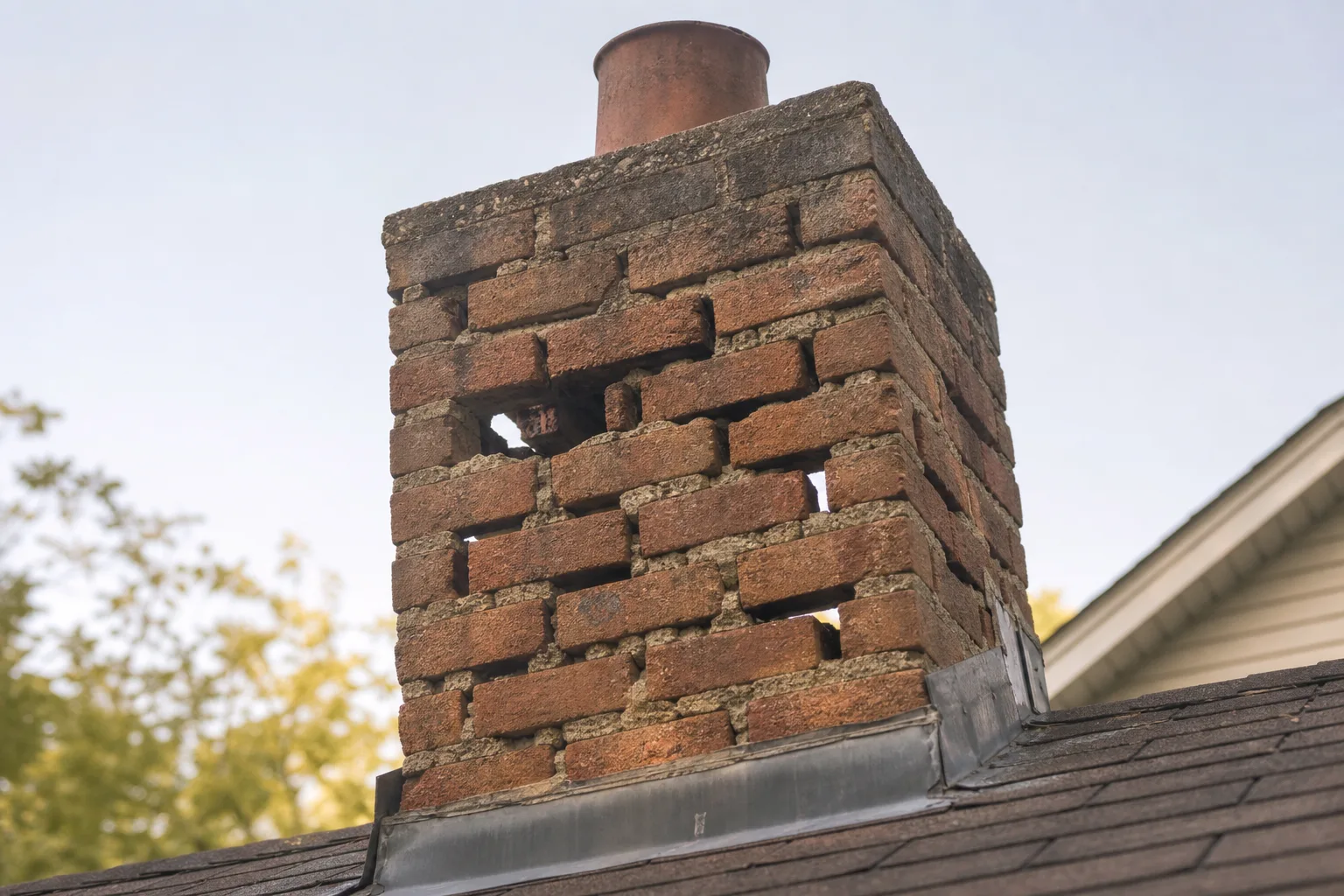
Chimney crown repair cost splits sharply. Sealing a sound crown that has hairline cracks with a flexible coating is $200 to $500 and buys years. Recasting is $800 to $2,500 because it means removing the old slab and pouring reinforced concrete with a proper overhang and drip edge. The thing that decides which you need is how the crown was built rather than how old it is: a great many are a thin mortar skim flush with the brick, and that version keeps cracking whatever you put over it. Sealing it is a delaying tactic and you deserve to be told so.
Cap, crown, chase cover
Which part is quoted
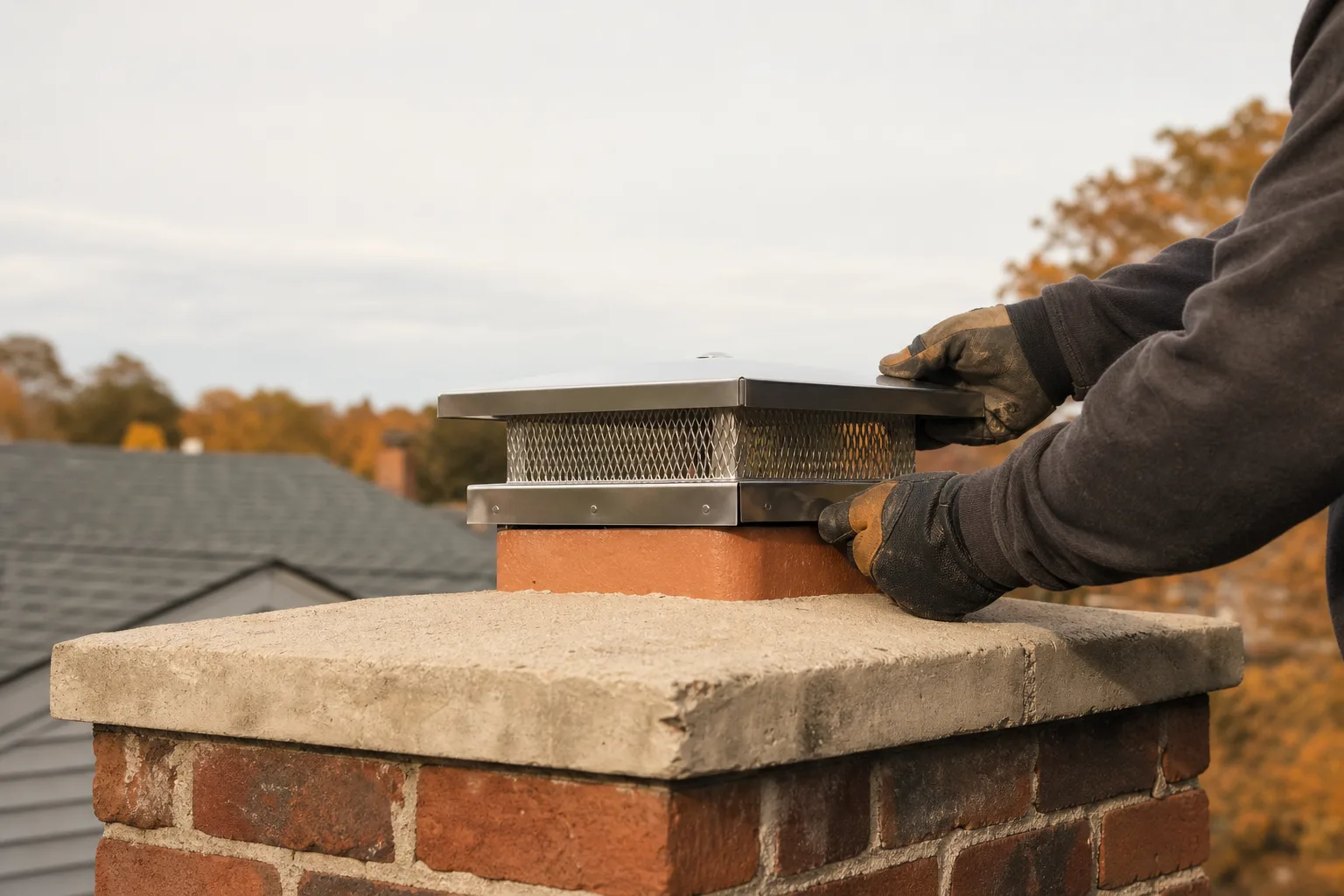
The crown is the slab covering the masonry. The cap is the metal lid over the flue. Quotes confuse them constantly and they are not close in price.
On this pagePrice table3 sections+2
Chimney crown repair cost by job
Every figure here is a band, because a single number for work nobody has looked at yet would be a guess dressed up as a quote.
| The job | Typical range | What moves it |
|---|---|---|
| Flexible seal over a sound crown | $200–$500 | Hairline cracks only |
| Localised patch repair | $300–$700 | Where the rest of the slab is genuinely sound |
| Full recast, reinforced concrete | $800–$2,500 | Size and how many flues pass through |
| Expansion joint around the flue tile | +$150–$300 | Stops the crack coming back radially |
| Cap fitted at the same time | +$150–$400 | One visit instead of two to the same roof |
| Repointing the courses below | +$300–$800 | They take the crown runoff and fail first |
US-wide bands for planning, not a quote. Regional labour rates move all of these, and the only number that means anything is a written estimate for your chimney.
What actually decides the number
Whether it can be sealed or must be recast
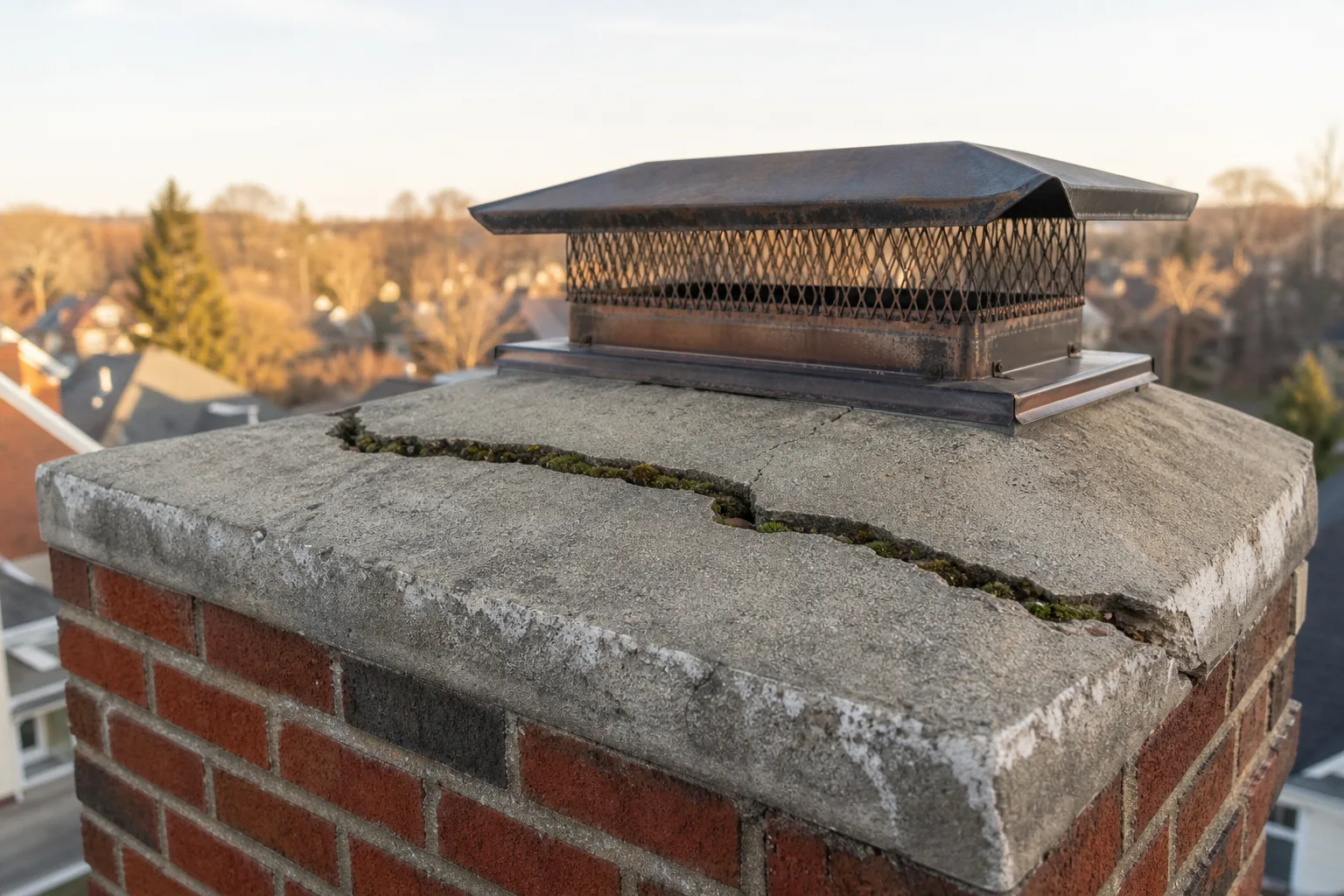
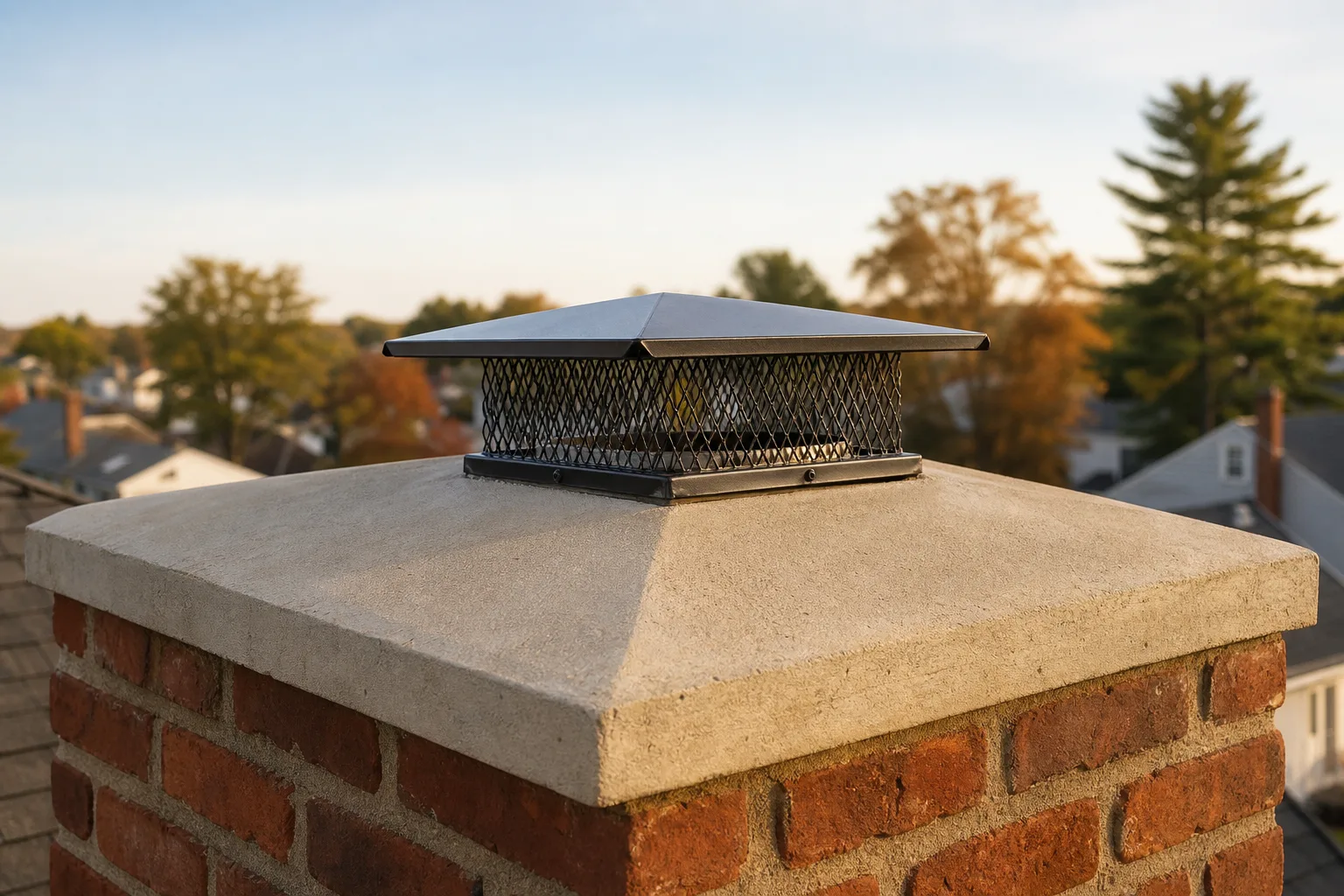
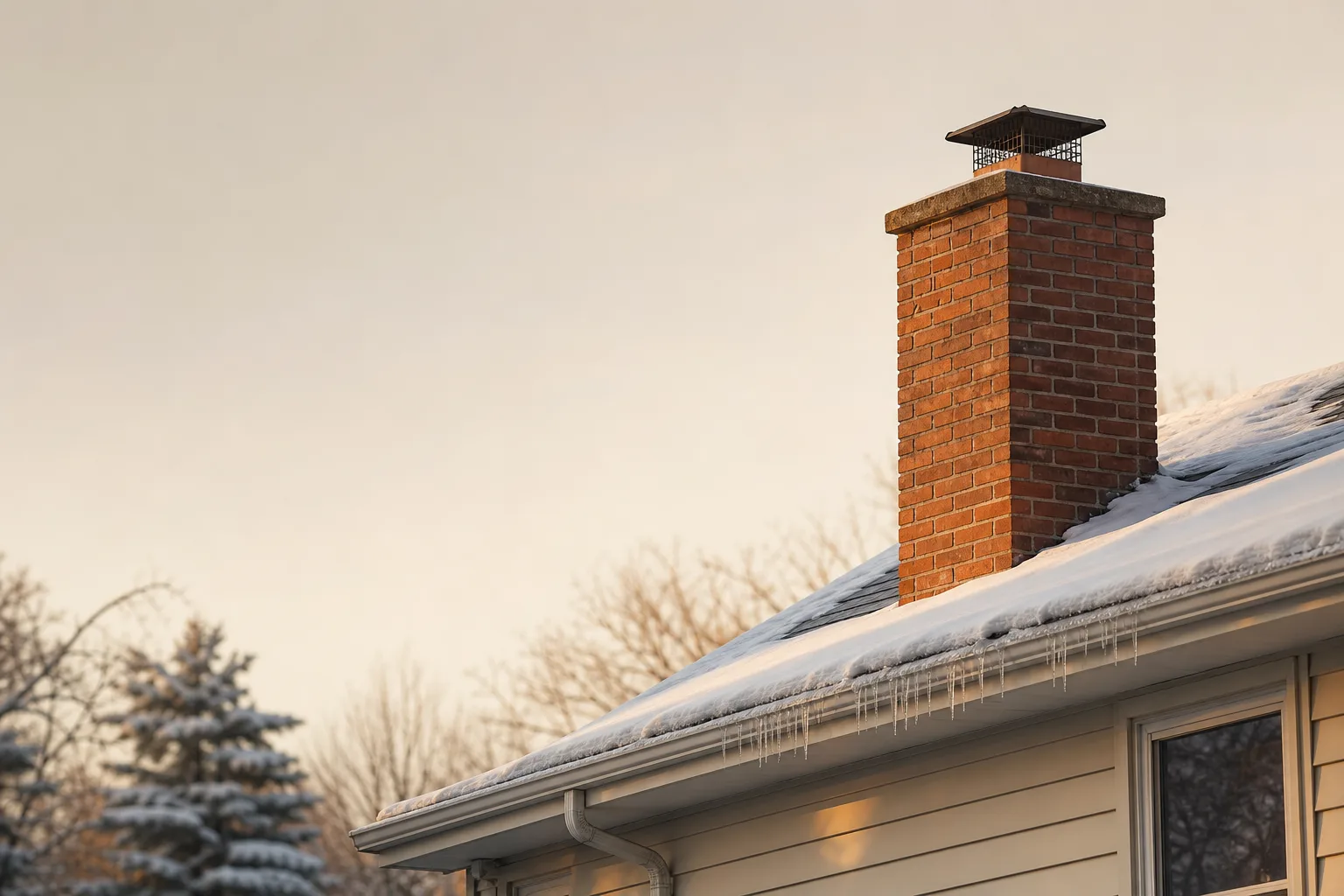
The biggest factor, and it is a question about construction rather than damage. A slab with an overhang seals well. A flush mortar skim does not.
The size of the crown
A crown is poured to the top of the stack. A wide chimney with three flues through it is several times the material and the forming of a small one.
Roof pitch and height
Access before any work happens, and on a steep roof it is a real share of the total.
Whether the courses below need pointing
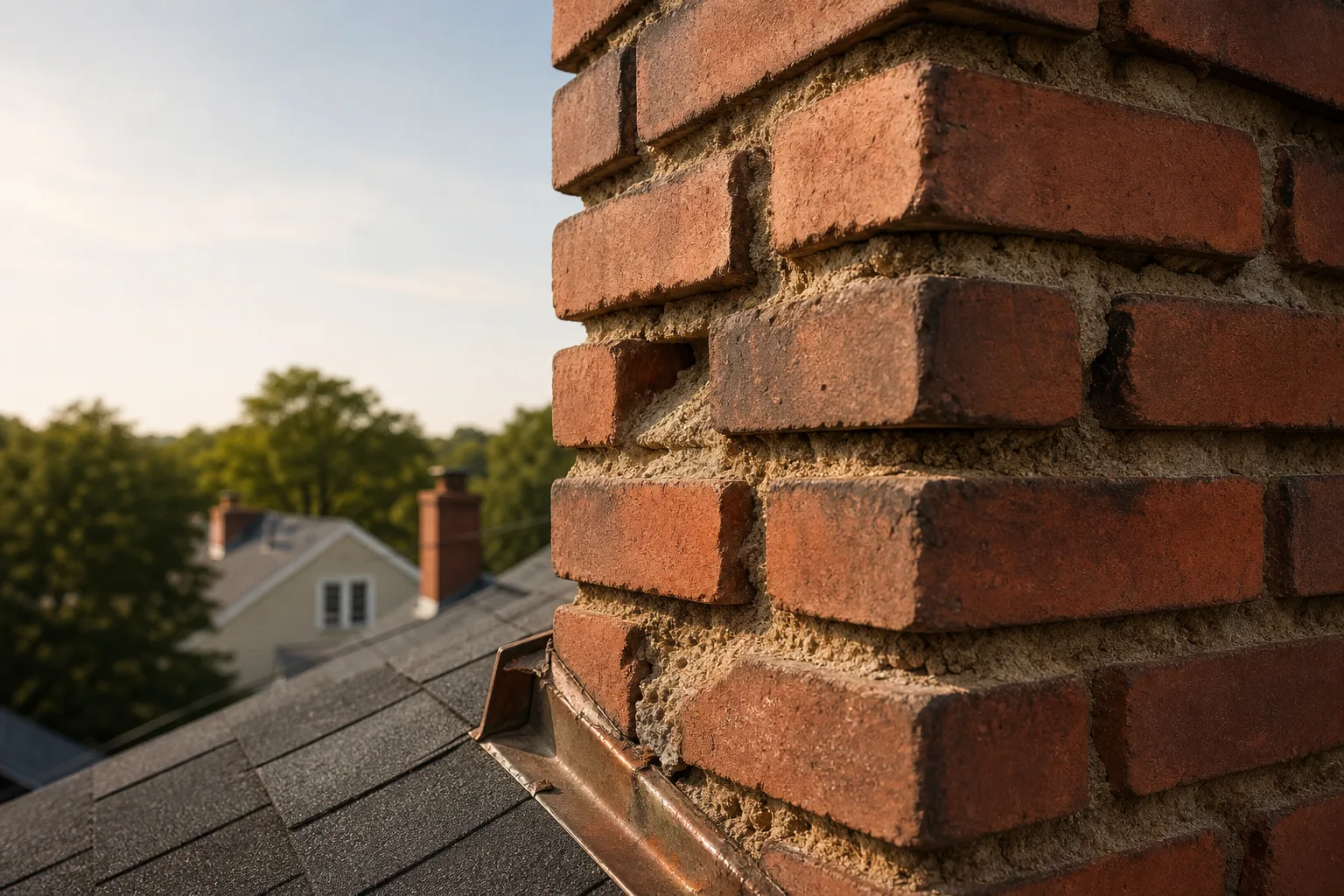
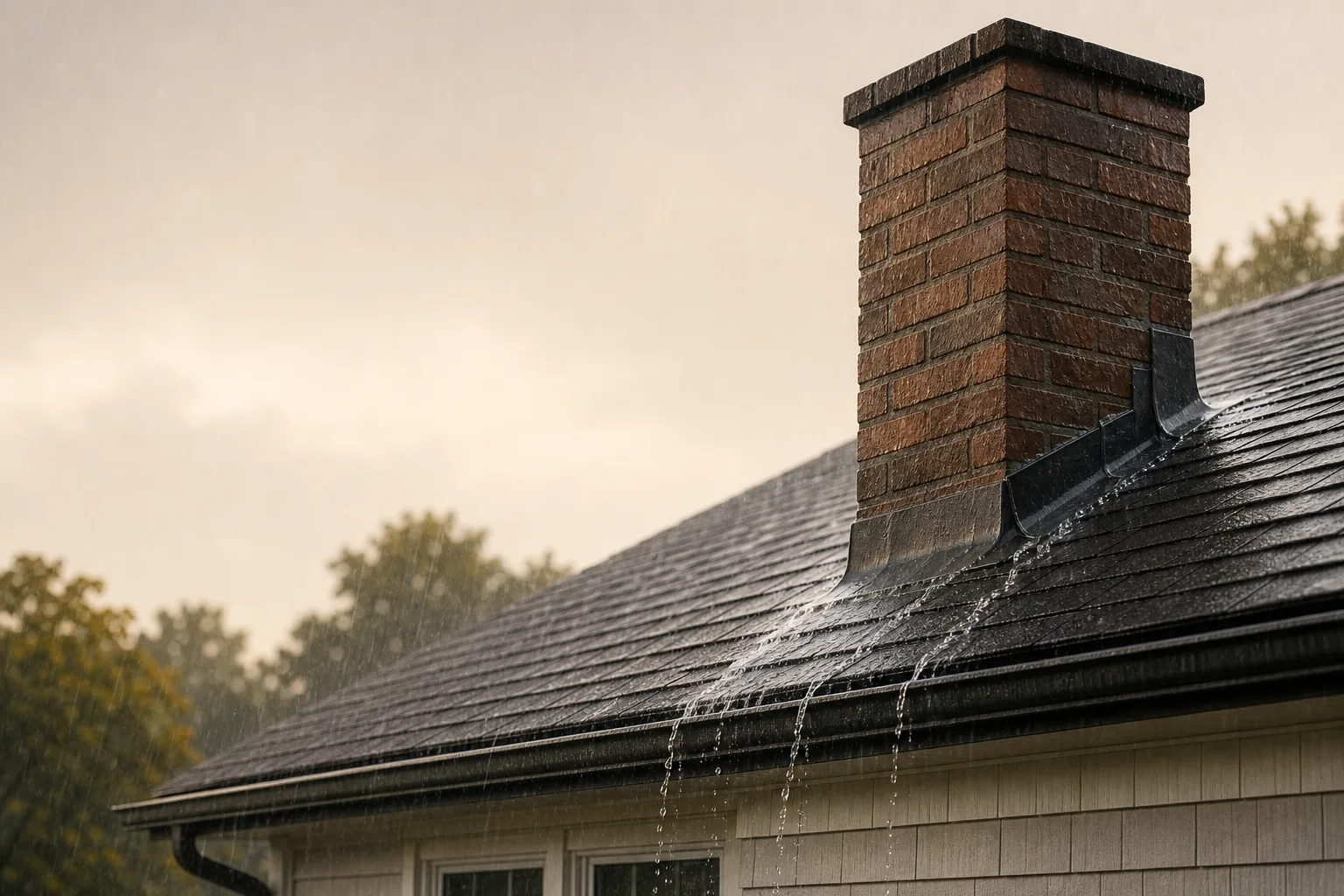
The joints under a failing crown take the most water on the stack and usually go first. Doing them together saves a second visit.
Season
Concrete needs roughly 40F to cure. In a northern winter that limits this work rather than crew availability.
Should be included
- The old crown removed where it is being recast
- Reinforced concrete with an overhang and drip edge
- A compressible expansion joint around the flue tile
- Debris cleared from the roof and ground
- Photographs of the finished work
Priced separately
- A chimney cap, unless quoted with it
- Repointing the courses below the crown
- Scaffolding on a roof that requires it
- Flue repairs the visit reveals
- Waterproofing, which comes after curing
Quotes to walk away from
- A seal quoted on a crown that is flush with the brick. It will crack again and you should be told that.
- No expansion joint mentioned around the flue tile, on a crown that has cracked there before.
- Roofing tar or general sealant offered instead of a flexible elastomeric or a proper pour.
- Concrete work scheduled during a hard freeze with no enclosure.
- A crown quote for what is actually a chase cover, or the reverse. Different parts, very different prices.
The VIO Standard
- A written estimate first
- License and insurance checked
- Nothing starts without your OK
Common questions
Should I seal or recast my chimney crown?
It depends on how it was built more than on how cracked it is. A properly cast crown with an overhang and a drip edge, showing hairline cracks, seals well with a flexible elastomeric and gets years out of it for a few hundred dollars. A thin mortar skim poured flush with the brick will keep cracking whatever goes over it, because the problem is the design rather than the damage. Sealing that one is a delaying tactic, and a fair contractor will say so.
Why does my chimney crown keep cracking in the same place?
Almost always at the flue tile. The tile heats and expands every time you light a fire and the concrete around it does not, so a crown poured tight against it cracks radially from that point and keeps doing it however often it is patched. The fix is a compressible expansion joint at that boundary, which adds a little to the cost and is the difference between a repair and a recurring one.
How long should a chimney crown last?
A properly cast one, twenty-five to fifty years. A mortar-skim crown, often less than ten. That gap is why the honest recommendation on a badly built crown is usually to recast rather than repair. You are choosing between paying once and paying every few years for the same problem to come back.
Is chimney crown repair cost worth it or should I just cap it?
They do different jobs and a chimney needs both. The cap covers the flue opening; the crown protects the masonry underneath from the weather. A cap will not stop a cracked crown feeding water into the stack. What is genuinely worth doing is booking them together, because most of what you pay for either is somebody safely on your roof.
What is the difference between a chimney crown and a chase cover?
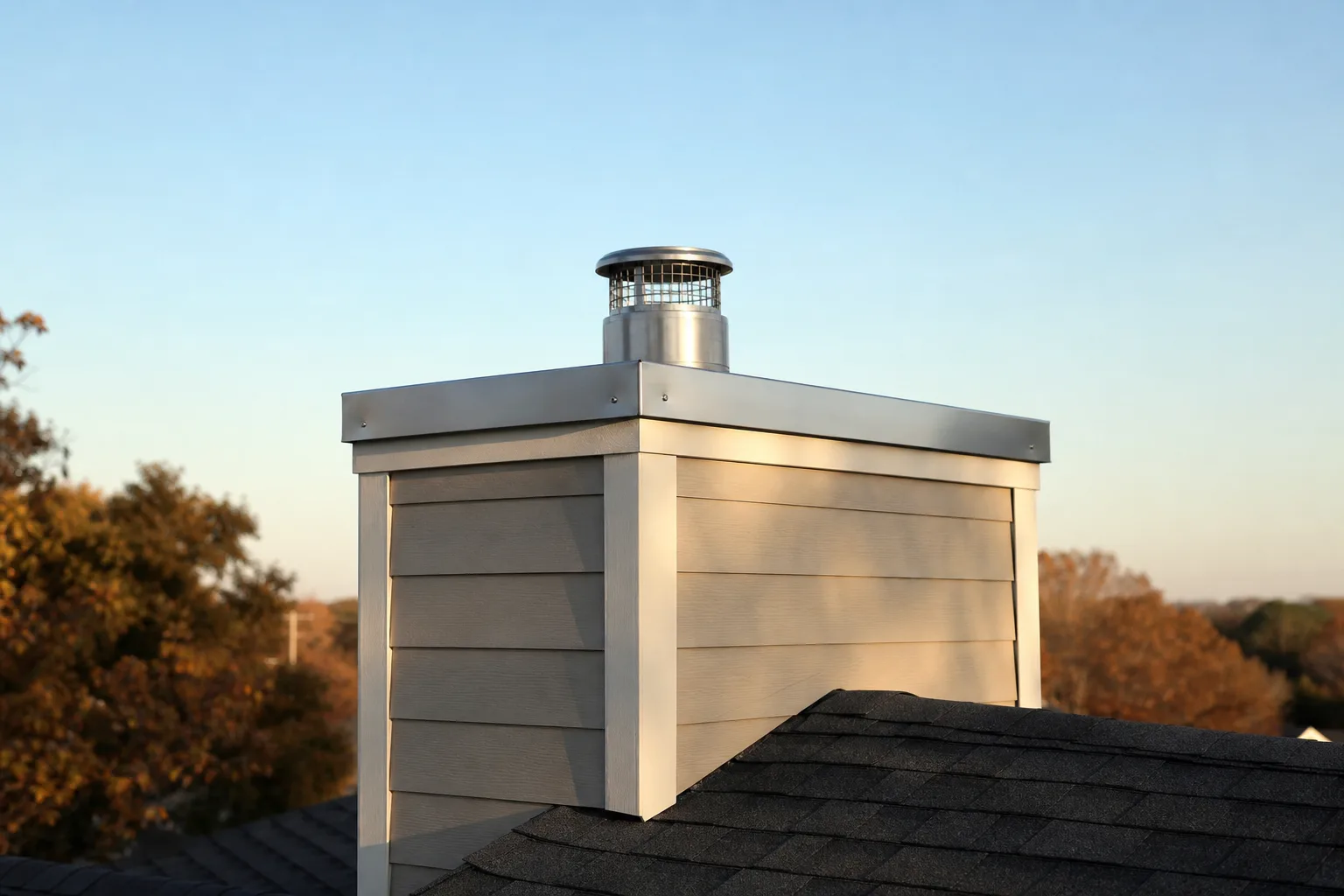
A crown is the concrete slab on top of a masonry chimney. A chase cover is the sheet-metal lid on a framed and sided chase, the kind built around a prefabricated fireplace. They do the same job in different materials and cost very differently, and quotes confuse them regularly. If your chimney is brick you have a crown; if it is siding you have a chase cover.
These are national ranges, not quotes — how we publish cost ranges.
The only number that counts is the one for your chimney.
Ranges are a starting point. A written estimate after someone has looked at it is the real answer, it costs nothing to ask for, and you are not committed to accepting it.
The people behind every visit
Founded by Ryan Carter in 2019. Every page you read here is reviewed by Ethan Miller, our chimney specialist. A written estimate before any work, and the findings in writing whether or not anything needs doing.
More about who we are →