



On this pageWhat actually determines chimney inspection cost6 sections+5
Quick answer
Chimney inspection cost depends mostly on the level of inspection you need — a Level 1 visual check is the baseline service, while a Level 2 adds a camera scan of the full flue and a written report. Condition, access, and time since your last service move the price more than the size of your house does. Booking a visit with our team is free, and you'll know the cost before anyone climbs a ladder.
What actually determines chimney inspection cost
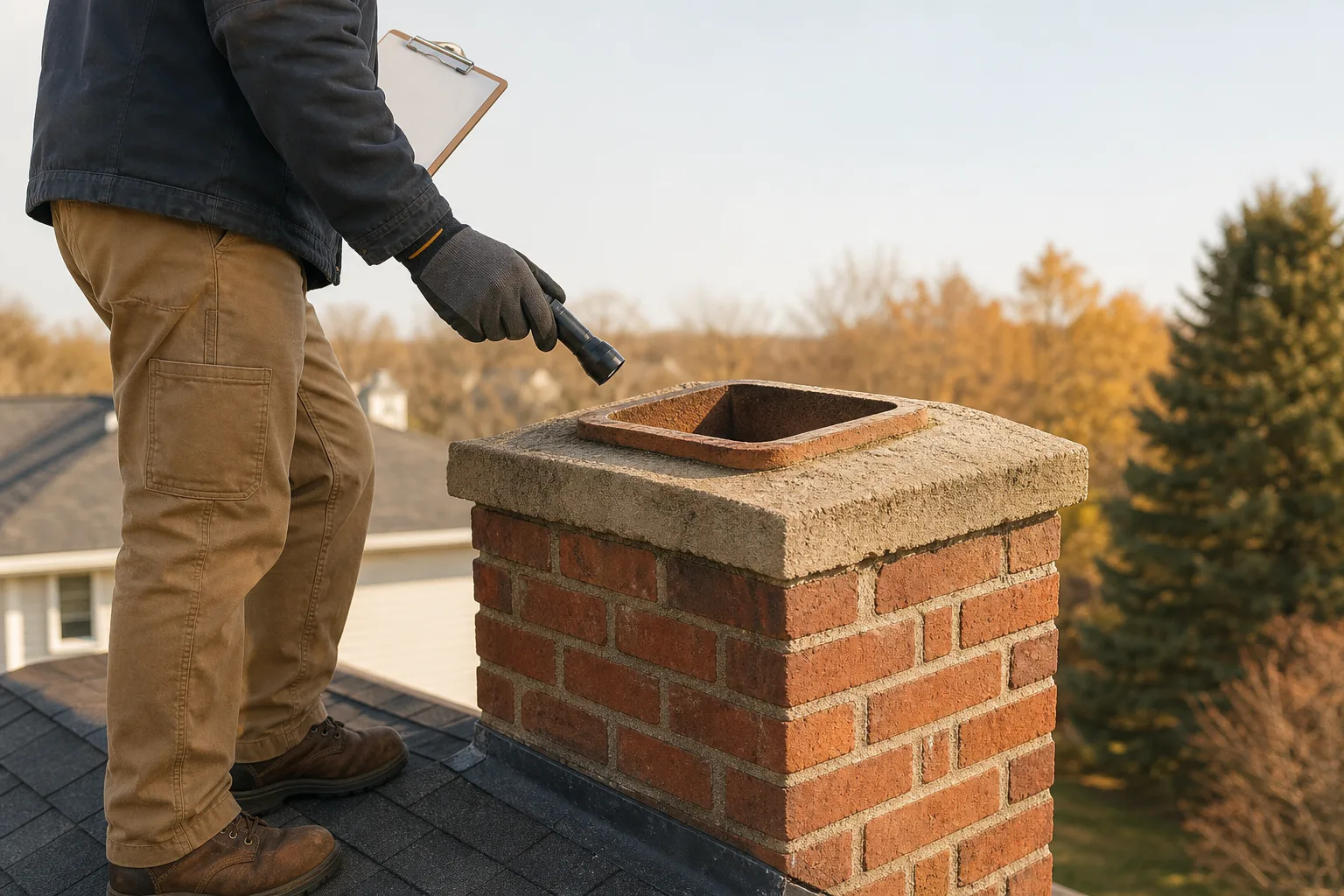
Chimney inspection cost isn't one number — it's a short list of factors, and most of them are knowable before we arrive. When homeowners call us surprised by a quote they got elsewhere, it's almost always because one of these wasn't mentioned up front.
Here's what moves the price:
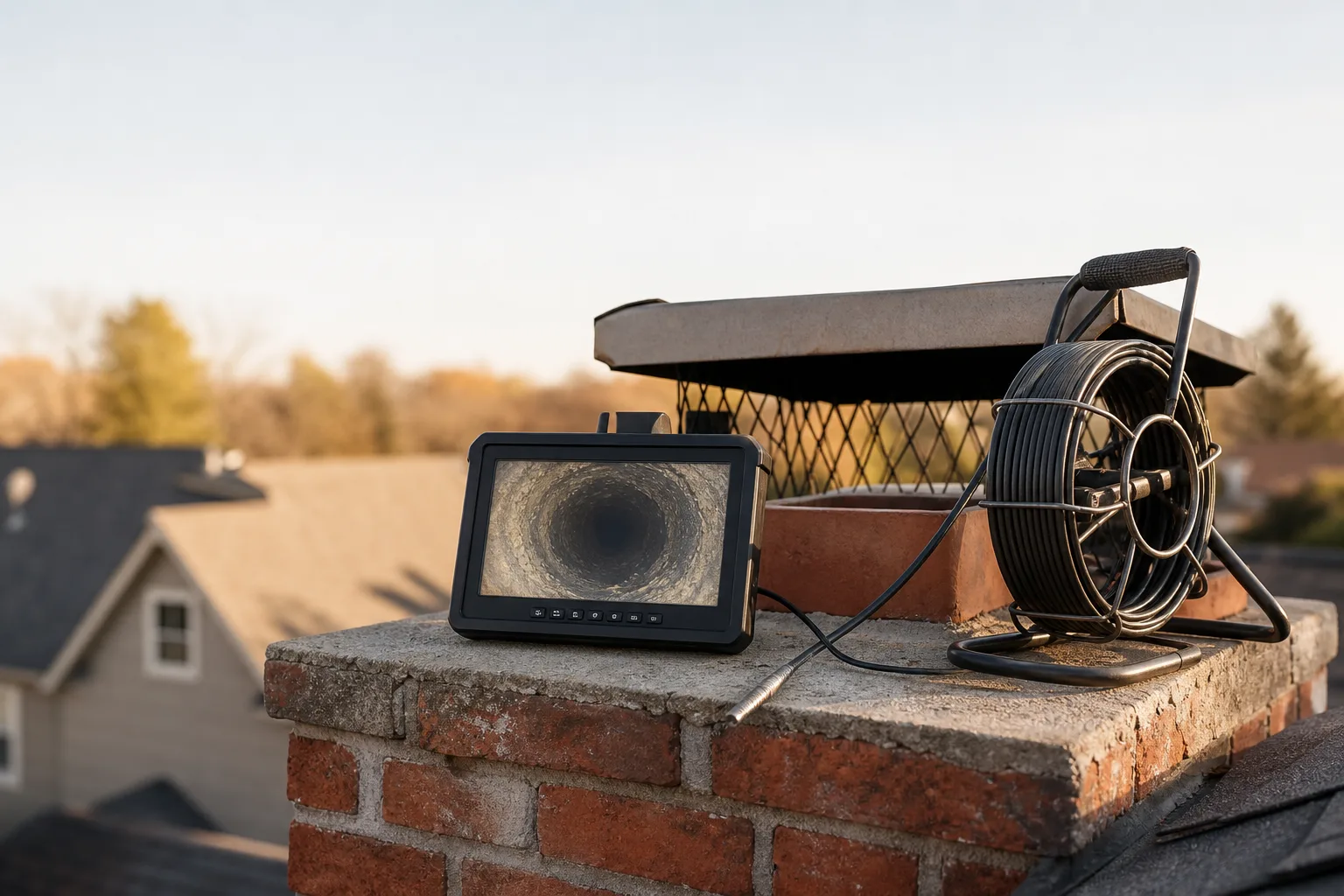
- The inspection level. A Level 1 visual check is the baseline. A Level 2, which adds a video scan of the entire flue interior and a written report, is a bigger job — more equipment, more time, more documentation.
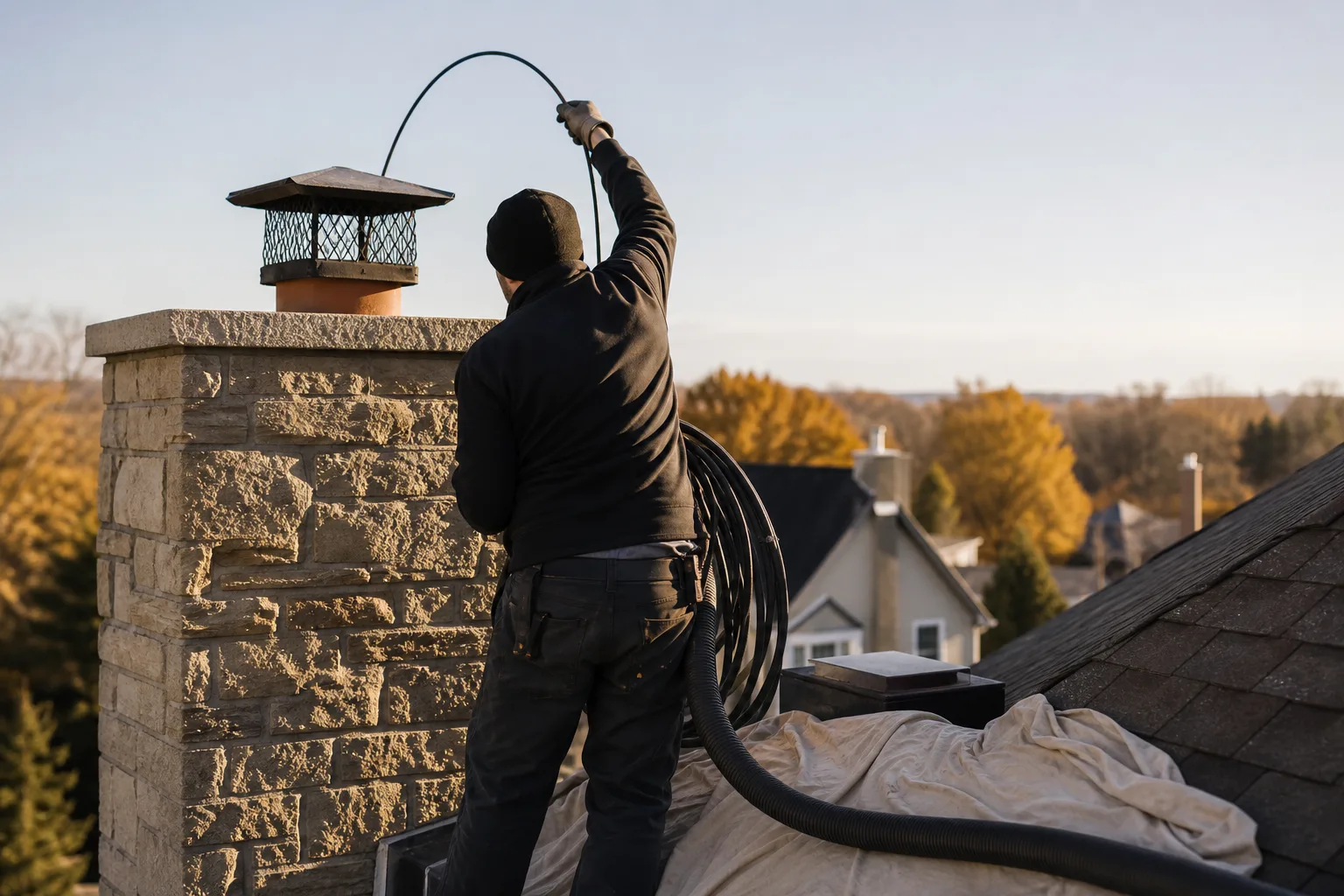
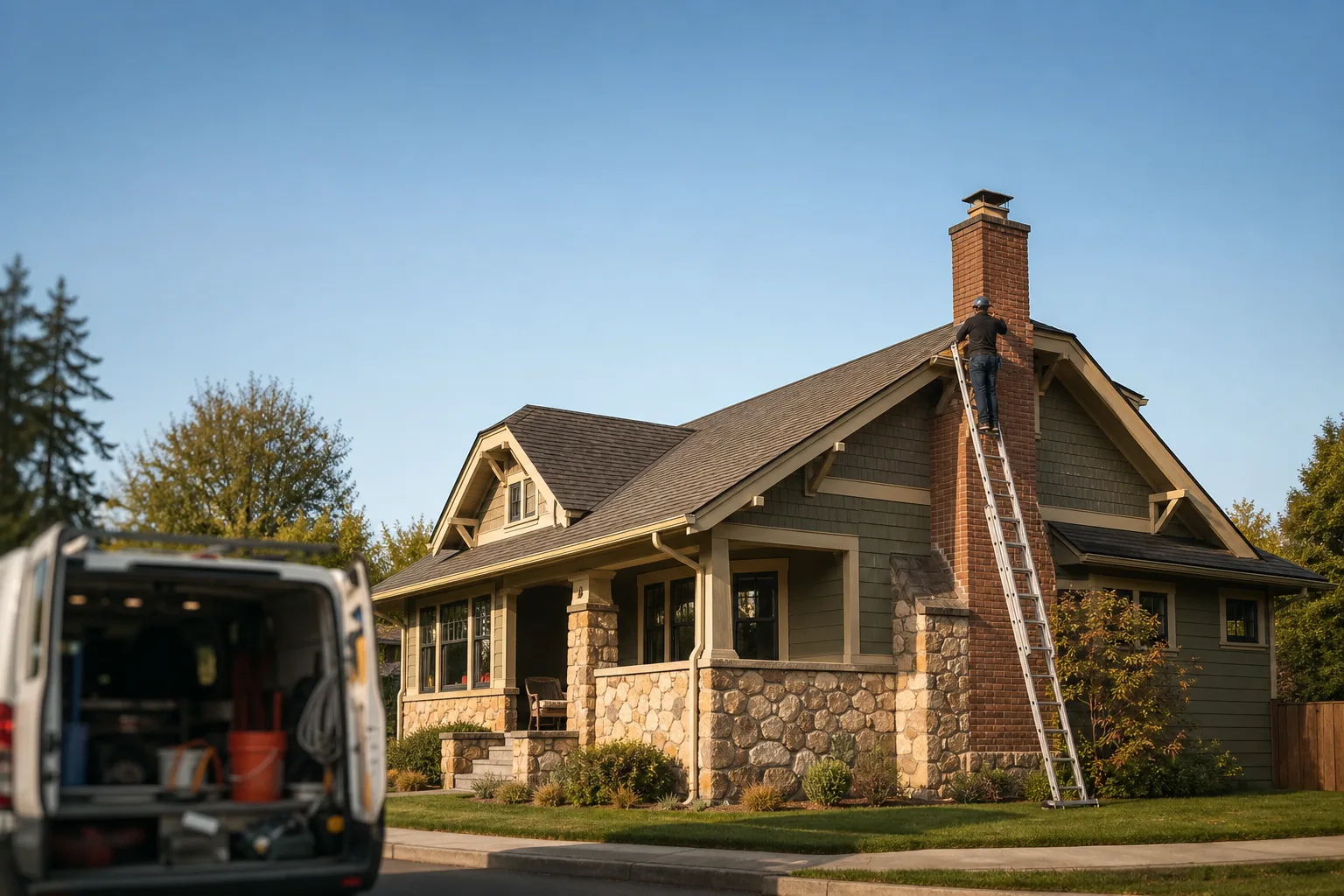
- Access. A flue the pros in our network can reach from a hatch or a gentle roofline is quicker to evaluate than a steep, three-story roof that needs extra safety setup.
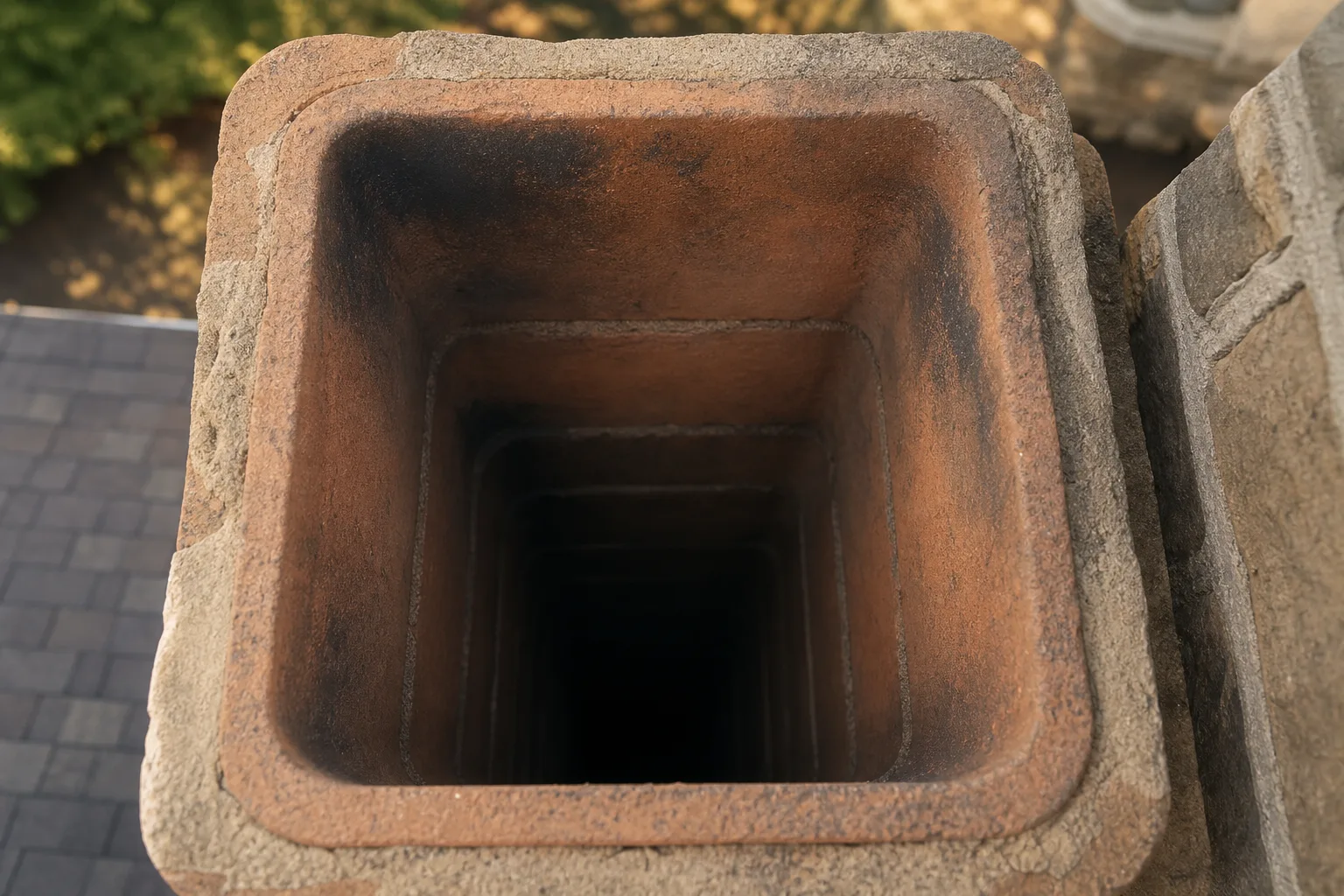
- Condition. A flue with heavy creosote may need cleaning before the camera can see the liner at all, which turns one service into two.
- The number of flues. Many homes have separate flues for the fireplace and the furnace or water heater. Each one needs its own look.
- Documentation needs. A real-estate transaction or an insurance question calls for a formal written report, which adds time after the visit.
Notice what's not on the list: the age of your house, the brand of your fireplace, or how nice the neighborhood is. A good inspection is priced on the work, not the zip code.
Level 1 vs. Level 2: what you're actually paying for
Industry guidance (NFPA 211) defines three inspection levels, and the first two cover nearly every situation a homeowner meets. The question isn't "which is cheaper" — it's "which one answers the question you're asking."
| Level 1 | Level 2 | |
|---|---|---|
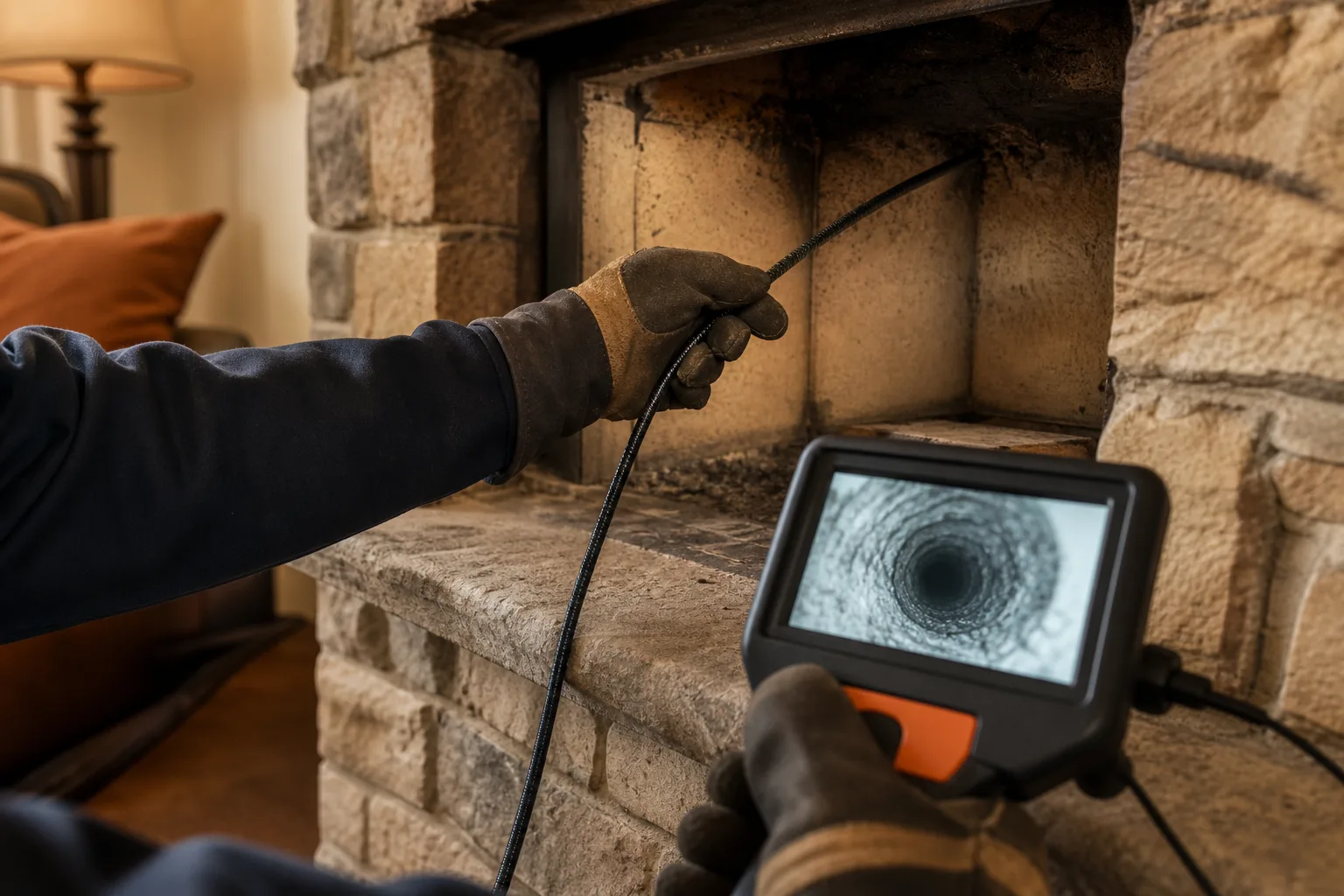
| What's examined | Readily accessible surfaces: firebox, damper, visible flue, cap, crown | Everything in Level 1 plus a camera scan of the full flue interior and accessible attic, crawlspace, and roof areas |
| When it's the right call | Annual maintenance, no changes to the system, no known problems | Buying or selling the home, after a chimney fire or severe weather, or after any change to the system |
| What you get | A verbal rundown and notes on anything worth watching | A written report with camera findings you can act on — or negotiate with |
| Relative cost | The baseline service | A step up — you're paying for the scan and the report |
The value math is simple. A Level 1 tells you whether your chimney is safe to keep using the way you've been using it. A Level 2 inspection tells you what's happening inside the flue where no flashlight reaches, and cracked flue tiles, failed mortar joints, and hidden fire damage live exactly there.
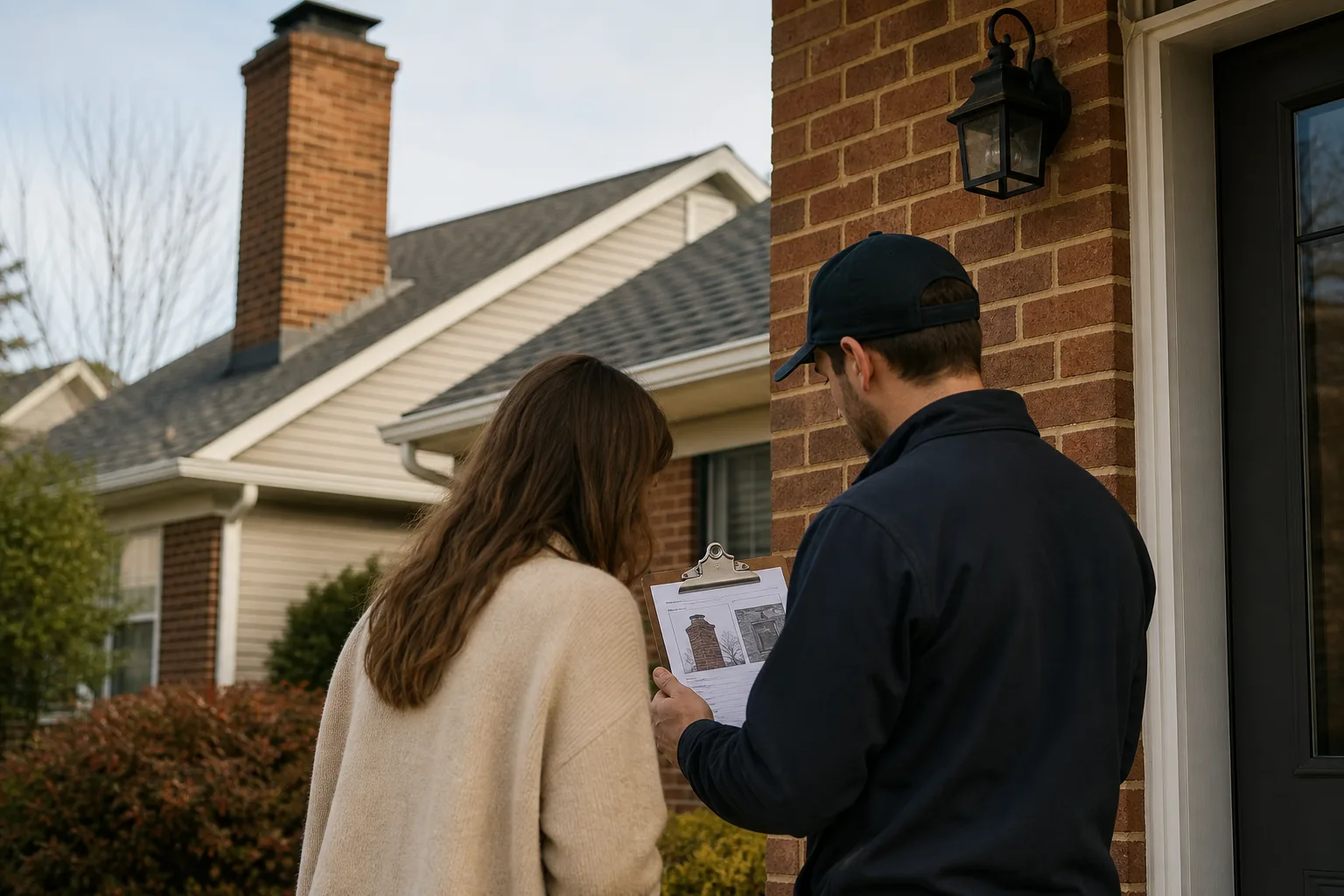
Not sure which level you need? Request a visit — free to book, no obligation, and we'll recommend the lighter option whenever it honestly fits.
When an inspection costs more than usual
A few situations push an inspection beyond the baseline, and it's worth knowing them in advance so nothing on the final invoice is a surprise:
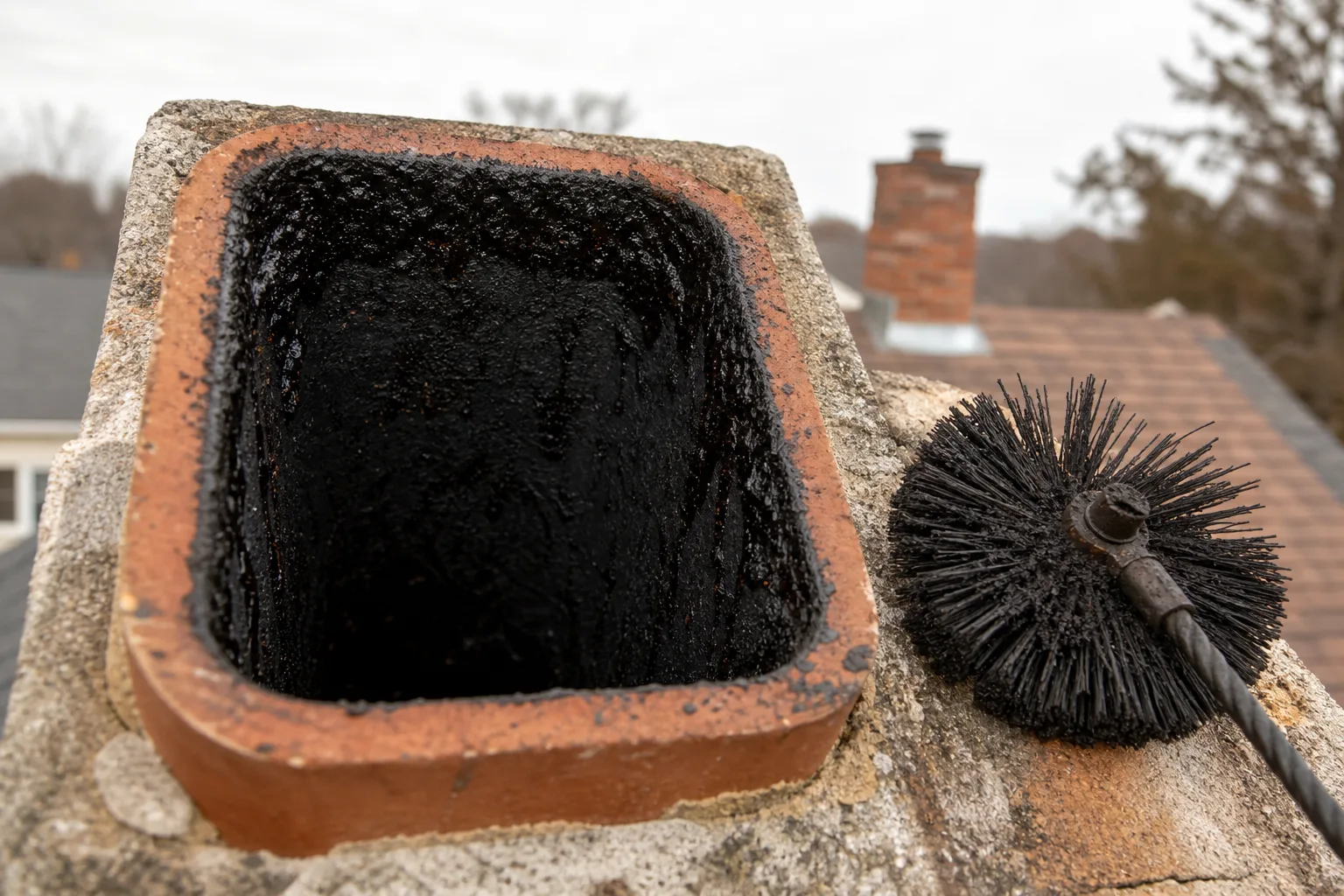
- Heavy creosote. If buildup coats the flue walls, the camera sees creosote instead of liner. The flue has to be swept first, which is genuinely useful work, not padding, but it does add cost.
- Post-event checks. After a chimney fire, a lightning strike, or a storm that dropped a limb on the roof, the inspection has to be more thorough by definition. This is classic Level 2 territory.
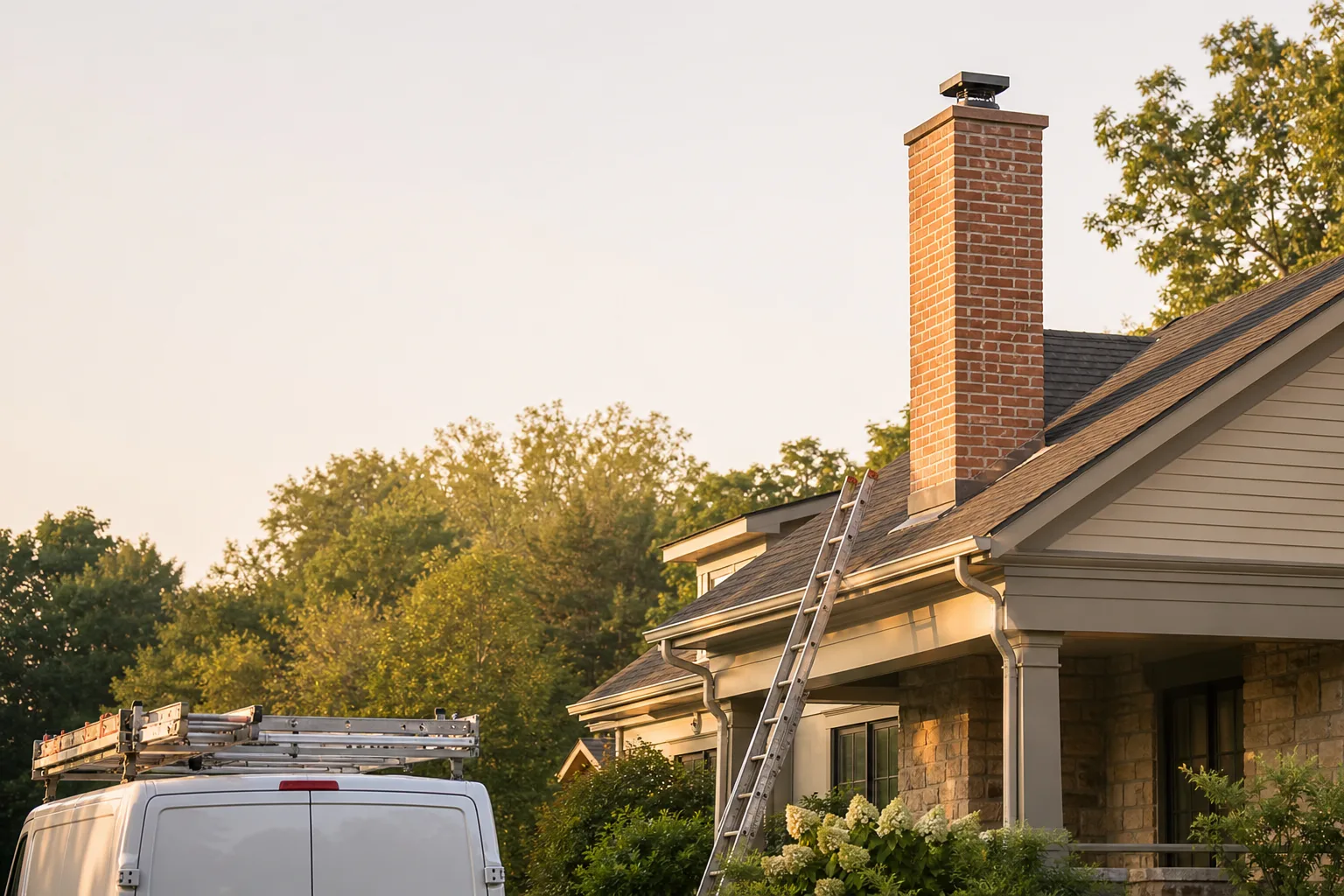
- Difficult access. Steep pitches, fragile roofing materials, and very tall chimneys need extra setup time and safety equipment.
- Multiple appliances on one chimney. A masonry chimney serving a fireplace, a furnace, and a water heater has more to evaluate than a single-flue system.
None of these are reasons to skip the inspection. They're reasons the inspection matters more — every factor that raises the cost of looking raises the cost of not looking by much more.
When free estimates apply, and when they don't
Here's the distinction that clears up most confusion about chimney pricing: estimates and inspections are different things.
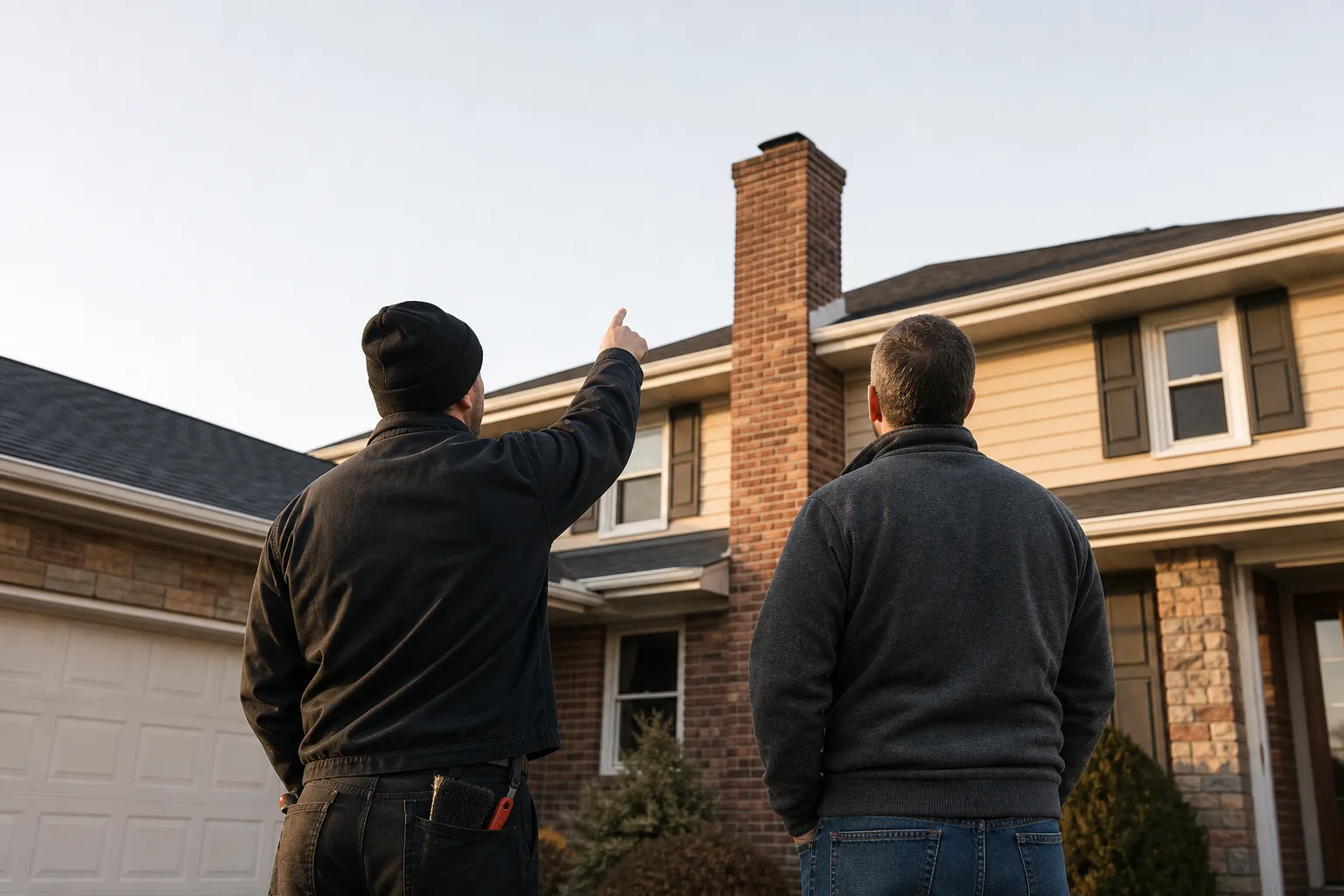
An estimate answers "what would it cost to fix this?" When the problem is visible — a missing cap, spalled brick, a lifted flashing line — the pros in our network can usually look, measure, and quote it without diagnostic work. That look is typically free, and requesting a visit through us always is.
An inspection answers "what condition is this system in?" That's diagnostic labor: equipment on the roof, a camera down the flue, a technician's full attention, and often a written report at the end. It carries a fee because you're buying the answer itself, and the answer has value whether it's "you're fine" or "here's what needs attention."
Be careful with anyone offering a deep-discount "inspection" as a door-opener. When the visit is priced too low to cover the work, the visit has to pay for itself some other way — usually in whatever gets "found." We'd rather charge fairly for an honest look and let the findings speak for themselves.
What a chimney inspection actually saves you
It's fair to ask what a recurring cost buys you when most years the answer is "all clear." Here's the accounting the pros in our network watch play out in real houses:
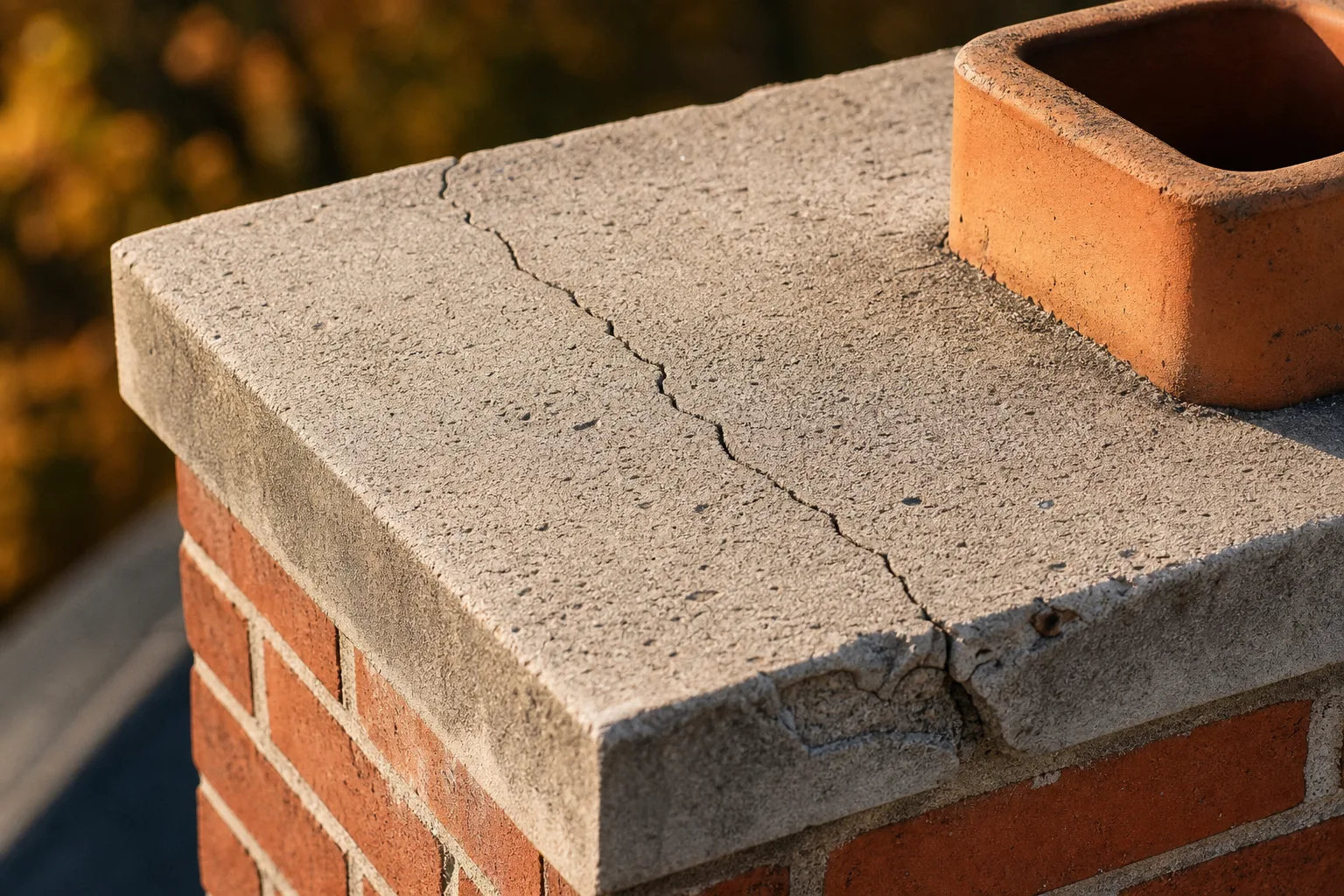
- Small findings stay small. A hairline crown crack found in September is sealant work. The same crack three winters later is often a crown rebuild with masonry repairs below it. Nearly every expensive chimney repair we quote began as an inexpensive one nobody saw.
- You stop paying for mystery. Odors, weak draft, occasional smoke — homeowners live with symptoms for years because investigating feels like opening a can of worms. One inspection converts all of it into a short, priced list. Known problems are cheaper than mysterious ones, financially and emotionally.
- Documentation earns its keep. A written report is leverage at a home sale, evidence for an insurance conversation after a storm or flue fire, and a baseline that makes every future inspection faster to interpret.
- The safety math needs no dramatizing. Chimney fires and carbon monoxide events are rare in proportion to how well systems are maintained. The inspection is the maintenance system's tripwire — the modest, scheduled cost that keeps the catastrophic, unscheduled ones off your ledger. (The fundamentals live on our safety page.)
None of this requires fear to justify it. It's the oil-change logic: the inspection isn't the expense — it's the receipt for avoiding the expense.
How to get real value from your inspection
A little preparation turns an inspection from a line item into one of the better investments you'll make in the house:
- Time it right. Book in late summer or early fall, before first fire — if the inspection finds something, you have weeks to fix it instead of a cold fireplace in January. An annual look is the industry standard for a reason.
- Mention everything. Odors, smoke puffs, water stains, that one weird windy night — small symptoms point the technician at the right spot faster.
- Ask for the why. Any finding worth fixing is worth explaining. The pros in our network show you what they saw — on the camera screen when there is one, so you're deciding from evidence, not trust alone.
- Get repairs in writing. If work is recommended, you should leave with a clear scope and price, and no pressure to decide on the spot.
- Bundle when it makes sense. If the flue needs cleaning anyway, doing it in the same visit is usually more efficient than two trips.
An inspection that ends with "everything looks good" isn't wasted money. It's the receipt for a year of safe fires.
Symptom checker
What is your chimney doing?
Tap the closest match for an honest first answer.