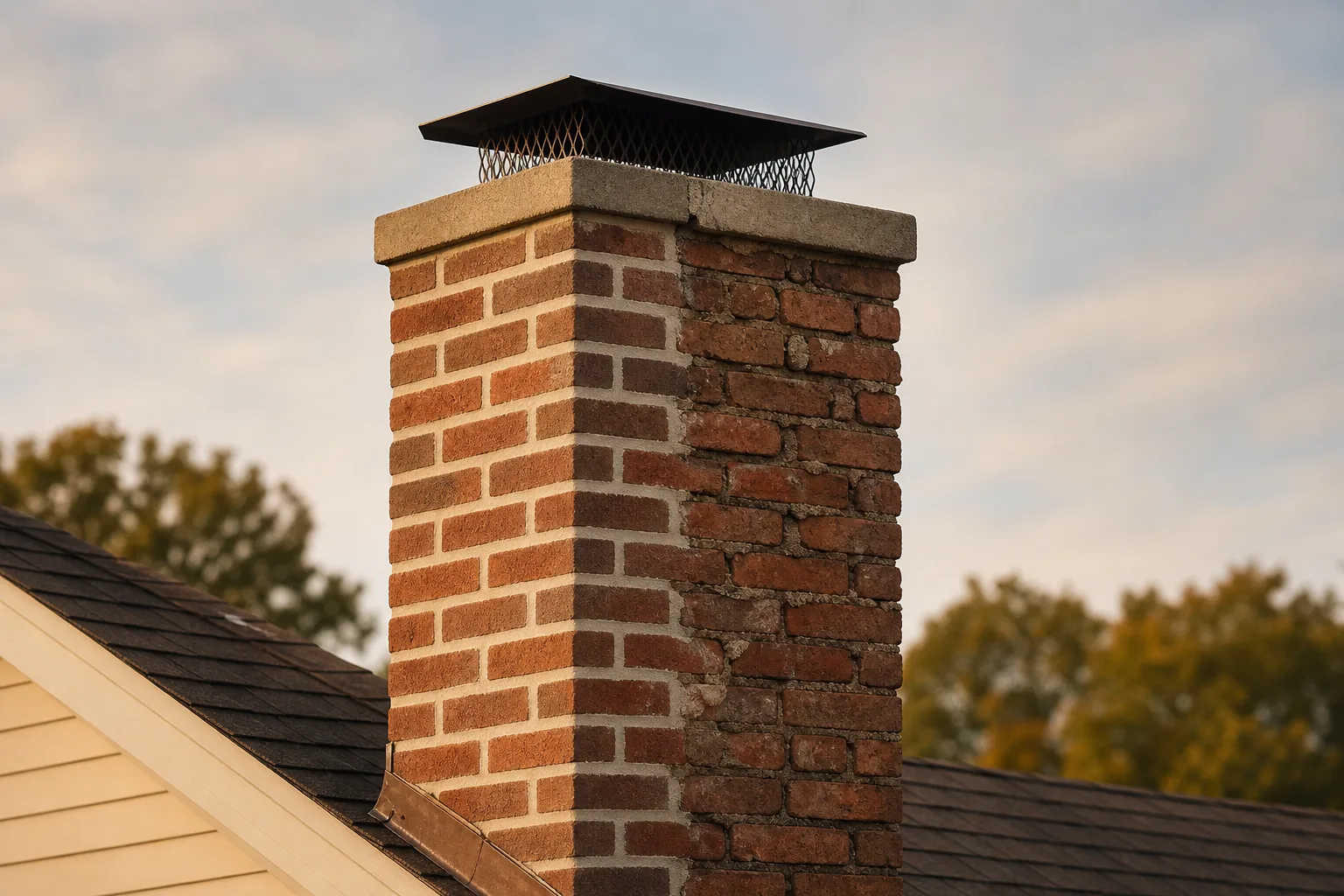
Chimney costs
How much does chimney tuckpointing cost?
$400–$1,200 per face. The mix matters more than the rate, and the wrong one costs you the brick.




$400 to $1,200 a face. A cheaper quote usually means the wrong mortar.
Chimney tuckpointing cost tracks area and access - roughly $400 to $1,200 for one accessible face, several times that for a full stack at height with scaffolding. The number that should worry you is a low one on pre-war brick. Soft historic brick needs a lime mortar that costs more and cures slower, and pointing it in modern Portland cement is cheaper on the day and pushes the brick faces off within a few freeze cycles. That is not a saving, it is damage you pay for twice.
What is being replaced
The joints, not the brick
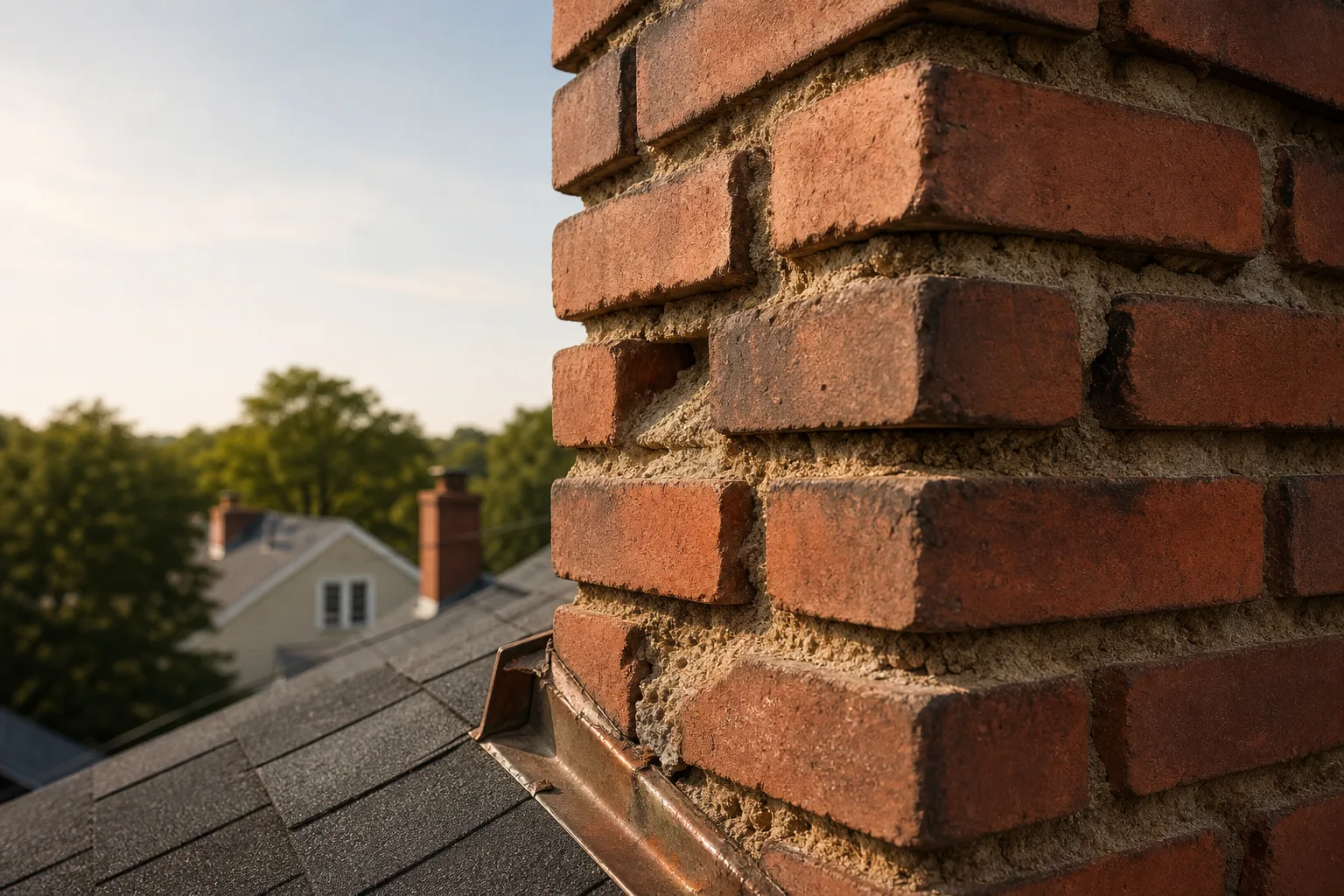
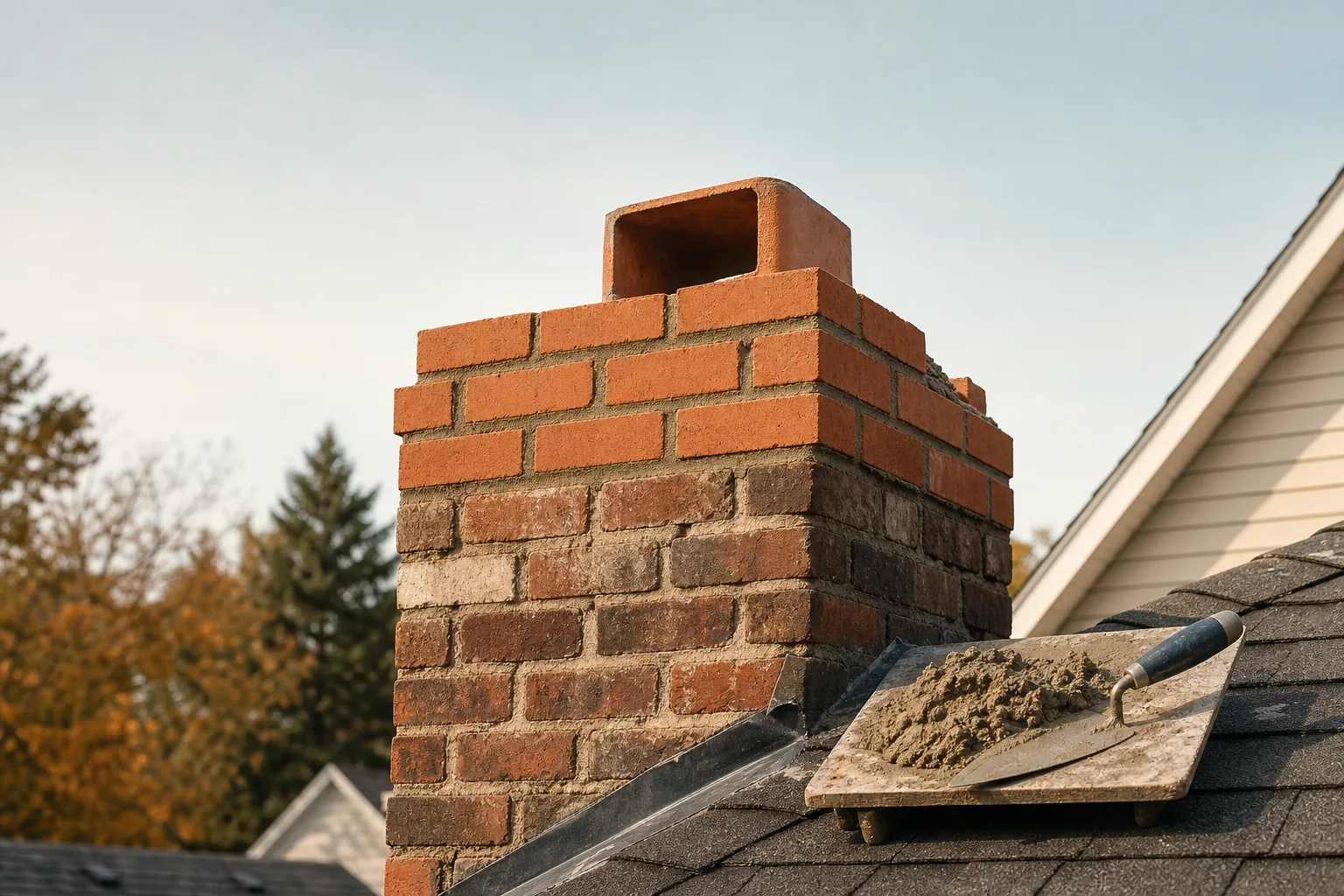
Raked back to sound mortar, roughly twice the joint width deep. A skim over the old fails within a season.
On this pagePrice table3 sections+2
Chimney tuckpointing cost by scope
Every figure here is a band, because a single number for work nobody has looked at yet would be a guess dressed up as a quote.
| The job | Typical range | What moves it |
|---|---|---|
| One accessible face | $400–$1,200 | Area and whether a ladder reaches it |
| Full stack, four faces | $1,500–$4,000 | Scaffolding is usually the deciding cost |
| Lime mortar on pre-war brick | +20-40% | Slower work, dearer material, correct answer |
| Brick replacement alongside | +$200–$600 each | Whether a salvaged match can be sourced |
| Crown joints and wash | $300–$800 | The courses under the crown fail first |
| Waterproofing after curing | $200–$500 | Only over sound, cured masonry |
US-wide bands for planning, not a quote. Regional labour rates move all of these, and the only number that means anything is a written estimate for your chimney.
What actually decides the number
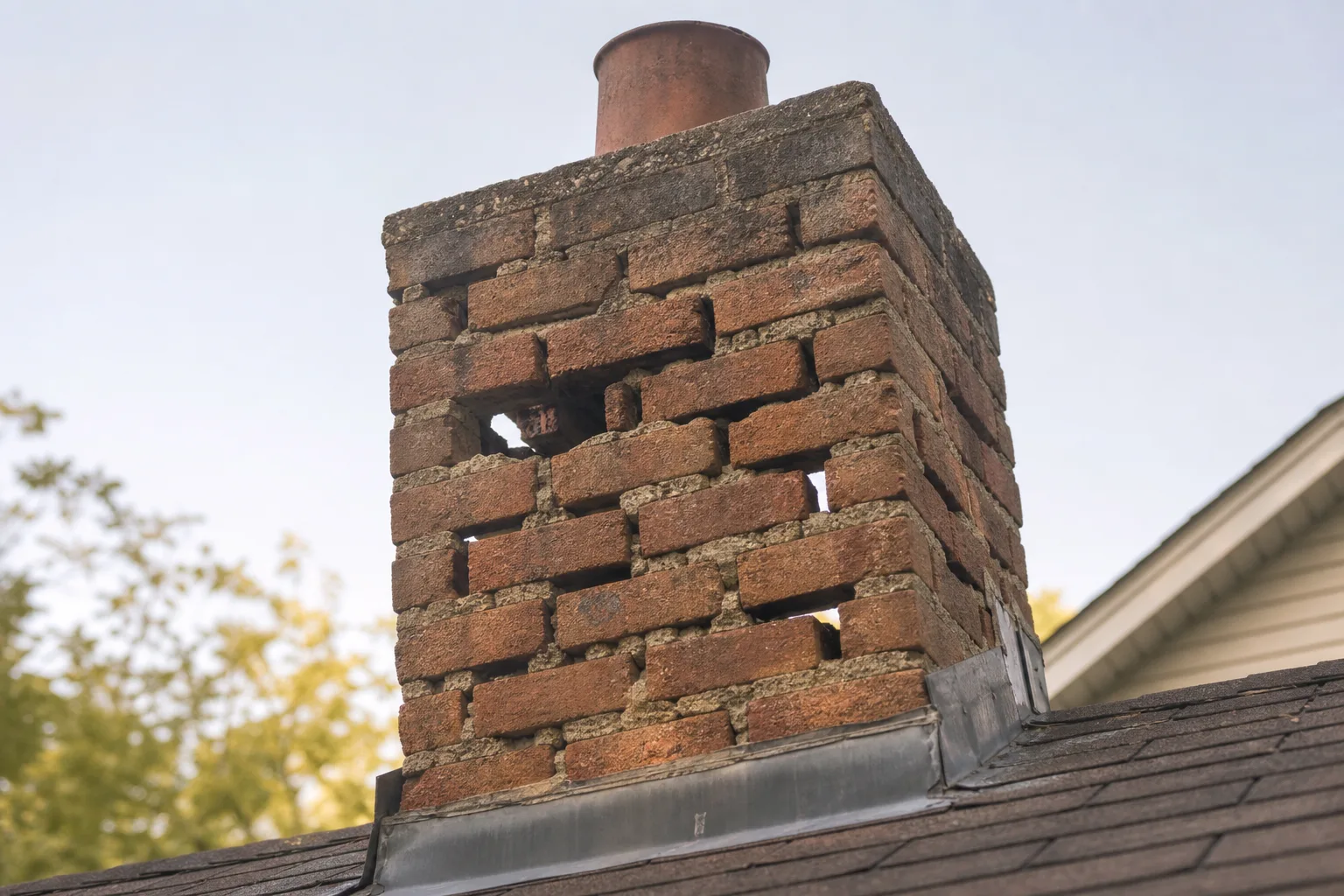
How much of the stack needs it
One weather-facing side is normal and is a day. All four means the original mortar has reached the end of its life, and that is a different job.
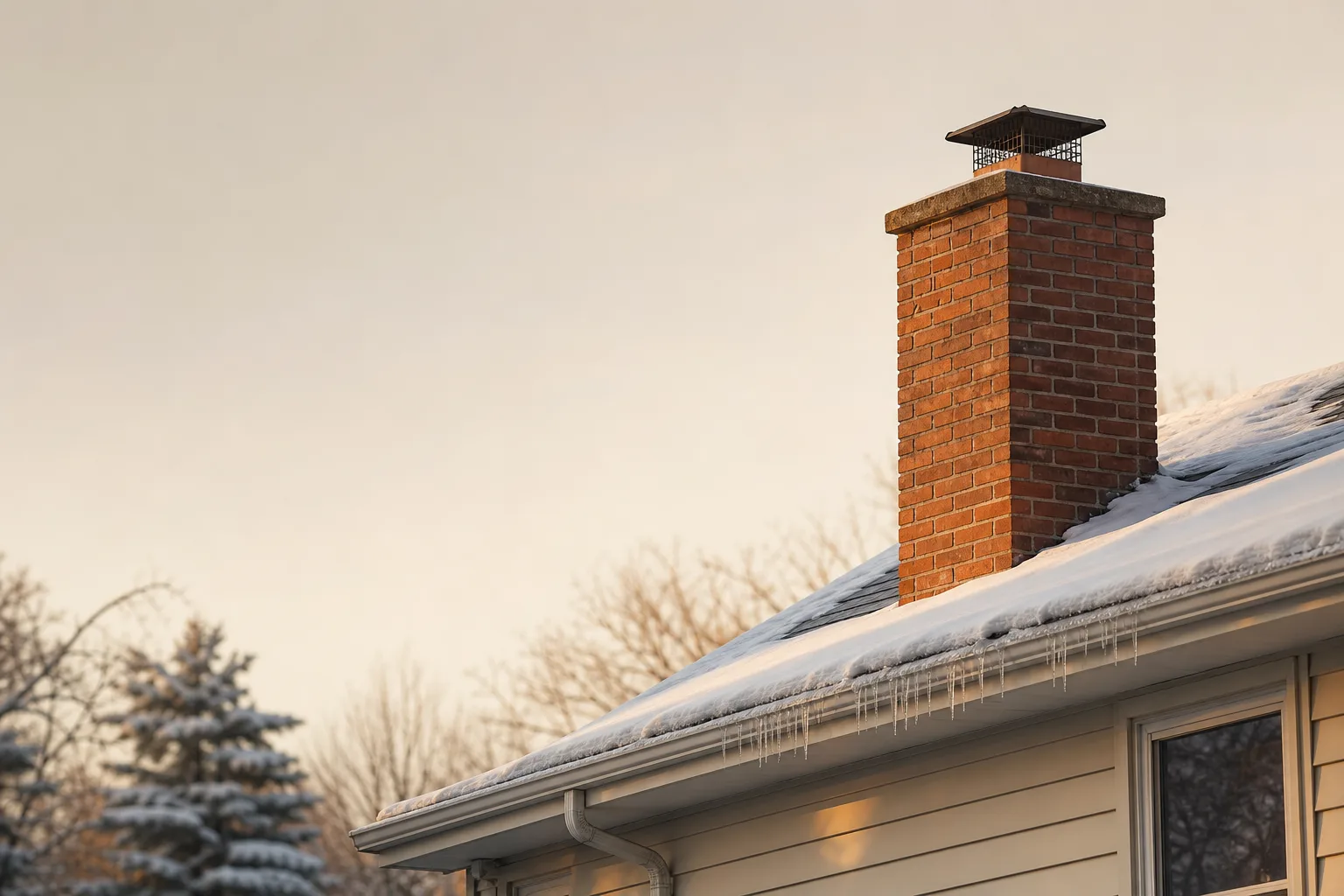
Roof pitch and height
Access is the largest single line on most masonry quotes. A steep two-storey stack needs scaffolding before any pointing happens.
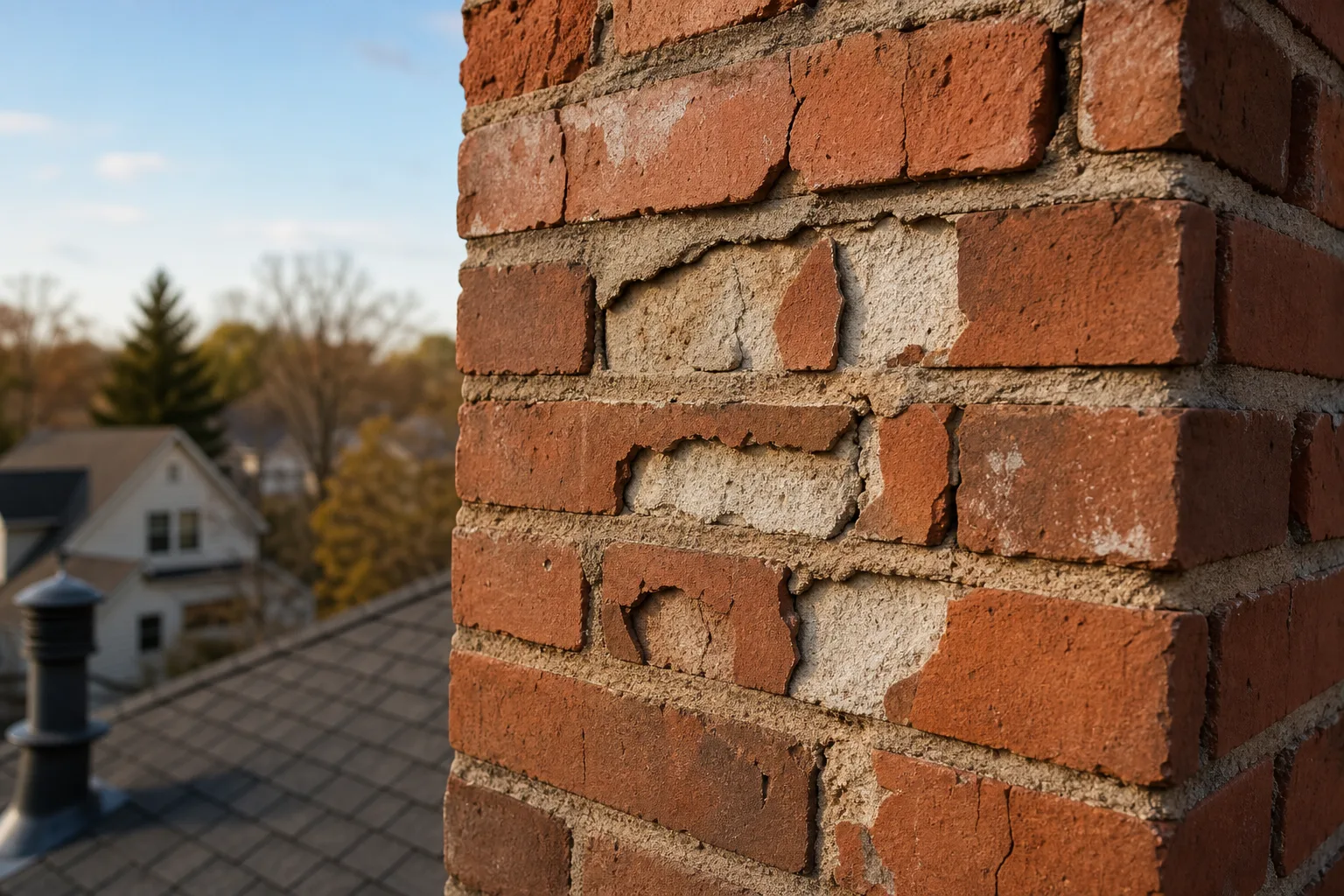
The age of the brick
Pre-war brick needs lime. It costs more, cures slower, and it is the difference between a repair that lasts and one that spalls the faces off.
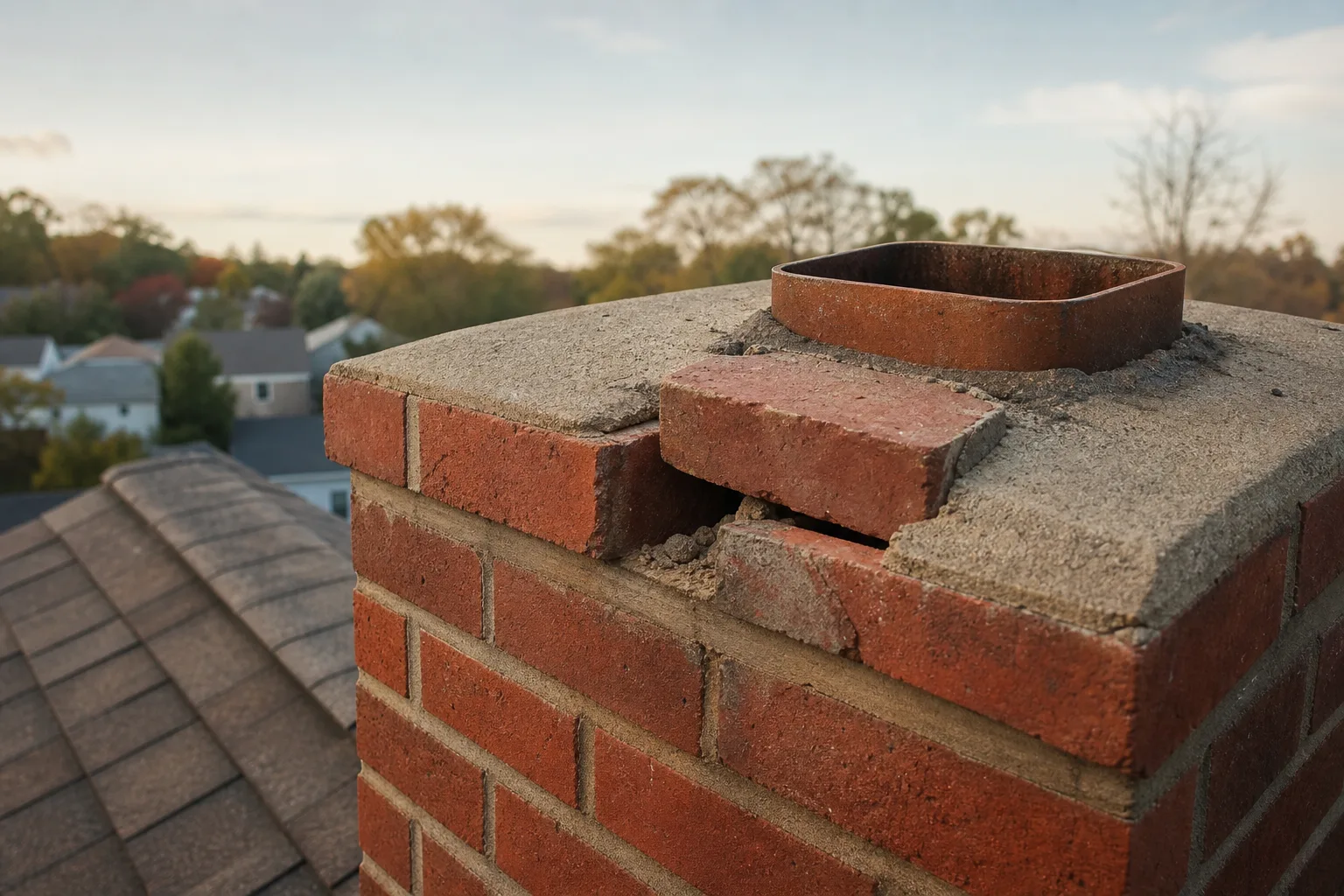
Whether brick has to come out
Pointing assumes sound brick either side of the joint. Once the brick has gone soft there is nothing to bond to and the job changes.
Season
Mortar needs roughly 40F to cure. Work done in a freeze looks fine and never reaches strength.
Should be included
- Joints raked to sound mortar, twice their width deep
- A mix matched to the age and hardness of the brick
- Joints tooled to match the existing profile
- Debris cleared from the roof and the ground
- Photographs before and after
Priced separately
- Brick replacement, where faces have spalled through
- Scaffolding on a roof that requires it
- Crown repair, if the source of the water is up there
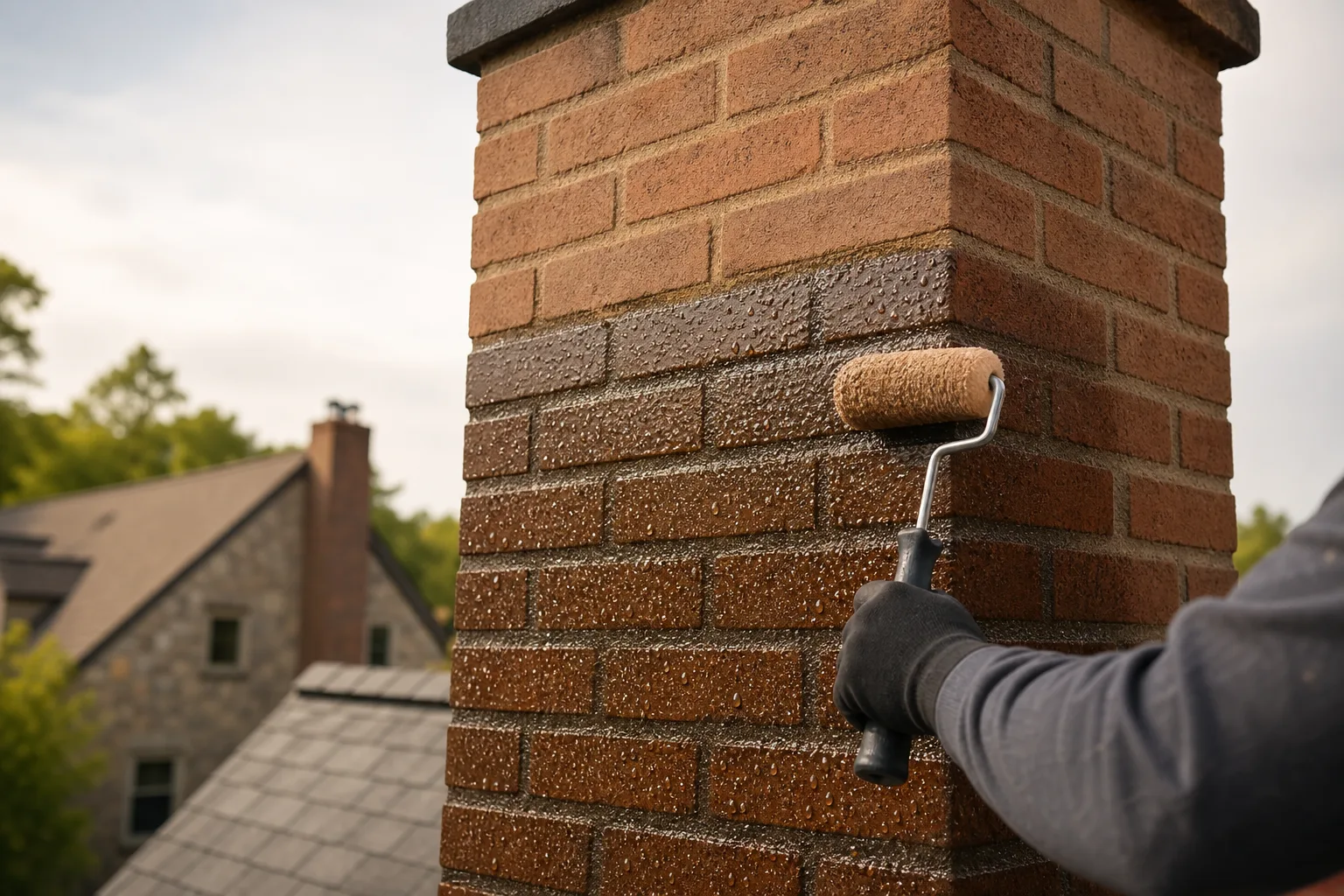
- Waterproofing, which comes after the mortar cures
- Interior repairs where water has already reached
Quotes to walk away from
- A quote that does not say what mortar mix will be used on an older chimney.
- Portland cement offered on pre-war brick because it is cheaper and sets faster.
- Pointing over failed joints rather than raking them out first. It fails in a season.
- Masonry scheduled during a hard freeze with no heated enclosure.
- Waterproofing sold as an alternative to pointing rather than as the step after it.
The VIO Standard
- A written estimate first
- License and insurance checked
- Nothing starts without your OK
Common questions
Why is chimney tuckpointing cost so different between quotes?
Usually because they are quoting different work. One is raking joints to depth and repointing in a matched mix; another is skimming new mortar over the old, which looks identical on day one and fails within a season. On older brick the mortar itself is a real cost difference, since lime is dearer than Portland and slower to work. Ask what mix and what depth before comparing numbers.
Is tuckpointing worth it or should I rebuild?
Point, as long as the brick is still hard and the stack is plumb. Repointing works because there is sound brick either side of the joint for new mortar to bond to. Once faces have spalled through and the brick behind has gone soft, or courses have shifted, there is nothing to bond to. Loose bricks and a visible lean settle it.
How long does tuckpointing last for the money?
Twenty to thirty years on an exposed chimney when the mix is right, and that is the whole condition. Pointed in a mortar harder than the brick it can start pushing faces off within three or four freeze cycles. The lifespan question is really a mortar question, which is why nobody should quote it without knowing the age of the brick.
Can tuckpointing be done in winter?
Not reliably. Mortar needs roughly 40F to cure, and mortar that freezes before it sets never reaches strength. It looks finished and fails within a year. That is the real constraint in a northern winter rather than crew availability. If the damage genuinely cannot wait, a heated enclosure is the honest option and it costs more than waiting for spring.
Do I have to point the whole chimney?
No, and there is no virtue in cutting out mortar that is doing its job. One weather-facing side going first is normal. What is not acceptable is pointing three obviously failed joints in a face that is generally going, because that is a second visit and a second bill within two years.
These are national ranges, not quotes — how we publish cost ranges.
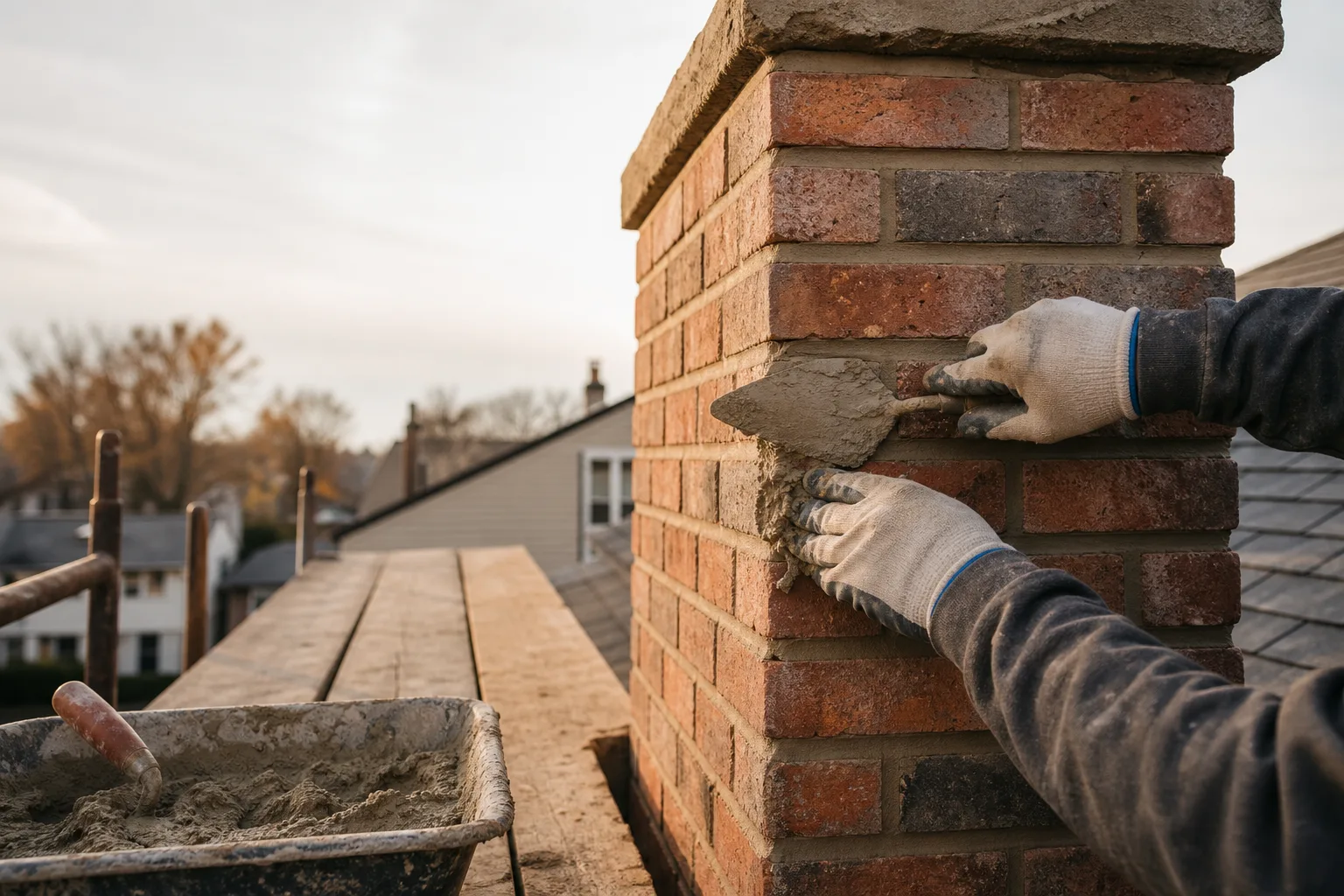
The only number that counts is the one for your chimney.
Ranges are a starting point. A written estimate after someone has looked at it is the real answer, it costs nothing to ask for, and you are not committed to accepting it.

The people behind every visit
Founded by Ryan Carter in 2019. Every page you read here is reviewed by Ethan Miller, our chimney specialist. A written estimate before any work, and the findings in writing whether or not anything needs doing.
More about who we are →