


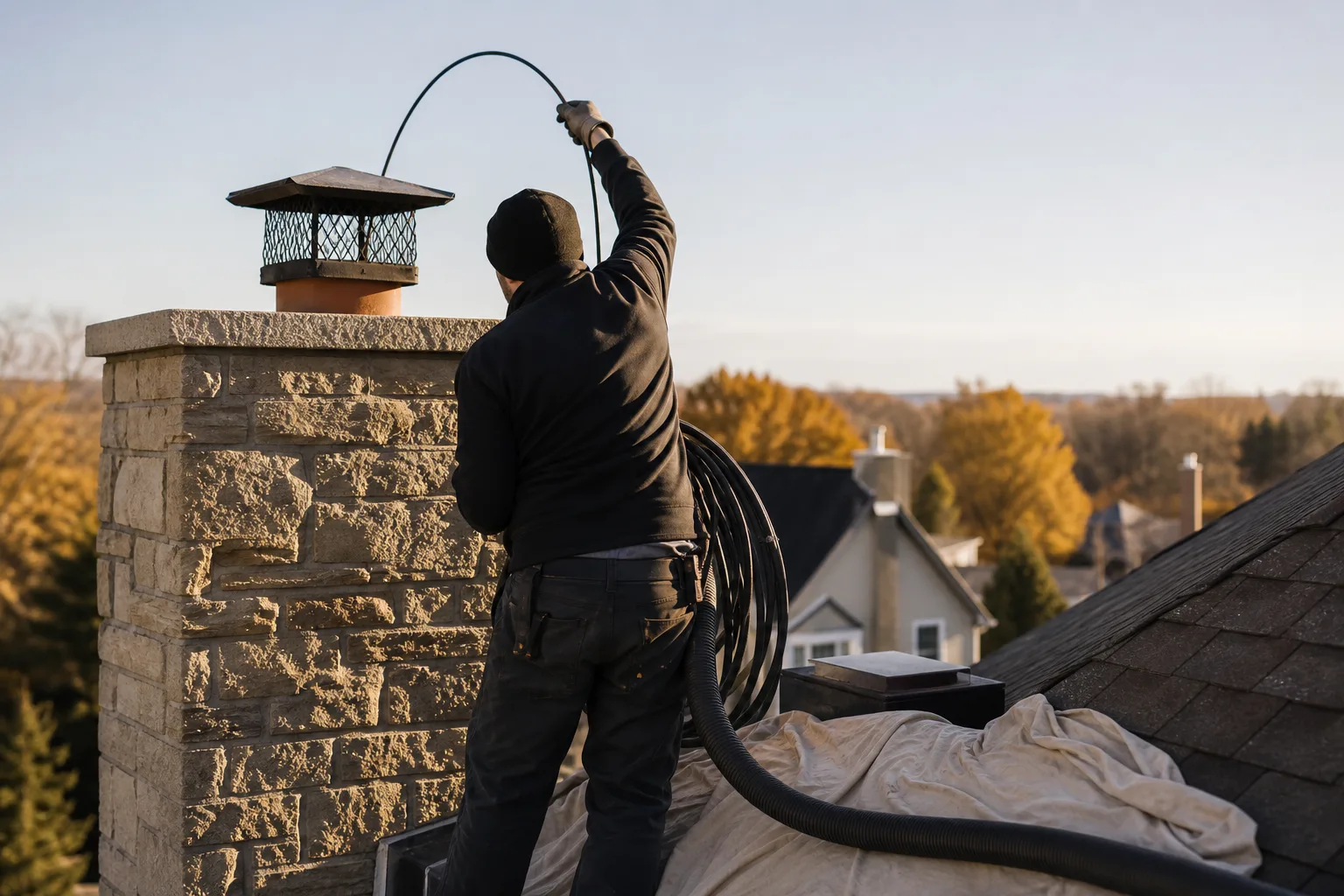
Next-day appointments
Call or book today and we'll do our best to get a pro to you tomorrow.
Norwood, OH · Screened local pros
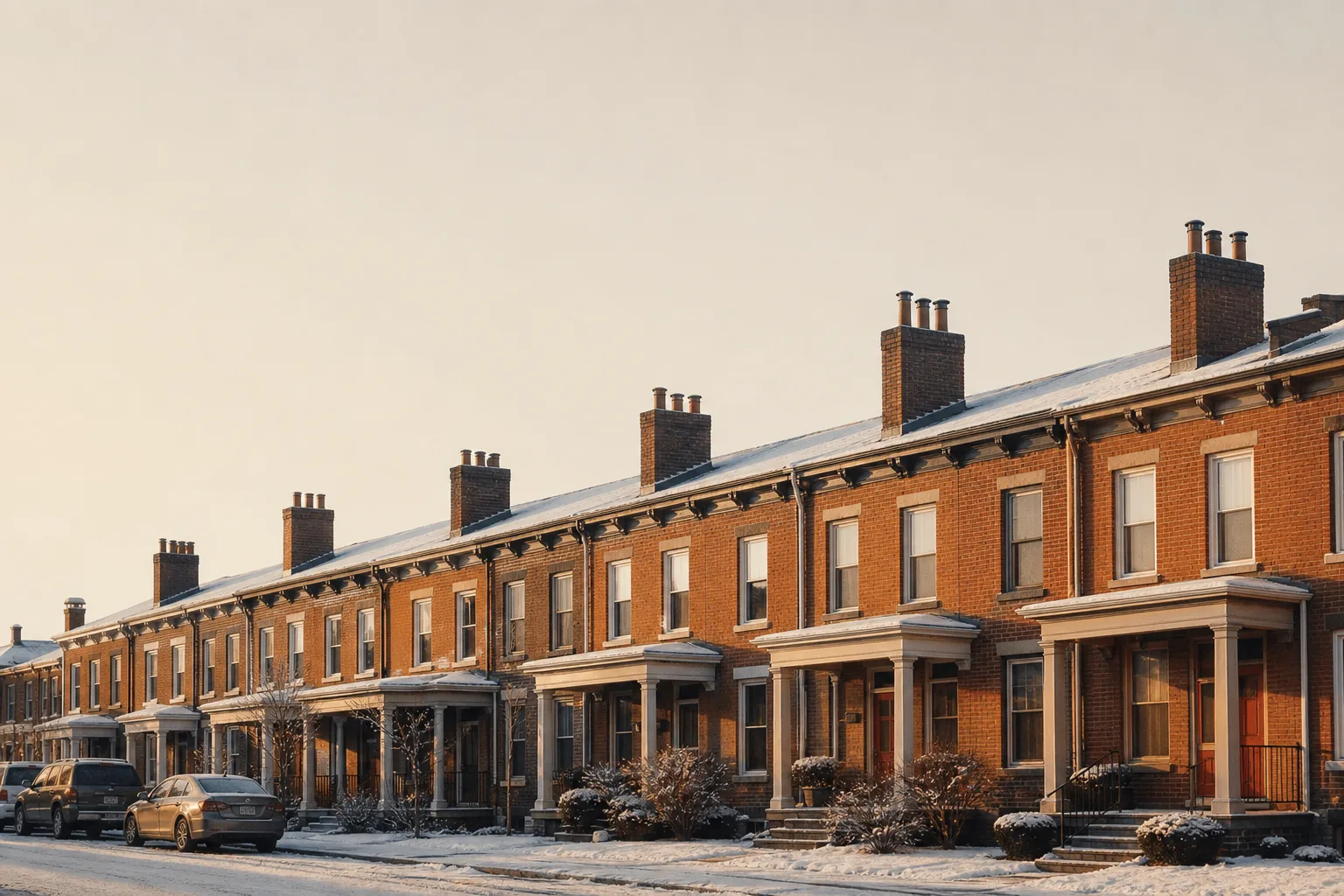
65% of homes here predate 1940. Soft brick, lime mortar and original flues need work that modern methods actively damage.
The Norwood datasheet
Weather figures computed from NOAA daily observations at CINCINNATI MUNICIPAL AP LUNKEN FIELD, 2019–2024. Housing figures from the US Census ACS 2023 5-year estimates for Norwood city limits. Figures describe Norwood, not your building; only an inspection decides that.
Fall Special
Call or book today and we'll do our best to get a pro to you tomorrow.
Anything that needs attention is shown to you and explained in plain words.
If something needs fixing, you get the price in writing first. Saying no costs nothing.
Is this your chimney?
Not a generic list: these are what this market's weather and housing actually produce. Find yours; the fix is one tap below it.
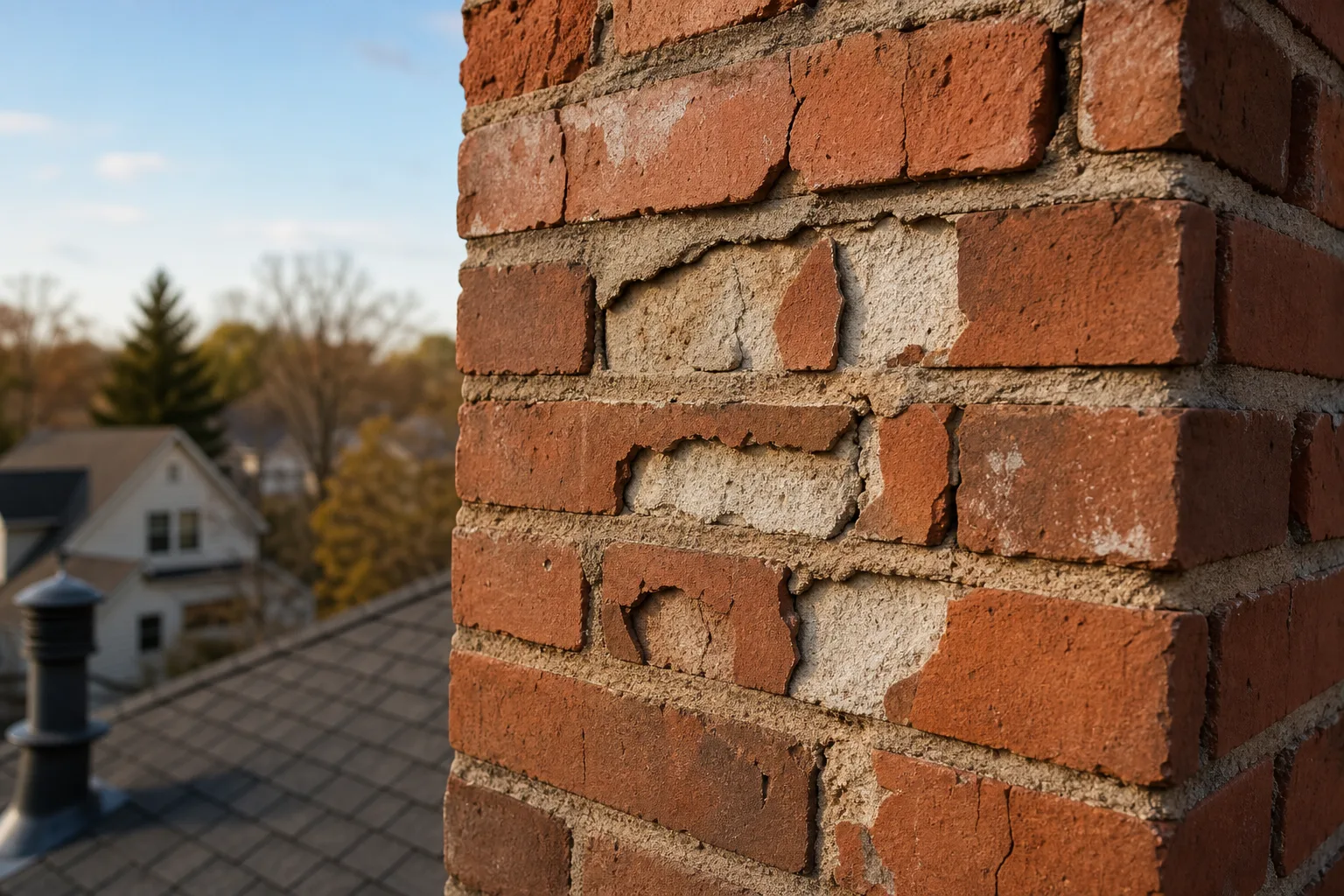
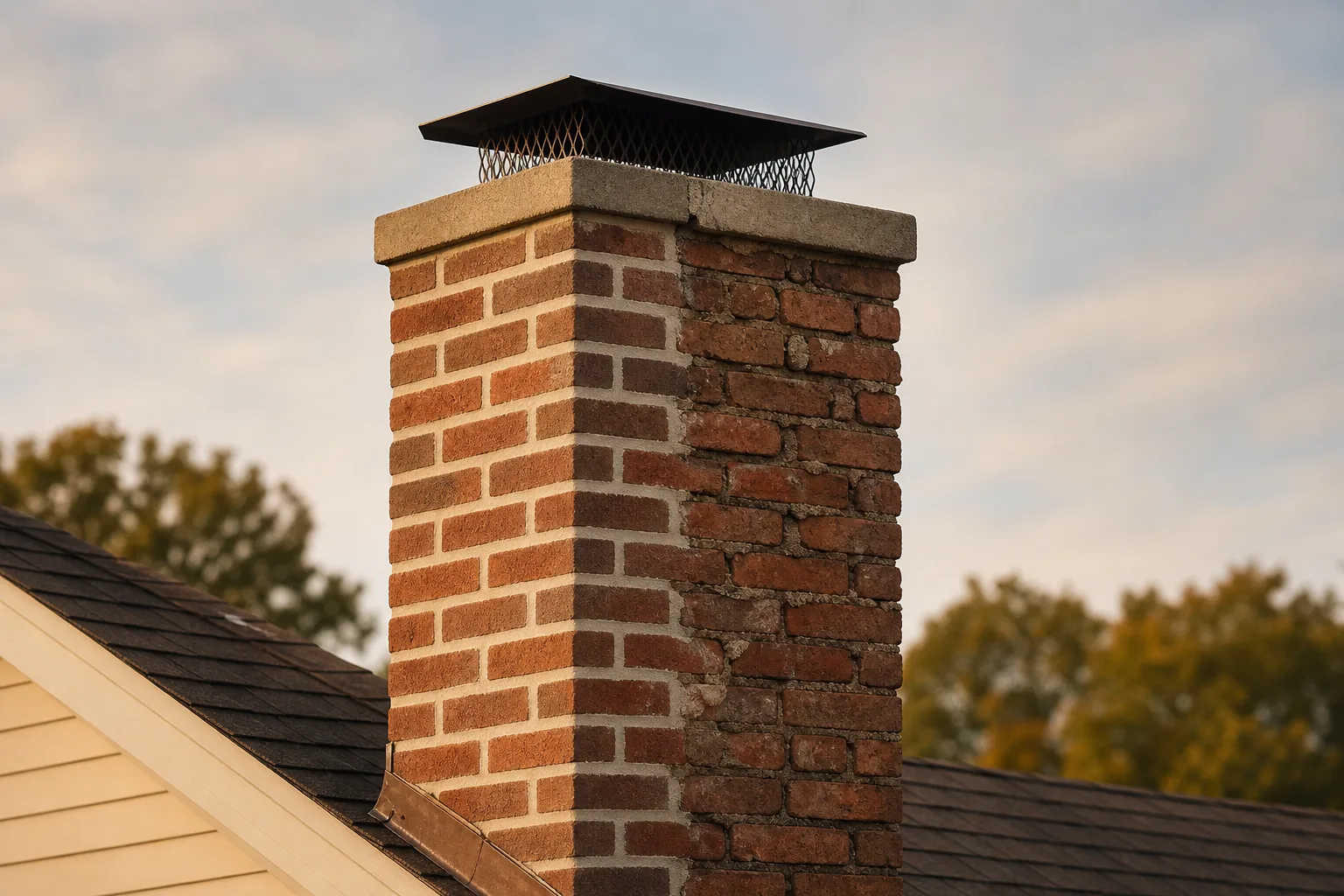
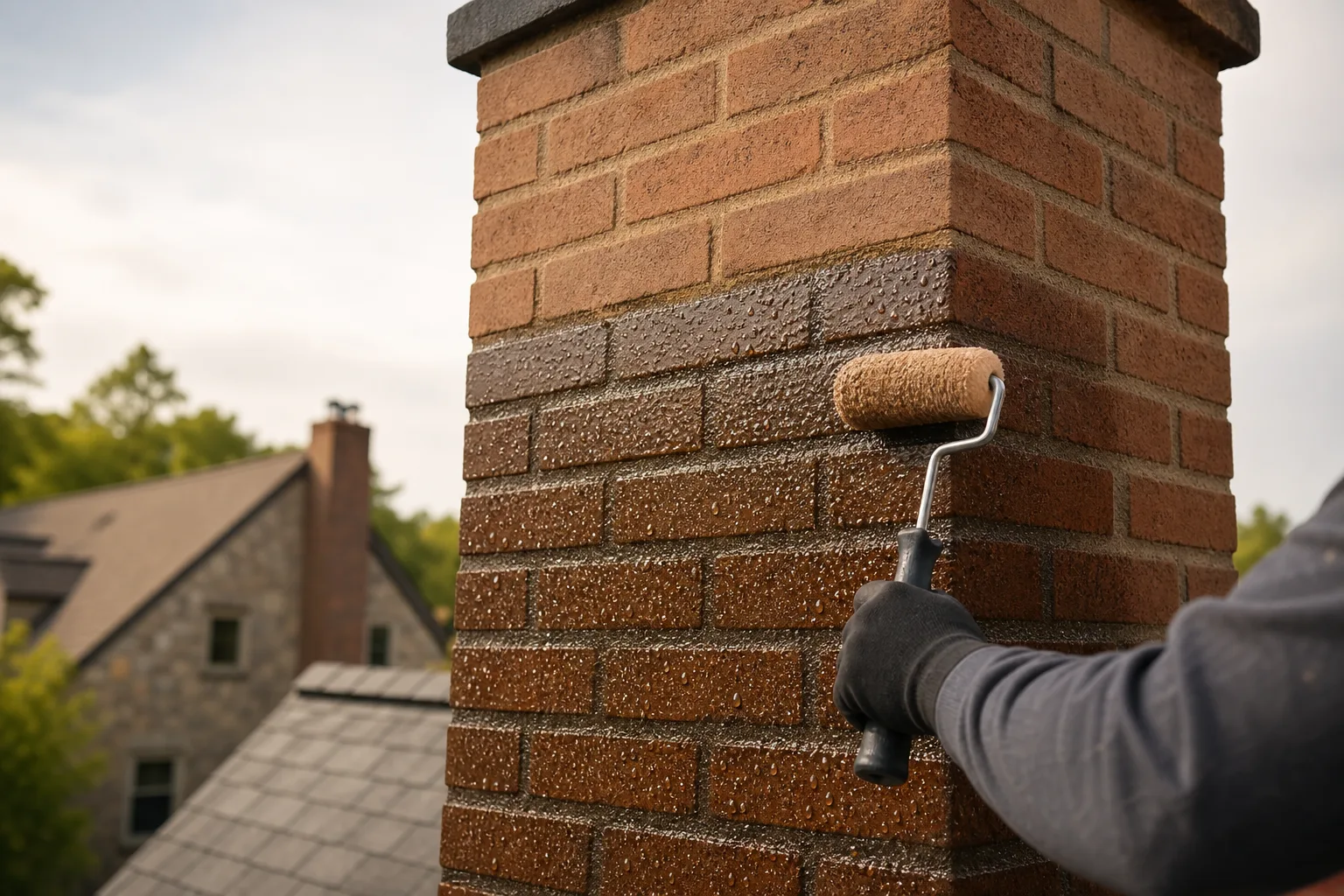
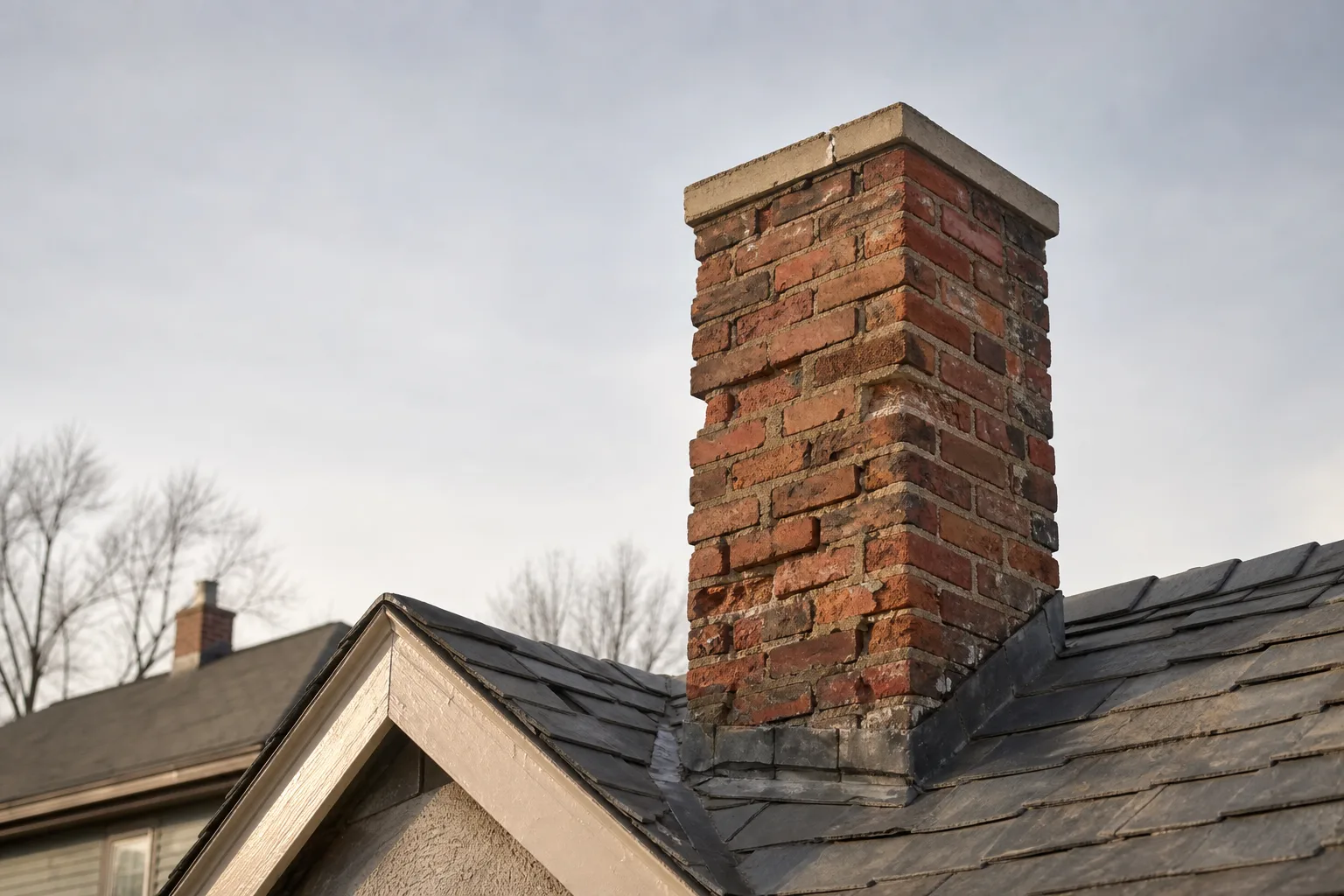
Why it happens in Norwood: The temperature in Norwood crosses freezing roughly 91 times a year, and every crossing expands the water already soaked into brick and mortar by about nine percent. It is that repetition, not any single cold night, that opens joints and takes the fired face off older brick. The one repair that makes this worse is repointing with modern high-strength cement: harder than the old brick, it forces the brick to take the movement instead, and the faces spall off around joints that still look perfect.
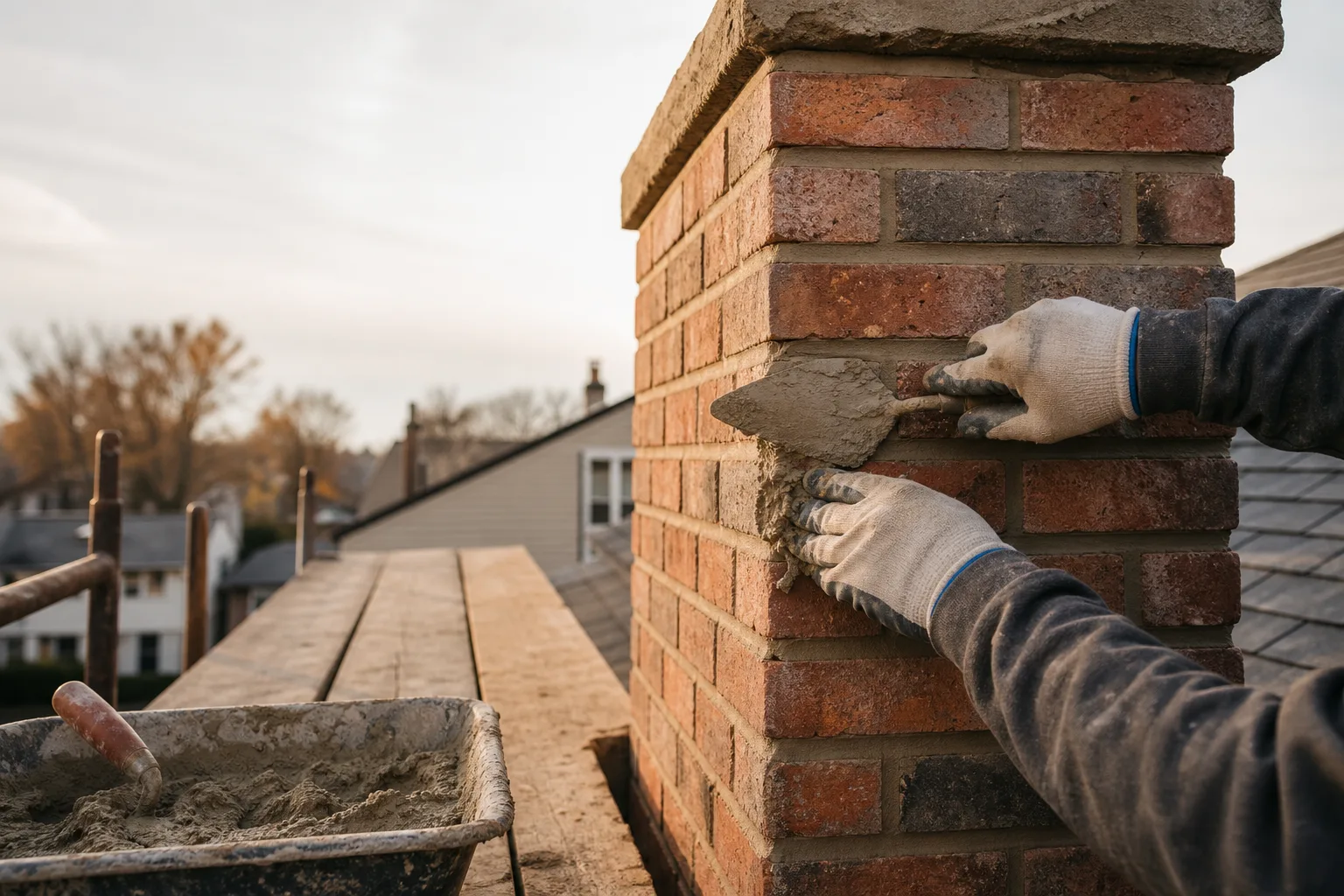
Repointing with a mortar matched to the original (raked to depth, refilled, cured above freezing) and recasting the crown where it has opened. Where faces have already spalled through, the affected courses are rebuilt with matched brick. Then, and only then, a vapor-permeable water repellent, because sealing water into a wet stack is worse than doing nothing.
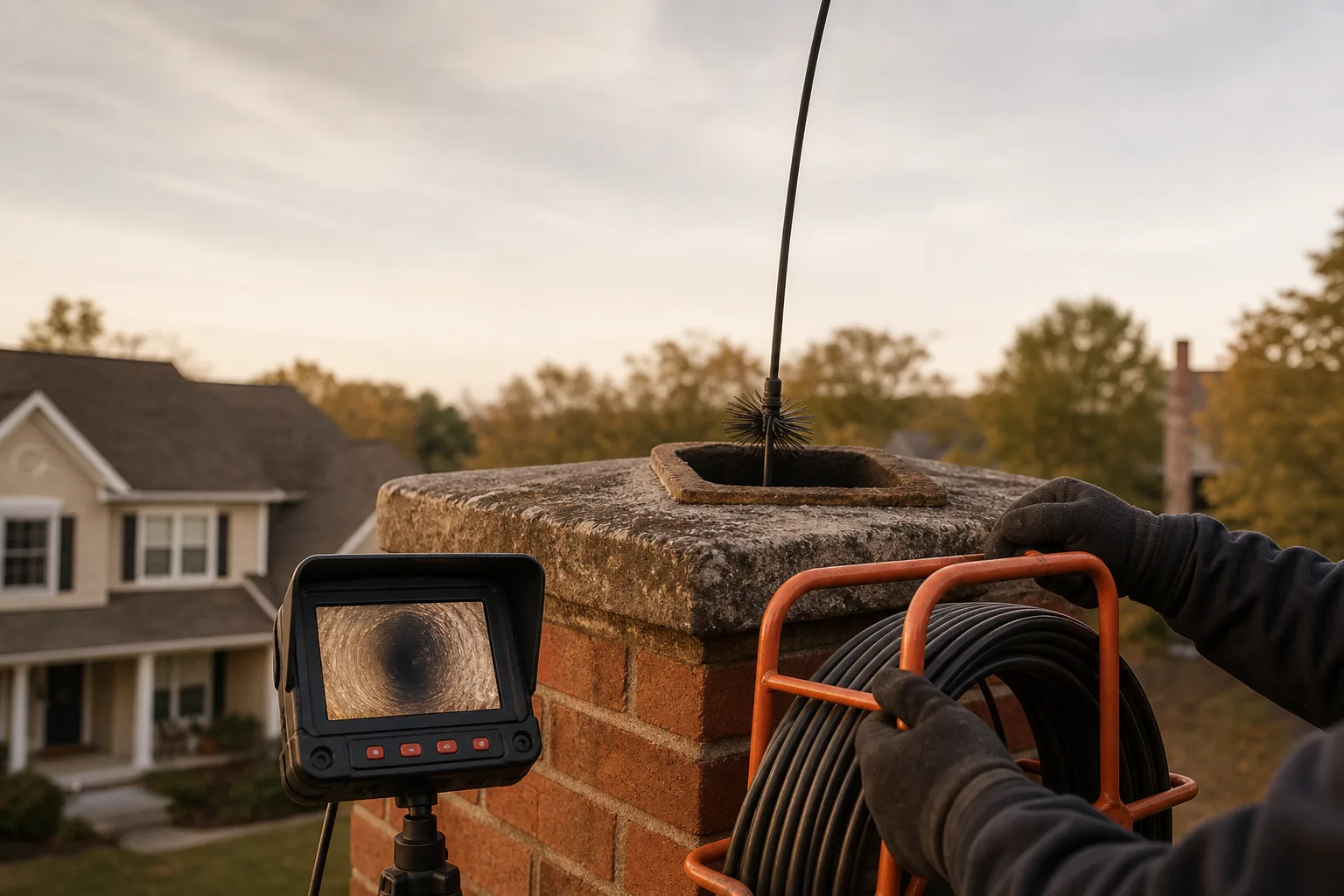
Why it happens in Norwood: 65% of Norwood's homes predate 1940. Houses of that era ran fireplace and heating plant up the same masonry stack, and when the heating was modernised the shared flue usually was not. An oversized, cool-running appliance flue condenses and deteriorates for decades behind a fireplace that looks perfect, and a quote that covered "the chimney" often covered one flue of three.
A camera pass down every flue in the stack, not only the one behind the damper. It is the only way to see breached tiles and open joints between flues, and on older stacks it is the difference between an inspection and a look. If a liner has failed, relining that flue is the repair, and knowing before winter beats finding out during it.
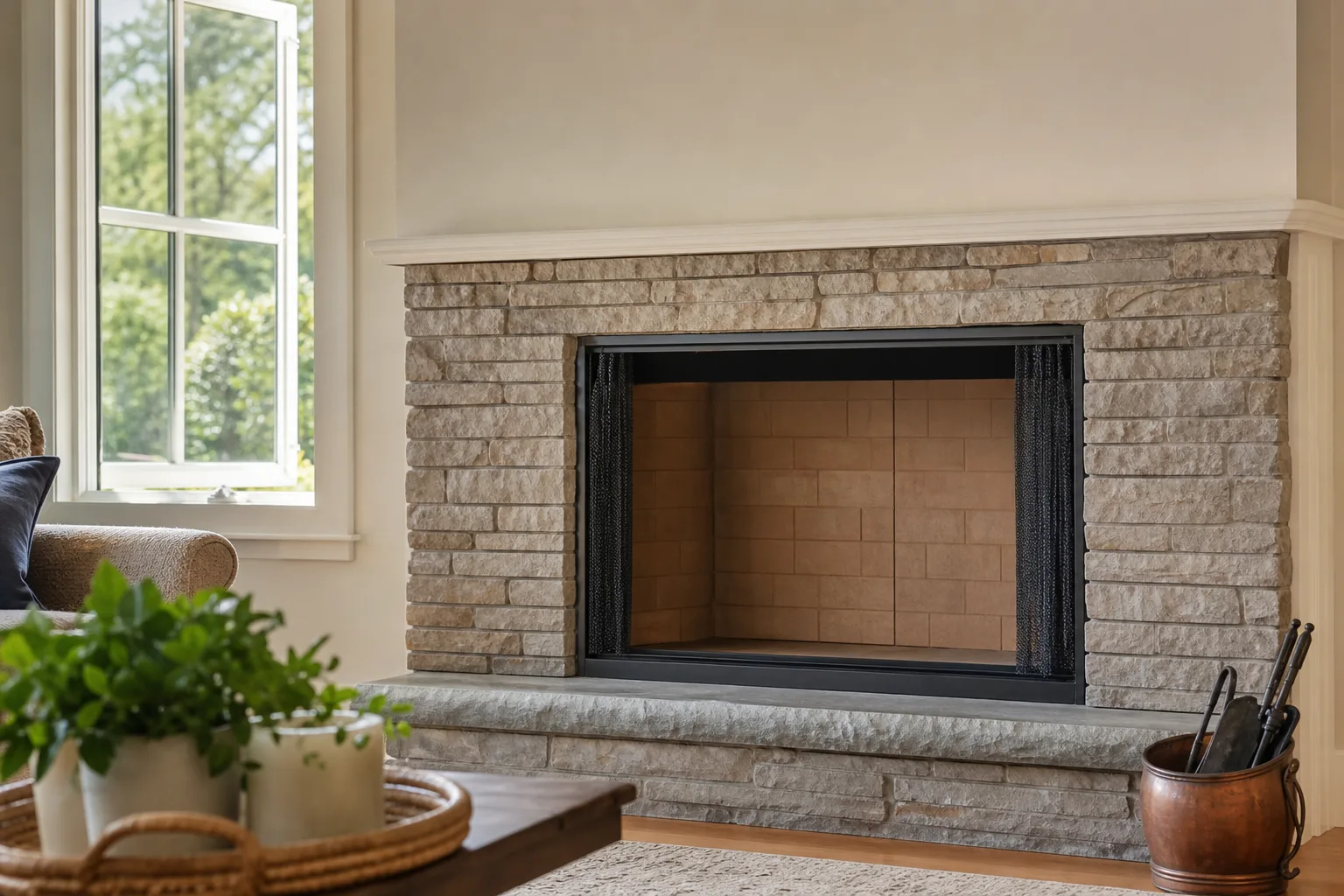
Why it happens in Norwood: This is Norwood's signature chimney complaint, and it has two different causes that get sold the same fix. Usually it is creosote left in the flue reactivating with humidity. A cleaning genuinely solves that. But in tighter modern houses, air conditioning can pull air down the flue instead of up, carrying the smell of even a clean chimney into the room. Sweeping a clean flue a second time fixes nothing, and paying twice for it is the local racket worth knowing about.
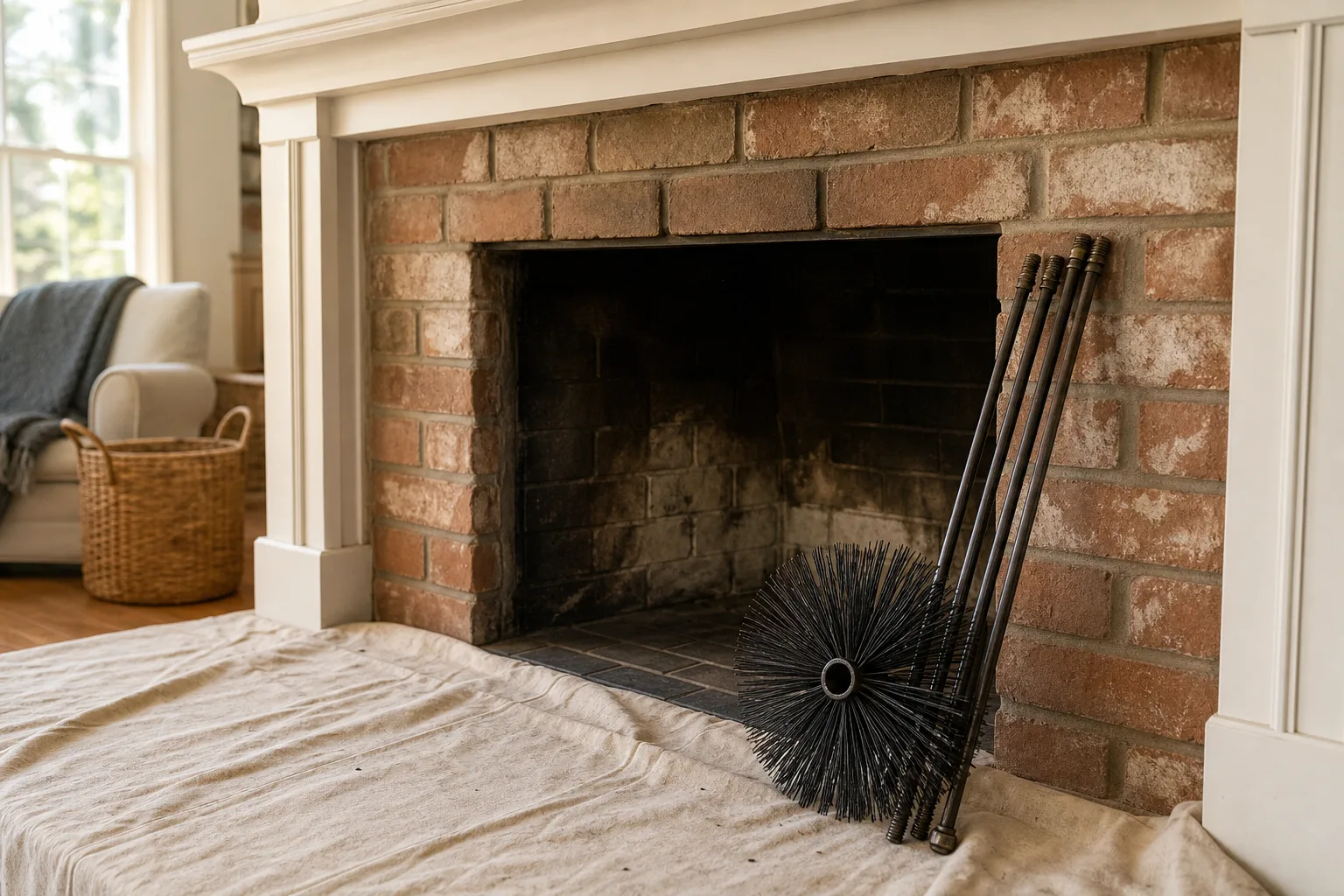
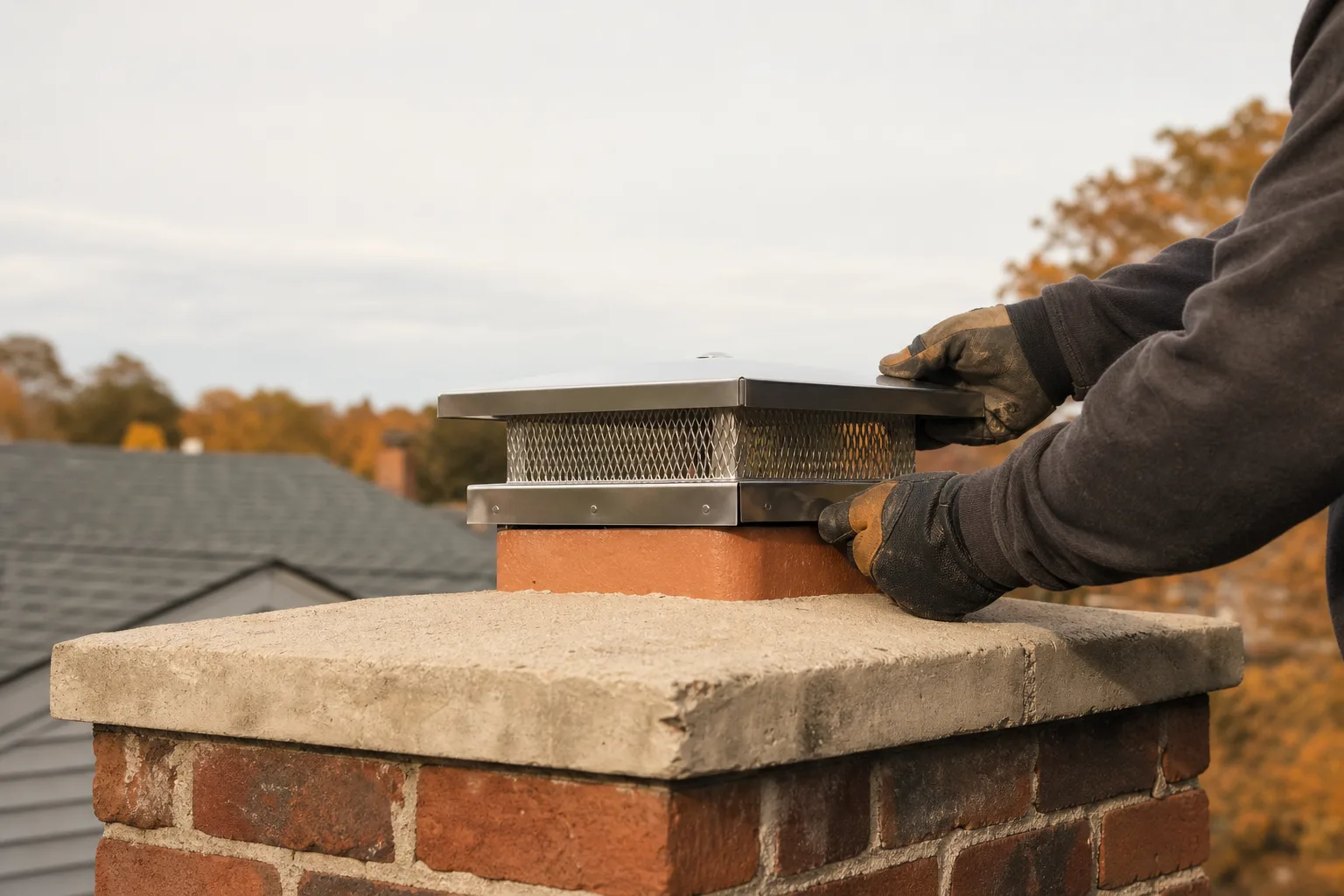
First a sweep if the flue actually needs one. The camera scan says so honestly. If the flue is clean and the smell persists, the fix is airflow, not soap: a top-sealing damper that closes the flue when idle, and sorting how the house draws its makeup air. We tell you which case you are before we quote, because they cost very different amounts.
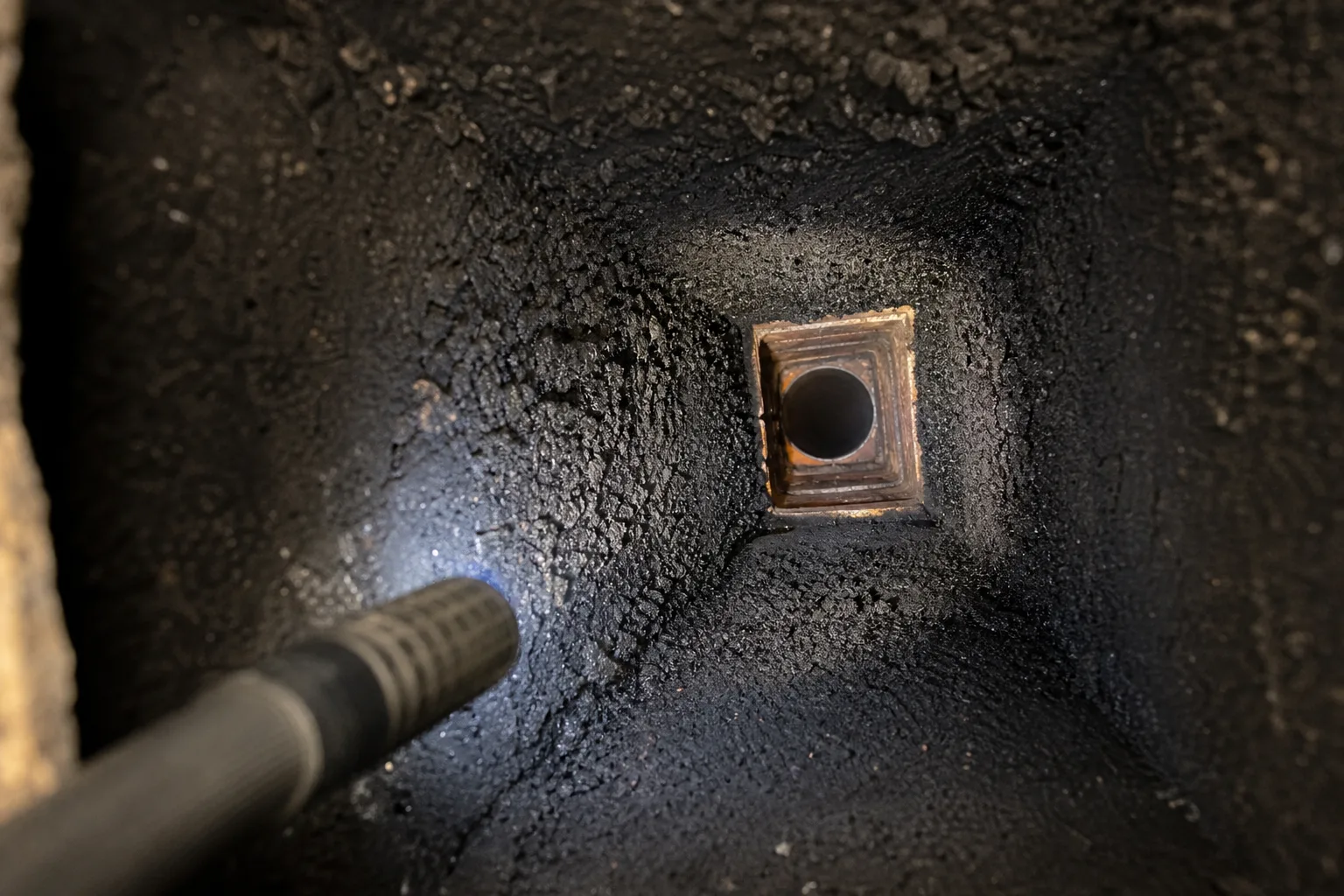
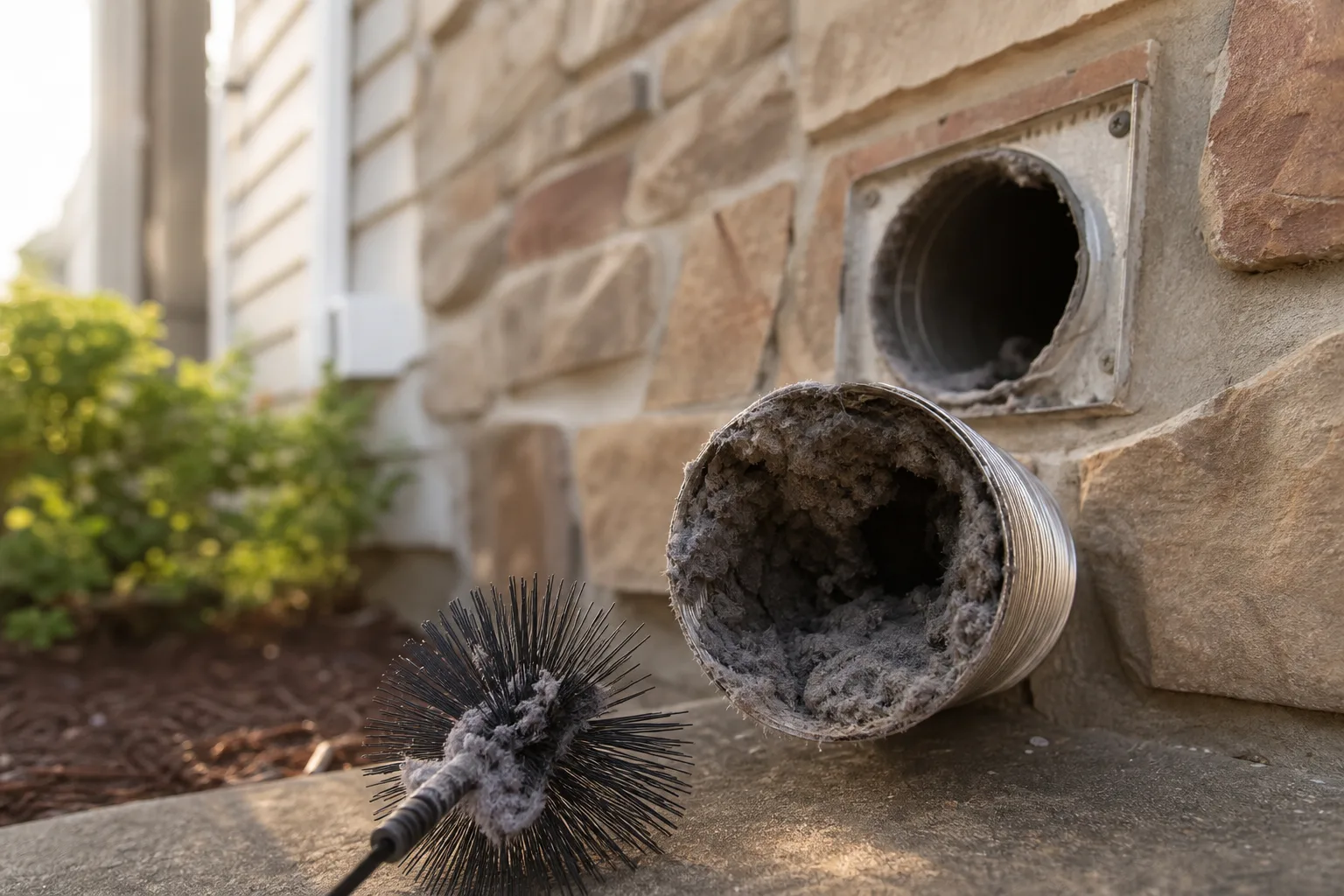
Why it happens in Norwood: Norwood's burning season is shorter than the northern average, and that is exactly what makes creosote sneaky here: light use persuades people the flue can wait another year, but deposits do not expire over summer. They sit in the flue absorbing moisture, souring, and accumulating season over season until the first hot fire finds them.
Book the inspection every year and sweep when it says to. That is the order NFPA 211 sets, and on a flue in regular use the two land on the same visit anyway. Whatever it turns up gets shown to you. Brushable deposits come off in the standard visit; glazed stage-three creosote is a separate chemical or rotary job, quoted before anyone starts, never sprung on the invoice.
Weather figures computed from NOAA daily observations at CINCINNATI MUNICIPAL AP LUNKEN FIELD, 2019–2024. Housing figures from the US Census ACS 2023 5-year estimates for Norwood city limits. Figures describe Norwood as a market, never any one building; only an inspection tells you about yours.
What we take care of
The housing shapes the job here: older Norwood stacks often carry two or three flues, and each one is swept and checked separately. Anywhere in Norwood, the price comes in writing before any work starts.
In Norwood
Your request goes to a screened local company that covers your ZIP code.
They look at the chimney and put the price in writing before starting anything.
You approve the number, or you don't. Either way the visit costs you nothing to arrange.
The price before the work
A written estimate first, every time. Nothing starts until you have said yes to the number.
You see the reason, not just the price
Anything a pro says needs doing, they show you first: on camera where the job calls for a level 2 scan, in front of you where it does not.
Somewhere to go if it goes wrong
Tell us and it gets recorded and acted on. A company that fails the standard loses its place in the network, and that is a lever we actually hold.
Every company in the network is checked for license and insurance before it joins, and checked again if a complaint comes in. It is a check on the business, not a guarantee about the person who knocks, so ask to see both before work starts.
Two ways to book
A call is fastest. Booking online takes about a minute.
Nearby
Housing age moves further inside a city than between two cities, so each page below reads its own ZIP's Census tables against the local weather.
Reviews
“The whole process was really easy from start to finish. They showed up when they said they would, explained what they found, and didn't try to push anything I didn't need. The technician was friendly, professional, and left everything clean afterward. I'd definitely call them again.”
 Ashley M.Homeowner
7 years
since 2019
VIO CHIMNEY was founded by Ryan Carter in 2019, and 7 years later the promise has not moved: a written estimate before any work, a level 2 scan you can watch if the job calls for one, and a pro who explains what they found in plain language.
Every guide and page on this site is reviewed by Ethan Miller, our chimney specialist, so what you read here matches what the work actually involves on a roof, not marketing copy about it.
Norwood guides
Norwood questions
A standard sweep with a Level 1 inspection is the base. Price is set by the independent company that takes the job, not by VIO, and the pros in our Norwood network do not charge more for one neighborhood than another. What moves the number is what the chimney actually holds. With 65% of homes here predating 1940, a lot of stacks carry more than one flue, often a fireplace plus a furnace run, and each is a separate job to brush and scan. The two items that genuinely cost more are glazed stage-three creosote, which needs chemical or rotary removal rather than a brush, and a Level 2 inspection for a property sale. Whatever the number, it is written down and approved by you before anything starts.
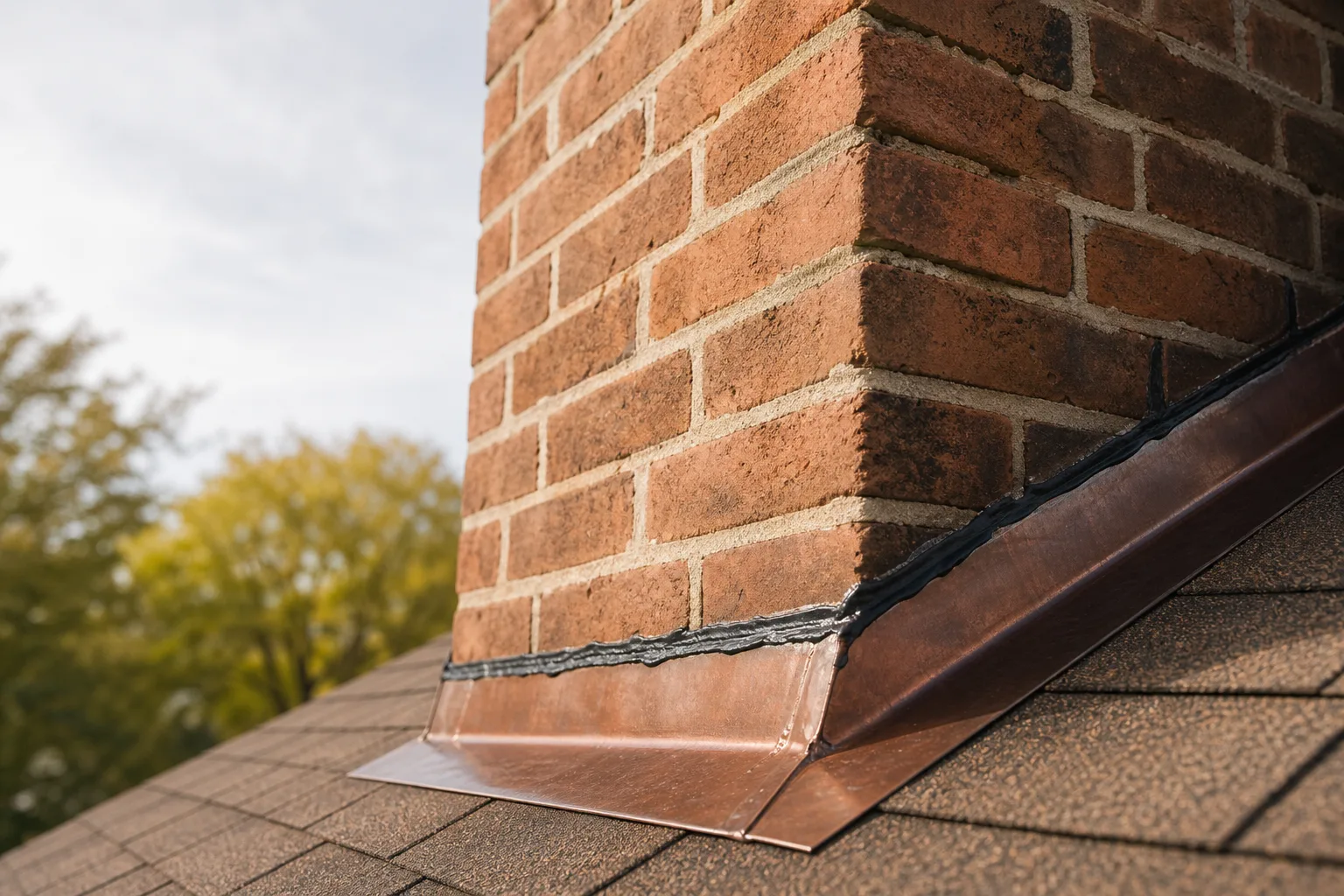
Measurably. Norwood crosses freezing about 91 times a year at CINCINNATI MUNICIPAL AP LUNKEN FIELD, and each crossing expands water already soaked into brick and mortar. It is the repetition rather than any single cold night that does the damage: joints open, crowns crack along their span, and older brick loses its fired outer face. With 40.4 inches of rain a year there is plenty of water available to freeze, which is why this is the leading cause of chimney repair in the city.
Once a year. NFPA 211 calls for an annual inspection of every chimney regardless of how much it was used, with cleaning as the condition requires. That is the standard, not a sales position. Norwood runs about 4,493 heating degree days a year, so the burning season is shorter than the northern average. That persuades a lot of homeowners they can skip a year, and it is the wrong conclusion. Deposits do not expire over summer, they sit in the flue and reactivate with humidity.
Considerably, and it is the most consequential thing about working on Norwood housing. 65% of homes here predate 1940, and chimneys of that age are soft brick set in lime mortar that was deliberately made softer still, so seasonal movement would sacrifice a joint rather than a brick. Repointing correctly means matching that softness. Using a modern high-strength mix inverts the system: the joint becomes the hardest element, the brick becomes the sacrificial one, and the faces spall off within a few winters around perfectly intact grey lines. We are called to fix that outcome regularly and it is almost always recent work rather than old neglect.
Masonry work in Norwood wants the warmer half of the year, because mortar needs above-freezing temperatures to cure properly. Sweeping and camera inspections run year-round. The practical advice is to book the inspection in late summer, while there is still time to act on whatever it finds before the cold arrives. Beyond the weather, the practical answer is late summer for anything you can plan. The first cool evening of the year is when the whole city remembers the fireplace at once, and a two-week wait becomes normal. Booking before that means anything the inspection finds still has time to be repaired before you want to use it.
You are told on the day, shown what they found, and given a written estimate for the repair as a separate line, never added to the invoice for the visit you booked. Nothing beyond what you agreed happens without your approval. If the finding means the fireplace should not be used (a breached liner, a blocked flue, a crown letting water into the stack) we say so plainly and put it in writing. We would rather lose the job than let someone light a fire on a chimney we have just seen the inside of.