

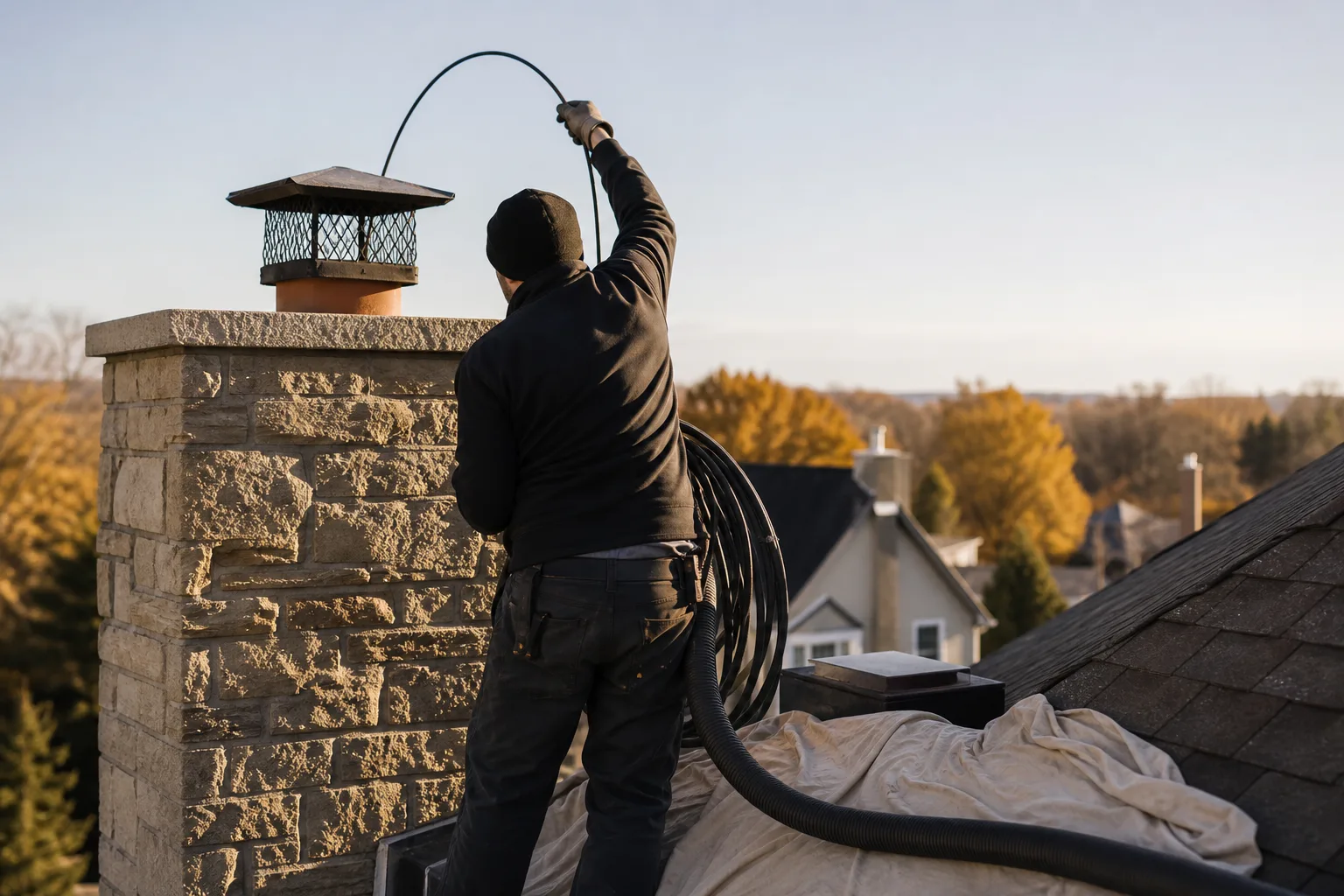
Next-day appointments
Call or book today and we'll do our best to get a pro to you tomorrow.
UT · Screened local pros
Mountain freezes, dry air, and a fast-built Wasatch Front.
The Utah datasheet
Housing figures from the US Census ACS 2023 5-year estimates. Figures describe the state, not your building; only an inspection decides that.
Fall Special
Call or book today and we'll do our best to get a pro to you tomorrow.
Anything that needs attention is shown to you and explained in plain words.
If something needs fixing, you get the price in writing first. Saying no costs nothing.
Is this your chimney?
Not a generic list: these are what this market's weather and housing actually produce. Find yours; the fix is one tap below it.
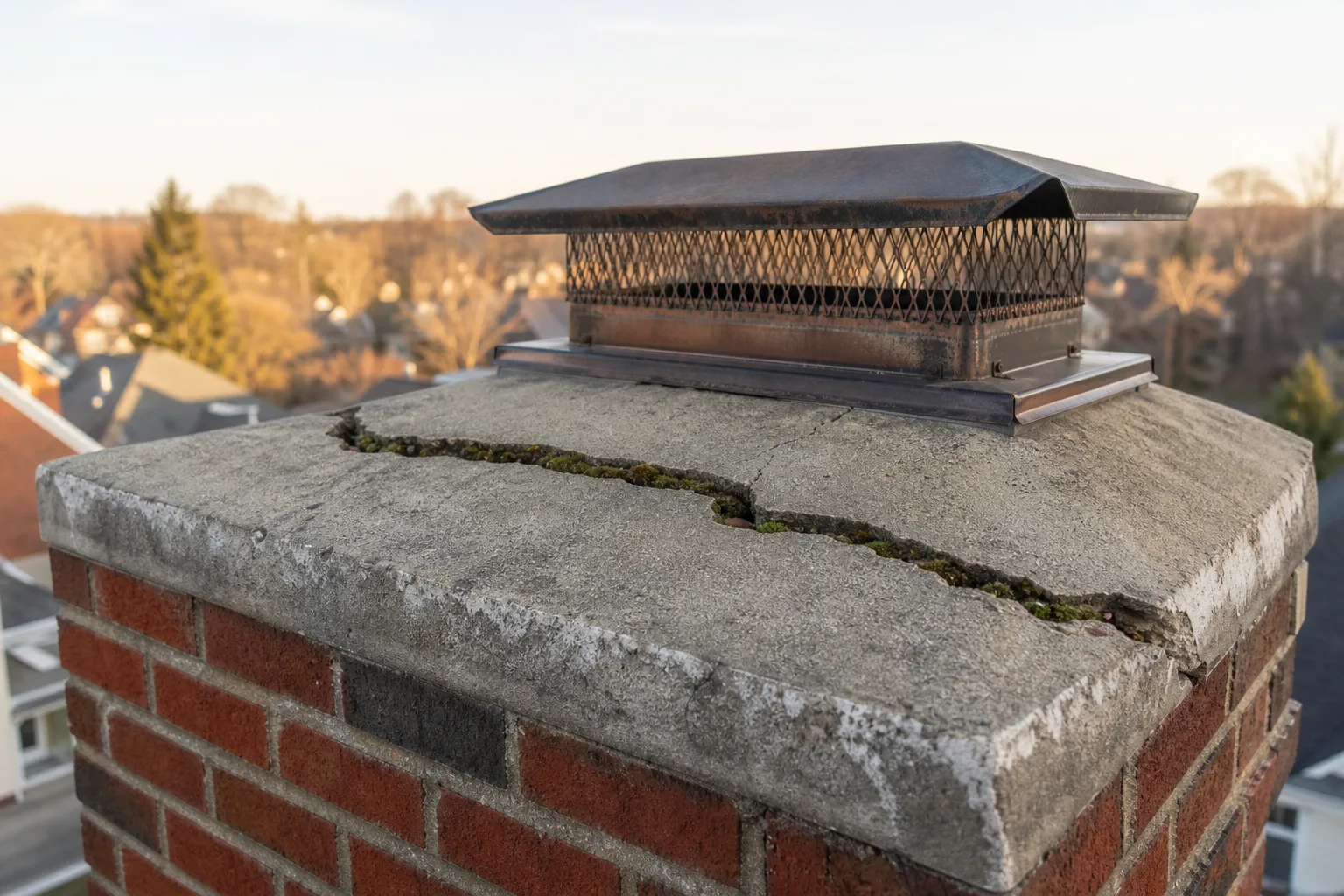
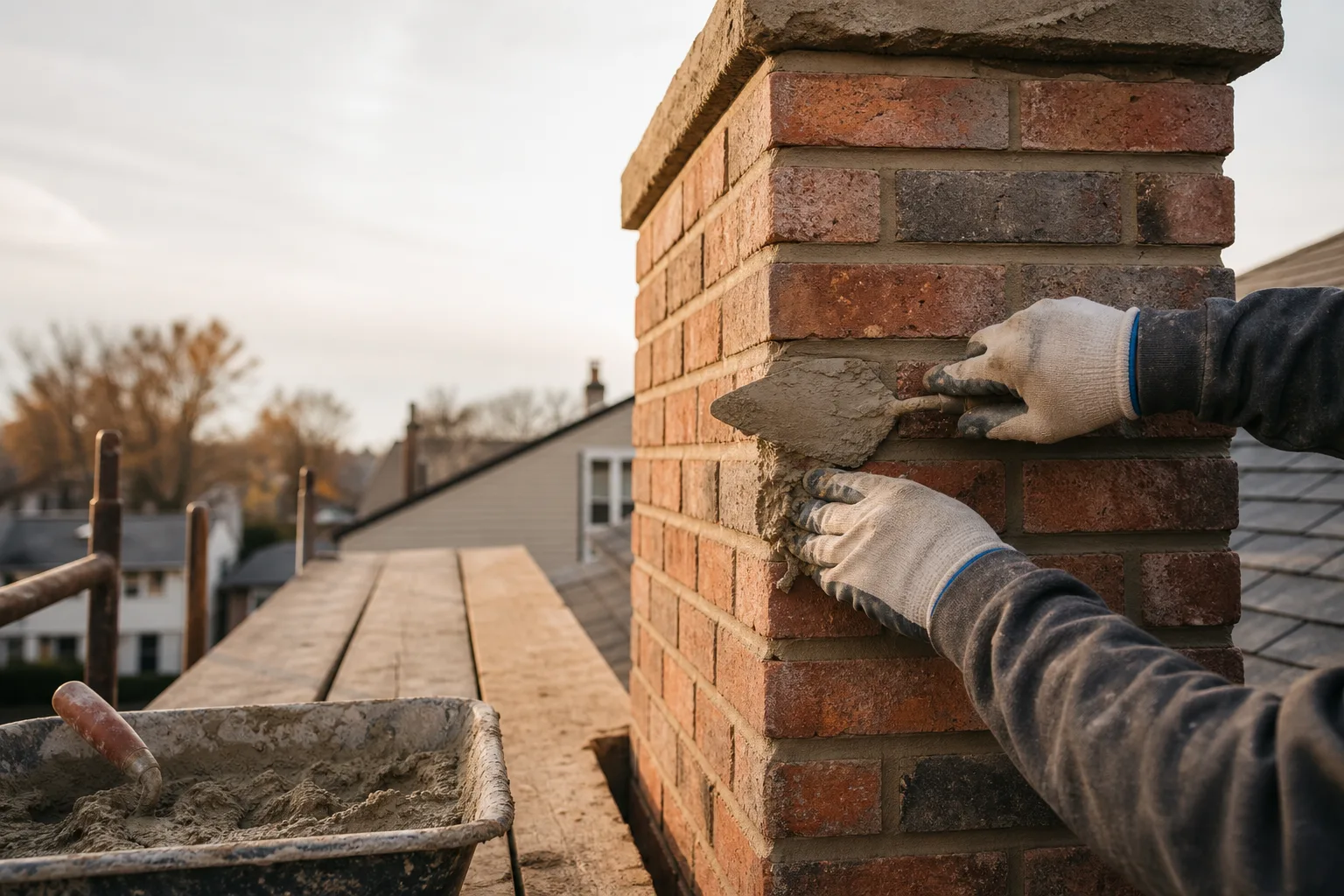
Why it happens in Utah: The Wasatch Front freezes hard and often (high-desert nights after warm days, for months) while staying dry enough that sound masonry survives it. The chimneys that suffer are the ones already open somewhere; crown and joint condition decide who winters well.
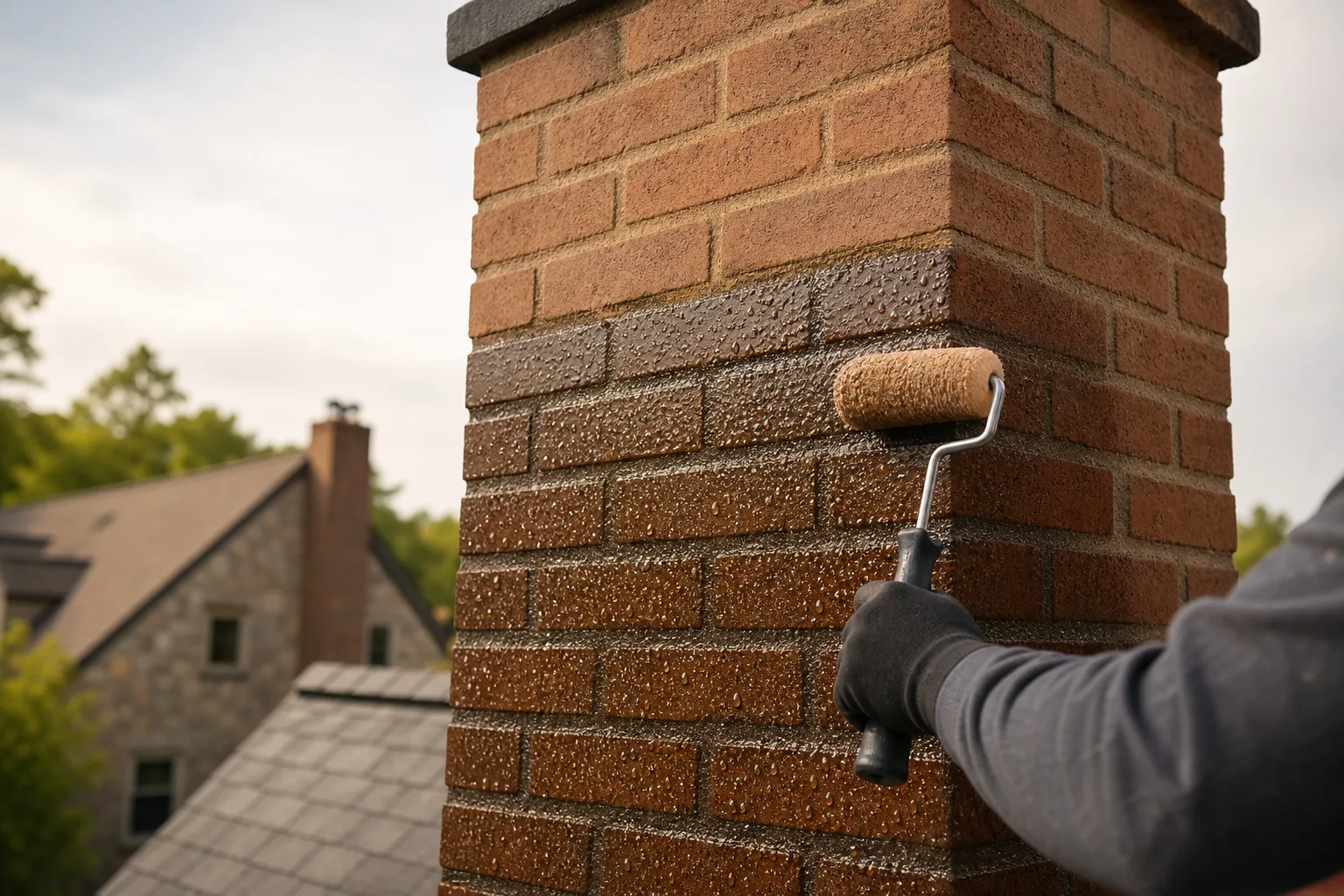
At altitude the freeze-thaw cycle can run nightly for months (strong sun thaws what clear nights refreeze), so condition is everything: a sound crown with an overhang, tight joints, and a breathable water repellent once they are sound. The same chimney that suffers open-jointed will shrug the altitude off maintained. The mountain supplies the test either way.
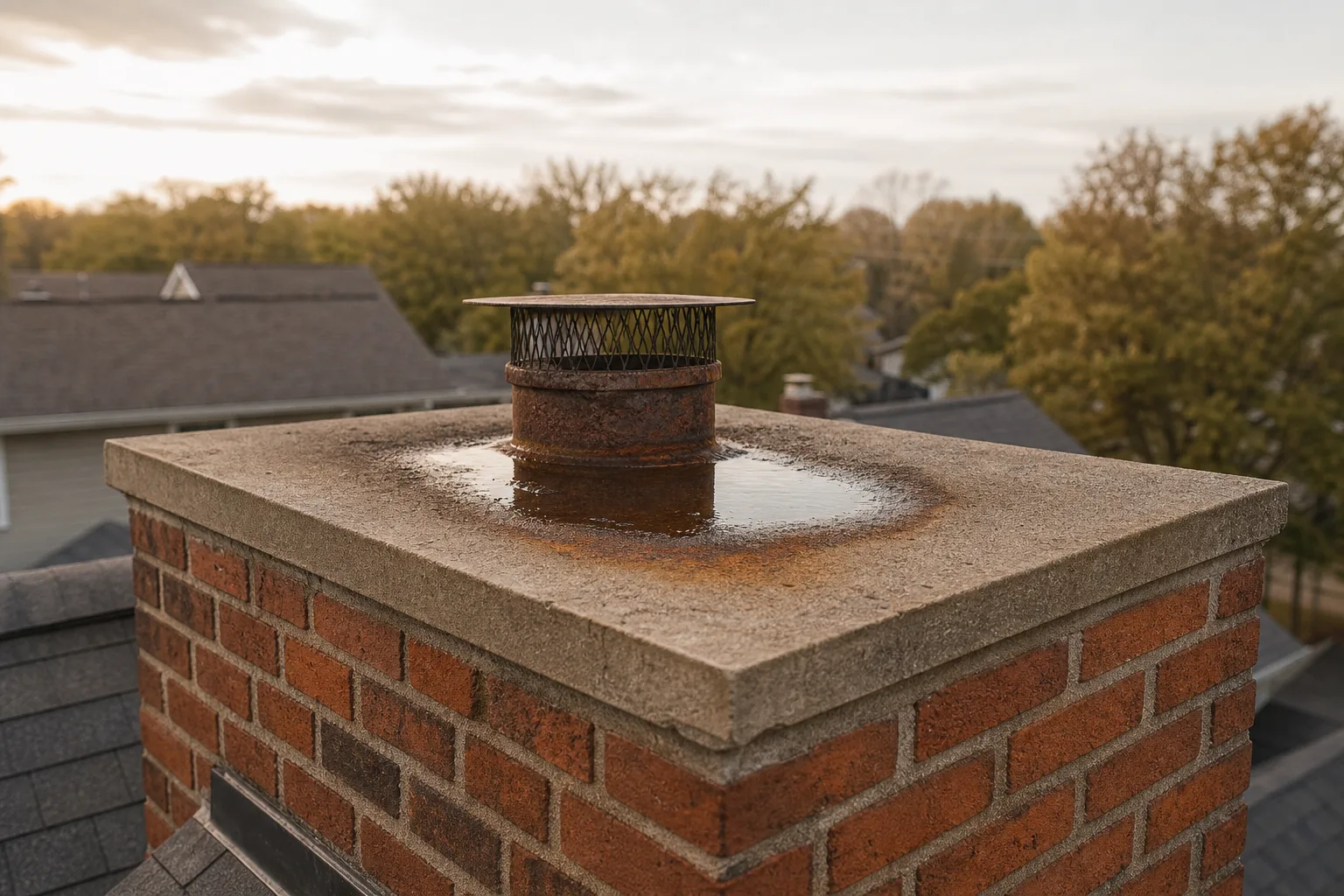
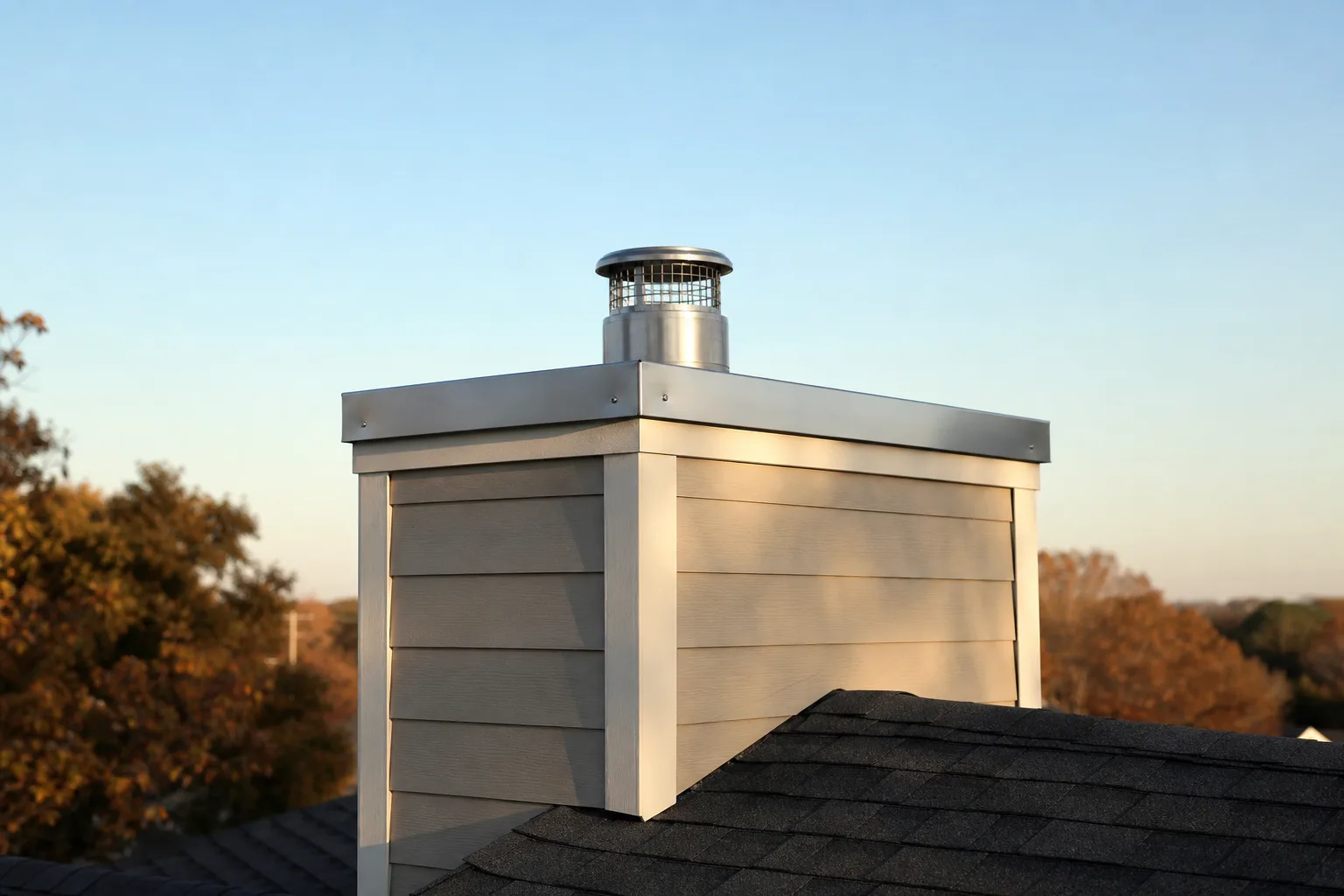
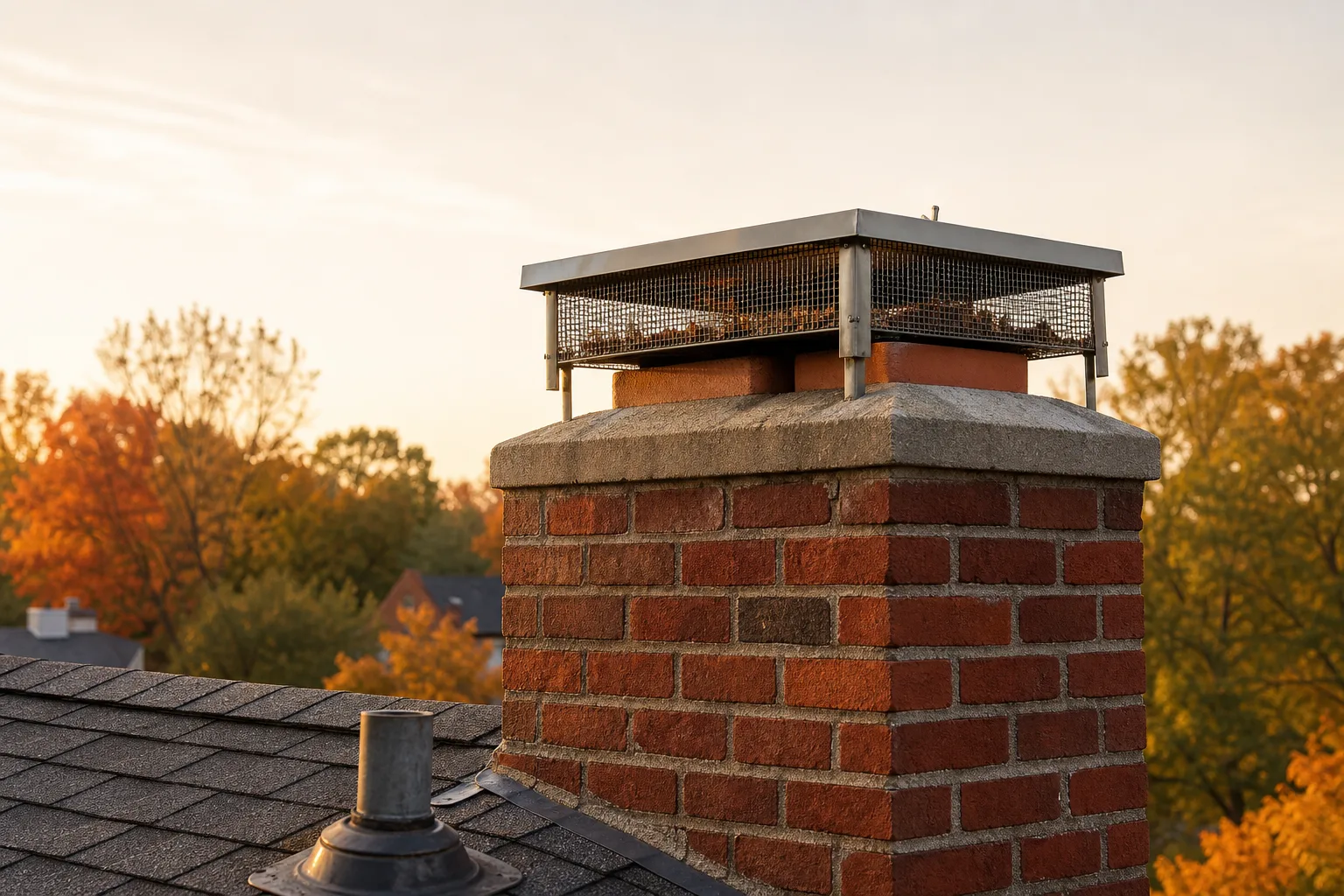
Why it happens in Utah: 63% of homes in Utah went up after 1980, and at that age a great many chimneys are wood-framed chases around factory fireplaces rather than masonry. The weak point is the chase cover: most were fitted flat in galvanised steel, so they hold standing water after every storm, rust through from the top, and then drain into the wood framing below, where the damage stays invisible until a ceiling shows it, often years in.
A replacement cover in stainless, sloped, with a drip edge and a properly sized collar. It is inexpensive against what it prevents, and the one genuinely permanent fix on this list. If water has already been getting into the framing, that is opened and dried before the new cover goes on; covering wet wood just moves the problem indoors.
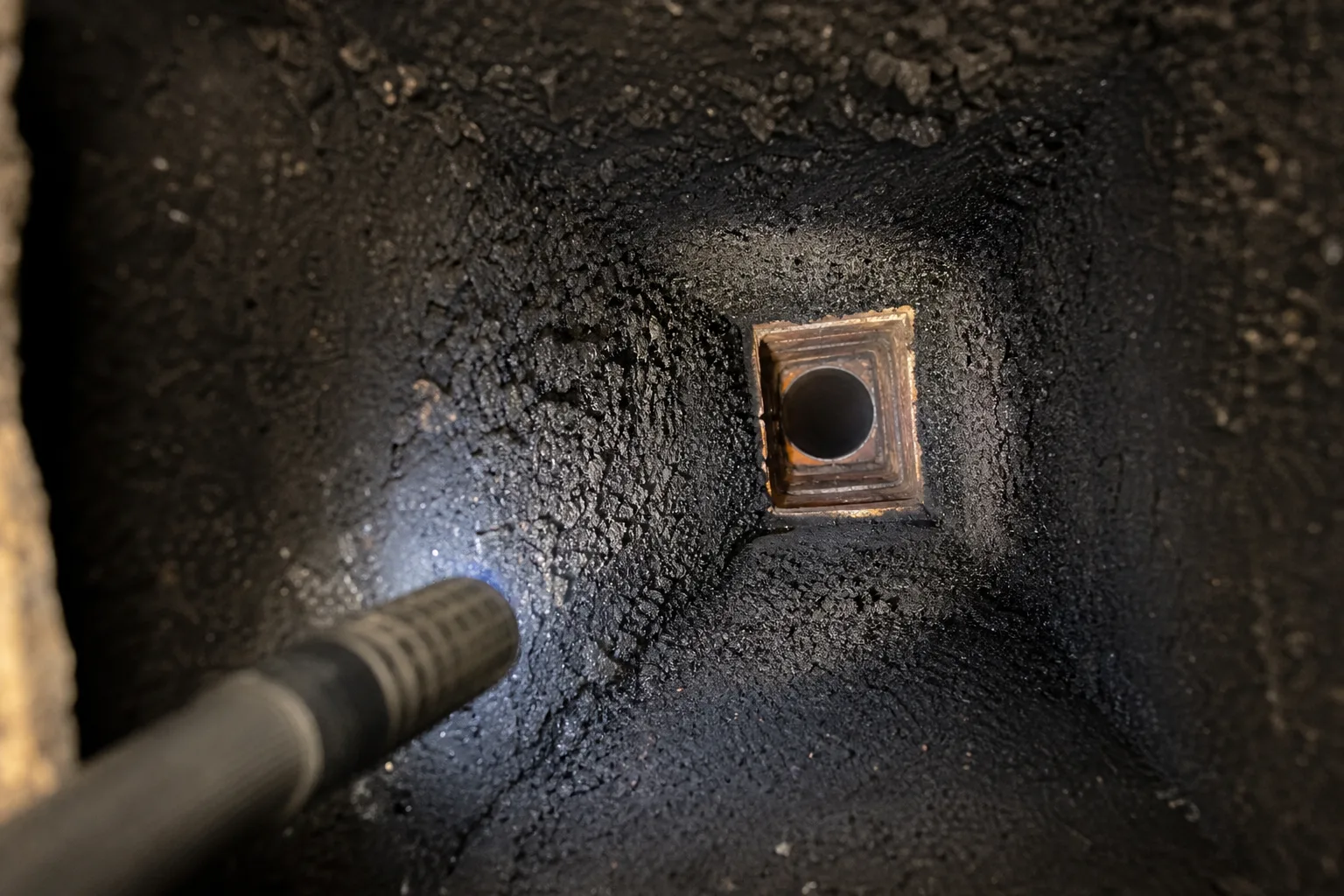
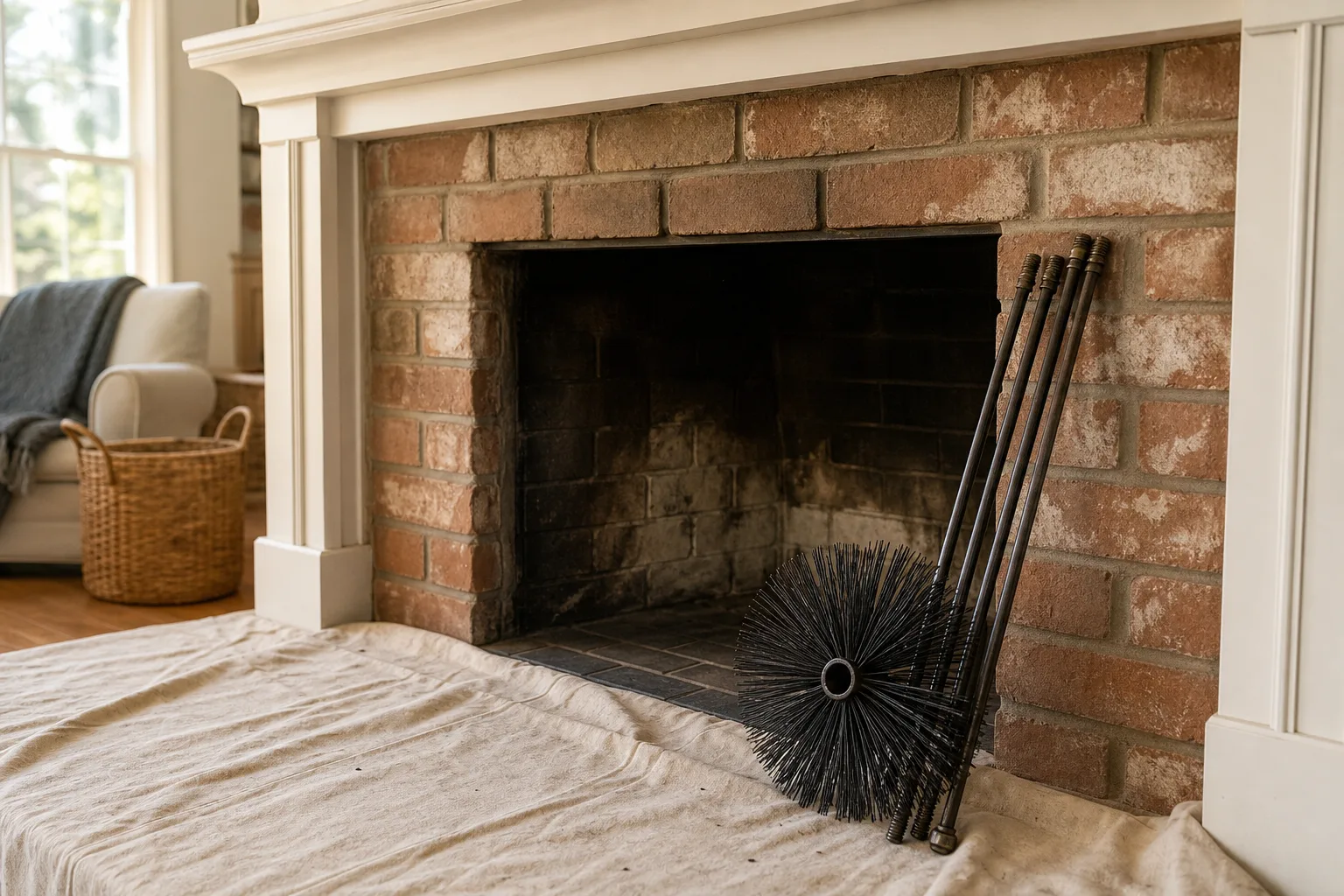
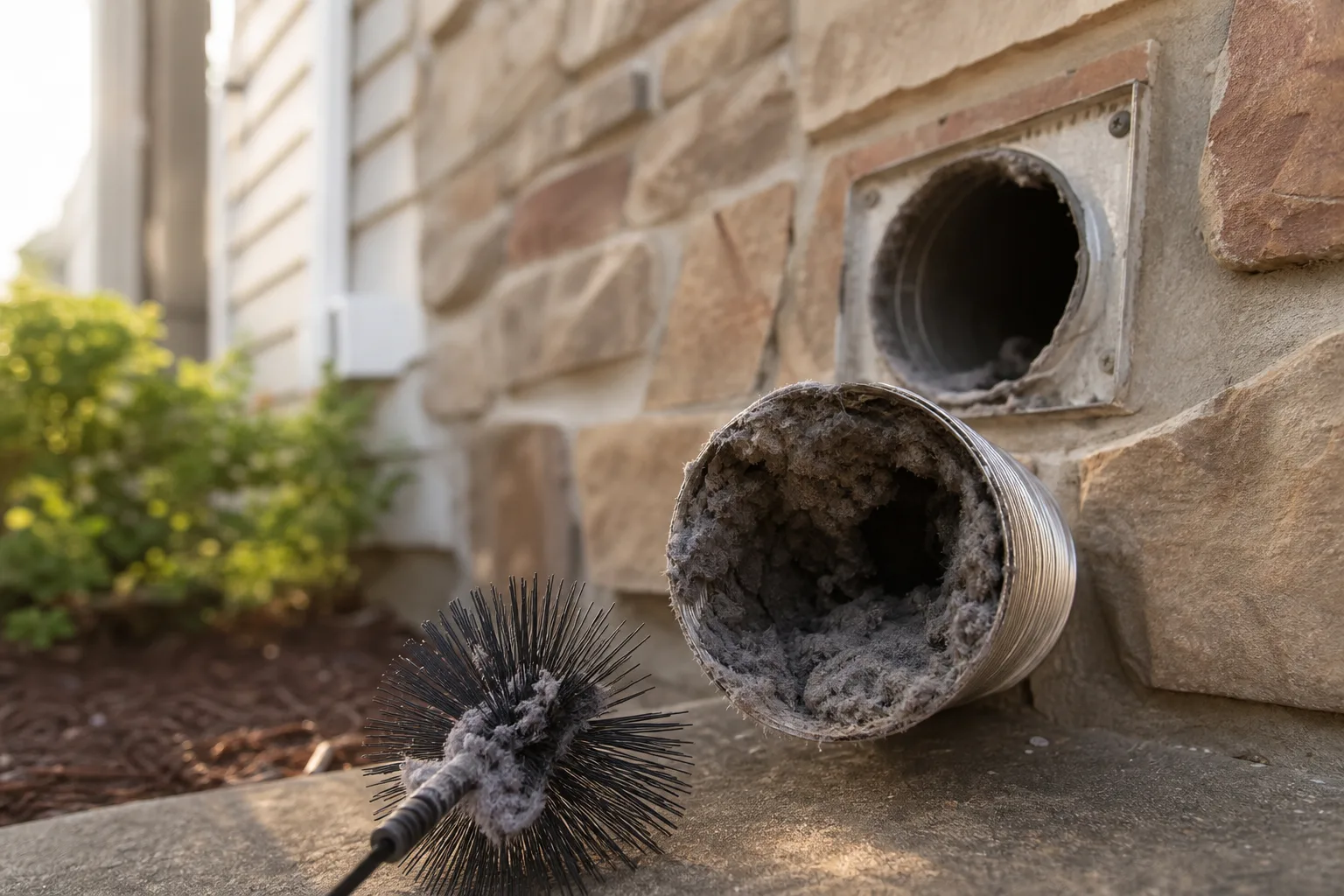
Why it happens in Utah: Utah's heating season is long, around 5,070 degree-days a year, which means real burn hours and creosote building faster than the national maintenance advice assumes. Stage one wipes off. Stage three is a hardened glaze that a brush slides over, and it is the deposit that actually feeds chimney fires.
Book the inspection every year and sweep when it says to. That is the order NFPA 211 sets, and on a flue in regular use the two land on the same visit anyway. Whatever it turns up gets shown to you. Brushable deposits come off in the standard visit; glazed stage-three creosote is a separate chemical or rotary job, quoted before anyone starts, never sprung on the invoice.
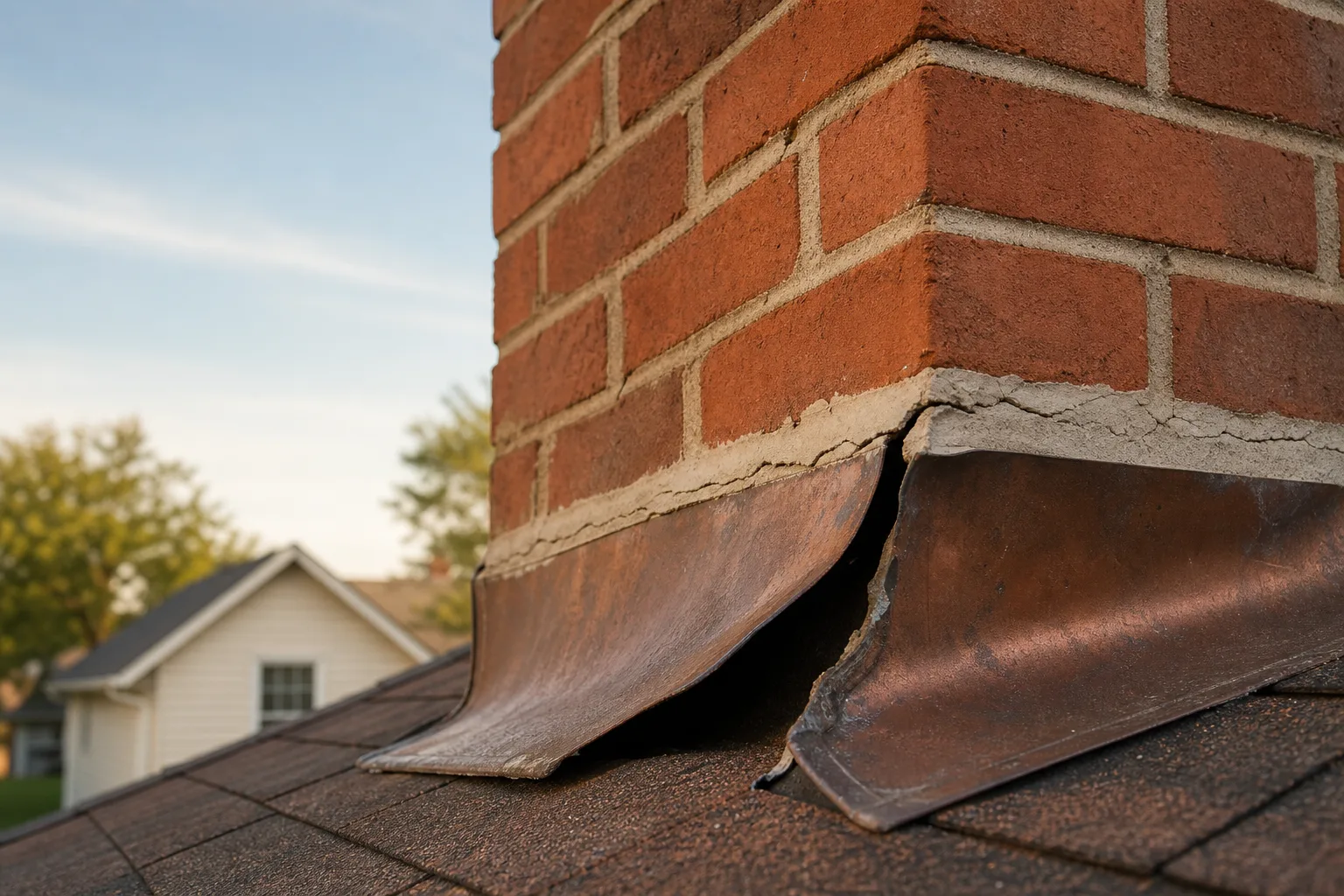
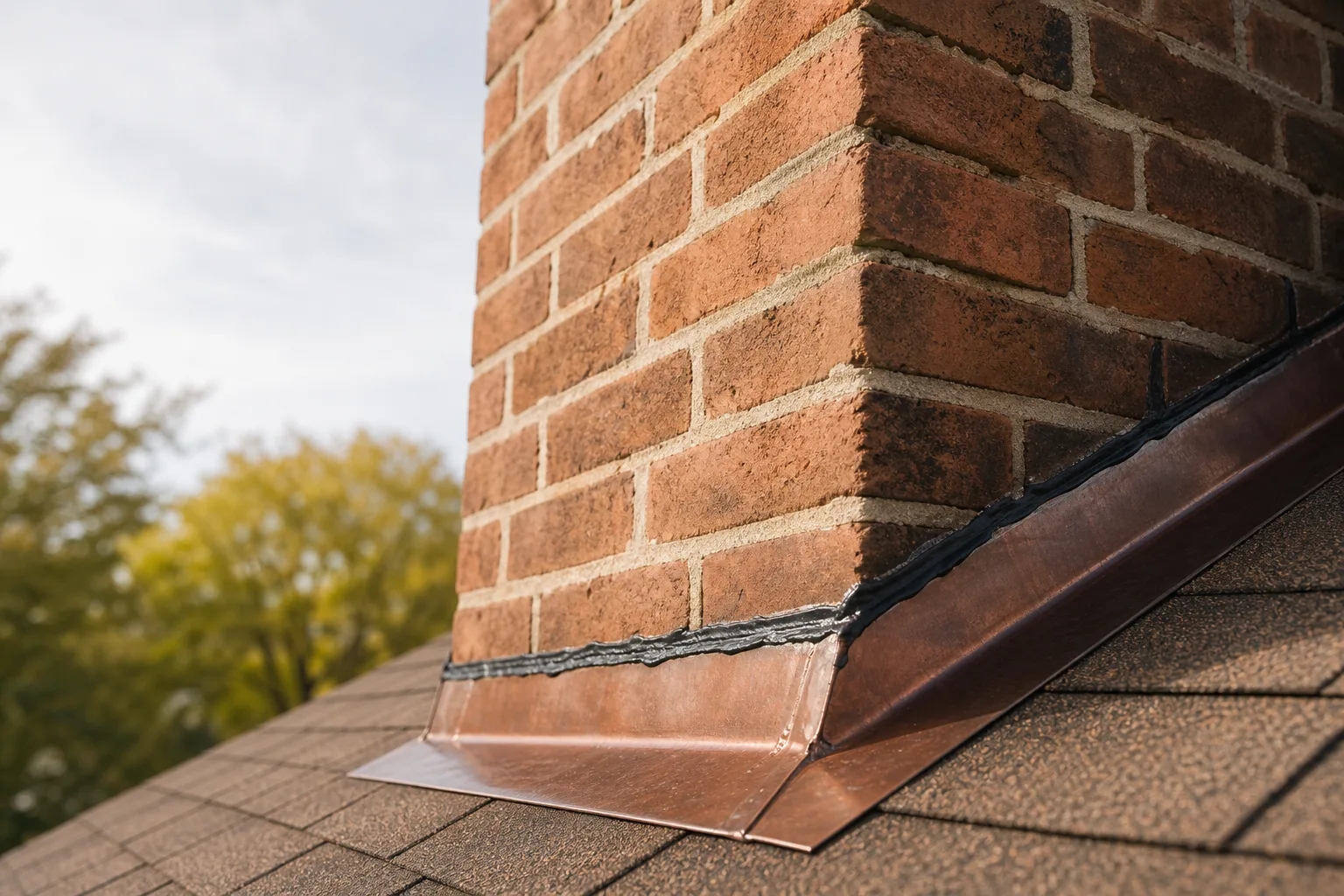
Why it happens in Utah: Utah takes about 14 inches of rain a year, and the storms that matter drive it sideways. Flashing that sheds vertical rain perfectly well lets wind-driven water past; a crown cast flush with no overhang sheds every drop straight down the masonry it was meant to protect. That is why leak calls here follow specific storms rather than a slow decline, and why the stain on the ceiling marks where the water gave up, not where it got in.
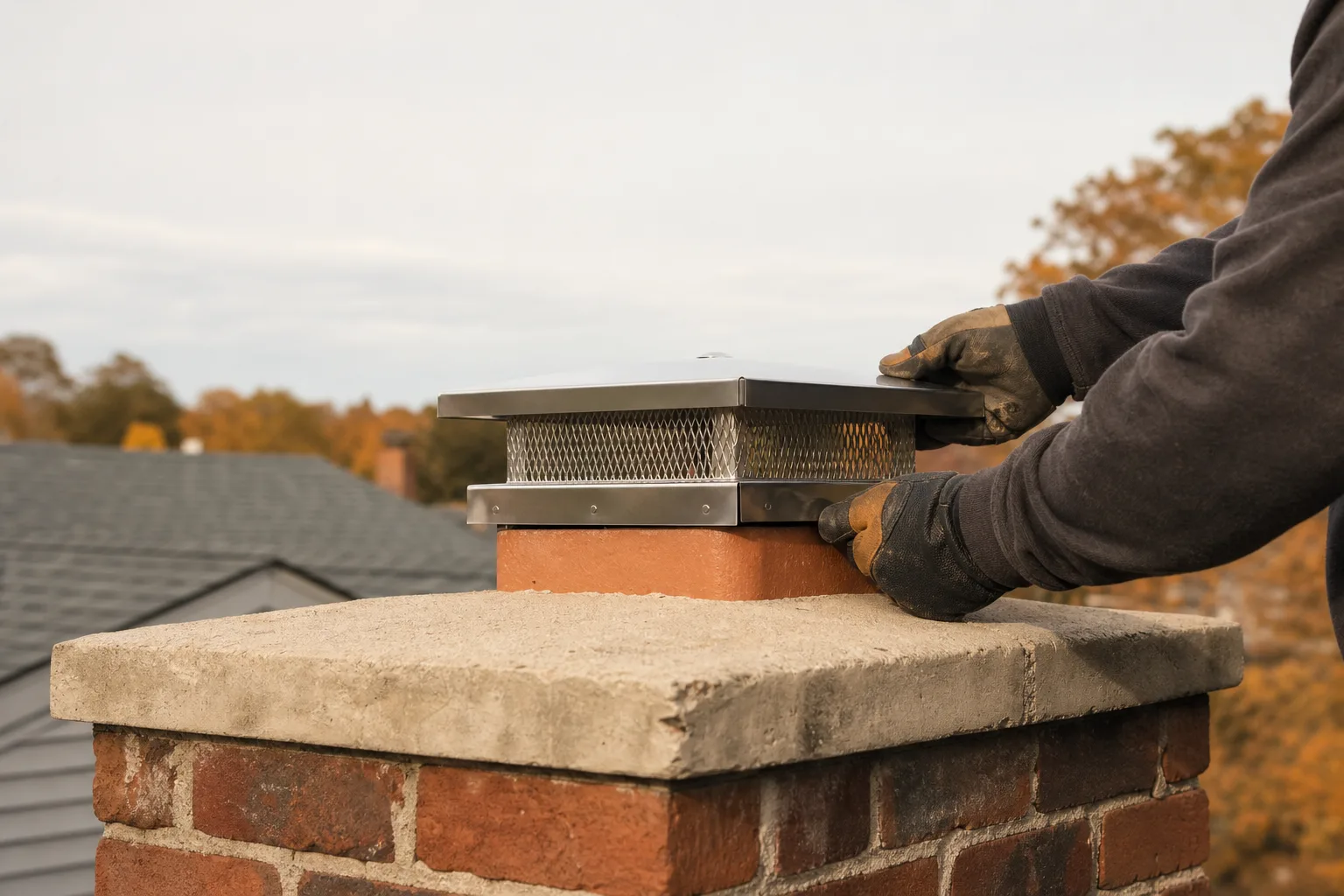
Finding the entry point is the job: there are five realistic ones and they are nowhere near each other in price. We hose-test one section at a time from the bottom up until the water shows itself, then fix that: rebuilt step-and-counter flashing cut into the mortar, a recast crown with a real overhang, or a cap where the flue was simply open. Sealing above the stain is the classic wasted repair, and we will not sell it to you.
Housing figures from the US Census ACS 2023 5-year estimates. Figures describe Utah as a market, never any one building; only an inspection tells you about yours.
What we take care of
Newer Utah homes usually run a single flue, which keeps the visit quick; what it finds decides anything beyond that. Anywhere in Utah, the price comes in writing before any work starts.
What we handle in Utah
Your request goes to a screened local company that covers your ZIP code.
They look at the chimney and put the price in writing before starting anything.
You approve the number, or you don't. Either way the visit costs you nothing to arrange.
The price before the work
A written estimate first, every time. Nothing starts until you have said yes to the number.
You see the reason, not just the price
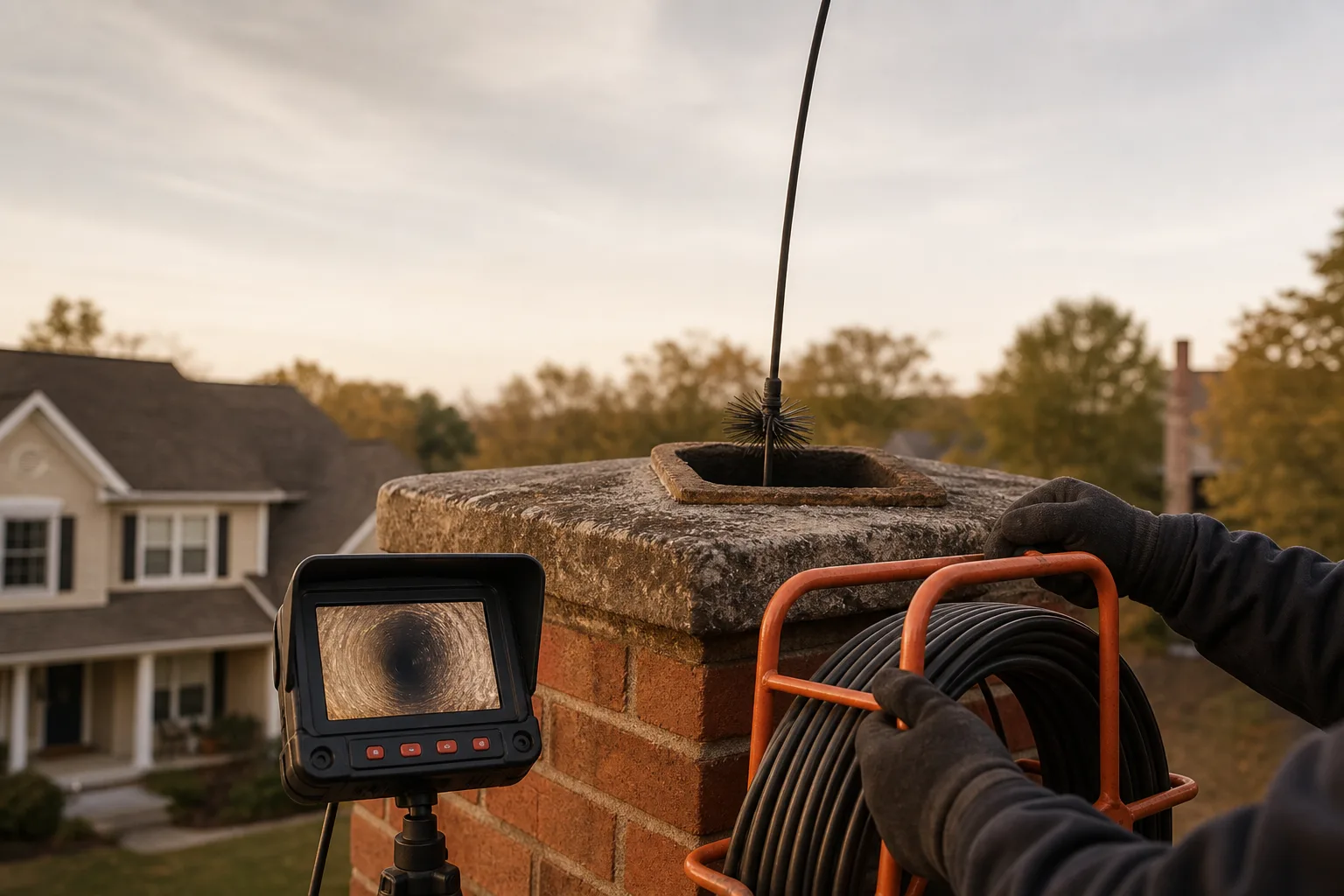
Anything a pro says needs doing, they show you first: on camera where the job calls for a level 2 scan, in front of you where it does not.
Somewhere to go if it goes wrong
Tell us and it gets recorded and acted on. A company that fails the standard loses its place in the network, and that is a lever we actually hold.
Every company in the network is checked for license and insurance before it joins, and checked again if a complaint comes in. It is a check on the business, not a guarantee about the person who knocks, so ask to see both before work starts.
Two ways to book
A call is fastest. Booking online takes about a minute.
Nearby
Each one is measured at its own weather station and its own Census tables, because cities inside a state differ more than the state figure suggests.
Reviews
“The whole process was really easy from start to finish. They showed up when they said they would, explained what they found, and didn't try to push anything I didn't need. The technician was friendly, professional, and left everything clean afterward. I'd definitely call them again.”
 Ashley M.Homeowner
7 years
since 2019
VIO CHIMNEY was founded by Ryan Carter in 2019, and 7 years later the promise has not moved: a written estimate before any work, a level 2 scan you can watch if the job calls for one, and a pro who explains what they found in plain language.
Every guide and page on this site is reviewed by Ethan Miller, our chimney specialist, so what you read here matches what the work actually involves on a roof, not marketing copy about it.
From the guides
Good to know
NFPA 211 sets the annual bar as an INSPECTION of every chimney regardless of use, with cleaning when the condition of the flue calls for it. In Utah the freeze cycles make keeping that date worth it. A flue that goes into winter carrying creosote or an open joint gets the damage compounded by every freeze.
The first question in Utah is whether yours is masonry or a factory-built unit in a framed chase. They need completely different work. The visit settles that in minutes, then covers the flue on camera, the cap or chase cover, and the flashing.
An independent local chimney company we match you with. VIO does not perform the work. We check business identity, any license the work requires locally, and insurance before a company joins the network, and we require a written estimate before anything starts. The company you hire sets its own price and bills you directly.
Most visits are scheduled within a few days, faster for active leaks or a chimney you suspect after a fire. Scheduling is set by the local company that takes the job, so the fastest route is to say how urgent it is when you request, or call (513) 655-6702 and say it out loud.