


Next-day appointments
Call or book today and we'll do our best to get a pro to you tomorrow.
Pomona, CA · Screened local pros
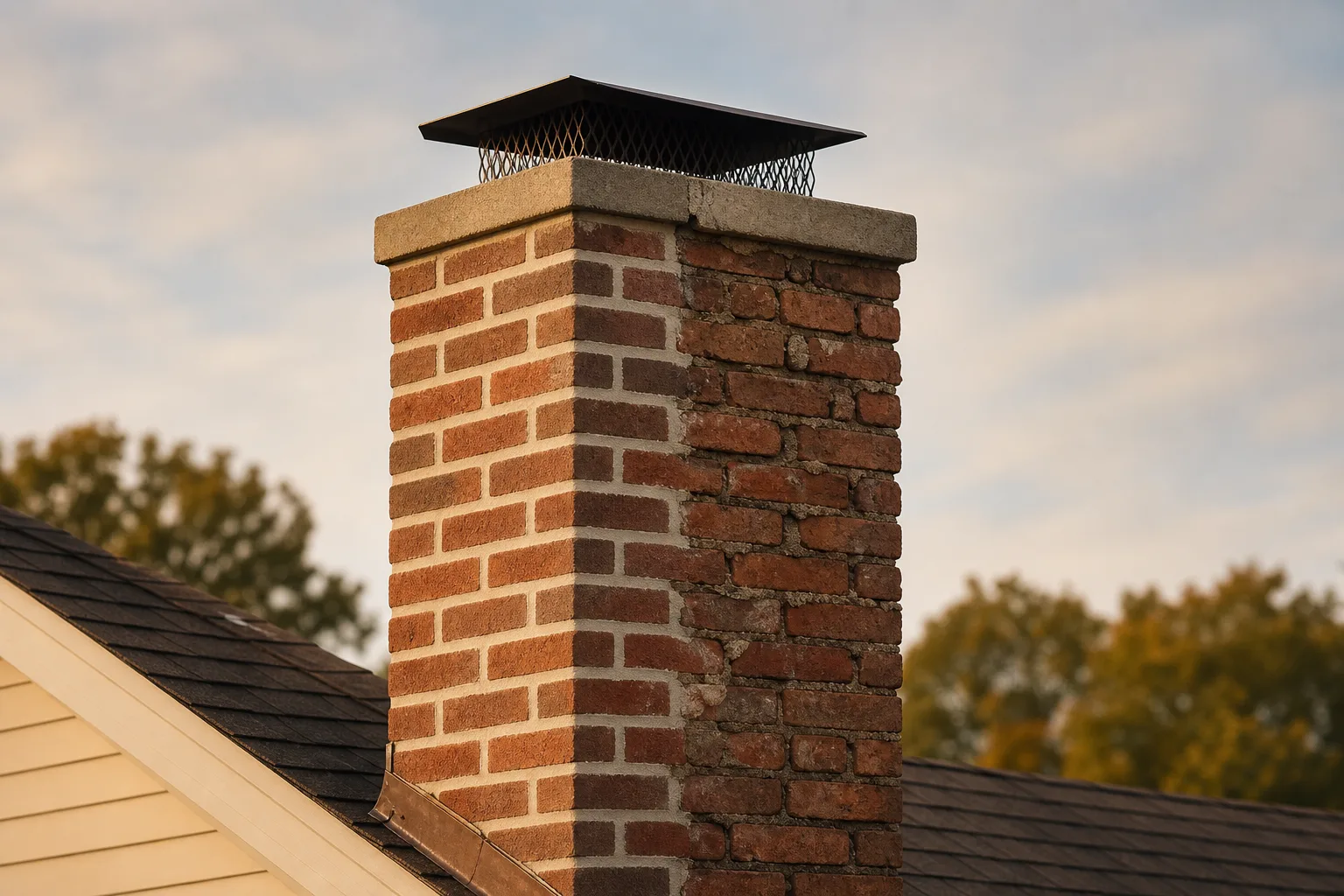
Pomona does not freeze, so almost everything written about chimney damage describes a mechanism that does not operate here. What does the damage is water, heat and age.
The Pomona datasheet
Weather figures computed from NOAA daily observations at CHINO AP, 2019–2024. Housing figures from the US Census ACS 2023 5-year estimates for Pomona city limits. Figures describe Pomona, not your building; only an inspection decides that.
Fall Special
Call or book today and we'll do our best to get a pro to you tomorrow.
Anything that needs attention is shown to you and explained in plain words.
If something needs fixing, you get the price in writing first. Saying no costs nothing.
Is this your chimney?
Not a generic list: these are what this market's weather and housing actually produce. Find yours; the fix is one tap below it.
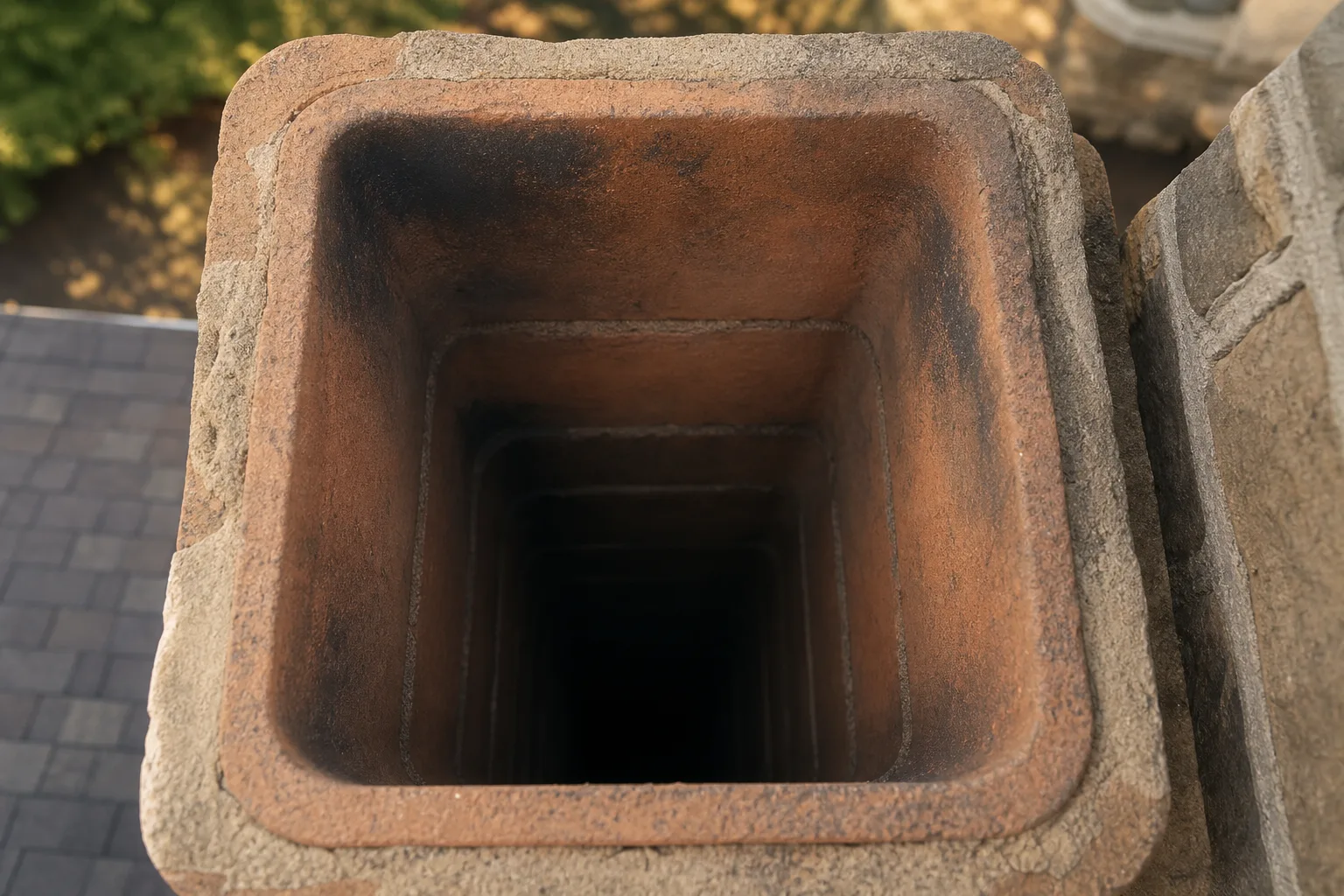
Why it happens in Pomona: Honestly: the freeze damage that dominates chimney advice barely operates in Pomona: the local station recorded only about 3 freezing crossings a year. What still operates is everything else. Creosote builds from every fire regardless of climate and is what feeds chimney fires. Even modest rainfall finds a failed crown or lifted flashing eventually. Animals still nest in open flues. The risks are different here, not absent, and the annual look is how they stay small.
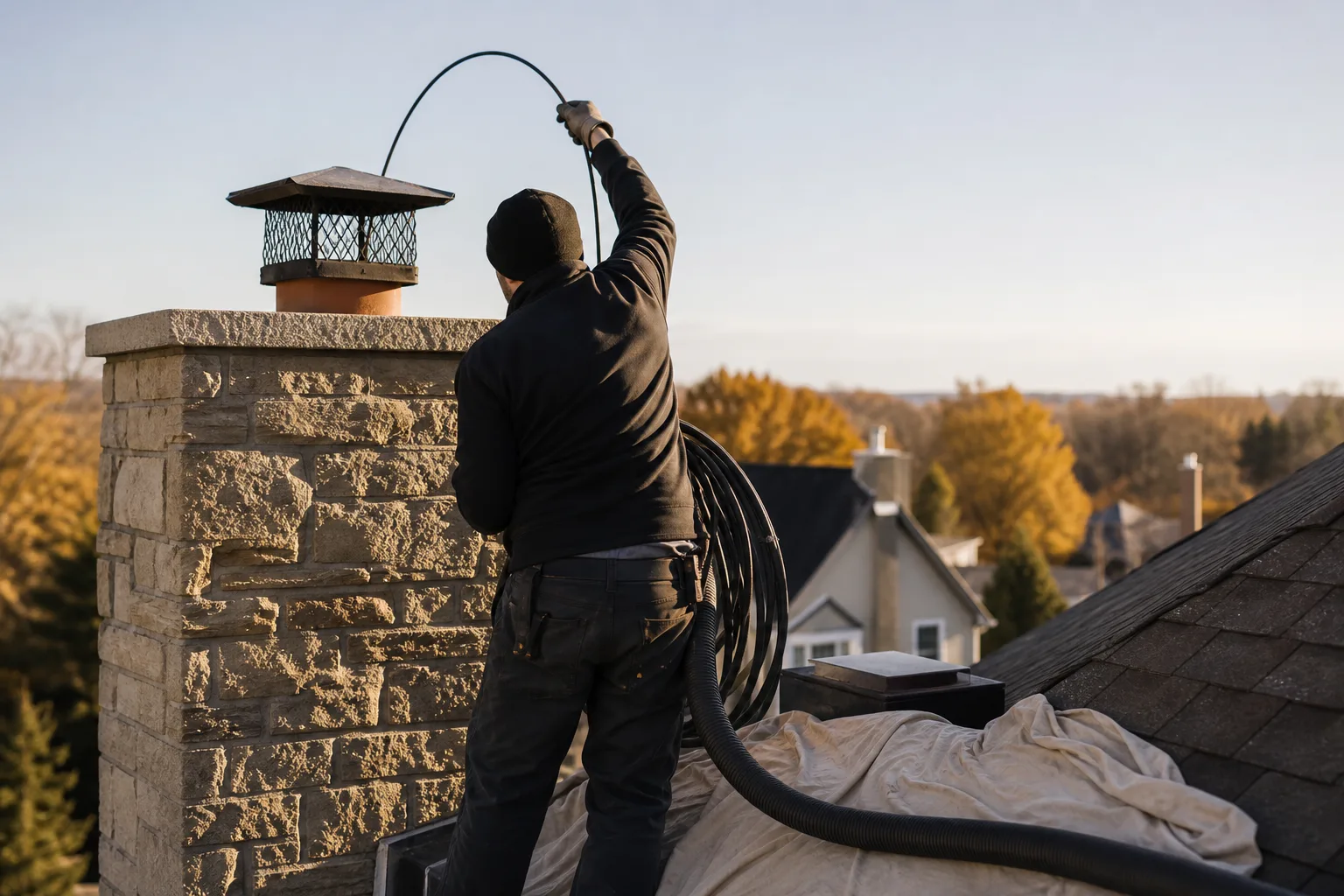
The same annual sweep-and-scan the standard calls for everywhere, minus the frost hysteria: flue brushed, crown, cap and flashing checked, and anything found shown to you. In a mild climate most visits end with 'all clear, see you next year', which is precisely the outcome worth paying a modest amount to know.
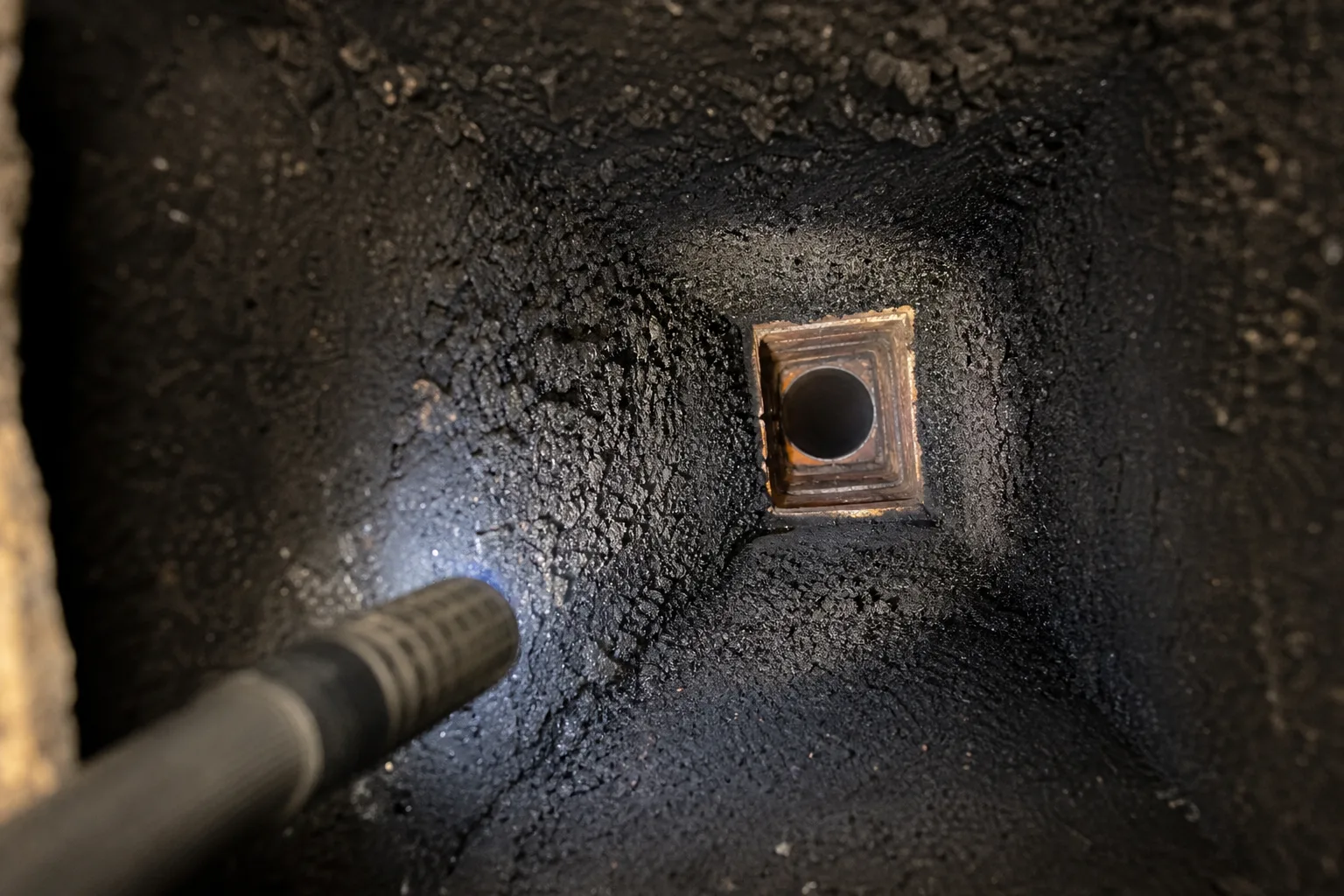
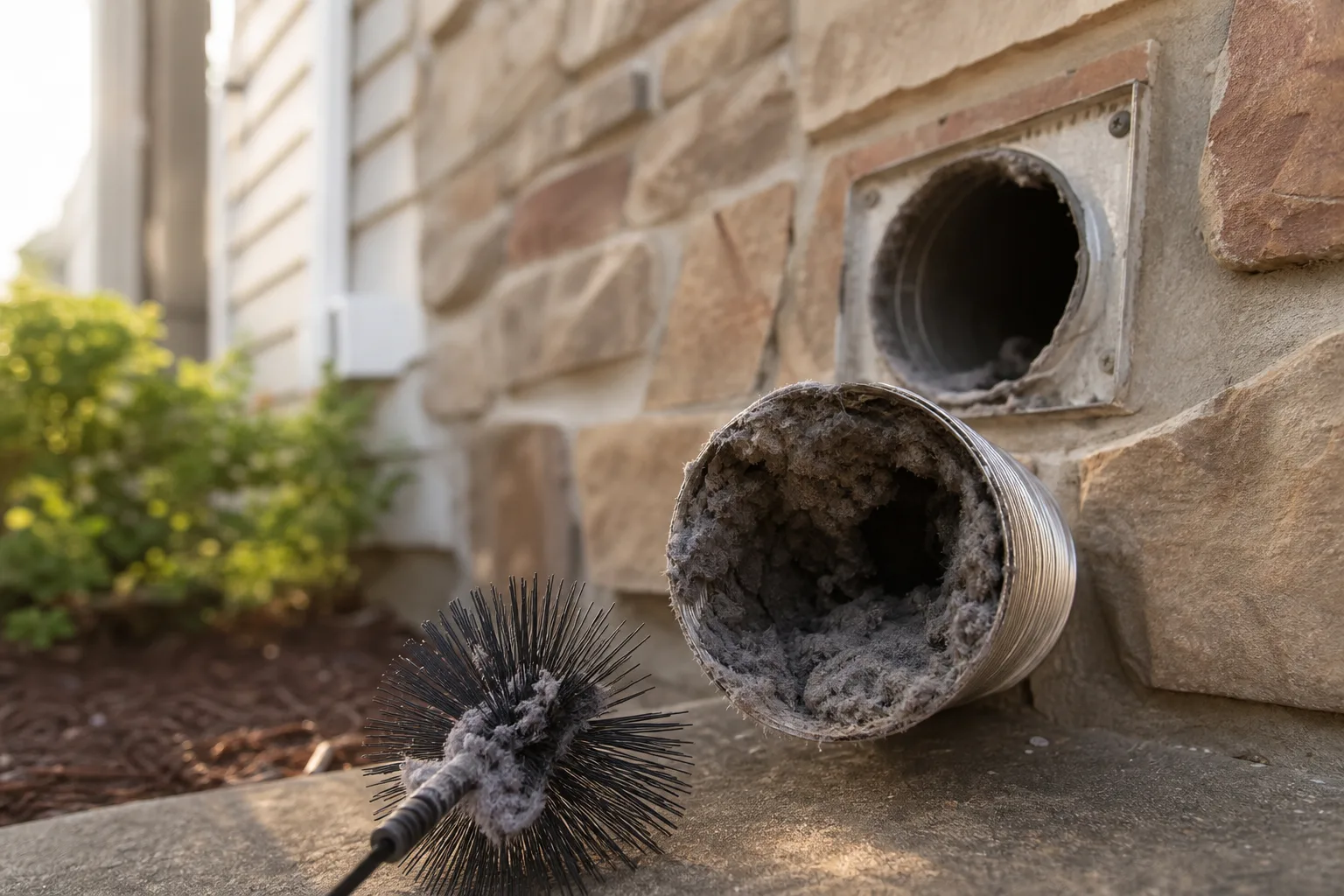
Why it happens in Pomona: Pomona's burning season is shorter than the northern average, and that is exactly what makes creosote sneaky here: light use persuades people the flue can wait another year, but deposits do not expire over summer. They sit in the flue absorbing moisture, souring, and accumulating season over season until the first hot fire finds them.
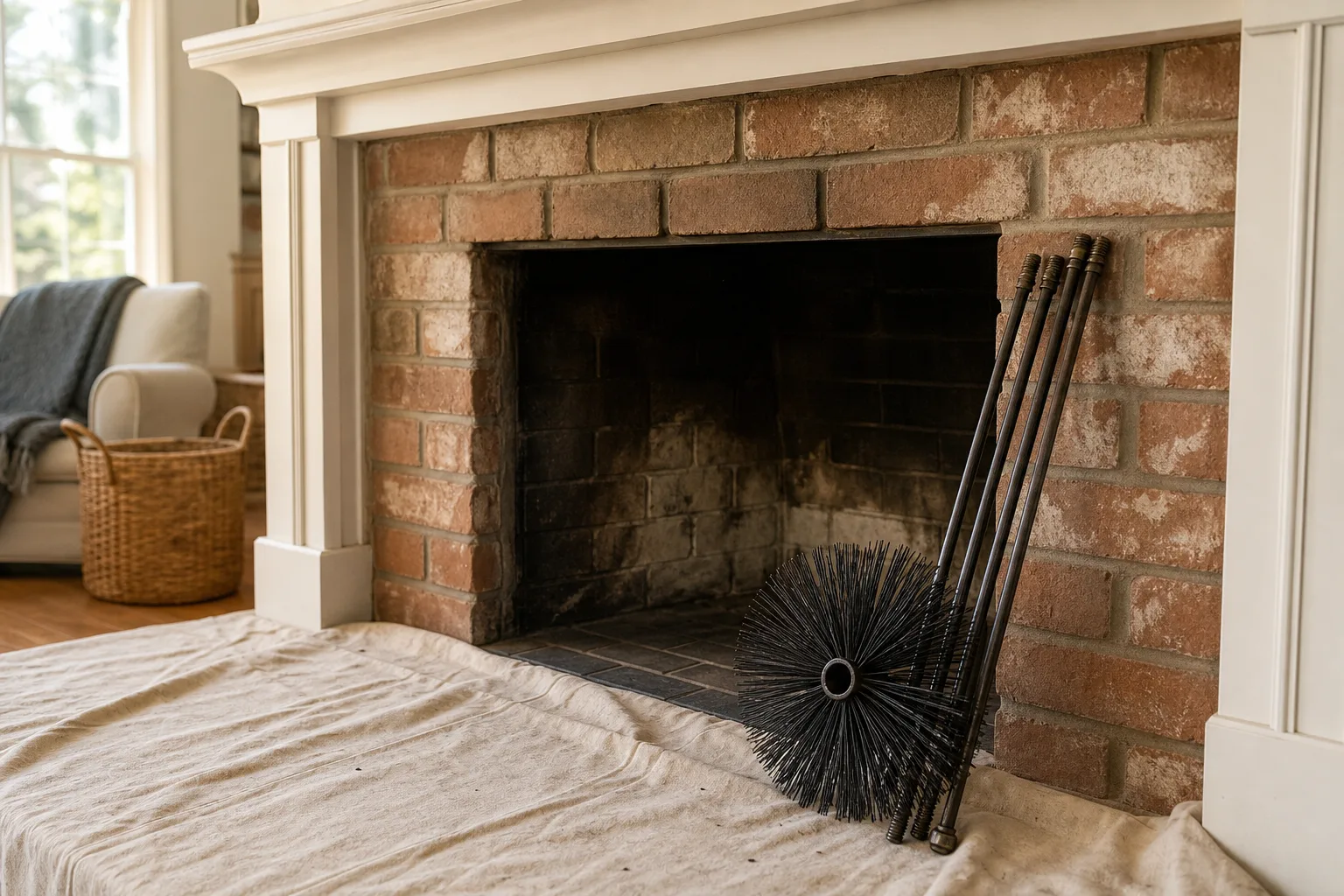
Book the inspection every year and sweep when it says to. That is the order NFPA 211 sets, and on a flue in regular use the two land on the same visit anyway. Whatever it turns up gets shown to you. Brushable deposits come off in the standard visit; glazed stage-three creosote is a separate chemical or rotary job, quoted before anyone starts, never sprung on the invoice.
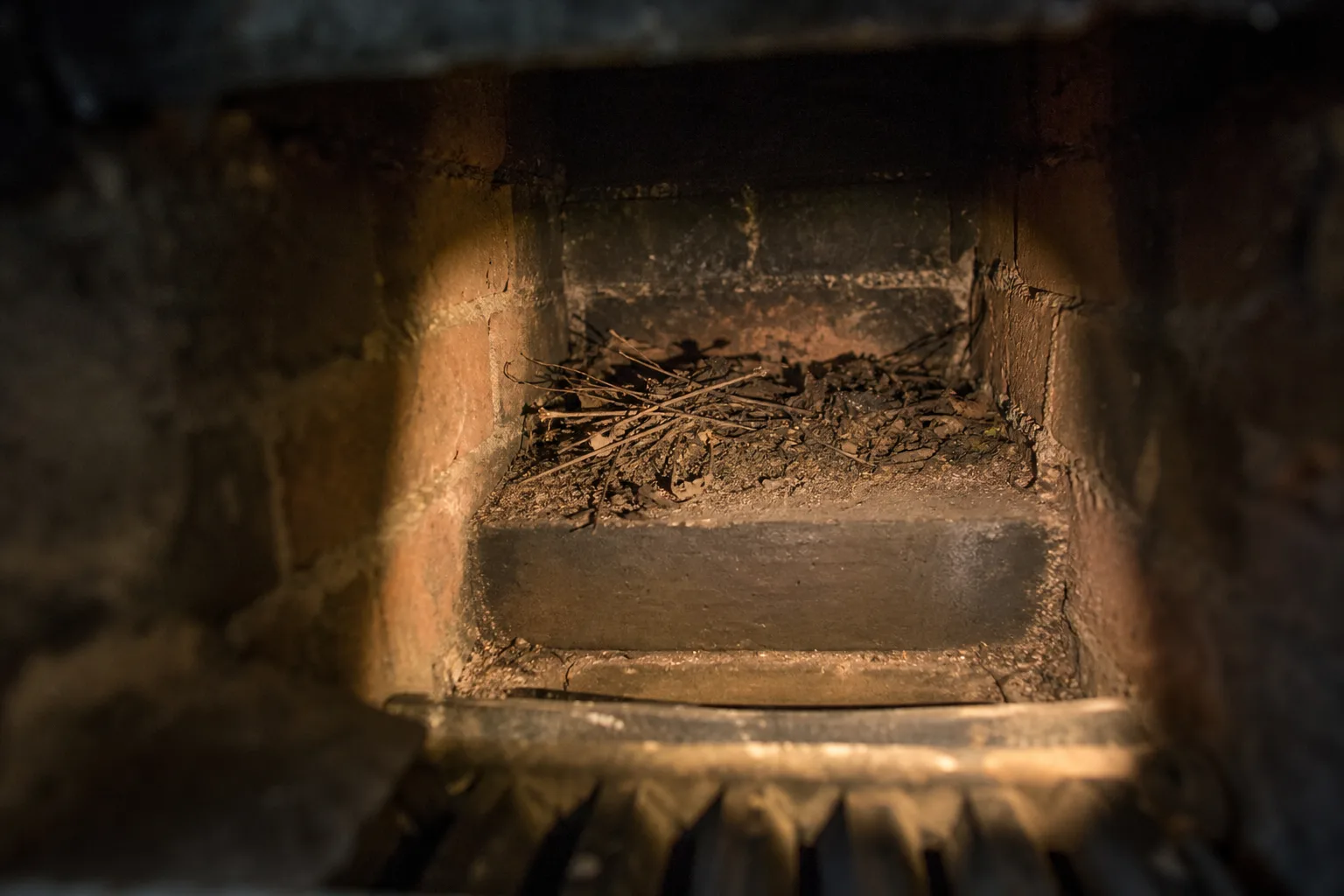
Why it happens in Pomona: An open flue is a den entrance, and the calendar decides the response. Chimney swifts are federally protected while nesting, so removal legally waits for fledging, usually late summer. Raccoons leave with persuasion and a one-way door; what never works is lighting a fire under any of them, which endangers the animal, the flue and the house in one move.
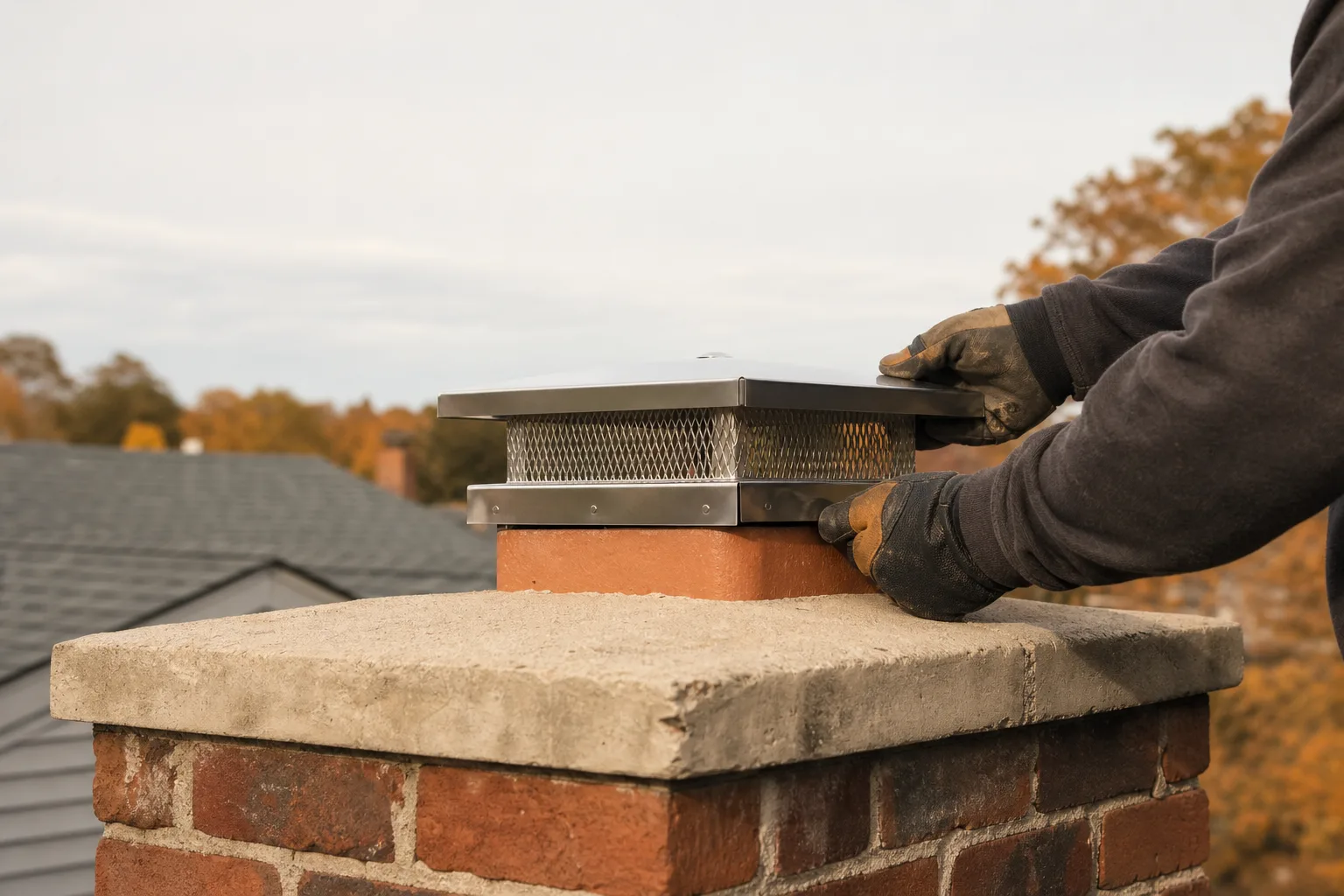
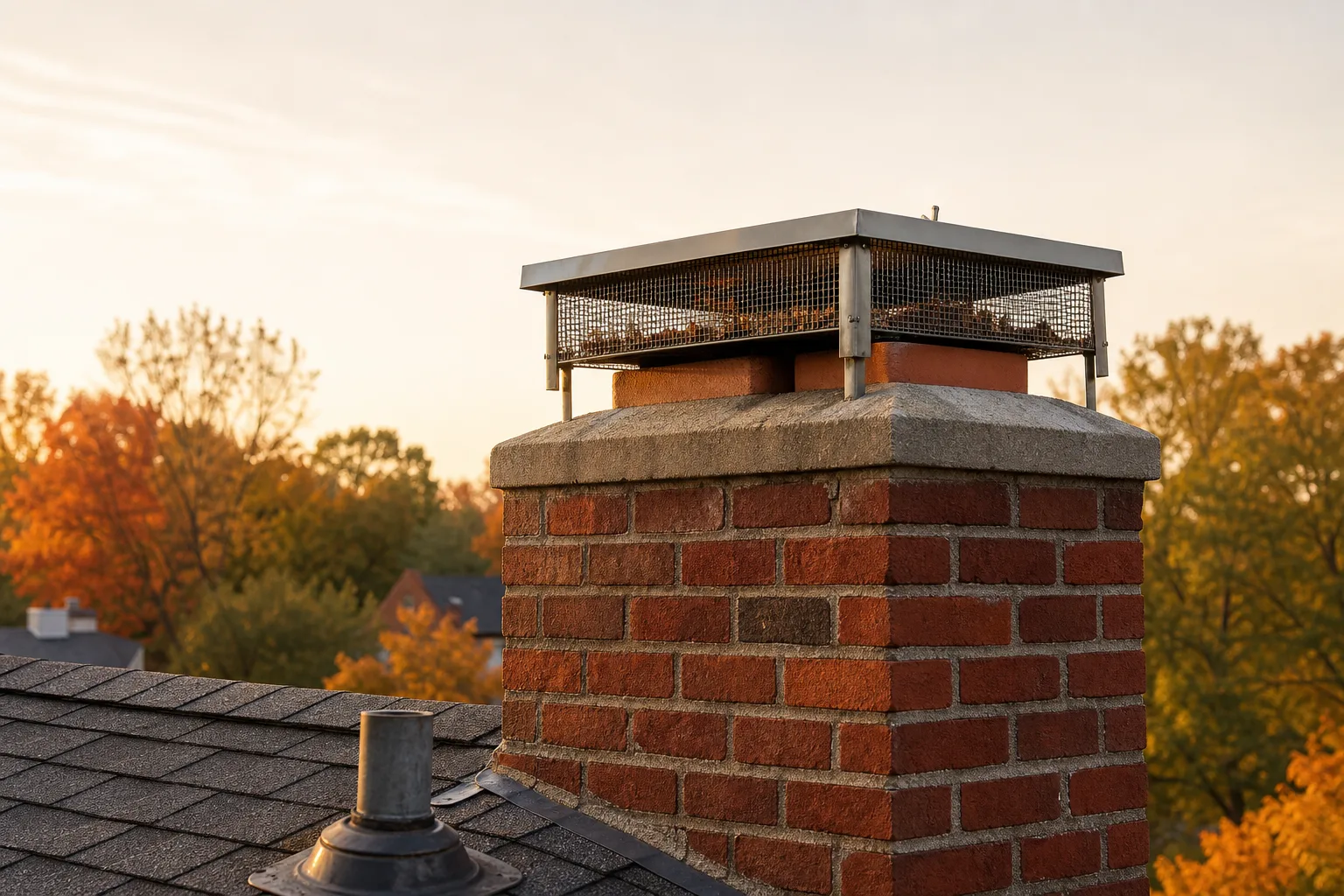
Humane removal on the right schedule, a full sweep afterwards (nests are tinder sitting in a chimney), and then the actual fix: a fitted stainless cap with mesh, which ends the whole cycle for a modest, one-time cost. It is the single highest-value part on the chimney.
Weather figures computed from NOAA daily observations at CHINO AP, 2019–2024. Housing figures from the US Census ACS 2023 5-year estimates for Pomona city limits. Figures describe Pomona as a market, never any one building; only an inspection tells you about yours.
What we take care of
Most Pomona homes have a single flue, which keeps the visit quick; what it finds decides anything beyond that. Anywhere in Pomona, the price comes in writing before any work starts.
In Pomona
Your request goes to a screened local company that covers your ZIP code.
They look at the chimney and put the price in writing before starting anything.
You approve the number, or you don't. Either way the visit costs you nothing to arrange.
The price before the work
A written estimate first, every time. Nothing starts until you have said yes to the number.
You see the reason, not just the price
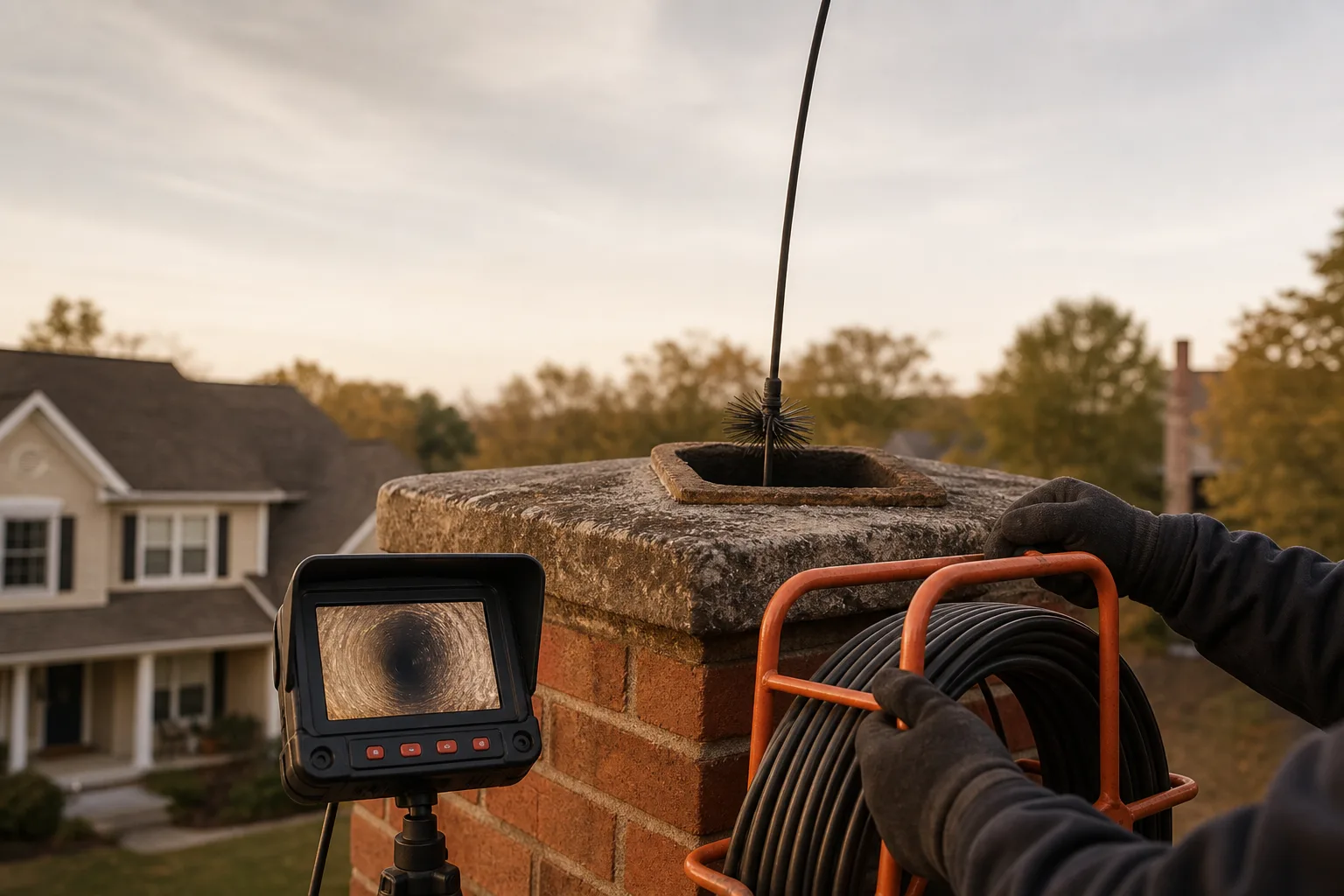
Anything a pro says needs doing, they show you first: on camera where the job calls for a level 2 scan, in front of you where it does not.
Somewhere to go if it goes wrong
Tell us and it gets recorded and acted on. A company that fails the standard loses its place in the network, and that is a lever we actually hold.
Every company in the network is checked for license and insurance before it joins, and checked again if a complaint comes in. It is a check on the business, not a guarantee about the person who knocks, so ask to see both before work starts.
Two ways to book
A call is fastest. Booking online takes about a minute.
Nearby
Housing age moves further inside a city than between two cities, so each page below reads its own ZIP's Census tables against the local weather.
Reviews
“The whole process was really easy from start to finish. They showed up when they said they would, explained what they found, and didn't try to push anything I didn't need. The technician was friendly, professional, and left everything clean afterward. I'd definitely call them again.”
 Ashley M.Homeowner
7 years
since 2019
VIO CHIMNEY was founded by Ryan Carter in 2019, and 7 years later the promise has not moved: a written estimate before any work, a level 2 scan you can watch if the job calls for one, and a pro who explains what they found in plain language.
Every guide and page on this site is reviewed by Ethan Miller, our chimney specialist, so what you read here matches what the work actually involves on a roof, not marketing copy about it.
From the guides
Pomona questions
A standard sweep with a Level 1 inspection is the base. Price is set by the independent company that takes the job, not by VIO, and the pros in our Pomona network do not charge more for one neighborhood than another. What moves the number is what the chimney actually holds. With a median build year of 1966, many homes here have a single factory-built flue, which is usually quicker than masonry and priced accordingly. The two items that genuinely cost more are glazed stage-three creosote, which needs chemical or rotary removal rather than a brush, and a Level 2 inspection for a property sale. Whatever the number, it is written down and approved by you before anything starts.
Yes, and the reason is worth understanding because most chimney advice online does not apply to you. The station at CHINO AP recorded essentially no freeze-thaw days across five years, so the cracked crowns and spalled brick that dominate northern chimney content are describing a mechanism that does not operate here. What still does: creosote accumulates from every fire regardless of climate and is what starts chimney fires; 13.4 inches of rain a year still finds a failed crown or a lifted flashing joint; and animals still nest in uncapped flues. An annual inspection is the standard either way; NFPA 211 calls for one regardless of use.
Once a year. NFPA 211 calls for an annual inspection of every chimney regardless of how much it was used, with cleaning as the condition requires. That is the standard, not a sales position. Pomona runs about 1,442 heating degree days a year, so the burning season is shorter than the northern average. That persuades a lot of homeowners they can skip a year, and it is the wrong conclusion. Deposits do not expire over summer, they sit in the flue and reactivate with humidity.
It changes everything about the work, which is why we establish it before quoting. A masonry chimney is brick or stone all the way up on its own footing, with a poured concrete crown on top. A factory-built unit lives inside a chase (a wood-framed box clad in siding or veneer) with a metal firebox, a double-wall metal flue and a sheet-metal cover. With 33% of Pomona homes built since 1980 and a median of 1966, factory-built is common here. They are not repointed or recast; their listed parts are replaced, and patching a factory firebox with mortar voids the listing an insurer will examine after a fire.
There is no masonry-curing window to work around in Pomona, so repairs run year-round and the only real seasonality is demand: the phones get busy on the first cool evening, whenever that lands. Booking a sweep in late summer means you are not waiting behind everyone who remembered on the same night. Beyond the weather, the practical answer is late summer for anything you can plan. The first cool evening of the year is when the whole city remembers the fireplace at once, and a two-week wait becomes normal. Booking before that means anything the inspection finds still has time to be repaired before you want to use it.
You are told on the day, shown what they found, and given a written estimate for the repair as a separate line, never added to the invoice for the visit you booked. Nothing beyond what you agreed happens without your approval. If the finding means the fireplace should not be used (a breached liner, a blocked flue, a crown letting water into the stack) we say so plainly and put it in writing. We would rather lose the job than let someone light a fire on a chimney we have just seen the inside of.