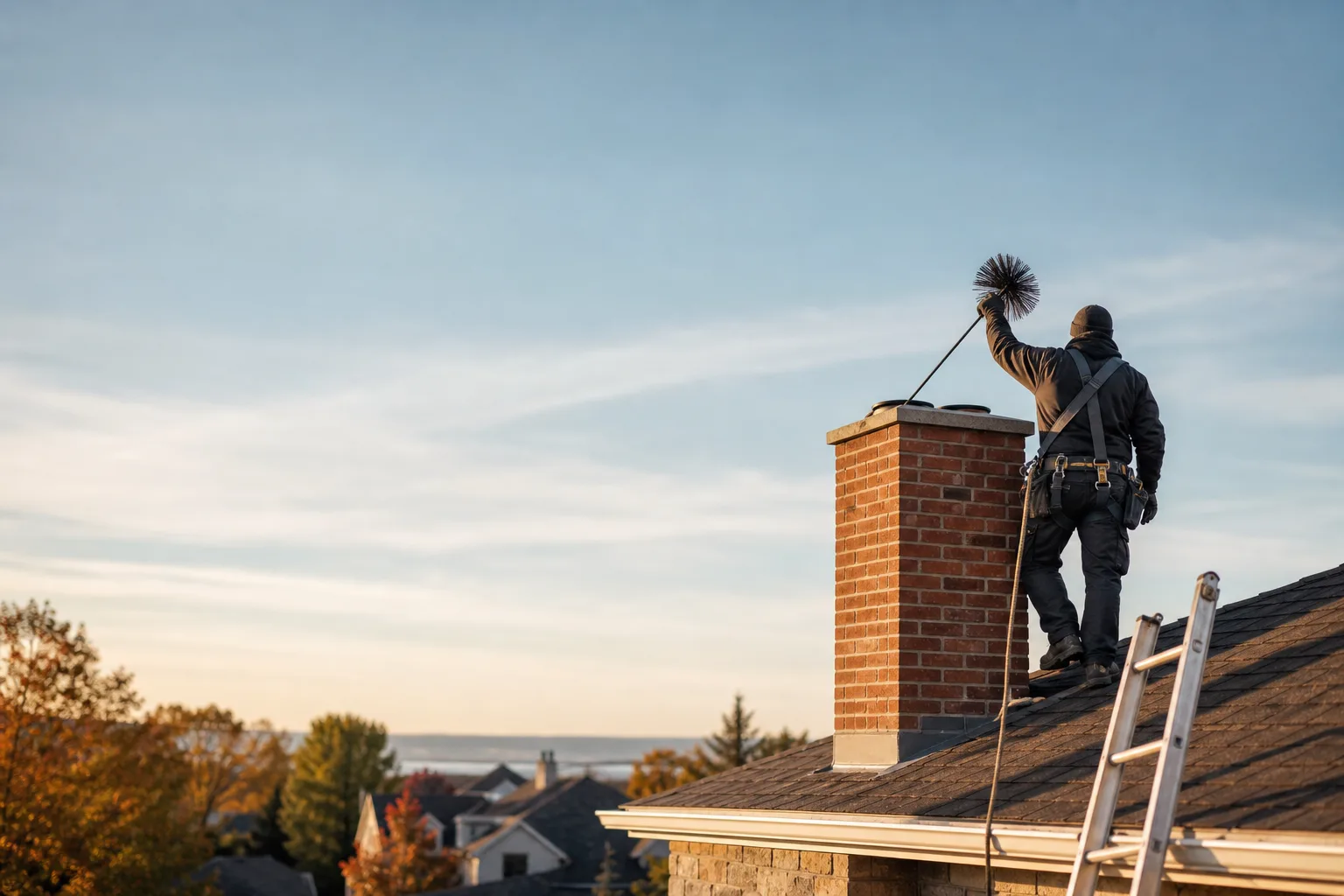




On this pageSearching for “chimney cleaning near me”? Start Here8 sections+7
- Searching for “chimney cleaning near me”? Start Here
- Signs Your Chimney May Need Cleaning
- What a Professional Chimney Cleaning Should Include
- How to Check a Chimney Service Provider’s Qualifications
- Questions to Ask Before You Book
- How Often Should a Chimney Be Inspected and Cleaned?
- What Affects the Scope and Cost of Chimney Cleaning?
- Prepare for the Appointment and Plan Your Next Step
Quick answer
Choose a local chimney cleaning service by checking technician training, liability insurance, inspection practices, and experience with your fireplace or heating appliance. Ask what the appointment includes, how findings are documented, and whether added work requires your approval.
Searching for “chimney cleaning near me”? Start Here
Choose a local chimney service by looking at technician training, insurance, inspection practices, communication, and experience with your fireplace or heating appliance. If you are searching for chimney cleaning near me, focus on what the appointment includes rather than choosing the closest provider or the first available opening.
The best answer to “Who offers chimney cleaning near me?” is a provider that can explain how the chimney will be cleaned, what accessible areas will be examined, and how findings will be documented. A short drive to your home does not tell you whether the technician understands your chimney system or will take the time needed to assess it.
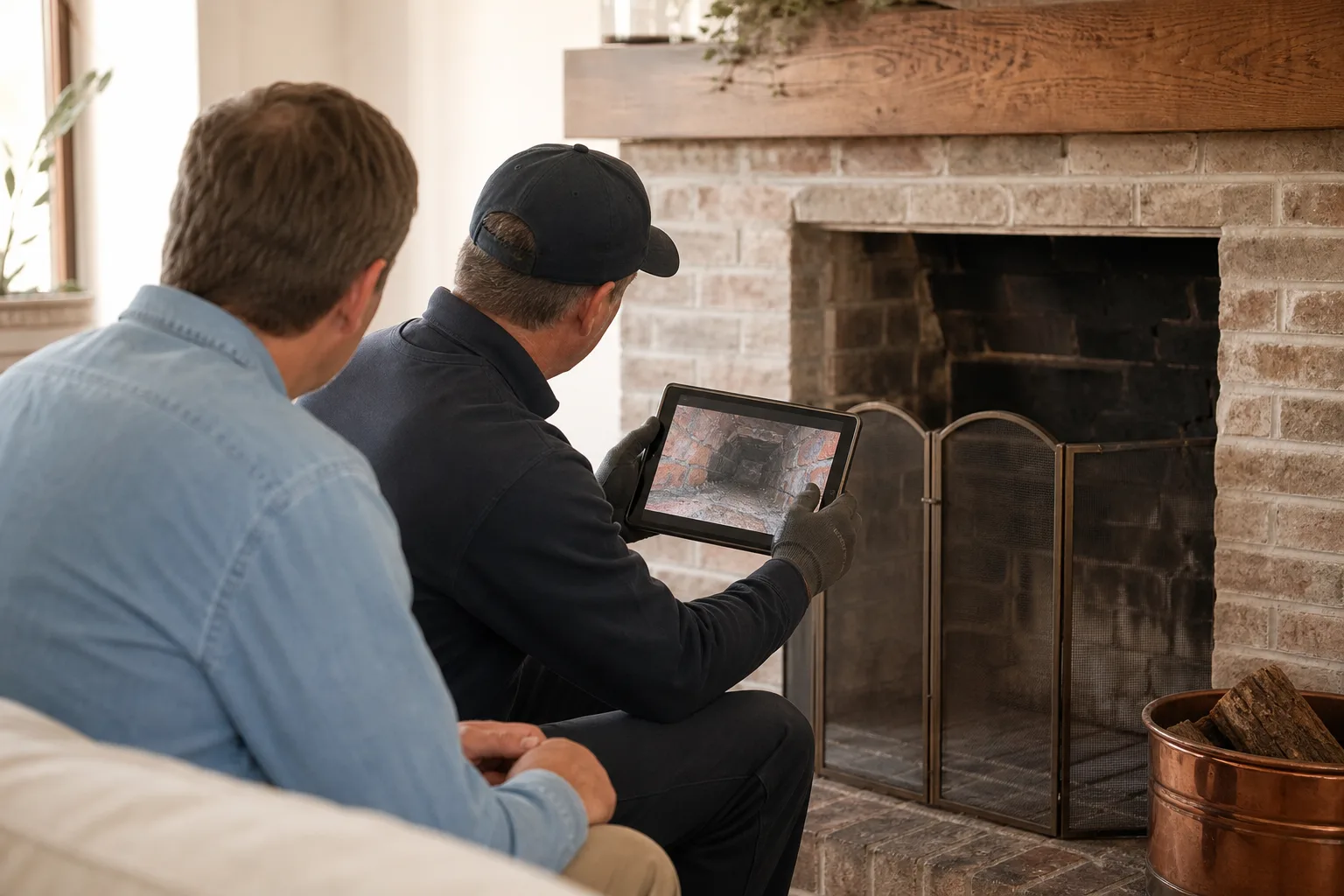
A routine visit should involve more than sending a brush through the flue. The technician should check the appliance and accessible chimney components before or during the cleaning, then tell you about visible damage, obstructions, moisture concerns, or unusual deposits that may affect safe operation.
Ask whether the service includes an inspection and what that inspection covers. The word “inspection” can mean a basic visual review of accessible areas, or it can refer to more detailed work using cameras, additional access points, or other procedures based on the chimney’s condition and history.
Good to know: Ask who will explain the findings before the technician packs up. A useful service report identifies where a problem was found, shows a photo when the area can be photographed, and separates confirmed defects from areas that could not be seen.
Clear communication matters when buildup or damage is discovered. Recommendations should identify the affected component, explain why it matters, and state whether the condition requires prompt action, monitoring, or further inspection. Photos are especially helpful for flue damage, deteriorated crowns, missing caps, open mortar joints, and roof-level defects that a homeowner cannot safely view.
Experience with the connected appliance also matters. An open masonry fireplace, factory-built fireplace, wood stove, pellet appliance, gas appliance, and furnace flue can have different access points, clearances, liners, and cleaning requirements. Ask whether the technician regularly works with your fuel type and venting arrangement.
Do not choose solely by price. Chimney height, roof pitch, flue size, appliance connections, access limitations, buildup, and blockages all affect the work required, so two homes may need different procedures even when the chimneys look similar from the street.
Insurance is another basic screening point. A service provider should be willing to confirm current liability coverage and explain how roof access and interior work are handled. Vague answers about coverage, inspection methods, or cleanup are reasons to keep asking questions before scheduling.
If you want a technician to assess the system and explain the appropriate cleaning scope, you can request service without committing to repairs that have not yet been documented.
Signs Your Chimney May Need Cleaning
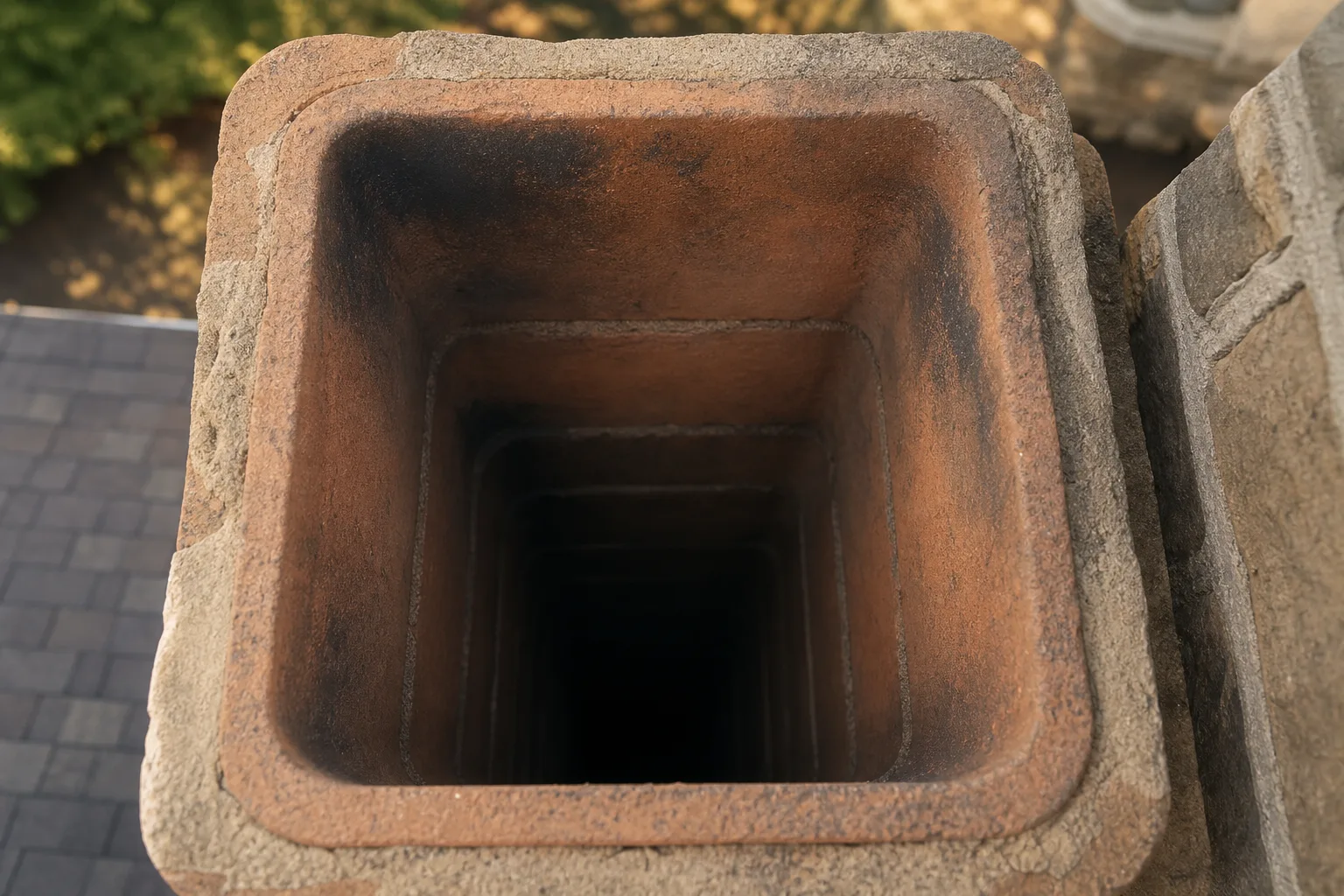
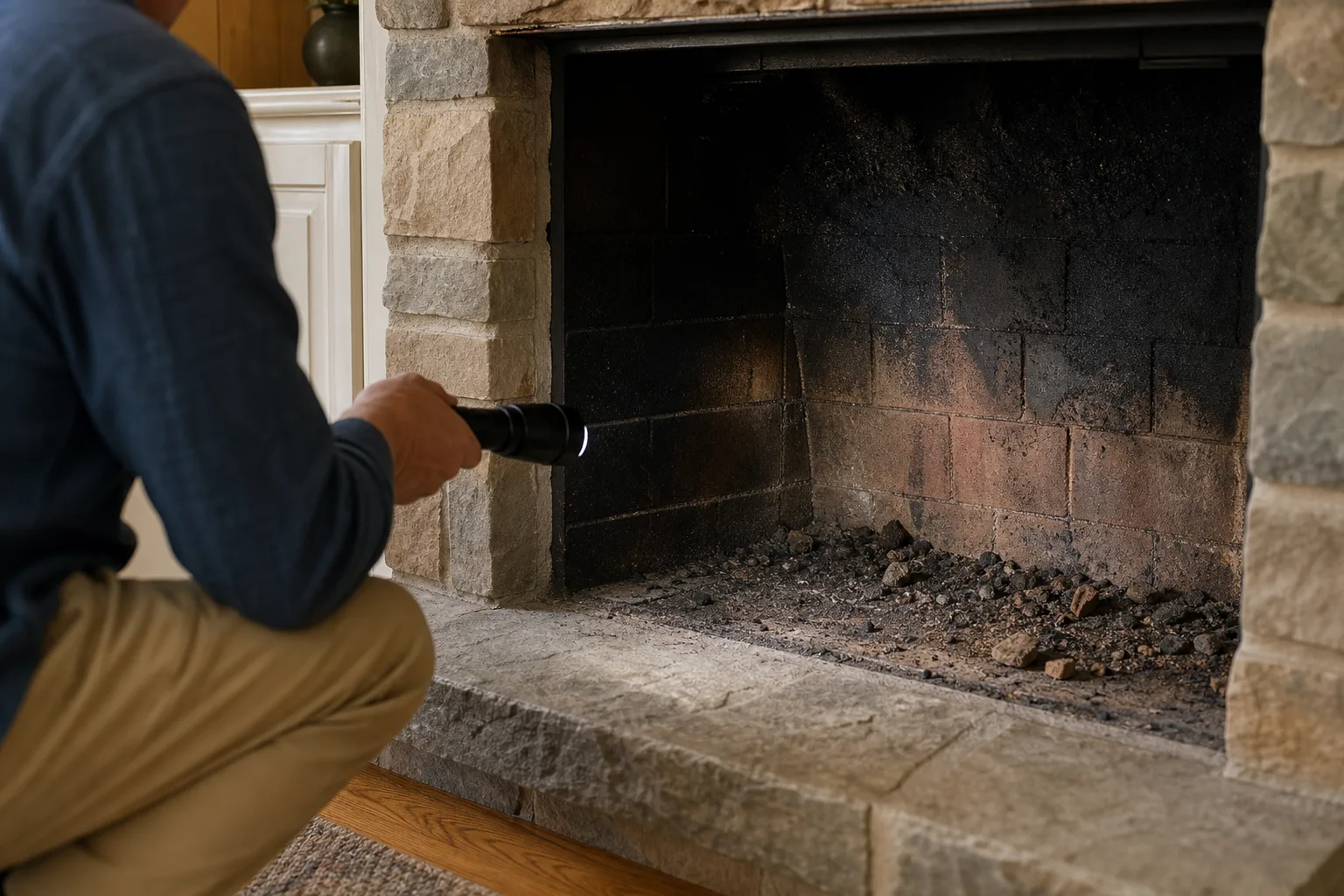
Common signs include smoky odors, poor draft, soot around the fireplace, falling debris, and visible creosote inside the firebox or lower flue. A chimney may still need cleaning when deposits cannot be seen from the room, because much of the flue, smoke chamber, and upper chimney are outside a homeowner’s normal line of sight.
A stale, smoky smell often becomes more noticeable during humid weather or when the house is under negative pressure. Creosote can hold strong odors, although moisture, ash, animal material, and poor airflow can also contribute. Cleaning may address part of the problem, but the technician should also look for water entry and draft conditions.
Poor draft can cause a fire to start slowly, burn weakly, or send smoke into the room. Possible causes include soot and creosote deposits, a blocked cap, nesting material, a closed or damaged damper, an undersized flue, competing exhaust fans, or a cold flue that is slow to establish upward airflow.
Safety note: If smoke continues entering the home after you confirm the damper is open, stop using the fireplace and arrange professional attention. Open a window if needed to clear the room, check that smoke and carbon monoxide alarms are operating, and do not keep adding fuel to test whether the draft improves.
Black flakes, powder, or chunks falling into the firebox can come from soot or creosote, but similar debris may also indicate a deteriorating flue liner or masonry joints. Save a sample or take a clear photo if possible, since the color, texture, and location can help the technician identify the likely source.
Creosote does not always look the same. It may appear as dusty soot, flaky deposits, hard tar-like material, or a shiny glazed coating. Hard or glazed deposits can resist ordinary brushing and may require a different removal method after the technician evaluates the flue.
Changes in fireplace performance deserve attention even without visible deposits. A fire that suddenly becomes harder to light, spills smoke when doors or windows are closed, or behaves differently after remodeling may point to airflow changes, an obstruction, or a venting problem rather than routine soot alone.
Animals can create problems between heating seasons. Birds, squirrels, and other wildlife may bring nesting material into the flue or damage a cap, while insects may build around exposed openings. A technician should determine whether an animal is present before sweeping, since removal may be restricted by wildlife laws and nesting status.
Moisture can also mimic or worsen cleaning problems. Water entering through a damaged cap, crown, flashing, or masonry can carry soot into the firebox, create odors, rust metal components, and weaken mortar or liner materials. White staining on exterior masonry, damp patches, rust, or repeated water in the fireplace call for an evaluation beyond brushing the flue.
Pro tip: Shine a flashlight upward from the cold firebox only if you can do so without entering the fireplace or disturbing the damper. A clear view at the bottom does not confirm that the upper flue is open, so never use a test fire to check for a suspected blockage.
Possible chimney-fire signs require prompt professional attention. Warning signs during a fire may include a loud roaring sound, intense vibration, dense smoke, sparks or flames from the chimney top, and a strong overheated odor. Leave the home and contact emergency services if a chimney fire is active, then keep the system out of use until it has received an appropriate inspection.
What a Professional Chimney Cleaning Should Include
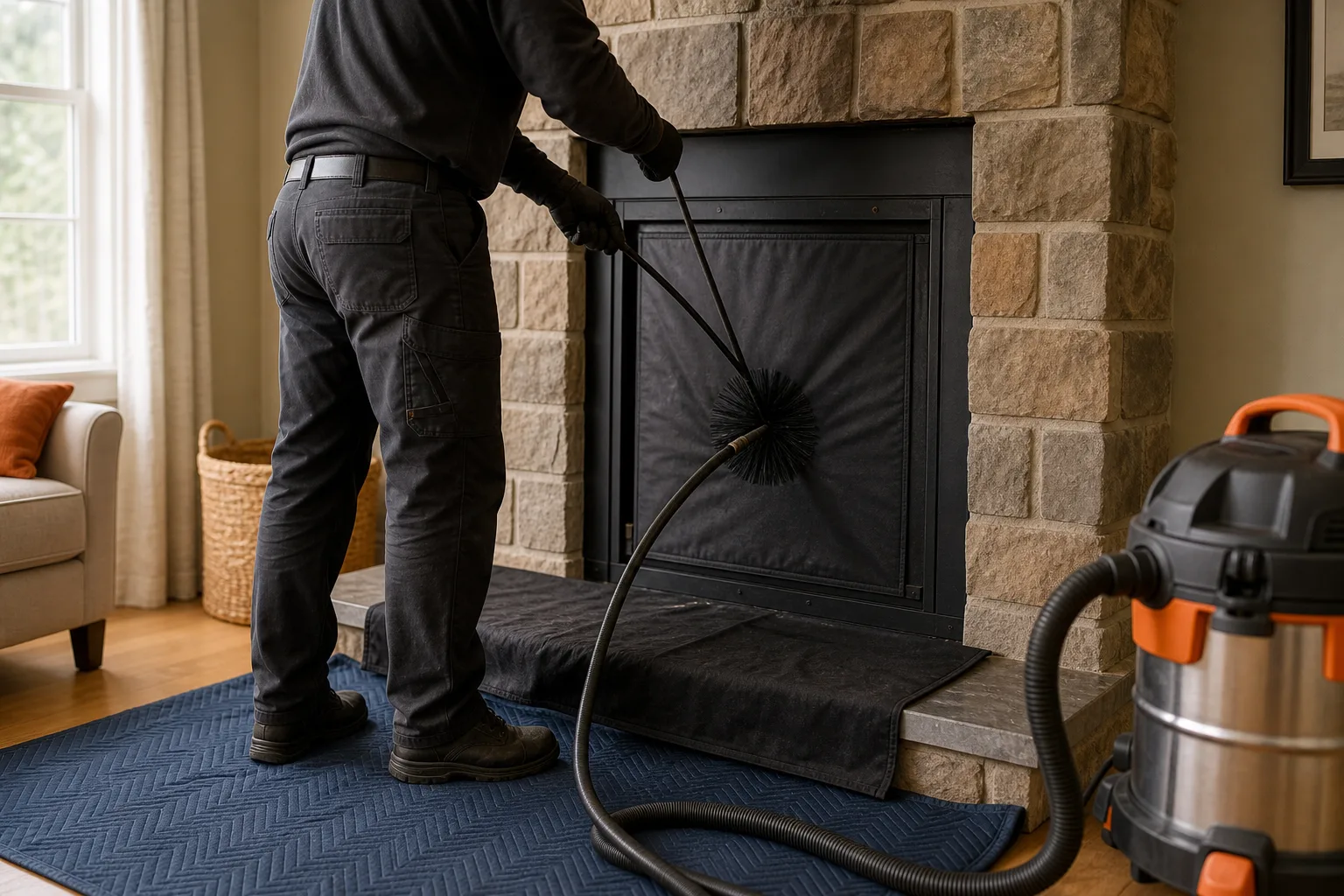
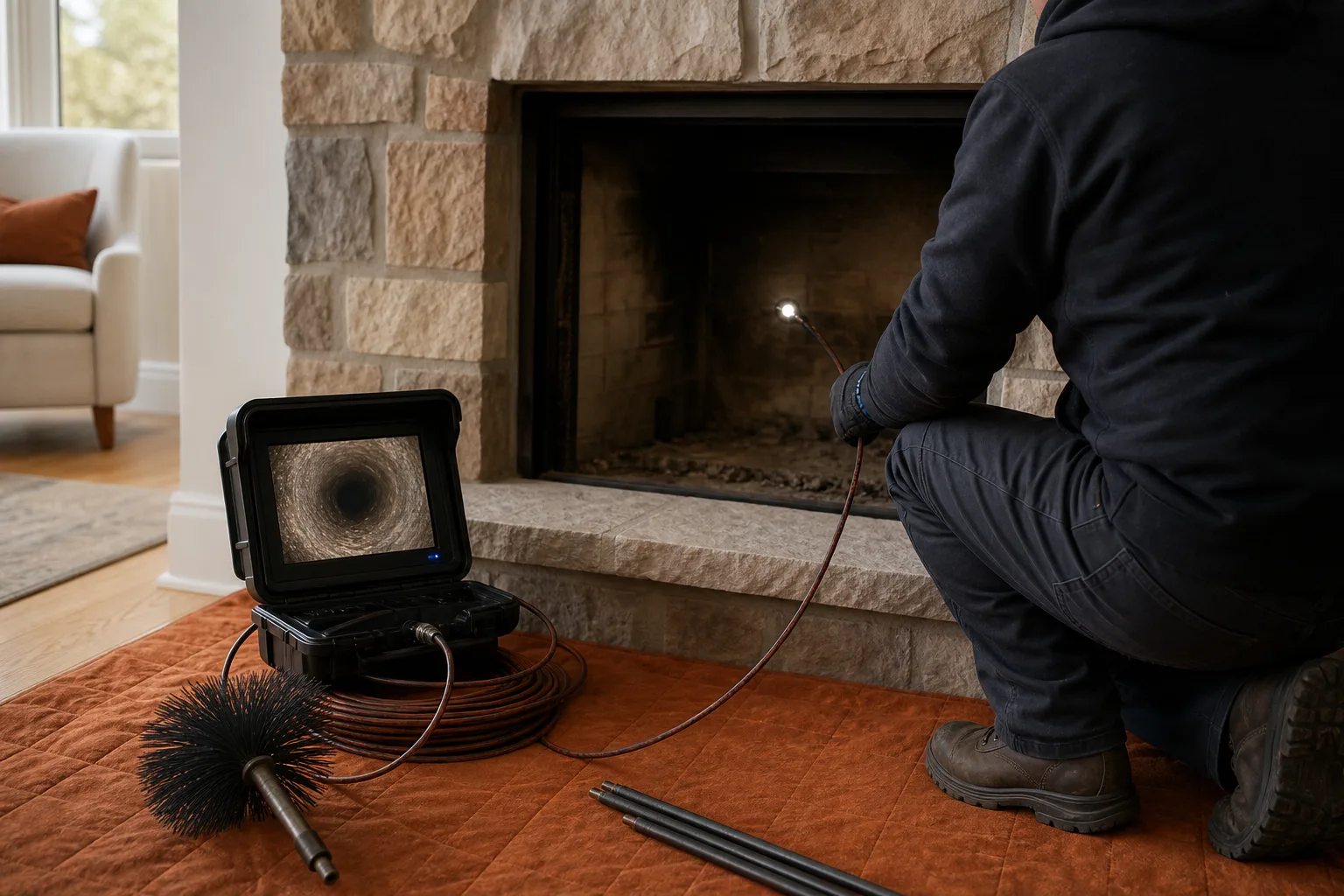
A professional cleaning should protect the room, assess the appliance and accessible chimney areas, sweep the flue with suitable equipment, remove dislodged debris, and leave the work area clean. The technician should also explain visible concerns, identify areas that could not be examined, and provide service notes or photos when useful.
Work usually begins with a discussion of the fireplace or appliance. The technician may ask about fuel, recent use, smoke problems, odors, leaks, past chimney fires, appliance changes, and previous service. This history helps determine whether the visit appears routine or whether conditions call for a different inspection approach.
Interior protection should be placed before brushing starts. Depending on the system, that may include floor coverings, a sealed work area at the firebox or appliance opening, and a vacuum designed to control fine soot. Household vacuums are not appropriate for collecting chimney deposits because fine particles can escape through filters or damage the machine.
Pro tip: Clear fragile items from the mantel and nearby shelves before the appointment. Even when the opening is sealed and vacuum control is used, brushes and rods can transmit small vibrations through the fireplace and surrounding masonry.
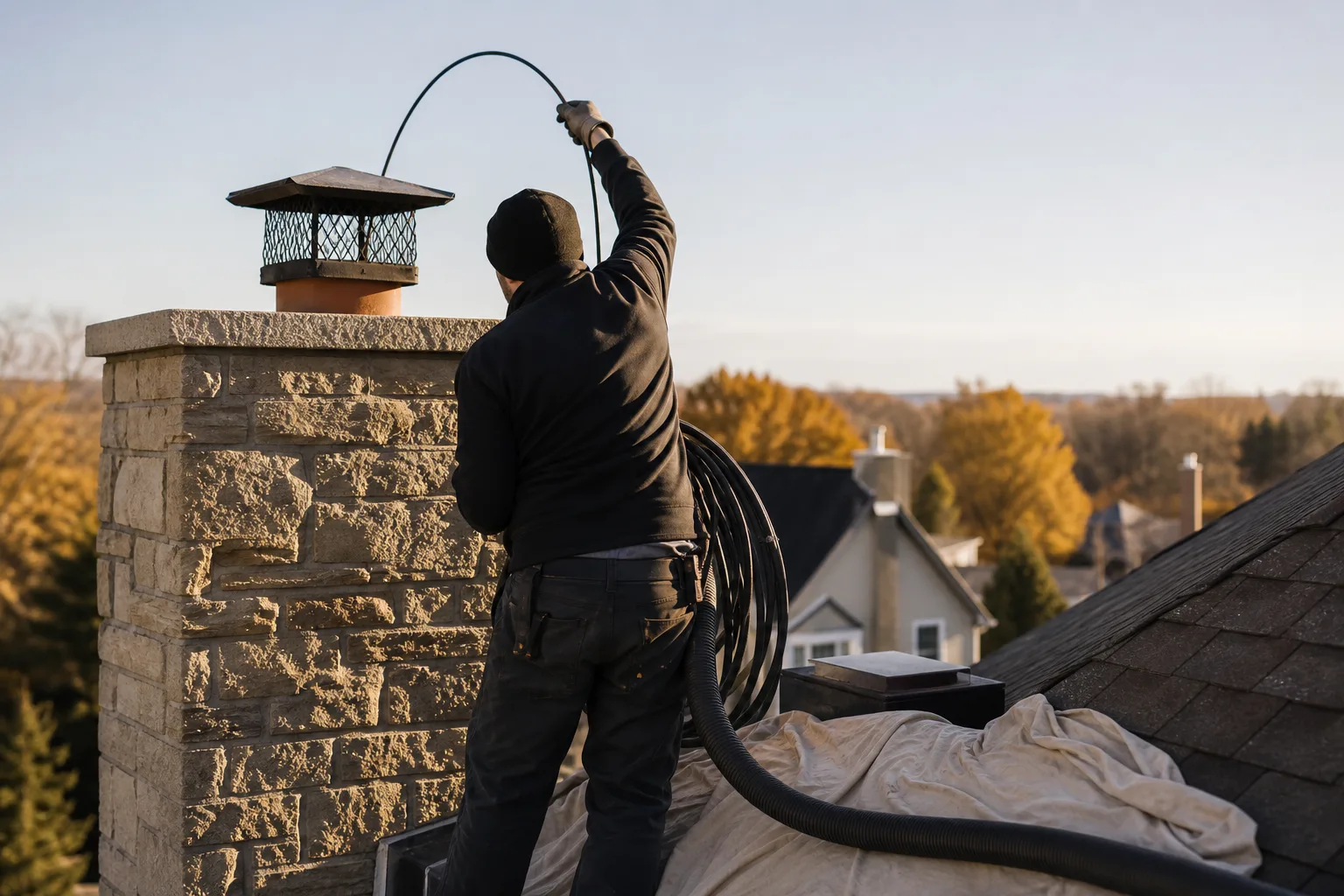
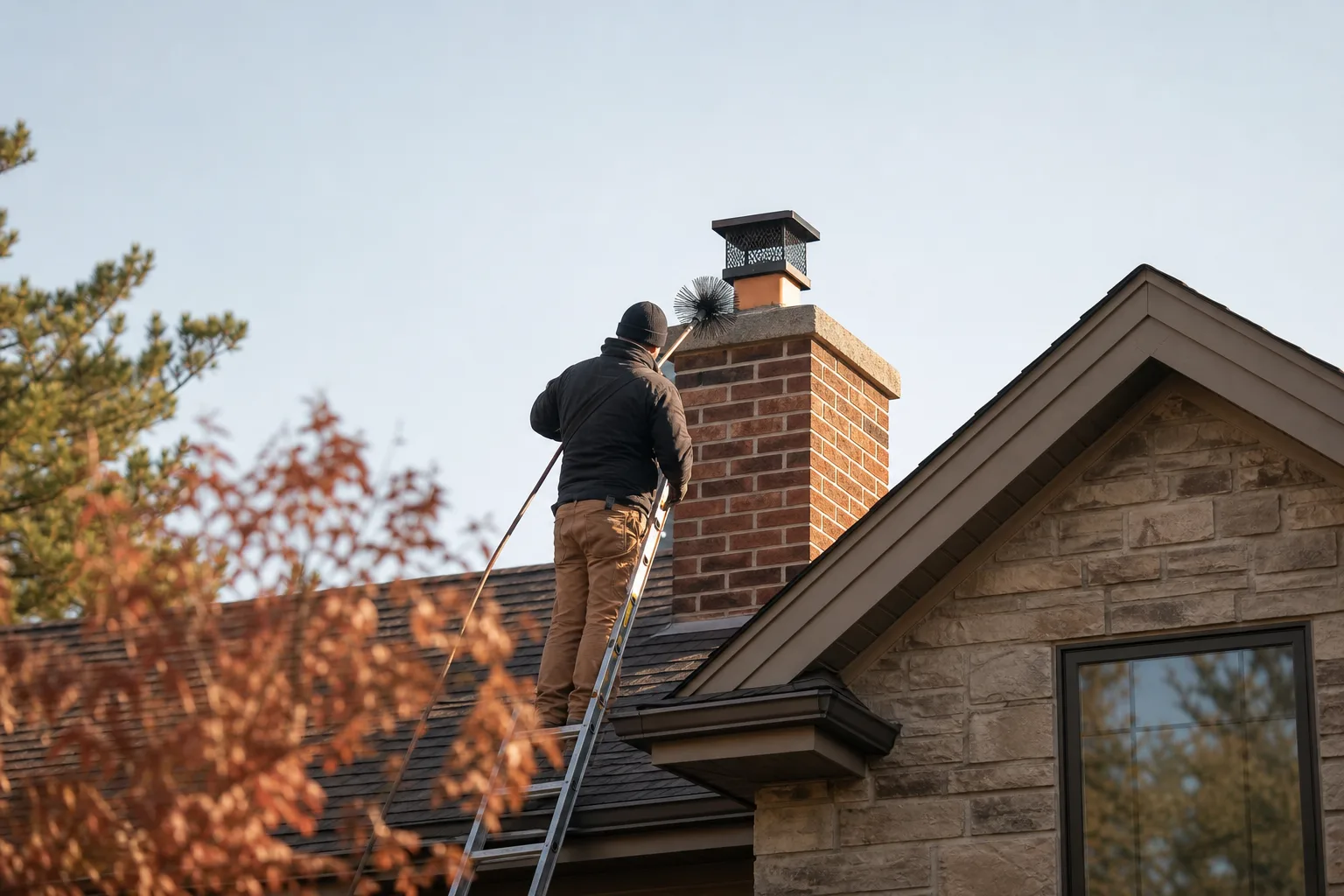
The cleaning method depends on the chimney and appliance. A technician may work from the roof, from inside the home, or from both ends, using brushes, flexible rods, rotary tools, scrapers, or other equipment selected for the liner material and type of deposit. Clay tile, metal, and cast-in-place liners can require different handling to avoid damage.
During sweeping, the technician should move through the reachable flue rather than cleaning only the area visible above the damper. Debris should be collected from the smoke shelf, firebox, appliance, connector pipe, or cleanout as the system design allows. Inserts and connected heating appliances may require specific access or partial disconnection before all relevant venting areas can be reached.
Chimney sweeping and chimney inspection are related but distinct services. Sweeping removes soot, creosote, nesting material, and loose debris, while an inspection evaluates the condition and suitability of accessible chimney components. Cleaning can improve visibility, but it does not repair cracked liners, missing mortar, water entry, clearance problems, or damaged metal parts.
NFPA 211 describes different levels of chimney inspection based on circumstances. A Level 1 inspection generally covers readily accessible portions of a system that has not changed and is expected to remain in continued service under similar conditions. A Level 2 inspection involves additional accessible areas and often video scanning when there has been a property transfer, system change, malfunction, chimney fire, or other event that warrants closer examination.
A Level 3 inspection may involve removing parts of the building or chimney to reach concealed areas when a serious hidden hazard is suspected. It is not a routine addition to every cleaning. The provider should explain why more invasive access is recommended and what areas would be opened before the homeowner approves that work.
A basic visit may include accessible portions of the following components:
- Firebox: The technician may look for damaged firebrick, missing mortar, open joints, heat damage, or improper repairs.
- Damper and smoke chamber: The check may identify restricted movement, corrosion, heavy deposits, rough surfaces, or damaged components.
- Flue liner: Accessible surfaces may be checked for deposits, gaps, cracks, displaced tiles, corrosion, or signs of a previous chimney fire.
- Chimney cap and crown: When safely accessible, these areas may be reviewed for missing parts, cracks, poor drainage, animal entry, or water pathways.
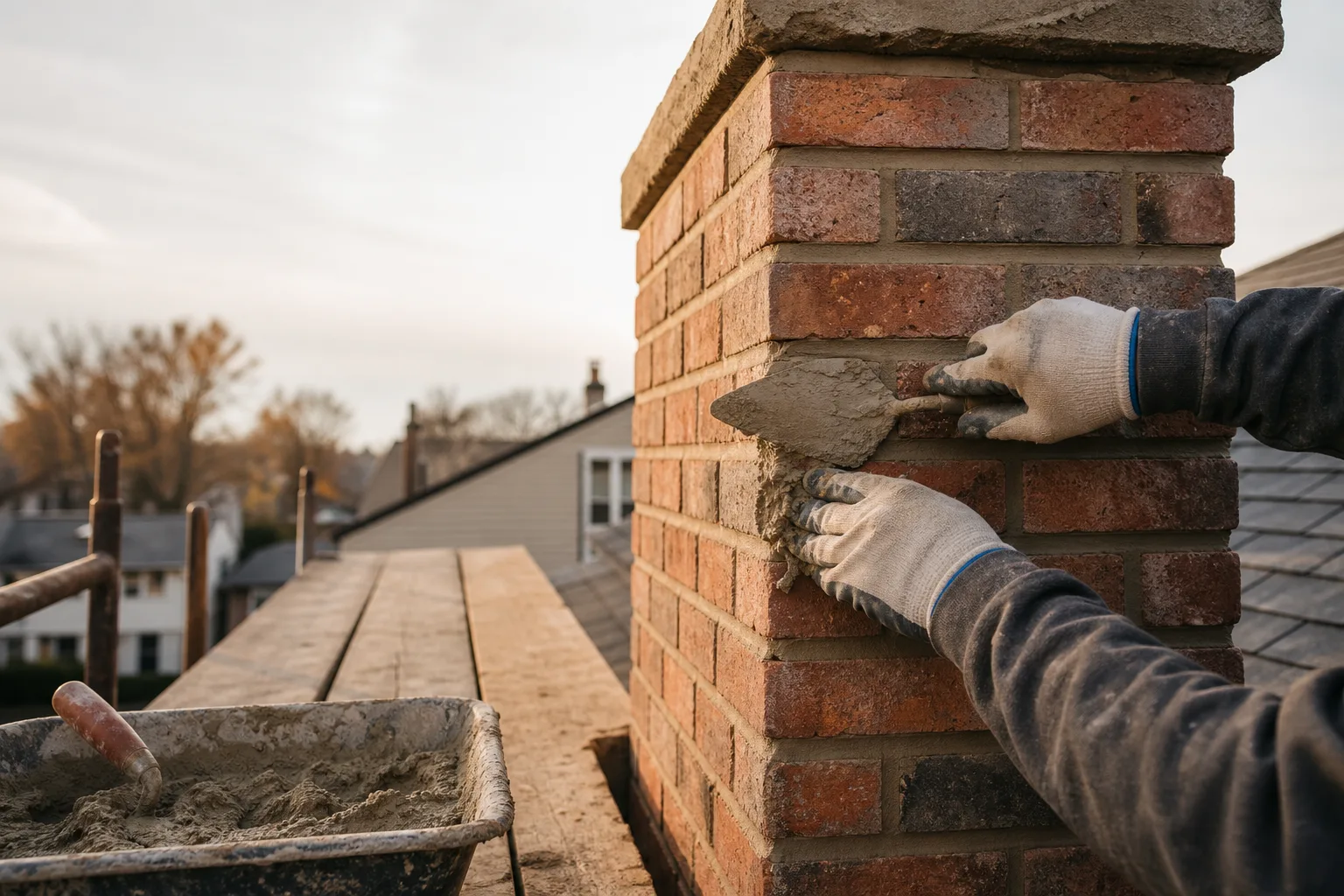
- Flashing and exterior masonry: Visible rust, gaps, loose mortar, spalling, staining, and movement can suggest water entry or deterioration.
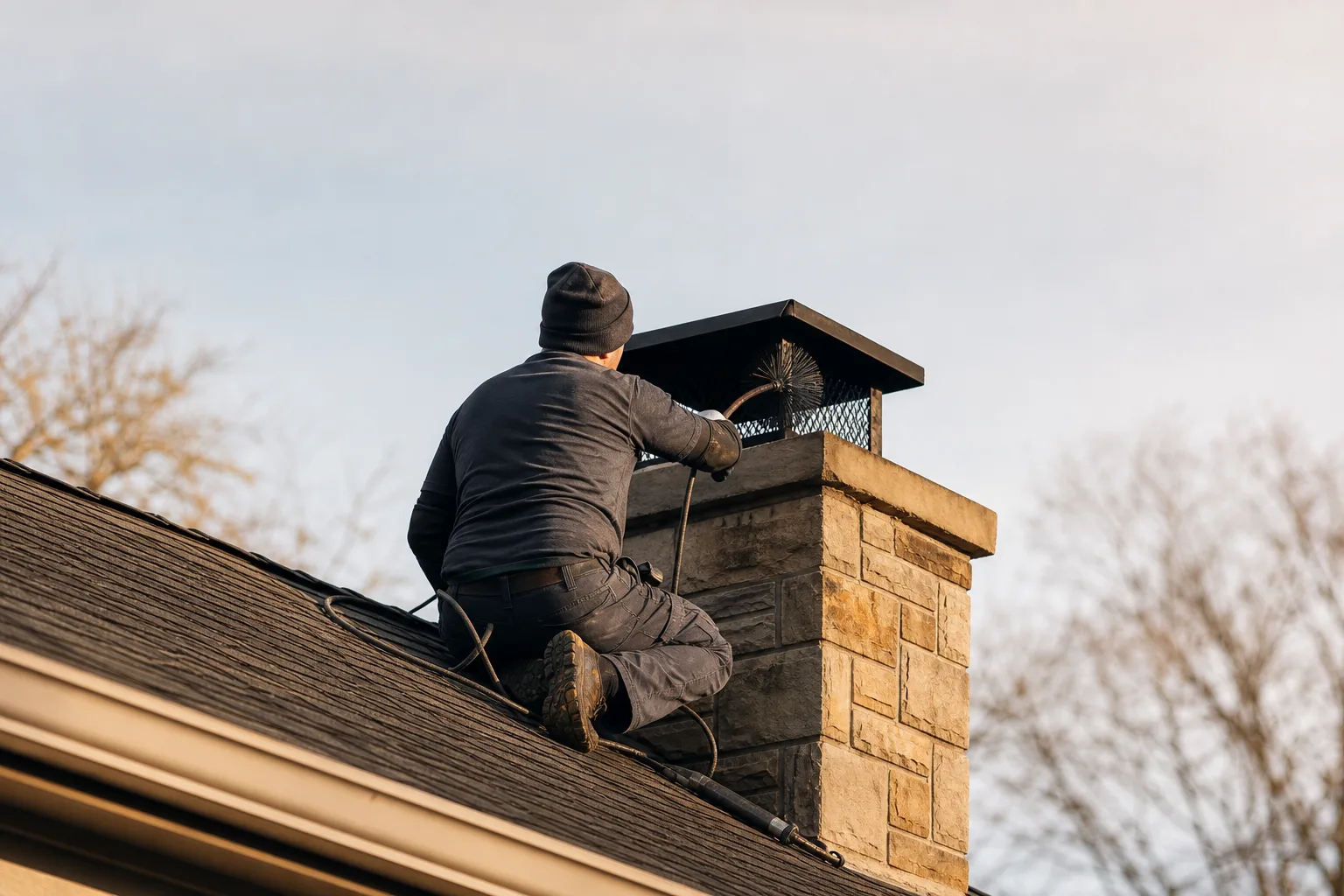
Roof access is not always safe or necessary for every cleaning method. Weather, roof pitch, roofing condition, chimney height, and nearby electrical lines can limit access. A responsible technician should state what was viewed from the roof, what was viewed from the ground or interior, and what remained inaccessible.
Dust control should continue through cleanup. The technician should collect loosened debris, remove protective coverings carefully, and leave the immediate work area in a condition similar to how it was found. A faint residual odor may remain if creosote is present elsewhere in the system, but visible soot should not be spread through the room.
Good to know: Before-and-after flue images are useful only when their location is identified. Ask whether a photo shows the lower, middle, or upper flue, since one clean section does not prove that every section was reached or found free of defects.
The service notes should state what was cleaned, the general condition observed, any access limits, and whether the system was considered ready for continued use. If a concern requires further inspection or repair, the recommendation should be written in plain language and tied to a specific component rather than presented as a vague warning.
How to Check a Chimney Service Provider’s Qualifications
Check a chimney service provider’s qualifications by asking about relevant training, current liability insurance, inspection methods, and hands-on experience with your fuel type and chimney system. Confirm that the person arriving at your home has the training being advertised, because qualifications held by an owner or another employee do not automatically apply to every crew member.
The Chimney Safety Institute of America, commonly known as CSIA, provides chimney education and certification programs. Certification can show that a technician has completed recognized coursework and testing, but homeowners should still ask whether the credential is current and whether the certified individual will perform or directly oversee the appointment.
NFPA 211 is a recognized standard covering chimneys, fireplaces, vents, and solid fuel-burning appliances. A provider may use its inspection framework and technical guidance, but NFPA 211 is not a personal credential. Be cautious if someone refers vaguely to being “NFPA certified” without clearly explaining the actual training or certification held.
Ask for confirmation of current liability insurance before work begins, particularly when roof access is expected. Insurance does not prove technical skill, but it is a basic business safeguard when technicians will be working inside the home, handling soot, moving appliance parts, or accessing the roof.
Experience should match the system in the house. A technician who mainly cleans open masonry fireplaces may not have the same familiarity with factory-built systems, inserts, wood stoves, pellet venting, gas appliances, oil flues, or complex connector arrangements. The scheduler should be able to describe the crew’s relevant experience without making broad, unsupported claims.
Pro tip: Send a photo of the appliance, fireplace opening, and chimney exterior when scheduling if the provider accepts them. These images can reveal an insert, offset, cleanout, steep roof, or unusual connector before arrival, reducing the chance that the crew arrives without the right access equipment.
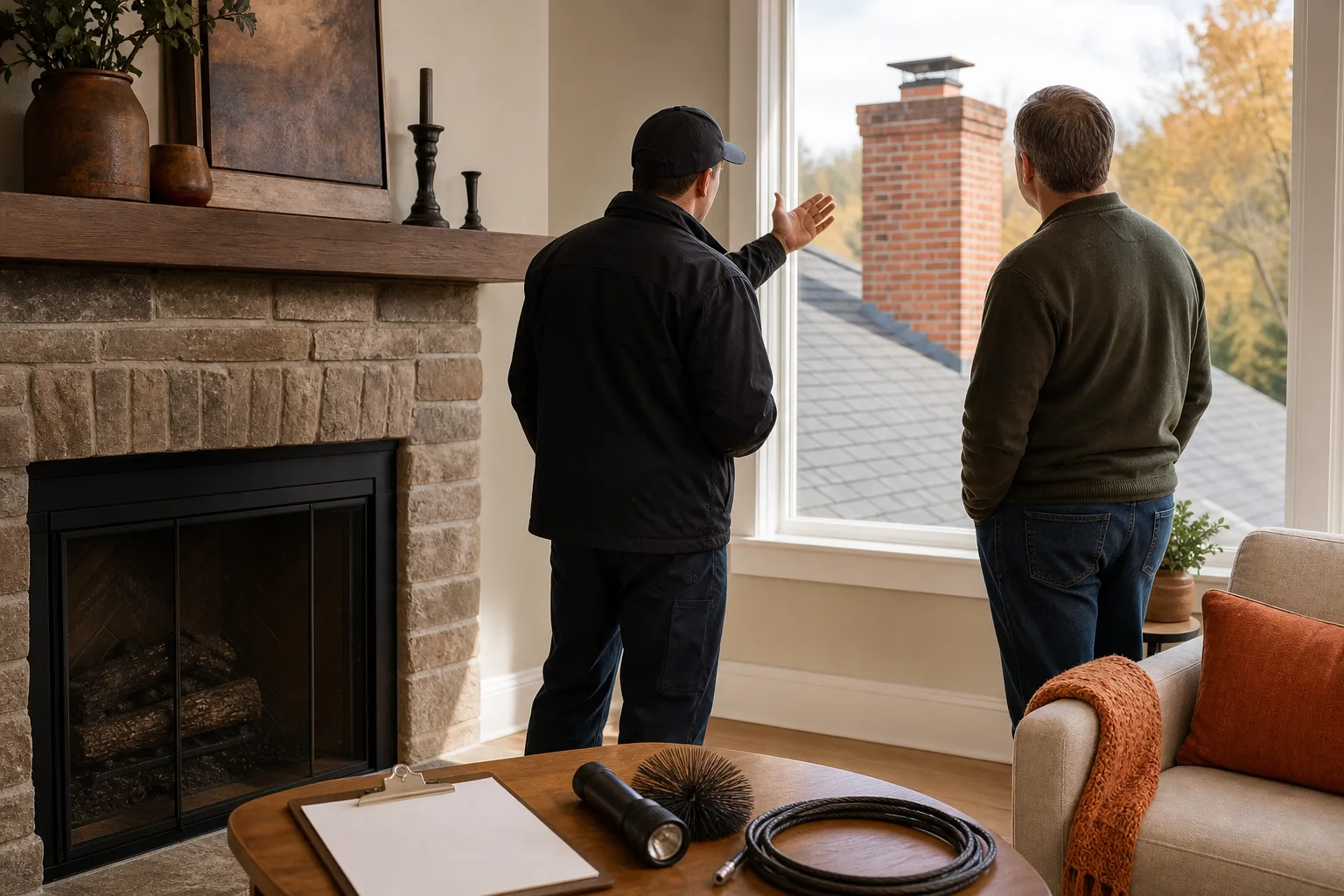
Ask how findings will be documented and who will explain them. A qualified technician should be able to distinguish soot or creosote from damaged liner material, describe the limits of the inspection, and explain why any added evaluation is recommended. Technical language should clarify the condition, not make the homeowner feel pressured.
Warning signs include vague claims that every chimney needs the same repair, refusal to provide proof of insurance, missing service documentation, and unwillingness to identify who performed the inspection. Pressure to approve immediate repairs is also concerning when there is no photo, measurement, written description, or clear safety reason supporting the recommendation.
Unexpected conditions can be legitimate, especially after deposits are removed and surfaces become visible. The technician should pause, document the new finding, explain whether work can safely continue, and obtain approval before expanding the scope. A sharp change in the proposed work without a specific reason should prompt questions.
A professional provider should also be candid about limitations. Some flues cannot be fully evaluated during a basic visit because of offsets, attached appliances, inaccessible roof areas, concealed construction, or heavy deposits. Recommending the correct next step is more credible than claiming certainty about areas that were never seen.
If you would like to arrange an inspection and cleaning, request service online or call our team to discuss your fireplace, appliance, access, and recent performance concerns before booking.
Questions to Ask Before You Book
Before choosing from the results for chimney cleaning near me, ask exactly what the appointment covers and who will perform the work. A short phone conversation can reveal whether the service includes an inspection, how the home will be protected, and when additional work might be recommended.
Start by asking whether the quoted service includes both sweeping and an examination of accessible chimney components. Sweeping removes soot, creosote, and debris, while an inspection looks for damage, improper connections, moisture entry, and conditions that could affect safe operation. The provider should explain the depth of the inspection rather than simply promising to “check everything.”
These questions can help define the appointment before anyone arrives:
- What type of inspection is included with the cleaning, and will I receive written findings?
- How long should the fireplace or heating appliance remain available to the technician?
- Will the technician need access to the roof, attic, basement, or mechanical room?
- How will flooring, furniture, and the hearth area be protected from soot and debris?
- Are photos provided when buildup, damage, or an obstruction is found?
- Who will perform the work, and what chimney training does that person have?
Roof access is not always required for routine sweeping, but chimney design and inspection needs may make it necessary. Ask how the provider handles steep roofs, fragile roofing materials, poor weather, limited clearances, and chimneys that cannot be reached safely with ordinary ladders. A responsible technician may change the inspection plan rather than take an unsafe approach.
Pro tip: Tell the scheduler if the chimney is unusually tall, located over a steep roof, or difficult to reach from a driveway. A technician who knows about access problems beforehand can bring suitable equipment and avoid an incomplete visit.
The provider should also know whether the flue serves an open fireplace, insert, stove, furnace, boiler, or another connected appliance. Liners, offsets, tight bends, and appliance connections can change the tools and cleaning method required. If an insert or connector must be moved or disconnected, ask whether that work is included and how the system will be put back together.
Share any recent performance changes when scheduling. Smoke entering the room, unusual odors, falling flakes, water stains, animal sounds, and a damper that no longer moves normally can point to problems beyond ordinary soot. Mention known leaks, prior chimney fires, appliance changes, and the approximate service history, even if some details are uncertain.
Heavy deposits, animal nesting materials, damaged components, and difficult blockages may require work outside the original cleaning. Ask how the company handles those discoveries, whether work stops for your approval, and whether you will receive supporting photos or an explanation. You should not have to approve an unexpected repair without understanding the condition and proposed response.
Good to know: Ask whether the fireplace must be cool before the visit and when you should stop using it. Heat held in masonry, ash, or an appliance can prevent a technician from working safely, even when no flames are visible.
How Often Should a Chimney Be Inspected and Cleaned?
For homeowners searching for chimney cleaning near me, the sound schedule is a regular inspection and cleaning whenever soot, creosote, debris, or an obstruction makes it necessary. NFPA 211 guidance calls for chimneys, fireplaces, and vents to be inspected at least annually, but cleaning frequency depends on actual conditions rather than the calendar alone.
An annual inspection can make sense even when a fireplace is used only a few times. Animals can build nests, wind can deposit debris, water can damage masonry, and temperature changes can open cracks between uses. Light use reduces combustion deposits, but it does not prevent weather or structural problems.
Burning habits have a direct effect on buildup. Damp firewood, smoldering fires, restricted air supply, and repeated low temperature burns can produce more smoke and creosote than hotter, cleaner fires with properly seasoned wood. Frequent use also gives deposits less time to remain unnoticed.
Appliance and flue design matter as well. A flue that is oversized, poorly insulated, offset several times, or exposed to cold exterior conditions may cool smoke quickly and encourage condensation. Inserts, stoves, fireplaces, and heating appliances also operate differently, so two chimneys used for similar periods may not need cleaning on the same schedule.
Chimney condition can shorten the interval between services. A damaged liner may catch deposits in cracks or gaps, while a missing cap may allow leaves, twigs, and nesting materials into the flue. Moisture can combine with soot to create corrosive residue and may also make debris harder to remove.
Safety note: Stop using the fireplace or connected appliance if smoke enters the home, pieces of liner fall into the firebox, or a chimney fire may have occurred. A loud roaring sound, intense odor, unusual vibration, or sparks leaving the chimney can justify emergency action followed by an inspection before the system is used again.
An extra inspection is appropriate after a suspected chimney fire, severe storm, lightning strike, or visible masonry movement. It is also sensible after changing an appliance, relining a flue, altering a connector, or modifying the venting system. These events can affect clearances, draft, liner compatibility, or the path combustion gases follow.
A property purchase is another useful time for an inspection, especially when service records are missing. A general home inspection may identify visible concerns, but it does not always include the access, tools, or chimney specific evaluation needed to assess the flue and connected appliance. Inspection findings can establish a baseline for future maintenance.
Cleaning should follow the condition reported by the inspection. Routine soot can often be removed during a standard sweeping appointment, while glazed creosote, compacted nests, or fallen masonry may call for different tools and more involved work. The technician should explain what was found and why cleaning is recommended.
If your chimney is due for its regular check or its service history is unclear, you can request an inspection and cleaning. A technician can recommend the next interval based on the chimney’s condition, appliance, fuel, and pattern of use.
What Affects the Scope and Cost of Chimney Cleaning?
The scope and cost of chimney cleaning depend on access, chimney height, flue size and shape, appliance connections, deposit type, and the presence of blockages or damage. A straight, accessible flue with ordinary soot generally requires a different process than a tall system containing glazed creosote, nesting material, or a damaged liner.
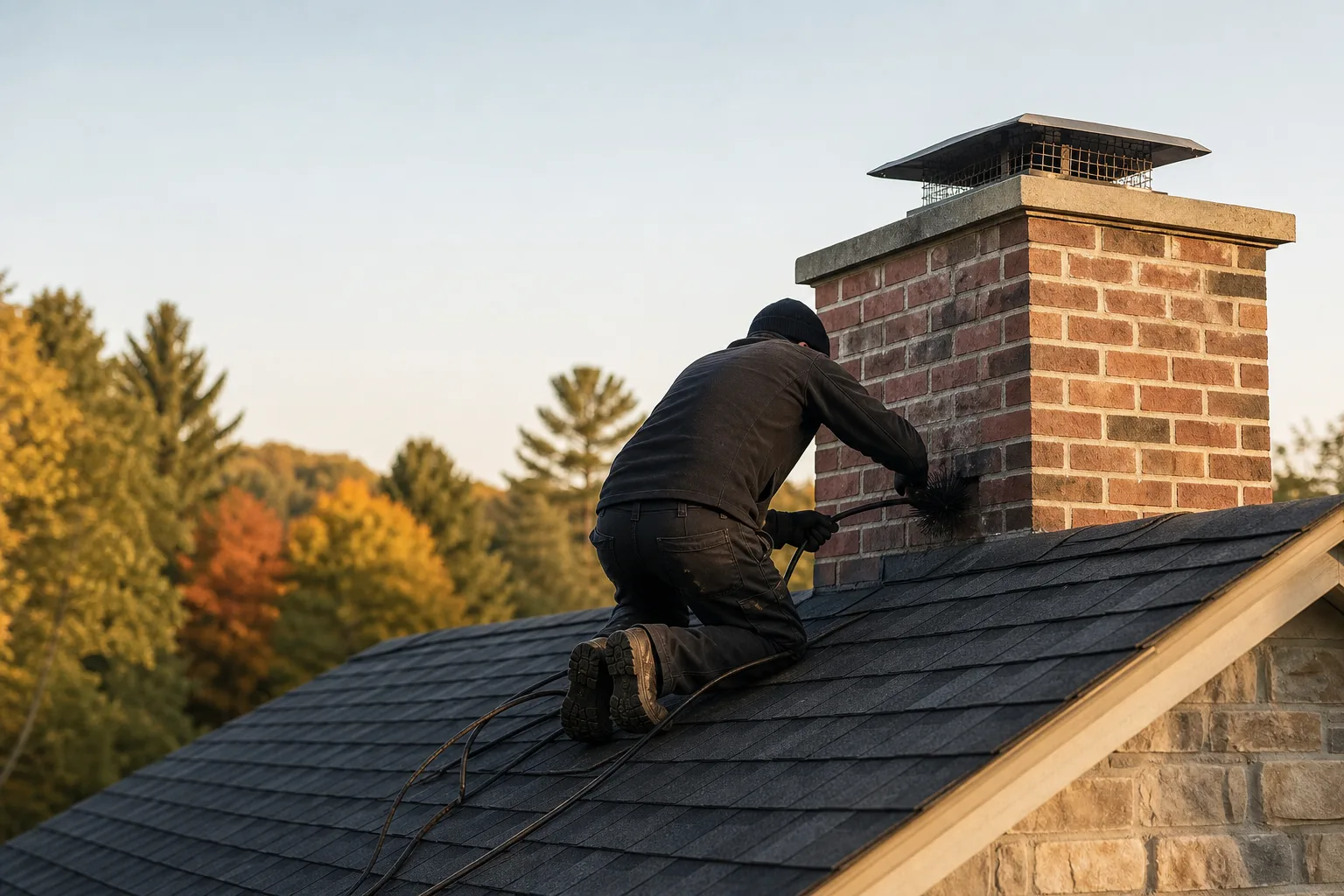
Chimney height affects the amount of flue that must be cleaned and inspected. Access also matters because steep roofs, limited ladder placement, fragile roofing, multiple roof levels, and confined interior spaces can require added planning or equipment. Weather may prevent safe roof work even when interior sweeping can proceed.
Flue size and layout can change the cleaning method. Narrow liners, large fireplace flues, offsets, bends, and multiple connected appliances may require different rods, brushes, cameras, or access points. An insert or stove connection can also limit entry to parts of the system unless components are removed or disconnected.
The type of deposit is one of the largest differences between routine and more involved service. Loose soot and flaky creosote often respond to standard sweeping, while hardened or glazed deposits can cling tightly to the liner. Glazed creosote should not be treated as ordinary dust because removal may require specialized methods and a closer evaluation of the flue afterward.
Blockages also change the job. Bird nests, leaves, compacted debris, fallen masonry, and animal remains may be difficult to remove without opening another access point or working from both ends of the chimney. Some wildlife may be protected or may have young present, so removal timing and methods may be restricted.
Pro tip: If you hear animal activity, do not light a fire to drive the animal out. Heat and smoke can injure wildlife, ignite nesting material, and force smoke or carbon monoxide into the home when the flue is blocked.
A damaged liner, deteriorated smoke chamber, or unstable masonry is not part of routine soot removal. Cleaning may expose these conditions, but repair work should be described and priced separately whenever practical. The provider should explain whether the chimney can be used as it is, requires further evaluation, or should remain out of service.
Written estimates make it easier to compare the actual scope rather than a headline quote. The document should separate cleaning, the included inspection, optional camera work, obstruction removal, and recommended repairs. It should also state assumptions about access and identify conditions that could change the work after the technician sees the system.
Unusually low quotes deserve a closer look when they do not say what is included. A price may cover only a quick sweep, with inspection, roof access, appliance disconnection, or debris removal added later. A provider should have a documented reason for a major change in scope and should seek approval before proceeding.
Photos can help support additional recommendations, but they should be accompanied by a plain explanation. Ask which component is shown, what condition is present, and how it affects operation or safety. When a repair is not urgent, the technician should be able to explain how it can be monitored and what signs would call for faster action.
Prepare for the Appointment and Plan Your Next Step
A little preparation gives the technician safe access and helps keep the appointment focused. Follow the provider’s instructions about when to stop using the fireplace or heating appliance, since the firebox, ash, and surrounding masonry need time to cool before service begins.
Clear decorations, baskets, tools, and stored firewood away from the hearth. Move nearby furniture if requested, and leave an open route from the entry door to the appliance. The technician should provide professional floor and dust protection, but removing personal items keeps them out of the work zone.
Pets should be secured in another room before equipment is carried inside. Sweeping tools, vacuums, open doors, and unfamiliar sounds can make animals anxious or create an escape risk. Children should also remain outside the immediate work area while the fireplace or appliance is open.
Provide access to any area connected with the chimney system. Depending on the installation, the technician may need to enter an attic, basement, crawl space, mechanical room, or exterior side yard. Unlock gates and move vehicles or outdoor items if they interfere with safe ladder placement.
Have useful records available when possible. Previous inspection reports, repair invoices, liner information, appliance manuals, and photos of past leaks can help the technician understand changes over time. If no records exist, say so, because an unknown history may affect the recommended inspection approach.
Good to know: Do not clean out every trace of fallen material before the appointment if unusual flakes, tile pieces, or masonry fragments have appeared in the firebox. Leaving a sample or taking a clear photo can help the technician identify where the debris may have come from.
After the service, expect a summary of what was cleaned and which accessible areas were examined. Findings should distinguish routine deposits from defects, obstructions, moisture concerns, or installation problems. Photos are useful when the issue is inside the flue, on the roof, or otherwise difficult for the homeowner to see.
Ask for clear guidance about continued use. The technician should state whether the system appears ready for use, needs a repair before the next fire, or requires a more detailed inspection. If a recommendation is not clear, ask what could happen if the work is delayed and whether temporary precautions are available.
Keep the service report, photos, and invoices with your home maintenance records. A documented history helps future technicians track recurring leaks, changing masonry cracks, repeated deposit patterns, and past appliance work. It can also prevent the same area from being diagnosed without reference to earlier findings.
Before the technician leaves, ask when the chimney should be checked again based on its present condition and actual use. A fireplace used frequently may need a different plan from a lightly used system, while an older chimney with moisture exposure may deserve closer observation regardless of burn frequency.
To arrange the next visit, book an inspection and cleaning online or call us to discuss your chimney, appliance, and any symptoms you have noticed.
Symptom checker
What is your chimney doing?
Tap the closest match for an honest first answer.