



On this pageWhat a Fireplace Mason Actually Does7 sections+6
- What a Fireplace Mason Actually Does
- Fireplace Mason vs. Chimney Sweep vs. General Bricklayer
- The Mortar Question That Separates the Trades
- How to Describe the Damage So You Get the Right Quote
- When You Need a Fireplace Mason Now, and When It Can Wait
- How to Vet a Fireplace Mason in One Phone Call
- How VIO Helps You Find a Fireplace Mason
Quick answer
A fireplace mason is a masonry contractor who specializes in the brick, refractory and concrete work of fireplaces and chimneys: firebox rebuilds, repointing mortar joints, crown repair, smoke chamber parging and stack rebuilds. That is different from a chimney sweep, who cleans and inspects, and from a general bricklayer, who may never have worked with the refractory materials a firebox requires under NFPA 211.
You crouched down in front of the firebox with a flashlight, and something looked wrong. The joints between those pale tan bricks have gone soft and recessed, or one brick has a clean split running down its face. Maybe it was the other direction: you were backing the car out and noticed the chimney stack is shedding little flakes of brick onto the roof.
Then somebody said the sentence that sent you here. A sweep, a home inspector, a neighbor who used to do this work. "That's not my job, you need a fireplace mason for that."
So now you have a job title and nothing else. No idea what a fireplace mason actually does, whether the guy who built your neighbor's patio counts, or how you would tell a good one from an expensive mistake.
Here is the honest shape of this guide. There is one question that separates a fireplace mason from a general bricklayer, and almost no homeowner thinks to ask it. I will get to it. There is also a five-question phone checklist at the bottom that you can read straight off the screen while a contractor is on the line.
What a Fireplace Mason Actually Does
A fireplace mason is a masonry contractor who specializes in the brick, block, stone and refractory work of fireplaces and chimneys. Not decorative stonework. Not retaining walls. The structure that contains fire and moves smoke out of your house.
That specialty exists because a chimney is a strange piece of construction. It gets hotter than anything else in the building, it stands fully exposed to weather on all four sides, and the consequences of getting it wrong involve carbon monoxide and combustible framing.
The work that falls inside the trade
The work falls into a handful of recognizable jobs.
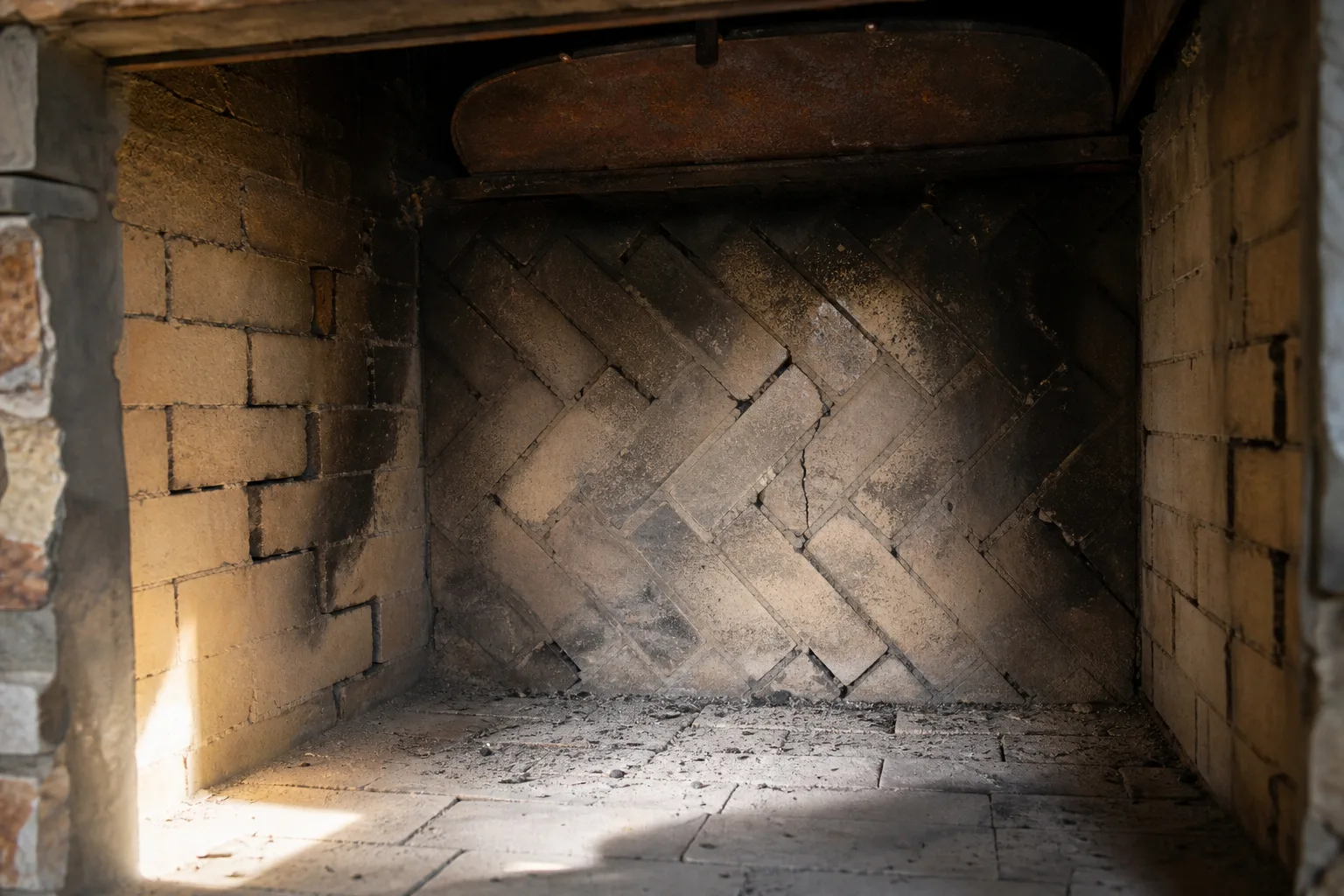
Firebox repair and rebuilding. Replacing cracked or shifted firebrick, grinding out failed joints and packing them with the correct mortar, sometimes tearing the firebox out and building it again from the hearth up.
Repointing the stack. Grinding out weathered mortar joints on the exterior brickwork and replacing them with fresh mortar that matches what was there.
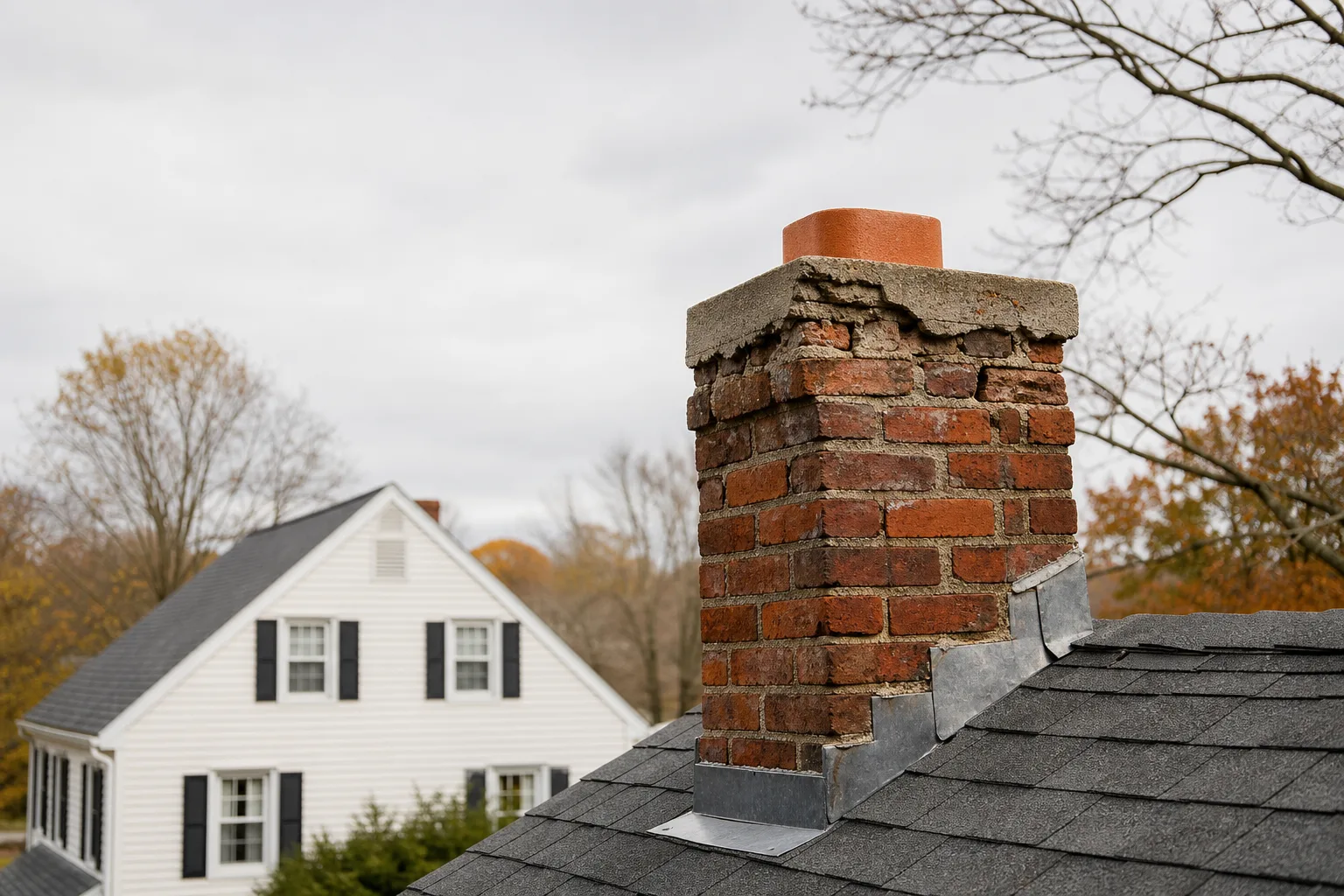
Crown repair and replacement. The crown is the sloped concrete slab across the whole top of your chimney. It is the roof of the chimney, and when it cracks, water gets into the structure.
Smoke chamber parging. Smoothing the funnel-shaped space above the damper so smoke draws properly instead of tumbling.
Rebuilds. When the top few feet of a stack have deteriorated past patching, a mason takes it down to sound brick and lays it back up. Larger projects shade into full fireplace restoration, where the hearth and surround get rebuilt along with the structure.
Waterproofing and flashing coordination. Water is what kills masonry, so a competent chimney mason thinks about where it is getting in.
What a fireplace mason will not touch
This part matters as much as the list above, because it tells you when you are calling the wrong number.
A fireplace mason is not the person for your annual sweeping. They are usually not the person to service a gas log set, a blower motor, or a thermocouple. Gas appliance work is often a separately licensed trade, depending on where you live.
Liner work sits in an interesting middle. Some masonry outfits install stainless liners and some hand it off, so ask. If you want to understand what that component even is before you call, read up on what a chimney liner is first, because it changes the conversation.
Good to know: Your chimney is really three separate repair zones that fail for different reasons. The firebox fails from heat. The stack outside fails from water and freezing. The crown at the top fails from both. A contractor who asks which one you are looking at is already ahead of one who quotes "chimney repair" sight unseen.
Fireplace Mason vs. Chimney Sweep vs. General Bricklayer
This is the section you actually came for, so I will be blunt about it.
These three trades overlap enough to confuse everybody and differ enough to matter. Homeowners lose real money in the gap.
The chimney sweep
A sweep's core work is cleaning, creosote removal, and inspection. That is a genuine skill set with a genuine national credential behind it: the CSIA Certified Chimney Sweep designation, which requires passing two exams based on NFPA 211 and the International Residential Code.
A good sweep is often the best first call you can make, because they will tell you what is wrong. Rebuilding a firebox, though, is masonry rather than sweeping, and a given sweep may or may not offer it. Ask.
The fireplace mason
Structural work. Brick, block, refractory, mortar, concrete. The fireplace mason is who you want when something needs to be taken apart and rebuilt rather than cleaned or inspected.
Plenty of companies do both under one roof, which is convenient and also worth verifying rather than assuming.
The general bricklayer
Here is where people get hurt. A general mason may be excellent. Steady hand, thirty years of walls and walks and patios, references all over town.
And they may have never built a firebox in their life.
The materials inside a firebox are not the materials in a garden wall, and the failure mode when you use the wrong ones is not cosmetic. More on that in the next section.
| Trade | Core work | Credential to ask about | Call them when | Where they stop |
|---|---|---|---|---|
| Chimney sweep | Cleaning, creosote removal, inspection | CSIA Certified Chimney Sweep | Annual service, you smell smoke, you want a diagnosis | Structural brick and mortar work |
| Fireplace mason | Firebox rebuilds, repointing, crowns, smoke chambers | Masonry experience specific to fireplaces, plus state licensing where it applies | Brick or mortar is failing, crown is cracked, firebox joints are gone | Gas appliance service, routine sweeping |
| General bricklayer | Walls, patios, steps, veneer, foundations | State licensing where it applies, general masonry references | Anything outside the chimney | Refractory work, code requirements specific to chimneys |
Myth vs. fact: "A mason is a mason." Not here. Masonry is a family of specialties, and fireplace work has requirements written into the fire code that ordinary brickwork does not. A bricklayer who has never read NFPA 211 is not a bad tradesperson. They are just the wrong one for this job.
Not sure which trade your problem belongs to? Describe what you are seeing and we will match you with an independent local company that handles fireplace masonry, so you are not cold-calling contractors and hoping. Call (513) 655-6702, or tell us what you are seeing online.
The Mortar Question That Separates the Trades
Here is the open loop from the top of the page, paid off.
Ask any contractor bidding on your firebox this: what mortar are you putting in there?
The right answer is refractory mortar. If you hear "regular mortar" or "we use the same mix we always use," you have your answer about whether this person does fireplace work.
Inside the firebox: refractory or nothing
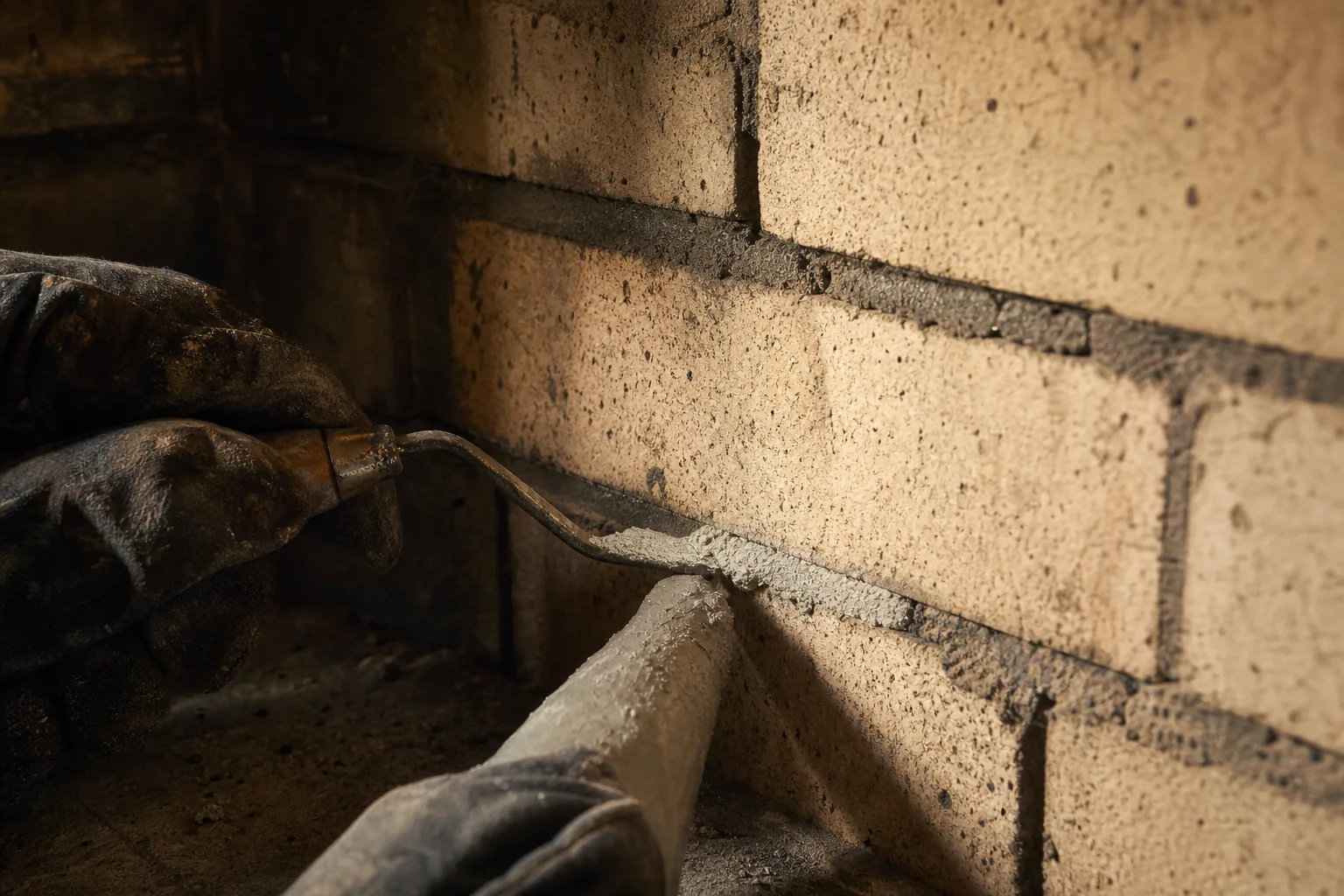
NFPA 211, the national standard for chimneys and fireplaces, requires refractory materials for the firebox lining of a residential masonry fireplace. Standard building brick does not meet that specification. The standard also calls for refractory mortar tested to ASTM C-199, medium duty, for bonding firebrick, setting clay flue liners, and parging smoke chambers.
The reason is thermal cycling. Ordinary Portland-based mortar cracks when it is heated and cooled over and over the way a firebox is. Once those joints open, the firebricks lose their bond and start moving, and the damage accelerates.
So a well-meaning bricklayer can repoint your firebox beautifully, and you can watch the work come apart, and neither of you did anything visibly wrong.
Outside on the stack: matching what was already there
The exterior of your chimney has a different rule, and it catches people too.
Mortar comes in types. Type S is stronger and more rigid. Type N contains more lime and stays more flexible, which is why it is commonly recommended for above-grade masonry that has to live through freeze and thaw.
The instinct is to reach for the strongest mix available. That instinct is wrong on an older chimney. Rigid mortar packed into joints between soft historic brick transfers stress into the brick instead of absorbing it, and the brick faces break instead of the mortar. Repair should generally match what the structure was built with.
This is the same judgment that shows up in any good chimney mortar repair conversation, and it is a fair thing to ask a bidder about directly.
Pro tip: Two questions, asked in this order, will sort most bidders in under a minute. "What mortar goes inside the firebox?" and "How do you decide what mortar type to use on the outside of an older chimney?" You are not testing for a perfect textbook answer. You are listening for whether the question is familiar or surprising.
How to Describe the Damage So You Get the Right Quote
You will get better bids, and you will be taken more seriously, if you can name what you are looking at.
Contractors are used to homeowners saying "the chimney is messed up." A caller who says "the joints in the firebox are recessed and one firebrick is cracked" gets a different conversation entirely.
The words that get you a straight answer
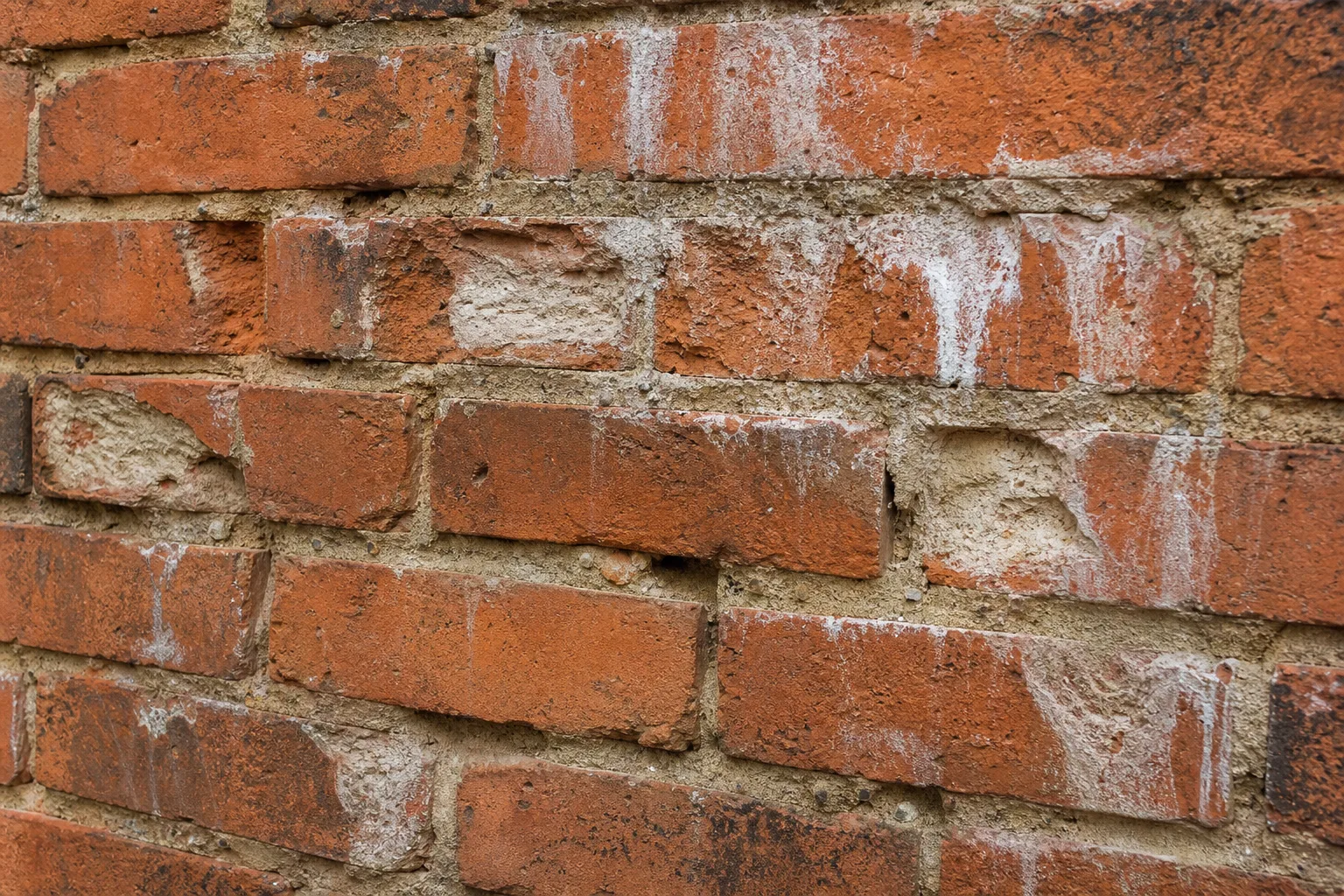
Spalling. Brick faces flaking, chipping, or popping off, leaving a pale crumbly scar. It is the classic freeze and thaw injury. Water soaks into the brick, freezes, expands, and breaks the face off. The crack that is left holds more water, so every freeze makes it worse.
Efflorescence. Chalky white powder or streaking on the brick. It is salt left behind by water that moved through the masonry and evaporated. Harmless to touch, and a clear sign that water is traveling where it should not.
Repointing. Grinding or raking out deteriorated mortar joints and filling them with fresh mortar. If somebody offers to smear new mortar over the old without removing anything, that is not repointing.
Firebox. The chamber you build the fire in, lined with firebrick. Those bricks are noticeably paler than the red brick outside, often tan or cream, frequently laid in a herringbone pattern on the back wall.
Smoke chamber. The sloped funnel above the damper that narrows into the flue.
The screwdriver test
Go outside with a flathead screwdriver. Pick a mortar joint on the chimney you can reach safely from the ground, and press the tip into it.
Sound mortar resists. You can scratch it, but you are not going anywhere.
Failed mortar gives. If the tip sinks in, or you can rake out sandy crumbs with light pressure, that joint has stopped holding water out. Thirty seconds, no ladder, and you now have something concrete to tell a contractor.
Do not do this on a roof. Nothing you learn up there is worth the fall.
From the field: Water damage rarely announces itself where it starts. A gap at the crown can let water travel down inside the structure, and the evidence surfaces somewhere else entirely, seasons later. That is why a contractor who looks only at the spot you called about is not really looking.
Crown, cap, and flashing: the three things people mix up
These three get used interchangeably by homeowners and they are completely different parts.
The crown is the concrete slab across the entire top of the chimney, sloped so water runs off. It is masonry, and repairing it is mason work.
The cap is the small metal cover sitting over the flue opening, usually stainless or black steel with mesh sides, keeping out rain and animals and sparks. If you are unclear on this one, what a chimney cap is sorts it out in a couple of minutes.
The flashing is the metal where the chimney passes through the roof, stepped up the slope and sealed against both surfaces. Leaks here get blamed on the chimney when the roof is the culprit, or the reverse.
When You Need a Fireplace Mason Now, and When It Can Wait
Not every crack is an emergency. Not every problem can sit until spring, either. Here is how I would triage it.
Stop using the fireplace and call
- You had a chimney fire, even a small one that put itself out
- You can see daylight through the firebox, or a gap behind loose firebrick
- The stack is visibly leaning, bulging, or has open vertical cracks
- Smoke is entering the room during normal use
- There is any question about whether the flue is intact
Handle it before the freeze
- Failed mortar joints that give under the screwdriver test
- A cracked crown
- Active spalling on the stack
- Water stains or a damp smell at the firebox after rain
The logic here is mechanical, not seasonal marketing. Every one of those problems is a doorway for water. Once water is inside the masonry and the temperature swings below freezing and back, the damage compounds on its own schedule rather than yours.
Put it on the list
- Light efflorescence with sound joints
- Cosmetic staining
- A cap you want upgraded
- General "it has been a while since anyone looked at it"
Safety note: NFPA 211 calls for a Level 2 inspection in specific situations, and they are worth knowing: at sale or transfer of a property, when the system is changed, after a malfunction, after a chimney fire, and after an external event such as severe weather or an earthquake. If you are in one of those situations, an inspection comes before any masonry bid. You want to know the condition of the whole system before somebody starts pricing one piece of it.
If an inspection turns up trouble in the flue rather than the brick, you are in different territory, and chimney flue liner installation is the conversation to have instead.
How to Vet a Fireplace Mason in One Phone Call
You do not need to become an expert. You need to be able to tell, in about five minutes, whether the person on the other end of the line does this work regularly.
Credentials worth asking about
The CSIA Certified Chimney Sweep credential is the clearest one in this industry. It means the person passed two exams built on Successful Chimney Sweeping, NFPA 211, and the International Residential Code. Worth knowing: it certifies knowledge of chimney and venting systems, not masonry craft specifically. It tells you they know the code. It does not by itself tell you they can lay brick.
The National Chimney Sweep Guild is the industry trade association for this work, and membership is a reasonable thing to ask about. It is one of the signals worth weighing when you are comparing chimney specialists against a general contractor.
Masonry licensing is messier. Requirements vary a lot from state to state, and some states have no masonry-specific license at all. So do not treat "licensed" as a universal signal. Ask what license they hold and what it covers.
Insurance is worth verifying rather than trusting. Ask what coverage they carry, including general liability and workers' compensation, and ask for a certificate sent directly from the insurer rather than a photo of a card. Requirements and exemptions differ by state and by how the business is set up, so find out what applies where you live.
Five questions for a fireplace mason
Read these off the screen. The answers matter less than the ease with which they come.
- "What mortar do you use inside a firebox?" You want to hear refractory mortar, without hesitation.
- "How much of your work is chimney and fireplace, versus general masonry?" You are looking for a real share of their business, not an occasional side job.
- "Will you look at the whole system or just the part I called about?" The right answer involves the crown, the flashing, and where water is entering.
- "How do you decide what mortar type to use when repointing an older chimney?" Matching the existing mortar should come up on its own.
- "Can you send a written scope before any work starts, itemized by what gets repaired and what gets replaced?" Insist on this one.
The answers that should end the call
Some responses are worth treating as a full stop.
Pressure to decide today. A refusal to put anything in writing. A quote given over the phone without anyone looking at the chimney. Vagueness about insurance. Talk of "sealing" a crumbling stack rather than repairing it.
And the big one: any confusion about what goes inside a firebox.
Good to know: Ask for photos of the finished work, not the pretty outdoor fireplaces in the gallery. A mason who documents a firebox rebuild or a section of repointed joints is telling you which work they are actually proud of.
How VIO Helps You Find a Fireplace Mason
VIO CHIMNEY is a referral service. We do not do the masonry ourselves. What we do is connect homeowners with independent local companies that handle chimney and fireplace work, which removes the hardest part of the job you are doing right now: finding candidates worth calling in the first place.
For your situation specifically, that means you describe what you are seeing, the recessed joints or the flaking brick or the cracked crown, and we match you with a company in your area that does that kind of masonry. The independent company you are matched with comes out and looks at it in person.
On estimates, here is our position, stated plainly. We ask every company in the network to put its estimate in writing before any work starts, and you should insist on exactly that. A written scope is your protection, and it is a reasonable thing to require from anyone bidding on your house.
You still do the vetting. The five questions above are yours to use, and a good company will not mind them at all. If anything, asking them tends to improve the conversation, because it signals you know the difference between fireplace masonry and general brickwork.
Ready to get someone out to look at it? Tell us what you found, whether that is failed joints in the firebox, spalling brick on the stack, or a crown that has cracked through, and we will match you with an independent local company that does this work. Call (513) 655-6702 or request service online, and ask for the estimate in writing before anyone starts.
The chimney is not going to fix itself, and water does not take the winter off. But you are in much better shape than you were twenty minutes ago, because you now know what a fireplace mason does, how the trade differs from the sweep and the bricklayer, and exactly what to ask before you let anyone near your firebox.
Symptom checker
What is your chimney doing?
Tap the closest match for an honest first answer.