



On this pageWhat a Chimney Extension Actually Is (and the Two Things That Share the Name)7 sections+6
- What a Chimney Extension Actually Is (and the Two Things That Share the Name)
- The 3-2-10 Rule: The Number You Came Here For
- What a Chimney That Is Too Short Actually Does to You
- Before You Add Height: What Else Causes the Same Symptom
- The Two Ways to Extend a Chimney: Masonry vs Factory-Built
- What the Job Involves, Start to Finish
- How VIO Helps With a Chimney Extension
Quick answer
A chimney extension adds height to a chimney that terminates too low above the roof. Building codes require a chimney to rise at least 3 feet above the point where it penetrates the roof and 2 feet above anything within 10 feet horizontally, the 3-2-10 rule. Masonry chimneys are extended by laying additional brick courses and rebuilding the crown. Factory-built metal chimneys are extended by adding listed pipe sections from the same manufacturer.
Chimney Extension: When Your Chimney Is Too Short, and When Height Is Not the Problem
The first cold night of the season is when most people find out. You lit a fire, the room filled with smoke in about ninety seconds, and you spent the evening with the windows open in November wondering what went wrong. Somebody told you the chimney is too short, and now you are searching for a chimney extension and trying to work out whether that is really your answer.
Sometimes it is. Sometimes it absolutely is not, and this guide tells you both halves, including the half a product listing has no reason to mention.
The short version: your chimney has to clear the roof by a specific amount, and the rule that sets it is called 3-2-10. Fail that rule and height is genuinely your problem. Clear it comfortably and still get smoke, and height is probably not where your answer is, so work through the other causes before you buy anything.
Let us sort out what you are actually looking for first.
What a Chimney Extension Actually Is (and the Two Things That Share the Name)
Type this phrase into a search bar and you get two unrelated worlds back. One of them is a kitchen appliance part. The other is a structural piece of your house.
Chimney Extension for a Range Hood Is a Different Product
If you have a tall kitchen ceiling and a range hood whose decorative stainless flue cover does not reach all the way up, that part is also called a chimney extension. Range hood manufacturers sell them as accessories for their own hoods. They are model specific, usually not returnable, and they have nothing to do with combustion, code, or your roof.
If that is what brought you here, buy the one that matches your hood model. You can stop reading.
Good to know: Two very different products share this name, and search engines cannot tell them apart. A kitchen range hood chimney extension is a trim piece. A chimney extension on your house is a code-governed structure that vents combustion gases. The rest of this guide is about the second one.
Extending the Chimney on Your House
This one means adding height to the flue that serves your fireplace, wood stove, or furnace, so the top of it sits higher above your roof than it does now.
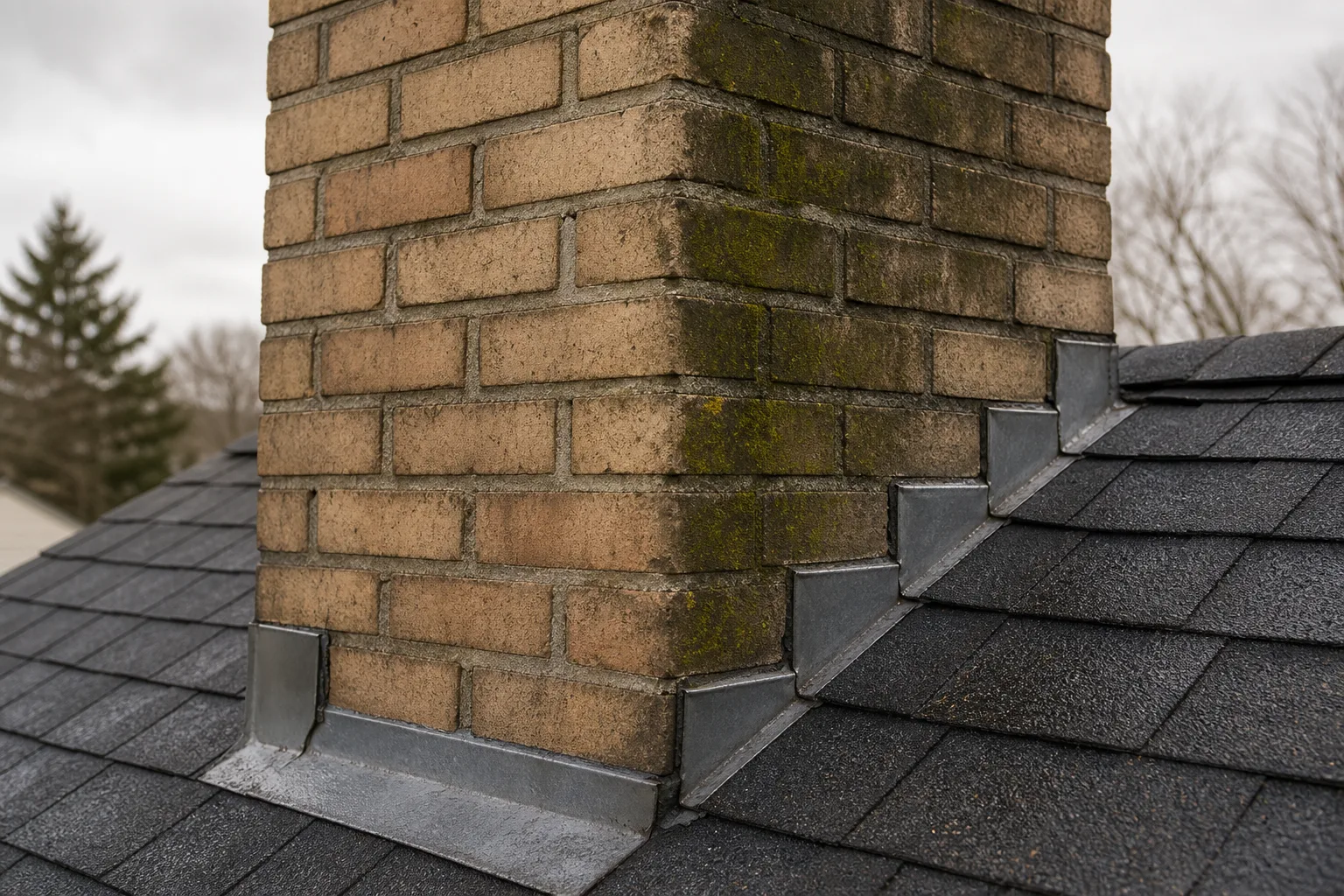
On a brick or stone chimney, that means a mason building additional courses onto the existing stack and forming a new crown at the top. On a factory-built metal system, it means adding more sections of listed chimney pipe and dealing with the bracing that extra exposed height requires.
Two different trades, two different jobs. Telling them apart changes what you do next.
The 3-2-10 Rule: The Number You Came Here For
Three numbers, easy to remember.
Your chimney must extend at least 3 feet above the point where it penetrates the roof, and it must stand at least 2 feet higher than any part of the building or structure within 10 feet of it, measured horizontally.
That is the whole rule. It is codified for masonry chimneys at IRC R1003.9, required by NFPA 211, and it applies to masonry, to Class A factory-built chimney pipe, and to solid fuel venting generally. Your jurisdiction adopts its own edition of those codes, so details on your building official's shelf may differ, but 3-2-10 is the requirement in circulation everywhere.
Notice the second half, because that is the half that catches people. "Anything within 10 feet" includes your own roof ridge. A chimney coming out of the low side of a steep roof can clear its penetration point by four feet and still sit below the ridge eight feet away, which means it fails.
How to Measure It Without Getting on the Roof
A rough read from the ground is usually enough to tell you whether you have a problem worth pursuing.
Stand back from the house, far enough to see the chimney and the ridge line in the same view, and look at where the top of the chimney sits relative to the ridge.
Clearly below the ridge, with the ridge anywhere near it? You almost certainly fail 3-2-10. Well above the ridge with daylight between them? You probably pass. If it looks close, you cannot call it from the yard, and neither can anyone else.
That middle case is common, and it is the honest limit of what you can do yourself. Measuring a horizontal ten foot radius on a sloped plane, from the ground, with your neck bent back, does not produce a reliable answer.
The Other Minimum People Miss
There is a second requirement that sits alongside 3-2-10, and it matters for stoves and inserts in particular.
NFPA 211 requires that a natural draft chimney or vent terminate not less than 5 feet above the flue collar, meaning the outlet on the appliance itself, or above the highest connected draft hood outlet.
So a wood stove in a low-ceilinged room with a short run of stove pipe can satisfy 3-2-10 at the roof and still fall short of the total vertical the appliance needs. Both minimums apply. Whichever one demands more height is the one you build to.
Why the Rule Exists at All
It is not about aesthetics. Wind blowing across your roof creates a zone of turbulence and pressure right above the roof surface. If your chimney top sits inside that zone, gusts push down into the flue instead of pulling across it, and the pressure reverses.
The rule exists to put the termination up out of that zone. Understanding how a chimney works comes down to this: hot gas rises because it is lighter than the cold air outside, and the taller the column, the harder it pulls.
What a Chimney That Is Too Short Actually Does to You
The smoke in the living room is the symptom everybody notices. It is not the only one, and it is not the worst one.
Smoke rollback. The fire cannot push its exhaust up a flue that will not pull, so the exhaust comes out the front of the firebox into the room. This is the one that sends people to the internet.
Downdraft on windy days. A short chimney in that turbulence zone gets air pushed down it. You notice it as a cold draft and a smell of old smoke even when nothing is burning.
Faster creosote buildup. This is the quiet one. Weak draft means the flue gases move slowly and cool before they exit, and cool smoke condenses on the flue walls as creosote instead of leaving the building. A chimney that drafts poorly builds deposits faster than one that drafts well, which matters if you track how often to clean the chimney.
Safety note: Creosote accumulation is not a housekeeping issue. It is fuel sitting inside the flue, and a chimney fire is what happens when it ignites. If your chimney drafts badly, treat the inspection and sweeping schedule as more urgent, not less.
Embers landing closer to home. A short stack puts the flue termination nearer the roof, shortening the distance between a hot ember and the shingles, the gutter full of leaves, or an overhanging limb.
Smoke crossing between flues. On a multi-flue chimney with the tiles all ending at the same height, exhaust from one flue can get drawn down the one beside it. Raising one flue above the others increases the separation and reduces that.
Before you go looking for a contractor, though, there is a list you need to read.
Before You Add Height: What Else Causes the Same Symptom
A page selling a thirty four inch stainless extender has no reason to tell you that you might not need one. So here is that part.
A smoking fireplace has several possible causes, and short chimney height is only one of them. It is easy to go straight to the most expensive theory because it was the first one somebody mentioned, and then to be genuinely upset when the smoke comes back.
Myth vs. fact: The claim that adding height fixes a smoking fireplace is repeated almost everywhere, and it is only conditionally true. Height fixes smoke when insufficient height is the cause. When the cause is a blockage, a flue sizing mismatch, or a house that cannot supply combustion air, a chimney extension changes nothing and costs you real money.
Here is what a chimney professional will want to rule out first.
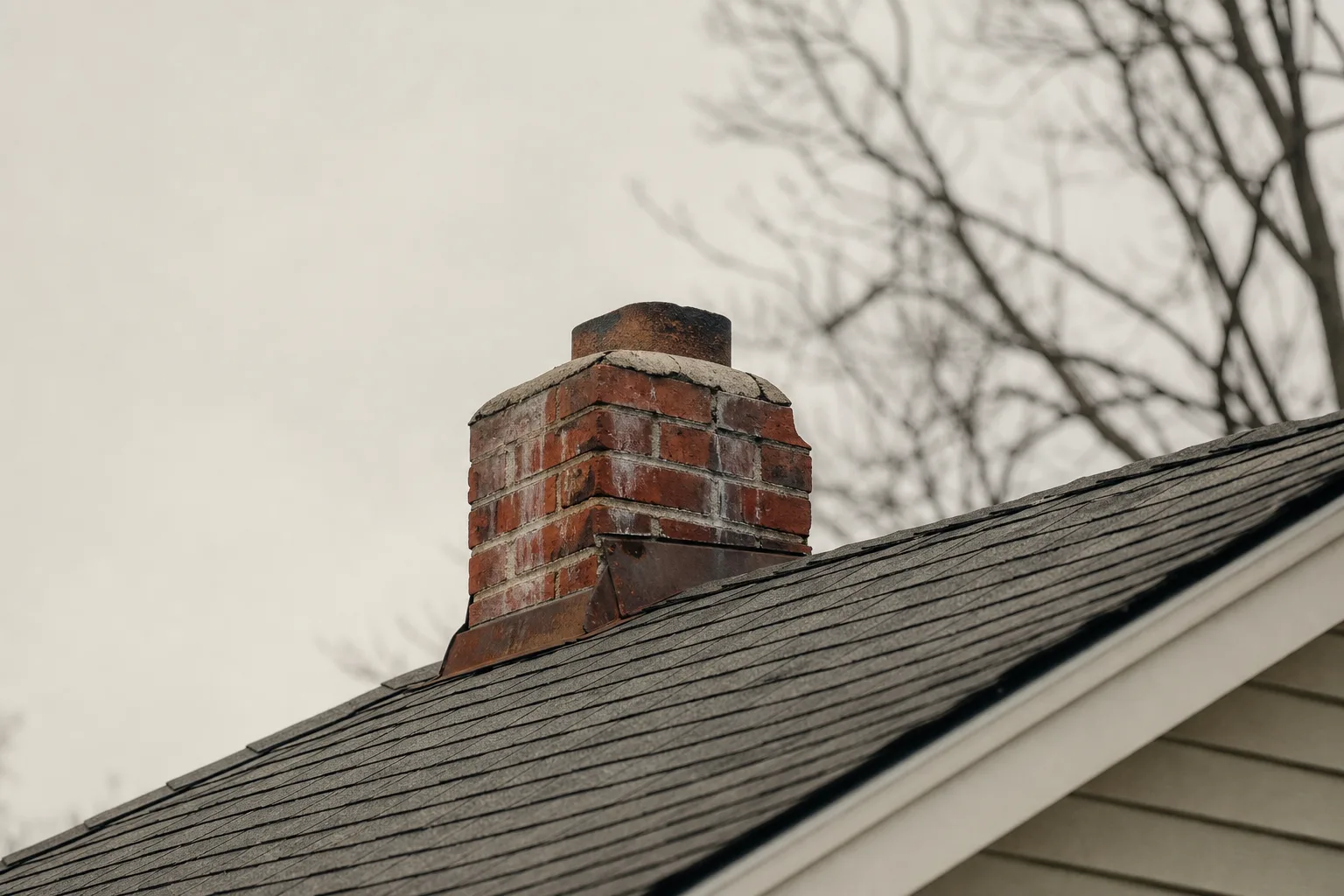
A blockage. Nests, leaves, a fallen chunk of flue tile, or a spark screen on the chimney cap packed solid with soot. Common in a chimney that worked fine last year, and the cheapest to fix.
A flue sized wrong for the fireplace opening. There is a relationship between the area of the firebox opening and the cross sectional area of the flue. Get it wrong in either direction and the fireplace smokes no matter how tall the chimney is. This shows up in fireplaces remodeled without the flue being reconsidered.
A damaged or missing liner. Cracked clay flue tiles, gaps at the joints, or an unlined flue leak draft the way a hole in a straw does. Damage to the chimney liner can present exactly like a height problem.
A damper that is not fully open. Obvious, embarrassing, and worth checking before anything else. Older dampers warp and bind.
A house too tight to give the fire make up air. Modern weatherization works. If the house cannot let replacement air in, the fire competes with the bath fan, the dryer and the range hood for what air there is, and the fire usually loses. Open a window near the fireplace: if the smoke clears, that is your tell.
Wet wood. Unseasoned wood produces cool, wet smoke that will not rise well in any chimney. Not glamorous, very common.
A sudden change with no obvious cause. If the chimney drafted correctly for years and then stopped, something changed. Sometimes that something is a new addition, a second story, a dormer, or a neighbor's build that put structure within ten feet of your chimney top and quietly broke 3-2-10 for you. That case is real, and it is exactly when a chimney extension is the right call.
The pattern to take from this list: figure out the cause before you buy the cure.
Not sure what you are looking at up there?
Measuring 3-2-10 from the ground, on a sloped roof, with a ridge in the way, is genuinely hard. A local chimney pro can put eyes on the stack and tell you in one visit whether height is your problem or whether something else is.
Call (513) 655-6702 or request service and we will match you with an independent chimney company near you.
The Two Ways to Extend a Chimney: Masonry vs Factory-Built
Say you did the work, ruled out the cheap causes, and the answer came back that your chimney really is too short. What happens next depends entirely on what your chimney is made of.
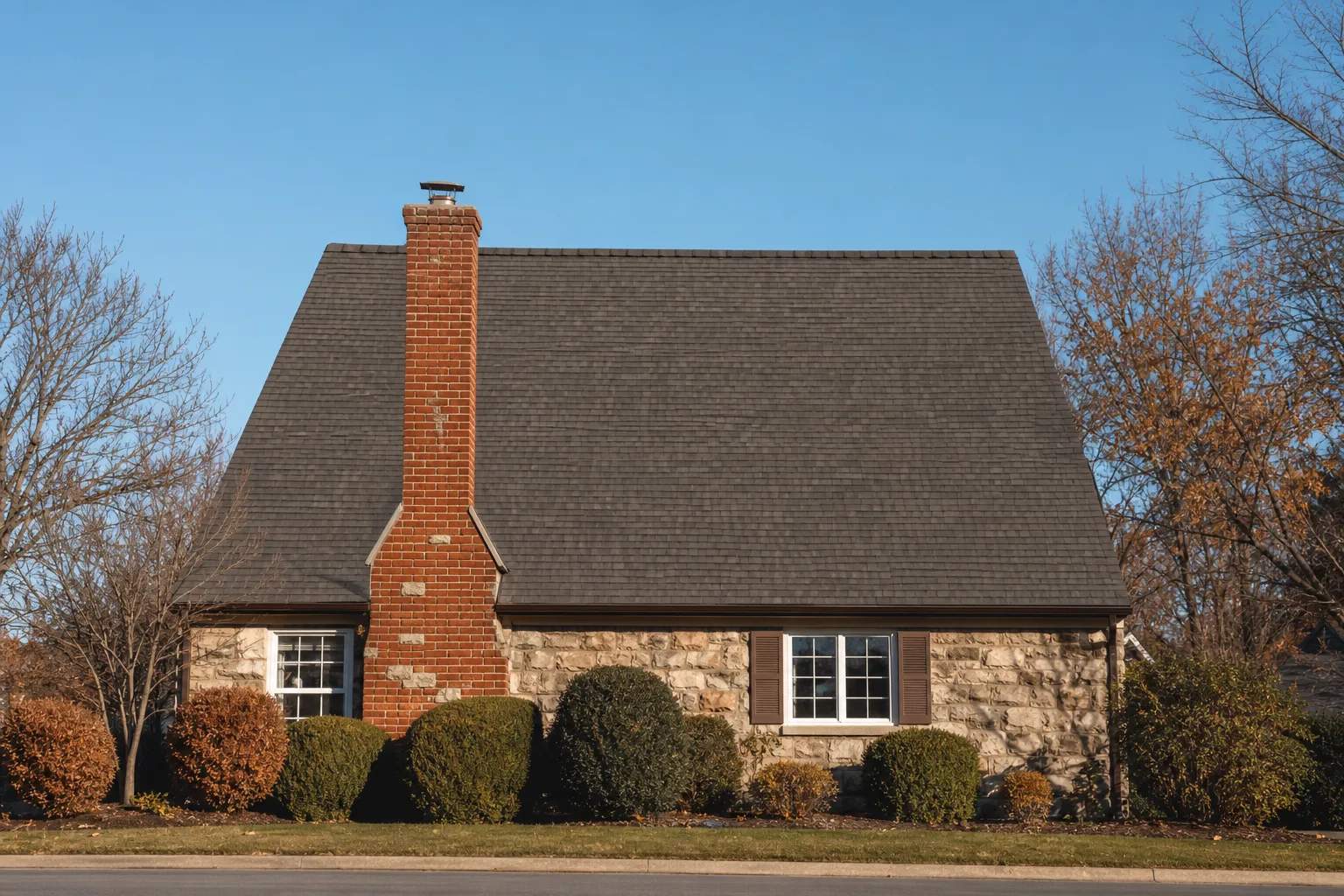
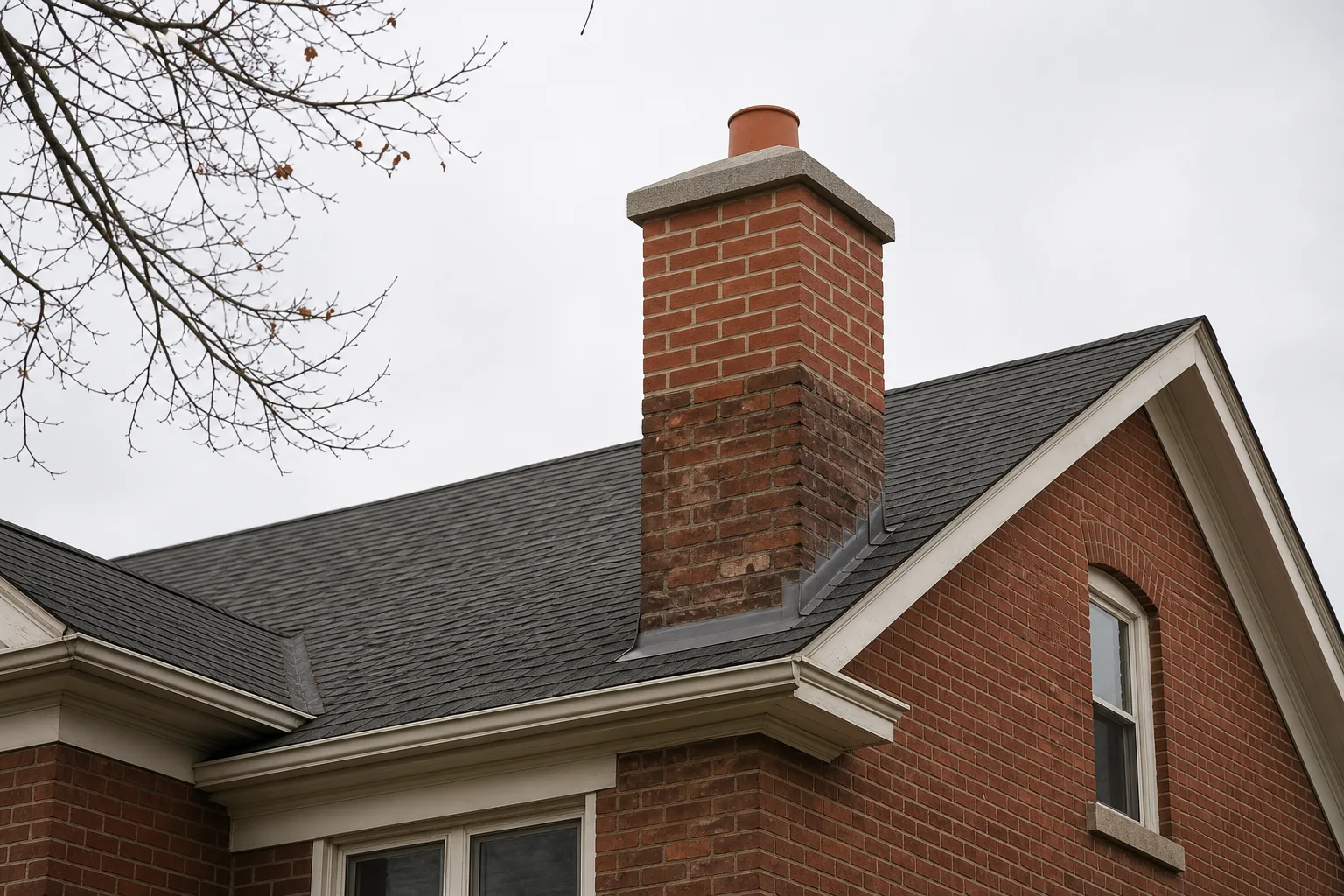
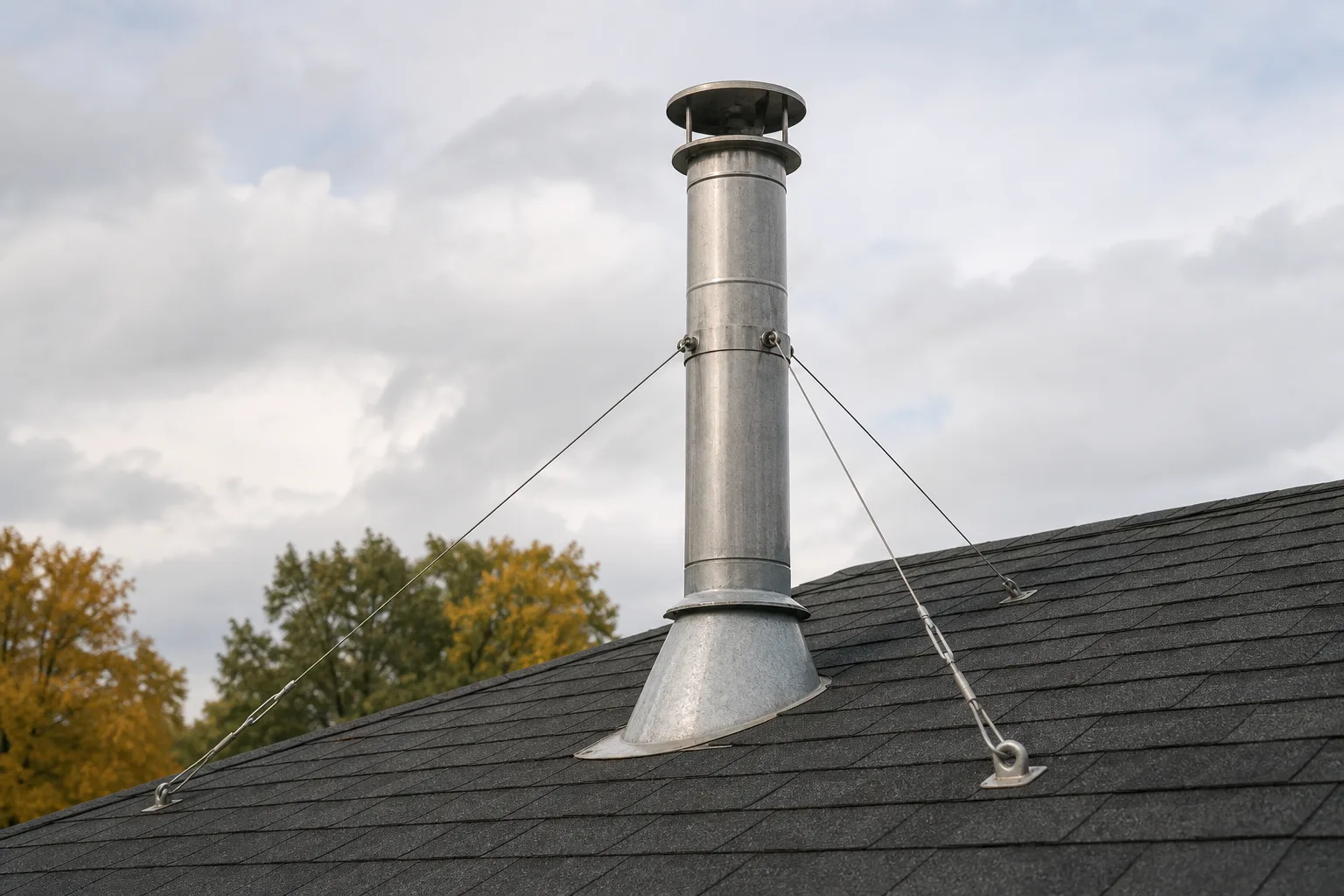
Go look at it. Brick, block or stone with a concrete slab on top and a clay tile poking out of the slab? Masonry. A round silver metal pipe coming through a cone shaped flashing with a cap on top? Factory-built, usually called Class A.
These get extended in completely different ways, by completely different people.
| Masonry chimney | Factory-built (Class A) chimney | |
|---|---|---|
| Who does the work | A mason, or a chimney company with masonry crews | A chimney installer working to the manufacturer's manual |
| What gets added | Courses of brick or block, laid in compatible mortar | Sections of listed chimney pipe from the same system |
| What else it touches | New crown at the top, flashing inspected or replaced, cap refitted | Storm collar, flashing seal, rain cap, bracing above the roof |
| Height limit | Set by the stack's structure and stability, not by a published number | Set by the manufacturer's listing, bracing required past roughly 5 feet exposed |
| When it is the wrong call | When the masonry below is deteriorated | When the added sections are a different brand or an unlisted mix |
Raising a Masonry Chimney
This is real construction, not an accessory.
The mason sets scaffolding or staging so the work can be done level and safe at each height, then lays additional courses using brick or block and a mortar mix compatible with what is already there. Matching is harder than it sounds, because both the brick color and the mortar color have aged for decades.
Then the top gets rebuilt. A proper chimney crown is a concrete slab that slopes outward from the flue tile toward the edges, overhangs the brick face, and carries a drip groove underneath so water sheds clear instead of running down the masonry.
The flashing at the roof to chimney junction gets inspected while everything is open, and often replaced, because that joint is where chimneys leak.
One hard condition. If the masonry below is spalling, if the joints are eroded, or if the stack is leaning, the extension is not the first job. Chimney mortar repair comes first. Nobody should lay fresh courses on top of a stack that is failing underneath.
Adding Sections to a Class A Metal Chimney
This one is mechanically simpler, which is why people assume chimney extension work is a Saturday project.
You add more sections of chimney pipe on top, seat the joints the way the manual specifies, reset the storm collar, and put the cap back. On a system installed correctly and in good condition, that genuinely is most of the job.
Two conditions make it less simple than it sounds, and both are absolute.
Pro tip: Chimney pipe is listed and tested as a complete system, brand by brand. Adding another manufacturer's sections to your existing pipe, even when the diameters match and the parts lock together, takes the whole assembly outside its listing. Find out what brand you have before you buy anything.
The Bracing Limit Nobody Mentions
Here is the condition that turns this from a Saturday project into a phone call.
You cannot keep stacking pipe indefinitely. Once you have more than roughly 5 feet of exposed pipe above the roof, the installation needs a brace or support kit. Without one, wind works on that unsupported lever all winter, loosens the base flashing and cracks the sealant, and you get a leak on top of the draft problem you were trying to solve.
On the vertical run generally, support brackets are commonly specified every 8 feet, though some manufacturers call for every 4 to 5 feet. The number that governs is the one in your manufacturer's installation manual, every time, not the number in any article including this one.
From the field: It is easy to get tripped up before you ever reach the question of height, because first you have to know which of these two types you own. People describe a brick chimney and then ask about buying pipe sections, or point at a metal stack and ask about repointing. If you are not sure which you have, settle that first. It is an easy question for anyone who actually looks.
What the Job Involves, Start to Finish
Whichever type you have, a well run chimney extension job has the same shape. Somebody looks first, confirms the diagnosis, scopes the work, and only then builds.
Use this as your own checklist. Confirm these before anyone starts:
- The height deficit is measured, not assumed. Somebody has put a measurement to 3-2-10 on your roof and can tell you how many feet short you are.
- The other causes have been ruled out. Flue looked at, cap and screen checked, liner condition assessed. Height should be the conclusion, not the opening bid.
- The existing structure is sound enough to build on. For masonry, the stack below the new courses. For metal, the pipe and its supports.
- You know which system you have and, for metal, which manufacturer. Written down.
- Crown and flashing are in scope on a masonry job. If the quote covers new courses but says nothing about them, ask why.
- Bracing is addressed on a metal job if the finished exposed height will pass the manufacturer's unbraced limit.
- The cap is going back on. It keeps rain, animals and debris out of the flue, and it is easy to forget in the middle of a bigger job.
- The estimate is in writing before any work starts. Not a number called down from a ladder.
- Permits and local code. Your jurisdiction adopts its own code edition. Ask who is pulling the permit.
And then there is the part that closes the loop on the whole thing.
Good to know: Extending a chimney is a change to the venting system, and NFPA 211 puts changes to the system on the list of triggers requiring a Level 2 inspection. The other triggers are sale or transfer of the property, a malfunction or operating performance problem, a chimney fire, and an external event likely to have caused damage, such as a building fire, an earthquake or severe weather. So if you are doing this because an inspection report flagged your chimney height, the fix itself lands you back in Level 2 territory. Plan for it rather than being surprised by it.
How VIO Helps With a Chimney Extension
Let us be straight about what VIO is, because it matters for how you use us.
VIO is not the company that climbs onto your roof. We do not employ masons and we do not send out crews. We connect homeowners with independent local chimney companies, and the company we match you with is the one that does the work and is responsible for it.
For a chimney extension specifically, what you need first is not a contractor with a quote. It is somebody who will measure your stack against 3-2-10 and tell you honestly whether height is your problem.
That is the visit that saves people money, because plenty of the time the chimney passes and something else is going on. Then you are solving the real thing instead of the expensive theory.
So tell us what the chimney is doing, and we match you with a chimney company near you.
On the money side, we ask every company in our network to put its estimate in writing before any work starts, and you should insist on exactly that. A chimney extension involves access equipment, structural work and code compliance, and none of that belongs in a verbal number.
Start with a look, not a quote.
Before anyone talks about adding height, get the chimney looked at. VIO connects you with independent chimney companies in your area, and we ask every company in our network to put its estimate in writing before any work starts. Insist on exactly that.
Call (513) 655-6702 or request service.
The smoke in your living room on that first cold night was information. It told you something in the venting system is not doing its job. A chimney extension might be the answer, and if your chimney sits below the ridge line it very likely is. But measure first, rule out the cheap causes, and find out whether you own brick or steel before you buy anything. That order is what separates a fix from an expensive guess.
Symptom checker
What is your chimney doing?
Tap the closest match for an honest first answer.